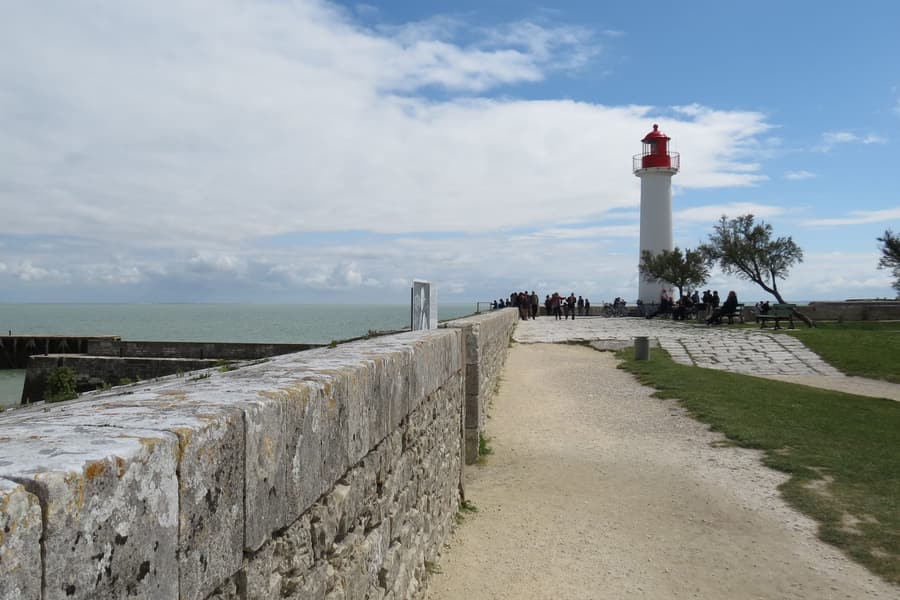
Thirteen departments running from the Atlantic side of the Pyrenees to the Rhône, and the old Occitan-speaking south. Carcassonne is the largest walled city in Europe; behind it the Cathar castles stand on limestone spikes you have to climb to. Toulouse is pink brick, Airbus and rugby; Montpellier is young, flat and ten minutes from the sea. The Canal du Midi has been carrying boats since 1681 under a roof of plane trees. And the region holds two of France's great engineered landscapes — the Millau Viaduct crossing the Tarn gorge at 270 m, and the Pont du Gard, a Roman aqueduct still standing after two thousand years.
- The Cité de Carcassonne
- The Pont du Gard
- Toulouse — the Capitole and Saint-Sernin
- The Canal du Midi
- The Millau Viaduct and the Tarn gorges
- Cathar castles: Peyrepertuse, Quéribus, Montségur
- Best time to go
- May–June and September–October. July and August are genuinely hot inland — Carcassonne and Toulouse both push past 35 °C — and the coast fills up. The Pyrenees ski from December.
- Getting there
- Toulouse, Montpellier, Carcassonne, Perpignan and Béziers airports; TGV Paris–Montpellier 3h20 and Paris–Toulouse 4h20. A car for the Cathar country and the gorges.
Headline places
What france.fr leads with in Occitanie.
-
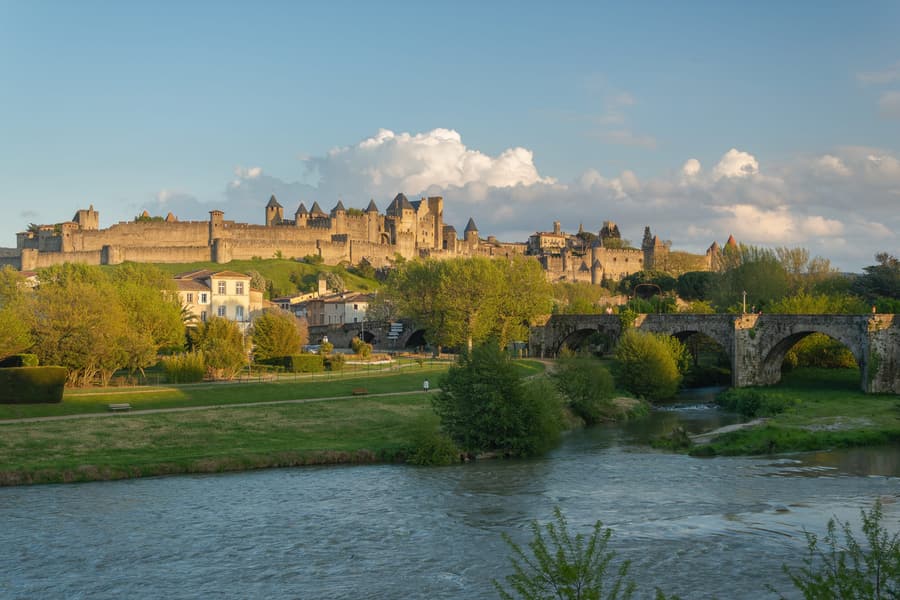 La Cité de Carcassonne 52 towers and a double curtain wall — the largest walled city in Europe
 -
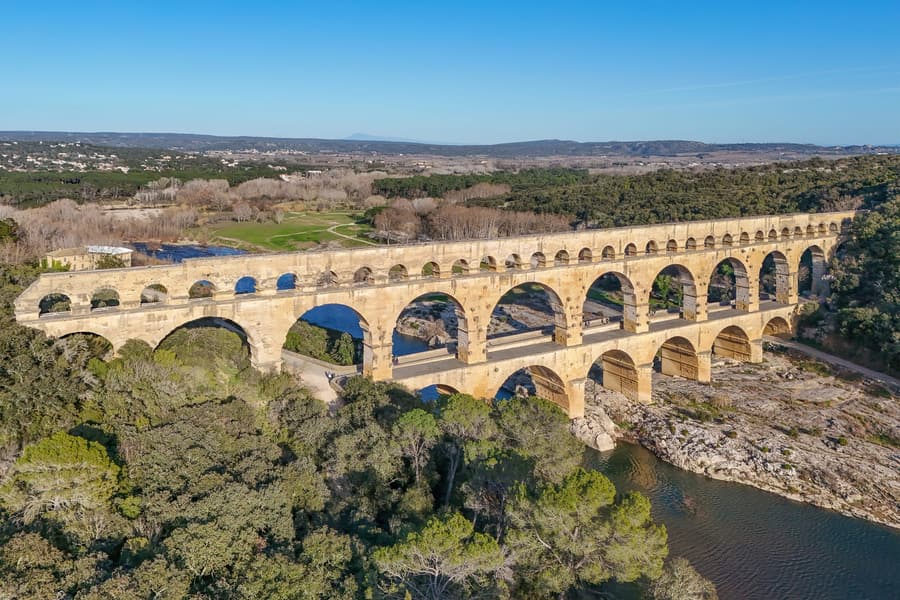 Pont du Gard A three-tier Roman aqueduct bridge, 49 m high and still standing
 -
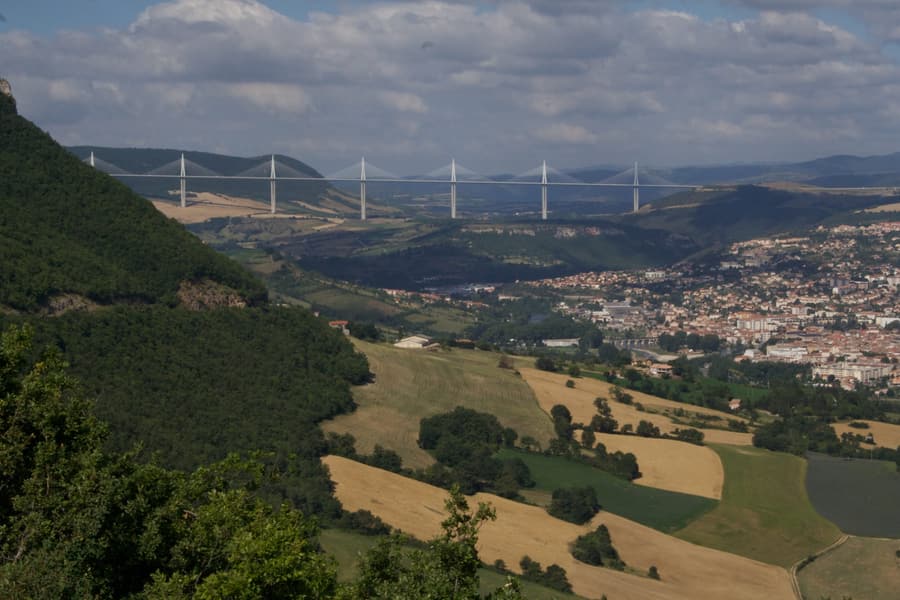 The Millau Viaduct The tallest bridge in the world — one mast higher than the Eiffel Tower
 -
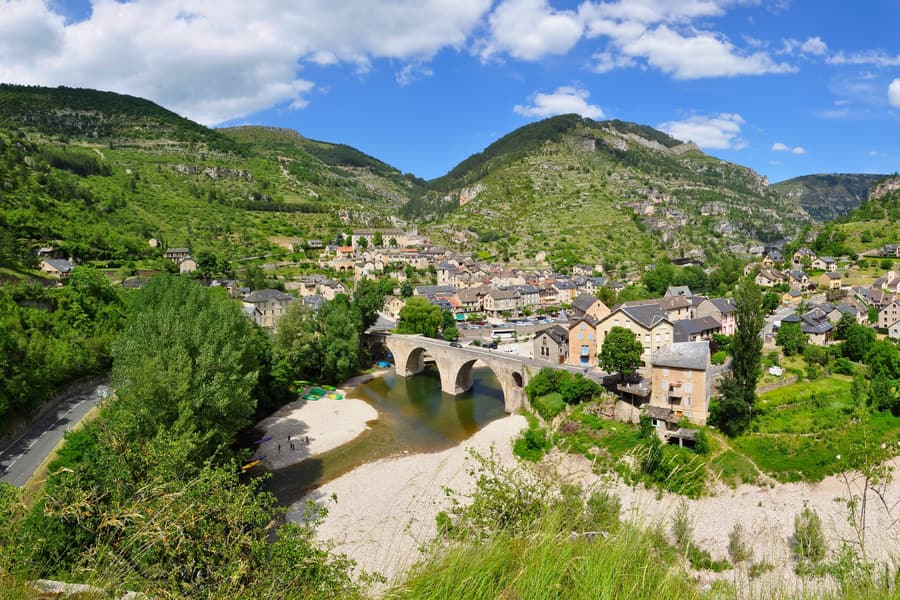 Gorges du Tarn 500 m deep, 50 km long, and best seen from a canoe
 -
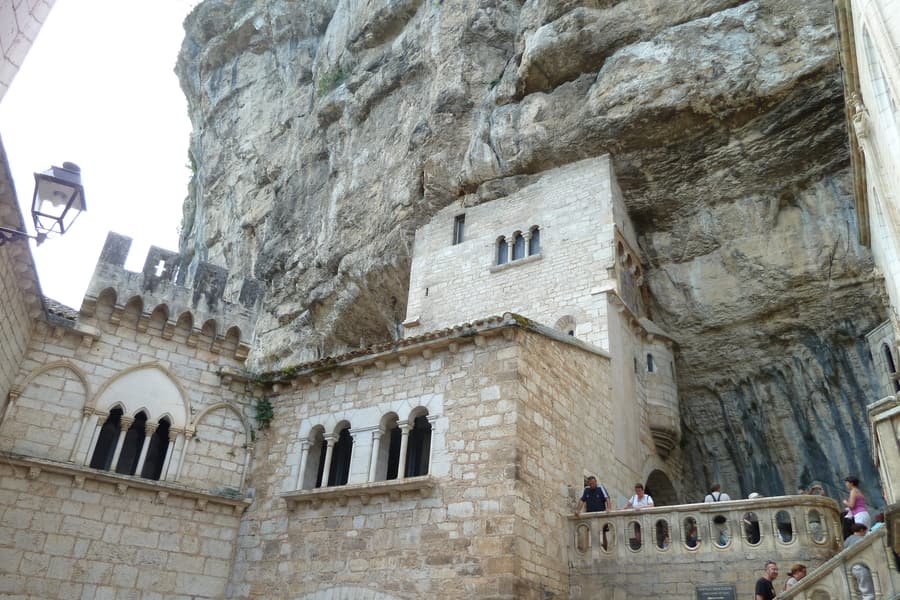 The Sanctuary of Rocamadour Seven chapels up 216 steps that pilgrims once climbed on their knees
 -
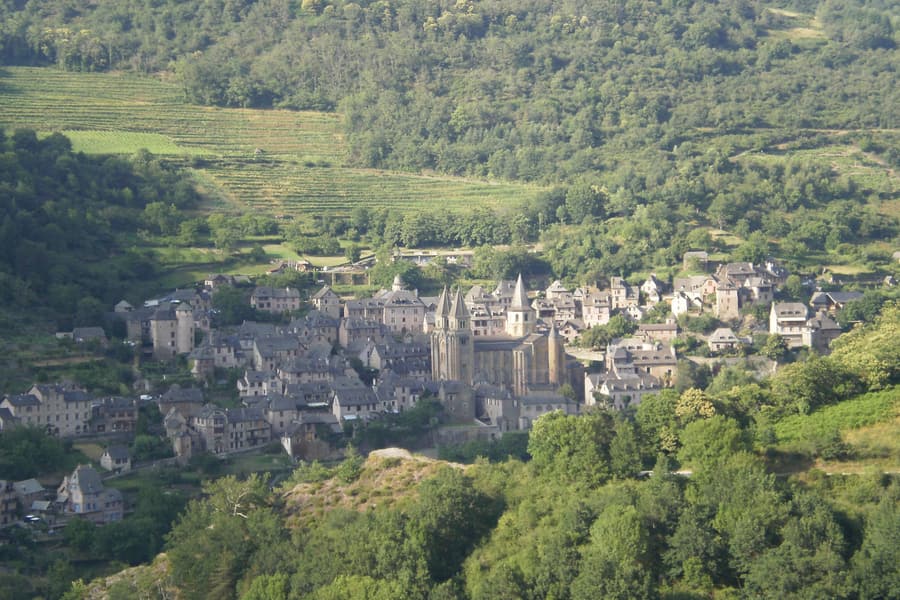 Conques A Romanesque abbey on the Camino, with Soulages' windows in it
 -
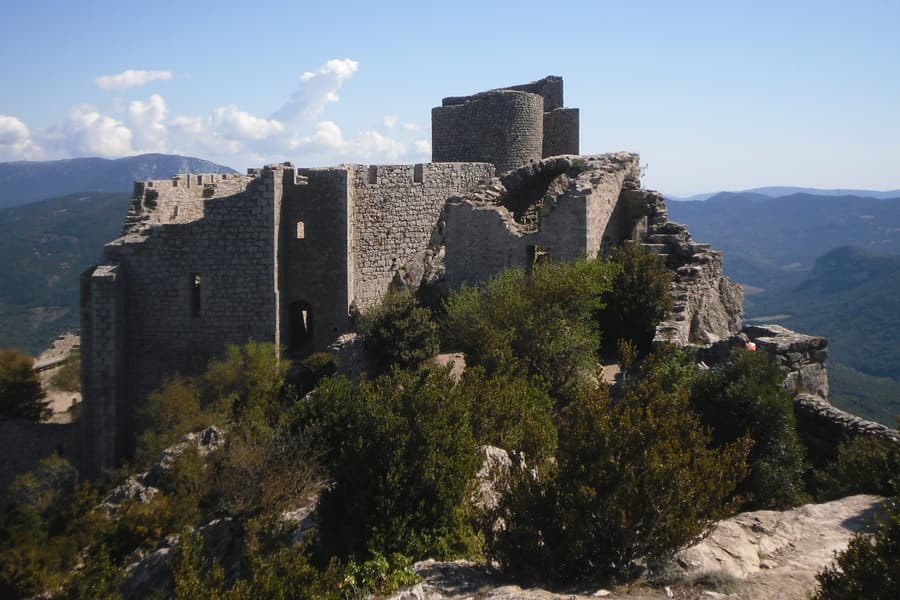 Château de Peyrepertuse 300 metres of Cathar fortress along a limestone ridge at 800 m
 -
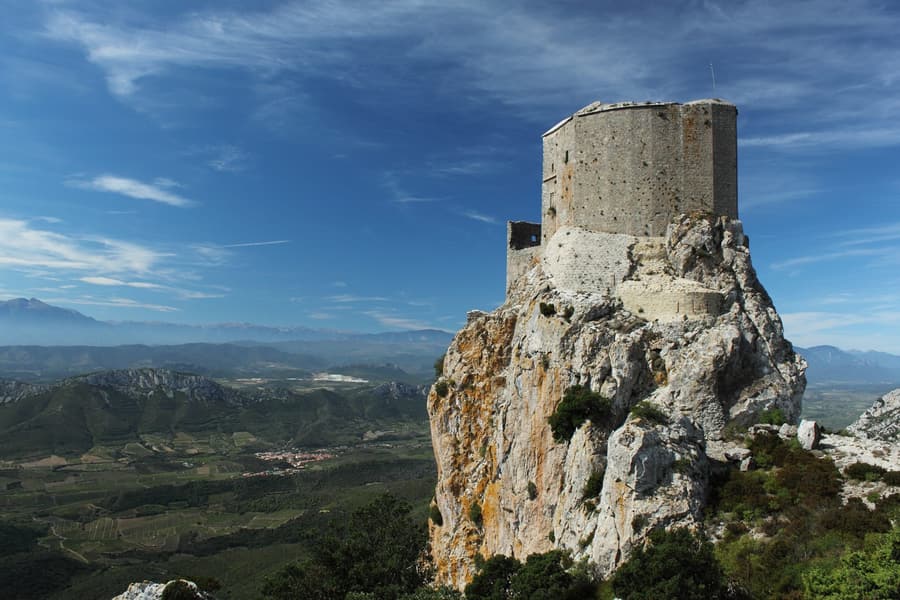 Château de Quéribus The last Cathar stronghold to fall, on a rock spike above the plain
 -
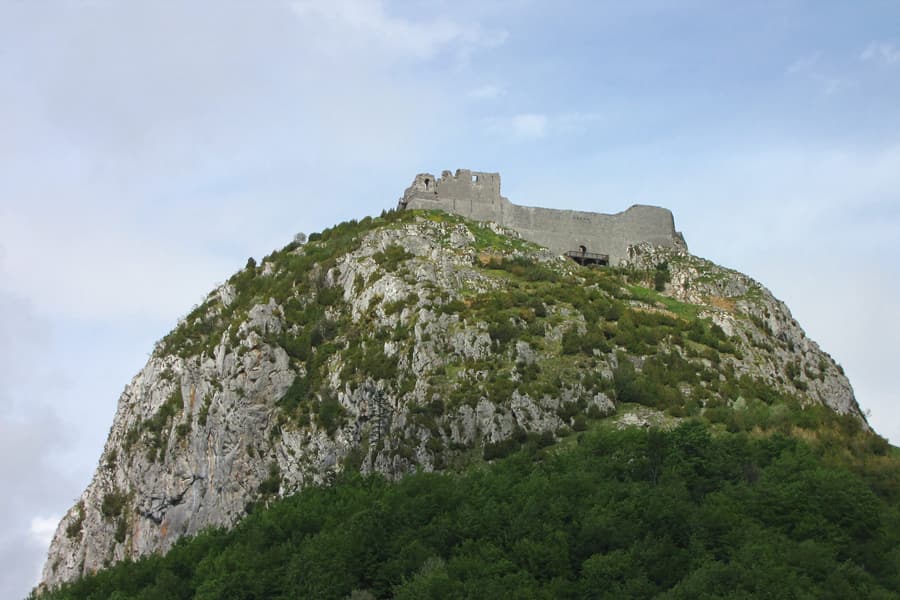 Château de Montségur Where the Cathar siege ended in 1244 — a 1,200 m climb to the ruin
 -
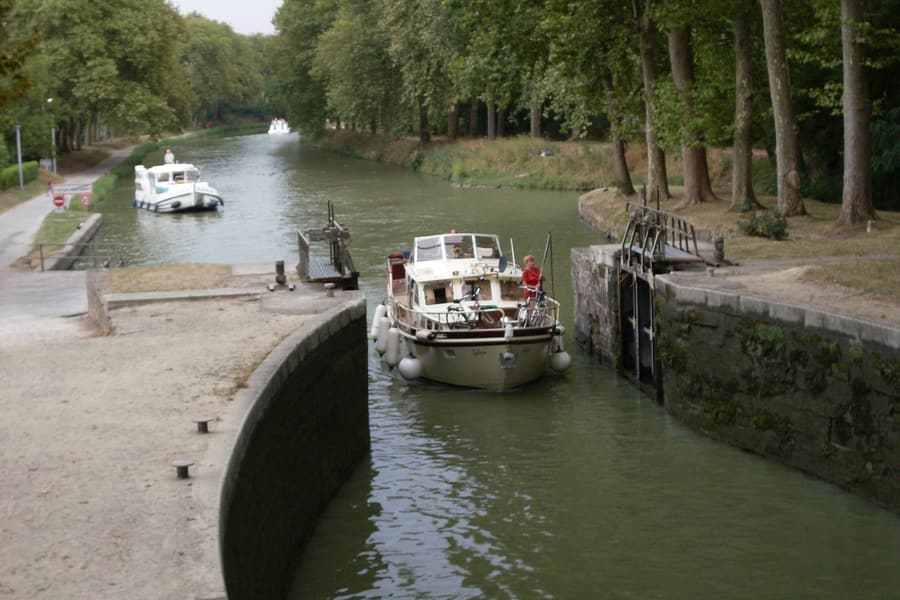 The Canal du Midi Carrying boats under plane trees since 1681, from Toulouse to the sea
 -
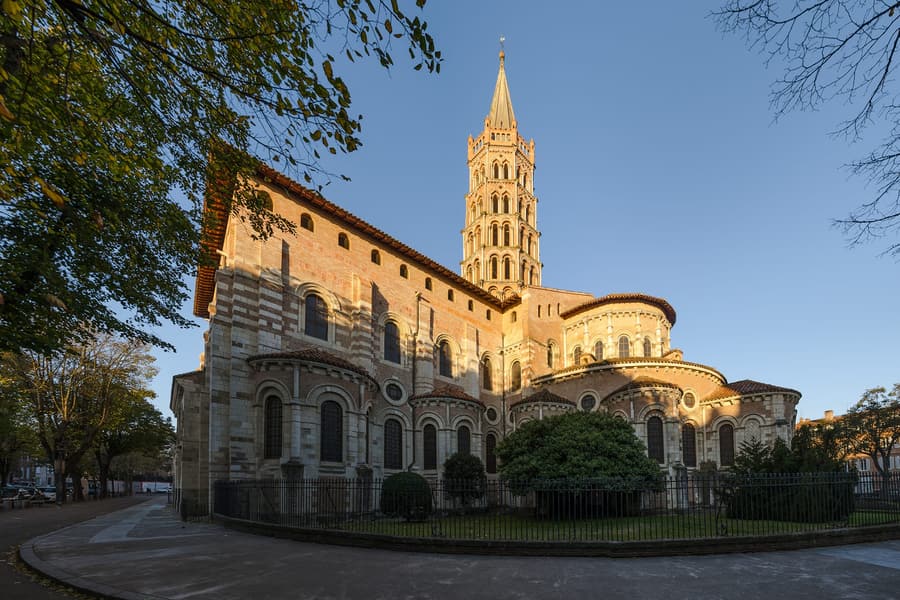 Basilique Saint-Sernin The largest Romanesque church still standing anywhere
 -
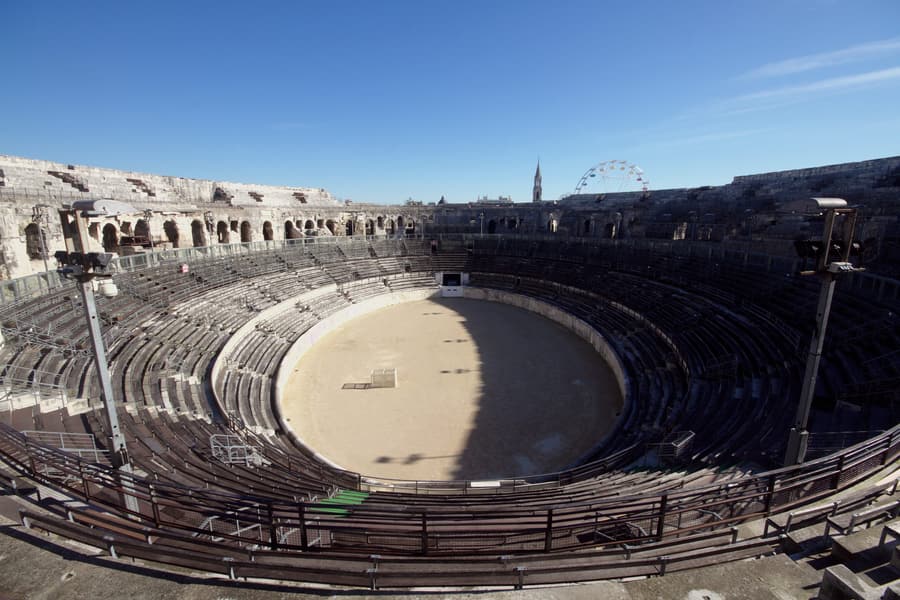 Arènes de Nîmes The best-preserved Roman amphitheatre anywhere, and still in use
 -
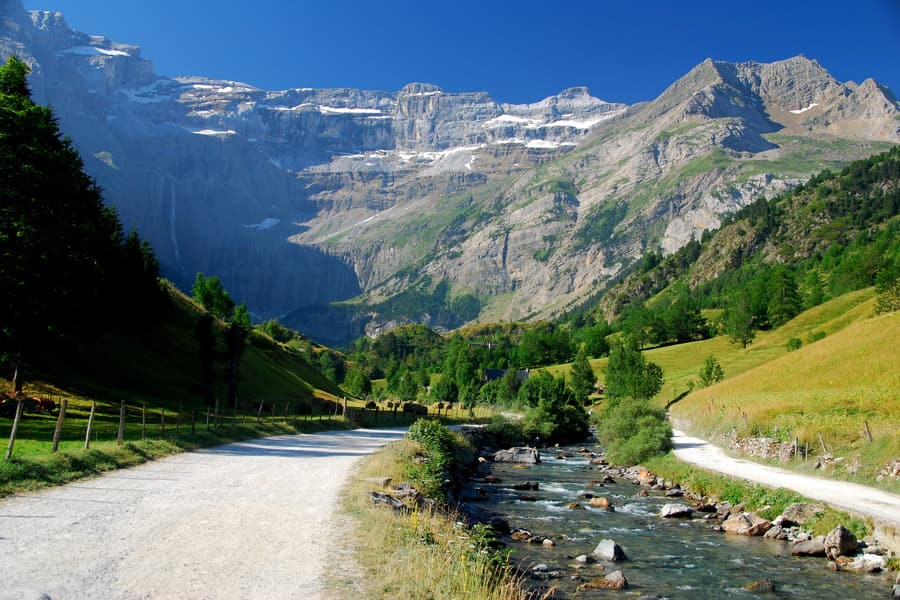 Cirque de Gavarnie A 1,500 m rock amphitheatre with Europe's tallest waterfall down one wall
 -
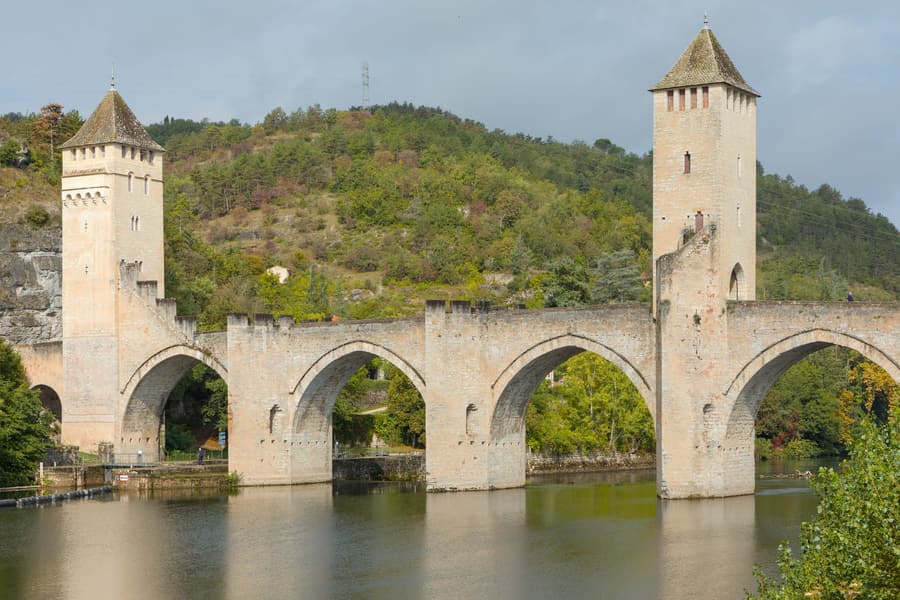 Pont Valentré A fortified bridge with three towers, finished in 1378
 -
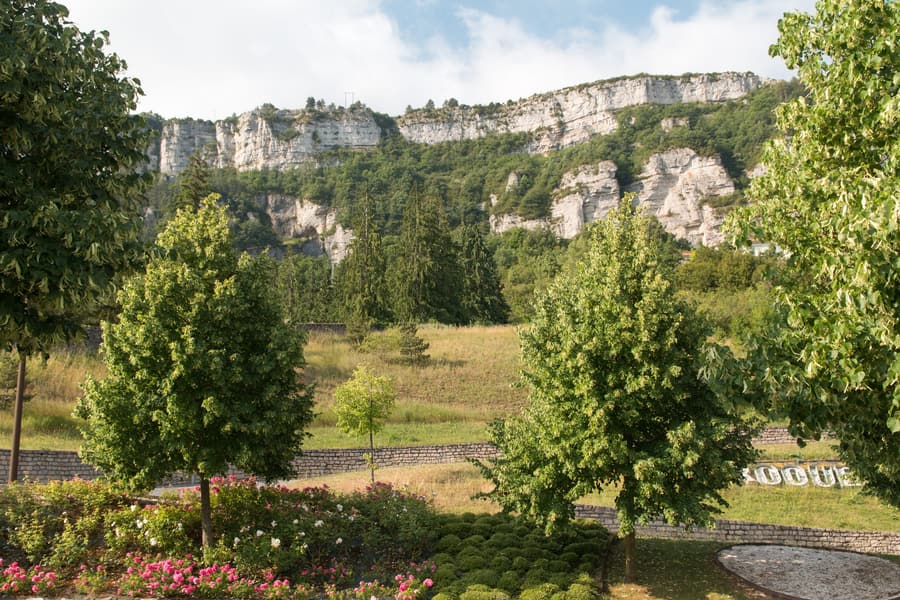 The Roquefort Caves The only place on earth allowed to make Roquefort, by law since 1411
 -
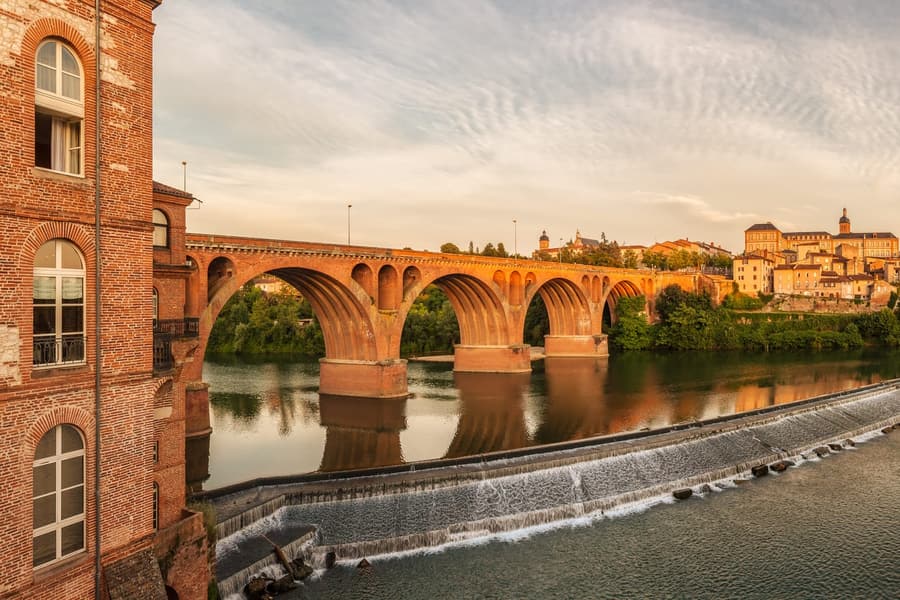 Sainte-Cécile Cathedral, Albi The largest brick building in the world, built as a fortress
Tourism areas
The names people actually use for this part of France — some of them cross into the next region.
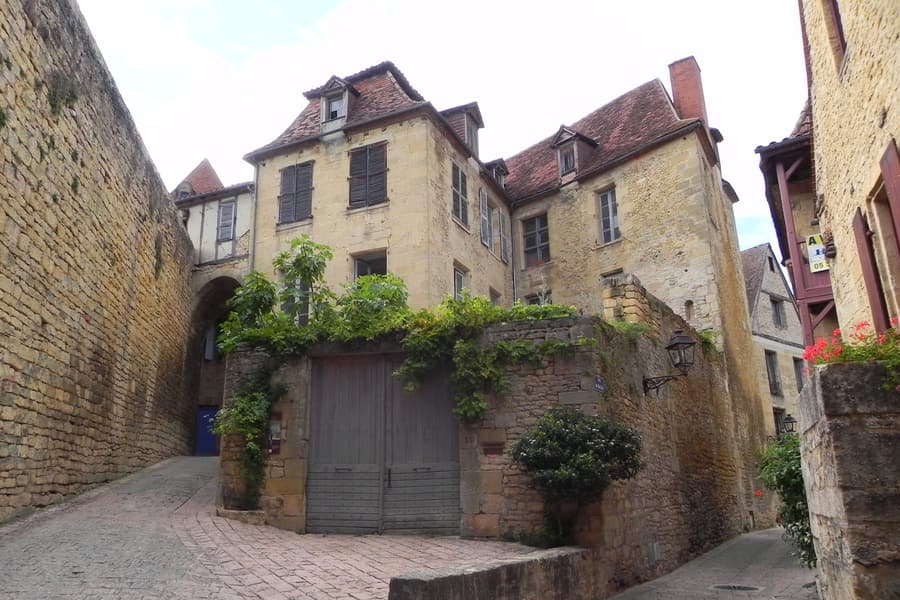
Cities & bases
Where to sleep, and what each place is good for.
-
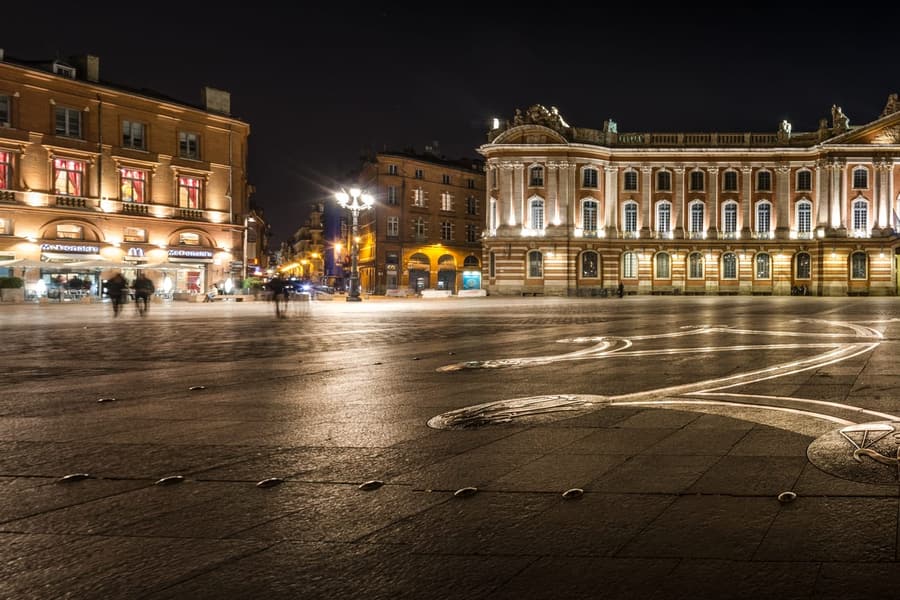 Toulouse Pink brick, Airbus, rugby and the biggest Romanesque church in Europe
 -
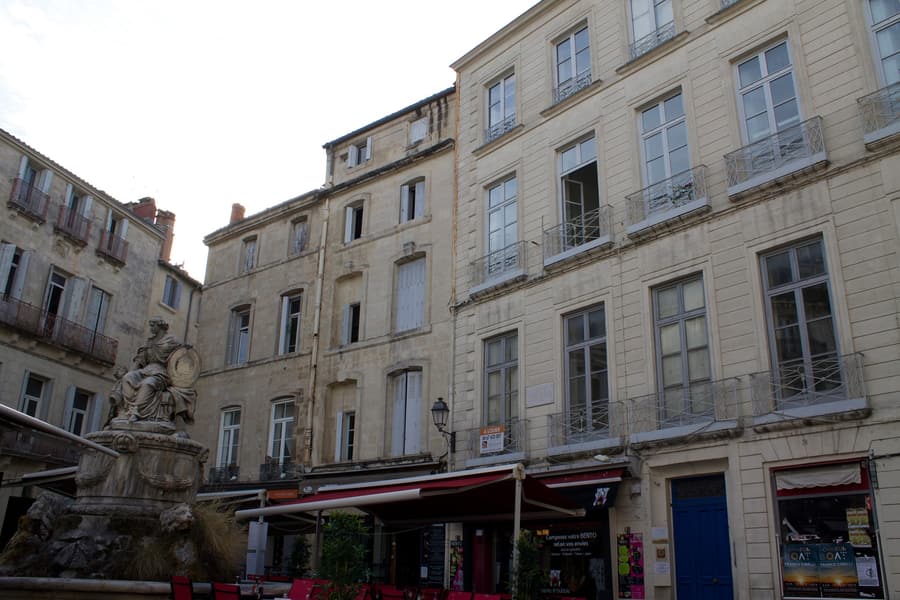 Montpellier Europe's oldest working medical school, and the sea ten minutes away
 -
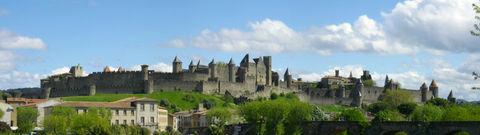 Carcassonne The largest walled city in Europe — 52 towers and a double rampart
 - Nîmes The best-preserved Roman arena anywhere, still in weekly use
-
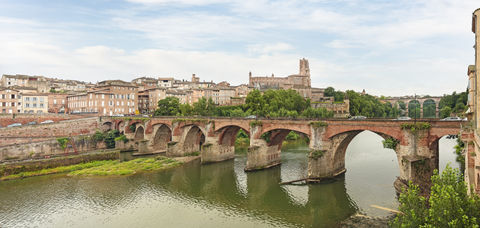 Albi A fortress cathedral in red brick, and the Toulouse-Lautrec museum
 -
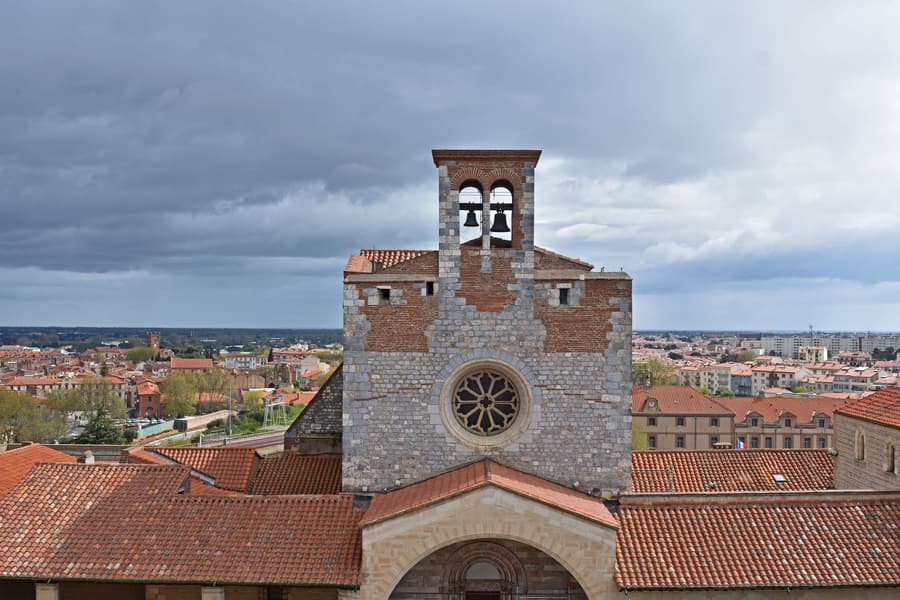 Perpignan Catalan France — a palace of the Kings of Majorca, and sardanes
 -
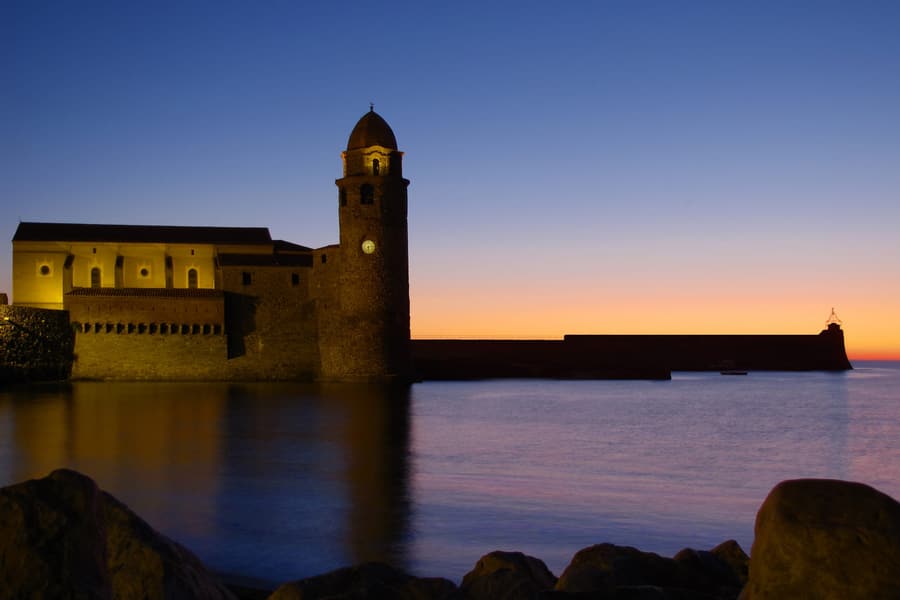 Collioure The bay where Matisse and Derain invented Fauvism
 -
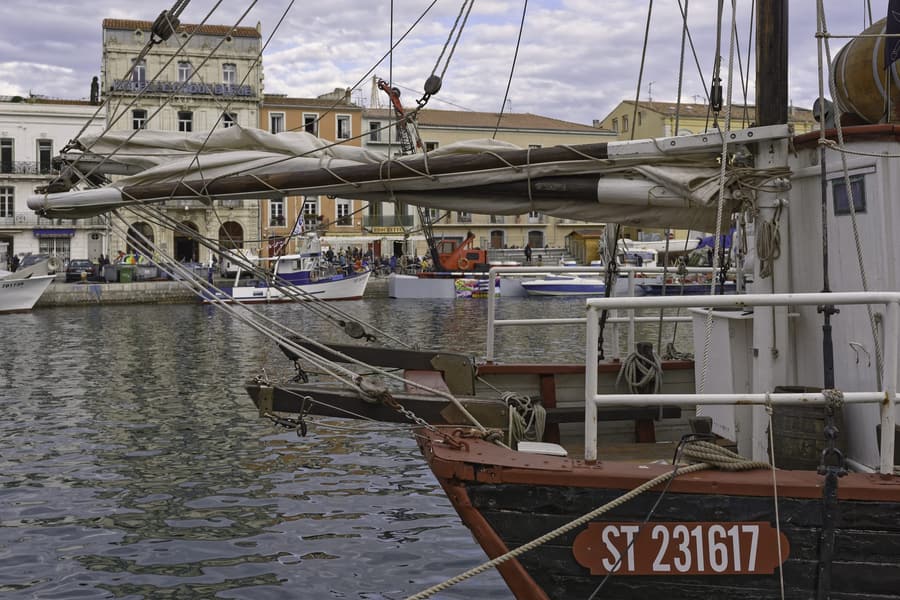 Sète A canal port between sea and lagoon, and water jousting in August
 -
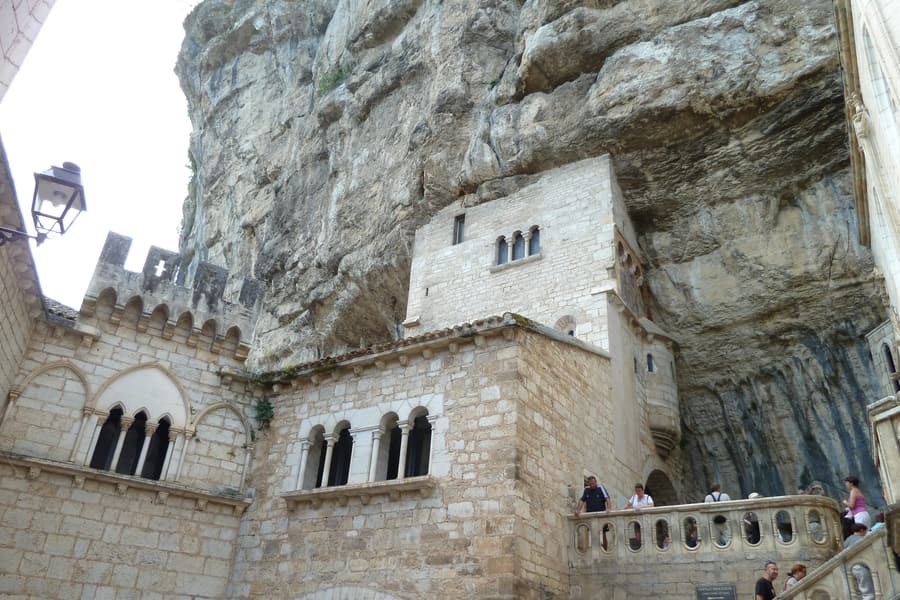 Rocamadour A pilgrimage village stacked up a 120-metre cliff in three tiers
 -
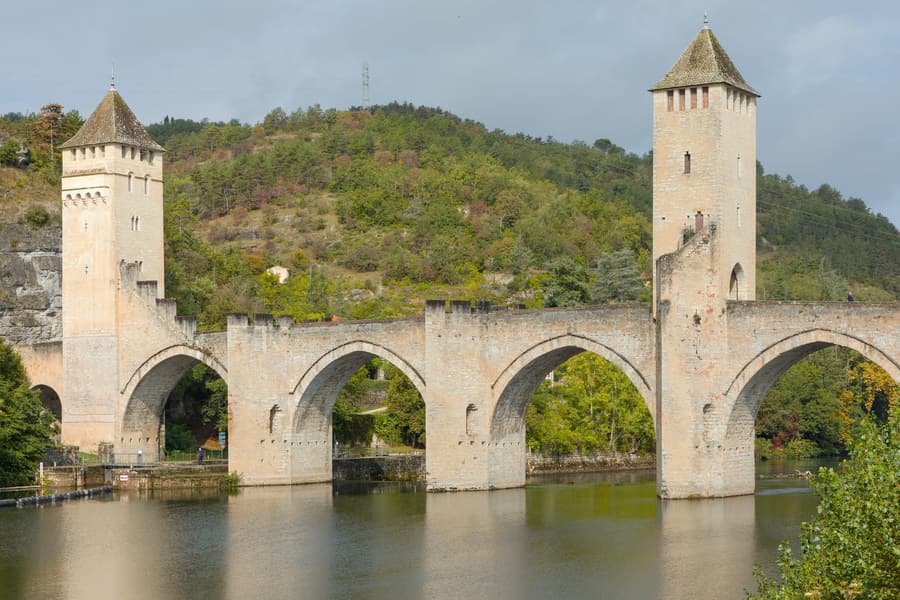 Cahors A fortified bridge with three towers, and black Malbec wine
 -
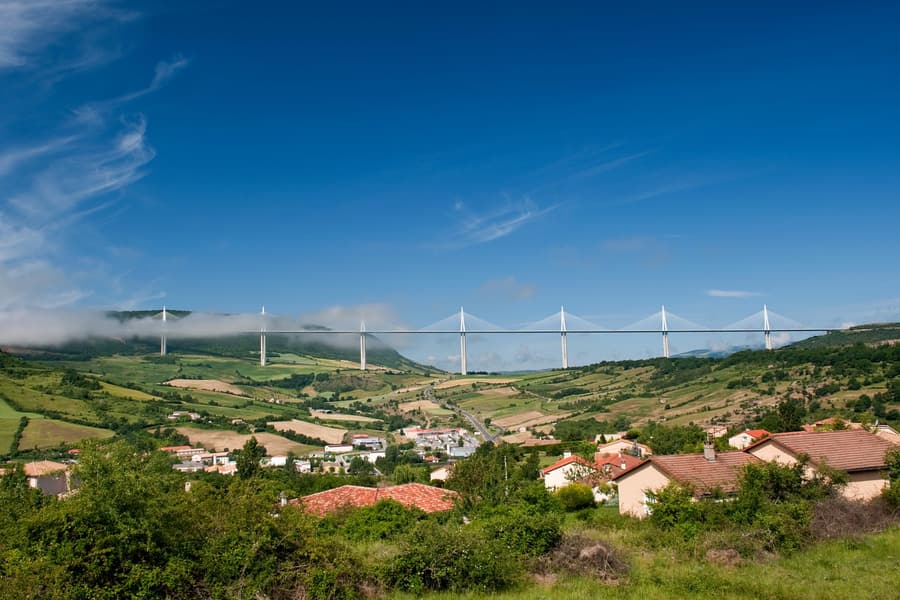 Millau Under the tallest bridge in the world, at the mouth of the Tarn gorges
 - Lourdes Six million pilgrims a year, at the foot of the Pyrenees
Our guides
Full destination guides we already publish in this region.
Occitanie by experience
The themes this region delivers on.
-
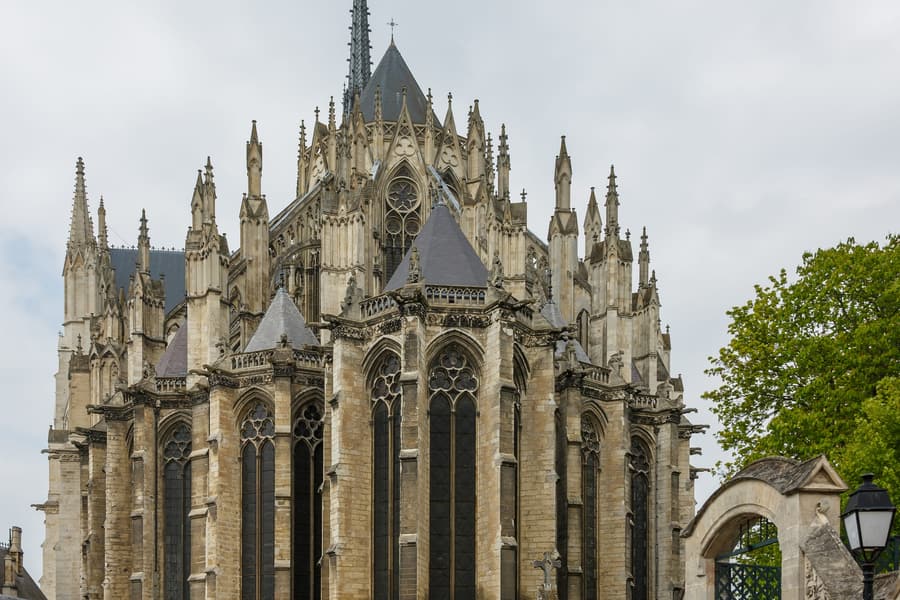 Culture & heritage 53 UNESCO World Heritage sites, and the cathedrals that invented Gothic
 -
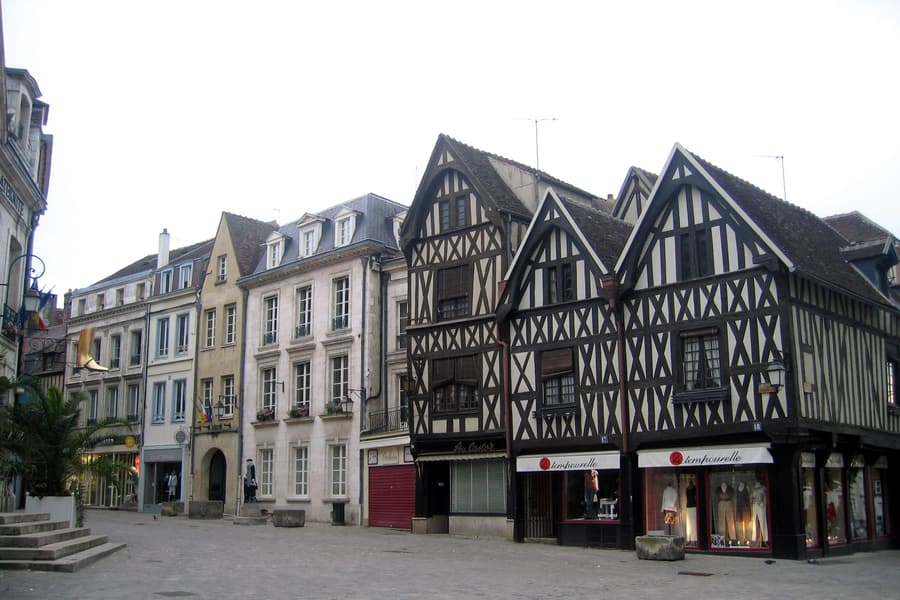 Food & wine Seventeen wine regions, 1,600 cheeses, and the gastronomic meal on the UNESCO list
 -
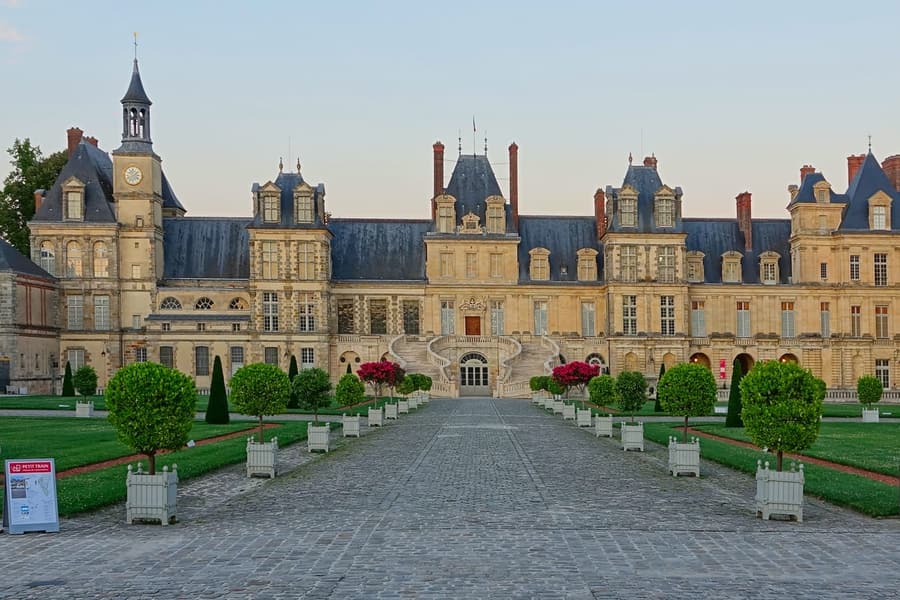 Nature & outdoors Glaciers, gorges, volcanoes and 180,000 km of waymarked footpath
 -
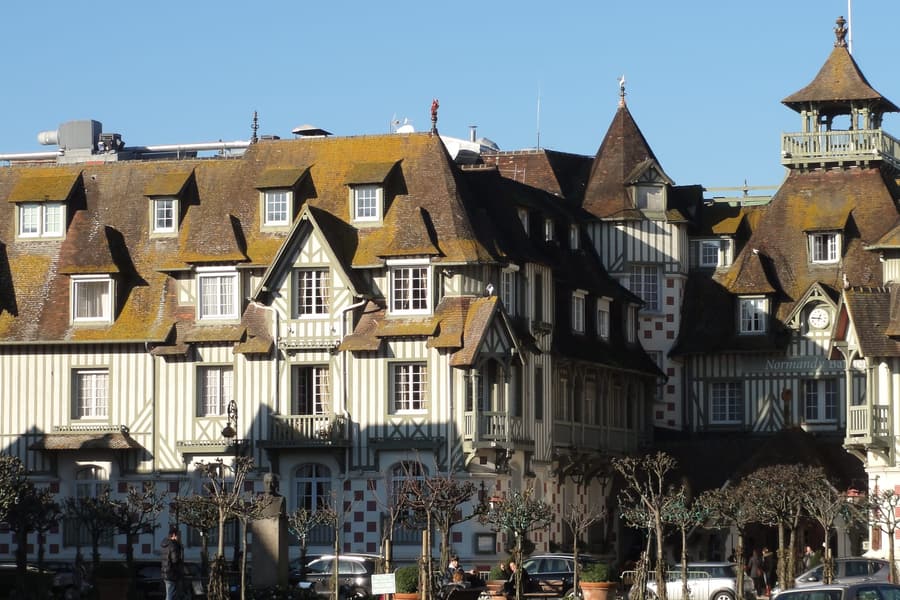 Coast & beaches Three seas and an ocean — around 5,800 km of mainland coast, and far more overseas
 -
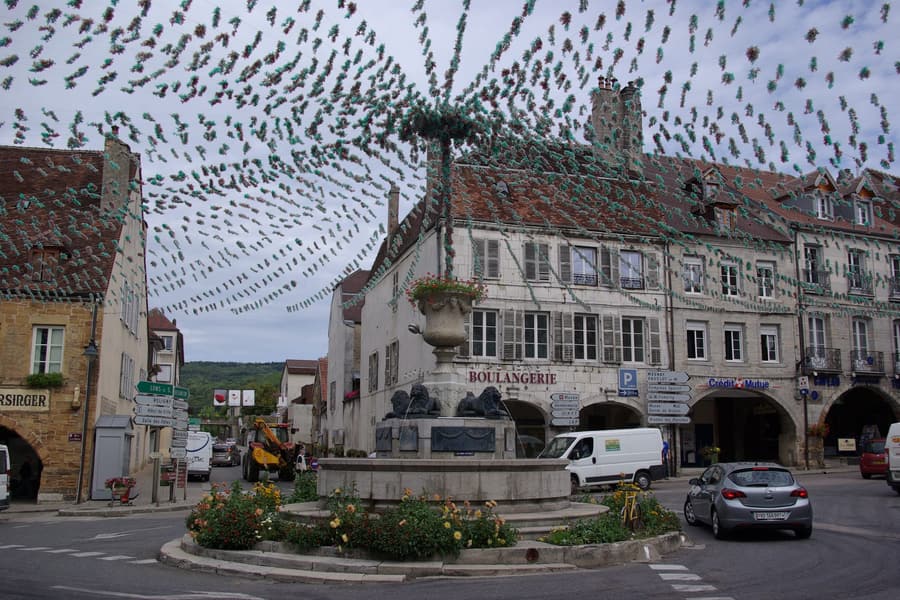 Mountains Six massifs — the Alps, Pyrenees, Jura, Vosges, Massif Central and Corsica
 -
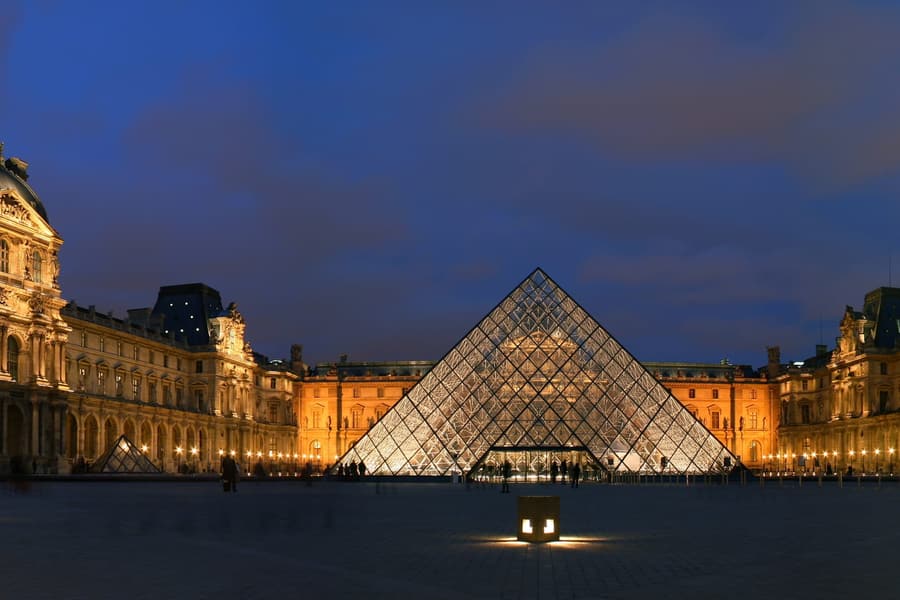 Cities Paris, and eleven more cities that would headline any other country
 -
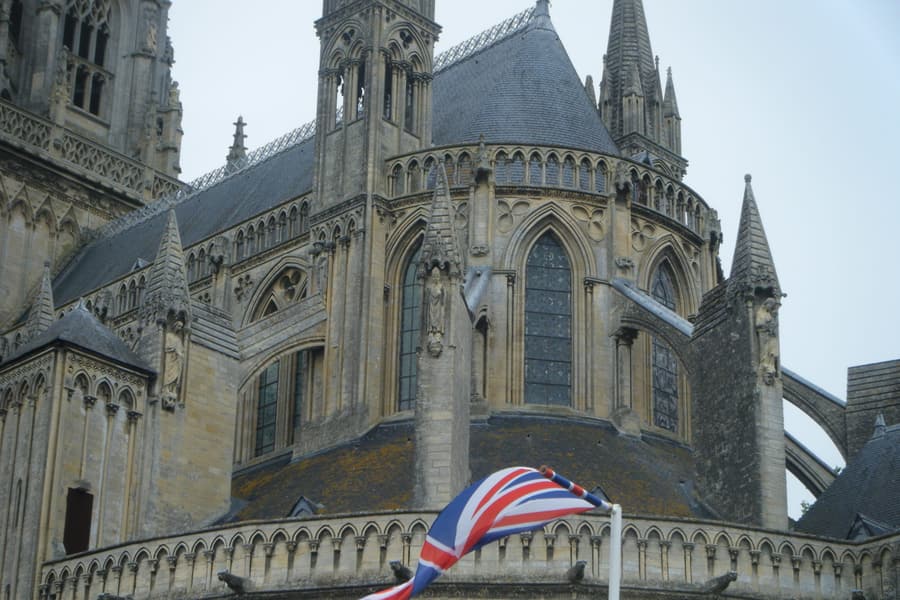 Villages & countryside The 180-odd villages on the official 'most beautiful in France' list
 -
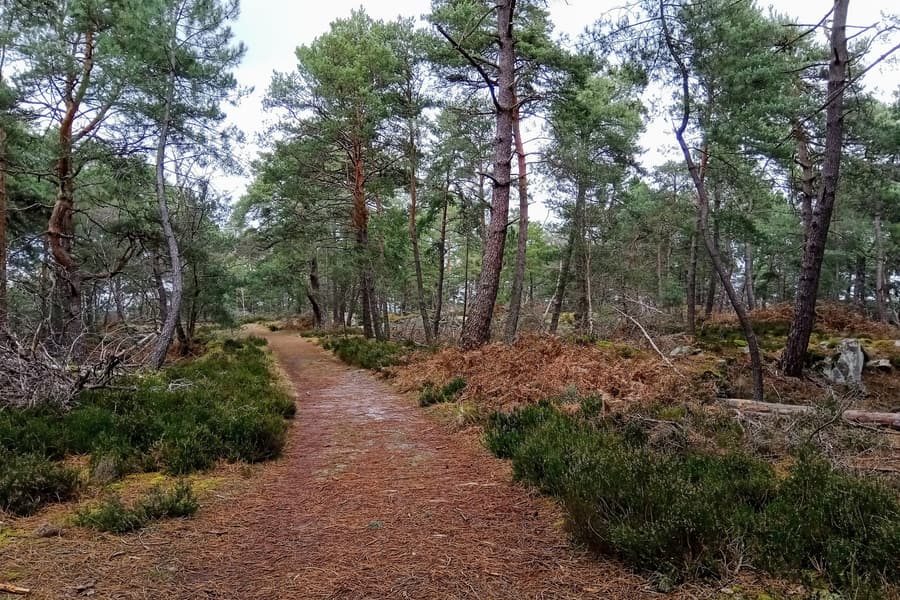 National & regional parks Eleven national parks and 58 regional ones — about a fifth of the country
 -
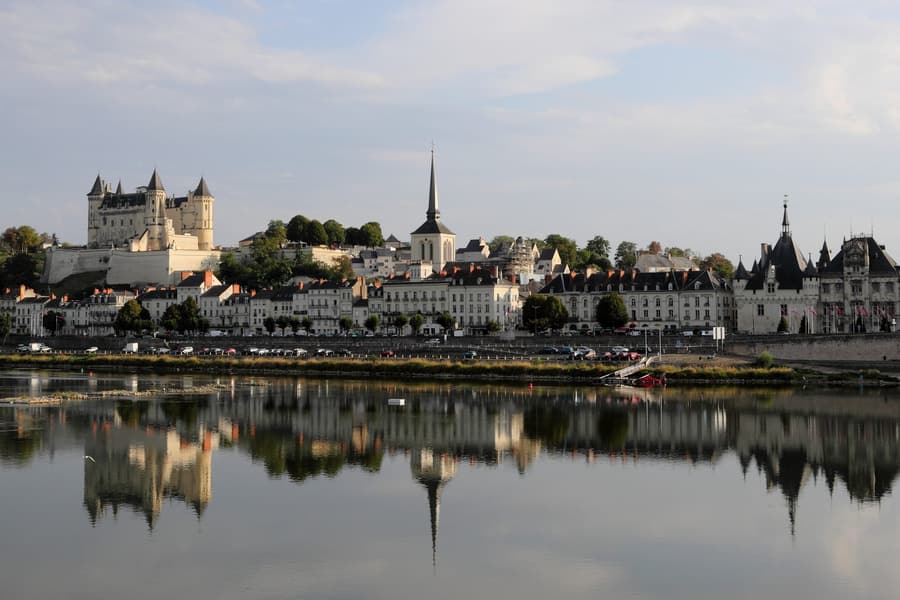 Sport & adventure Skiing, surfing, climbing, paddling — and the Tour, Roland-Garros and Le Mans
 -
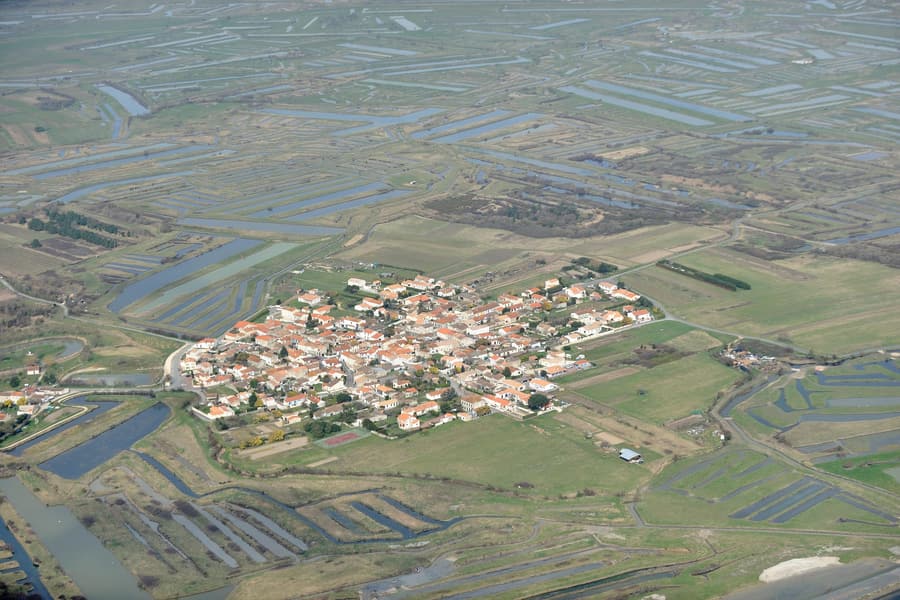 Cycling Over 25,000 km of signed cycle route, most of it flat and away from traffic
 -
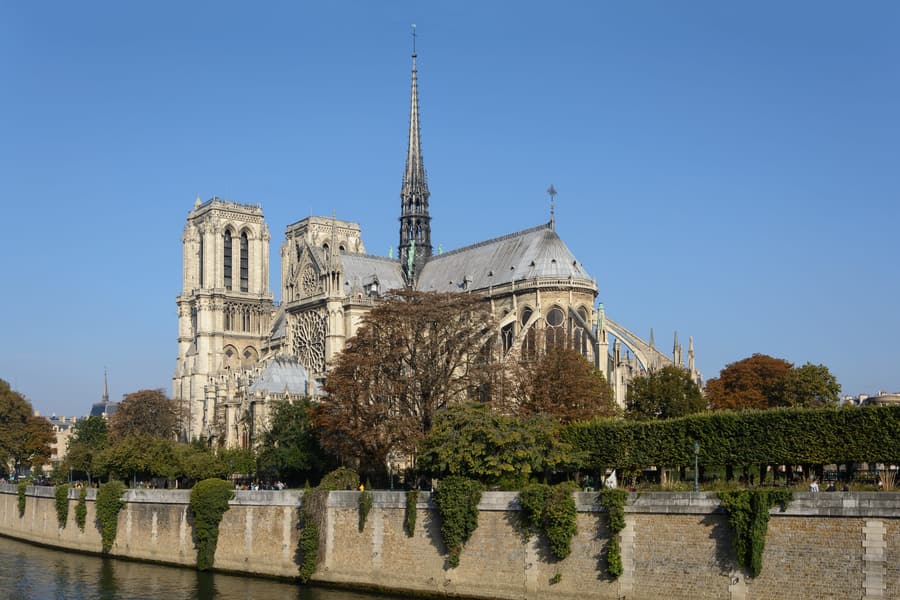 Pilgrimage & spirituality Four Camino routes, Lourdes, Mont-Saint-Michel and the Romanesque abbeys
 -
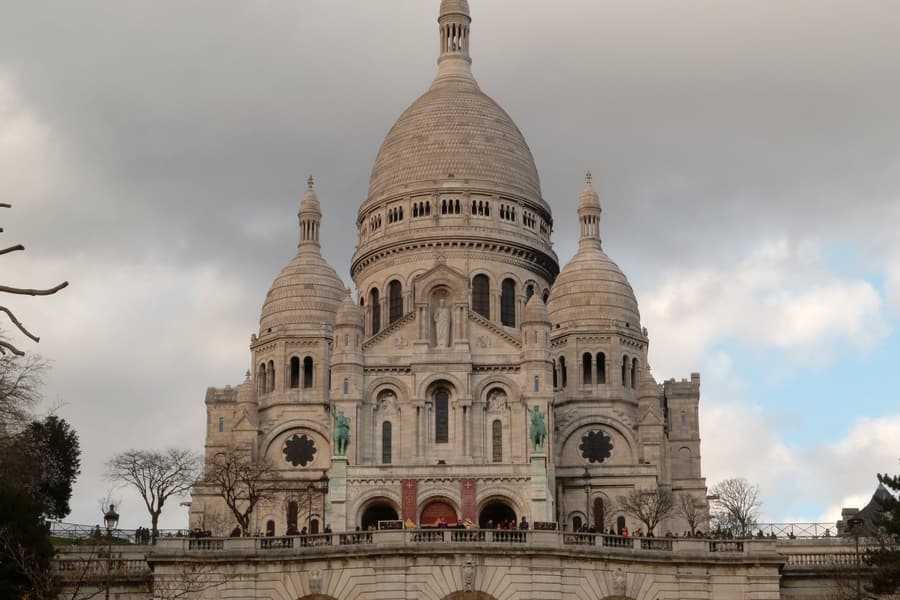 Romance The Riviera corniche, a Loire château, a Provençal village, a Paris weekend
 -
 Nightlife & entertainment Festival season, cabaret, beach clubs and the theme parks