Four of the historic routes to Santiago de Compostela start in France — from Paris, Vézelay, Le Puy-en-Velay and Arles — and UNESCO lists them together with the churches along them. Lourdes receives around six million visitors a year, second only to the Vatican among Catholic sites. Mont-Saint-Michel has drawn pilgrims across its tidal bay since the eighth century. And the Cistercian and Cluniac abbeys — Fontenay, Sénanque, Fontevraud, what remains of Cluny — are where much of medieval Europe was organised from.
Start here
If you only do pilgrimage & spirituality once in France.
-
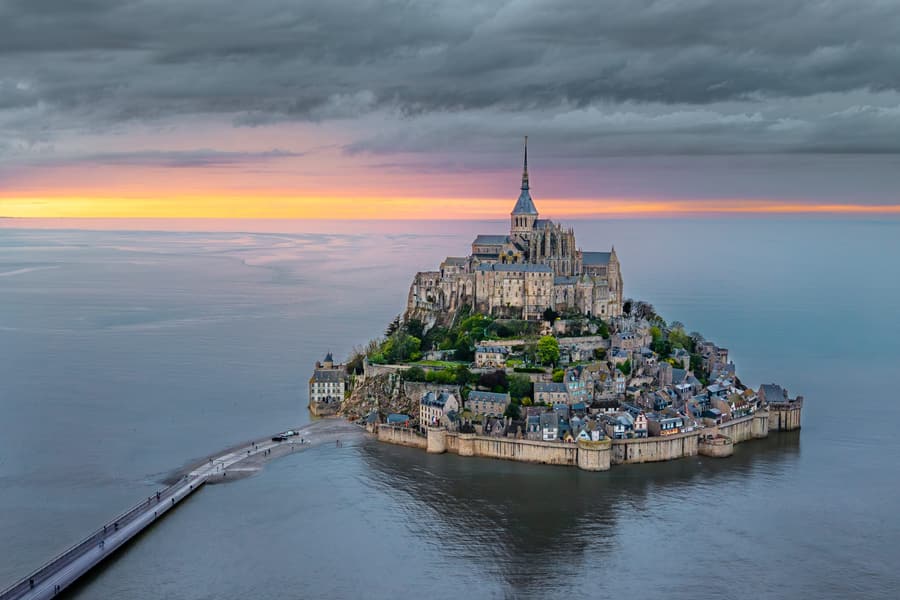
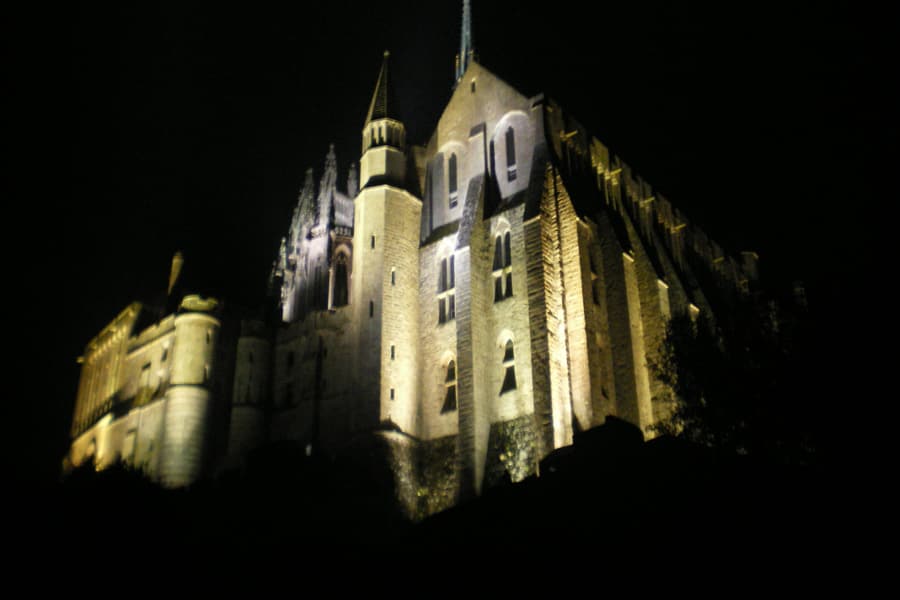 Mont-Saint-Michel Abbey A Gothic abbey balanced on a granite rock in a tidal bay
 -
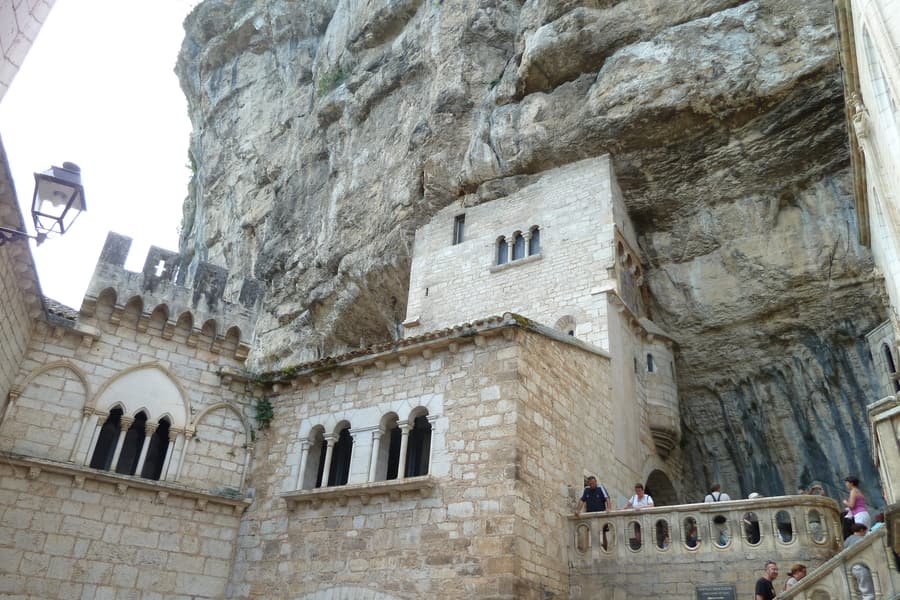 The Sanctuary of Rocamadour Seven chapels up 216 steps that pilgrims once climbed on their knees
 -
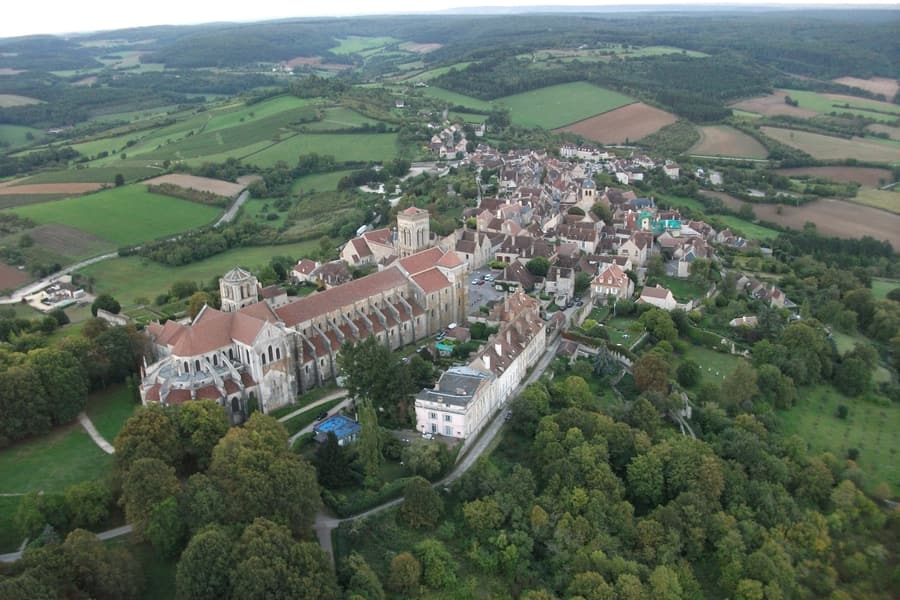 Vézelay A Romanesque hilltop basilica and a starting point of the Camino
 -
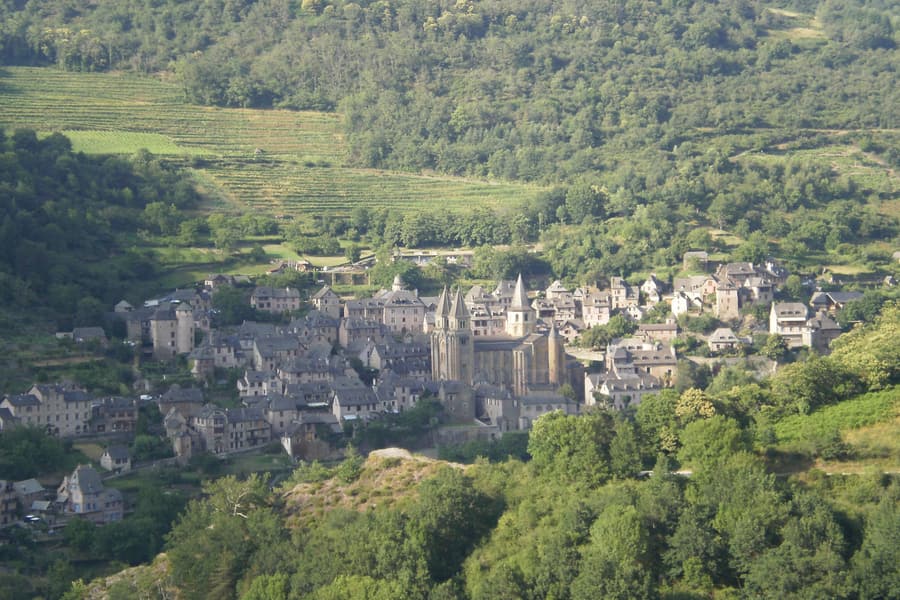 Conques A Romanesque abbey on the Camino, with Soulages' windows in it
 -
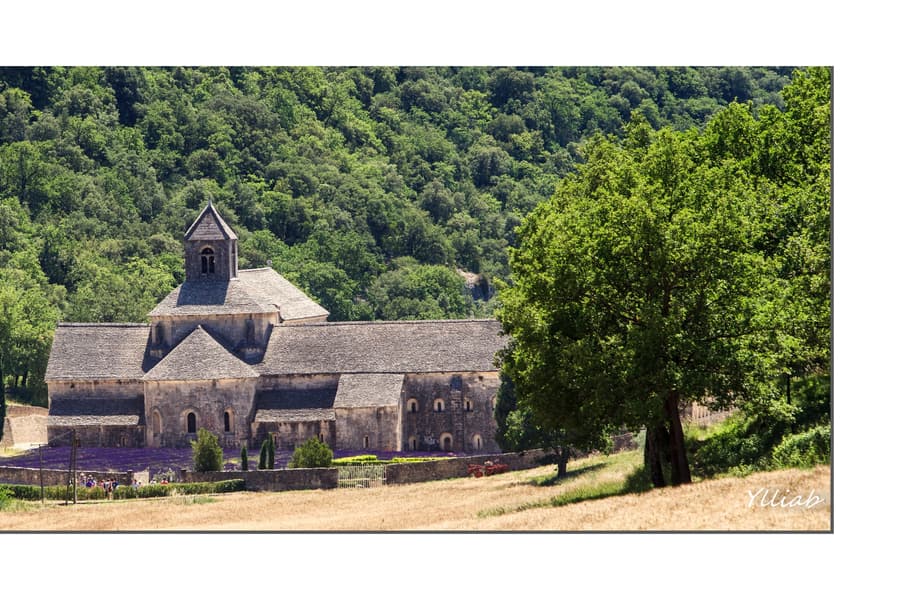 Abbaye de Sénanque A working Cistercian abbey with its lavender field in front of it
 -
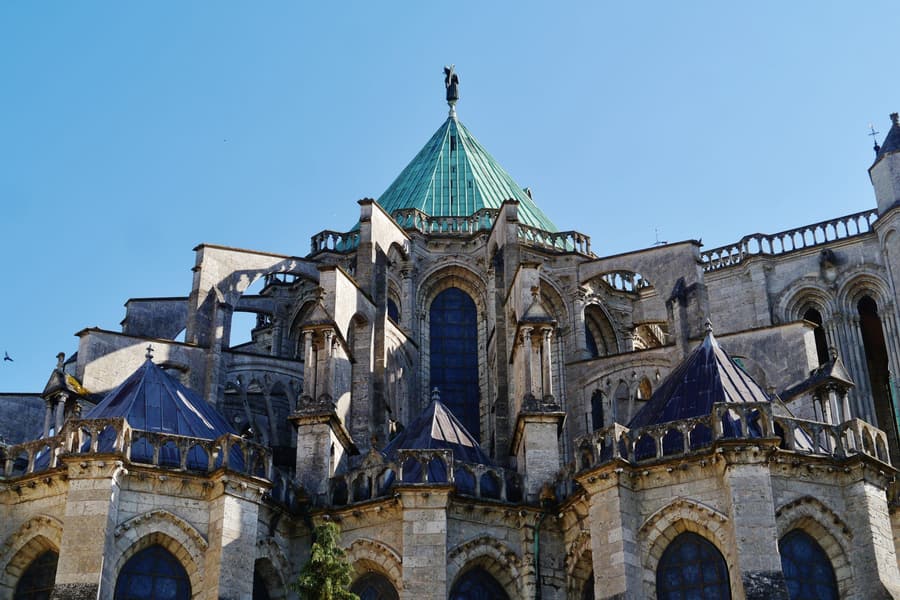
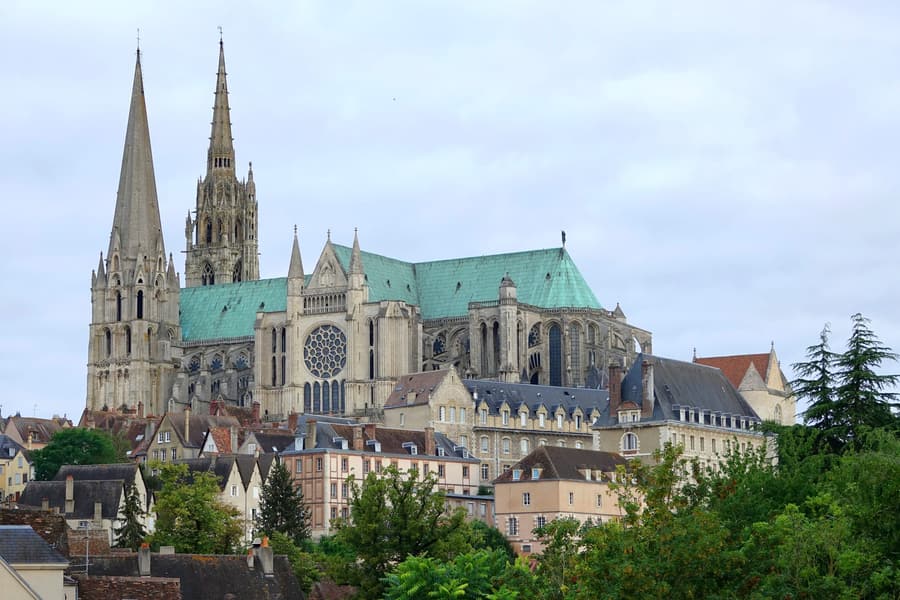 Chartres Cathedral 176 windows of twelfth-century glass, and a labyrinth in the floor
Region by region
Île-de-France
Paris, Versailles and the ring of royal forests and cathedral towns around them
-
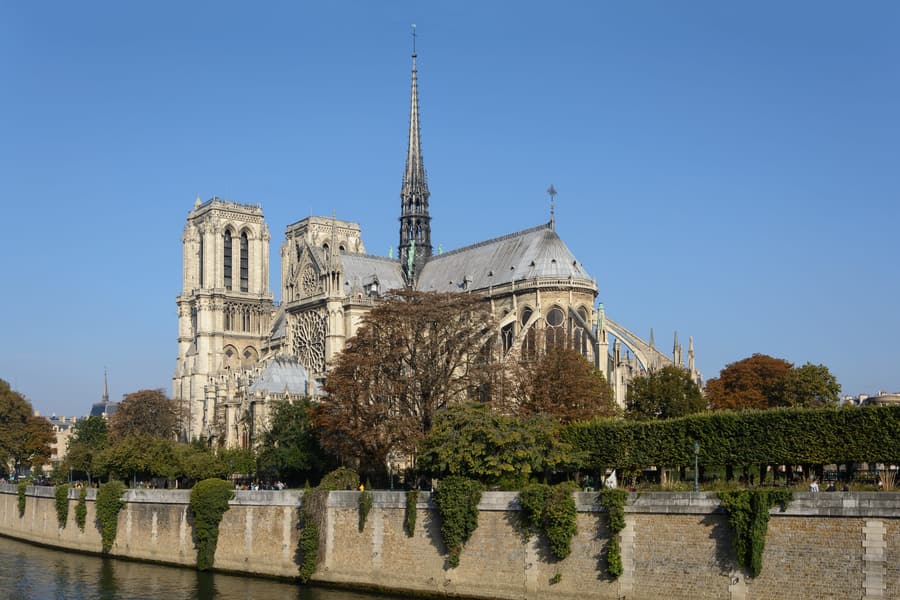 Notre-Dame de Paris Reopened in December 2024, five years after the fire
 -
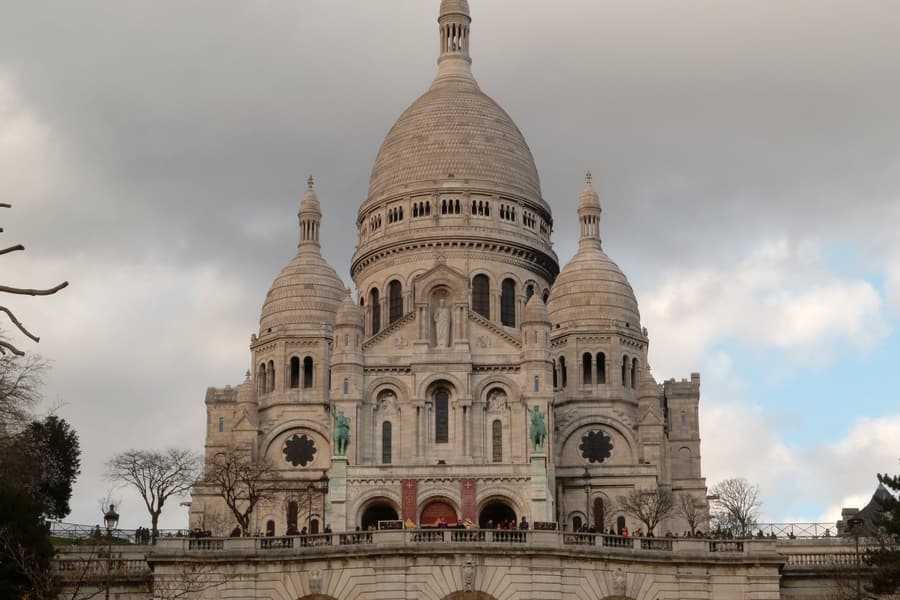 Sacré-Cœur & Montmartre White travertine on the highest hill in Paris, over the old artists' quarter
 -
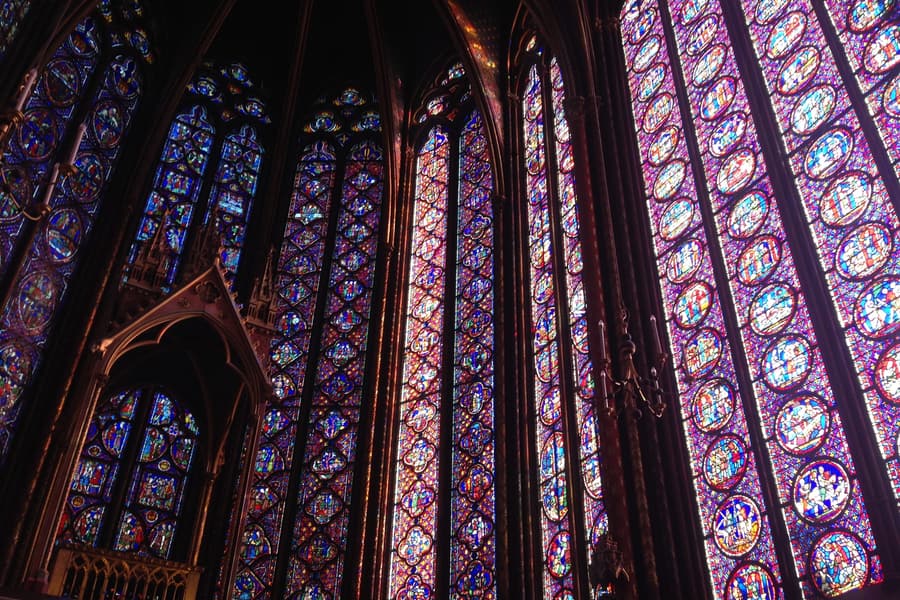 Sainte-Chapelle Fifteen windows, 1,113 scenes, and almost no wall left between them
 -
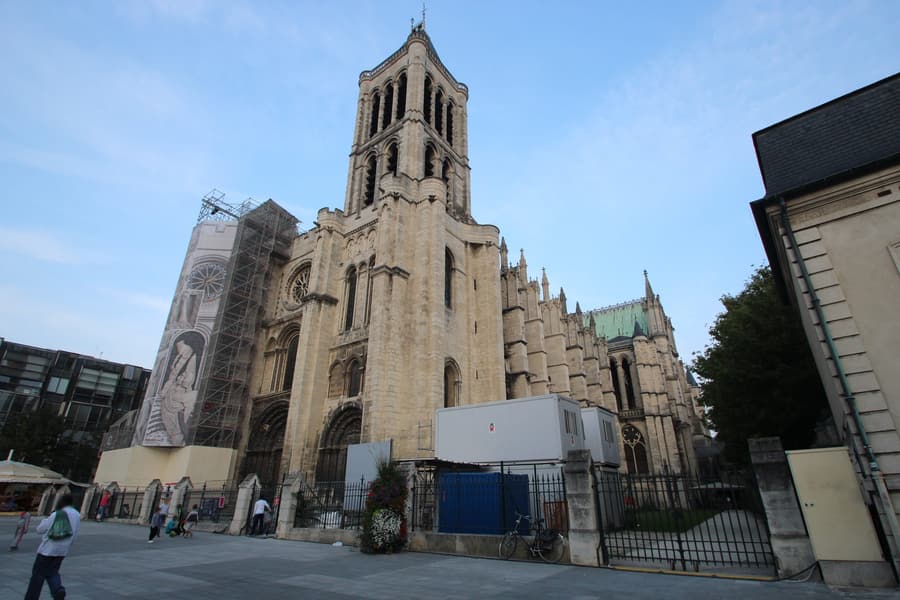 Basilica of Saint-Denis Where Gothic architecture was invented, and 43 kings are buried
Hauts-de-France
Flemish belfries, the Opal Coast and the battlefields of the Somme
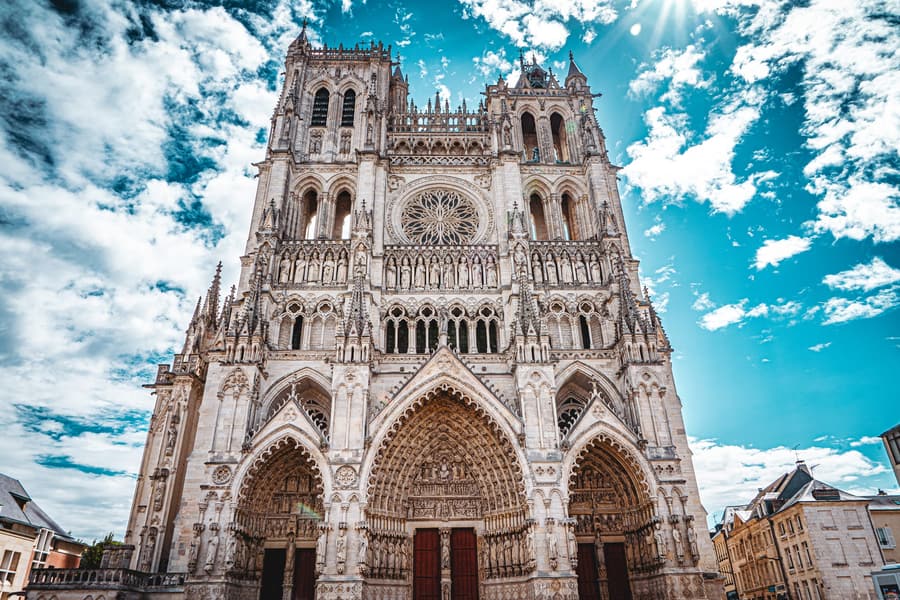
Grand Est
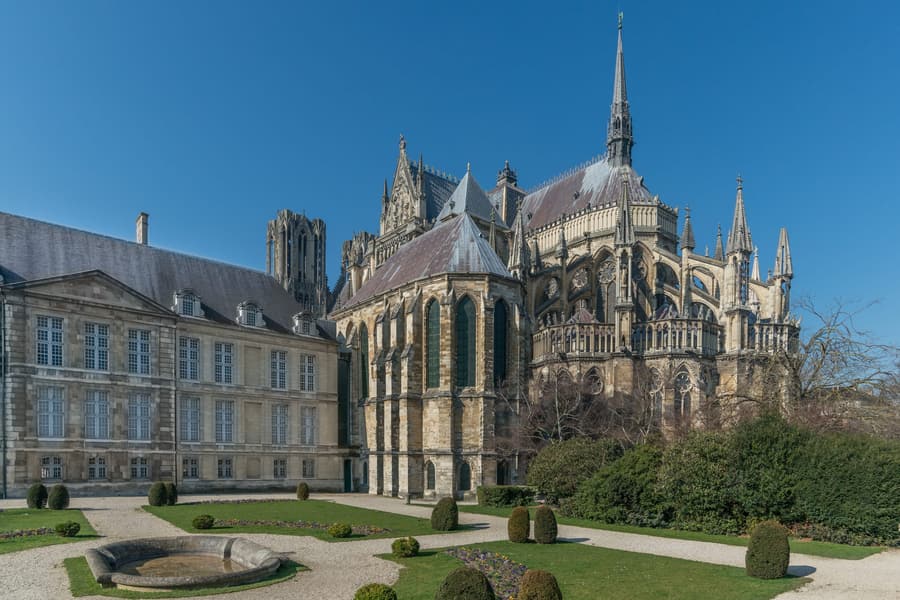
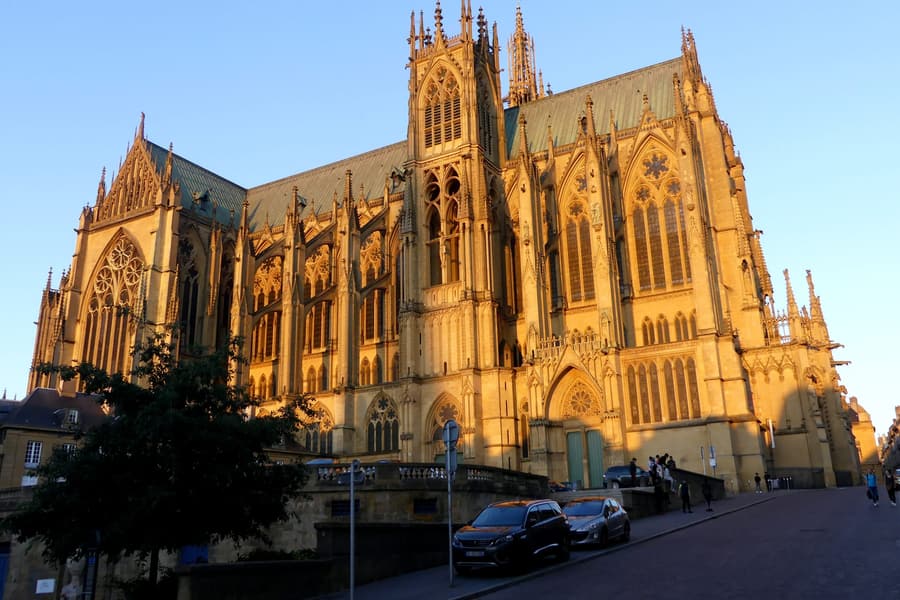
Champagne cellars, the Alsace wine road and Strasbourg's Christmas markets
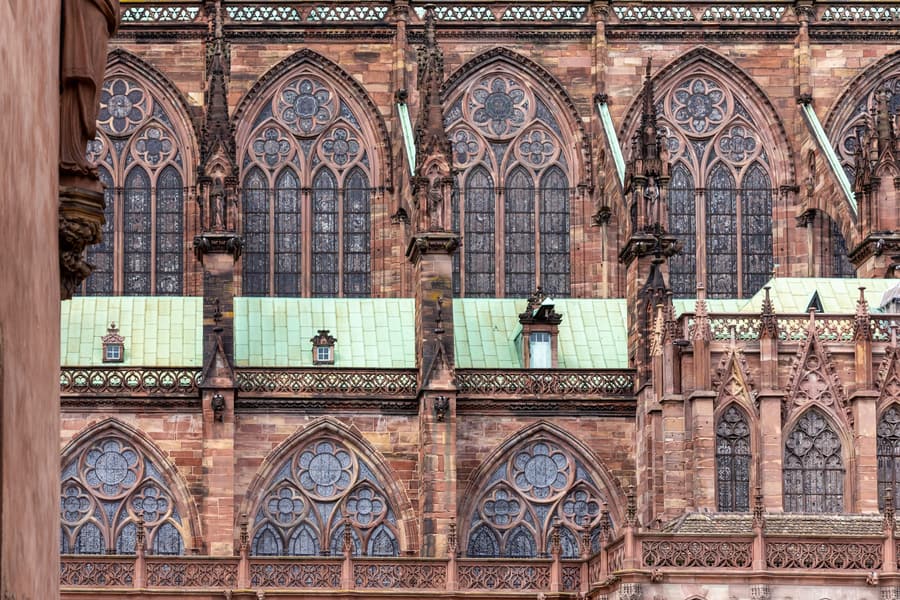
Bourgogne-Franche-Comté
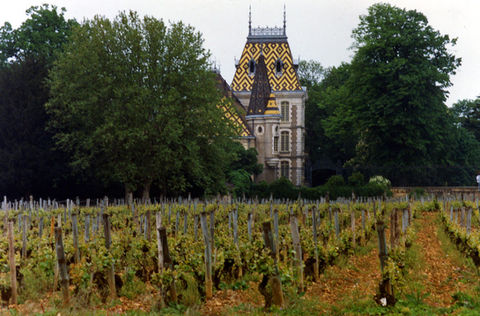
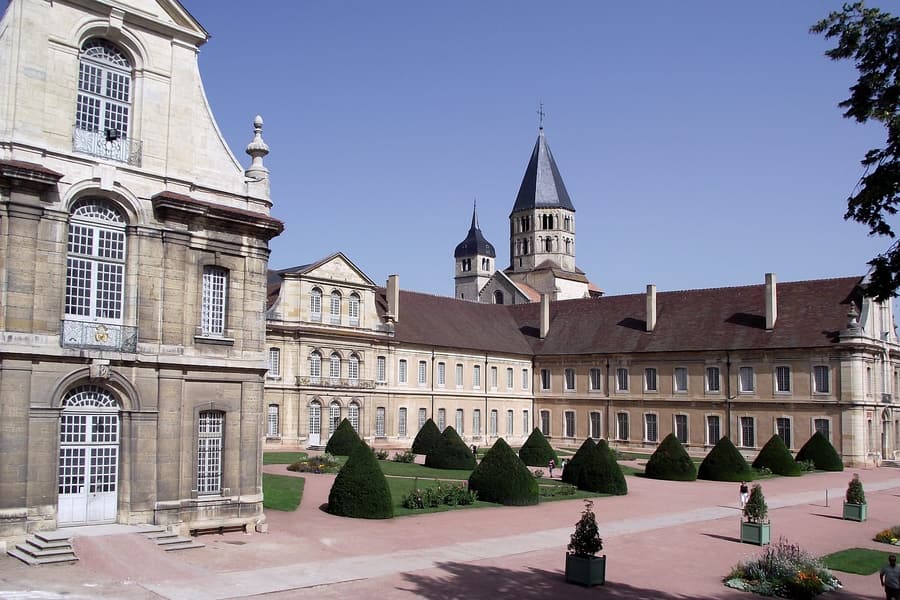
The world's most valuable vineyards, Romanesque abbeys and the Jura's quiet mountains
Normandy
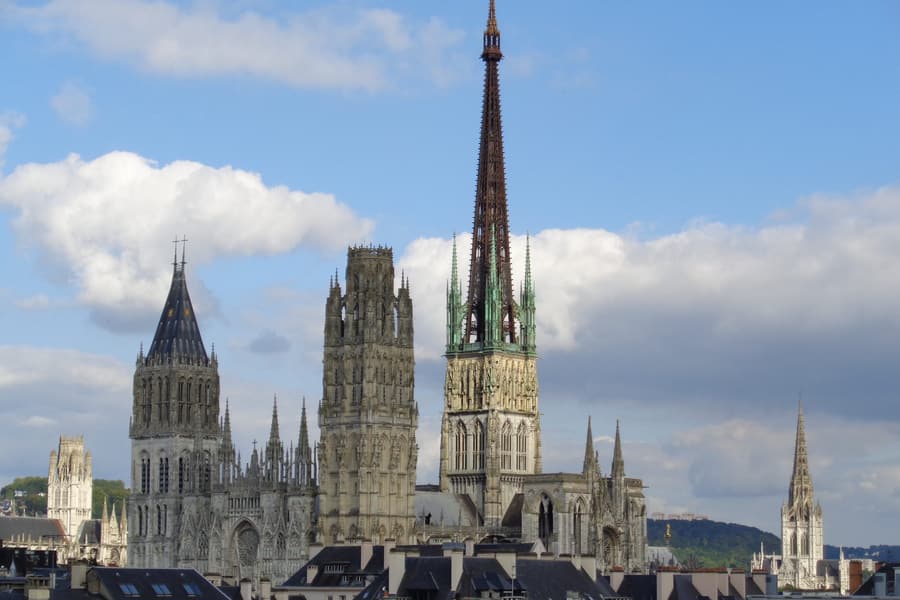
The D-Day beaches, Mont-Saint-Michel, Monet's Giverny and the alabaster cliffs
Pays de la Loire
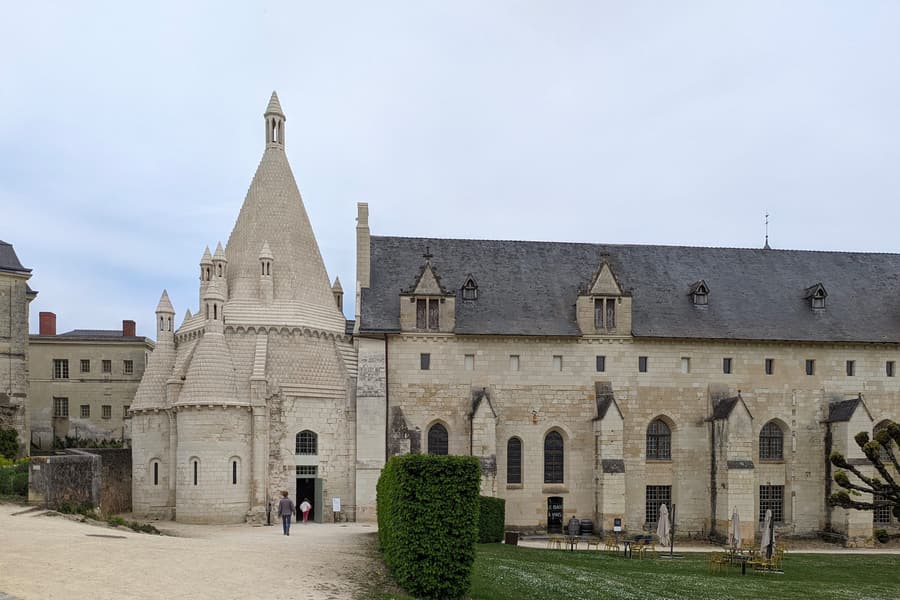
Where the Loire meets the Atlantic — Nantes, the Vendée beaches and the last châteaux
Centre-Val de Loire
The château valley — Chambord, Chenonceau and 280 km of UNESCO river
Nouvelle-Aquitaine
Bordeaux and its vineyards, the Dordogne's prehistory, and Europe's tallest dune
Occitanie
Carcassonne and the Cathar castles, the Canal du Midi, the Pyrenees and the Camargue's edge
-
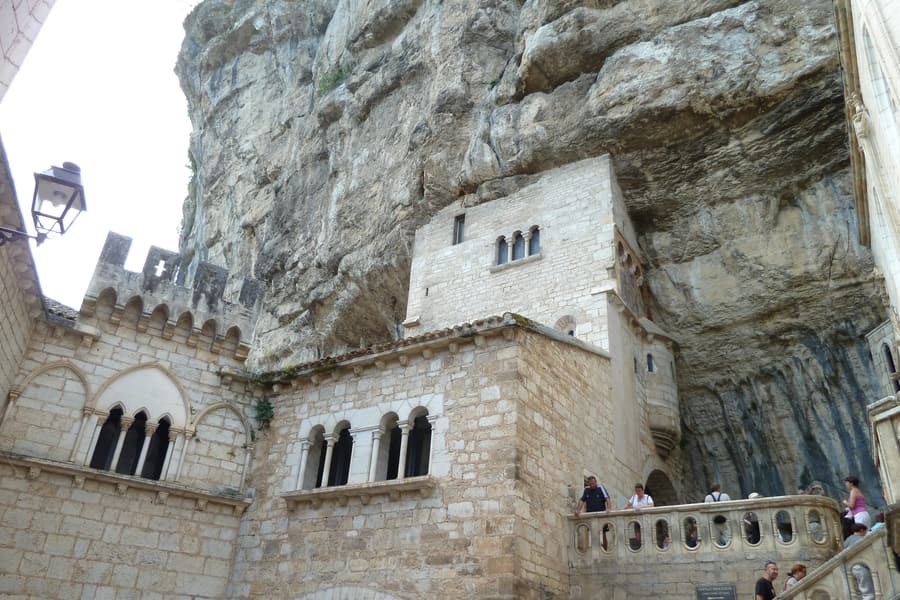 Rocamadour A pilgrimage village stacked up a 120-metre cliff in three tiers
 - Lourdes Six million pilgrims a year, at the foot of the Pyrenees
-
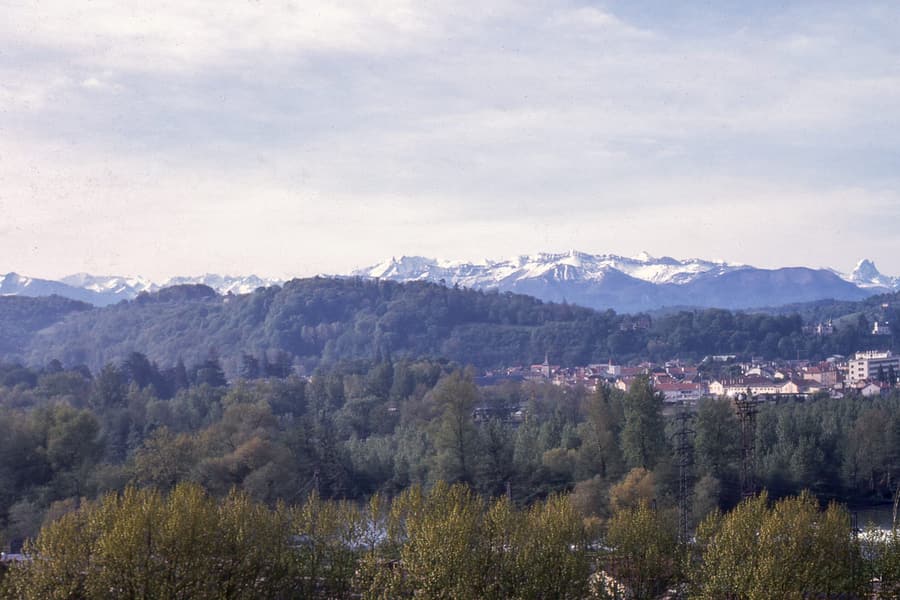
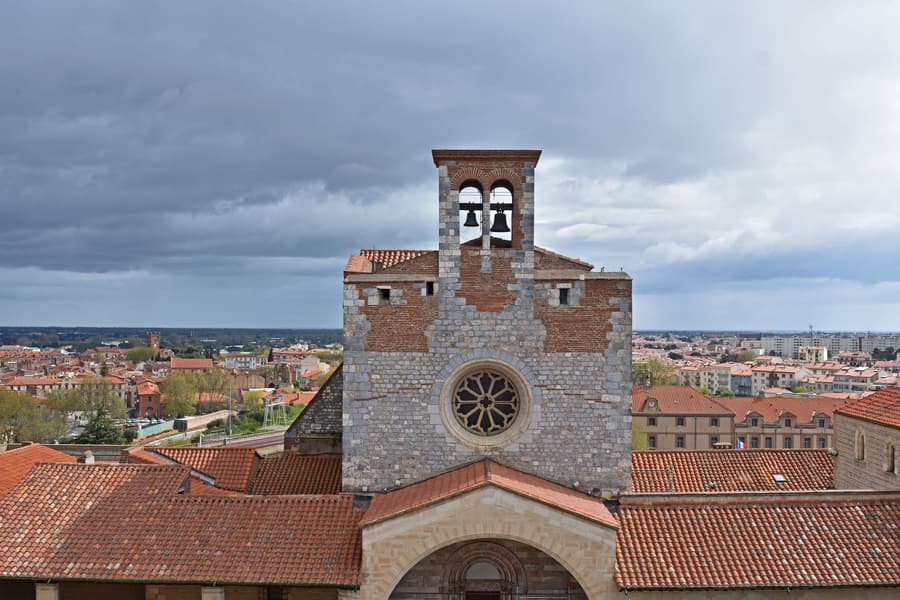 The Pyrenees 430 km of frontier range — the Cirque de Gavarnie, Lourdes and the Tour's great climbs
 - Lot, Aveyron & Lozère Rocamadour on its cliff, the Millau viaduct, and the emptiest countryside in France
-
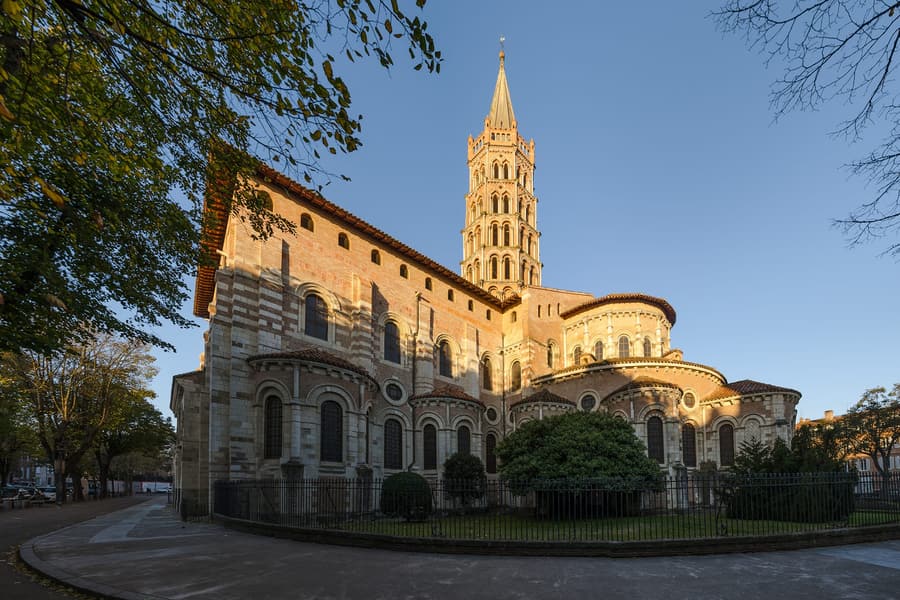 Basilique Saint-Sernin The largest Romanesque church still standing anywhere
 -
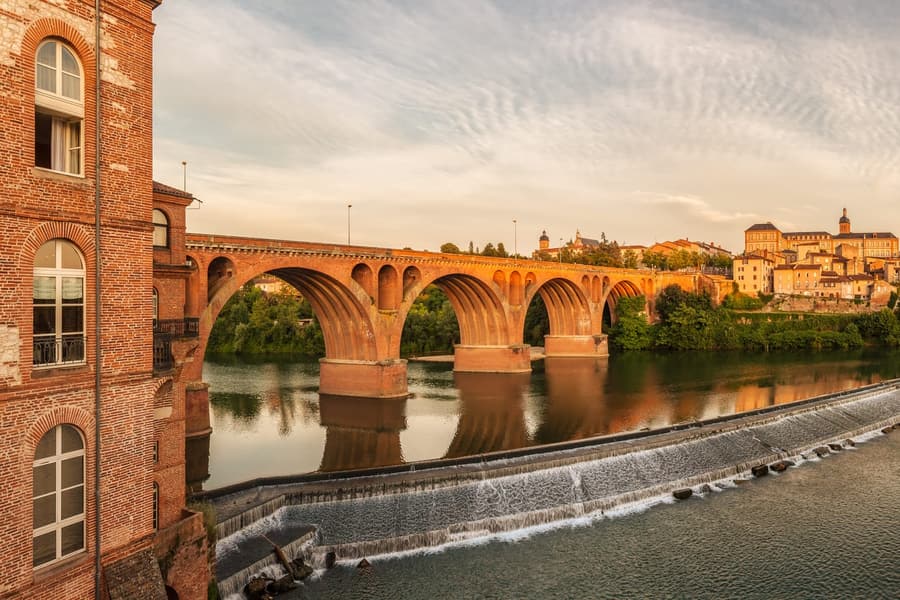 Sainte-Cécile Cathedral, Albi The largest brick building in the world, built as a fortress
Auvergne-Rhône-Alpes
Mont Blanc, the world's largest linked ski areas, Lyon's kitchens and a chain of volcanoes
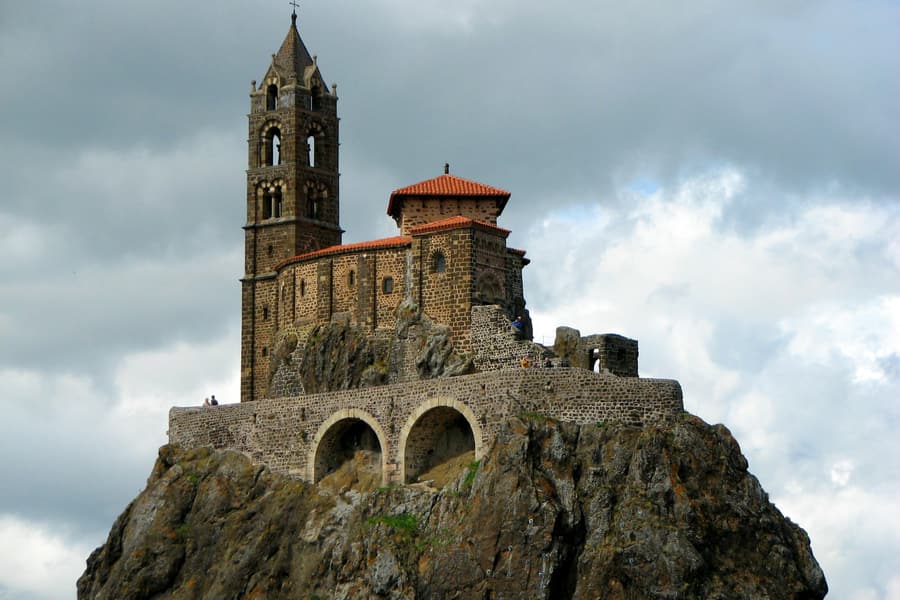
Provence-Alpes-Côte d'Azur
Lavender and Roman arenas inland, the Riviera on the coast, and the Alps behind both
Other things to do
-
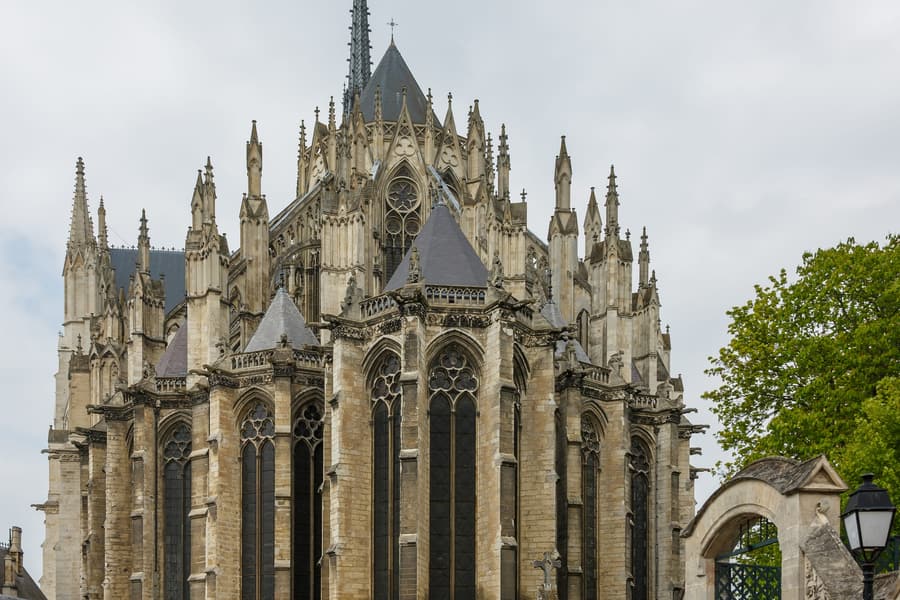 Culture & heritage 53 UNESCO World Heritage sites, and the cathedrals that invented Gothic
 -
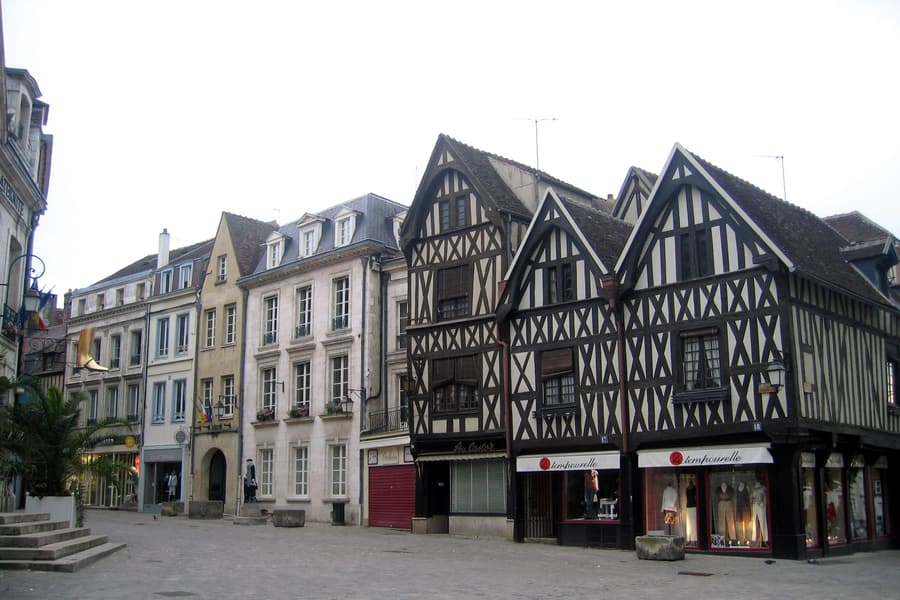 Food & wine Seventeen wine regions, 1,600 cheeses, and the gastronomic meal on the UNESCO list
 -
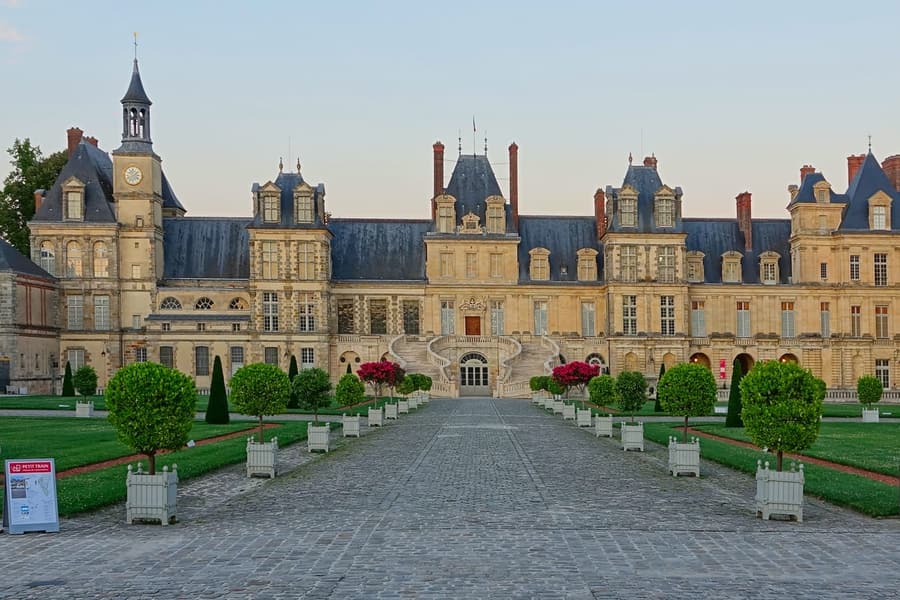 Nature & outdoors Glaciers, gorges, volcanoes and 180,000 km of waymarked footpath
 -
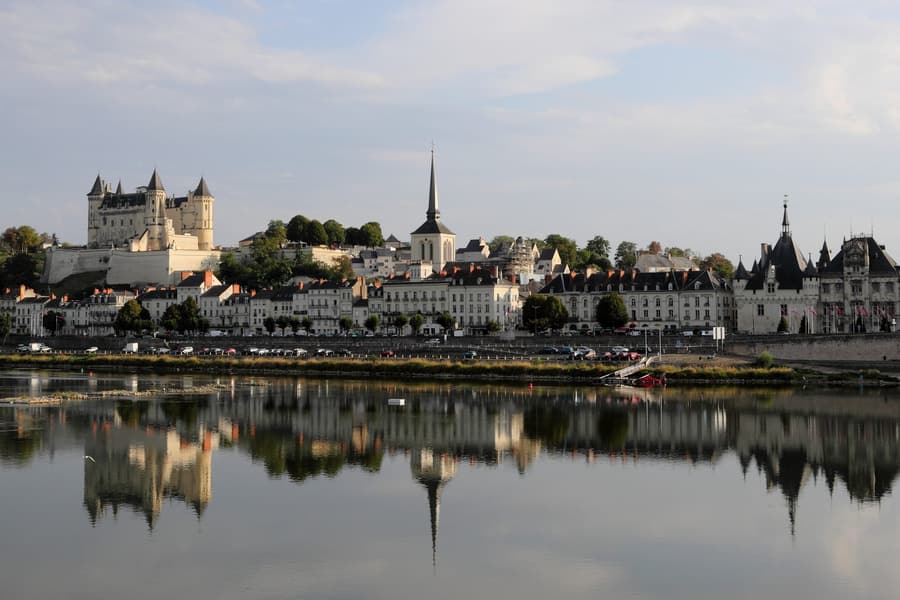 Sport & adventure Skiing, surfing, climbing, paddling — and the Tour, Roland-Garros and Le Mans
 -
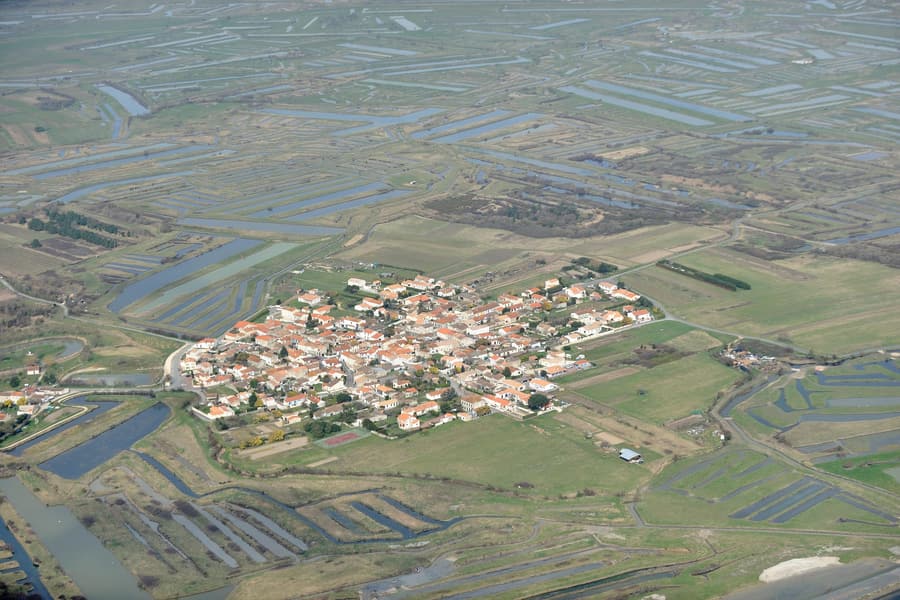 Cycling Over 25,000 km of signed cycle route, most of it flat and away from traffic
 -
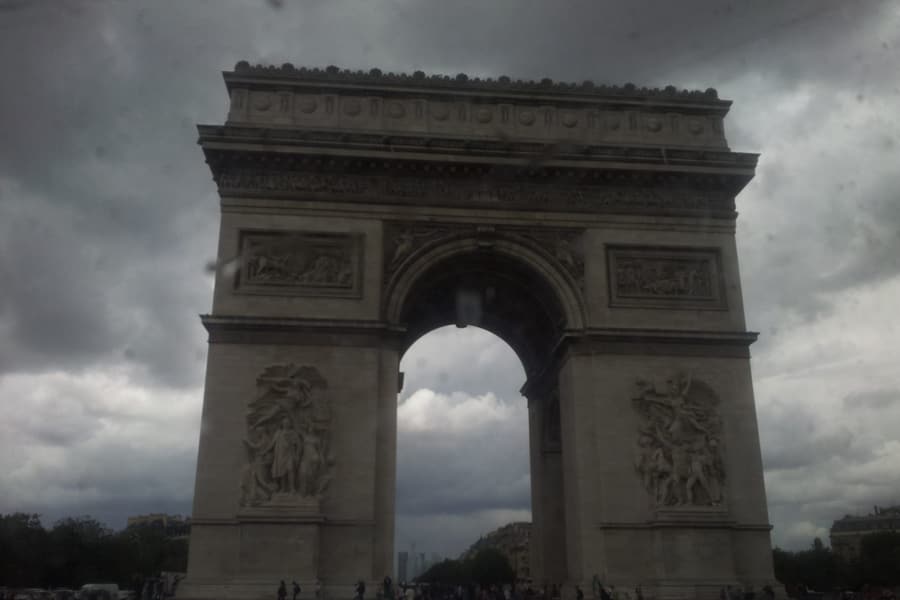 Remembrance The Somme, Verdun and the Normandy beaches — two wars written into the landscape
 -
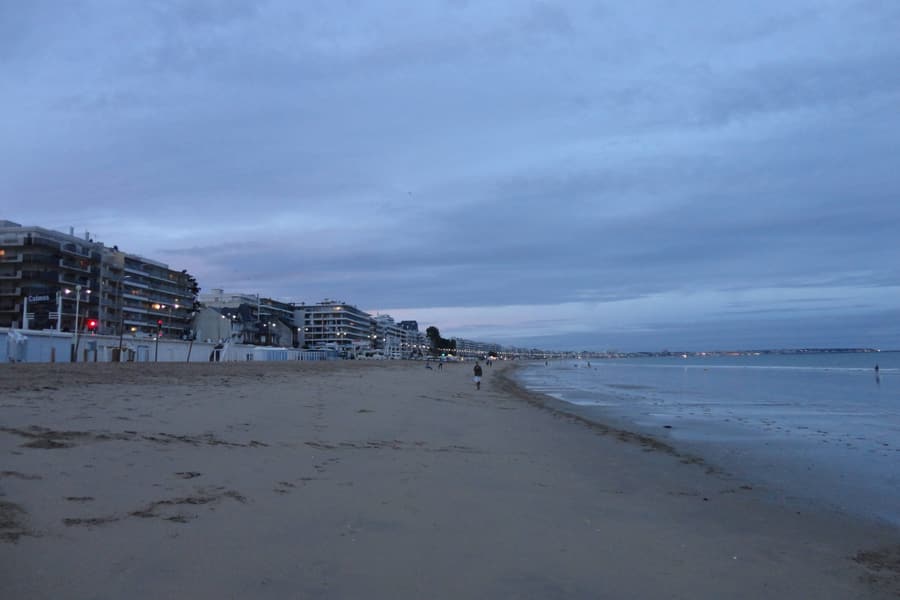 Spa & wellness Around 90 working thermal spa towns, and the coastline that invented thalassotherapy
 - Romance The Riviera corniche, a Loire château, a Provençal village, a Paris weekend
-
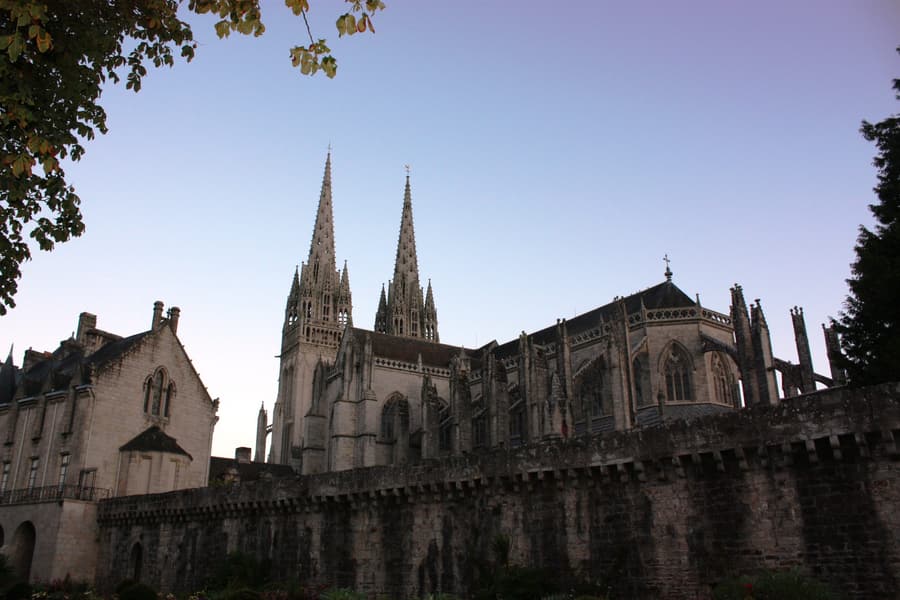 Shopping & savoir-faire Perfume in Grasse, porcelain in Limoges, crystal in Lorraine, couture in Paris
 -
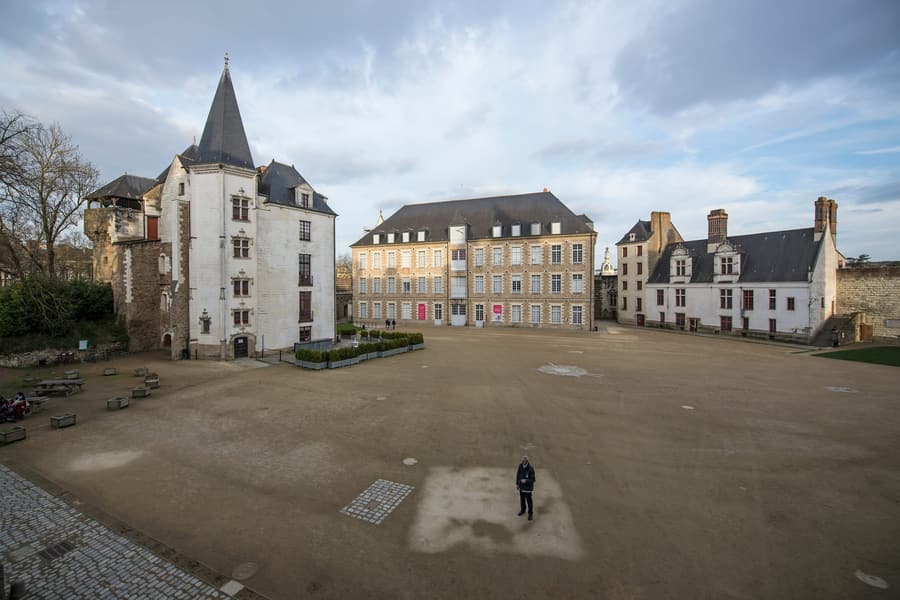 Nightlife & entertainment Festival season, cabaret, beach clubs and the theme parks