Burgundy is the reason wine is described the way it is: the Côte d'Or's climats — 1,247 named plots between Dijon and Santenay — are a UNESCO site precisely because they proved that a few metres of slope changes what is in the glass. Around them sits a region of Romanesque abbeys (Vézelay, Fontenay, what is left of Cluny), Beaune's polychrome-tiled Hôtel-Dieu, and the Canal de Bourgogne. East of it, Franche-Comté is a different country altogether — the Jura, all pine and limestone gorges, comté cheese, vin jaune, and the two royal salt works that Ledoux built as a utopian factory town.
- The Côte d'Or climats — Gevrey-Chambertin to Meursault
- Beaune and the Hospices
- Dijon's ducal palace and the Owl's Trail
- Vézelay's basilica and the Way of St James
- The Abbey of Fontenay
- The Royal Saltworks of Arc-et-Senans and the Loue valley
- Best time to go
- September for the vendanges and the Jura's first colour; November for the Hospices de Beaune wine auction. May–June is quieter and the countryside is at its greenest.
- Getting there
- TGV Paris–Dijon 1h35, Paris–Besançon 2h05. Lyon and Geneva airports serve the south and the Jura. The vineyards and the Jura both really want a car.
Headline places
What france.fr leads with in Bourgogne-Franche-Comté.
-
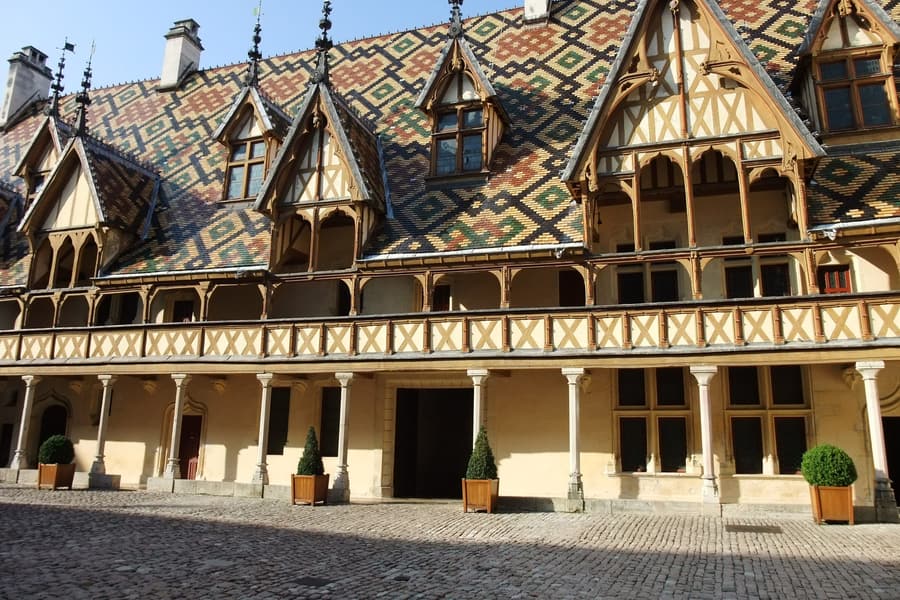 Hospices de Beaune A fifteenth-century charity hospital under a polychrome tiled roof
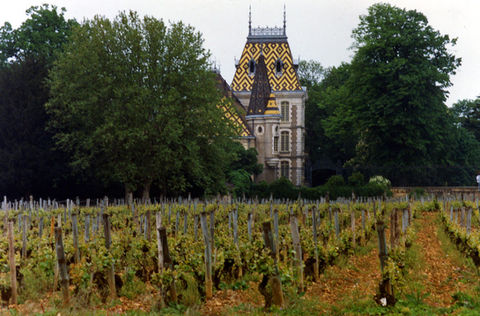
 - The Côte de Nuits Gevrey-Chambertin to Vosne-Romanée — the most valuable vines on earth
-
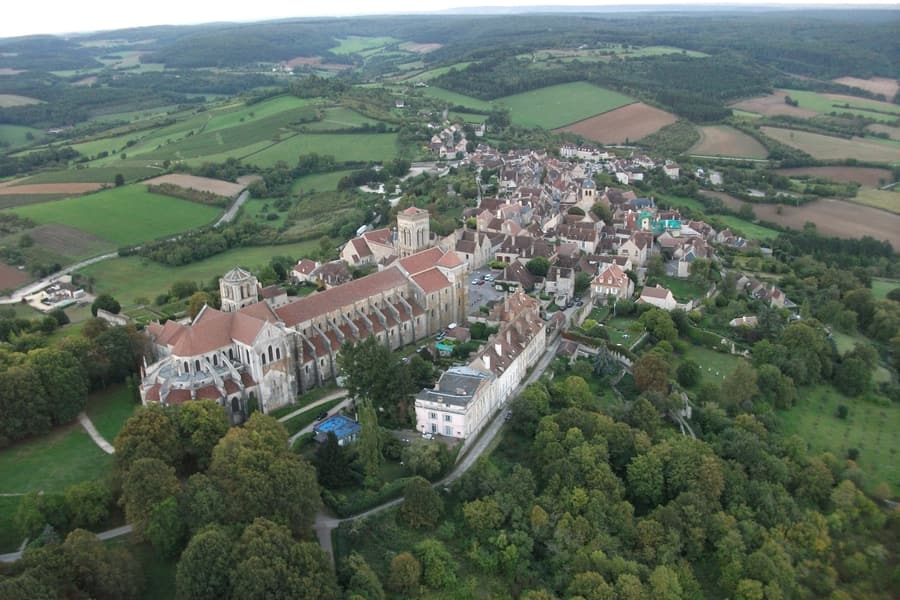 Vézelay A Romanesque hilltop basilica and a starting point of the Camino
 -
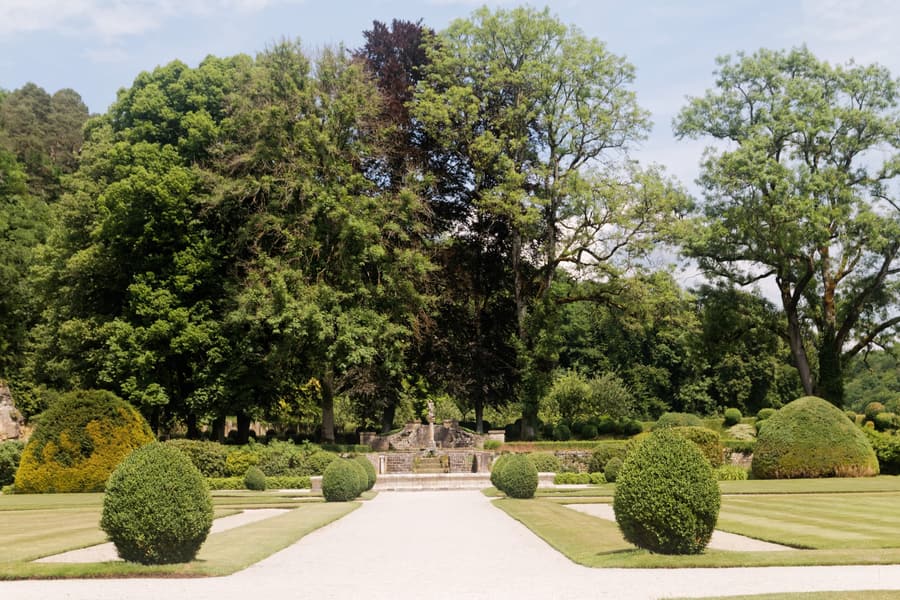 Abbey of Fontenay The oldest complete Cistercian abbey in the world, in its own valley
 -
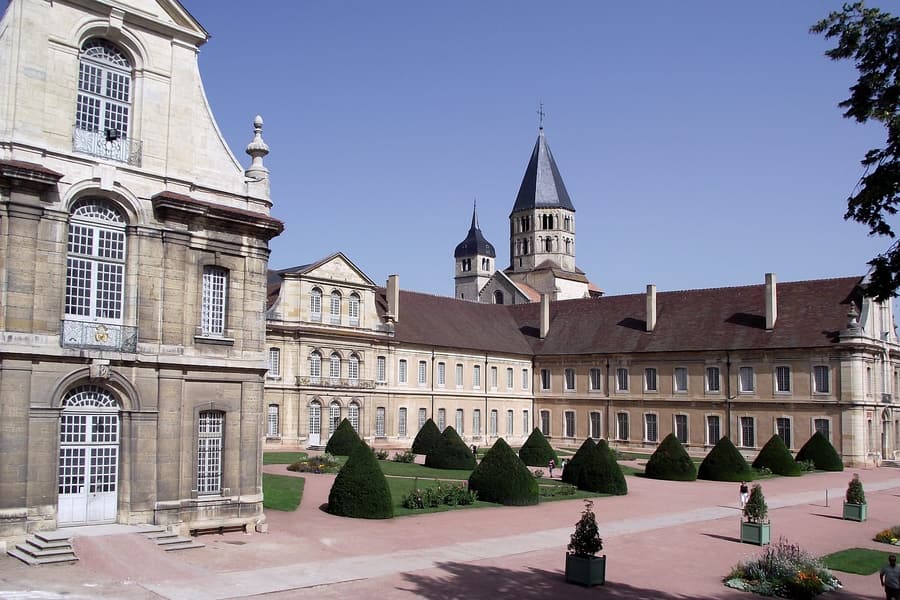 Cluny Abbey The largest church in Christendom until St Peter's — and mostly gone
 -
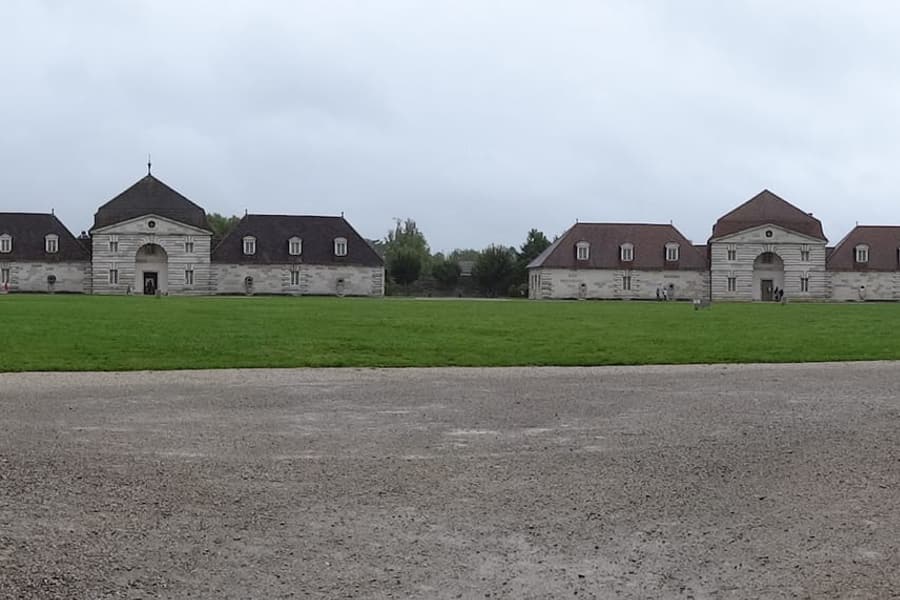 Royal Saltworks of Arc-et-Senans Ledoux's unfinished utopian factory town, half-built in 1779
 -
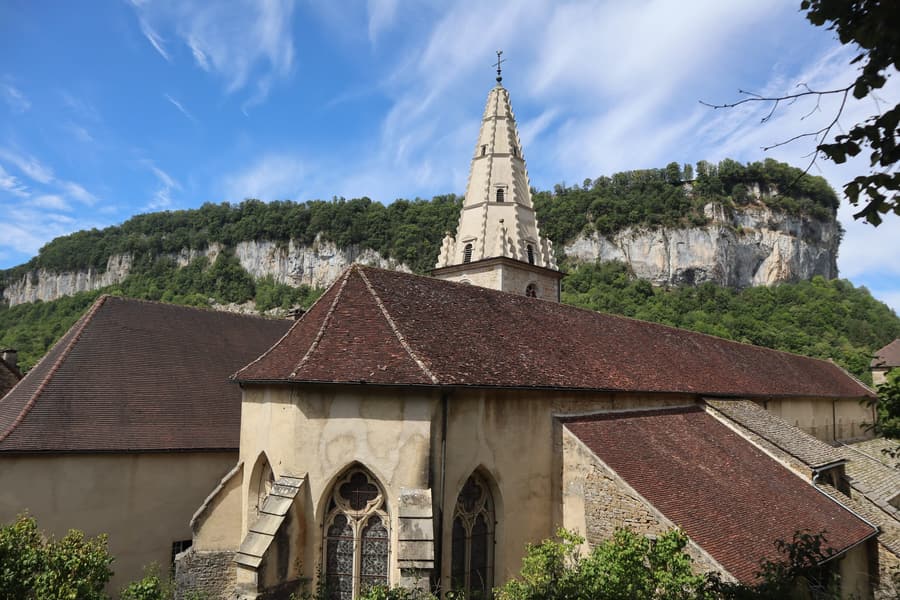 Baume-les-Messieurs An abbey at the foot of a blind valley ending in a 200 m cliff
 -
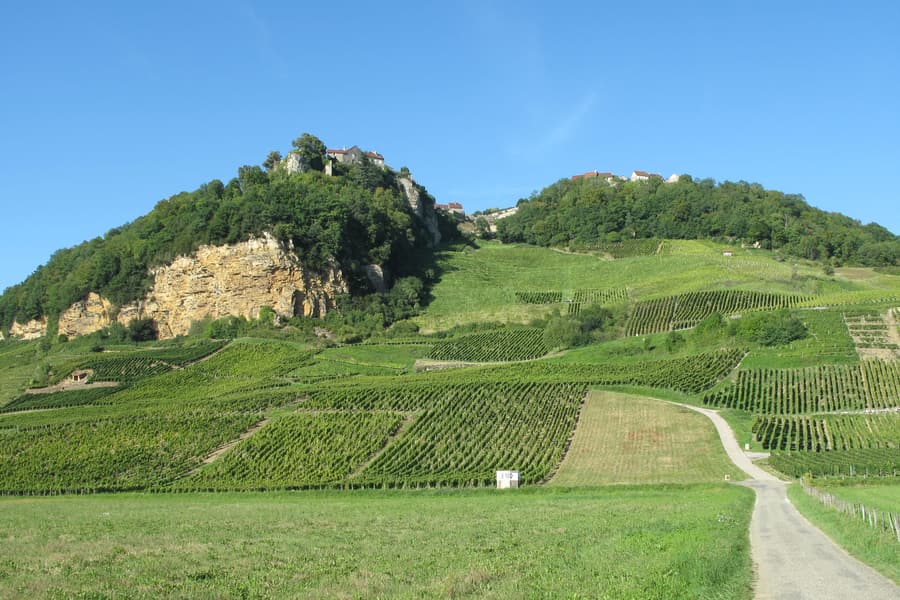 Château-Chalon Vin jaune country — six years in barrels nobody tops up
 -
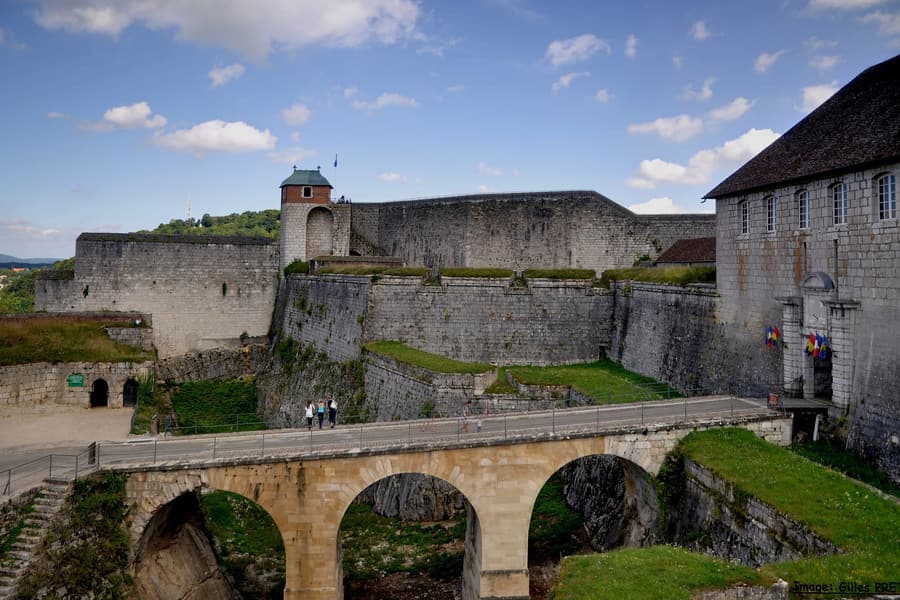 Citadelle de Besançon Vauban's masterpiece, 100 m above a loop of the Doubs
 -
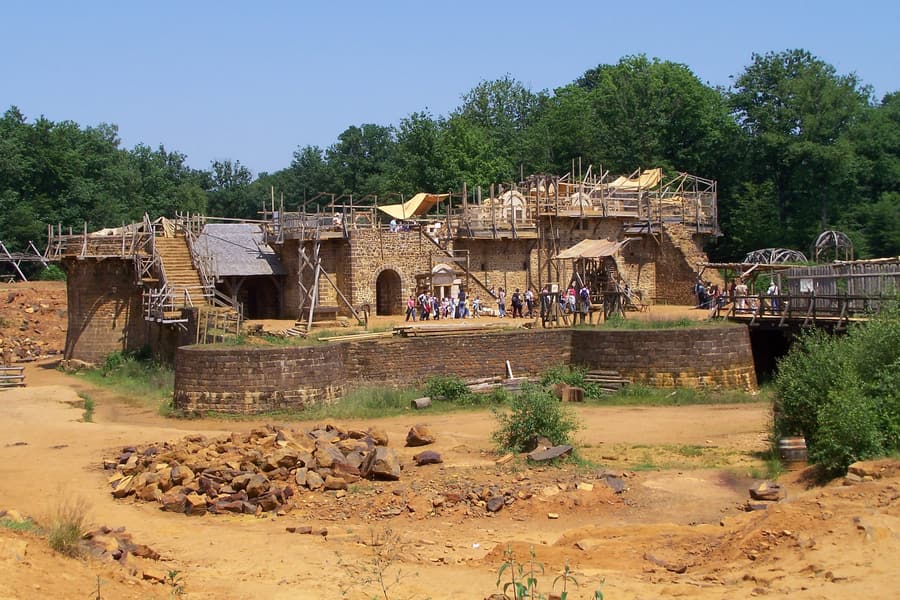 Guédelon Castle A castle being built from scratch with thirteenth-century tools
 -
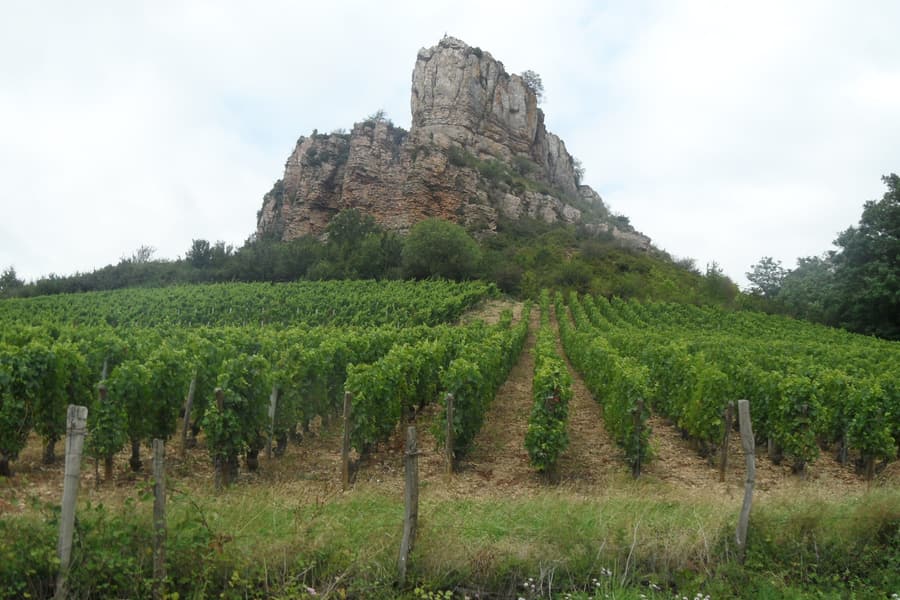 Rock of Solutré A limestone prow over the Mâconnais vines, and a prehistoric site
Tourism areas
The names people actually use for this part of France — some of them cross into the next region.
Cities & bases
Where to sleep, and what each place is good for.
-
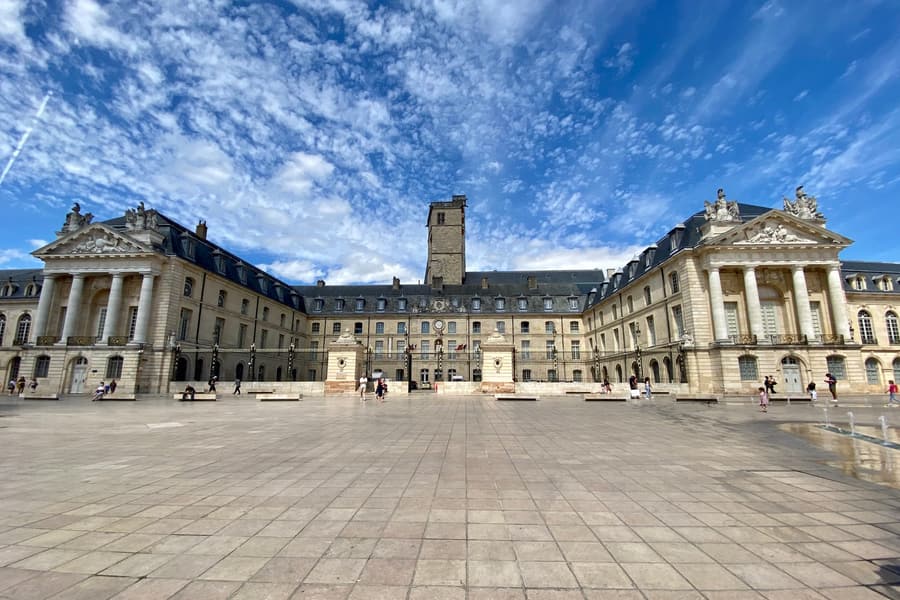 Dijon The ducal palace, the Owl's Trail and the top of the Côte d'Or
 -
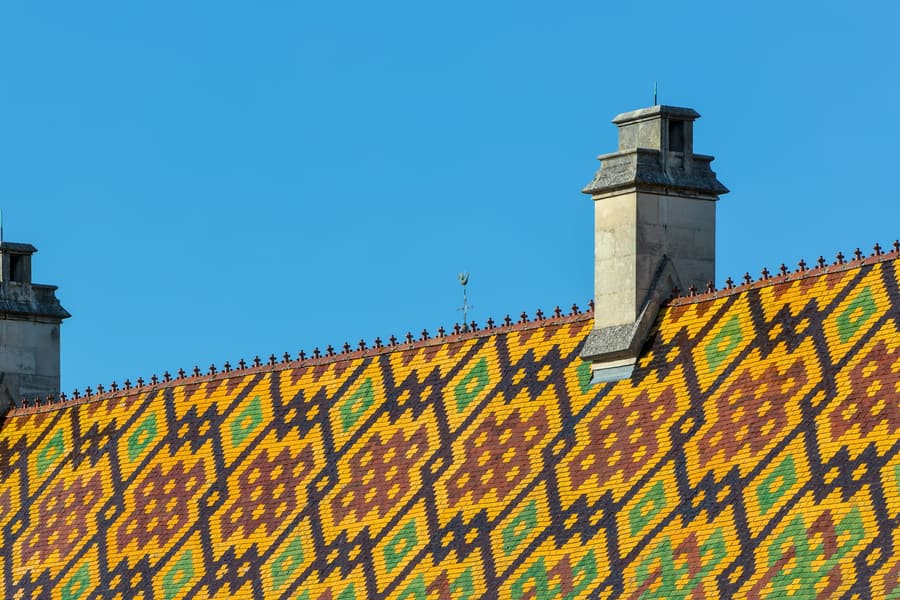 Beaune Burgundy's wine capital and the Hospices' polychrome roof
 -
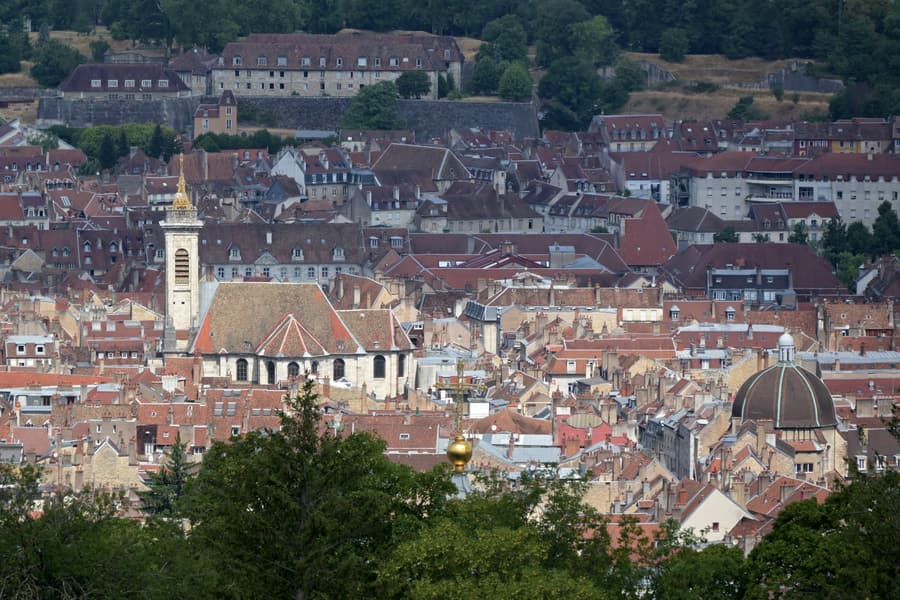 Besançon A Vauban citadel inside a loop of the Doubs
 -
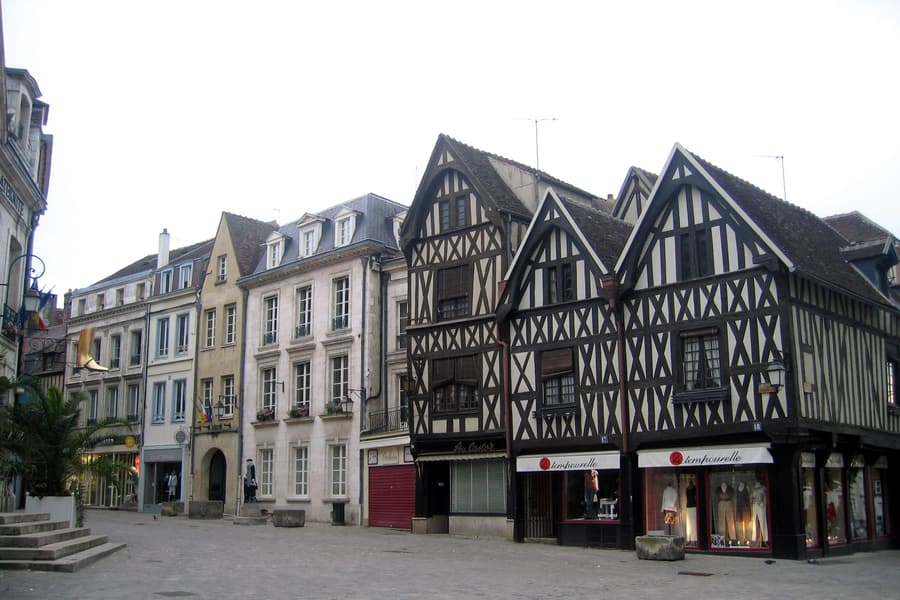 Auxerre Yonne riverfront, Chablis vineyards and a Romanesque crypt
 -
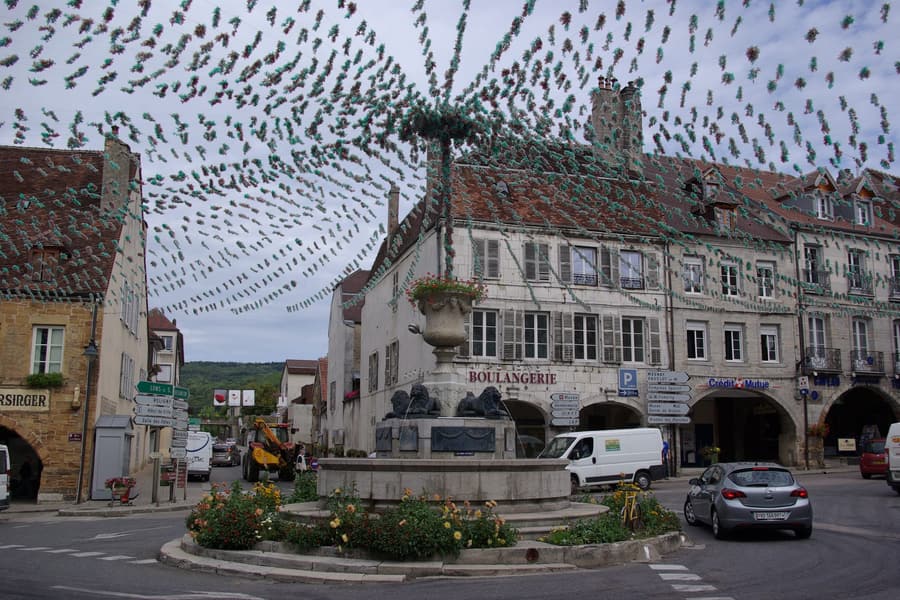 Arbois The Jura's wine town — vin jaune, and Pasteur's house
Our guides
Full destination guides we already publish in this region.
Bourgogne-Franche-Comté by experience
The themes this region delivers on.
-
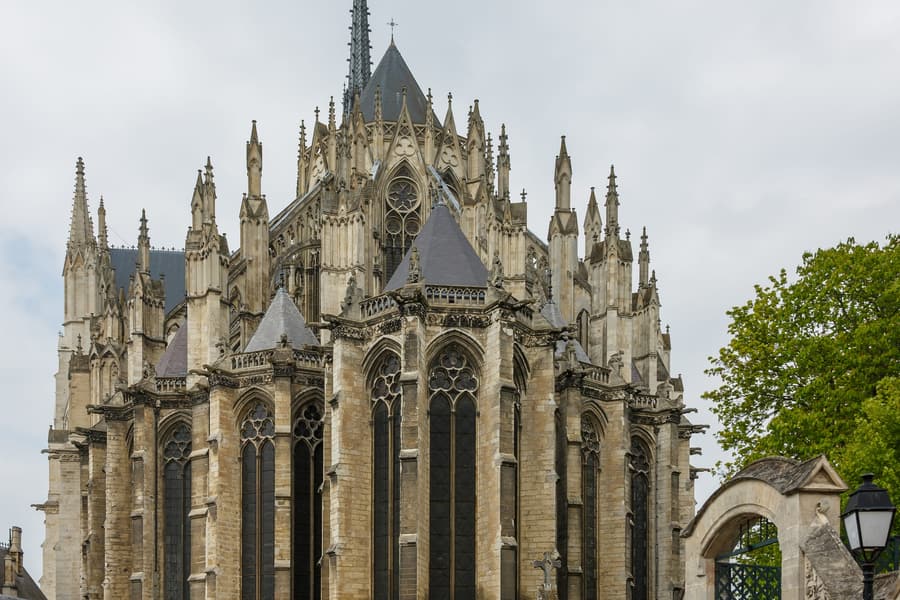 Culture & heritage 53 UNESCO World Heritage sites, and the cathedrals that invented Gothic
 - Food & wine Seventeen wine regions, 1,600 cheeses, and the gastronomic meal on the UNESCO list
-
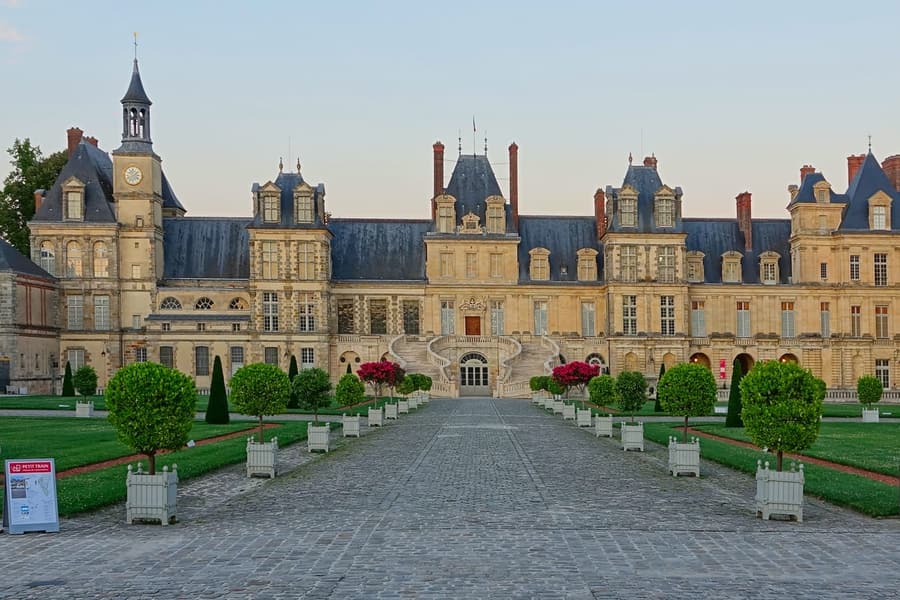 Nature & outdoors Glaciers, gorges, volcanoes and 180,000 km of waymarked footpath
 - Mountains Six massifs — the Alps, Pyrenees, Jura, Vosges, Massif Central and Corsica
-
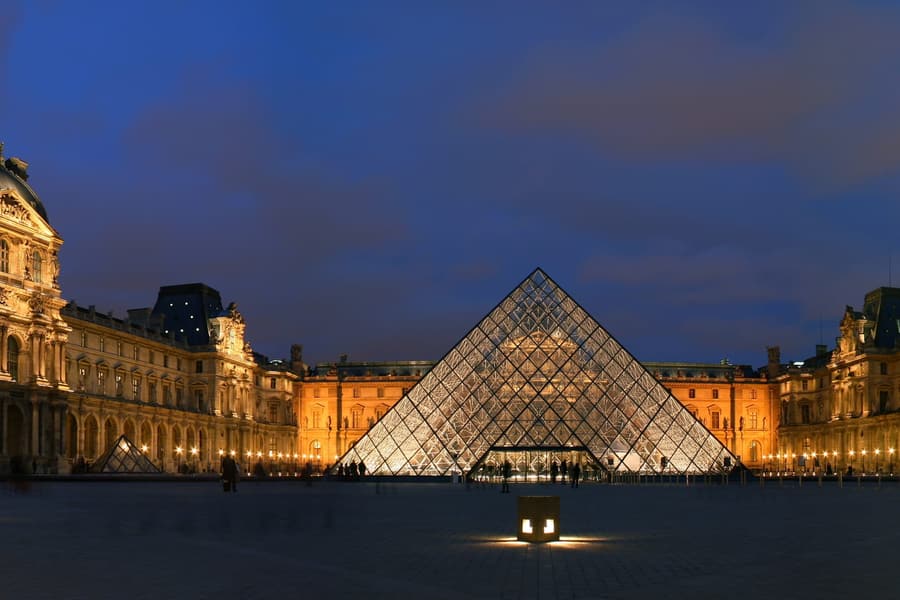 Cities Paris, and eleven more cities that would headline any other country
 -
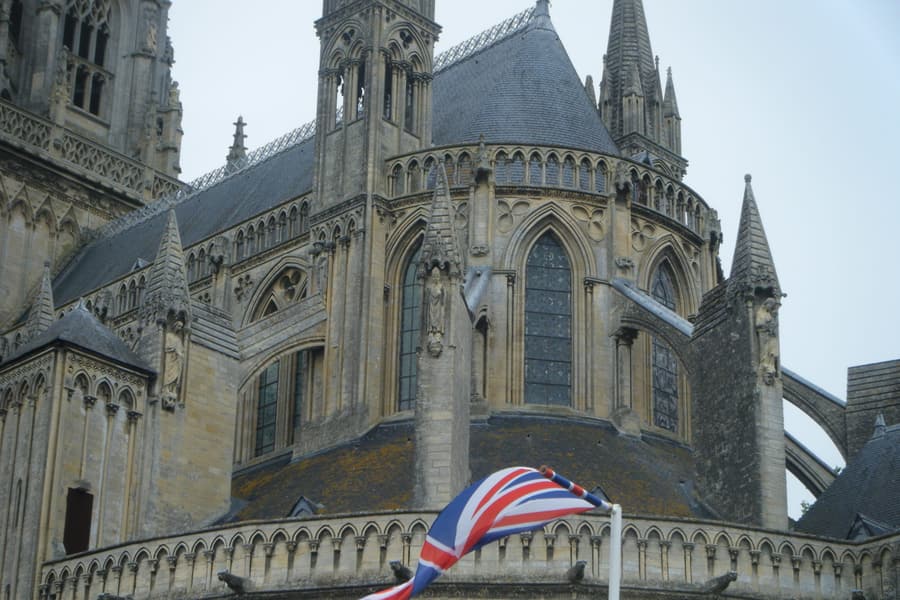 Villages & countryside The 180-odd villages on the official 'most beautiful in France' list
 -
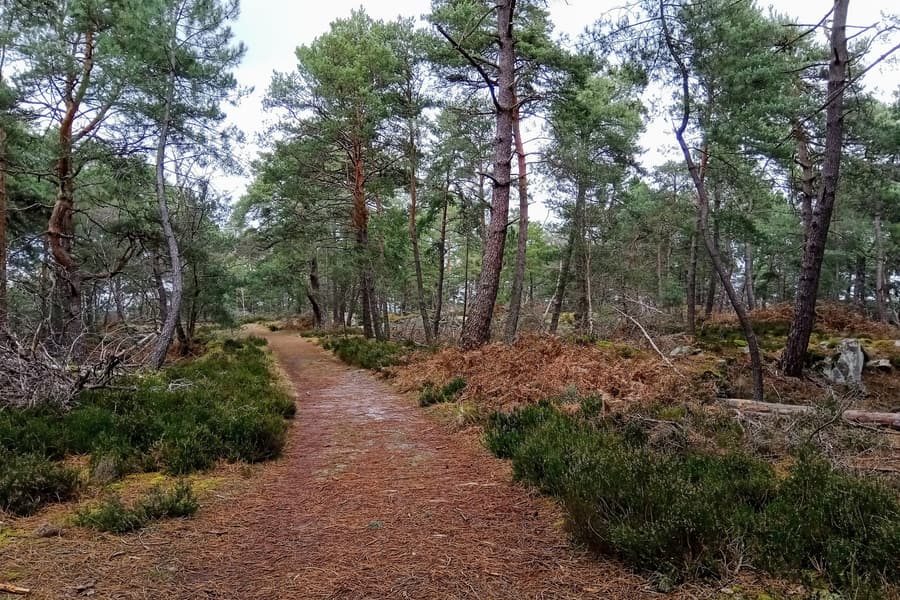 National & regional parks Eleven national parks and 58 regional ones — about a fifth of the country
 -
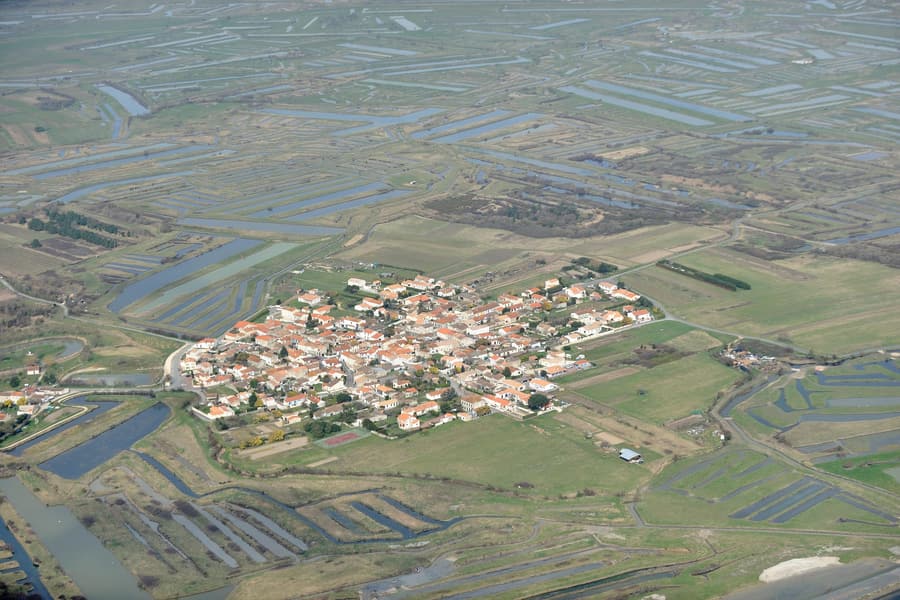 Cycling Over 25,000 km of signed cycle route, most of it flat and away from traffic
 -
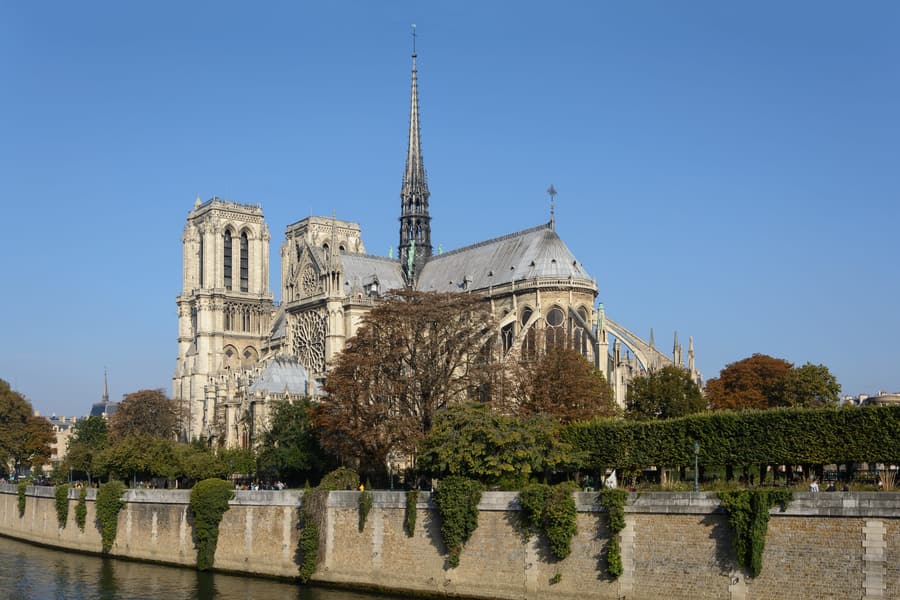 Pilgrimage & spirituality Four Camino routes, Lourdes, Mont-Saint-Michel and the Romanesque abbeys