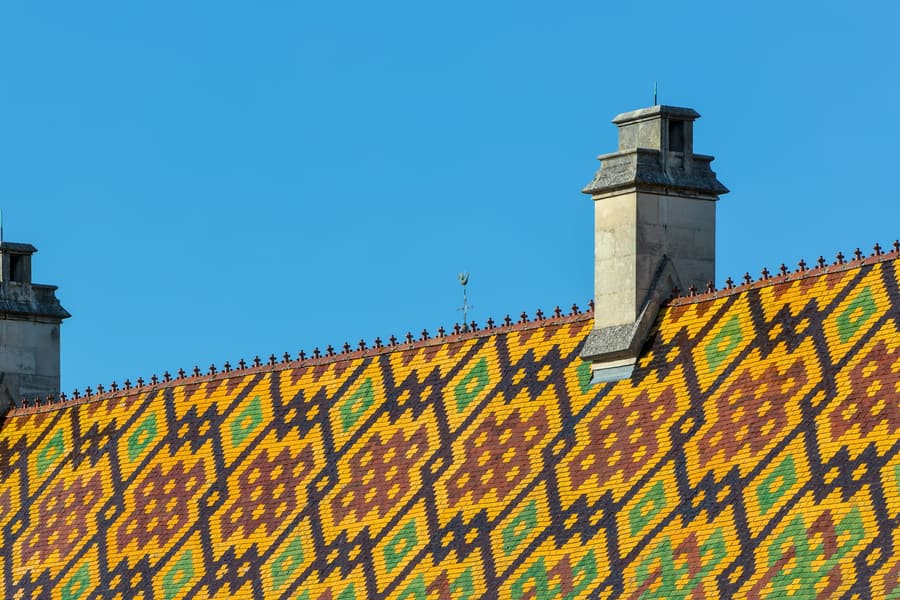
The Côte d'Or between Dijon and Santenay is a UNESCO site because of an idea rather than a building: the climat, a named plot of vines whose wine is distinguishably different from the plot next to it, an idea Cistercian monks worked out and mapped over eight centuries. Beaune is the wine capital, with the Hôtel-Dieu's polychrome roof and a charity auction each November that sets the year's prices. Away from the vines, Burgundy is Romanesque — Vézelay's basilica on its hill, Fontenay's Cistercian abbey complete in its valley, and what Cluny left behind.
© OpenFreeMap · OSM · terrain Mapterhorn · boundaries © EuroGeographics (Eurostat GISCO)
Headline places
What you come to Burgundy for.
-
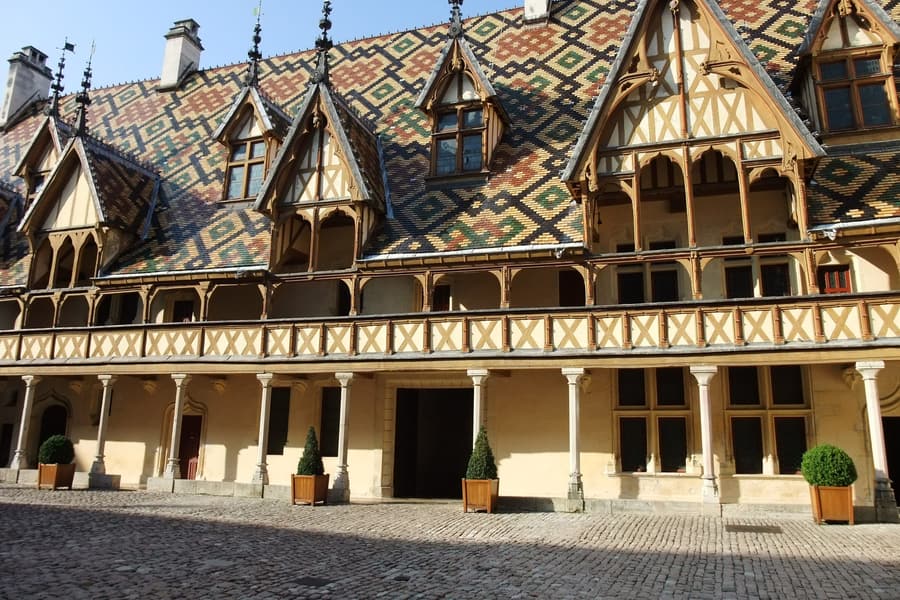 Hospices de Beaune A fifteenth-century charity hospital under a polychrome tiled roof
 - The Côte de Nuits Gevrey-Chambertin to Vosne-Romanée — the most valuable vines on earth
-
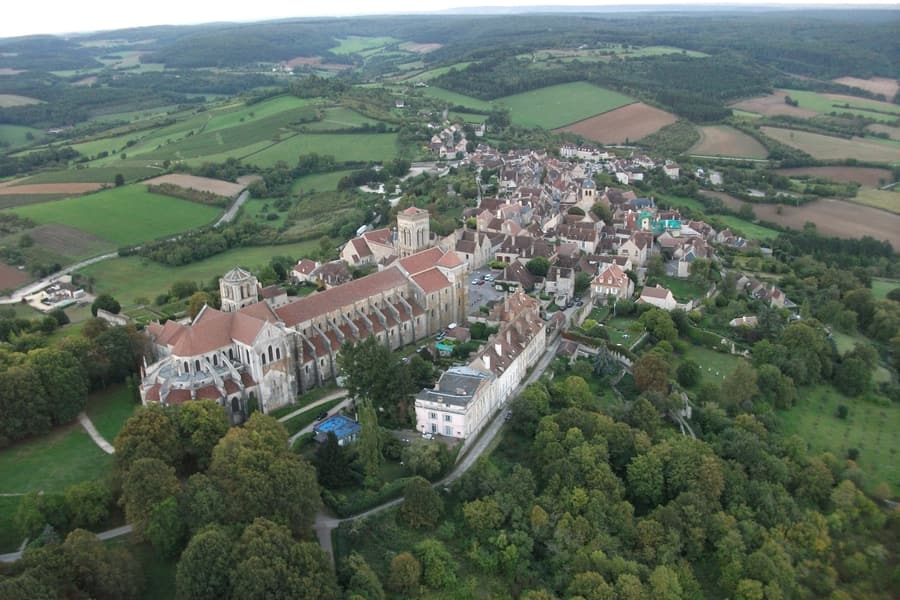 Vézelay A Romanesque hilltop basilica and a starting point of the Camino
 -
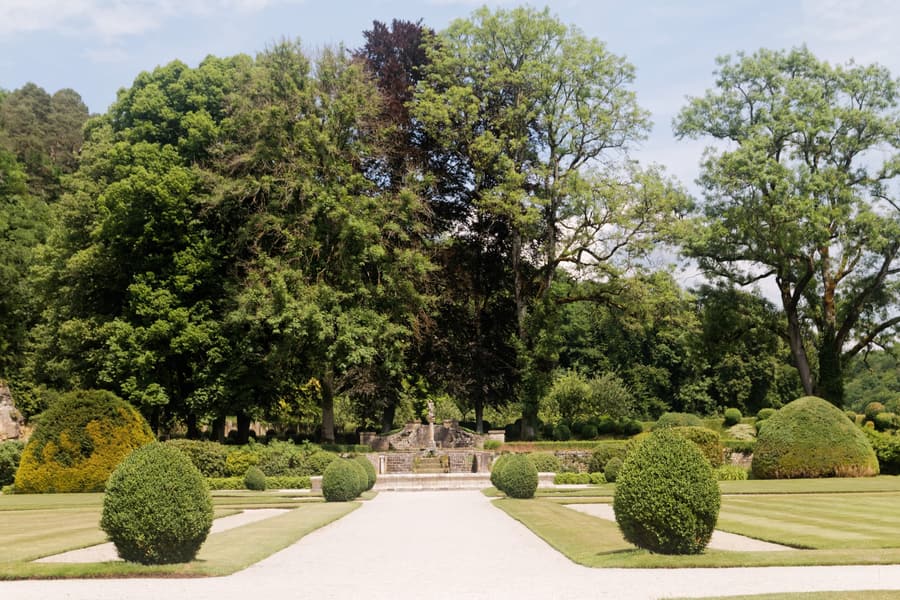 Abbey of Fontenay The oldest complete Cistercian abbey in the world, in its own valley
 -
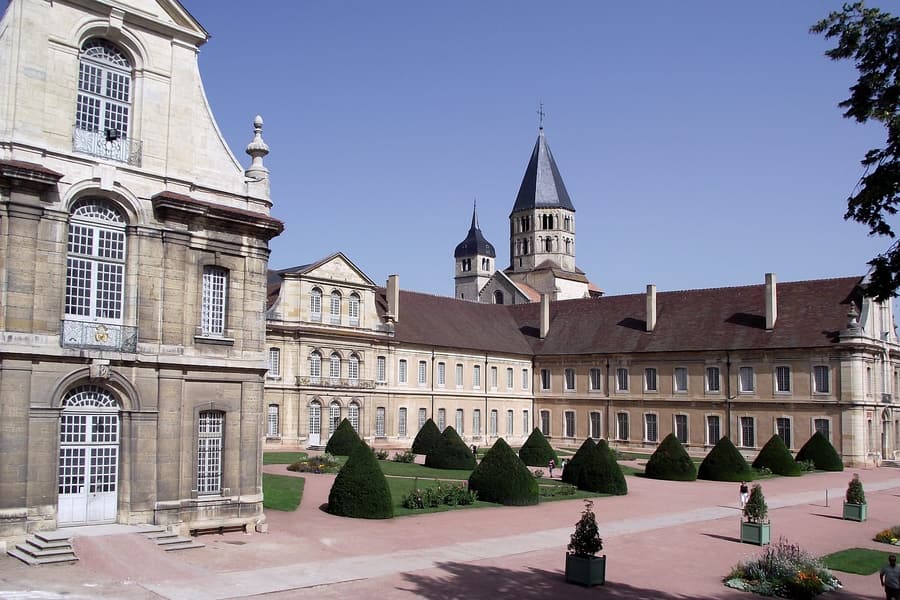 Cluny Abbey The largest church in Christendom until St Peter's — and mostly gone
 -
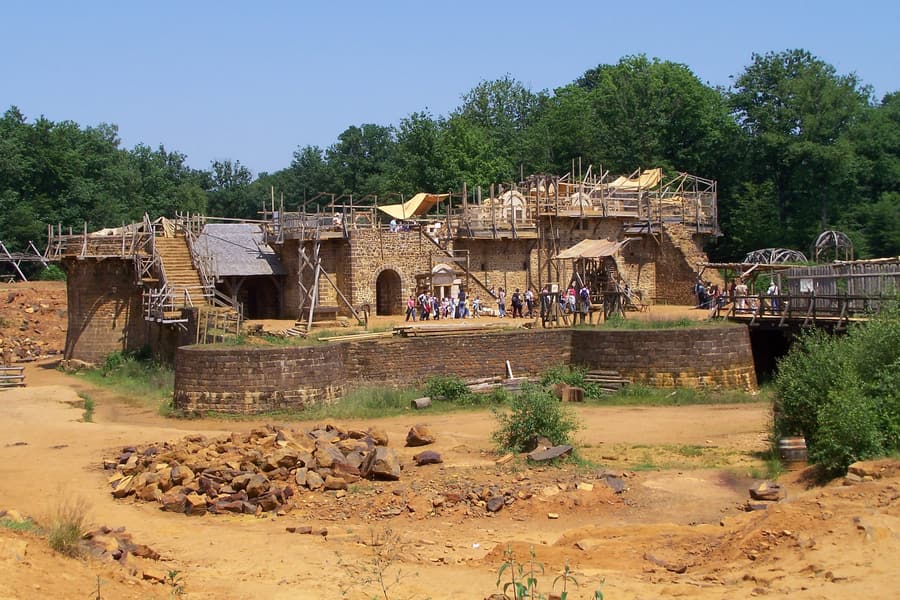 Guédelon Castle A castle being built from scratch with thirteenth-century tools
 -
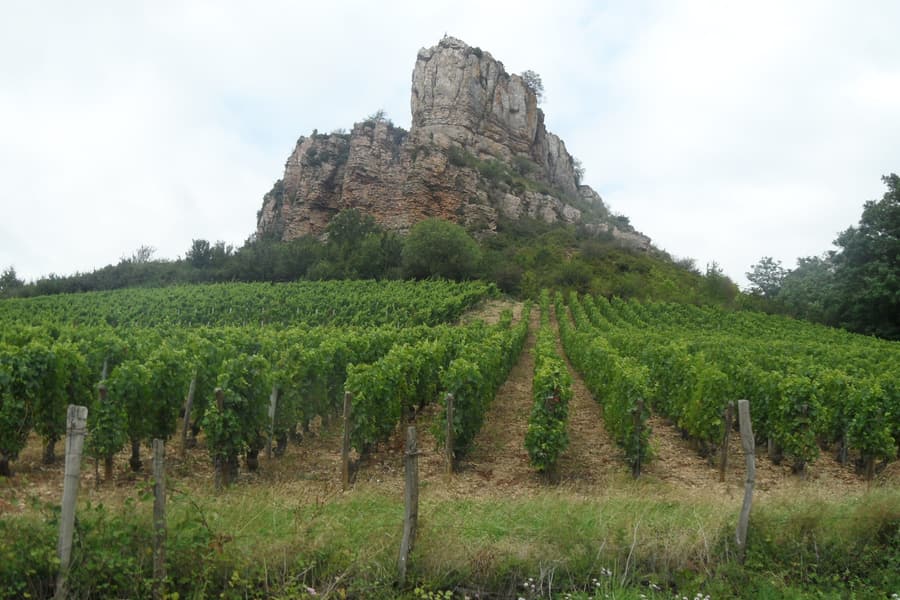 Rock of Solutré A limestone prow over the Mâconnais vines, and a prehistoric site
Cities & bases
Where to sleep inside the area.
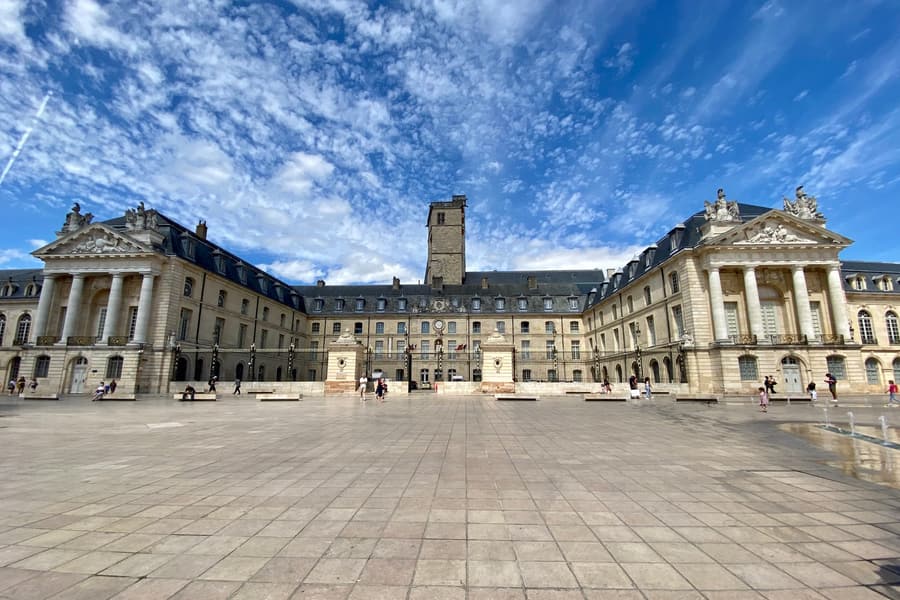
The region it sits in
Tourism areas and administrative regions are different geographies — both are true, and both are browsable here.