Lyon sits where the Rhône meets the Saône, on a peninsula between them with a Roman hill on one side and a Renaissance quarter on the other. It was the capital of Roman Gaul, then Europe's silk-weaving centre, and the traboules — covered passages cut through buildings so silk could be carried across town in the dry — are still there, still unmarked, and still used by the Resistance in living memory. Around 500 hectares of the city is UNESCO-listed, which is one of the largest inscribed urban areas anywhere.
Because it is the best-fed city in France and does not make a fuss about it. The bouchon — a small, loud, meat-heavy Lyonnais restaurant with paper tablecloths — is a genuine institution, and there are around twenty certified ones. Beyond that it is a second-city that behaves like a first: two rivers, Roman theatres still used for concerts, a serious opera house, and prices about two-thirds of Paris.
Things to do
- The traboules of Vieux Lyon and Croix-Rousse — Around forty are open to the public. Start at 27 rue Saint-Jean, which runs through four courtyards.
- Basilique Notre-Dame de Fourvière — On the hill that prays, above the hill that works. Take the funicular up and walk down through the Roman site.
- The Gallo-Roman theatres — Two of them, from 15 BC, still used for the Nuits de Fourvière festival every summer.
- Les Halles Paul Bocuse — Sixty stalls of the produce that made the reputation. Go at midday and eat oysters standing up.
- Musée des Confluences — A deconstructivist cloud of steel at the tip of the peninsula, holding natural history and anthropology together.
- The Rhône riverbanks — Four kilometres of reclaimed embankment — running, cycling and péniche bars from May.
Tickets & tours
-
 ECLIPSO Lyon: Les Derniers Remparts - Carcassonne 1304 VR Experience From £25.06 · 4.5/10
 -
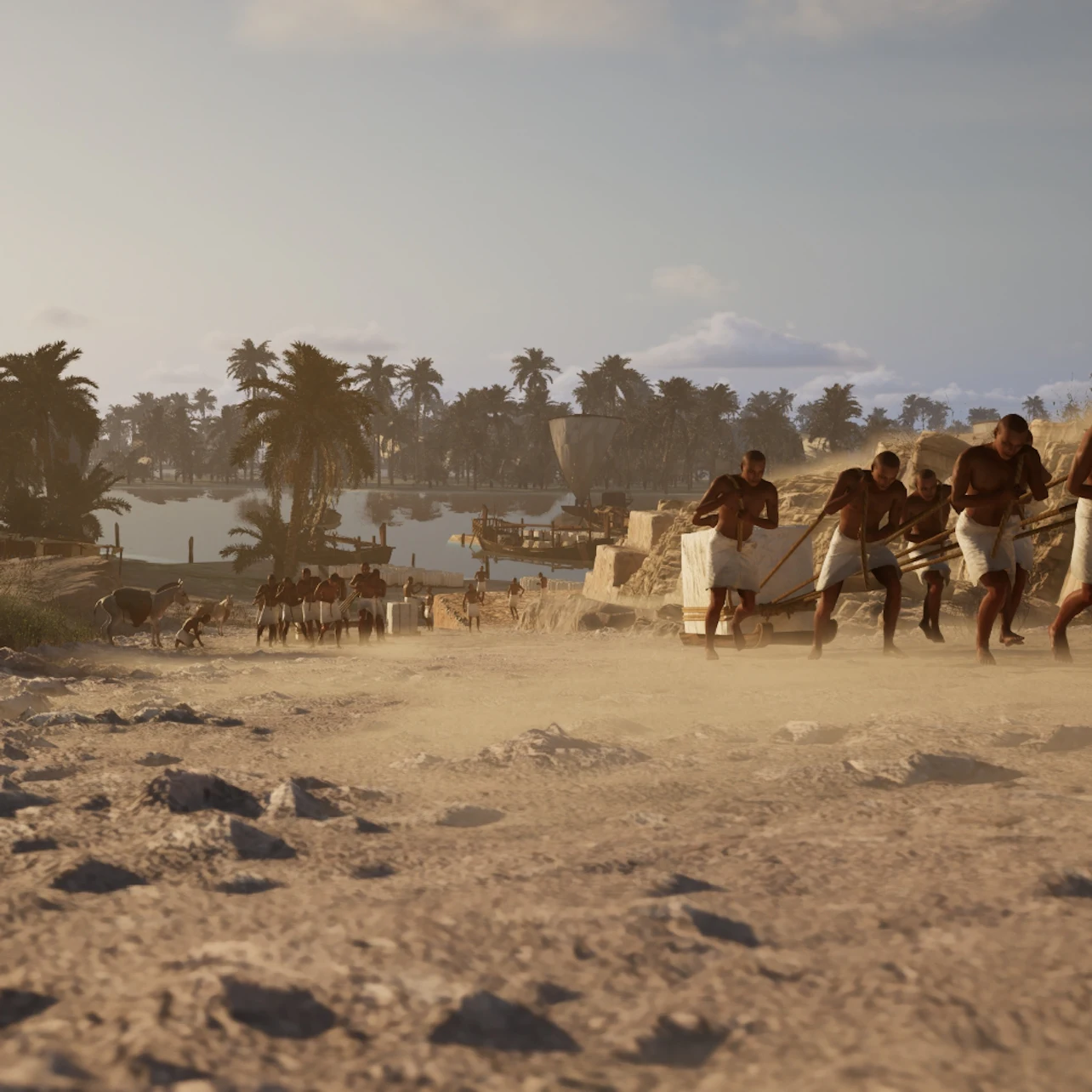 ECLIPSO Lyon: The Builders' Treasure - In the Footsteps of Egyptian Genius Entry From £25.06 · 4.5/10
 -
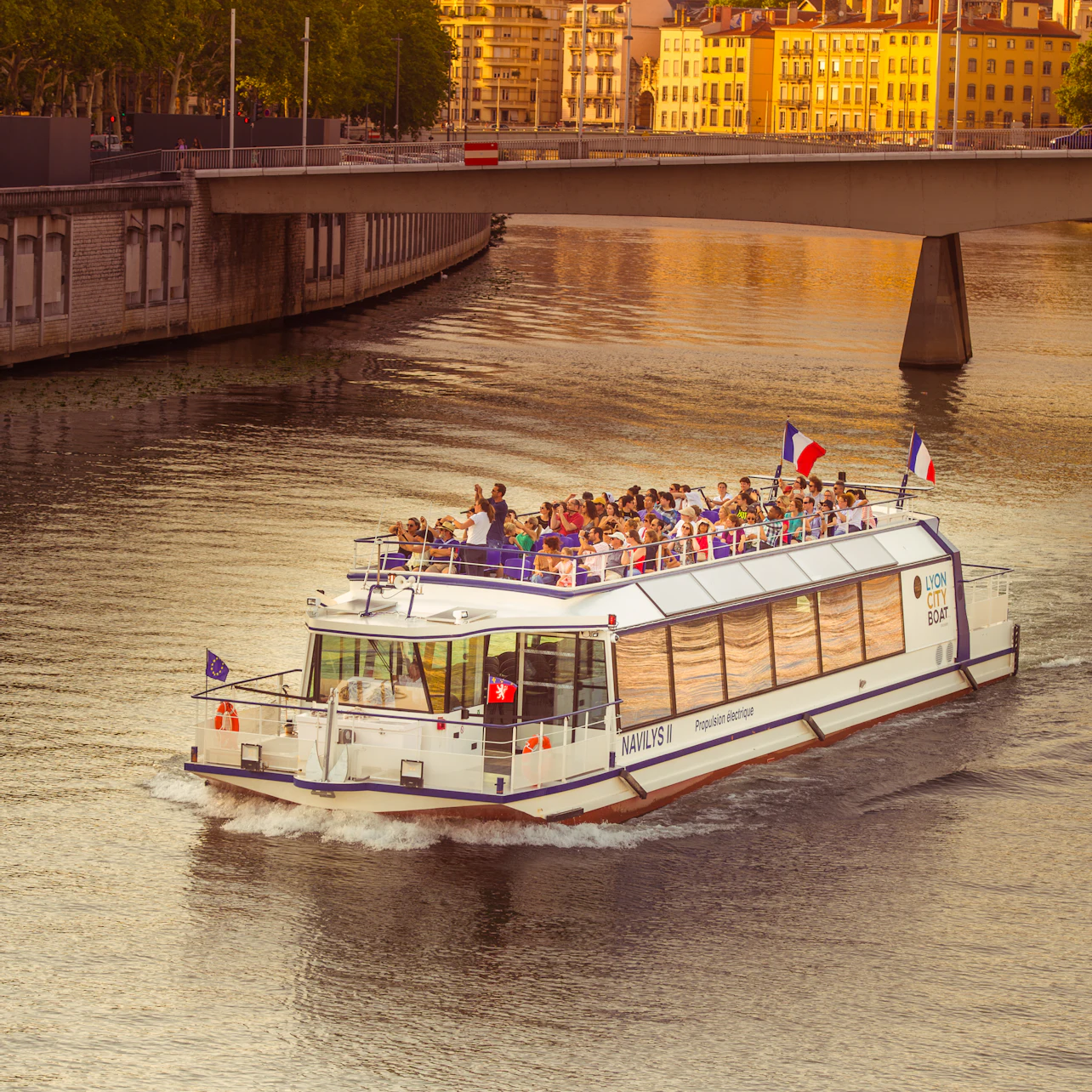 Guided Sightseeing Cruise on the Saône by Les Bateaux Lyonnais From £12.74 · 4.5/10
 -
 Lyon: VR Experience "Horizon of Khufu" From £25.06 · 4.6/10
 -
 Lyon: VR Experience "Life Chronicles" From £25.06 · 4.6/10
Where to base yourself
The Lyon neighbourhoods worth knowing before you book.
- Coming soon Vieux Lyon (5th) The Renaissance quarter — cobbles, pink and ochre façades, and most of the accessible traboules. Beautiful, busy, and directly under Fourvière.
- Coming soon Presqu'île (1st & 2nd) The peninsula between the rivers: Place Bellecour, the shopping, the opera and most of the hotels. The obvious first-time base.
- Coming soon Croix-Rousse (4th) The silk-weavers' hill, with ceilings built high for the looms. Steep, villagey, the best market, and where Lyon actually lives.
- Coming soon Fourvière (5th) The Roman hill — two theatres, the basilica and the whole city laid out below. More a place to go than to stay.
- Coming soon Confluence (2nd) The southern tip, rebuilt from docklands into a museum, a mall and green-roofed offices. Divisive, and worth an afternoon.
- Coming soon Guillotière (7th) Across the Rhône — North African, Chinese and student, cheap, and the best food that is not Lyonnais.
3 days in Lyon
- Day 1 Roman and Renaissance
Funicular to Fourvière for the basilica and the view, then walk down through the theatres and the Gallo-Roman museum. Afternoon in Vieux Lyon on the traboules. Dinner in a bouchon on rue Mercière.
- Day 2 The peninsula and the hill
Les Halles for a late breakfast, then the Musée des Beaux-Arts on Place des Terreaux — the best collection outside Paris. Afternoon up to Croix-Rousse for the silk workshops and the market. Evening on the Rhône docks.
- Day 3 Confluence and out
Musée des Confluences in the morning, then either the Beaujolais hills or Pérouges if you have a car — or the TGV south, because Lyon is two hours from both Provence and the Alps.
Day trips
Worth the train or the drive from Lyon.
-
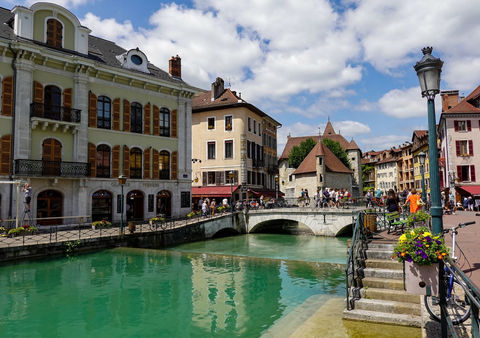 Annecy Two hours east — canals, and the clearest lake in Europe.
 -
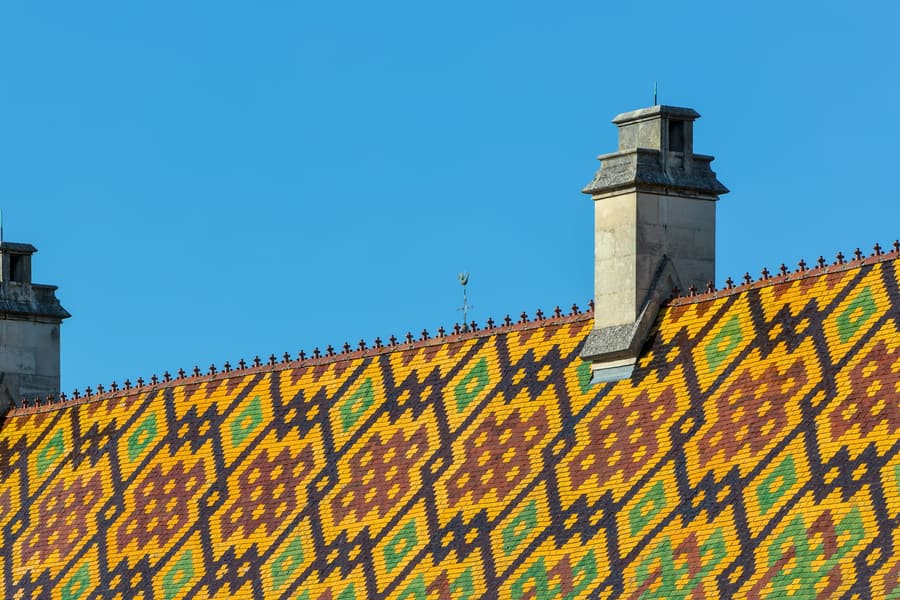 Beaune 1h40 north into Burgundy for the Hospices and the Côte d'Or.
 -
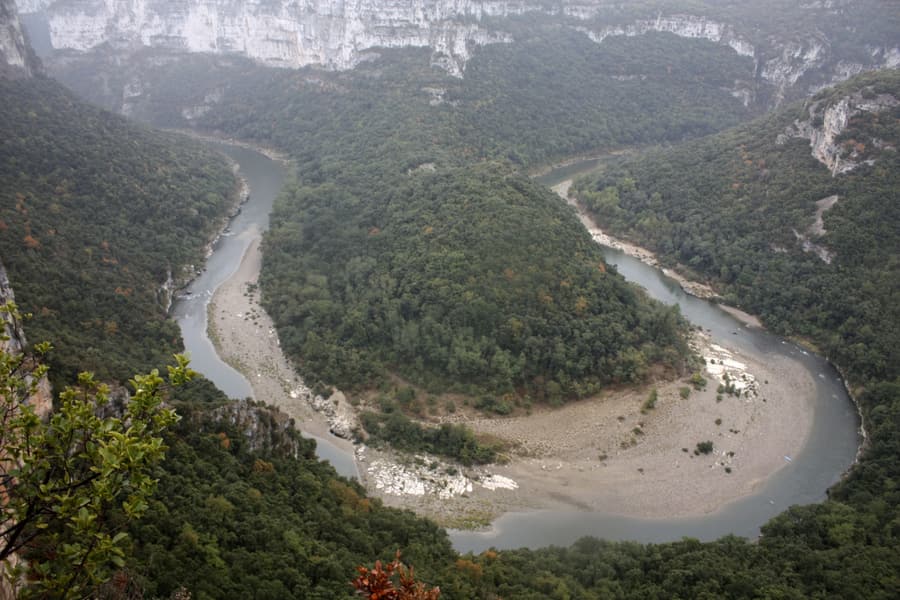 Gorges de l'Ardèche Two hours south for the Pont d'Arc and the canyon.
 -
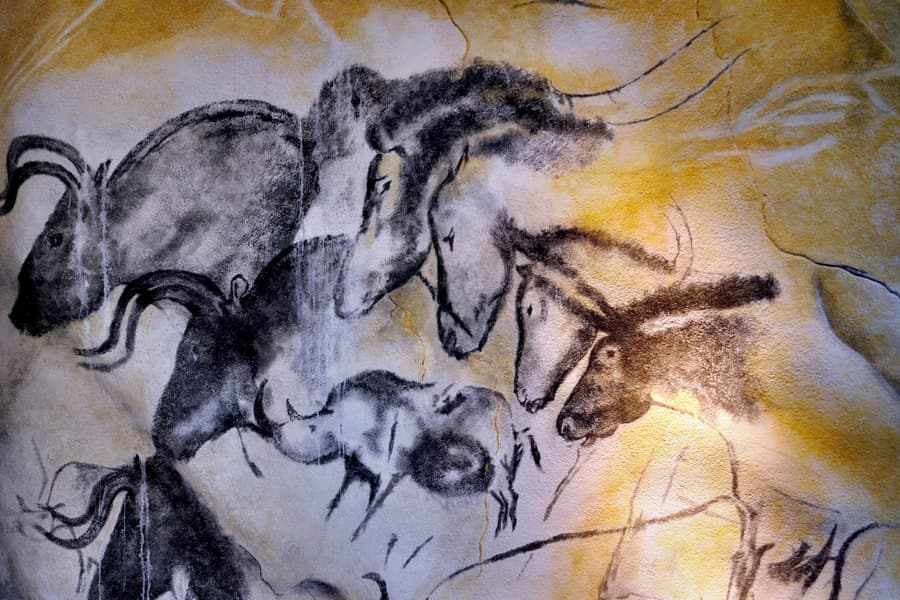 Grotte Chauvet 2 The facsimile of the oldest figurative art known — 36,000 years old.
 -
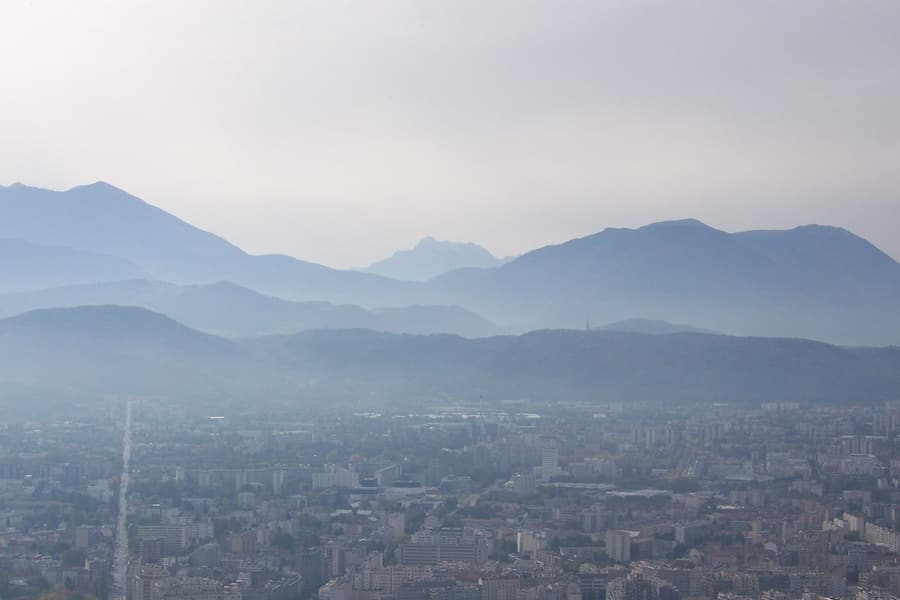 Grenoble 90 minutes, and three mountain ranges start at the ring road.
 -
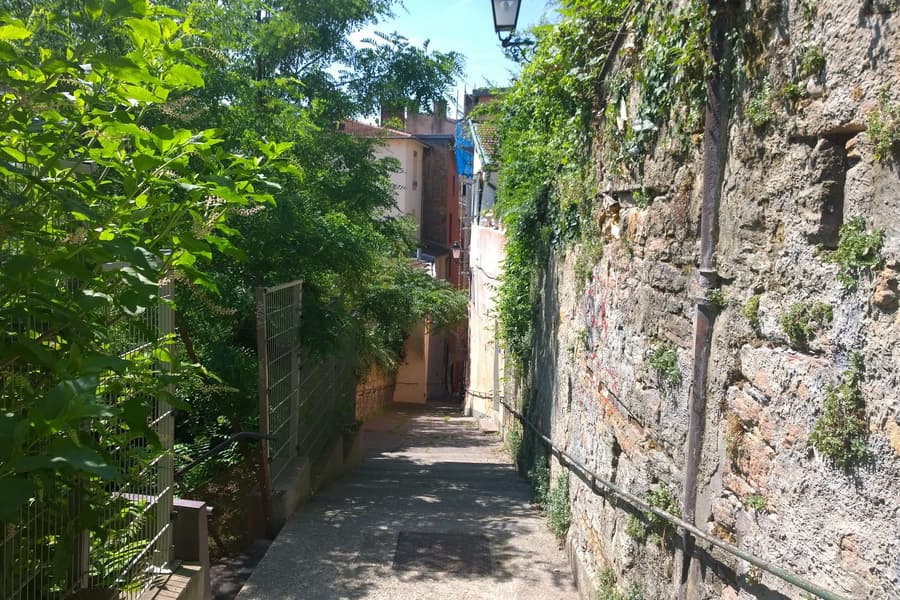 Vieux Lyon & the traboules In the city itself — the covered passages the silk trade cut through the blocks.
Practical
- Best time to go
- May–June and September–October. December for the Fête des Lumières (8 December and the three days around it), when the whole city is projection-mapped and around two million people come — book accommodation months ahead. July and August are hot and half the bouchons close.
- Getting there
- TGV Paris–Lyon Part-Dieu in 1h57, Marseille in 1h40, and Geneva in under two hours. Lyon Saint-Exupéry airport is 30 min by the Rhônexpress tram. It is also the natural stop between Paris and Provence, or Paris and the Alps.
- Getting around
- Small enough to walk, hilly enough that you won't want to for Fourvière — take the funicular from Vieux Lyon. Four metro lines, two funiculars, and a good bike share. The Lyon City Card covers transport plus the museums and the river boats.
- Eat & drink
- Bouchons for quenelles, andouillette, tablier de sapeur and a pot of Beaujolais — Daniel & Denise, Le Garet, Chez Hugon are the reliable names, and all need booking. Les Halles Paul Bocuse for the produce version of the same thing. And the praline tart, which is violently pink and better than it looks.
- Know before you go
- Bouchon is a protected term but not a protected reputation — the ones on the tourist stretch of rue Saint-Jean are mostly not the real thing. Look for the 'Authentique Bouchon Lyonnais' plaque. The traboules are private buildings: the door codes are published, but go quietly and before 8pm.
More of Auvergne-Rhône-Alpes
- Annecy Canals, a lake often called the cleanest in Europe, and mountains behind
-
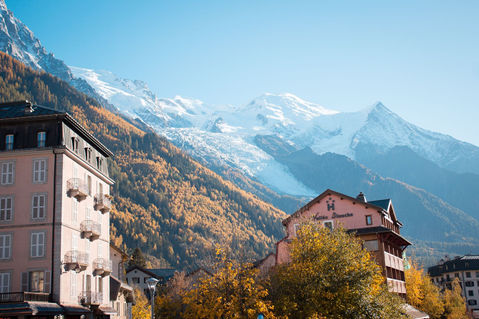 Chamonix Directly beneath Mont Blanc — the town that invented alpinism
 - Grenoble A flat city with three mountain ranges starting at the ring road
- Clermont-Ferrand A cathedral built from black lava, under a chain of volcanoes
-
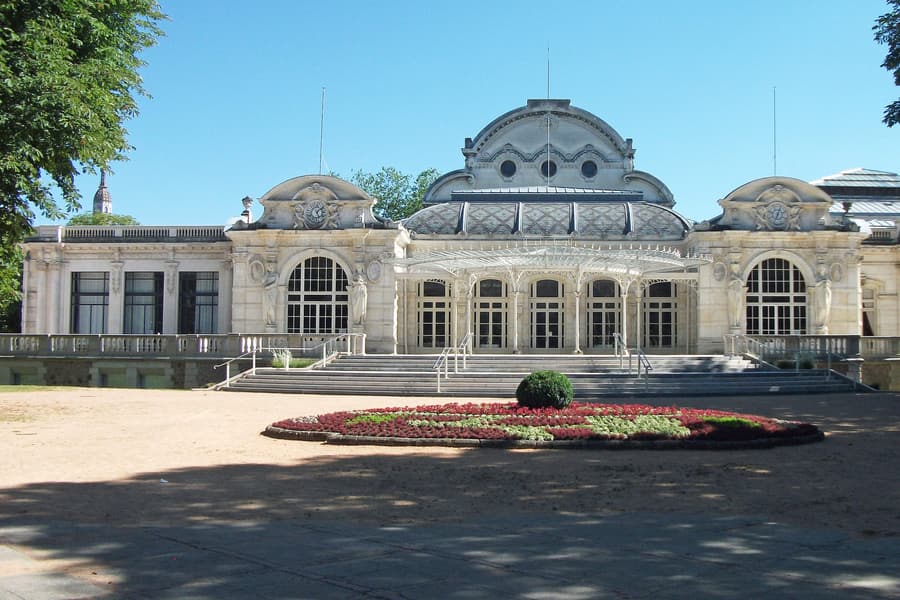 Vichy A Second Empire spa town, listed by UNESCO with Europe's great spas
 -
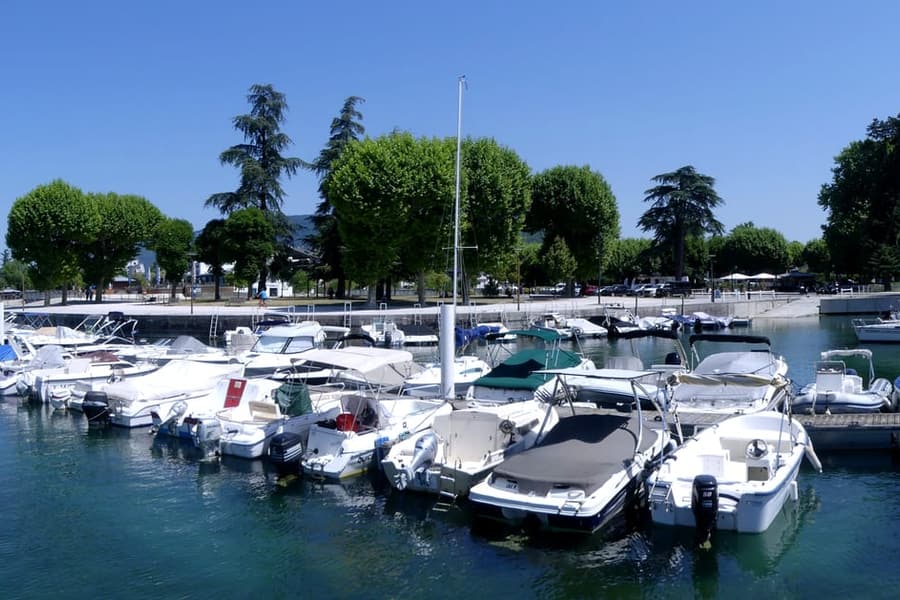 Aix-les-Bains Thermal baths on the shore of France's largest natural lake
 -
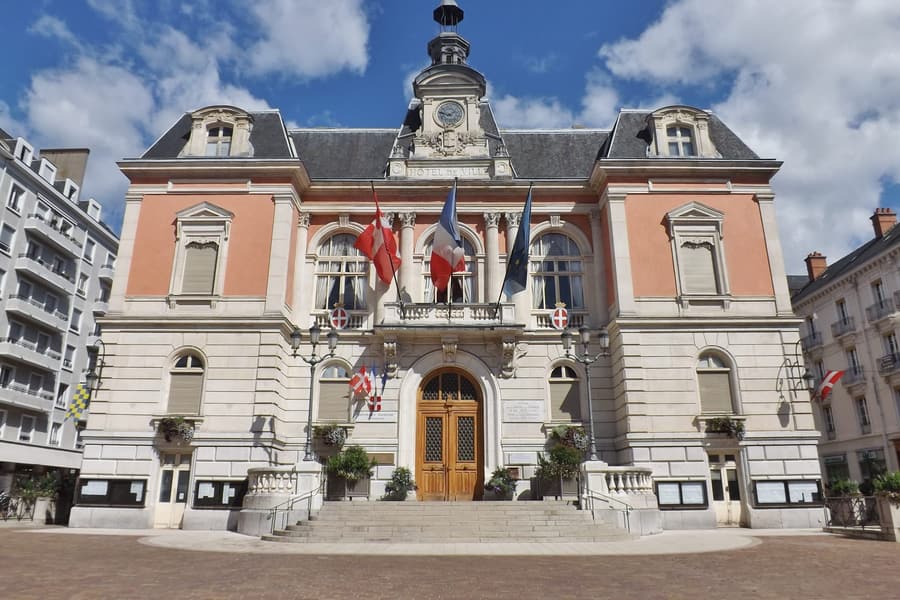 Chambéry The old Savoyard capital, and the doorway to the Tarentaise
 -
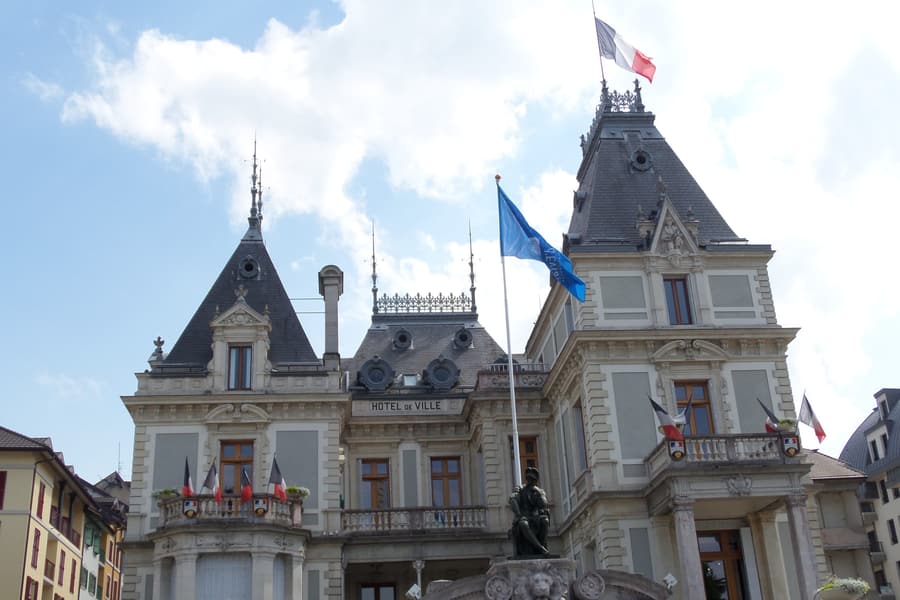 Évian-les-Bains Belle Époque lakeside, and the water everyone has drunk
 -
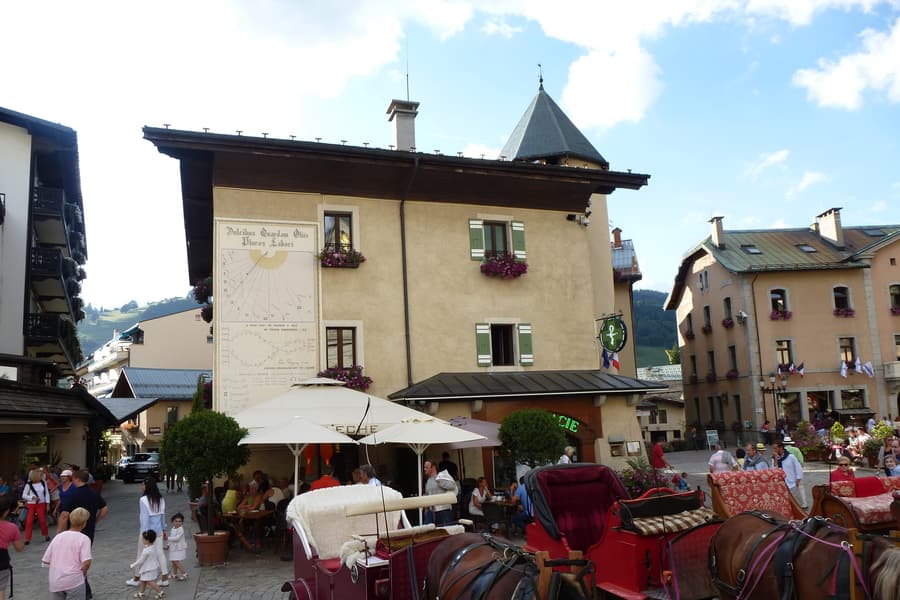 Megève A working village that the Rothschilds turned into a ski resort
 -
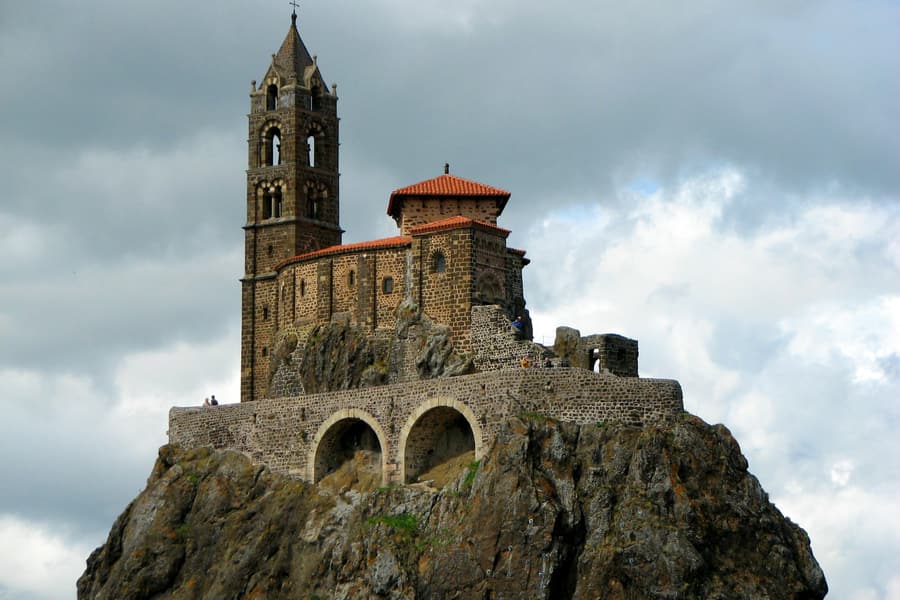 Le Puy-en-Velay Chapels on volcanic plugs, and the start of the Via Podiensis