Nantes was the seat of the Dukes of Brittany, then France's largest slave-trading port, then an industrial shipbuilding city, and it has spent the last thirty years turning all of that into something else. The shipyards on the Île de Nantes now house a workshop that builds enormous mechanical animals; a permanent green line painted on the pavement links every artwork in the city; and the Mémorial de l'Abolition de l'Esclavage on the quay confronts the port's history directly rather than quietly.
Because it is the most inventive city in France and the least like anywhere else. The Grand Éléphant is twelve metres tall, carries fifty passengers, walks, and sprays water from its trunk — and it is not a novelty bolted on to a normal city but the centre of a genuine cultural strategy that has been running since 2007. It also has a ducal château in the middle of town and the Loire estuary an hour downstream.
Things to do
- Les Machines de l'Île — The Grand Éléphant, the Galerie des Machines and the three-storey marine carousel. Book the elephant ride separately.
- Château des ducs de Bretagne — A fortress outside, a Renaissance palace inside, and the city museum — including an unflinching room on the slave trade.
- Le Voyage à Nantes — Follow the green line for 12 km past permanent and summer artworks. Free, and the best way to read the city.
- Mémorial de l'Abolition de l'Esclavage — Below the quay, 2,000 glass plaques naming the slave ships that left this port. Quiet and hard.
- Passage Pommeraye — A three-level nineteenth-century shopping arcade built into a hillside. There is nothing else quite like it.
- Trentemoult — Ten minutes on the river shuttle to a village of pink, green and yellow houses facing back at the city.
Where to base yourself
The Nantes neighbourhoods worth knowing before you book.
- Coming soon Centre & Bouffay The medieval core beside the château — narrow streets, bars, and the cathedral. Where to stay.
- Coming soon Île de Nantes The shipyard island: the Machines, the Carrousel des Mondes Marins, the crane, and the best new architecture.
- Coming soon Graslin The eighteenth-century quarter — the theatre, La Cigale brasserie (listed, and worth the price), and the shopping.
- Coming soon Talensac & Hauts-Pavés Around the market. Residential, good value, and where Nantes eats.
- Coming soon Chantenay & Trentemoult Downstream on the south bank: a former fishing village of coloured houses, reached by the Navibus.
3 days in Nantes
- Day 1 Château and island
Château des ducs in the morning, then the cathedral and Bouffay. Cross to the Île de Nantes after lunch for the Machines and the carousel. Aperitif on the quay.
- Day 2 The green line
Follow the line from the station through Graslin and the Passage Pommeraye to the Musée d'Arts. Navibus to Trentemoult in the late afternoon and eat on the water.
- Day 3 Loire or coast
Upstream to Angers and Saumur for the châteaux, or downstream to Guérande's salt marshes and La Baule's nine-kilometre beach.
Day trips
Worth the train or the drive from Nantes.
-
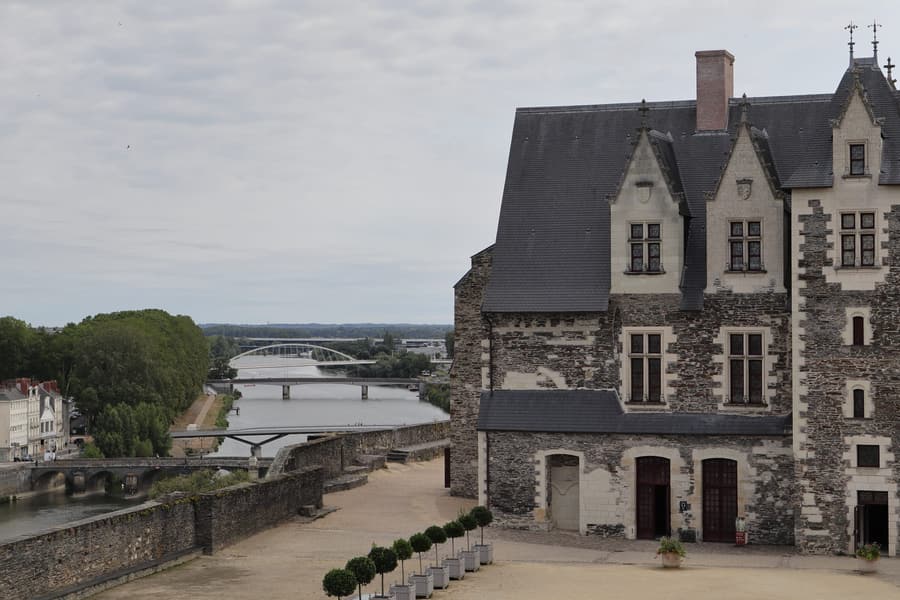 Angers 40 min by train — a striped fortress holding 100 m of medieval tapestry.
 -
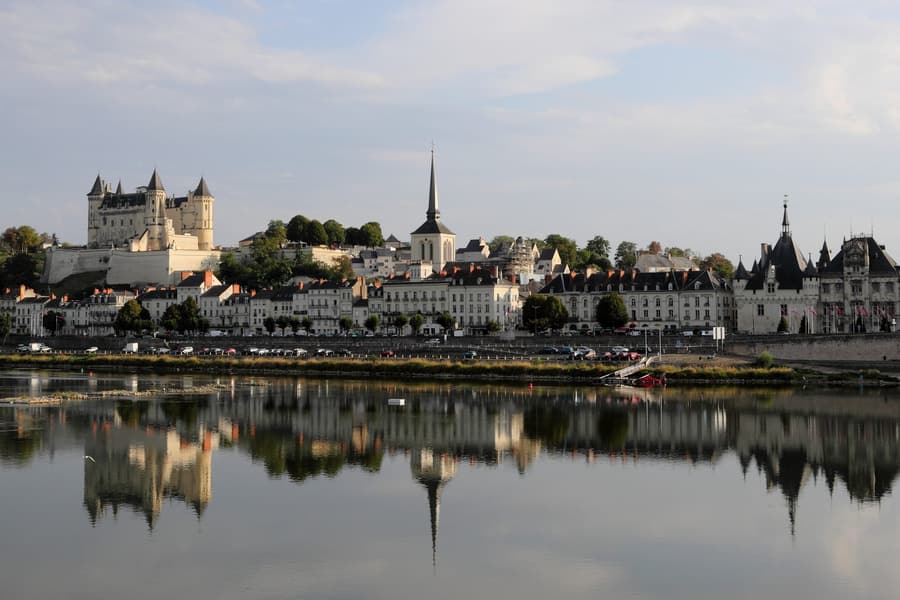 Saumur 1h — a white château above troglodyte wine cellars.
 -
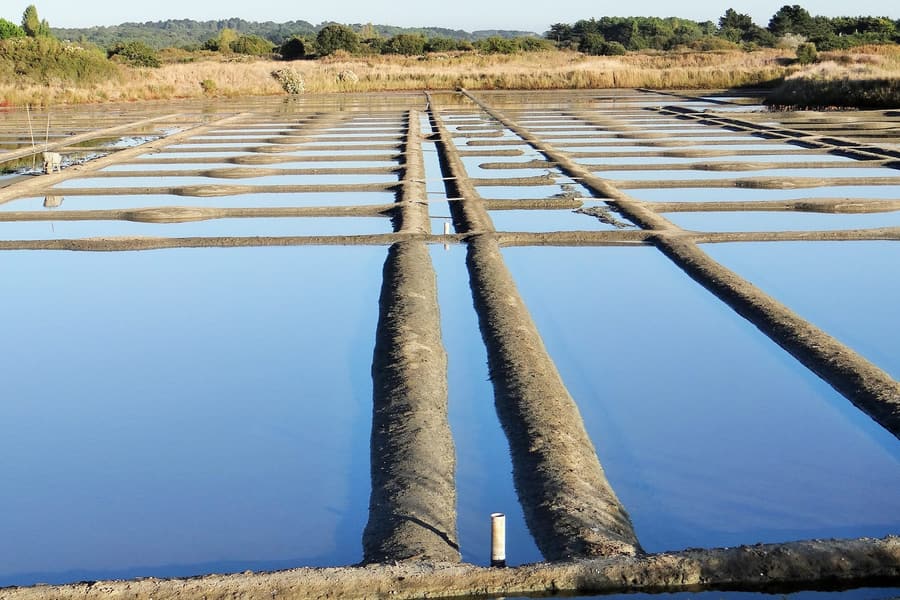 The Guérande Salt Marshes 2,000 hectares of pans still worked by hand for fleur de sel.
 -
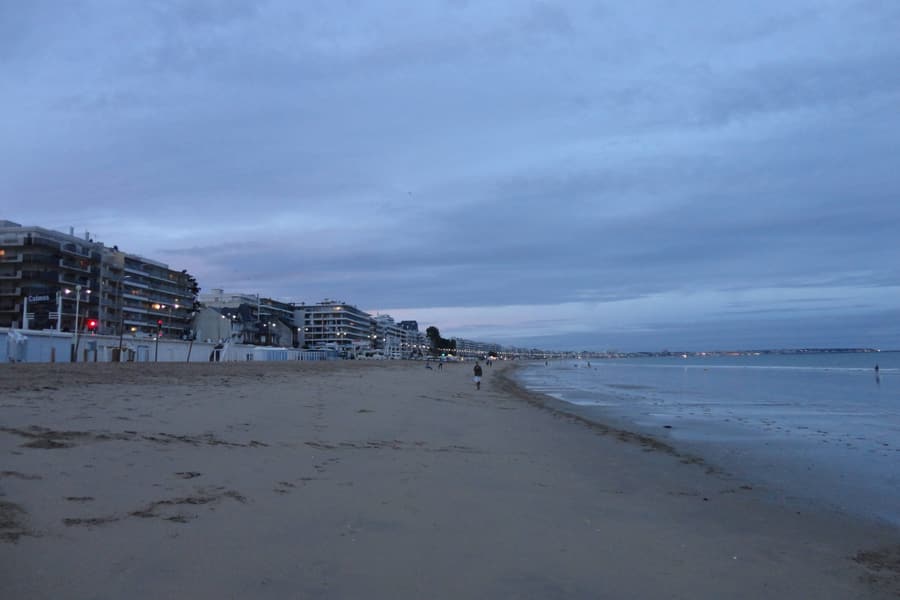 La Baule A nine-kilometre crescent of sand, an hour west.
 -
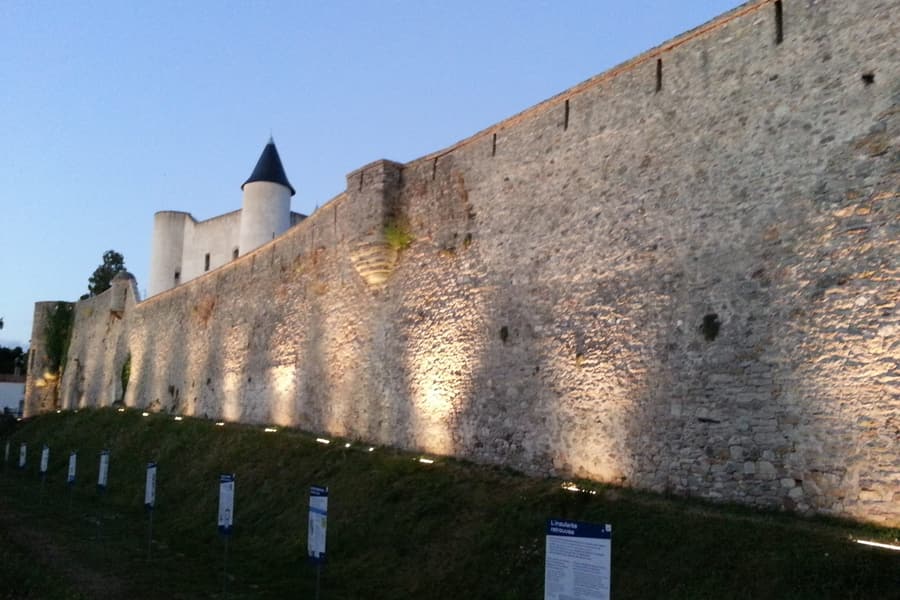 Noirmoutier The island reached by a causeway the sea covers twice a day.
 - Puy du Fou A history park with no rides, repeatedly voted the world's best.
-
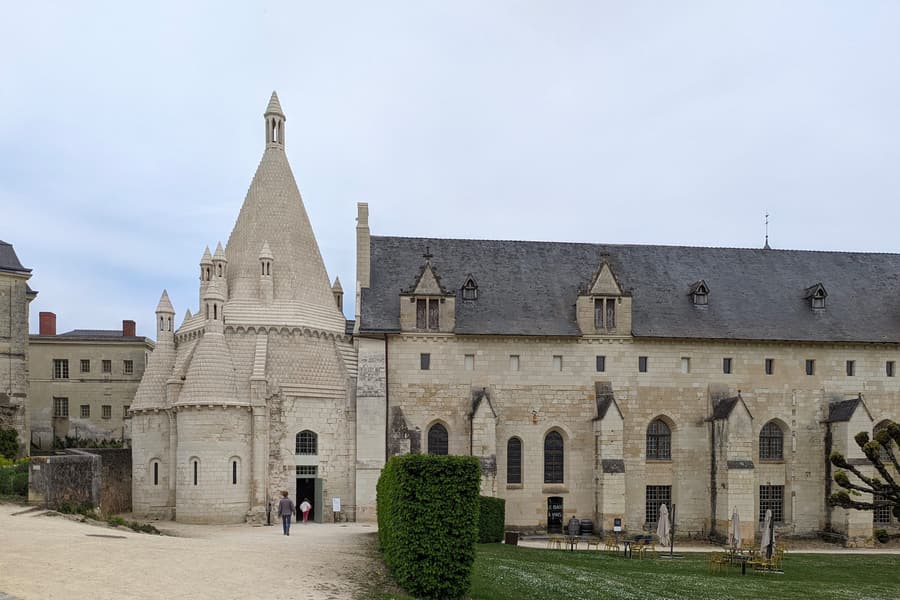 Fontevraud Abbey The largest monastic city in Europe, and Eleanor of Aquitaine's tomb.
Practical
- Best time to go
- May–September; the Voyage à Nantes art trail runs July–August and is when the city is at full volume. The Machines workshop is open year-round but the elephant does not run in high wind. Winter is mild and wet.
- Getting there
- TGV Paris–Nantes in 2h. Nantes Atlantique airport is 20 min by shuttle. Rennes is an hour, Bordeaux four, La Rochelle two. The Loire à Vélo cycle route ends here.
- Getting around
- Three tram lines, a busway and a flat centre. The Navibus river shuttle counts as public transport and crosses the Loire. The green line on the pavement is a genuinely good walking route — follow it and you will see most of the city.
- Eat & drink
- Beurre blanc was invented here, and it goes on pike from the Loire. Muscadet is the local wine — bone dry, cheap, and much better than its reputation. The Marché de Talensac is the best market in western France. Also: LU biscuits, whose factory tower is now an arts centre.
- Know before you go
- The Machines de l'Île sells timed tickets for the elephant separately from the gallery, and summer slots go days ahead. Nantes is administratively in Pays de la Loire but historically Breton, and locals will tell you which they consider correct — the château is called the Château des ducs de Bretagne for a reason.
More of Pays de la Loire
- Angers A striped fortress holding 100 metres of fourteenth-century tapestry
- Saumur A white château above troglodyte cellars, and the Cadre Noir
-
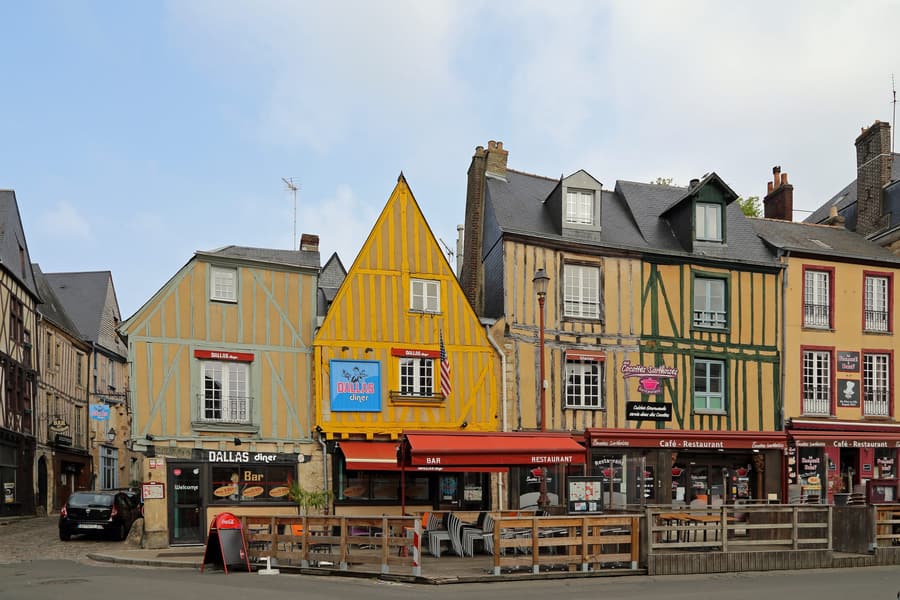 Le Mans A Roman-walled Plantagenet old town, and 24 hours of racing
 - La Baule A nine-kilometre crescent of sand, and the Guérande salt marshes behind
-
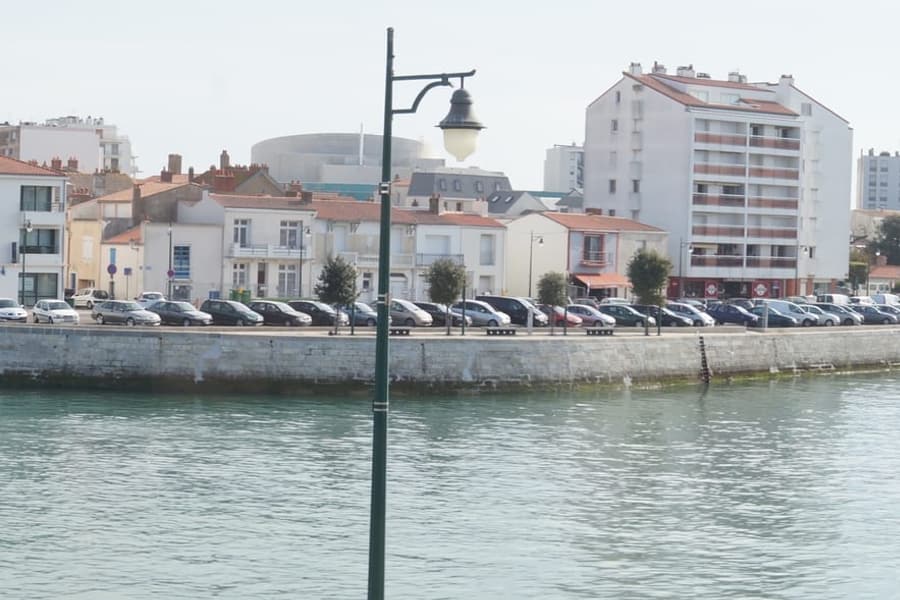 Les Sables-d'Olonne The Vendée's beach town, and the start of the Vendée Globe