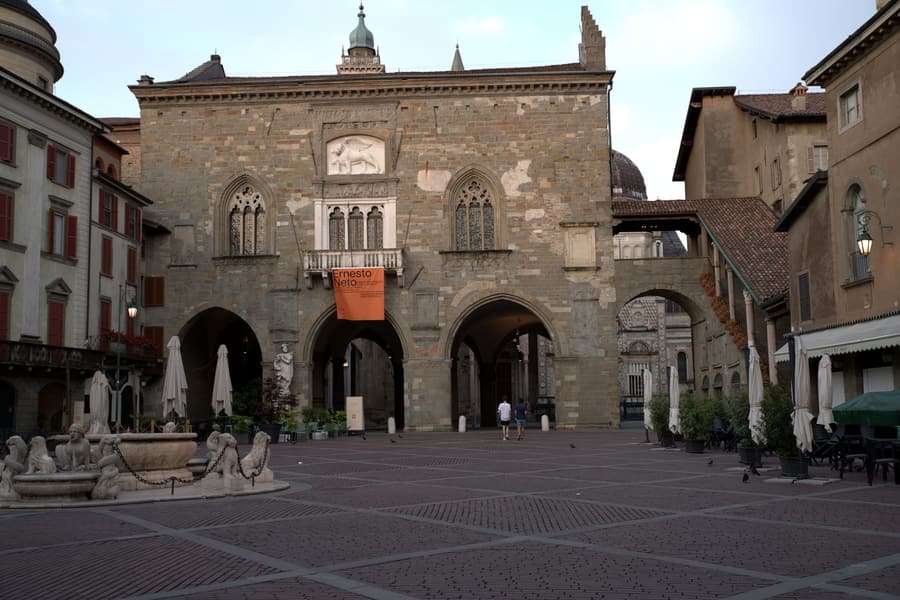
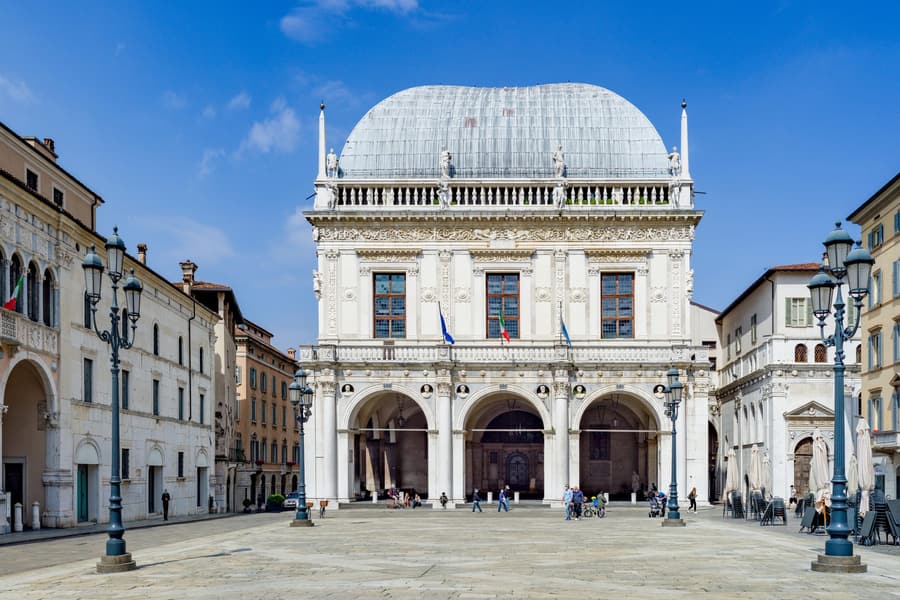
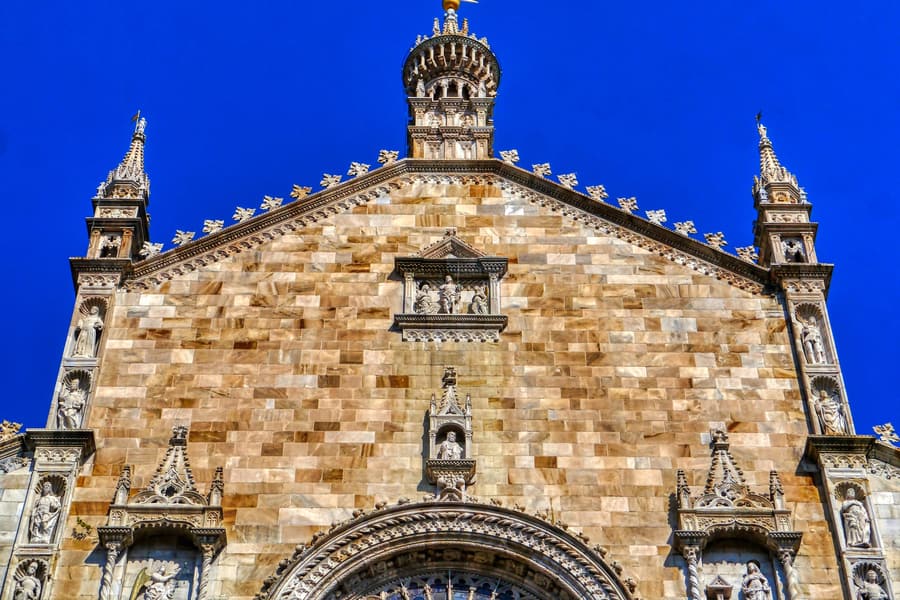
Milan is the one Italian city that works like a northern European capital — it makes money, keeps time, and does not perform its own beauty. That has made it the country's most underrated city break. The Duomo is the third-largest church in the world and you can walk on its roof; Leonardo's Last Supper is on a refectory wall fifteen minutes away; the Brera and the Ambrosiana hold collections that would anchor any other city. Then there is the part Milan is actually famous for — design, fashion and aperitivo — plus the lakes an hour north.
For the Last Supper and the Duomo roof; for the best shopping in Europe; for a food scene that has genuinely overtaken Rome's at the top end; and because it is the most convenient base in Italy — Como, Bergamo, Turin, Verona and Venice are all inside two and a half hours by train.
Things to do
- The Duomo and its roof — Six centuries of Gothic and 3,400 statues. The roof terraces put you among the spires with the Alps on the horizon on a clear day.
- Leonardo's Last Supper — Santa Maria delle Grazie, 15 minutes, booked far in advance. There is no substitute and no walk-up.
- Pinacoteca di Brera — Mantegna's foreshortened Dead Christ, Piero della Francesca's Montefeltro Altarpiece, Caravaggio, Raphael.
- Galleria Vittorio Emanuele II — The world's oldest surviving shopping arcade, 1877, glass-vaulted — and the bull-mosaic superstition on the floor.
- La Scala — The opera house and its museum. Same-day gallery tickets are sold cheaply from the side entrance if you queue.
- Navigli aperitivo — Along the Naviglio Grande from 18:30. On the last Sunday of the month the antiques market runs the length of it.
- The Quadrilatero della Moda — Via Montenapoleone and its neighbours — window shopping as a legitimate activity, with the Bagatti Valsecchi museum hidden in it.
Tickets & tours
-
 Duomo di Milano: Entry Ticket From £11.27 · 4.4/10
 -
 Milan: Duomo Ticket, Terrace by Lift, Museum & Audio Tour From £37.65 · 4.6/10
 -
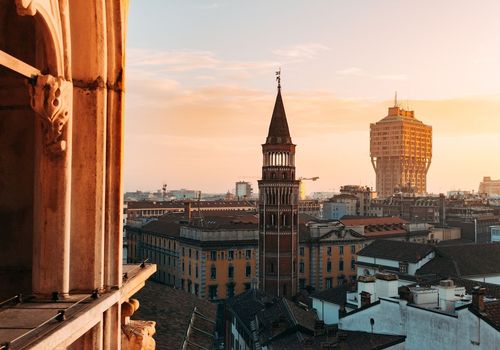 Milan: Artistic Landscape Audio Tour From £4.26
 -
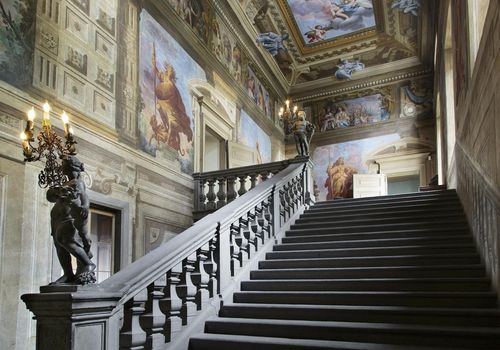 Palazzo Moroni Entry Ticket From £4.92 · 4.6/10
 -
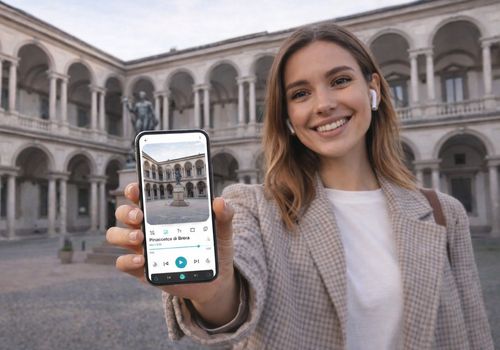 Milan: Pinacoteca di Brera Ticket & Audio Tour with Brera Quarter Walk From £25.58
Where to base yourself
The Milan neighbourhoods worth knowing before you book.
- Coming soon Duomo & Centro The cathedral, the Galleria, La Scala and the Quadrilatero. Everything at once, at a price.
- Coming soon Brera Cobbled, art-school, gallery-lined and the prettiest part of central Milan. The best place to stay if the budget allows.
- Coming soon Navigli The surviving canals — Leonardo had a hand in the lock design — now the aperitivo and nightlife quarter. Loud at weekends.
- Coming soon Porta Nuova & Isola The new Milan: the Bosco Verticale, Gae Aulenti, and Isola's independent bars and restaurants behind it.
- Coming soon Porta Romana & Porta Venezia Residential, liberty-style architecture, the best neighbourhood eating and the city's most interesting bars.
- Coming soon Città Studi & Lambrate The university and the design district that hosts the Fuorisalone each April. Cheap rooms, real Milan.
3 days in Milan
- Day 1 Duomo, Brera and aperitivo
Duomo at opening plus the roof terraces. Galleria and a coffee at Camparino. Afternoon at the Pinacoteca di Brera, then wander the Brera streets. Aperitivo in Brera or on the Navigli, dinner after.
- Day 2 Leonardo and the new city
Booked Last Supper slot, then Castello Sforzesco for Michelangelo's unfinished Rondanini Pietà. Lunch in Porta Genova. Afternoon at the Fondazione Prada or Porta Nuova and the Bosco Verticale. Evening at La Scala if there is anything on.
- Day 3 Out to the lakes
Train to Varenna (1h) for Lake Como — ferry across to Bellagio and Menaggio, back in the evening. Or Bergamo's Città Alta (50 minutes) if you would rather have a walled town than a lake.
Day trips
Worth the train or the drive from Milan.
-
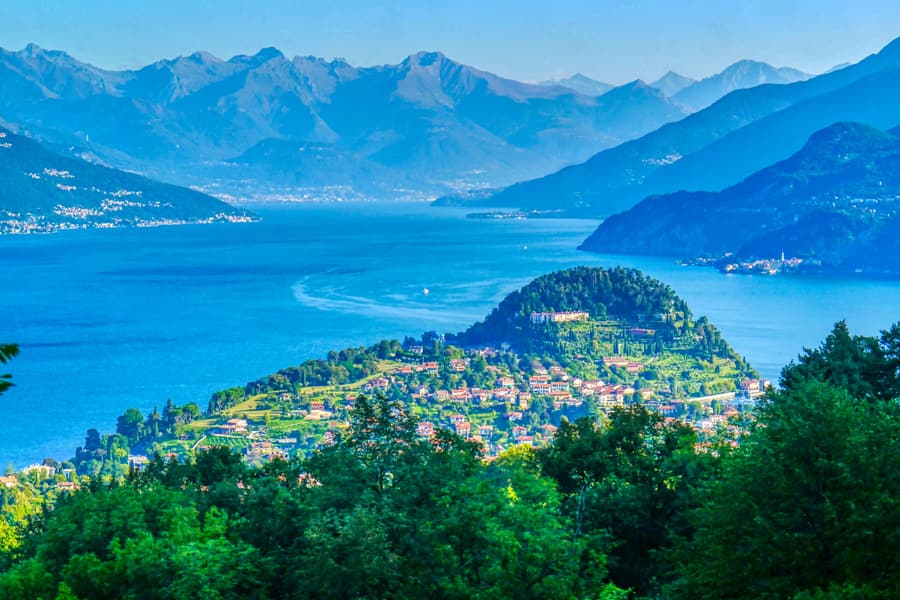 Lake Como Trains to Varenna or Como in under an hour; the ferry between Varenna, Bellagio and Menaggio is the day.
 -
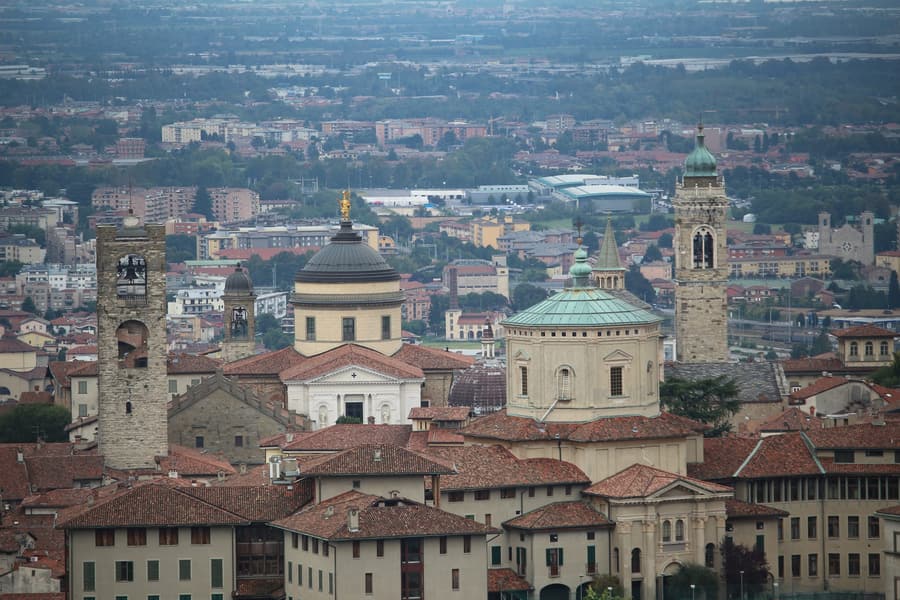 Bergamo Città Alta 50 minutes by train, then the funicular up to the Venetian walls.
 -
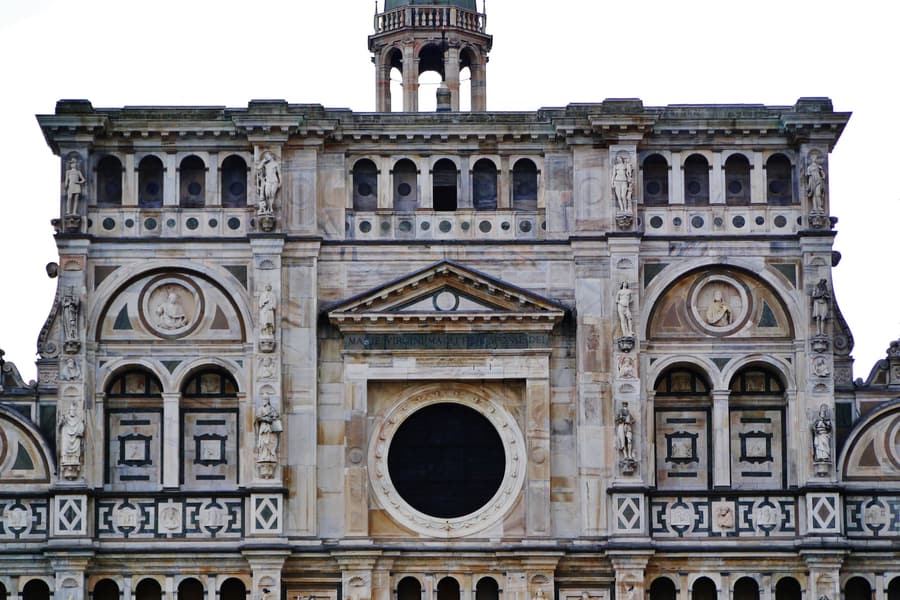 Certosa di Pavia The most ornate façade in Lombardy, 30 minutes south.
 -
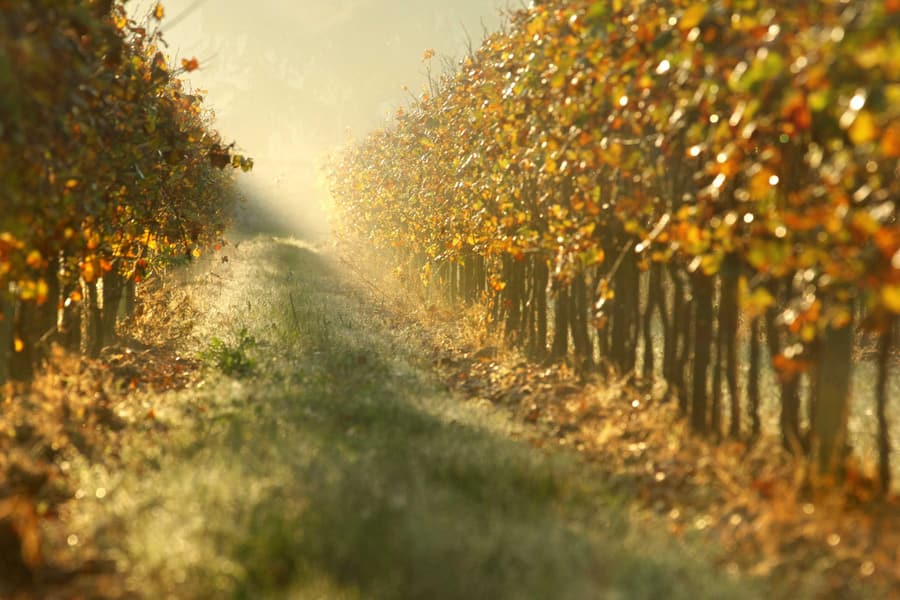 Franciacorta Metodo classico sparkling wine an hour east, best with a car.
 -
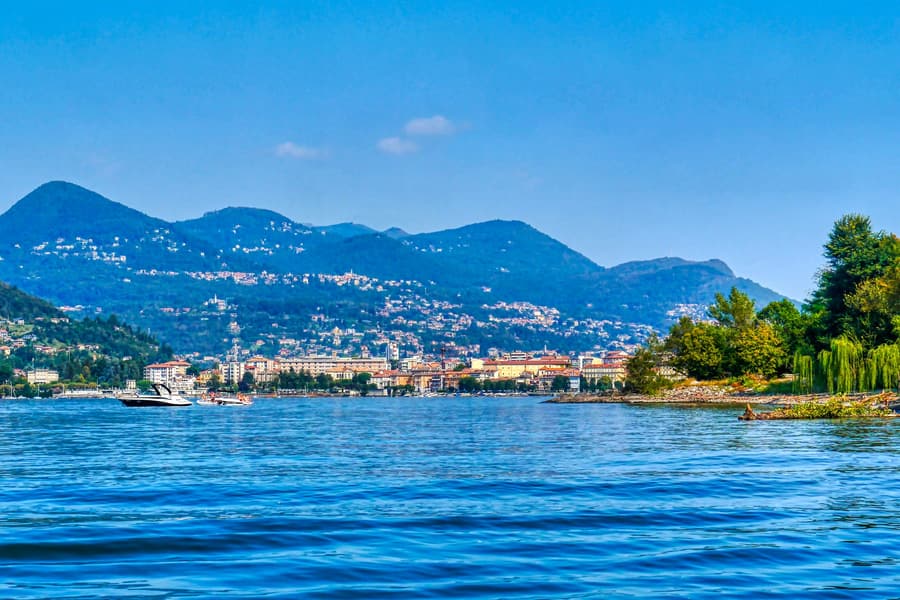 Lake Maggiore & Stresa An hour by train, with the Borromean Islands offshore.
 -
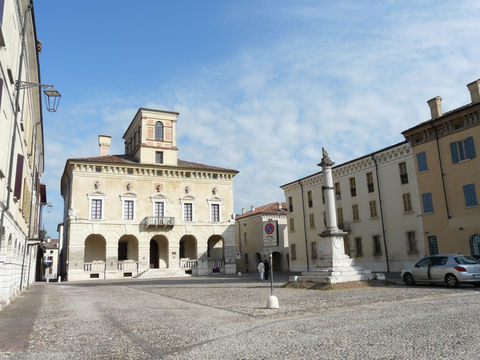 Mantua Two hours, and worth an overnight — Mantegna's Camera degli Sposi is in the Ducal Palace.
Practical
- Best time to go
- April–June and September–October. Milan is hot and humid in July–August and half of it closes for two weeks in August. Winter is grey and foggy but the city is fully alive, and January sales are serious. Two weeks to plan around unless you are attending: Salone del Mobile in April and the September fashion week, when hotel rates double.
- Getting there
- Three airports: Malpensa (MXP, 50 minutes by Malpensa Express to Cadorna or Centrale), Linate (LIN, 15 minutes on metro M4), Bergamo Orio al Serio (BGY, 55 minutes by coach). Milano Centrale is the hinge of the Italian network — Rome 3h, Venice 2h25, Florence 1h50, Turin 50 minutes, and direct EuroCity services to Zurich and Paris.
- Getting around
- Four metro lines and an extensive tram network, including the 1920s orange Carrelli trams still in daily service. A 24-hour ticket is €7.60. The centre is compact enough to walk between the Duomo, Brera and Navigli. Bike and scooter share are everywhere; driving is pointless (Area C congestion charge plus expensive parking).
- Eat & drink
- Milanese cooking is butter and rice, not oil and tomato: risotto alla milanese with saffron and bone marrow, cotoletta alla milanese (bone-in veal, fried in butter), ossobuco, cassoeula in winter, panettone at Christmas. The city's own ritual is aperitivo — a drink from about 18:30 with a buffet included, invented on the Navigli and now everywhere. Eataly and the Mercato Centrale at Centrale are reliable; the best cheap eating is around Porta Romana and Isola.
- Know before you go
- The Last Supper must be booked, often two to three months ahead — 35 people, 15 minutes, no exceptions. Duomo roof tickets are separate from the cathedral ticket; take the lift if the queue for the 251 steps is long. Around the Duomo, be firm with the friendship-bracelet and pigeon-seed touts. Piazza Duomo and the Centrale approaches are the pickpocket spots.