← Italy
ITALY · CITY

Milan

Italy's style capital delivers Leonardo da Vinci, world-class fashion, Duomo grandeur, the finest aperitivo in Europe, and Lake Como an hour away.

  • City
  • April to June and September to October — mild, and around the big design and fashion weeks
  • LIN
  • ~approx 2 days, more with the lakes
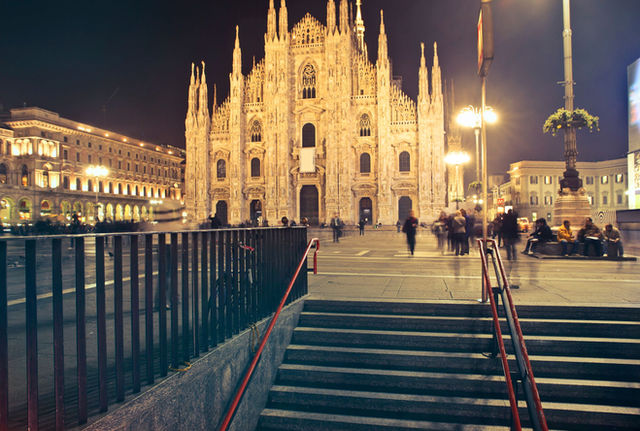
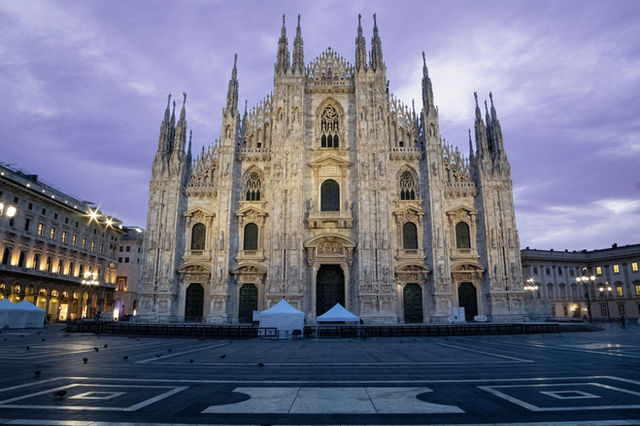
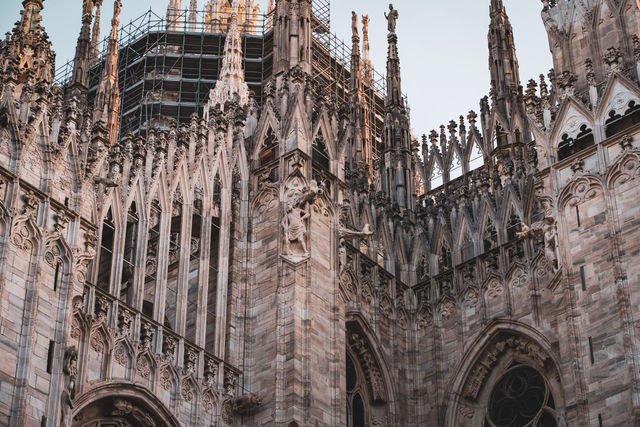
  • Gothic Duomo
  • Fashion & Design
  • The Last Supper
  • Aperitivo Hour

A forest of marble spires against a grey northern sky, the click of heels through a glass-domed arcade, and a Negroni landing on the table at six with a spread of free snacks you didn't ask for.

Milan is Italy's sharp, modern engine — a city of fashion, design and finance that hides real treasures behind its business-like front: a wedding-cake cathedral, Leonardo's Last Supper, and an aperitivo culture that turns every evening into an event. Look past the surface and it rewards you.

Type
metropolis
Ideal length
~approx 2 days, more with the lakes
Getting around
a metro, trams and a walkable centre
Neighbourhoods
6 areas
Best season / months
April to June and September to October — mild, and around the big design and fashion weeks
Language
Italian
Currency
euro (€)
Budget level
high — one of Italy's pricier cities
Good for
  • Fashion
  • Design
  • Art
  • Food
  • City breaks
▸ Discover

About Milan

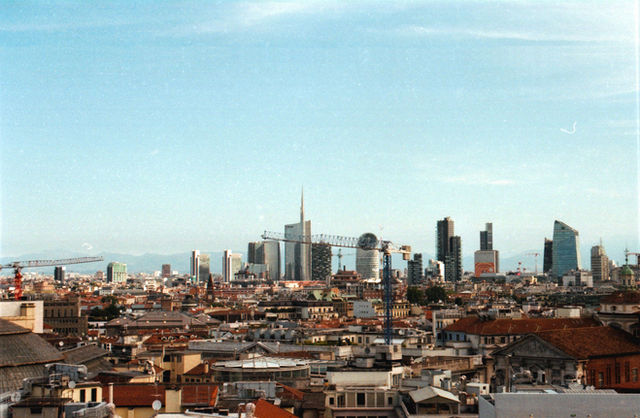
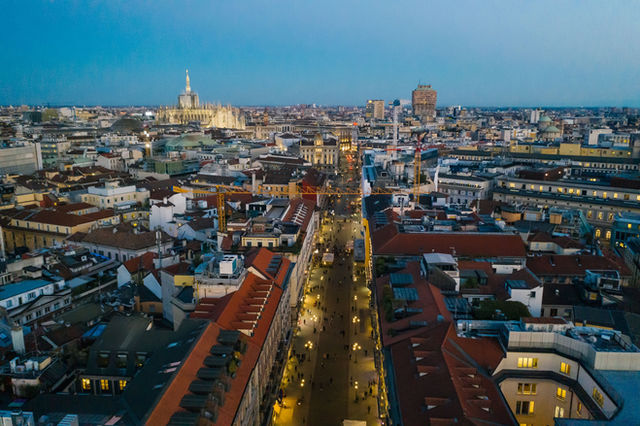
Milan sits on the flat plain of Lombardy in Italy's north, a compact, walkable core ringed by concentric roads where the old walls once stood. The Gothic Duomo marks the centre; from its square the arcades, the opera house and the fashion quarter fan out, and beyond them the old canals of the Navigli and, to the north, a cluster of new skyscrapers and vertical gardens. It is denser and more businesslike than most Italian cities, less obviously beautiful, and it moves fast — the metro and trams knit it together.

Why go

Milan is where Italy does the modern — the fashion capital, the design capital, the country's business heart — but it also holds some of its greatest single sights, from the Duomo to Leonardo's Last Supper. Come for the shopping and the design, stay for the food, the aperitivo ritual and the surprising depth of art and history the city keeps behind its cool exterior. It is also the natural base for the lakes and the north.

Don't miss

  • The Duomo — the vast Gothic cathedral and its rooftop terraces
  • The Last Supper — Leonardo's mural at Santa Maria delle Grazie
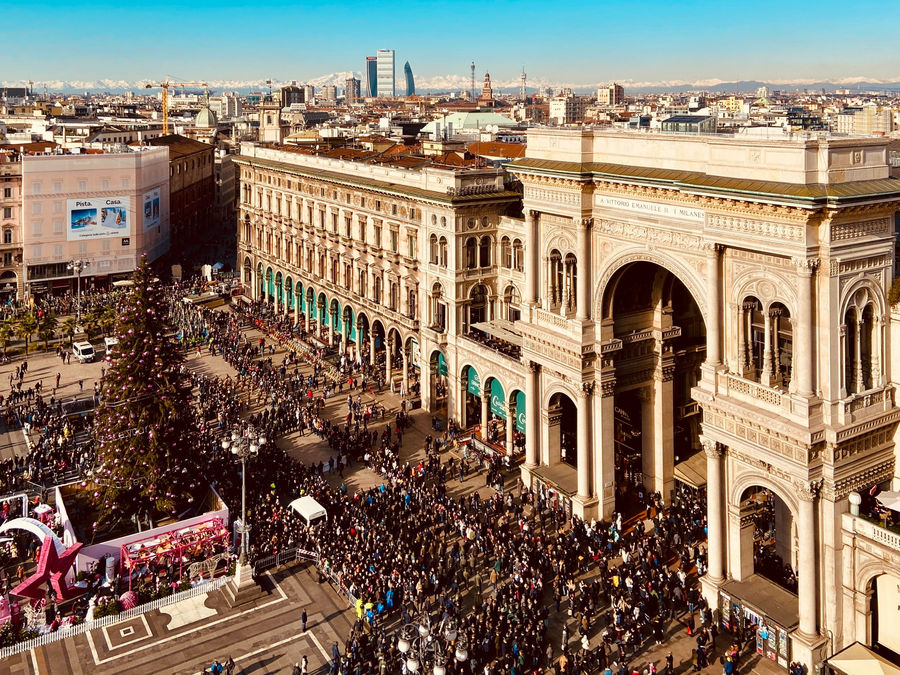
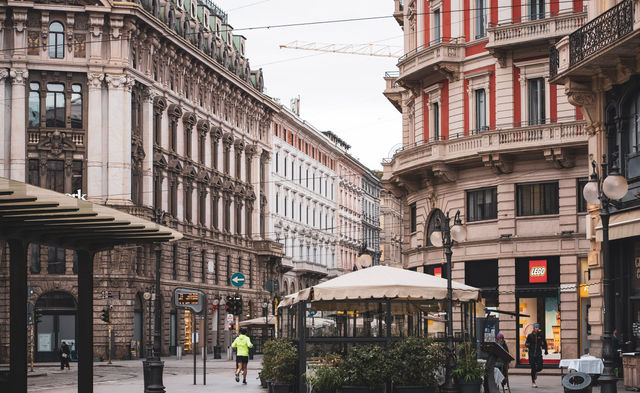
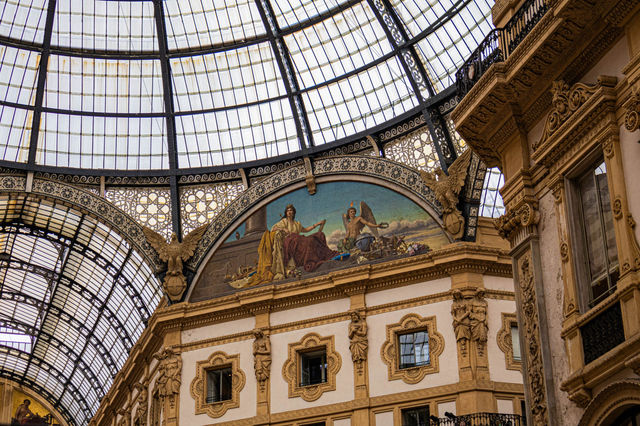
  • The Galleria Vittorio Emanuele II — the grand glass-domed arcade
  • La Scala — one of the world's great opera houses
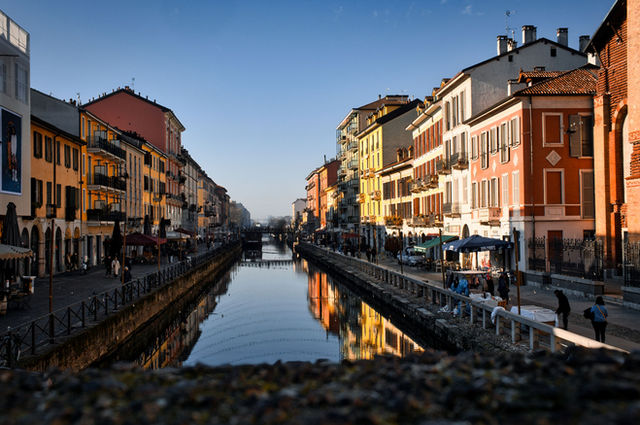
  • The Navigli canals — the aperitivo-and-nightlife district

Signature experiences

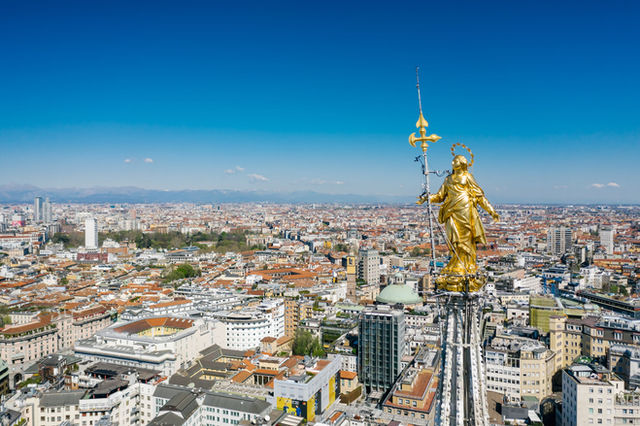
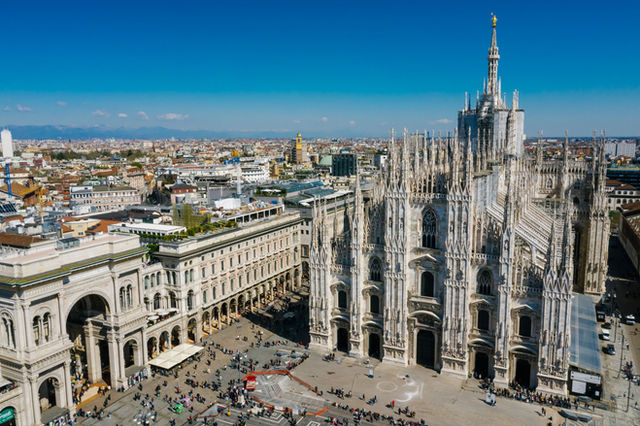
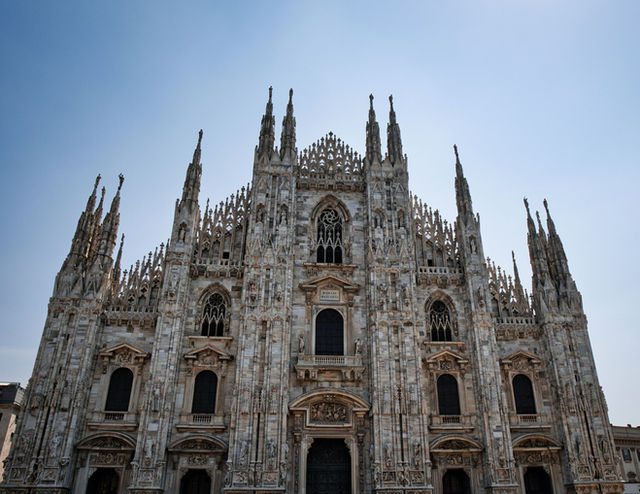
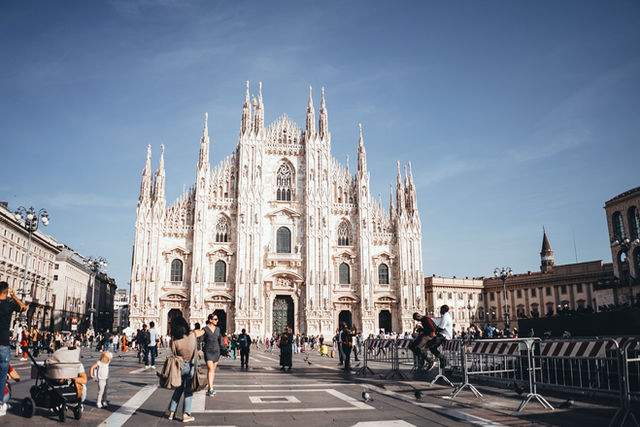
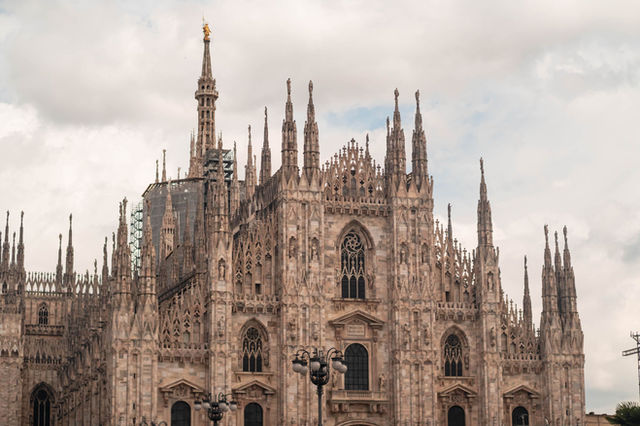
The Duomo, inside and up — Milan's cathedral is a Gothic marvel of pink-white marble and countless spires, and the real experience is climbing to the rooftop terraces to walk among them, the gilded Madonnina above and the city and, on a clear day, the Alps beyond. Inside is vast and dim; the roof is the memory you keep. **Leonardo's Last Supper** — On a refectory wall at Santa Maria delle Grazie, Leonardo's mural has survived five centuries, bombing and decay, and standing in front of it is quietly overwhelming. Only a small group is admitted at a time for a few minutes — which means booking weeks ahead is not optional but essential. **Aperitivo, the Milan ritual** — Around six, Milan stops for aperitivo — a drink, usually a Negroni or a spritz, that comes with a spread of snacks and sometimes a whole buffet. The Navigli canals and Brera are the classic hunting grounds. It is half the city's social life and one of the best-value ways to eat and drink here. **Fashion, design and the arcade** — This is a world capital of both, and it shows. Window-shop the Quadrilatero's flagship stores, walk the glittering Galleria arcade, and if your timing lands on Design Week or Fashion Week, the whole city becomes a showroom. Even outside them, the design museums and showrooms are a draw in themselves.

Neighbourhoods

Milan neighbourhood by neighbourhood — the character of each and who it suits.

  • Centro Storico

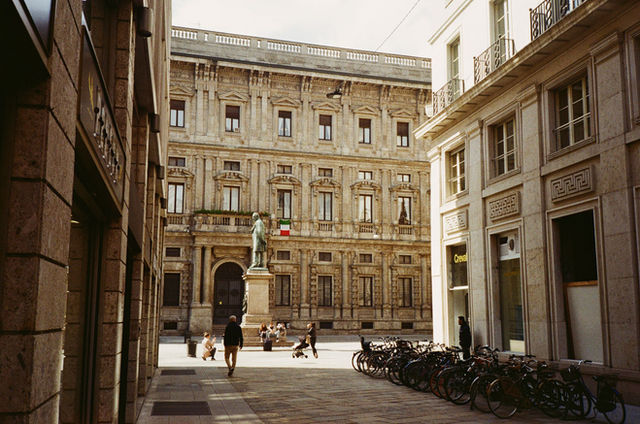
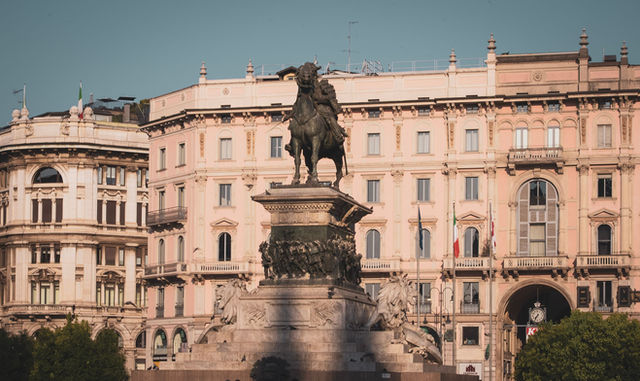
    The historic heart around the cathedral square — grand, polished and dense with the headline sights, arcades and the fashion flagship stores.

    Why go
    The single richest run of Milan's landmarks, all walkable.
    Best for
    First-time sightseeingshoppingcafé stops
    Known for
    The Duomo and its rooftop, the Galleria Vittorio Emanuele II, La Scala opera house, the Quadrilatero della Moda fashion streets around Via Montenapoleone, and the Royal Palace.
  • Brera

    The old artists' quarter just north of the centre — cobbled, ivy-hung and boutique-lined, with a great picture gallery and a genteel bohemian air.

    Why go
    The Pinacoteca gallery, the pretty lanes, and the best aperitivo streets.
    Best for
    Artaperitivoboutiqueswandering
    Known for
    The Pinacoteca di Brera gallery and its art academy, the botanical garden, the antique shops, and the busy aperitivo bars on warm evenings.
  • Sant'Ambrogio

    The quieter southwest quarter of ancient churches and the university, where the oldest layers of Milan survive around a great Romanesque basilica.

    Why go
    The Last Supper nearby, and the city's early-Christian and medieval heart.
    Best for
    Historychurchesthe Last Supper
    Known for
    Santa Maria delle Grazie and Leonardo's Last Supper, the Basilica di Sant'Ambrogio, the Sforza-era churches, and the university streets.
  • Navigli

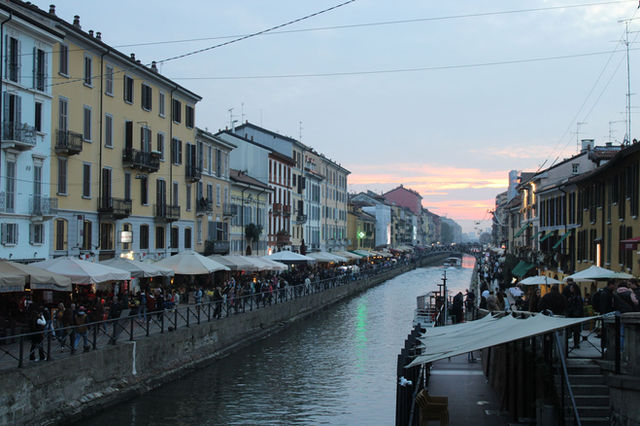
    The old canal district in the south — the last of Milan's waterways, lined with bars, restaurants and workshops, and the city's liveliest nightlife.

    Why go
    The canals, the aperitivo, and the best evening buzz.
    Best for
    Aperitivonightlifethe antique market
    Known for
    The Naviglio Grande and Naviglio Pavese canals, the wall-to-wall aperitivo bars, the monthly antiques market along the water, and the artisan workshops in the courtyards.
  • Porta Nuova and Isola

    The gleaming new Milan — a cluster of skyscrapers, plazas and vertical gardens rising north of the centre, next to the hip, once-working-class Isola.

    Why go
    The modern skyline, the vertical forest, and a design-forward night out.
    Best for
    Modern architecturerooftop barsdesign
    Known for
    The Bosco Verticale vertical-forest towers, Piazza Gae Aulenti, the UniCredit Tower, and the bars and restaurants of Corso Como and Isola.
  • Porta Venezia

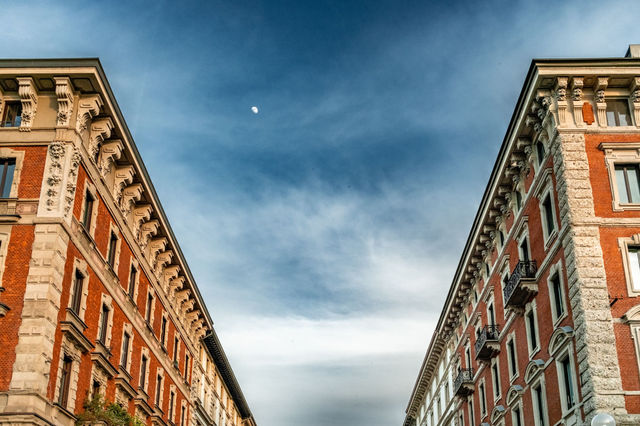
    A grand, leafy eastern quarter of Liberty-style mansions, the city's big park, and a diverse, buzzing eating-and-nightlife scene.

    Why go
    The park, the Art Nouveau architecture, and a less touristy night out.
    Best for
    Parksarchitecturecasual eating
    Known for
    The Giardini Pubblici park and its museums, the Liberty (Art Nouveau) villas, the diverse restaurants along Via Lecco and Corso Buenos Aires, and the city's most inclusive nightlife.

Views & hidden gems

Best views

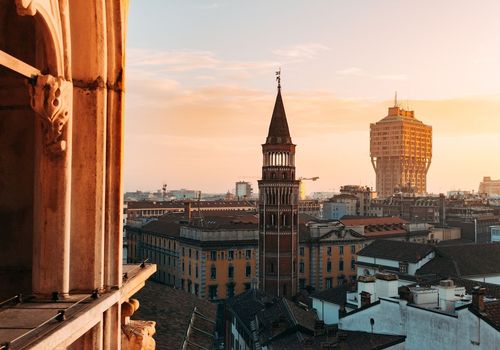
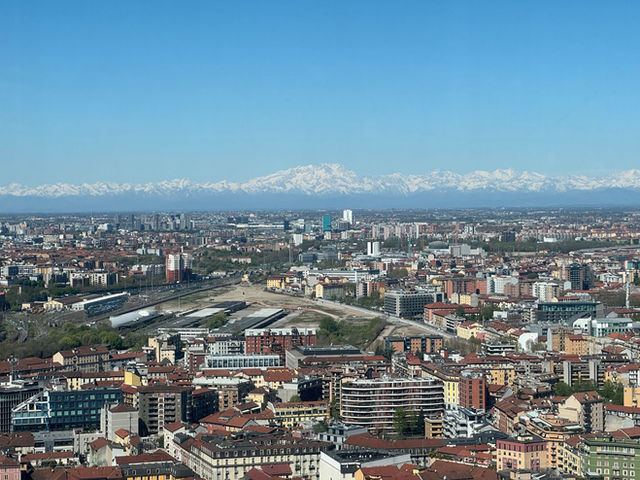
  • The Duomo rooftop terraces — among the marble spires, the Alps beyond on a clear day
  • The Galleria's glass dome — the mosaic floor and soaring arcade
  • Piazza Gae Aulenti and the Bosco Verticale — the modern skyline and vertical gardens
  • The Sforza Castle courtyards and the park behind them

Hidden gems

  • The Cimitero Monumentale — an open-air museum of extravagant funerary sculpture
  • The Navigli's hidden courtyards — artisan workshops behind the canal-front bars
  • The QC Terme or a rooftop bar for a skyline aperitivo
  • San Maurizio al Monastero Maggiore — a plain church front hiding a fresco-covered "Sistine Chapel of Milan"
  • The Fondazione Prada and its gilded tower — contemporary art in a former distillery

Food & drink

Milanese food is northern, buttery and rich, a world away from the tomato-and-olive-oil south. The classics are the saffron-yellow risotto alla milanese, the breaded veal cotoletta, and the slow-braised ossobuco, and at Christmas the whole country eats the city's panettone. But Milan also eats internationally and fashionably — this is where Italy tries new things — and the aperitivo culture, all Negronis and Camparis (both regional), is central to how the city socialises. Coffee is taken standing at the bar.

  • Risotto alla milanese — creamy saffron risotto, the city's signature
  • Cotoletta alla milanese — a breaded, fried veal cutlet
  • Ossobuco — braised veal shank, often with the risotto
  • Mondeghili — Milanese fried meatballs, an aperitivo snack
  • Panettone — the tall, fruited Christmas cake born here
  • Negroni / Milano-Torino — the classic bitter aperitivo cocktails
Dietary notes

Vegetarians and vegans do well — Milan is cosmopolitan and forward, with plenty of veggie and vegan restaurants, especially around Porta Venezia and Isola, though the traditional mains are meat-based. Halal food is easy around Porta Venezia and the diverse eastern districts; kosher options exist but are limited, so plan ahead. Gluten-free is well understood in a city used to catering to everyone.

Milan in photos

▸ Where you'll stay

Where you'll stay in Milan

Base yourself by budget and vibe. The Centro Storico around the Duomo is the convenient, high-end choice — walkable to the sights and shopping, quiet at night, and expensive. Brera offers the same central access with more charm and character. Navigli is the lively, younger option for aperitivo and nightlife, a metro ride south. Porta Venezia and Porta Nuova mix good value with a local, design-led feel. Milan is pricey, and rates spike hard during fashion and design weeks.

  • Budget
    Around Centrale / Porta Venezia budget hotels and hostels near the station, good transport links, walkable to the park.
  • Mid-range
    Navigli or Porta Venezia characterful stays near the canals or the park, great aperitivo at the door.
  • Luxury
    Brera / the Quadrilatero grand hotels among the fashion streets and galleries, steps from the Duomo.
Stay

Hotels & rentals around Milan

Pan, zoom and compare live prices — every stay in one map.

▸ Getting around

Getting around Milan

The metro (several colour-coded lines) is fast and simple, backed by trams — including charming historic orange ones — and buses. The centre is compact and walkable, and a car is a liability with limited-traffic zones and parking. Buy a day ticket or tap a contactless card, which covers metro, tram and bus.

The centre, Brera and Sant'Ambrogio are walkable or one or two metro stops apart (~approx). For the Navigli take the metro or a tram south; for Porta Nuova and the skyline, the metro north.

▸ Plan your days

Suggested itineraries

Ready-made day plans for Milan — from a single day to a long weekend.

One day

Start at the Duomo, climbing to the rooftop terraces among the spires, then walk through the Galleria Vittorio Emanuele II past La Scala. See the Sforza Castle and its park, and if you've booked ahead, Leonardo's Last Supper. End with aperitivo in Brera or on the Navigli canals as the evening buzz builds.

Two days

Give day two to art, design and the modern city. Spend the morning at the Pinacoteca di Brera or the Fondazione Prada, browse the Quadrilatero fashion streets, then head north to the Bosco Verticale and Porta Nuova skyline for a rooftop aperitivo and dinner in Isola.

Three days

Use day three for the lakes. Take an easy train north to Como or one of the lakeside towns for the water, the villas and the mountains, returning for a last aperitivo and dinner in the city.

▸ What you'll do

Insider tips

  • Book the Last Supper the instant your dates are set — it is the single hardest ticket in the city and cannot be done on the day.
  • The Duomo sells separate tickets for the cathedral, the rooftop (lift or stairs) and the museum — buy the roof access and go early.
  • Hotel rates roughly double during Fashion Week and the April Salone del Mobile — avoid those dates unless that's why you're coming.
  • The metro is fast and simple, and the historic orange trams are a pleasant, cheap way to see the city; a day ticket covers both.

Frequently asked

What's on

While you're there

02
SEP
Venice Film Festival 2026
Via Pietro Buratti 5, 30126 Venezia Venice, Italy · cultural
Build a trip around it →
30
JAN
Venice Carnival 2027
Piazza San Marco 40, 30124 Venezia Venice, Italy · festival
Build a trip around it →
Explore

Explore the area

© OpenFreeMap · OSM · terrain Mapterhorn
Do

Local attractions & tours

Skip-the-line tickets and small-group tours in Milan — compare across our partners.

▸ Budget

What it costs in Milan

Backpacker
roughly €70–100 a day.
Mid-range
roughly €160–250 a day.
Luxury
€450 a day and up.
Cash vs card
Milan is largely cashless — cards and contactless work almost everywhere, including transport. Keep a little cash for a coffee or a small bar.
Tipping
Not expected; a cover charge (coperto) is often on the bill, and rounding up for good service is plenty.
▸ When you'll go

When to visit Milan

April to June and September to October — mild, and around the big design and fashion weeks

Spring

What to expect — Cool and often damp early, warming into pleasant weeks, sometimes hazy on the plain. April brings the design fair and the city hums.

What's best — Mild sightseeing weather, the Salone del Mobile design week turning the city into a showroom, and café terraces reopening. Book far ahead around the fairs.

Summer

What to expect — Hot, humid and hazy, the flat plain trapping the heat, and many Milanese leaving for the coast and lakes in August, when much closes.

What's best — Long aperitivo evenings, quieter sights, and the lakes an easy escape. August can feel half-shut, so aim for June or September.

Autumn

What to expect — Warm easing to mild, sometimes foggy on the plain, with the fashion week and the cultural season in full swing. Comfortable and busy.

What's best — Fashion Week energy, comfortable walking weather, the opera season reopening, and the food turning to autumn richness. Rates spike during the fairs.

Winter

What to expect — Cold, grey and often foggy, with short days and real chill, but rarely snowy in the centre. December brings Christmas lights and the season's opening at La Scala.

What's best — Panettone everywhere, Christmas markets and lights, the glittering La Scala season opening, and lower off-peak rates outside the holidays.

▸ Know before you go

Know before you go

Honest swaps

Skip writing Milan off as "just business and fashion" → give it the Duomo rooftop, the Last Supper and an aperitivo night, and it changes your mind.

Skip a pricey sit-down dinner every night → let the aperitivo buffet be dinner in Navigli or Brera for the price of a cocktail.

Skip the tourist restaurants ringing the Duomo → eat a proper risotto or cotoletta a few streets away where locals do.

Skip queuing on the day for the Last Supper → it's booked weeks ahead only, so plan it before anything else.

Crowds & timing

The Last Supper admits tiny timed groups and sells out weeks ahead — book the moment you know your dates.

The Duomo rooftop and the Galleria are busiest midday; go early for the roof and the light.

Local rules & etiquette

Milan dresses well — you'll feel out of place in beachwear in the centre; smart-casual fits the city's self-image.

Cover shoulders and knees for the Duomo and churches, and there are bag checks at the cathedral.

Order coffee standing at the bar for the local price; sitting at a table costs more, especially in the centre.

Money

The city is effectively cashless — tap a card or phone for transport and almost everything else.

Decline dynamic currency conversion and let cards charge in euros.

After dark

Navigli is the canal-side nightlife heart — aperitivo, bars and late crowds along the water.

Brera runs smarter and more genteel, with cocktail bars in the cobbled lanes.

Porta Venezia and Isola have the most diverse, design-led and inclusive night scenes.

Safety

Milan is a safe city for visitors by any European benchmark. The main practical caution applies near the Duomo and Milano Centrale station — both are areas of intensive tourist flow and attract the pickpocketing operations that target distracted visitors in any major Italian city. Keep bags zipped and across the body rather than on one shoulder; be alert around the Duomo escalators and on crowded metro trains. The Navigli at night is lively but safe, navigated with the same awareness as any busy European nightlife district. Overall, Milan presents far fewer safety concerns than many comparable European capitals.

Culture & etiquette

Milanese culture is the most northern-European of Italian cities — efficient, punctual by Italian standards, and somewhat more reserved in initial social interactions than Romans. Dress standards matter more in Milan than almost anywhere else in Italy — this is the fashion capital, and Milanese pay close attention to personal presentation. In churches, covered shoulders and knees are required. For La Scala, smart dress is expected for premium seats. Tipping norms: a coperto (cover charge) is standard; beyond that, rounding up or leaving €2–5 for good service is appropriate but not obligatory. Coffee etiquette: ordering a cappuccino after noon marks you immediately as a tourist — Milanese drink espresso after meals.

Daily budget

£100–£180/day mid-range (budget: £55/day; luxury: £250+/day)

Emergency numbers

Emergency (all services): 112 | Medical Emergency: 118

▸ Ready to book your trip?

Getting there

Milan has three airports. Malpensa (MXP) is the main international one, linked to the centre by the Malpensa Express train to Cadorna and Centrale (~approx 40–55 min); Linate (LIN) is close to the city and now on the metro; Bergamo Orio al Serio (BGY) serves budget flights, with a bus into town. Milano Centrale is the grand main rail hub, with fast trains across Italy and to the lakes.

  • Milan Linate Airport (LIN)
  • Milan Malpensa Airport (MXP)
  • Bergamo Orio al Serio Airport (BGY)
Book

Ready to book your trip?

Flights, airport transfers and car hire to LIN — search and compare without leaving the page.

▸ Trip extras
Book

More trip extras

Parking, holiday extras, and more — coming soon.

Coming soon

We're lining up parking, holiday extras and activities you'll be able to add to any trip from here.