Rome is not a city you finish. Three thousand years are stacked on top of each other here — a republican forum under a medieval church under a baroque piazza — and the ruins are not fenced off in a heritage quarter but scattered through a working capital of 2.7 million people. The classic sights sit in two clusters: the ancient city (Colosseum, Forum, Palatine, Pantheon) and the Vatican, about 3 km apart with the Centro Storico between them. Almost everything else worth seeing is within that triangle, and almost all of it is walkable — which is just as well, because Rome's traffic is what it is.
Nowhere else gives you the Colosseum, the largest church in Christendom, the Sistine Chapel, Bernini and Caravaggio on almost every corner, and dinner in a neighbourhood trattoria that has been cooking the same four pasta dishes for a century. It is also, for a capital, remarkably cheap to eat well in.
Things to do
- The Colosseum, Forum and Palatine on one ticket — Go at opening or in the last two hours. The arena-floor and underground add-ons are worth the surcharge and sell out first.
- The Vatican Museums and the Sistine Chapel — Roughly 7 km of galleries. Book the earliest slot, walk briskly to the Chapel, then work backwards through the collections against the flow.
- The Pantheon — Still the largest unreinforced concrete dome ever built, and the oculus is open to the sky. Now ticketed, and better ten minutes before closing than at midday.
- The Borghese Gallery — Bernini's Apollo and Daphne and Caravaggio's late work, in two hours flat because that is all the ticket allows. The best small museum in Italy.
- Ostia Antica — Rome's port town, as complete as Pompeii and a third of the crowd — 40 minutes on the train from Piramide.
- Appia Antica on a Sunday — The old Appian Way closes to traffic on Sundays; rent a bike at the park office and ride between tombs, aqueducts and catacombs.
- An evening passeggiata in Trastevere — Start at Santa Maria in Trastevere at dusk. The mosaics are floodlit, and the square fills without becoming a nightclub.
Tickets & tours
-
 Colosseum, Arena & Roman Forum: Guided Tour From £67.1 · 4.5/10
 -
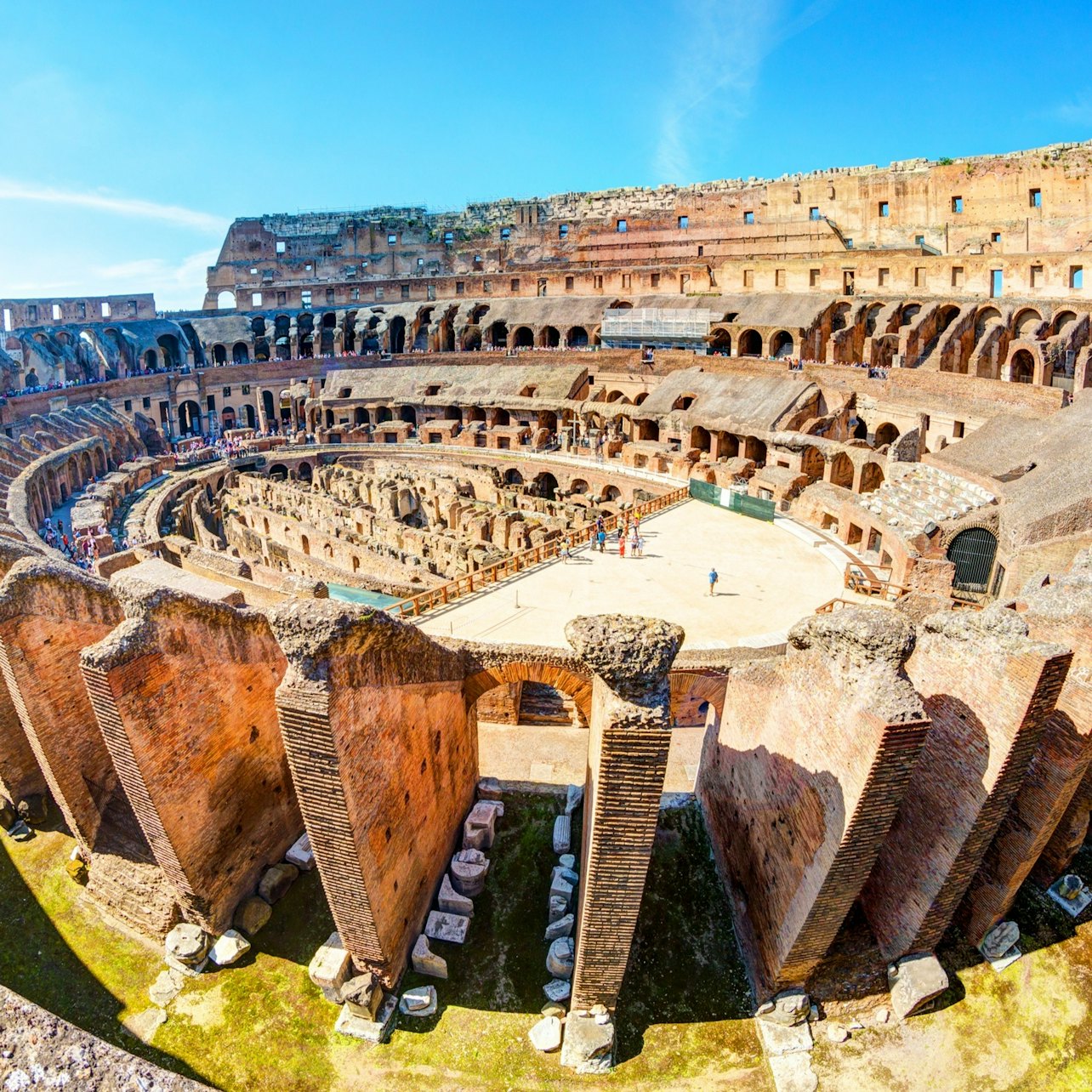 Colosseum & Roman Forum + Audio Guide From £25.5 · 4.1/10
 -
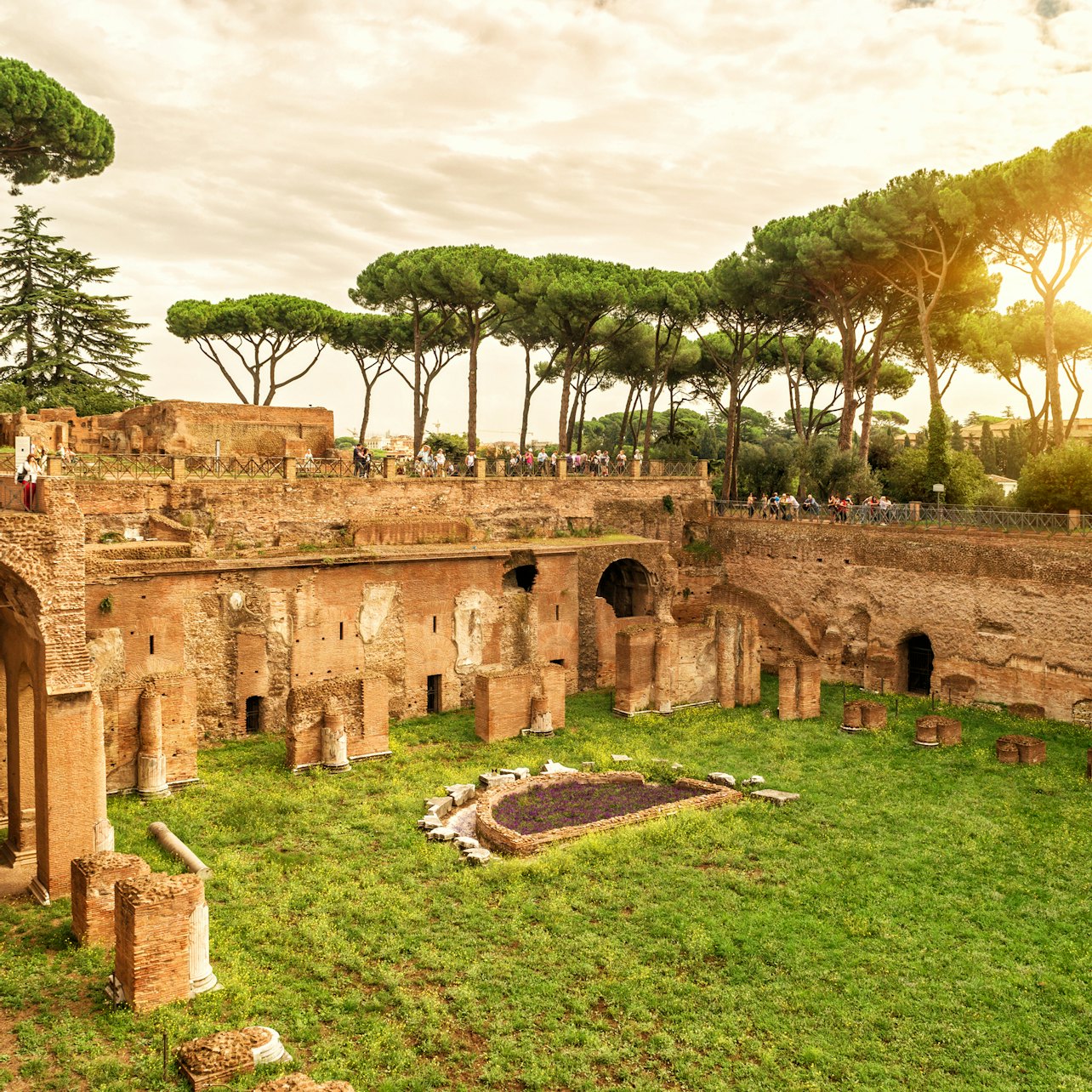 Colosseum, Roman Forum & Mamertine Prison + Audio Guide From £27.29 · 3.8/10
 -
 Borghese Gallery: Reserved Entry + 1-Day Rome Bus Tour From £33.13 · 4.7/10
 - Colosseum, Roman Forum & Palatine Hill: Last Minute Tickets From £21.32 · 4.4/10
-
 Mini Walking Tour of Rome: Get a Sneak Peek at the Eternal City Book → · 5/10
 -
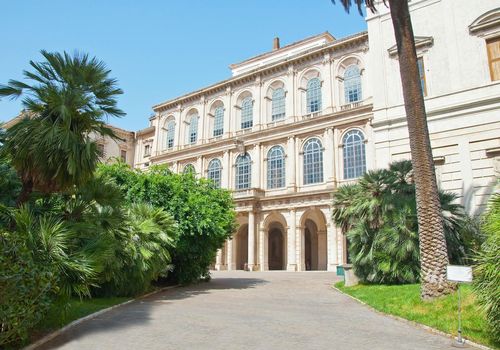 Palazzo Barberini & Galleria Corsini: Entry Ticket From £15.33 · 4.3/10
 -
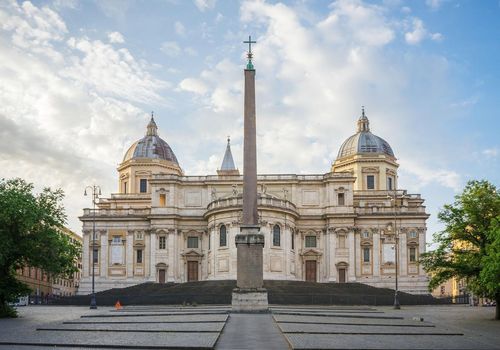 Rome: Santa Maria Maggiore Priority Entry and Audio Tour From £13.85 · 4/10
Where to base yourself
The Rome neighbourhoods worth knowing before you book.
- Coming soon Centro Storico The Pantheon, Piazza Navona and Campo de' Fiori — most walkable, most expensive, and busy from 09:00 to midnight. Best if it is a short trip and you want to step out into it.
- Coming soon Trastevere Across the river: ivy, cobbles and the densest concentration of restaurants and bars in the city. Charming by day, genuinely loud until 02:00 at weekends.
- Coming soon Monti Between the Colosseum and Termini — the old Suburra, now the city's best mix of vintage shops, wine bars and quiet streets. The sweet spot for a second visit.
- Coming soon Prati North of the Vatican: grid-planned, residential, safe and slightly dull in the best way. Good-value hotels, excellent everyday restaurants, ten minutes' walk to St Peter's.
- Coming soon Testaccio The old slaughterhouse district and the home of Roman offal cooking, with a covered market that is still a market. Very few tourists sleep here; the food is the reason to.
- Coming soon Aventino A quiet hill of orange gardens, the Knights of Malta keyhole and almost no nightlife — for travellers who want the centre 15 minutes away but not outside the window.
3 days in Rome
- Day 1 Ancient Rome
Colosseum at opening, then the Forum and Palatine on the same ticket — three to four hours, sunhat mandatory. Lunch in Monti. Afternoon at the Capitoline Museums for the bronze she-wolf and the view over the Forum from the Tabularium. Evening in Monti or the Ghetto.
- Day 2 The Vatican and Prati
Earliest possible Vatican Museums slot; Sistine Chapel first, galleries afterwards. St Peter's in the early afternoon (security queue moves faster then), and up the dome if the legs allow — 551 steps. Late lunch in Prati, then Castel Sant'Angelo at sunset for the best rooftop view of the city.
- Day 3 Baroque centre and the Borghese
Morning walk: Pantheon, Sant'Ignazio, Piazza Navona, Campo de' Fiori market, then San Luigi dei Francesi for three Caravaggios in a side chapel, free. Booked afternoon slot at the Borghese Gallery, then walk down through the gardens to the Spanish Steps and the Trevi after dark.
Day trips
Worth the train or the drive from Rome.
-
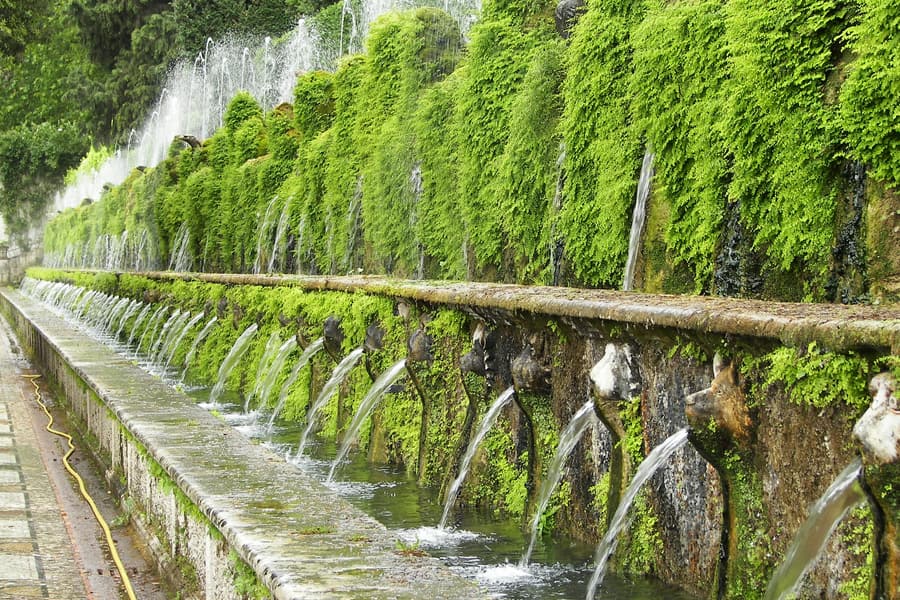 Villa d'Este, Tivoli Renaissance water gardens 45 minutes east — pair with Hadrian's Villa in one day.
 -
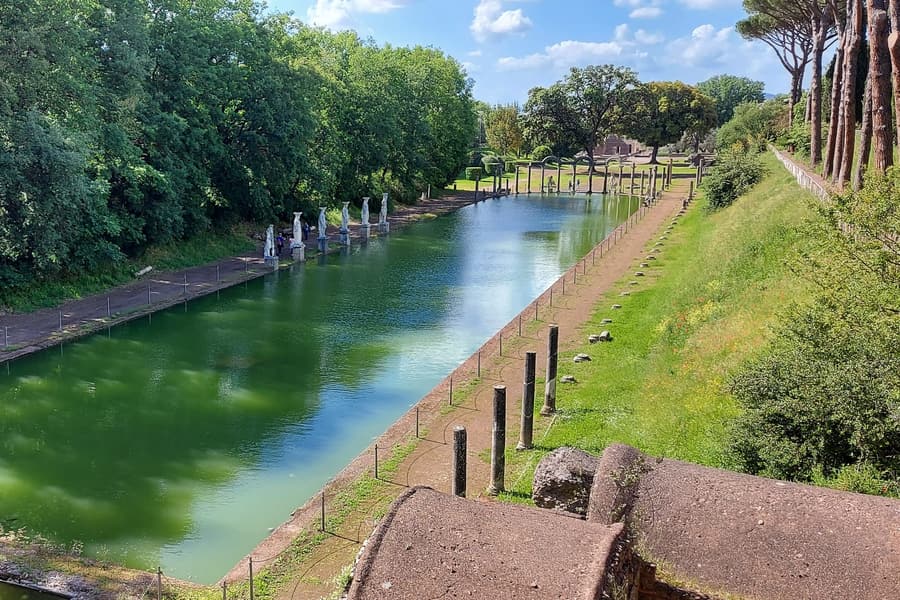 Hadrian's Villa The emperor's own 120-hectare retreat, a short bus ride below Tivoli.
 -
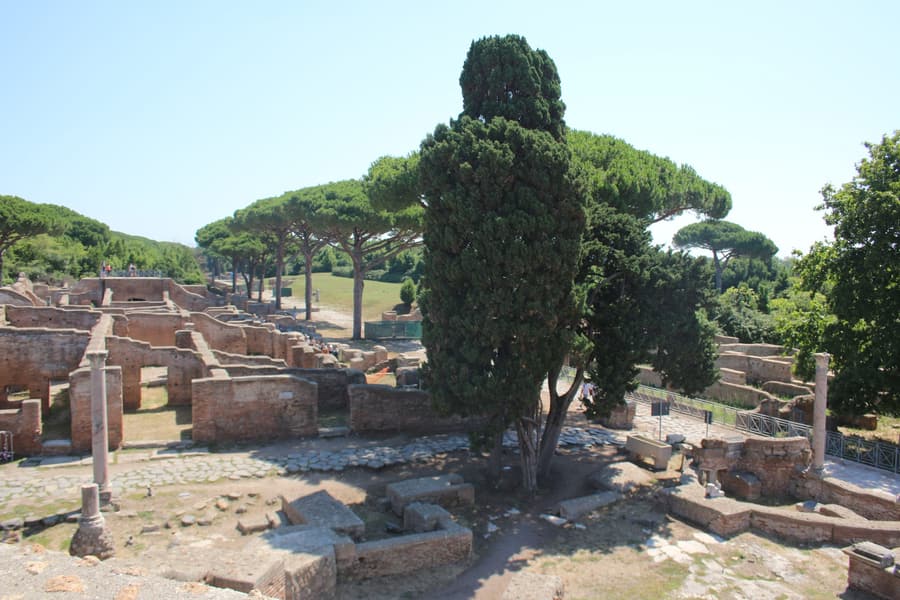 Ostia Antica Rome's Roman port, 40 minutes on the suburban train.
 -
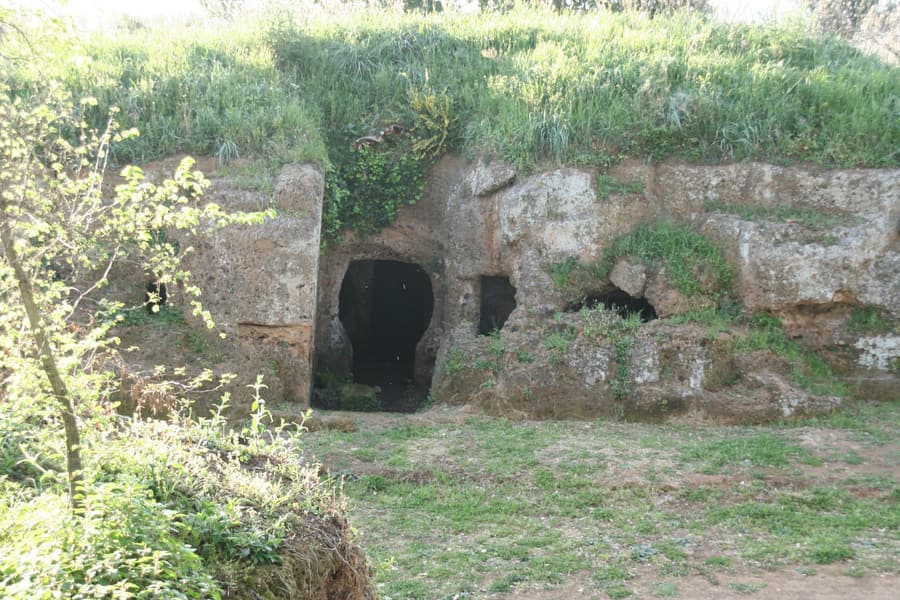 Cerveteri Etruscan Necropolis Etruscan tomb-city an hour north-west — streets, squares and burial mounds.
 -
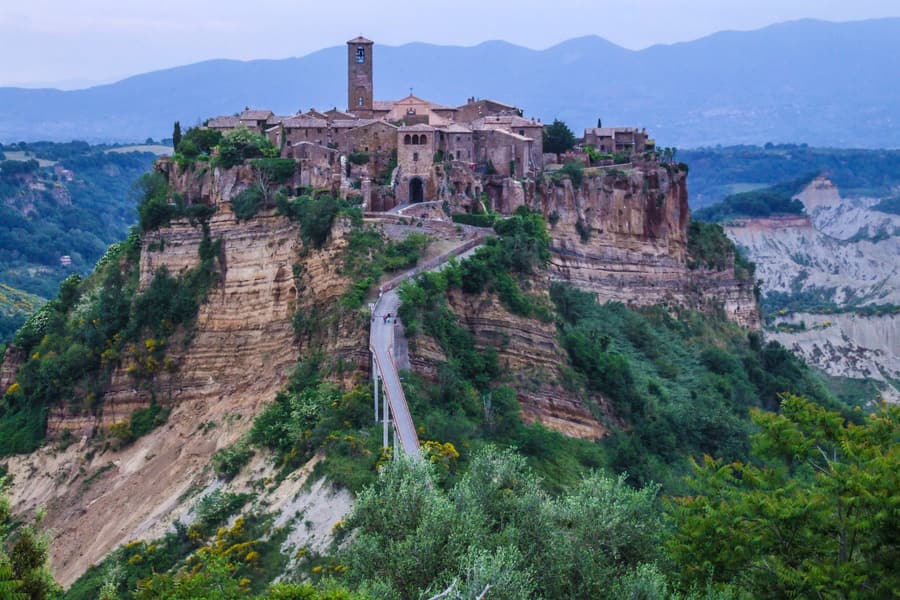 Civita di Bagnoregio The 'dying town' on its tufa pedestal, about two hours north.
 -
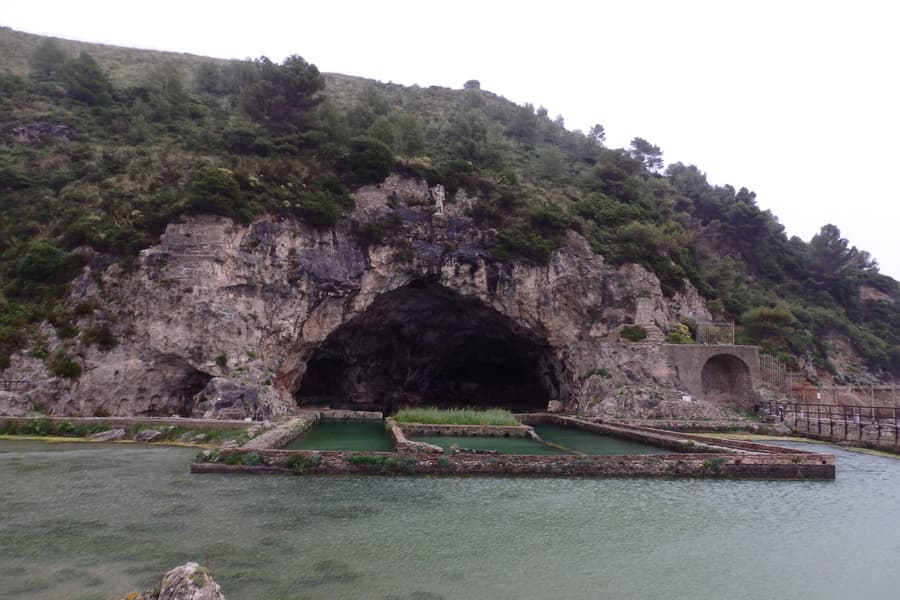 Sperlonga The best beach day from Rome — whitewashed cliff village, 1h30 by train and bus.
Practical
- Best time to go
- April–early June and late September–October: warm, long days, and the queues are survivable. July and August are 33–38°C and much of the city empties in mid-August (Ferragosto), when family-run restaurants close for two weeks. November–February is mild, wet in bursts, and by far the best time to see the Vatican and the Borghese without a scrum. Book the Borghese Gallery weeks ahead in any season — entry is timed and capped at 360 people.
- Getting there
- Fiumicino (FCO) is 32 minutes from Termini on the non-stop Leonardo Express; Ciampino (CIA) is 40 minutes by shuttle bus. Termini and Tiburtina put Florence at 1h30, Naples at 1h10 and Milan at 3h on the high-speed network — for those journeys the train beats flying door to door.
- Getting around
- Walk, mostly. Three metro lines (A, B, C) cover long hops; Line A links the Vatican, Spagna and Termini, Line B the Colosseum and Termini. Buses fill the gaps but are slow. Tickets are €1.50 for 100 minutes and must be validated. Taxis are metered — take them from a rank, and expect a supplement to the airports. Avoid driving: the historic centre is a ZTL (restricted traffic zone) with camera enforcement and the fines find rental cars months later.
- Eat & drink
- Roman cooking is four pastas and offal, done with conviction: cacio e pepe, carbonara, amatriciana and gricia; then coda alla vaccinara, trippa alla romana and carciofi alla giudia — deep-fried artichokes, best in the Ghetto and in season from roughly February to April. Pizza in Rome is thin and crisp, not Neapolitan, and pizza al taglio (by the slice, sold by weight) is the standard lunch. Testaccio and Trastevere are the reliable eating quarters; the streets immediately around the Pantheon and the Trevi are the ones to avoid.
- Know before you go
- Restaurants with photo menus and a tout outside are a tourist tax; walk two streets. Pickpocketing is concentrated on the 64 bus, the Termini concourse and around the Colosseum metro exit. Dress code at St Peter's and the Vatican Museums is enforced — shoulders and knees covered, for everyone. The Trevi Fountain and the Spanish Steps now have wardens moving people on; sitting on the Steps is fined.