Rome
The Eternal City — 2,800 years of history stacked in layers, from the Colosseum and Pantheon to Baroque piazzas, gelato and some of the finest pasta on earth.
- City
- April – June, September – October
- FCO
- 4–5 days
About Rome
Why go
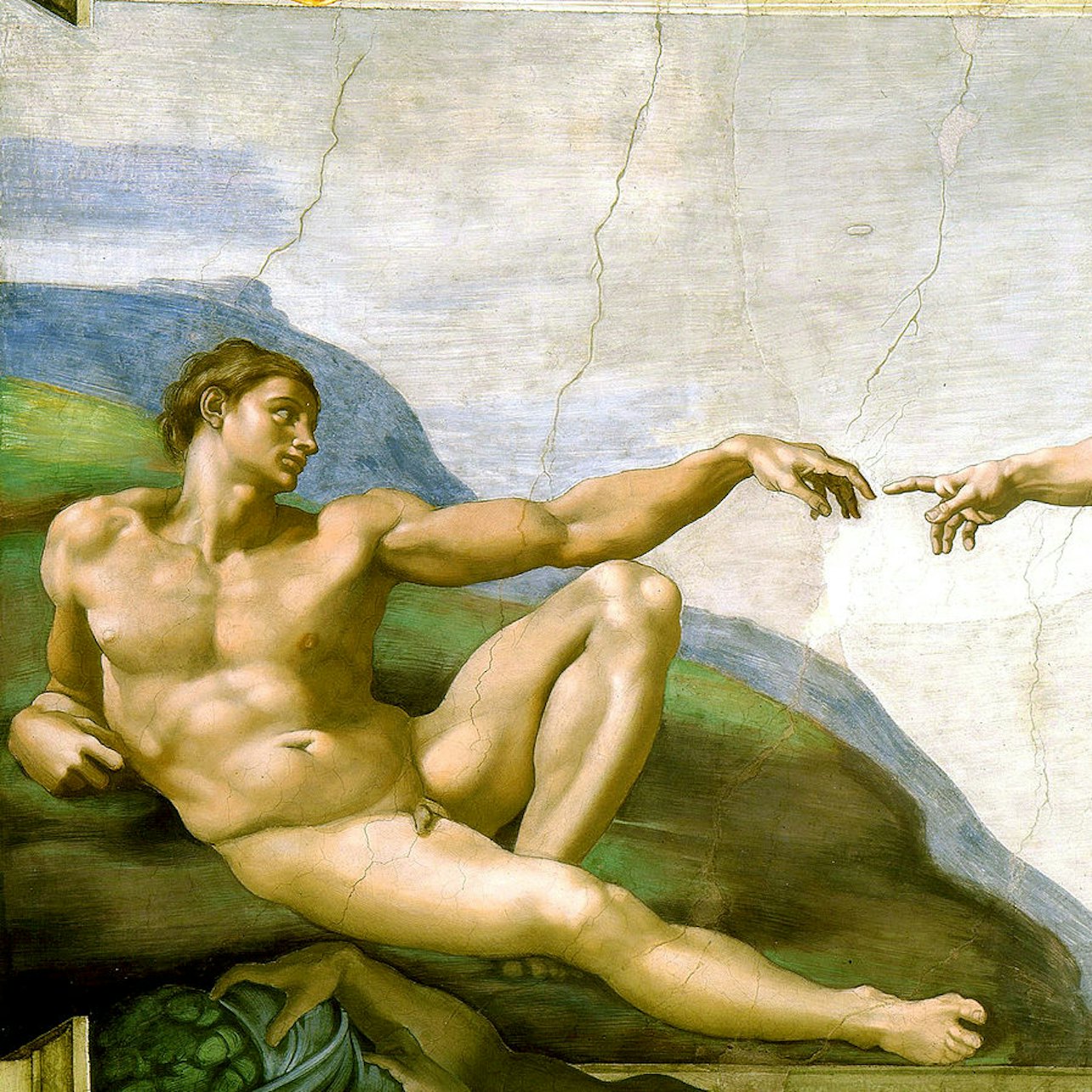
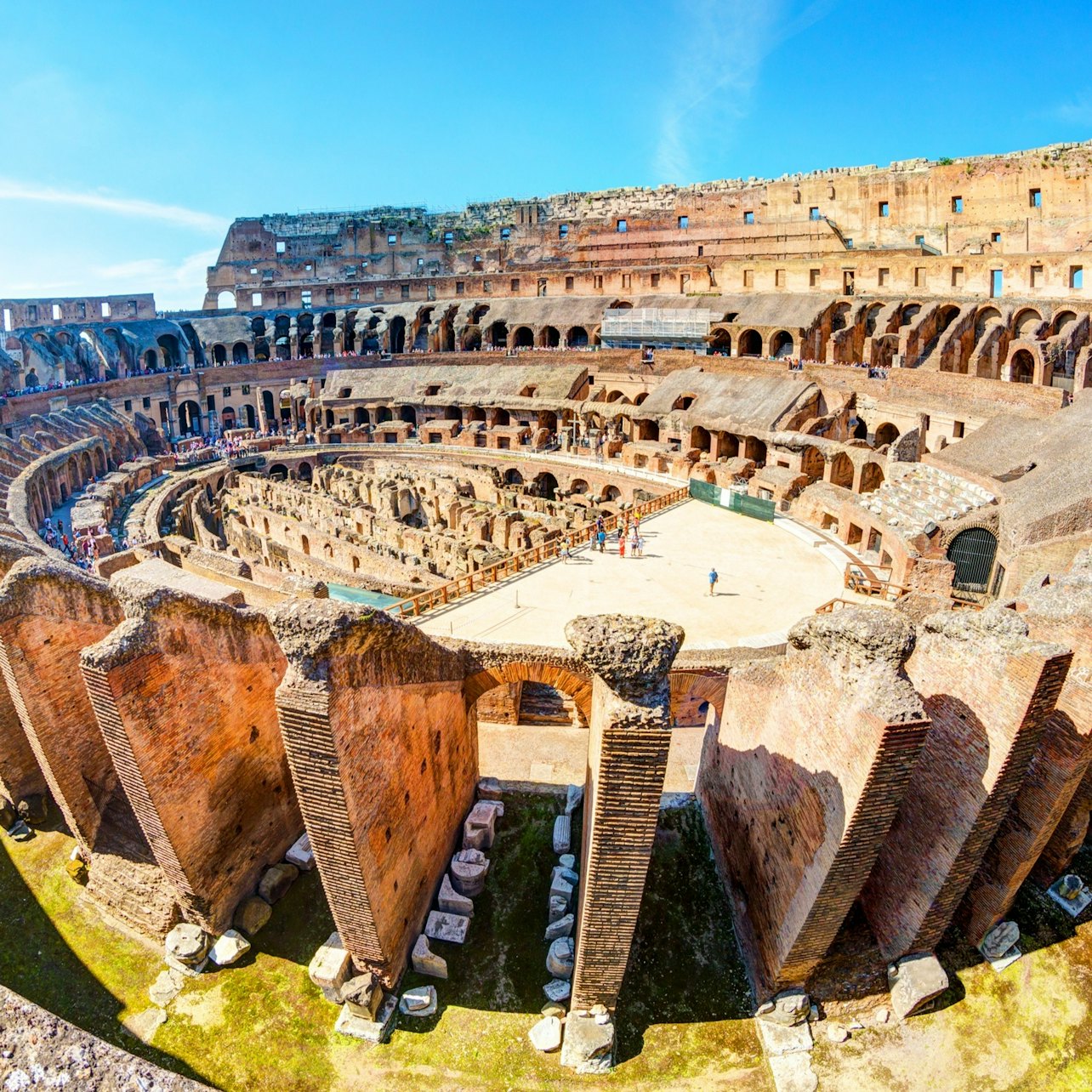
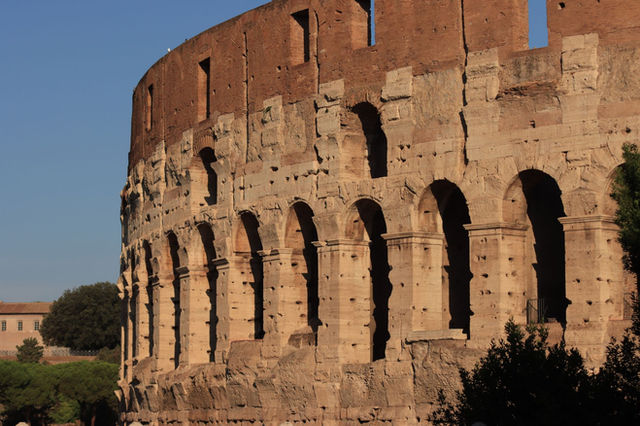
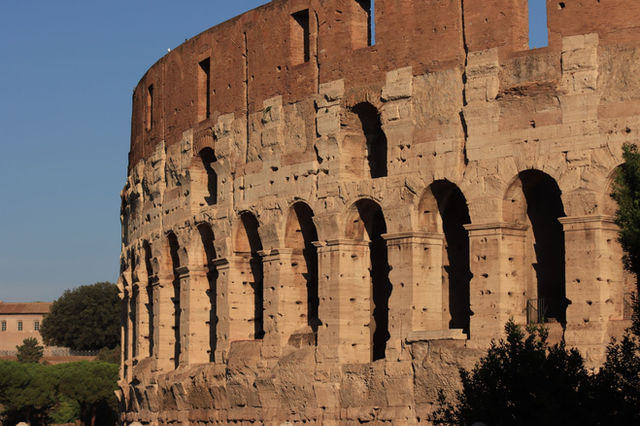
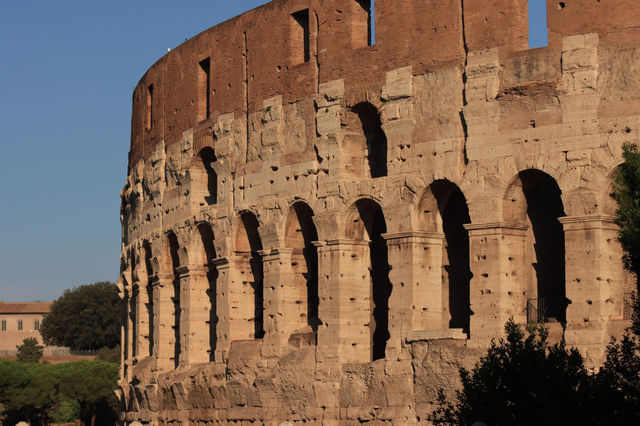
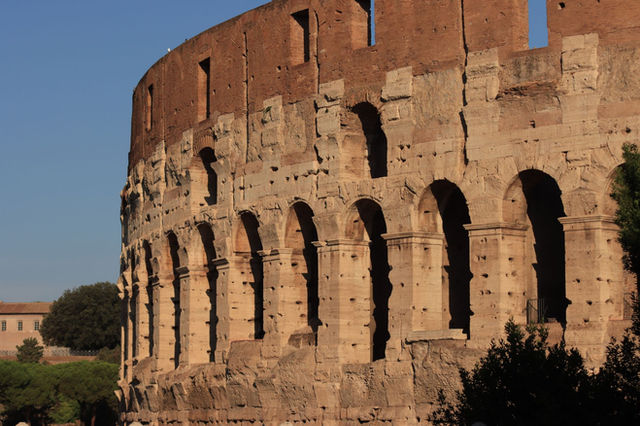
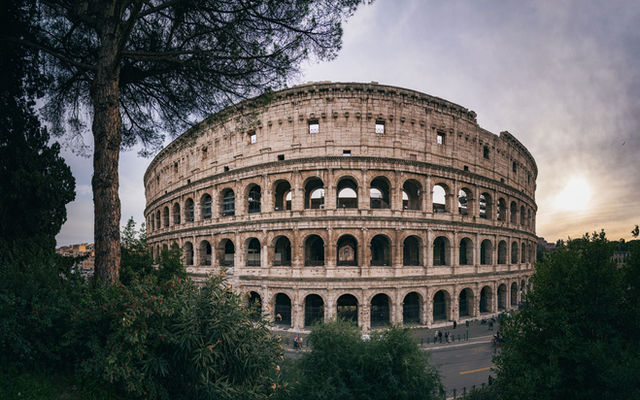
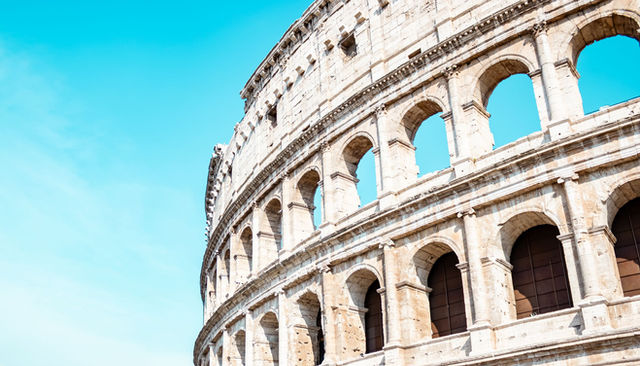
Rome is a non-negotiable entry on any list of the world's great cities, for the simple reason that nowhere else offers this combination of depth, beauty and vivid daily life. The Sistine Chapel ceiling, Michelangelo's Creation of Adam seen from below, remains one of the most affecting single artistic experiences available to a traveller. The Colosseum — even reduced to its surviving form, stripped of its marble and with two-thirds collapsed — is immense and moving in ways that photographs never quite capture. But Rome is also worth visiting for the things that cost nothing: throwing a coin in the Trevi, sitting at a café table in Piazza Navona on a warm evening watching the world pass, eating a simple cacio e pepe in a neighbourhood trattoria, or wandering through the working-class district of Pigneto where no guidebook was written. It is a city that rewards both the systematic sightseer and the aimless wanderer, and which can be returned to many times without exhausting.
Highlights
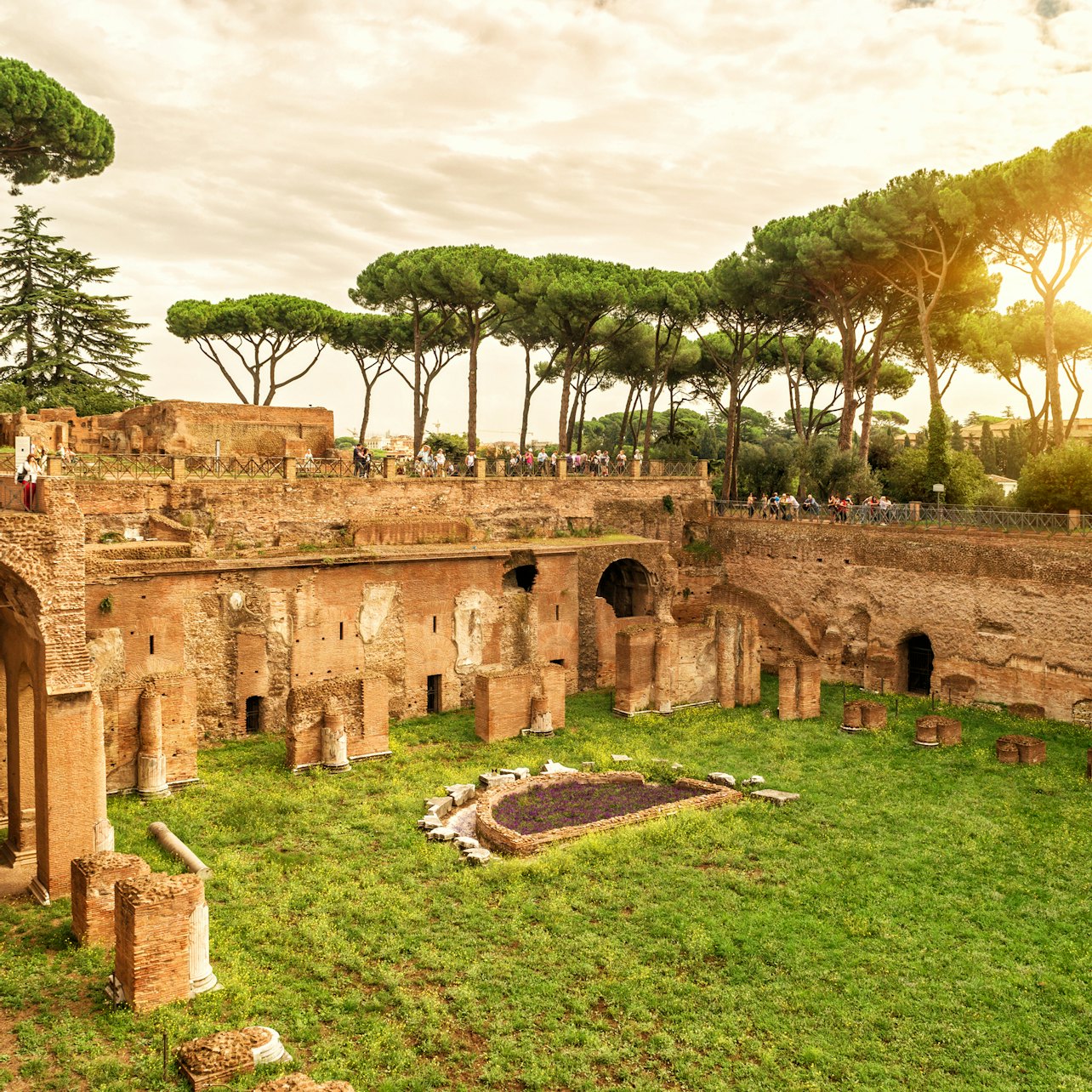
- Colosseum, Roman Forum and Palatine Hill
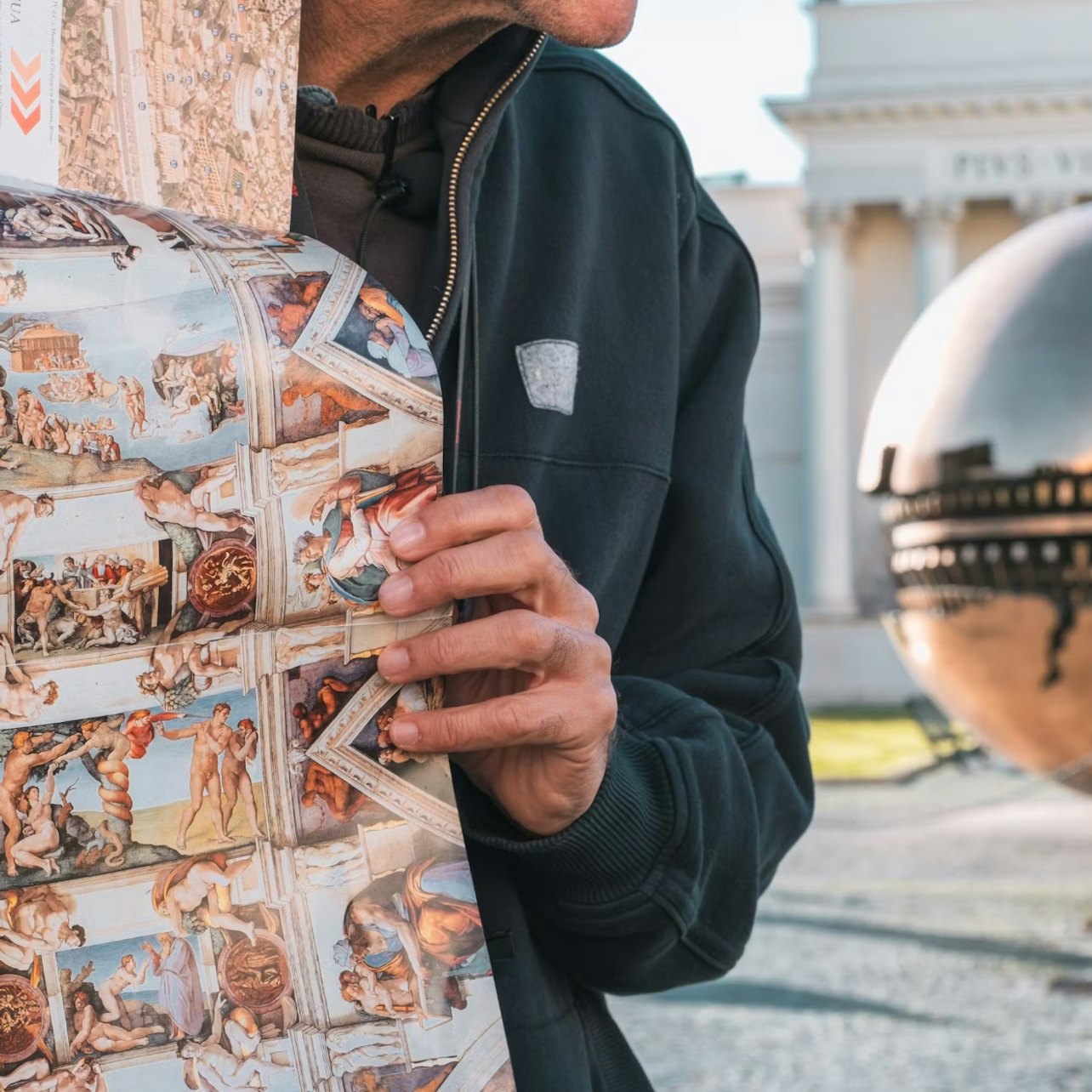
- Vatican Museums and Sistine Chapel
- St Peter's Basilica dome climb
- Trevi Fountain at dawn
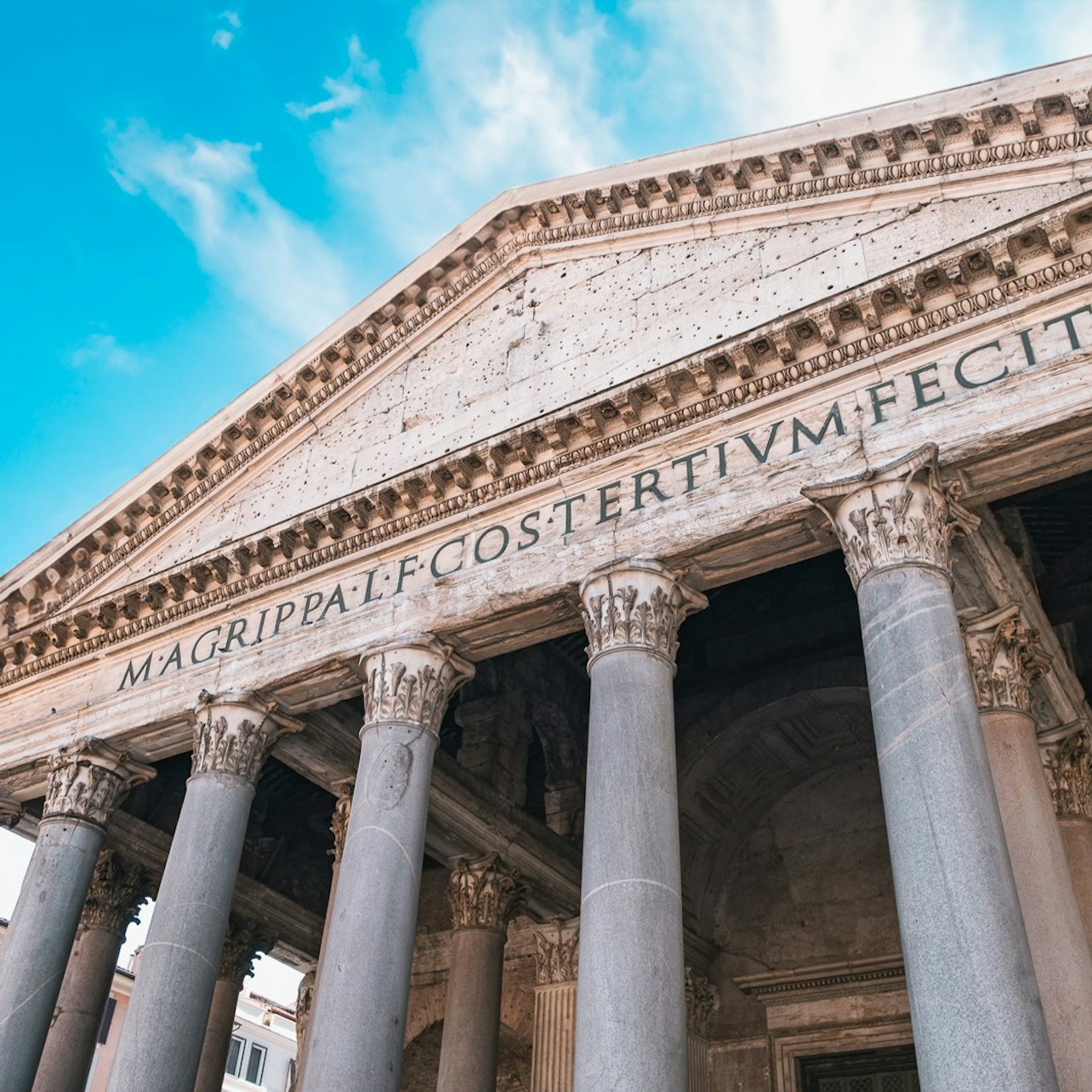
- Piazza Navona and the Pantheon
- Trastevere neighbourhood evening dinner
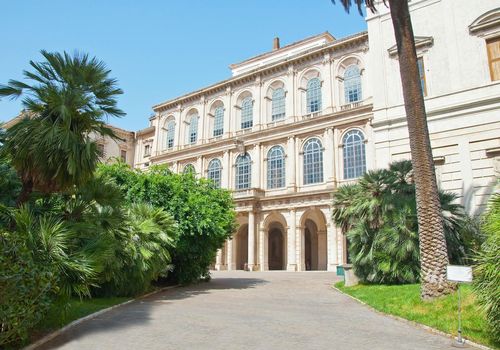
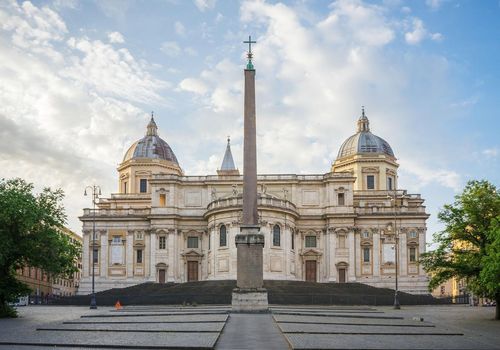
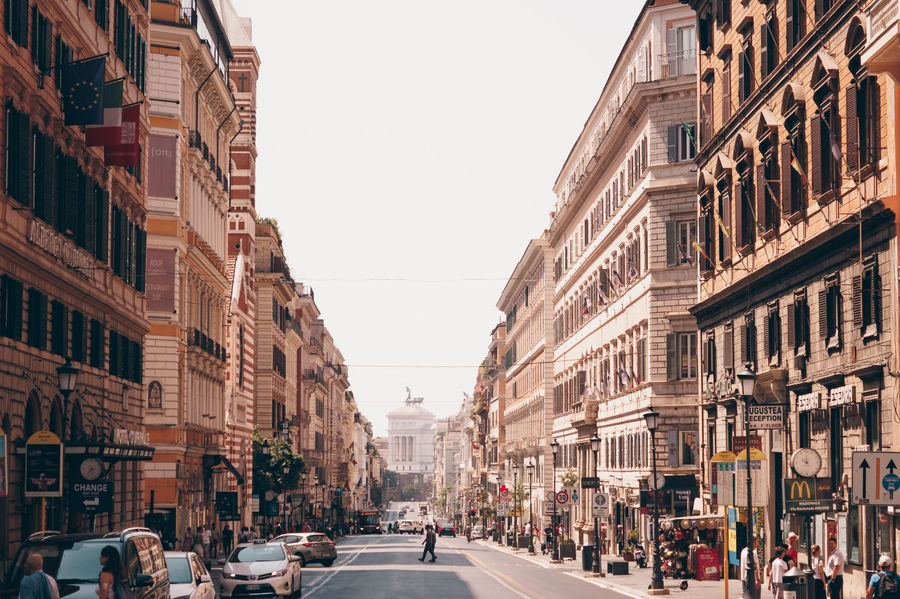
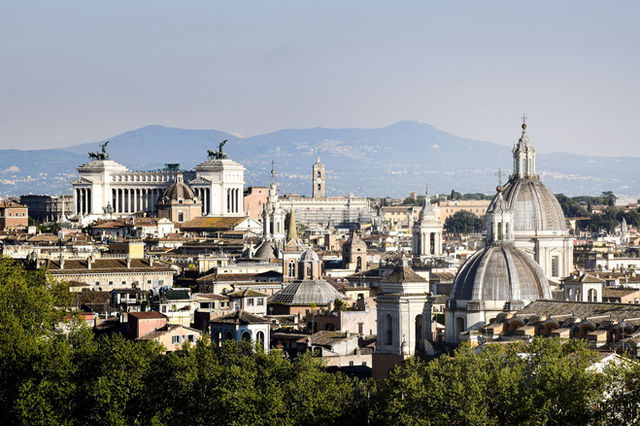
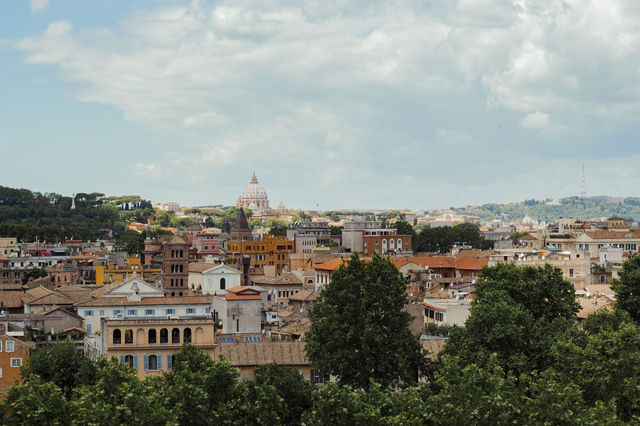
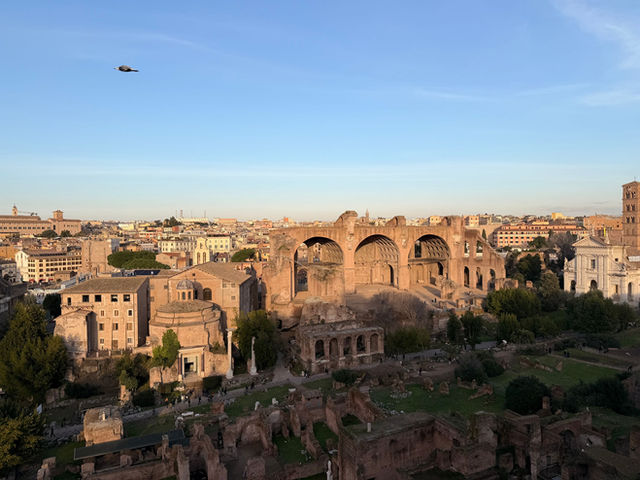
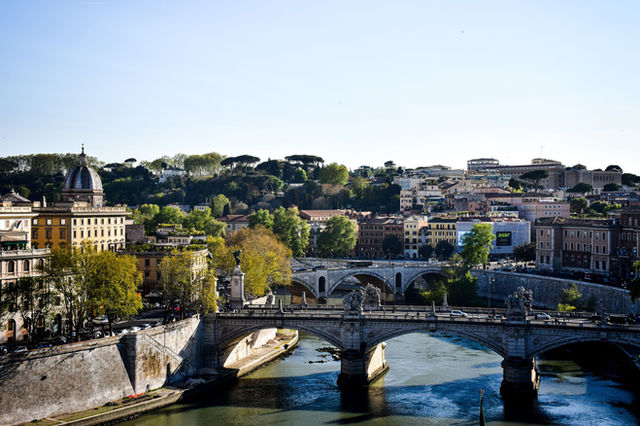
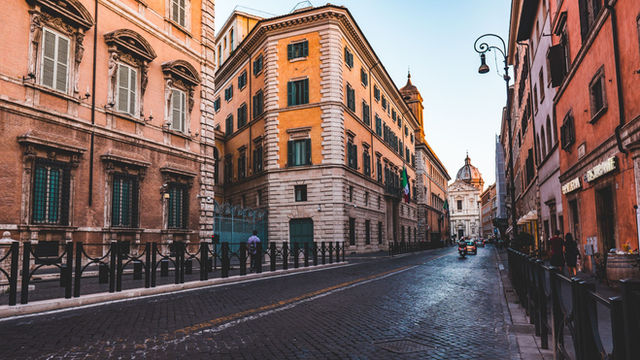
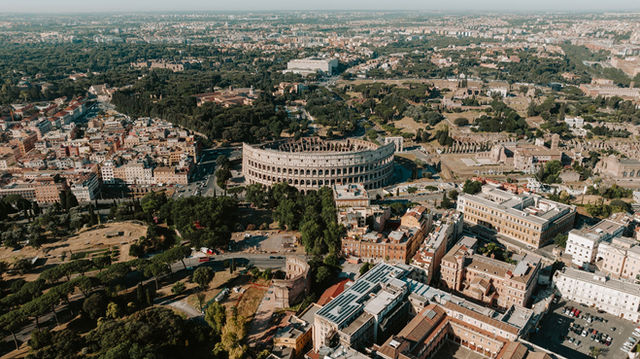
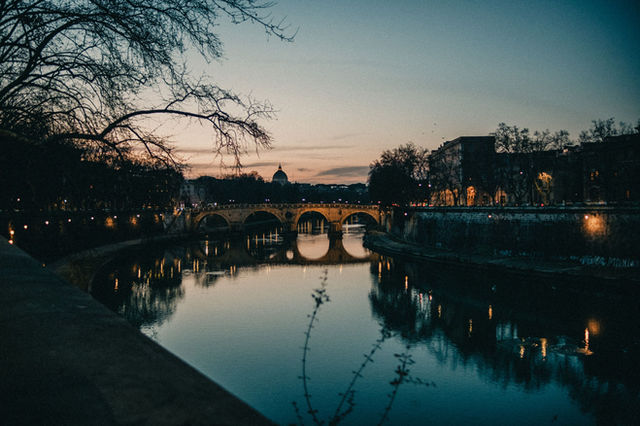
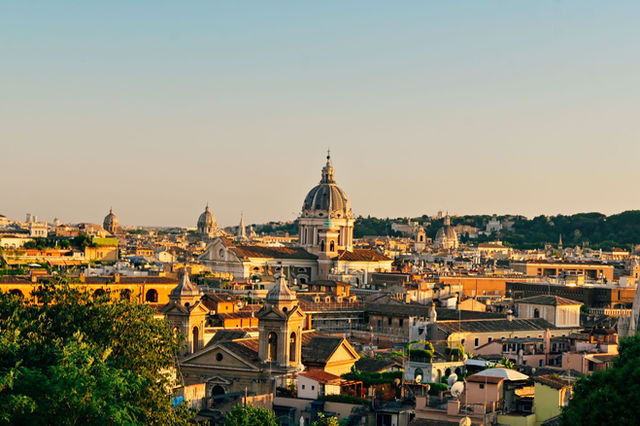
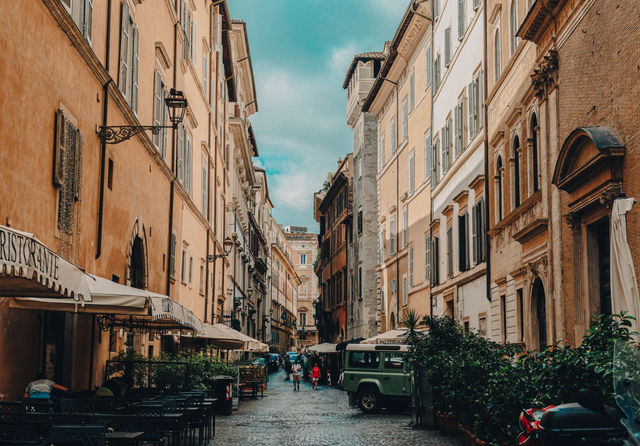
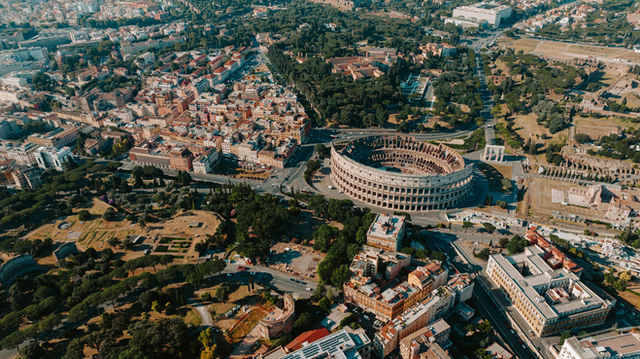
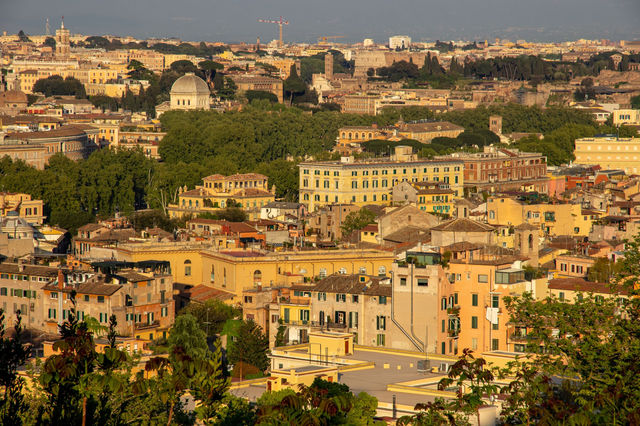
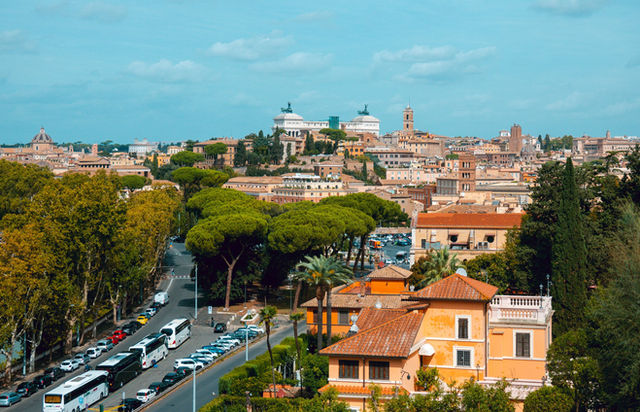
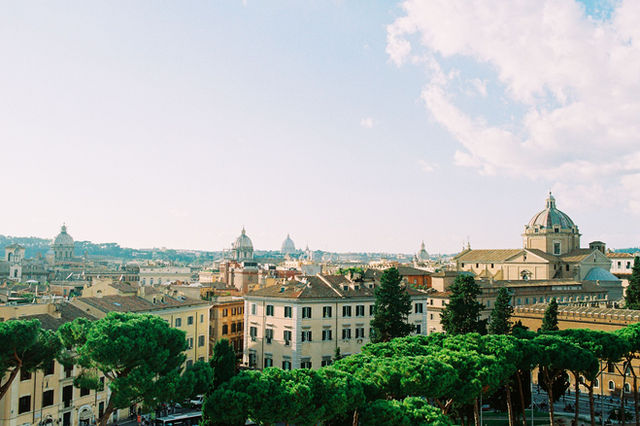
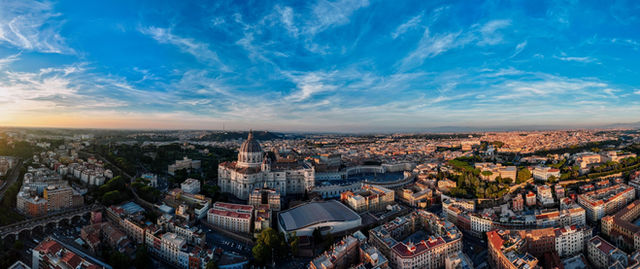
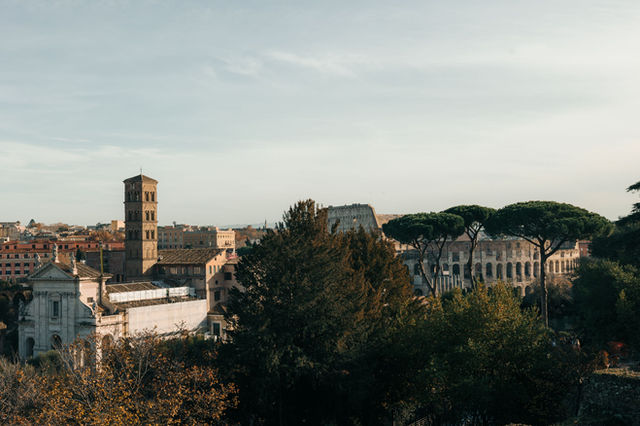
Rome in photos
Neighbourhoods
Neighbourhood-by-neighbourhood guides to Rome are on the way.
Where you'll stay in Rome
Live map of hotels and villas around Rome — powered by Stay22. Pan, zoom and compare live prices to pick your base.
Hotels & rentals around Rome
Pan, zoom and compare live prices — every stay in one map.
Getting around Rome
Metro
Rome's Metro has only two main lines (Line A and Line B) due to the archaeological sensitivity of the subsoil — building deeper has always been constrained by what lies below. Line A connects Ottaviano (Vatican), Spagna (Trevi/Spanish Steps) and Barberini; Line B stops at Colosseo. The third line (C) is under gradual construction.
Buses & trams
ATAC buses cover the entire city including areas the Métro cannot reach — essential for Trastevere, Campo de' Fiori and Pigneto. Bus 40 and 64 connect Termini to the Vatican; tram 3 and 8 serve Trastevere. Validate tickets on boarding or face on-the-spot fines.
Taxis & ride-hailing
White official taxis are metered; itTaxi and Uber both operate in Rome. Only board metered cabs from official ranks or app-booked — 'private' drivers approaching in arrivals halls charge several multiples of the legitimate fare.
Walking
The historic centre (centro storico) is extremely walkable — the Colosseum to the Pantheon is under 30 minutes on foot. Avoid driving in the ZTL (limited traffic zone) covering most of the historic centre; fines are automatically issued to foreign plates.
Networks
ATAC operates the Metro (Lines A, B, B1 and C), trams and buses across Rome. A single 100-minute ticket (€1.50) covers unlimited transfers within the validity window. The 24-hour (€7), 48-hour (€12.50) and 72-hour (€18) passes offer good value for active days of sightseeing with multiple transfers.
Ticketing
Buy tickets at Métro station machines, tabacchi (tobacconists), newsstands, or via the MyCicero app. Always validate tickets immediately on boarding buses and trams — unlike the Métro, buses use an honour system with random inspector checks, and fines for unvalidated tickets are significant.
Key lines
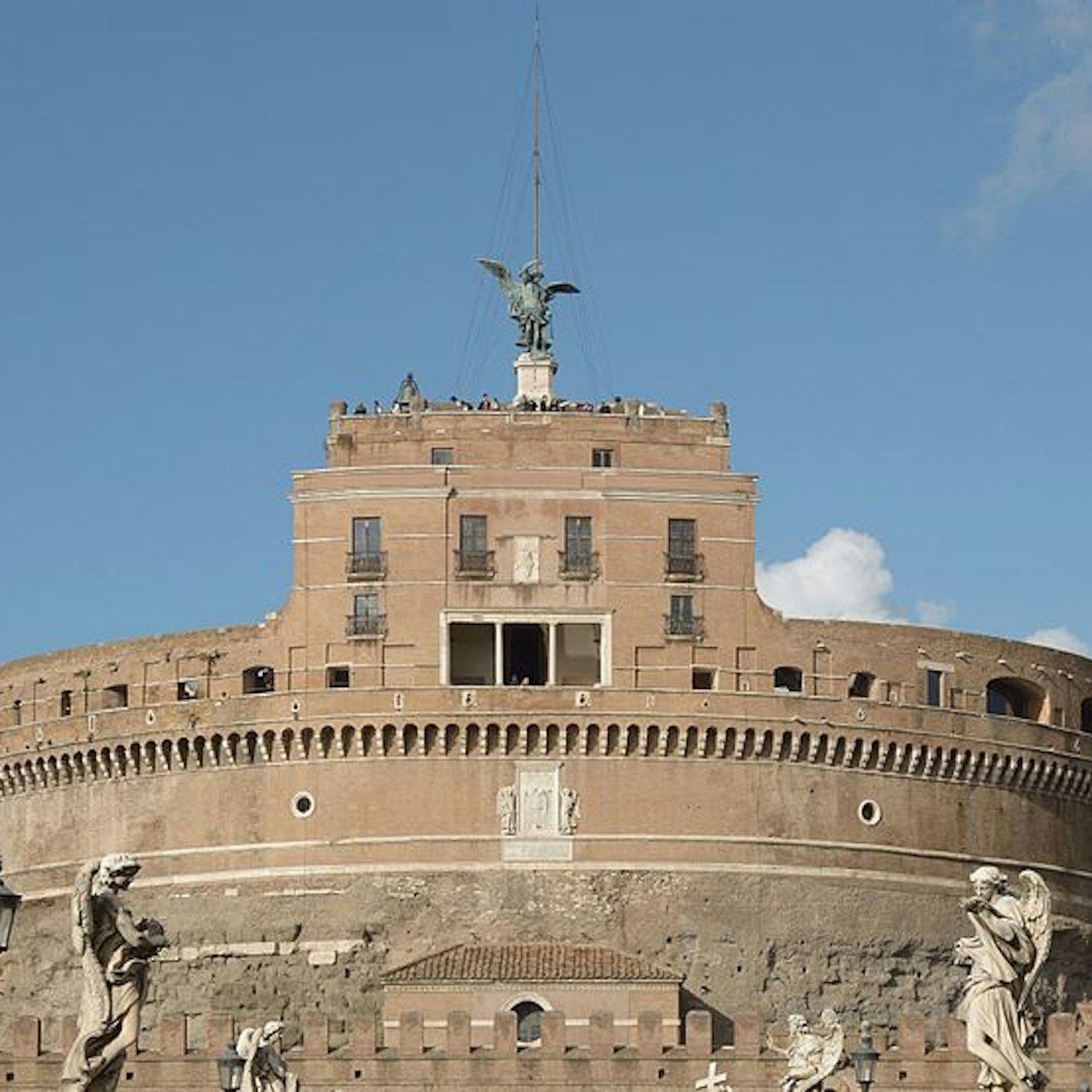
Metro Line A is the tourist backbone: Ottaviano (Vatican/Castel Sant'Angelo), Spagna (Spanish Steps, Trevi area), Barberini (Trevi Fountain, Capuchin Crypt), Repubblica and Termini. Line B: Colosseo stop places you directly at the Colosseum entrance. For the Pantheon, Campo de' Fiori and Trastevere, buses and walking are the right options — no nearby Metro station.
Peak hours
Rush hours (08:00–09:30 and 17:00–19:30) are extremely crowded on Line A between Termini and Spagna. Night buses (n-lines from 00:30) cover the main corridors once Metro services end.
Insider tips
Book ahead
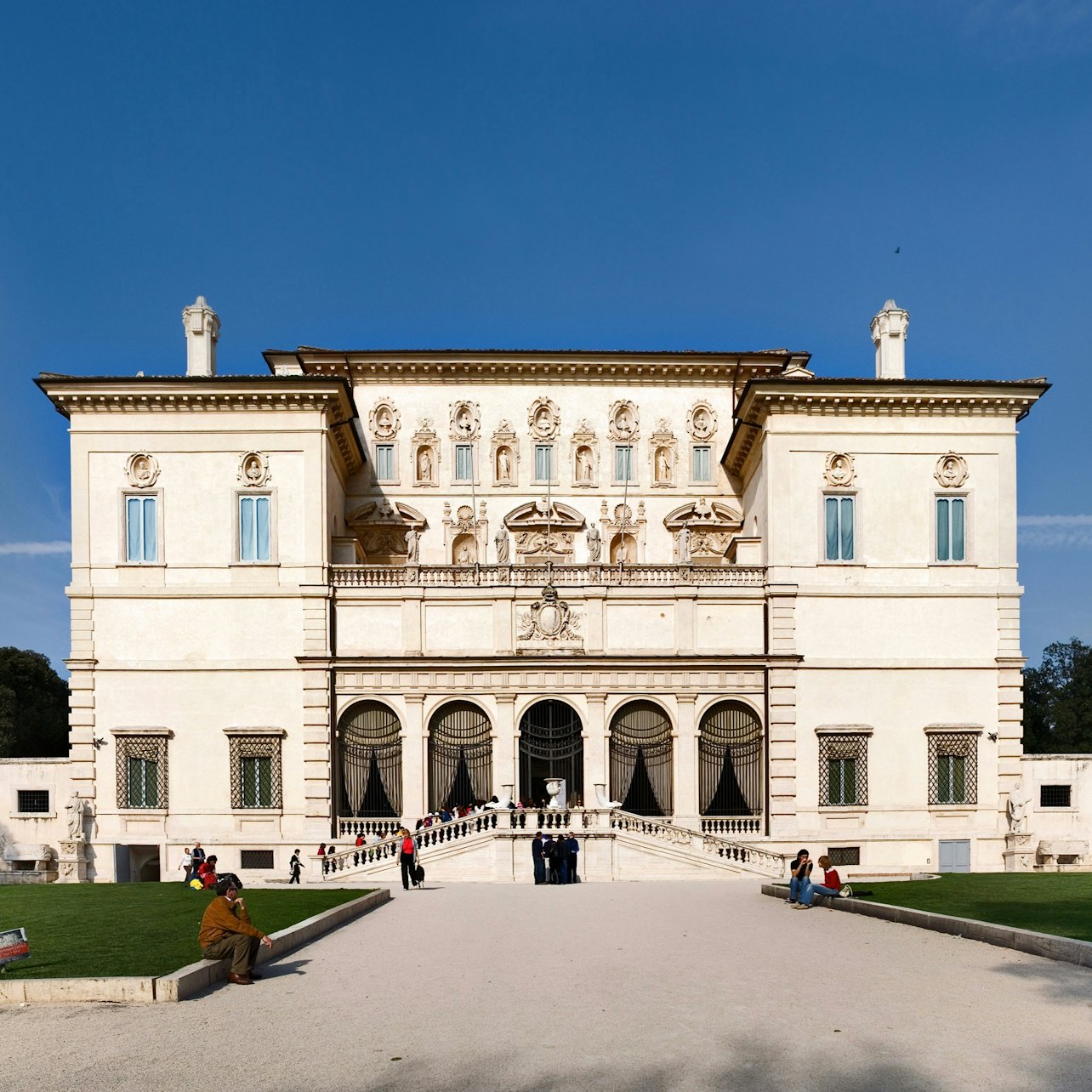
The Vatican Museums and Sistine Chapel, Colosseum and Borghese Gallery all require advance booking — the Borghese in particular limits entry to 360 visitors per two-hour slot and is fully booked weeks ahead in high season. Online booking fees (€2–5) are far less painful than missing entry or standing in a three-hour queue.
Hidden gems
The Capitoline Museums (Musei Capitolini) are the world's oldest public museums and offer genuinely Borghese-calibre quality — the original Marcus Aurelius equestrian statue, the Capitoline Wolf, and remarkable views over the Forum — at a fraction of the Colosseum crowd level. The Palazzo Doria Pamphilj (Via del Corso) is privately owned and rarely crowded, with Caravaggio, Velázquez and Raphael works.
Timing
Visit the Pantheon on a rainy morning — the oculus (open to the sky) lets rain fall vertically into the centre of the building, creating one of antiquity's most dramatic architectural experiences. The building functions as designed for 2,000 years of every weather condition.
Eating well
The covered Testaccio Market and the Trionfale covered market (near the Vatican) offer the best-value authentic lunches in the city. A plate of pasta at a market counter costs a fraction of trattoria prices for better ingredients.
Frequently asked
How many days do I need in Rome?
Four to five days covers the Vatican Museums, Sistine Chapel, St Peter's, the Colosseum and Roman Forum, the Pantheon, Trevi Fountain, Borghese Gallery and the Testaccio food quarter — with time for unhurried meals. A week allows the Capitoline Museums, day trips to Ostia Antica or Tivoli, and neighbourhood exploration without rushing.
Is the Roma Pass worth it?
Yes if you plan to use the Metro regularly and visit two or more paid sites in 48 or 72 hours. The 48-hour (€28) and 72-hour (€38.50) passes include unlimited Metro and bus travel plus discounted entry to two museums. For the Colosseum specifically, buy the timed-entry ticket separately rather than relying on the Roma Pass allocation.
When is Rome too crowded?
Easter week and mid-July to mid-August are the peak. The queues at the Colosseum and Vatican at 10:00 on a summer Saturday are extreme — book timed-entry tickets online for both sites regardless of when you visit.
Is tap water safe to drink?
Yes — Rome has excellent tap water from its ancient aqueduct system. The ubiquitous nasoni street fountains (small cast-iron drinking fountains, hundreds of them across the historic centre) provide free, cold, clean water all day. Carry a refillable bottle.
Do I need to speak Italian?
No — English is widely spoken in tourist-facing restaurants, hotels and museums. However, a few Italian phrases ('Buongiorno', 'Un caffè, per favore', 'Il conto') produce a noticeably warmer response. Very traditional trattorie in Testaccio may have Italian-only menus — Google Translate's camera function works well.
While you're there
Explore the area
Local attractions & tours
Skip-the-line tickets and small-group tours in Rome — compare across our partners.
Best time to visit Rome
April – June, September – October
Spring (April–May)
Warm, sunny and green at 16–22°C — the best overall season for sightseeing. The city is alive but not yet at summer saturation. Easter week is extremely busy; book accommodation months ahead if you plan to visit then.
Summer (June–August)
Hot and dry with temperatures regularly reaching 30–37°C in July and August. Many Romans leave in August; some neighbourhood restaurants close. Museums and galleries provide air-conditioned relief; outdoor sightseeing before 10:00 and after 18:00 is far more comfortable. Bring water constantly.
Autumn (September–October)
Arguably the finest season: warm at 18–26°C, golden light on the stone, crowds thinning after mid-September. The vendemmia (grape harvest) in nearby Frascati and Castelli Romani makes for excellent day trips.
Winter (December–February)
Mild at 6–14°C, occasionally rainy, but never cold in the northern European sense. Christmas at Piazza Navona (nativity market), the Vatican illuminations and museum queues at their shortest make it a genuinely good time to visit Rome without the summer crowds.
Best months
Late September and October; late April and May. Avoid mid-July to mid-August unless you specifically enjoy heat and are comfortable with reduced restaurant availability.
Getting there
By air
Leonardo da Vinci–Fiumicino (FCO), 30 km south-west, is Rome's main international airport. The Leonardo Express train runs non-stop to Roma Termini in 32 minutes (€14); the slower FL1 regional train (€8) is cheaper and stops at Trastevere, Ostiense and Tiburtina. The official fixed taxi rate from FCO to central Rome (within the Aurelian Wall) is €50 — confirm the flat-rate sign before departure. Rome Ciampino (CIA), 15 km south-east, serves Ryanair, easyJet and other low-cost carriers; Terravision and SIT buses connect to Termini in around 40 minutes.
By train
Rome is the hub of Italy's high-speed rail network. Florence is 1h35, Naples is 1h10 and Venice is around 3h30 by Frecciarossa — remarkably comfortable and reliably on time. Book Trenitalia or Italo advance fares online for the best prices.
- Rome Ciampino Airport (CIA)
Ready to book your trip?
Flights, airport transfers and car hire to FCO — search and compare without leaving the page.
More trip extras
Parking, holiday extras, and more — coming soon.
We're lining up parking, holiday extras and activities you'll be able to add to any trip from here.