Trento is a compact Renaissance city at 194 m in the Adige valley, with frescoed façades on its main streets and the Castello del Buonconsiglio — the prince-bishops' fortress — on the edge of the old town. It hosted the Council of Trent between 1545 and 1563, the meetings that defined the Counter-Reformation, and the cathedral where the sessions were held is still the centre of the city. Unlike German-speaking Bolzano an hour north, Trentino is Italian-speaking; the valleys east and west of the city climb into the Dolomites and the Brenta group.
For the best-value Dolomite access in Italy — Madonna di Campiglio, the Val di Fassa and Lake Molveno are all inside 90 minutes, and so is the northern tip of Lake Garda. For MUSE, Renzo Piano's science museum, which is a genuinely excellent building. And for Trentodoc, the metodo classico sparkling wine made in the surrounding hills.
Things to do
- Castello del Buonconsiglio — The prince-bishops' castle, with the Torre Aquila's Cycle of the Months — an International Gothic calendar of medieval life, painted around 1400.
- MUSE — Renzo Piano's science museum, built as a section through a mountain — glacier at the top, tropical greenhouse at the bottom.
- Piazza Duomo — The Neptune fountain, the frescoed Cazuffi-Rella houses, and the cathedral where the Council of Trent sat.
- The Sardagna cable car — Four minutes from the river to 560 m, for the whole Adige valley — and an ordinary bus ticket.
- A Trentodoc cellar — Metodo classico sparkling made at altitude. Several houses around the city take visits, including the largest.
- Lake Molveno and the Brenta — An hour west: a turquoise lake under vertical dolomite, repeatedly voted Italy's best lake beach.
- Val di Non and the apple valley — North-west: apple orchards, the Santuario di San Romedio on a rock spike, and the Novella canyon.
Tickets & tours

Where to base yourself
The Trento neighbourhoods worth knowing before you book.
- Coming soon Centro Storico Piazza Duomo, Via Belenzani's frescoed palaces and the cathedral. Small, handsome and where to stay.
- Coming soon Around the Buonconsiglio The castle end of the old town, quieter, with the city walls and the Torre Aquila behind.
- Coming soon Le Albere Renzo Piano's riverside quarter on the old Michelin factory site, with MUSE in the middle of it — a ten-minute walk from the centre.
- Coming soon Sardagna & Monte Bondone Up the cable car and the mountain road: meadows, a small ski area and the city 1,000 m below.
- Coming soon Valsugana & Lake Caldonazzo East, and the warmest swimmable lake in Trentino — a summer alternative base 25 minutes out.
- Coming soon Piana Rotaliana North, where Teroldego is grown on the flat between the mountains — cellar doors 20 minutes away.
3 days in Trento
- Day 1 The council city
Piazza Duomo and the cathedral first, then the Castello del Buonconsiglio and the Torre Aquila frescoes. Canederli for lunch. Afternoon at MUSE. Cable car to Sardagna for sunset, dinner in the old town.
- Day 2 Into the Brenta
Drive or bus west to Lake Molveno and Andalo, under the Brenta Dolomites — cable car up, walk, and swim in the lake in summer. Back for a Trentodoc aperitivo.
- Day 3 Lake or Dolomites
South to Riva del Garda and Arco for the lake and the climbing walls, or east into the Val di Fassa for the Marmolada and the Ladin valleys.
Day trips
Worth the train or the drive from Trento.
-
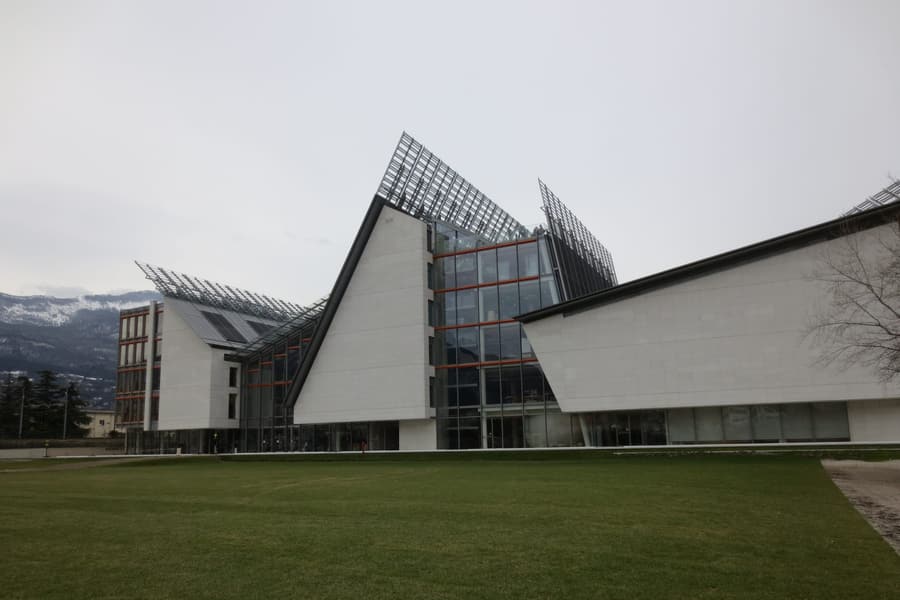 MUSE Science Museum Renzo Piano's museum of the alpine world, ten minutes from the centre.
 -
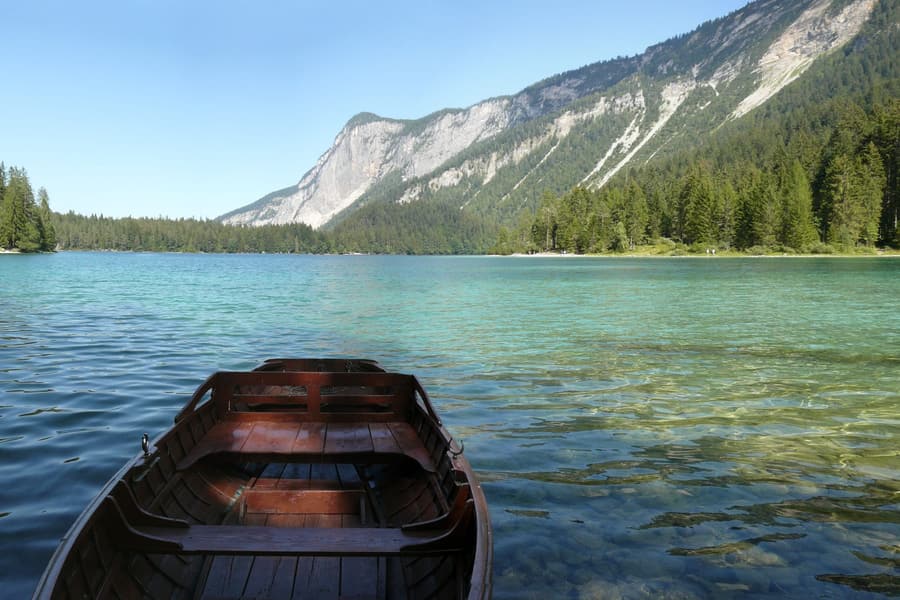 Lago di Tovel A glacial lake in the Brenta group, about an hour north-west.
 -
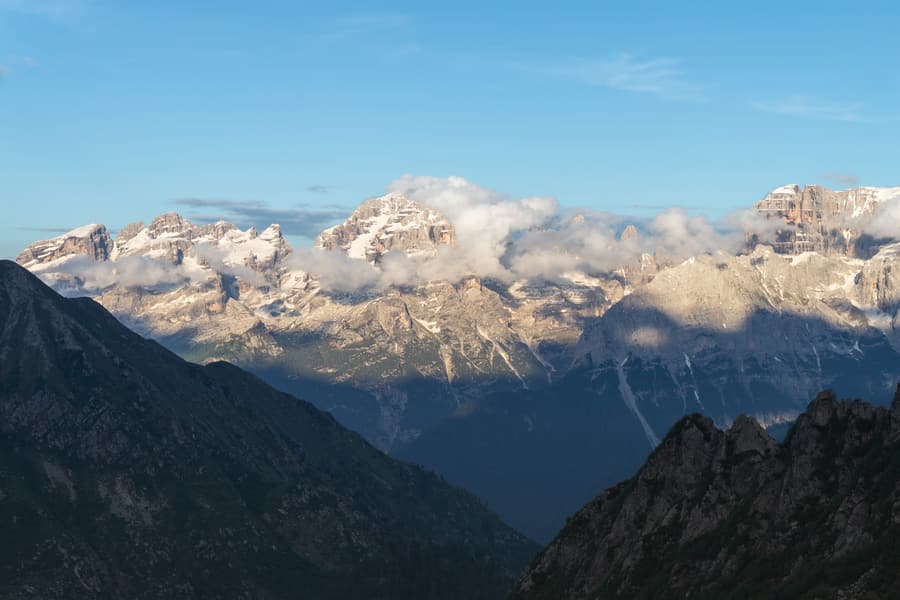 Brenta Dolomites The Dolomites' western outpost and the birthplace of the via ferrata.
 -
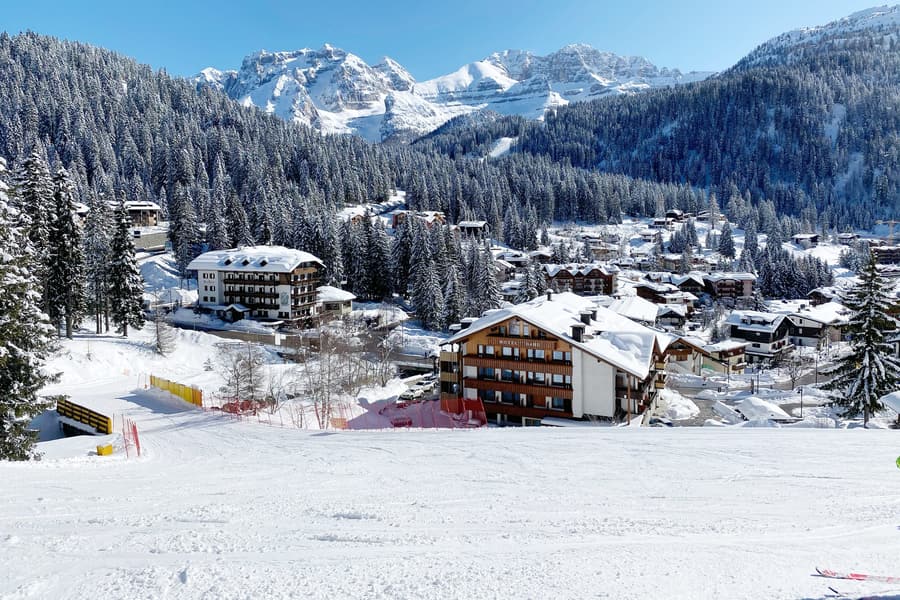 Madonna di Campiglio Trentino's smartest ski town, about 1h15 west.
 -
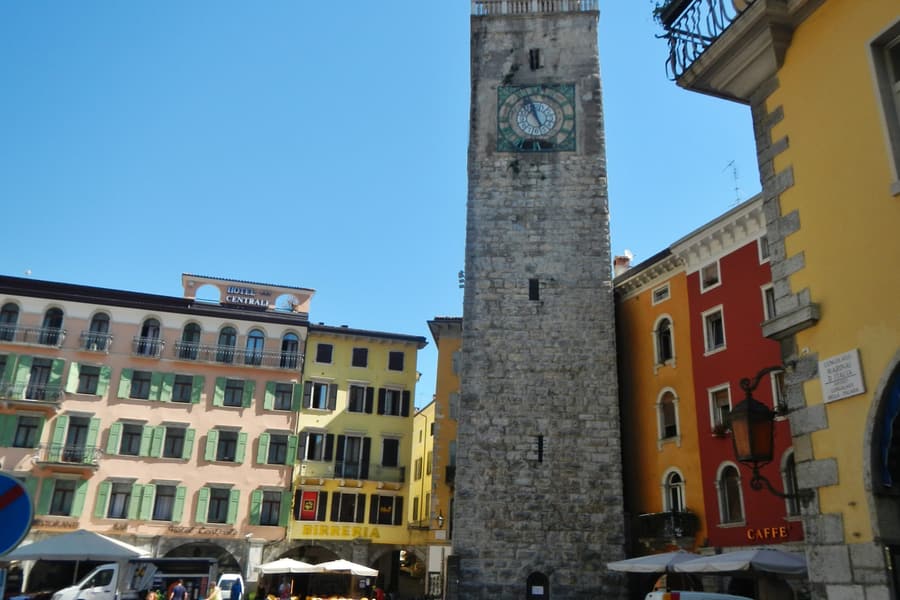 Riva del Garda The mountain-walled northern tip of Lake Garda, 45 minutes south.
 -
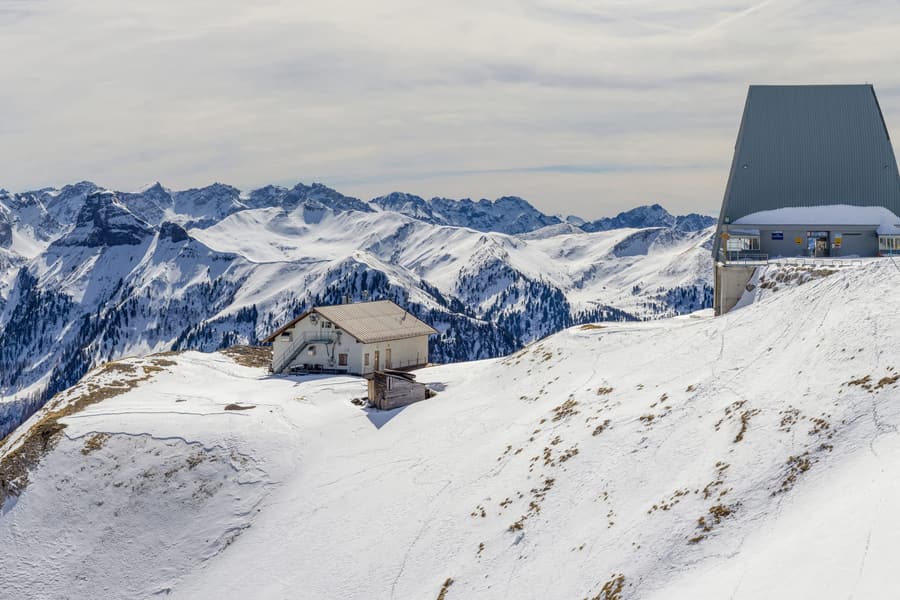 Val di Fassa & the Marmolada The Ladin valley under the Dolomites' only glacier, about 1h30 east.
Practical
- Best time to go
- June–September for the mountains and the lakes; December–March for skiing. Trento itself is pleasant year-round and has a well-liked Christmas market. The shoulder weeks in May and November are when mountain lifts and hotels close between seasons — check before booking then.
- Getting there
- Verona (VRN) is an hour south and the practical airport; Bergamo, Venice and Innsbruck are all reachable. The Brenner railway puts Verona at 1h, Bolzano at 40 minutes and Munich at about 5h. The station is five minutes from the old town.
- Getting around
- Walk the centre. A cable car climbs from the city to Sardagna in four minutes for the view. Trentino Trasporti buses reach the valleys, and the Trentino Guest Card — given free by many hotels — covers them along with the museums. A car helps for the high valleys but is not needed for the city.
- Eat & drink
- Trentino cooking sits between Italy and the Alps: canederli (bread dumplings) in broth, strangolapreti with spinach and butter, polenta with mushrooms or with lucanica sausage, and smoked trout from the mountain lakes. Then apples — Val di Non produces a large share of Italy's crop — and grappa, which is taken seriously here. Teroldego is the local red; Trentodoc, made by the traditional method at altitude, is the sparkling wine and Ferrari the best-known house.
- Know before you go
- The MUSE aquarium and greenhouse levels get busy with school groups on weekday mornings. Mountain roads to Campiglio and the Val di Fassa are slow in summer traffic and can need chains or winter tyres from November to April — this is legally enforced in Trentino. Many valley hotels close in late April and again in November.