Venice is built on 118 islands in a lagoon, has no roads, and is sinking and shrinking at the same time — the resident population of the historic centre is now under 50,000, against roughly 20 million visitors a year. Both facts matter to how you visit. The city divides into six sestieri, and the difference between the Venice of the queue at St Mark's and the Venice people fall in love with is about four hundred metres in any direction: Cannaregio's northern fondamente, the Castello backstreets beyond the Arsenale, the Giudecca at dusk.
There is no second Venice. Beyond the obvious — the Basilica's gold mosaics, the Doge's Palace, the Grand Canal — it holds Tintoretto's Scuola Grande di San Rocco, Titian at the Frari, the Accademia, the Guggenheim and, in odd-numbered years, the Art Biennale. And the lagoon islands, Torcello especially, are where the whole thing started.
Things to do
- St Mark's Basilica — 8,000 m² of gold mosaic. Book a timed entry, and pay the small extra for the Pala d'Oro and the loggia with the bronze horses.
- The Doge's Palace — The republic's machinery of government, plus the Bridge of Sighs and the prisons. The Secret Itineraries tour gets you into the interrogation rooms.
- Scuola Grande di San Rocco — Fifty-odd Tintorettos, floor to ceiling, in the room they were painted for. Often nearly empty. Take one of the mirrors provided.
- Vaporetto 1 down the Grand Canal — Board at Piazzale Roma or Ferrovia and ride to San Marco at golden hour. Stand at the front.
- The Rialto market and a bàcaro crawl — Fish market from 07:30 (closed Sundays and Mondays), then cicchetti and a spritz around Campo Cesare Battisti.
- Torcello, Burano and Murano — Line 12 north. Torcello's cathedral holds an eleventh-century Last Judgement mosaic and about forty residents.
- The Biennale — Art in odd years, architecture in even, from spring to November across the Giardini, the Arsenale and dozens of palazzi.
Tickets & tours
-
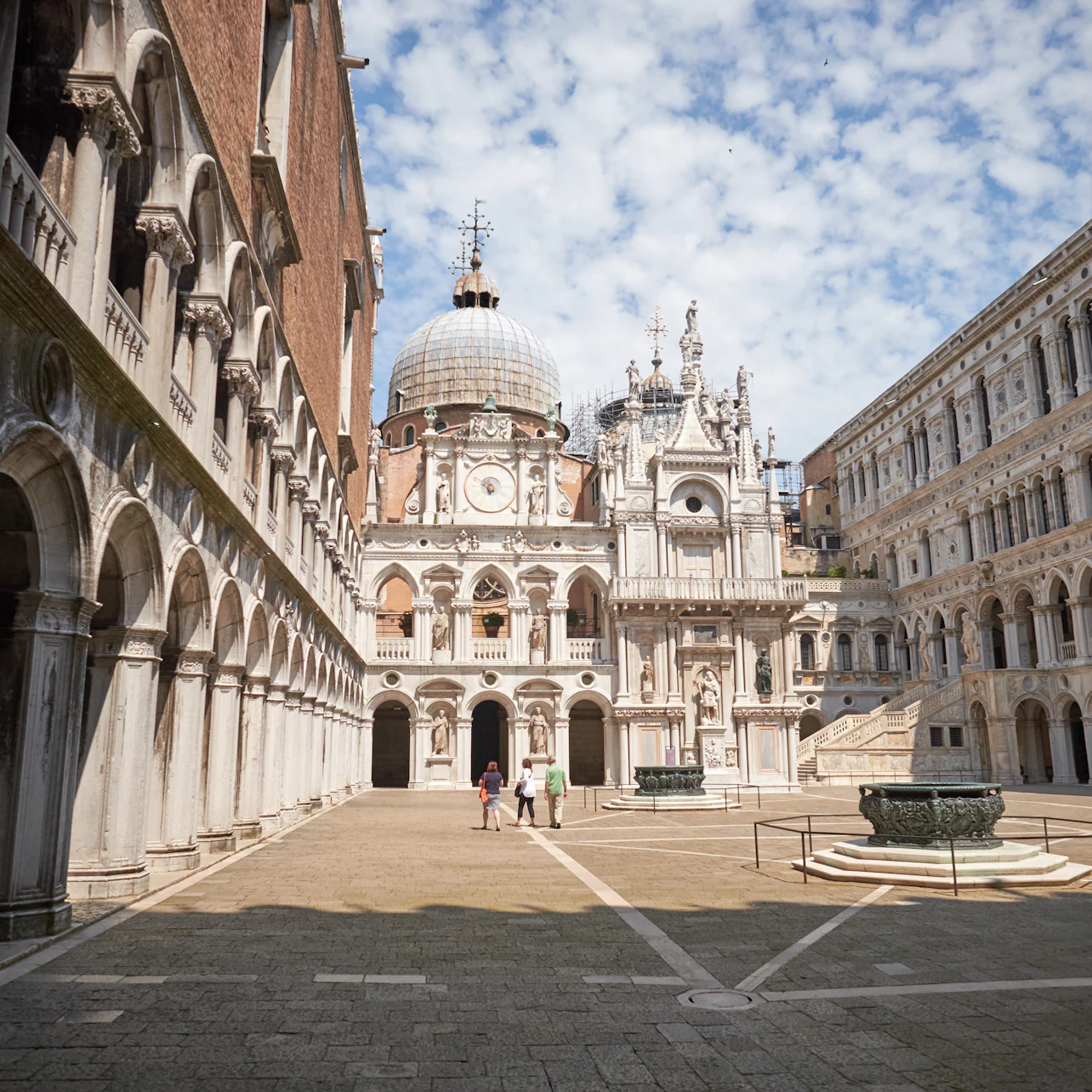 Doge's Palace: Skip The Line From £29.85 · 4.6/10
 -
 Doge's Palace: Fast Track Ticket From £32.19 · 4.6/10
 -
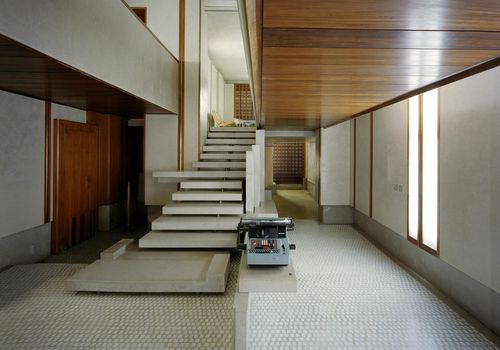 Negozio Olivetti: Entry Ticket From £13.16 · 4.8/10
 -
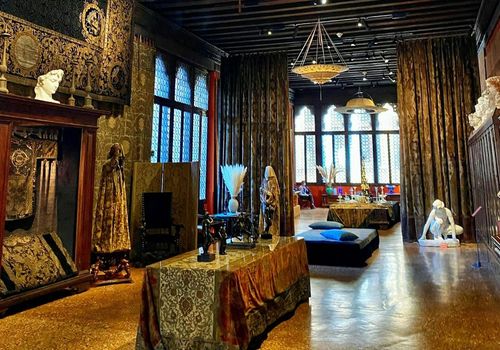 Palazzo Fortuny: Entry Ticket From £9.33 · 4.6/10
 -
 Venice: Saint Mark's Basilica Ticket From £10.66
 -
 The Venice Pass From £75.05 · 4/10
 -
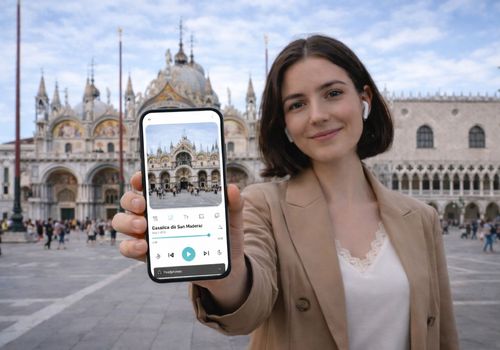 Venice: Saint Mark's Basilica Ticket & Audio Tour with a City Walk From £14.92 · 3.7/10
 - Doge's Palace: Fast Track Entry From £29.73 · 4.6/10
Where to base yourself
The Venice neighbourhoods worth knowing before you book.
- Coming soon San Marco The postcard sestiere — Basilica, Doge's Palace, Florian's. Convenient, expensive, and empty of Venetians. Fine for one or two nights.
- Coming soon Dorsoduro The Accademia, the Guggenheim, the Zattere promenade and the university. The best all-round base: central, characterful and with real bars.
- Coming soon Cannaregio The northern half, including the world's first Ghetto (1516). Long sunlit fondamente, the best bàcari, and prices a third below San Marco.
- Coming soon Castello East of San Marco: the Arsenale, the Biennale gardens, and quiet residential calli within ten minutes of the Basilica.
- Coming soon San Polo & Santa Croce The Rialto market, the Frari and the Scuola Grande di San Rocco. Central, workmanlike, good value.
- Coming soon Giudecca Across the water, with the best view back at the city and a five-minute vaporetto hop. Quiet, and where the room rates fall away.
3 days in Venice
- Day 1 San Marco and the water
Basilica on the earliest booked slot, then the Doge's Palace. Lunch away from the square in Castello. Afternoon: vaporetto 1 the full length of the Grand Canal and back. Evening cicchetti in Cannaregio.
- Day 2 The other Venice
Rialto fish market at opening, then the Frari for Titian's Assumption and San Rocco for the Tintorettos. Lunch in San Polo. Afternoon in Dorsoduro — Accademia or the Guggenheim — and sunset from the Zattere or the Giudecca.
- Day 3 The lagoon
Line 12 from Fondamente Nove: Murano for glass, Burano for the painted houses and lace, Torcello for the mosaics and the silence. Back mid-afternoon; last evening walking Castello with no map.
Day trips
Worth the train or the drive from Venice.
-
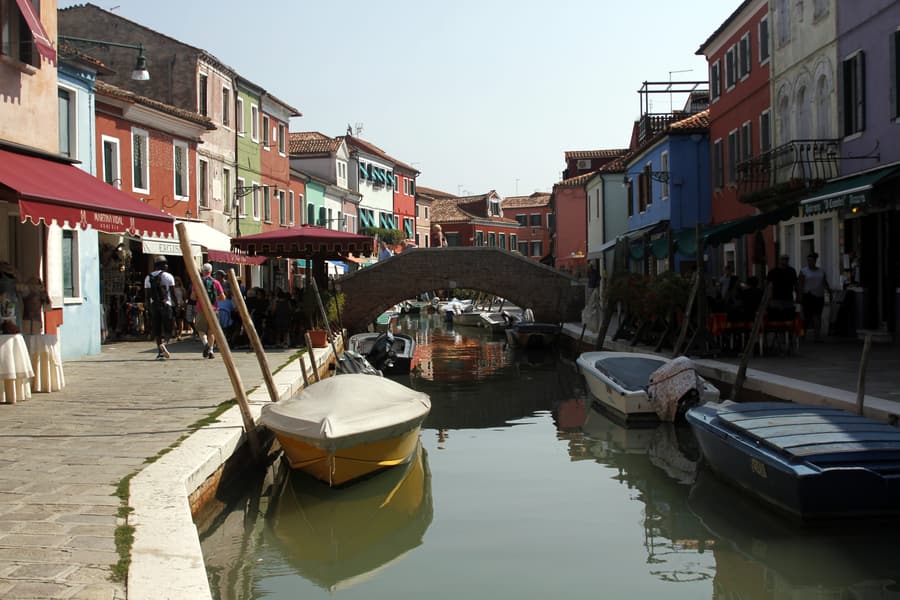 Murano & Burano The lagoon islands — 40 minutes by vaporetto, and a different city.
 -
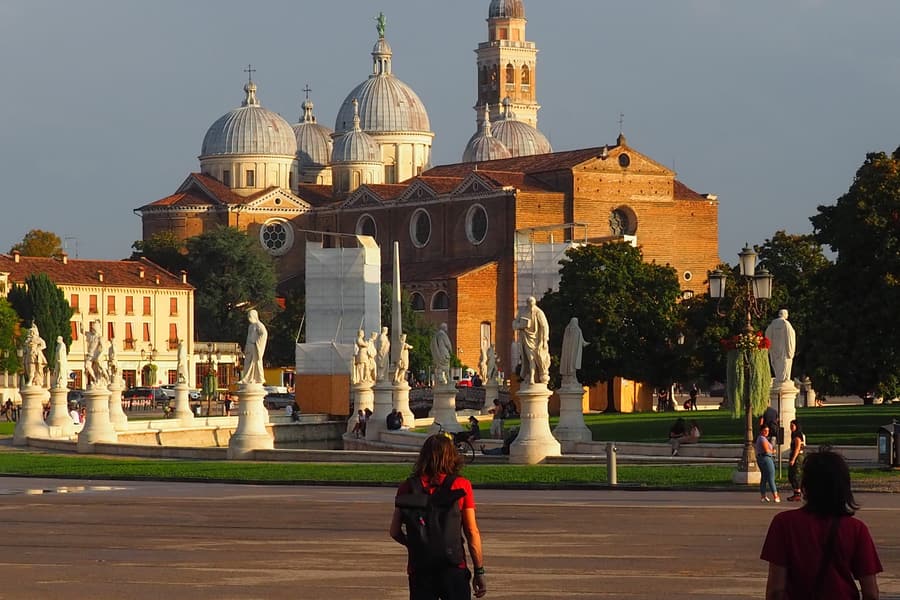 Padua 25 minutes by train, for Giotto's Scrovegni Chapel — book well ahead, entry is in 15-minute batches.
 -
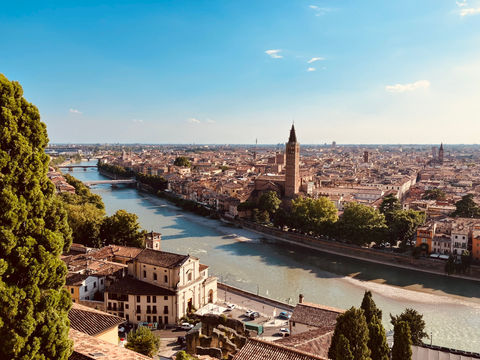 Verona The Arena, and the opera season from June to September. 1h10 by fast train.
 -
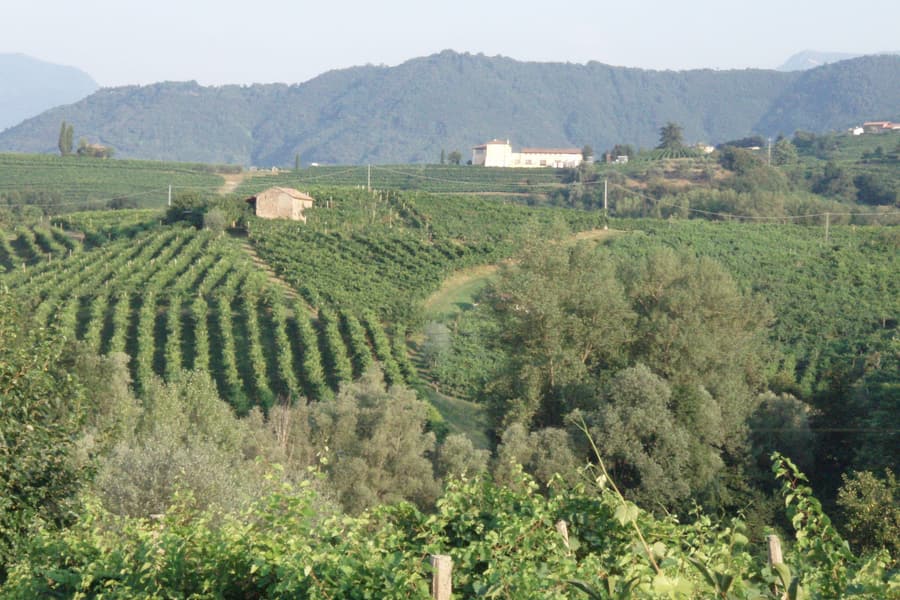 Prosecco Hills of Conegliano & Valdobbiadene The UNESCO vine terraces around Valdobbiadene, about 90 minutes by car.
 -
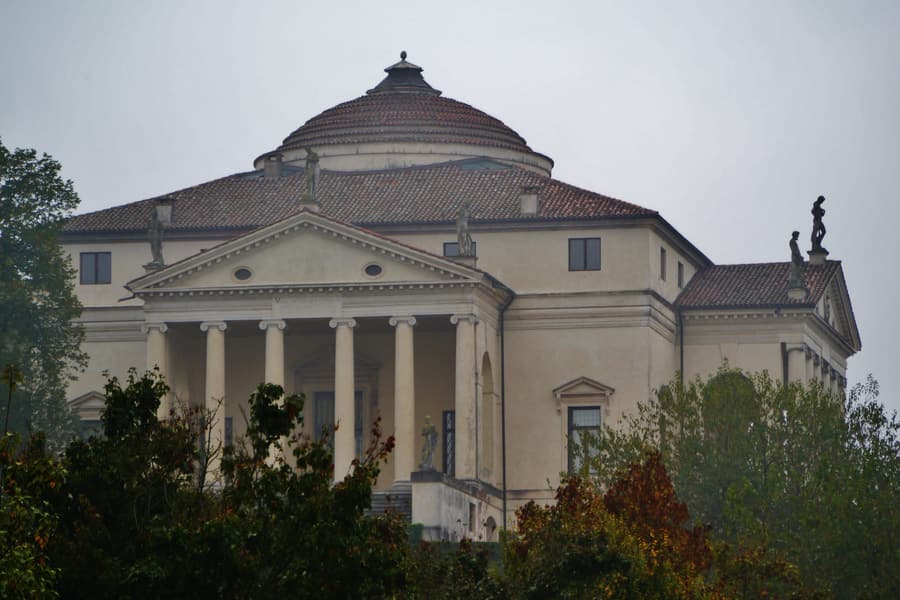 Villa La Rotonda Palladio's most imitated building, on the edge of Vicenza — 45 minutes by train plus a bus.
 -
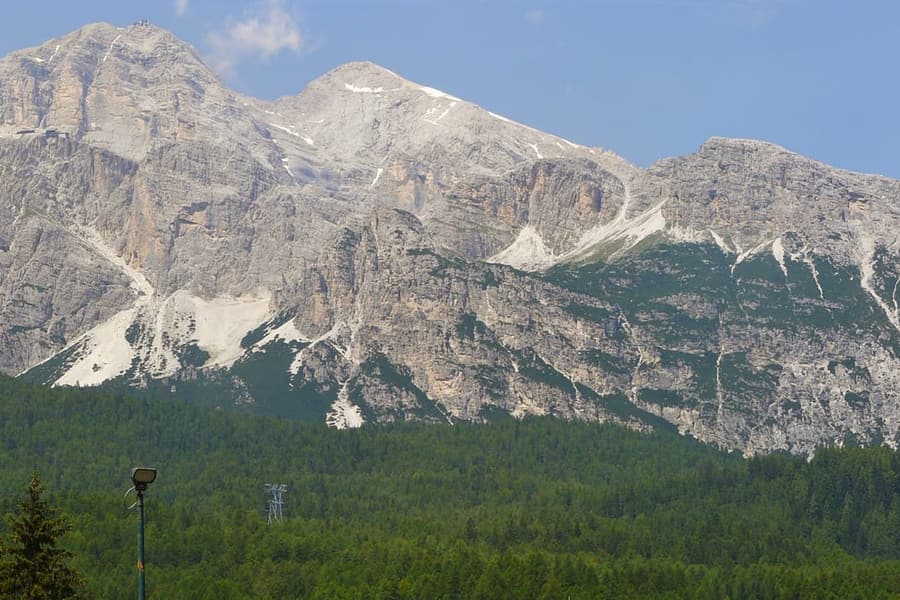 Cortina d'Ampezzo The Dolomites are two hours north — long as a day trip, ideal as the next stop.
Practical
- Best time to go
- Late September–October and April–May. November–February is cold, often foggy, sometimes flooded — and by far the most atmospheric and cheapest, with Carnevale in late January or February. Avoid July and August: 33°C, still air over the canals, and cruise-day crowds. Note the access fee for day-trippers on peak days (overnight guests are exempt but pay the tourist tax through the hotel) — check the current dates before booking a day visit.
- Getting there
- Marco Polo (VCE) is 20 minutes by land bus to Piazzale Roma or 70 minutes by Alilaguna boat to San Marco; Treviso (TSF) serves the low-cost carriers, 70 minutes by bus. Trains stop at Venezia Mestre (mainland) and Venezia Santa Lucia (in the city, on the Grand Canal) — always book through to Santa Lucia. Milan is 2h25, Florence 2h, Rome 3h45.
- Getting around
- On foot and by vaporetto. Line 1 runs the length of the Grand Canal and is the cheapest sightseeing in Italy; lines 4.1/4.2 and 5.1/5.2 circle the city. Single tickets are expensive (€9.50), so buy a 24/48/72-hour pass if you will make more than two trips a day. Traghetti — standing gondola ferries — cross the Grand Canal for a couple of euros where there is no bridge. Water taxis are fast and cost around €70–€110 from the airport.
- Eat & drink
- Venetian food is lagoon food: sarde in saor (sweet-sour sardines), baccalà mantecato, moeche (soft-shell crab, spring and autumn only), risotto with go fish or peas, and cuttlefish in its own ink. The institution is the bàcaro — a small bar serving cicchetti, one-bite snacks, with an ombra (small glass) of wine, standing up, from late morning. Do a bàcaro crawl around the Rialto market or in Cannaregio rather than sitting down to a set menu.
- Know before you go
- Anything with a menu turistico near San Marco is a trap; so is a gondola without an agreed price (official rate is €90 for 30 minutes daytime, €110 after 19:00, per boat not per person). Acqua alta floods St Mark's Square a few times each winter — the MOSE barriers now close for the worst of it, and the city posts forecasts. Wheeled suitcases over bridges are a misery; pack light, genuinely.