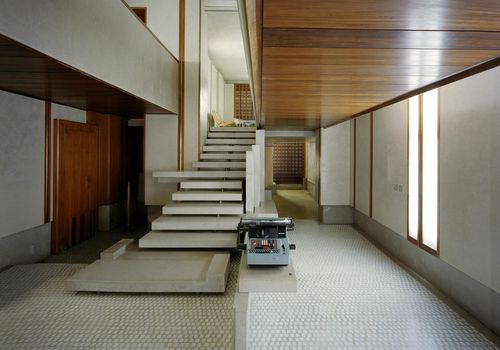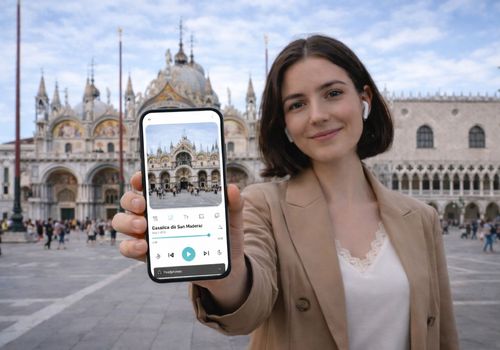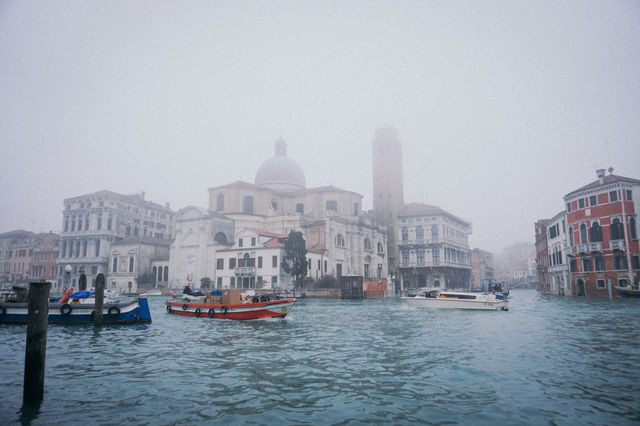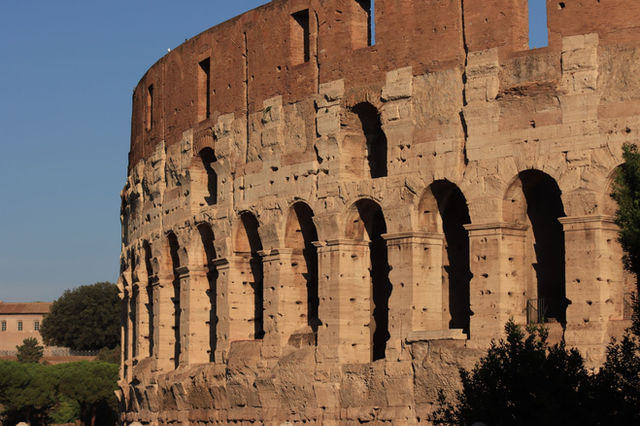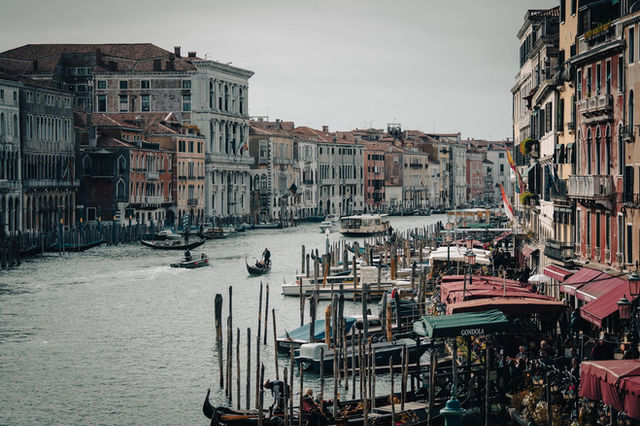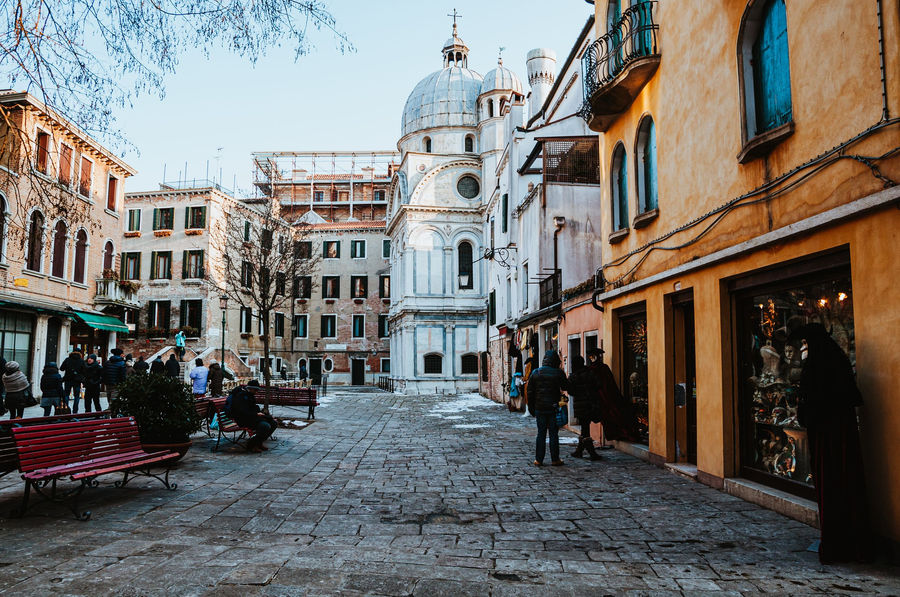
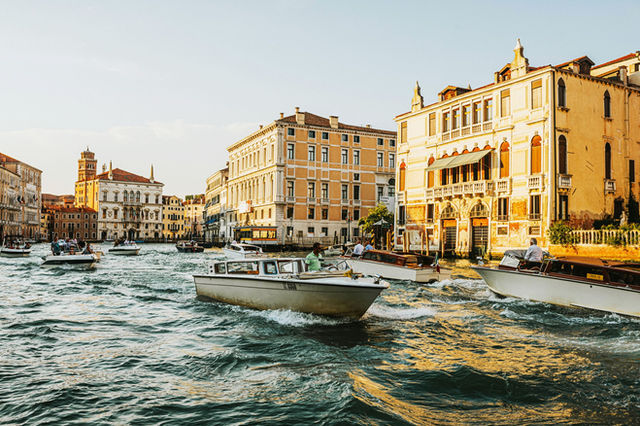
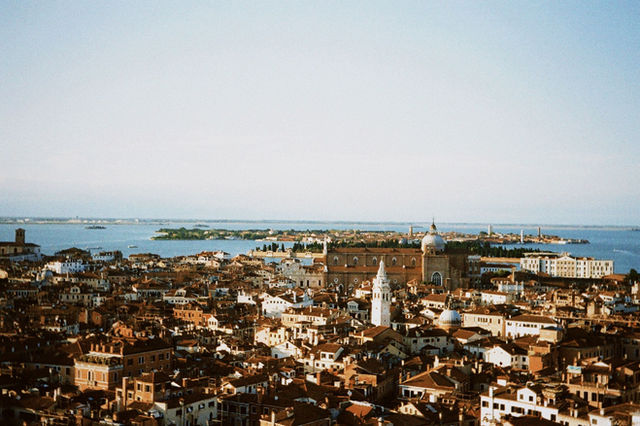
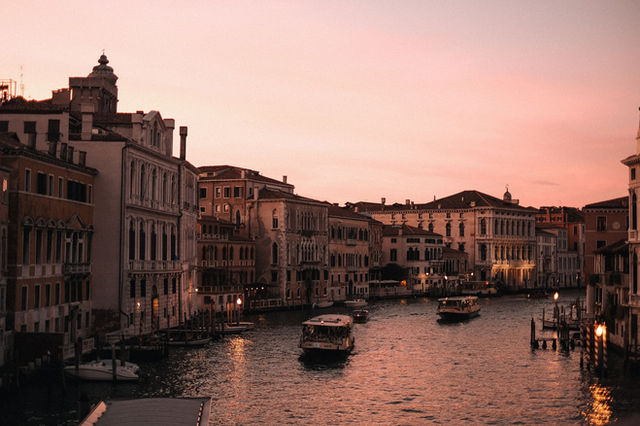
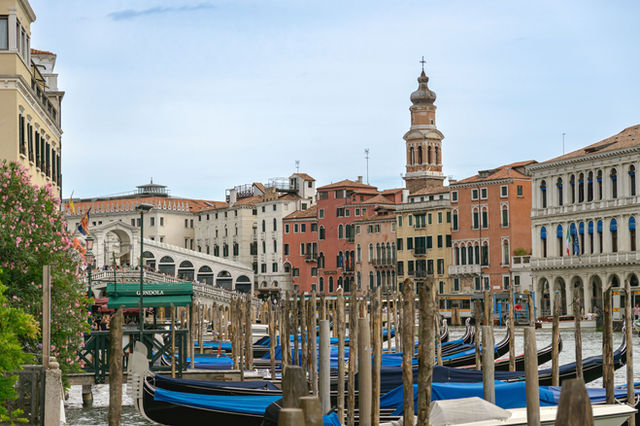
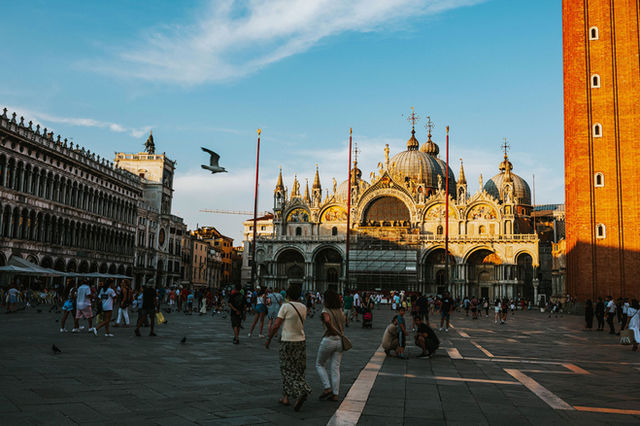
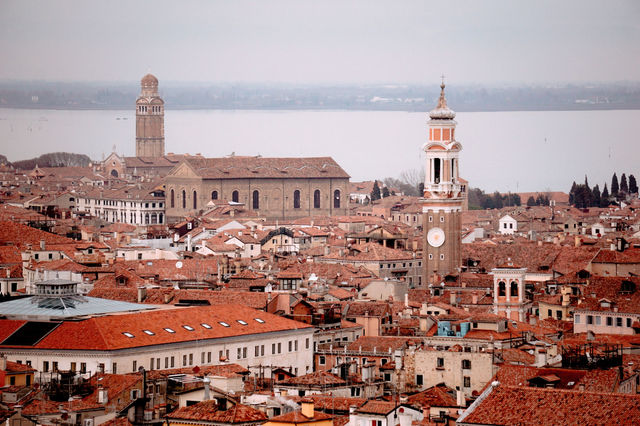
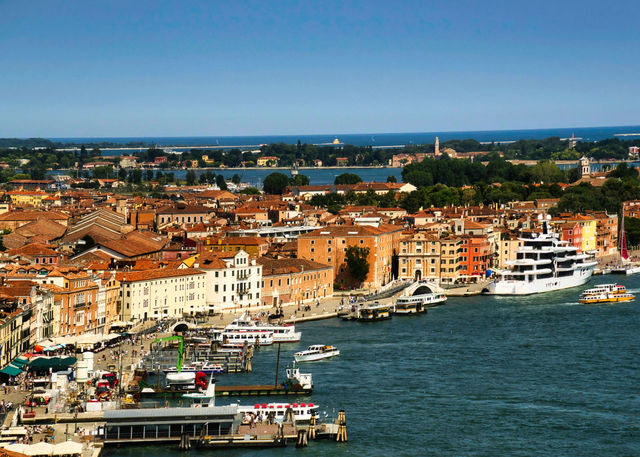
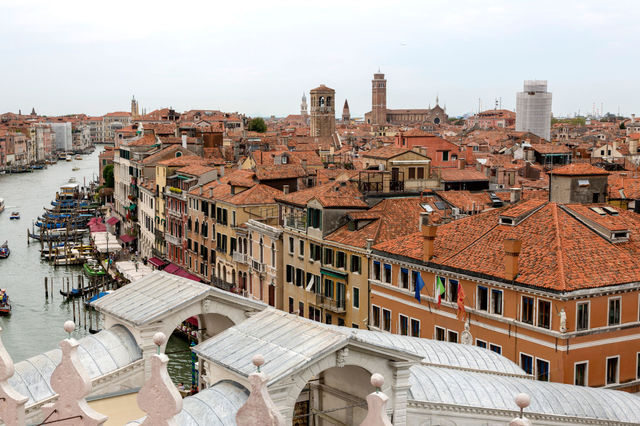
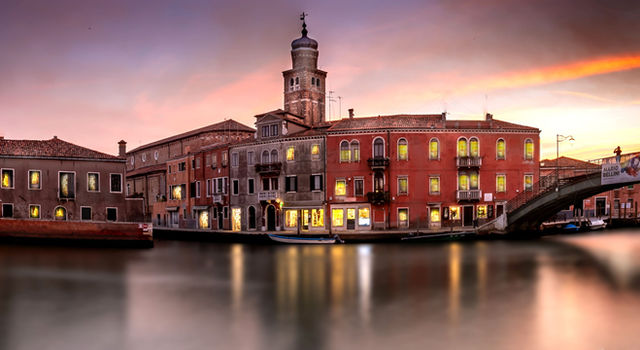
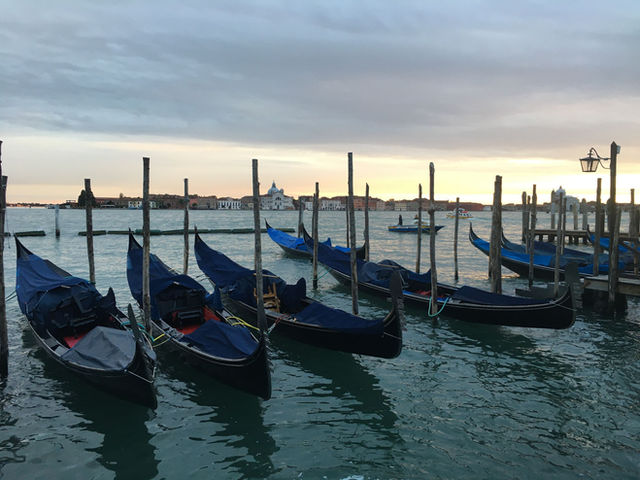
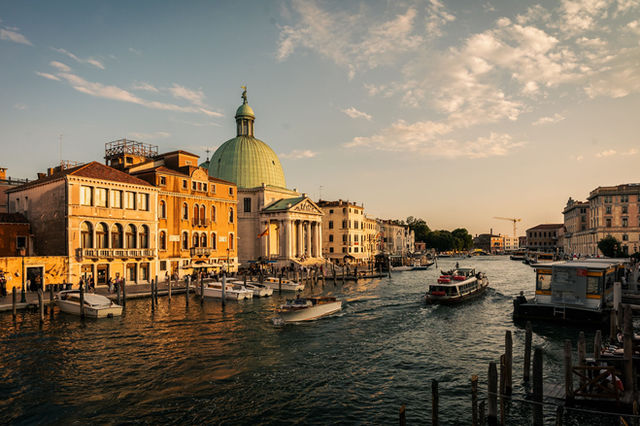
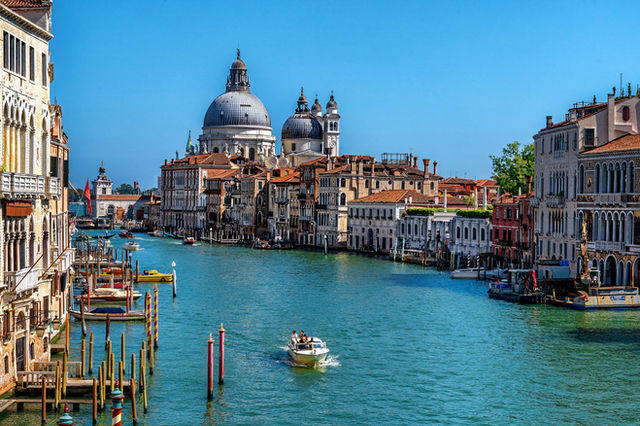
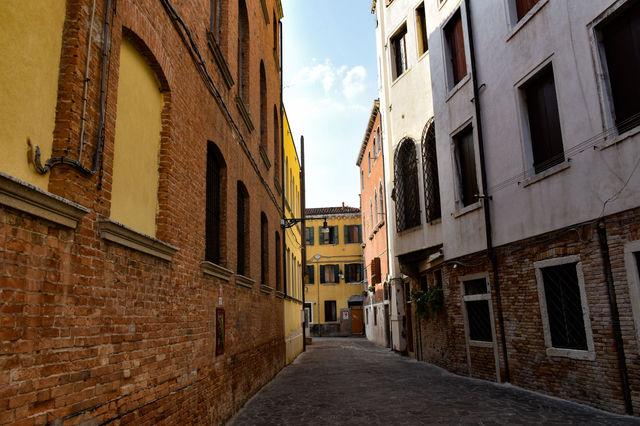
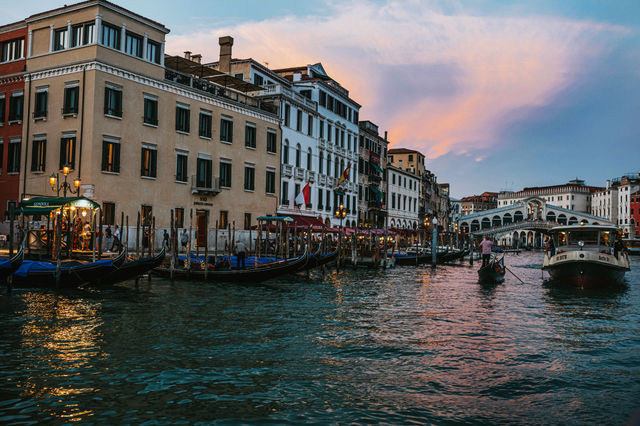
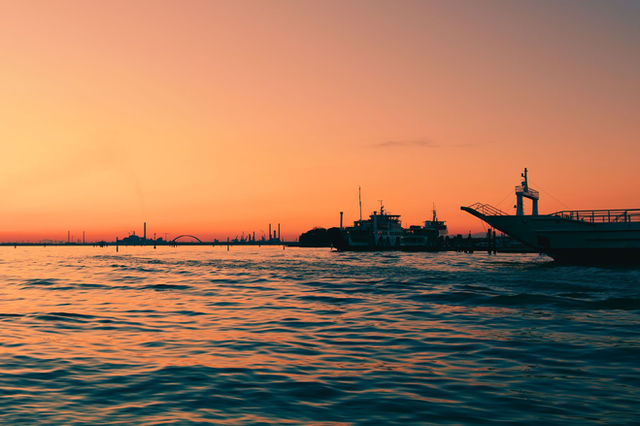
Built on water, draped in history — Venice is a floating masterpiece of canals, palaces and timeless Venetian magic.
City
April – May, October
VCE
3–5 days (3 days covers the highlights; 5 days allows lagoon island day trips and neighbourhood exploration)
▸ Discover
About Venice
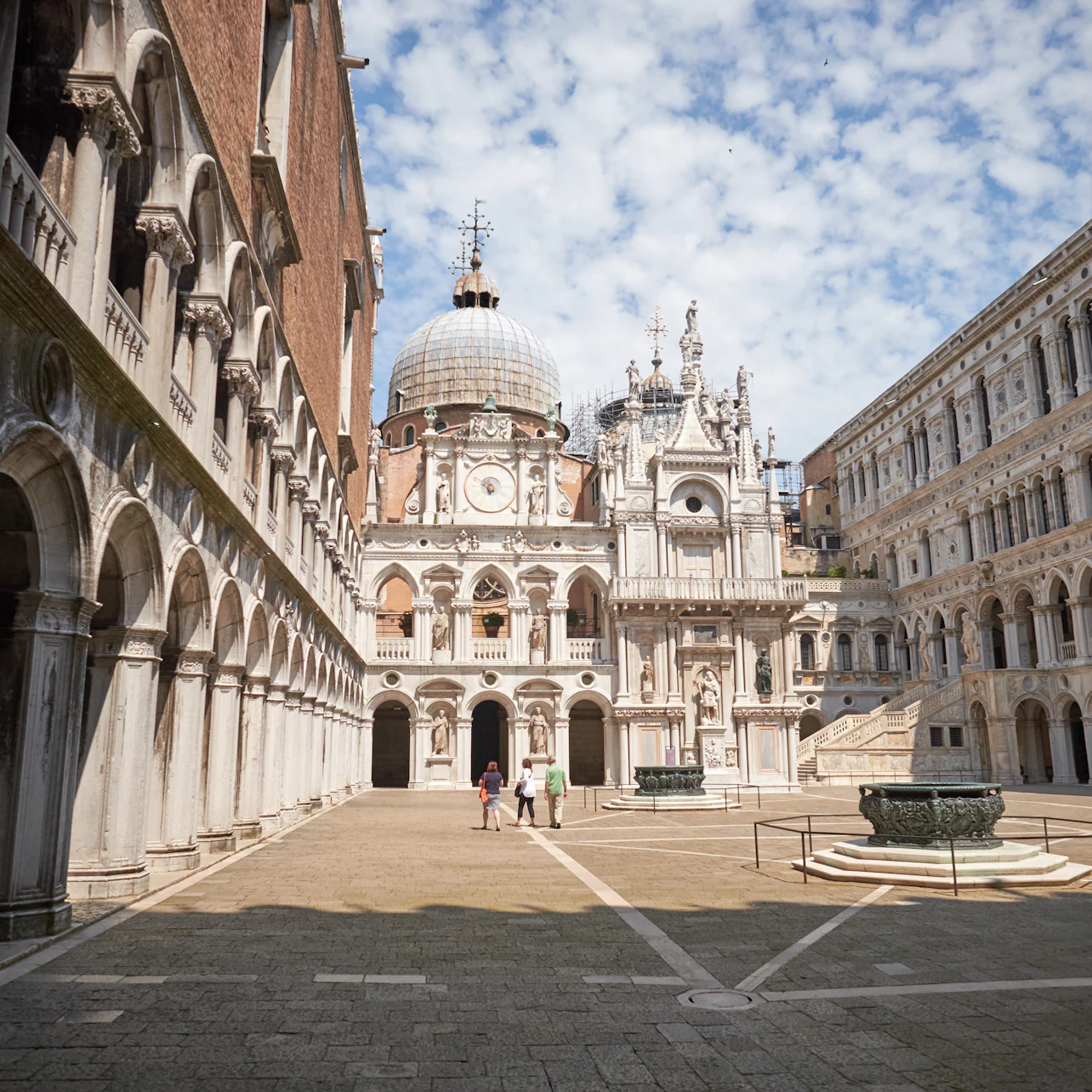
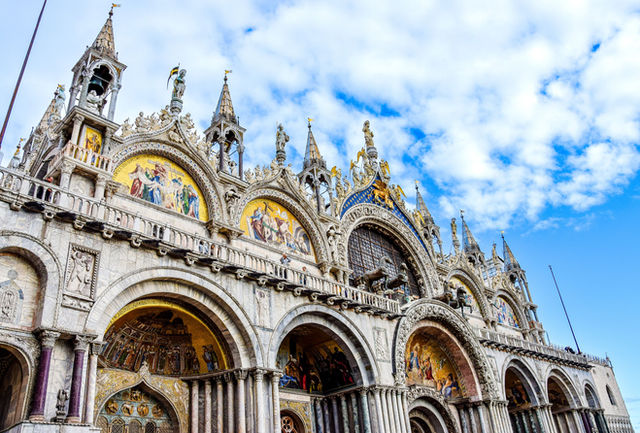
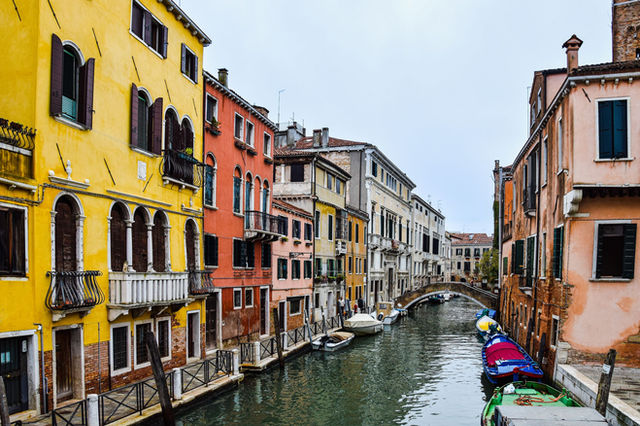
Venice is a miracle of engineering and will — a city of 118 islands connected by 400 bridges, where no cars have ever driven. St Mark's Basilica glitters with Byzantine gold; the Doge's Palace whispers of intrigue and empire. The absence of traffic makes it supremely child-friendly. Visit in April or October to avoid the summer crowds and experience the city's dreamlike quality undiluted.
Why go
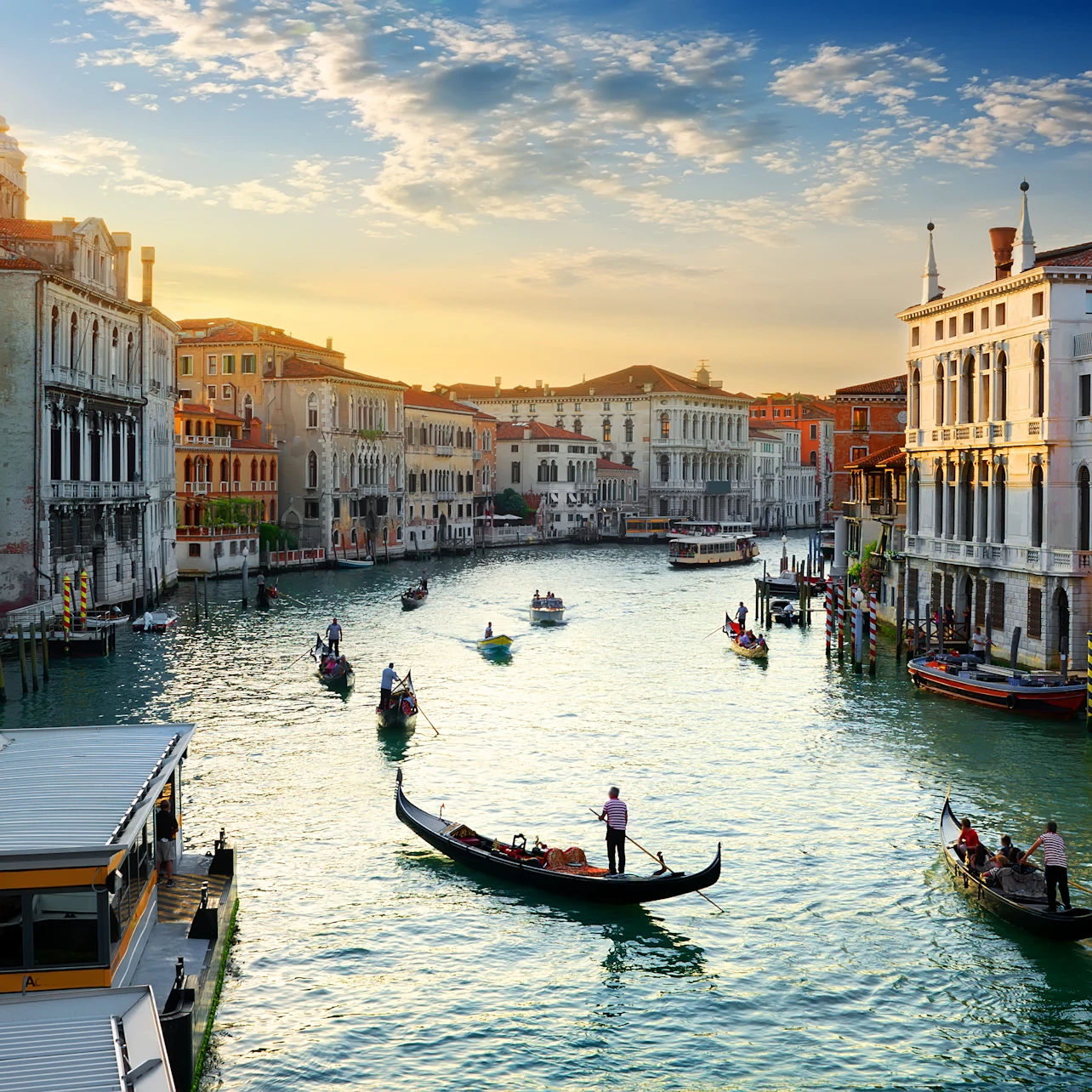
Venice rewards visitors of all ages and interests, but for families it offers something particularly powerful: an entire city that functions as a living history lesson, an art gallery without walls, and a logistical adventure all at once. Teenagers who might tune out a conventional museum tend to come alive when navigating Venice's maze of alleys by paper map, crossing bridges and getting happily lost in sestieri that no GPS can quite capture. The absence of cars — and the presence of gondolas, vaporetti and delivery barges — makes the whole city feel like a parallel world, which it essentially is.
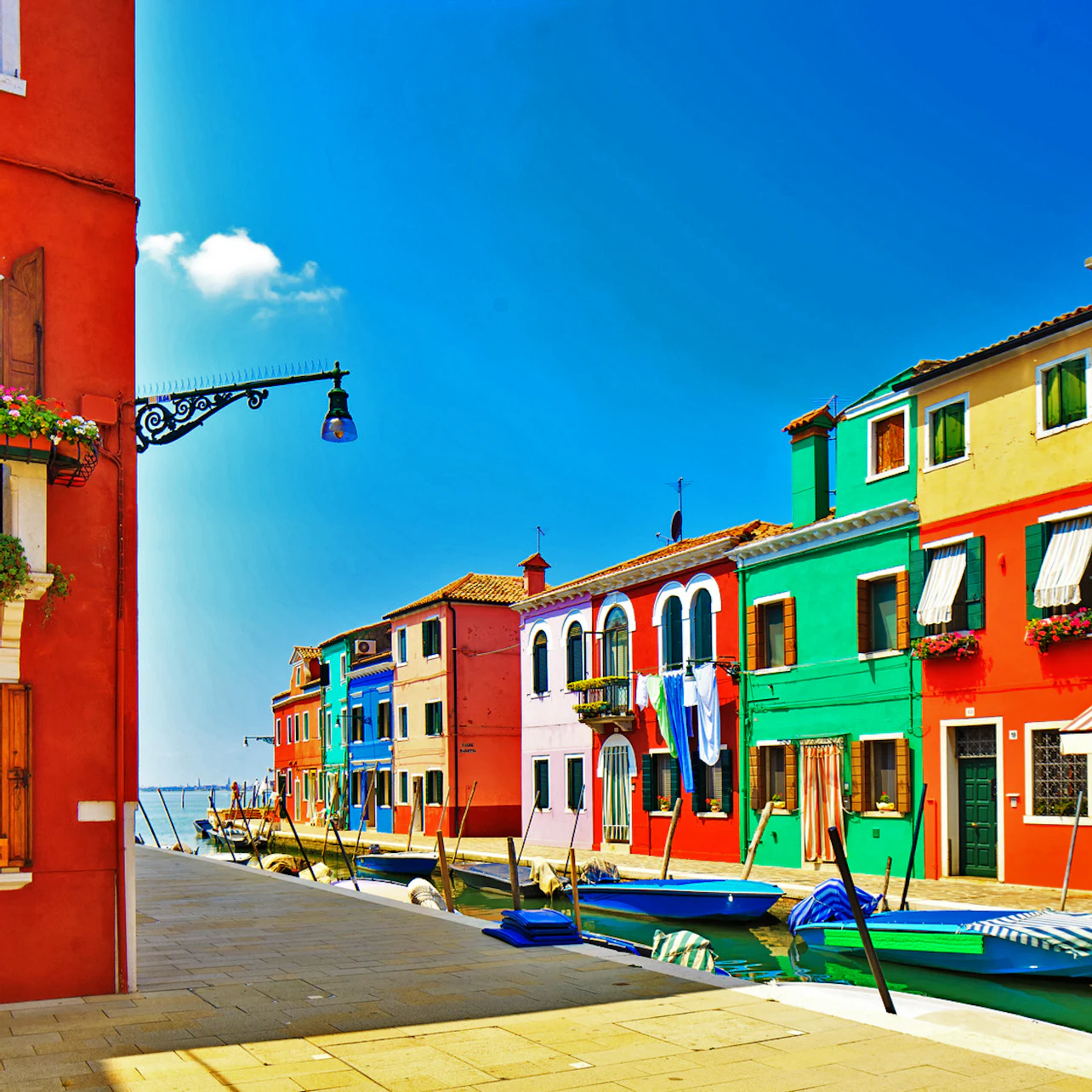
Beyond the novelty, Venice delivers serious depth. The Accademia houses one of Italy's greatest collections of Venetian painting; the Peggy Guggenheim Collection brings world-class modern art to a palazzo on the Grand Canal; glassblowing on the island of Murano has been practised for seven centuries and is genuinely fascinating to watch. The city is also a gateway to the broader Venetian lagoon — day trips to Burano (famous for its candy-coloured houses and lace) and Torcello (the lagoon's oldest settlement, almost eerily quiet) add variety to a longer stay. Add exceptional seafood, a festive calendar that peaks with the world-famous Carnival, and sunsets over the lagoon that border on the theatrical, and the case for visiting Venice makes itself.
Highlights
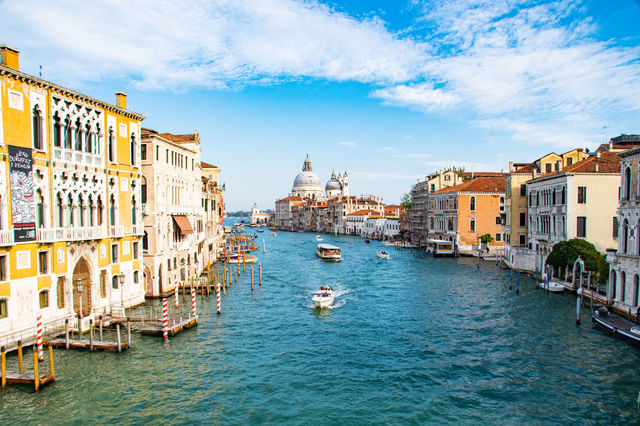
Grand Canal vaporetto ride
St Mark's Basilica Byzantine mosaics
Doge's Palace and Bridge of Sighs
Murano glass-blowing demonstration
Burano coloured houses island
Rialto Market fresh seafood
Venice in photos
Photo: szeke · BY-SA 2.0 · OpenversePhoto: v923z · BY 2.0 · OpenversePhoto: HarshLight · BY 2.0 · OpenversePhoto: archer10 (Dennis) · BY-SA 2.0 · OpenversePhoto: trishhartmann · BY 2.0 · OpenversePhoto: kevgibbo · BY 2.0 · OpenversePhoto: JamesCanby · BY-ND 2.0 · OpenversePhoto: JamesCanby · BY-ND 2.0 · OpenversePhoto: gruntzooki · BY-SA 2.0 · OpenversePhoto: gruntzooki · BY-SA 2.0 · OpenversePhoto: llamnudds · BY-SA 2.0 · OpenversePhoto: llamnudds · BY-SA 2.0 · OpenversePhoto: Robert.Pittman · BY-ND 2.0 · OpenversePhoto: Artur Staszewski · BY-SA 2.0 · OpenversePhoto: o palsson · BY 2.0 · OpenversePhoto: Arian Zwegers · BY 2.0 · OpenversePhoto: archer10 (Dennis) · BY-SA 2.0 · OpenversePhoto: Nicola since 1972 · BY 2.0 · OpenversePhoto: Pedro Nuno Caetano · BY 2.0 · OpenversePhoto: Pedro Nuno Caetano · BY 2.0 · Openverse
Neighbourhoods
Coming soon
Neighbourhood-by-neighbourhood guides to Venice are on the way.
▸ Where you'll stay
Where you'll stay in Venice
Live map of hotels and villas around Venice — powered by Stay22. Pan, zoom and compare live prices to pick your base.
Stay
Hotels & rentals around Venice
Pan, zoom and compare live prices — every stay in one map.
▸ Getting around
Getting around Venice
Venice has no roads and no cars. The city is navigated entirely on foot across its network of narrow calli, campos and bridges, or by water across its canals. This is one of the city's great pleasures, though it does require some adjustment — luggage with wheels becomes a burden on bridge steps, and the labyrinthine layout means even experienced visitors get lost regularly. Embrace it: getting lost in Venice is rarely a problem and often leads to the best discoveries.
The primary public transport system is the vaporetto, Venice's waterbus network operated by ACTV. Vaporetti run along the Grand Canal (line 1 is the scenic slow route; line 2 is faster), around the perimeter of the main islands, and out to Murano, Burano, Torcello and the Lido. A single vaporetto ticket costs around €9.50, which makes day passes (around €25–£30 per person) far better value for anyone planning more than two or three journeys. The ACTV Venezia Unica card covers unlimited vaporetto travel over 24, 48, 72 or 7-day windows and can be loaded with museum passes and other services — worth buying online before arrival. Children under six travel free.
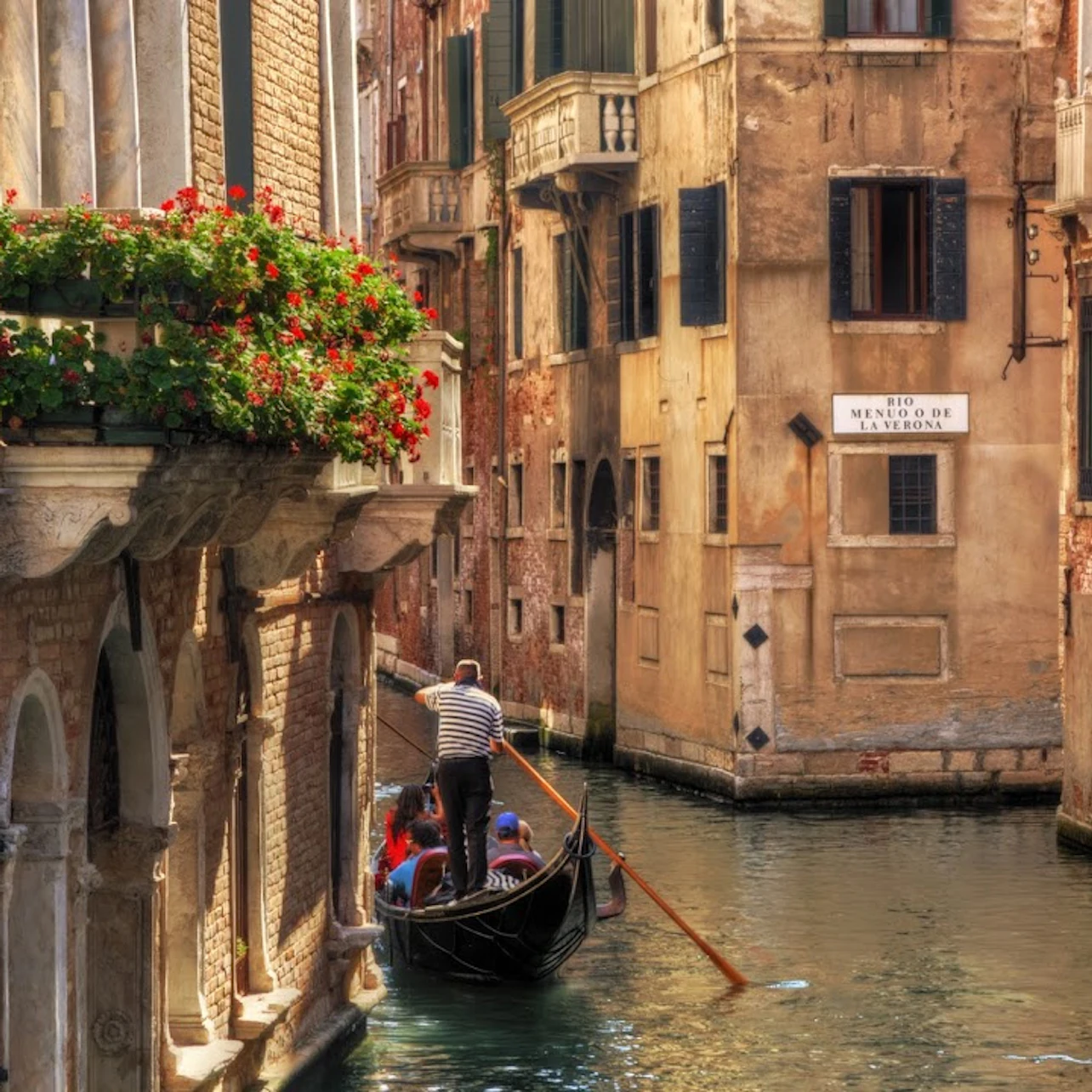
Gondolas are a quintessential Venetian experience but are priced as such: official rates start from around €90 for a 30-minute ride (higher in the evening), per gondola rather than per person, so a family sharing one is relatively reasonable. They are best thought of as a one-off experience rather than transport. Traghetti — the standing gondola ferries that cross the Grand Canal at several fixed points — cost just €2 per crossing and are used daily by locals; a much more authentic (and affordable) experience. Water taxis are available but expensive, from around €15 as a flag-fall with metered costs on top.
Venice's public transport network is operated by ACTV and consists entirely of water-based services — there are no buses, trams or metro within the islands themselves. The workhorse of the network is the vaporetto, a flat-bottomed waterbus that operates on numbered lines across the city and out to the lagoon islands. Line 1 runs the full length of the Grand Canal, stopping at every station — slow, scenic and crowded; line 2 is the faster express alternative covering the same route with fewer stops. Lines 4.1 and 4.2 form a circular route around the perimeter of the main island and serve Murano, while lines 12 and 14 connect to Burano, Torcello and the Lido respectively.
Single tickets cost around €9.50 and are valid for 75 minutes from validation. Given this price, multi-day passes represent significantly better value for anyone planning more than a couple of journeys per day. The Venezia Unica travel card is available in 24-hour (approximately €25), 48-hour, 72-hour and 7-day formats, and can be linked to a contactless card or loaded onto a physical card bought at vaporetto stops or the ACTV office at Piazzale Roma. Children under six travel free; reduced fares apply for children aged 6–14 on some pass types. The system covers all ACTV vaporetto routes, meaning a single pass handles both city transport and day trips to Murano, Burano and Torcello. Tickets and passes must be validated at the yellow readers at each stop before boarding — inspectors do check, and unvalidated tickets result in on-the-spot fines.
▸ What you'll do
Insider tips
• Arrive at the Basilica di San Marco before 9am or pre-book a time slot online — the queue without a reservation can exceed two hours by mid-morning in summer, and the interior is genuinely breathtaking enough to justify the logistical effort.
• The traghetti gondola crossings (€2 per person, standing up, as locals do it) cross the Grand Canal at several points between the main vaporetto stops — they are one of the most authentically Venetian experiences available and cost almost nothing.
• For the best cicchetti in the city without paying tourist-trail prices, head to the Cannaregio neighbourhood around the Strada Nova, or the area between Campo Santa Margherita and the Zattere in Dorsoduro, where bacari cater primarily to students and residents.
• The Chorus Pass gives access to around 15 of Venice's most beautiful parish churches (which would otherwise charge individually) for a single combined fee of around €12 per adult — churches like the Frari and Santo Stefano are genuinely world-class and far less crowded than the Basilica.
• Murano is worth a half-day trip, but go in the morning when the glassblowing furnaces are active and free demonstrations are running — afternoons are quieter and many workshops close. Take vaporetto line 4.1 or 4.2 from Fondamente Nove.
• Venice's acqua alta app (Città di Venezia) provides tide forecasts and siren alert codes — download it before you go if visiting between October and January so you know exactly when and where to expect flooding and can plan your routes accordingly.
Frequently asked
What's on
While you're there
14
JUL
Roberto Bolle and Friends at the Circo Massimo — Rome, July 2026
Via Del Pantheon 50, 00186 Roma Rome, Italy · ballet gala
Venice has a humid subtropical climate with warm, humid summers and cold, damp winters, moderated slightly by its position in the lagoon. Summer (June to August) is the peak tourist season, with temperatures typically reaching 27–32°C and high humidity that can feel oppressive in the narrow streets. It is also the busiest and most expensive period, with crowds at major sites (particularly San Marco) becoming genuinely overwhelming by midday. Thunderstorms can develop rapidly in the afternoon.
Spring (April to May) and early autumn (September to early October) are generally considered the best times to visit. Temperatures are pleasant — typically 16–24°C — crowds are somewhat thinner than peak summer, and the city's light has a quality that photographers and artists have been chasing for centuries. Late spring in particular sees the city at its most lush, with wisteria tumbling from palazzo walls and the canal reflections at their most vivid.
Autumn (October–November) brings cooler temperatures and the beginning of acqua alta season — the periodic high-water flooding that can inundate the lower parts of the city, most famously Piazza San Marco. Acqua alta is part of Venetian life rather than a crisis, and the raised walkways (passerelle) that the city puts out are perfectly manageable, but it is worth knowing about before you visit. Winter (December–February) is quiet, atmospheric and relatively cheap, with occasional snow adding a genuinely magical quality to the canals. The Carnival period (typically February, date varies by year) is the obvious exception — the city fills up dramatically and accommodation prices spike accordingly.
▸ Ready to book your trip?
Getting there
From London, the quickest route is by air into Venice Marco Polo Airport (VCE), located on the mainland about 12 kilometres north of the city. Multiple airlines operate direct flights from Heathrow, Gatwick and Stansted, with flight times of around two hours. Budget carriers including easyJet and Ryanair serve the route frequently, and fares from around £50–£80 one-way are achievable with advance booking, though peak summer and Carnival periods push prices significantly higher. A smaller airport, Treviso (TSF), is served by Ryanair and sits about 30 kilometres from Venice — transfers take longer and are less convenient, though fares can be cheaper.
From Marco Polo, getting into Venice itself involves a choice: the Alilaguna water bus takes around 75 minutes to reach San Marco and costs around €15 per person, offering a scenic introduction to the lagoon. A private water taxi is far faster (around 30 minutes) but costs from approximately €120 for the boat regardless of passenger count — reasonable for a family split across a taxi fare. Land buses (ACTV and ATVO) connect the airport to Piazzale Roma on the edge of Venice in around 20 minutes for roughly €8 per person, making them the most economical option if you don't mind wheeling luggage from the bus terminal.
Eurostar no longer runs direct London–Venice services, but the journey by rail is very doable: take the Eurostar from St Pancras to Paris, then a high-speed TGV or Trenitalia service through to Venice Santa Lucia station, which sits right on the Grand Canal. The full journey takes roughly 10–11 hours and works well as an overnight or split itinerary. Rail is a genuinely enjoyable option for families who want to arrive without jet lag and step directly off the train onto the waterfront.
Venice Marco Polo Airport (VCE)
Treviso Airport (TSF)
Verona Villafranca Airport (VRN)
Bologna Guglielmo Marconi Airport (BLQ)
Book
Ready to book your trip?
Flights, airport transfers and car hire to VCE — search and compare without leaving the page.
▸ Trip extras
Book
More trip extras
Parking, holiday extras, and more — coming soon.
Coming soon
We're lining up parking, holiday extras and activities you'll be able to add to any trip from here.