蔵王温泉スキー場, Zao Onsen Ski Resort
Frost-monster forests above an ancient spring town
Zao Onsen in Yamagata is famous for its 'snow monsters', fir trees encased in wind-driven rime ice that turn the upper mountain into an eerie frozen forest. Below sits an ancient sulphuric hot-spring town, making Zao one of northern Japan's most distinctive ski destinations.
- 792 m Base
- 1,661 m Top lift
- 869 m Vertical
- 17 Pistes mapped
- 35 Lifts
Best known for
Après & vibe
After skiing, the milky, sulphur-scented baths of Zao's centuries-old onsen quarter draw everyone in, followed by hearty Yamagata cooking in the town's inns and small restaurants.
The resort
Zao Onsen spreads across the slopes of the Zao mountains in Yamagata Prefecture, in the Tohoku region of northern Honshu. It is best known for a natural phenomenon: on the high, exposed upper mountain, cold winds and supercooled moisture plaster the fir trees in thick rime ice, creating the ghostly 'juhyo', or snow monsters, that Zao is celebrated for. The skiing itself is extensive and varied, with long descents threading down from the frosted summits to the warm valley below. At the base lies one of Japan's oldest hot-spring resorts, its steaming, acidic waters used for well over a thousand years. It is a mountain of striking contrasts, frozen sculpture above, thermal comfort below.
Zao offers something no other resort quite matches: the chance to ski among the surreal snow monsters, by day or under floodlights at night. Add a genuinely large and varied ski area and a historic sulphur-spring town, and it appeals to skiers who want scenery and culture as much as vertical. It suits intermediates who love long, scenic cruising and anyone drawn to a distinctively Japanese onsen experience away from the international crowds.
The character of a Zao winter is shaped by wind and cold: the same conditions that grow the snow monsters mean the exposed upper mountain can be raw and stormy, while lower, sheltered runs offer more forgiving skiing. Frequent falls keep the pistes topped up, and the rime formations thicken as midwinter deepens. It is a place where weather is part of the spectacle rather than merely an inconvenience.
Snow & weather
Live conditions from the mountain, plus the average snow you can expect month by month.
- Feels like
- —
- Conditions
- —
- Wind
- —
- Fresh snow (3-day)
- —
Live data © Open-Meteo.com
Reliable through the core season: Zao's Tohoku position and altitude bring frequent, cold snowfalls, with the exposed summits guaranteeing wintry conditions well into the season.
Average monthly snowfall
Snowfall climatology unavailable.
Terrain & aspect
- Novice
- Easy
- Intermediate
- Advanced
Slopes mostly face W — 68% on snow-holding, poleward-facing slopes.
Aspect derived from run bearings · OpenSkiStats / © OpenStreetMap (ODbL).
Skiing & terrain
Gentle lower slopes give beginners room to progress before venturing higher.
Long, sweeping courses from mid-mountain are Zao's strength, ideal for cruising skiers who like distance.
Steeper pitches and tree-flanked runs off the upper mountain add bite for stronger skiers.
The most challenging terrain lies in the steeper, exposed upper sections, best skied in good visibility.
The juhyo snow monsters
The rime-encrusted firs of the upper mountain are Zao's signature sight, a forest of white, contorted forms unlike anything else in Japanese skiing. Skiing among them on a clear day is unforgettable, and they are the reason many visitors come to Zao in the first place.
Night illumination of the frost trees
On selected winter evenings the snow monsters are lit up in colour, transforming the frozen forest into a glowing, otherworldly landscape. Accessed by ropeway, the illuminated tour is a highlight even for non-skiers.
Zao's sulphur onsen
The town's hot springs are among Japan's oldest, their milky, acidic water long prized for bathing. Soaking here after a cold day on the frost fields is the perfect counterpoint to the mountain's icy summits.
On the map
Legend
Run difficulty
- Novice
- Easy
- Intermediate
- Advanced / Expert
- Freeride / Extreme
- Unknown
Run types
- Downhill — groomed
- Downhill — ungroomed
- Downhill — gladed
- Nordic (groomed)
- Ski tour
- ☾Lit (night)
- △Not patrolled
- →One-way
- ❄Snowmaking
Lifts
- Operating
- Operating (private)
- Non-operating
- Lift station
Slope-gradient grading
Downhill / ski tour
- Flat<3°
- Easy3–14°
- Intermediate14–22°
- Advanced / Expert22–45°
- Freeride / Extreme>45°
Nordic
- Easy<6°
- Intermediate6–9°
- Advanced>9°
Aspect (sun exposure)
- N — least sun
- E — morning
- S — most sun
- W — afternoon
Legend after OpenSkiMap
Stay in 蔵王温泉スキー場, Zao Onsen Ski Resort
The onsen town at the base offers traditional ryokan and hotels within reach of both the lifts and the historic public baths, putting the springs and the slopes on the doorstep.
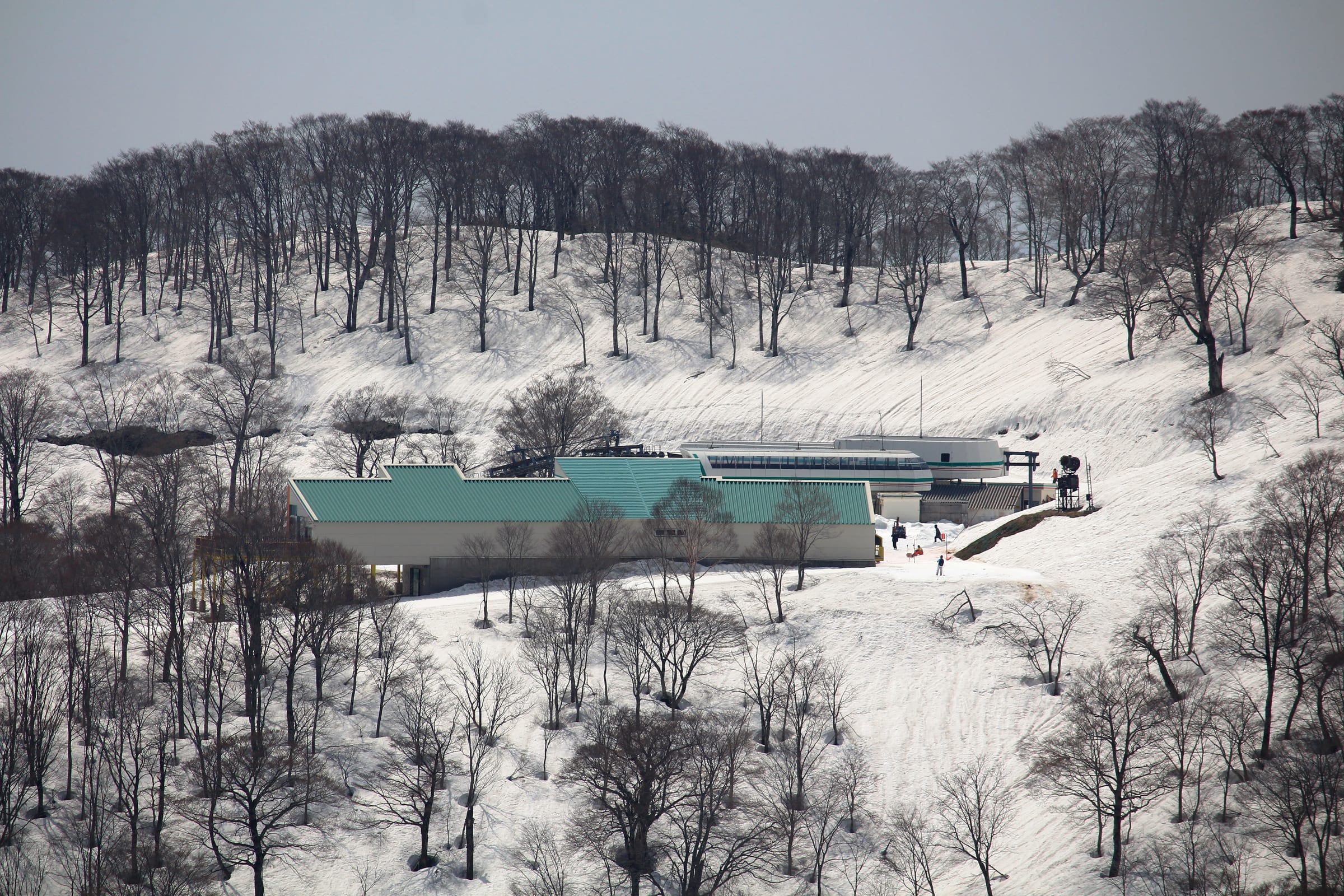
Lifts and pistes from the door — the point of a high, purpose-built resort.
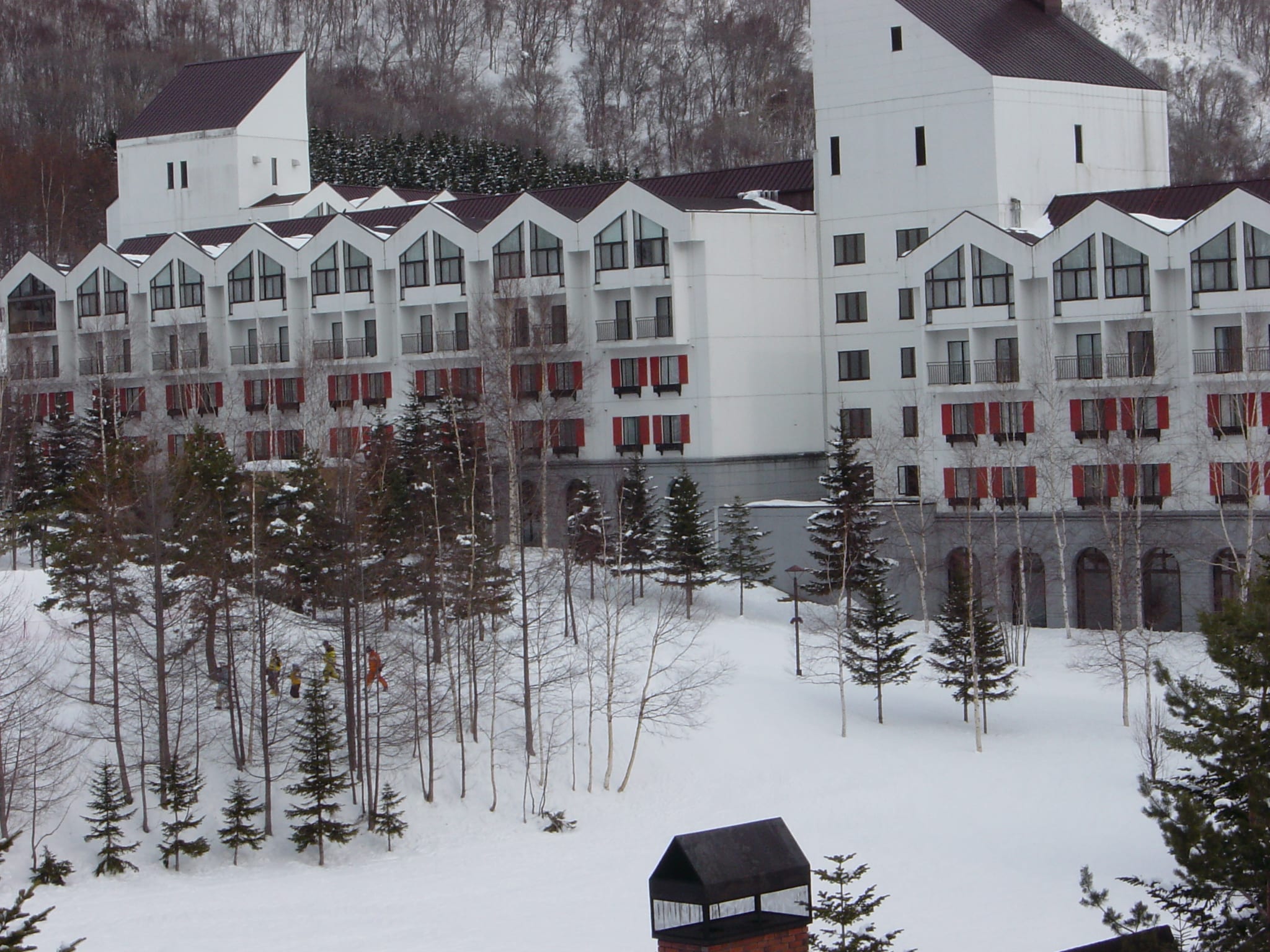
Self-catering residences, the bulk of the beds and the flexible-budget option.
Catered and self-catered chalets for groups wanting the whole place.
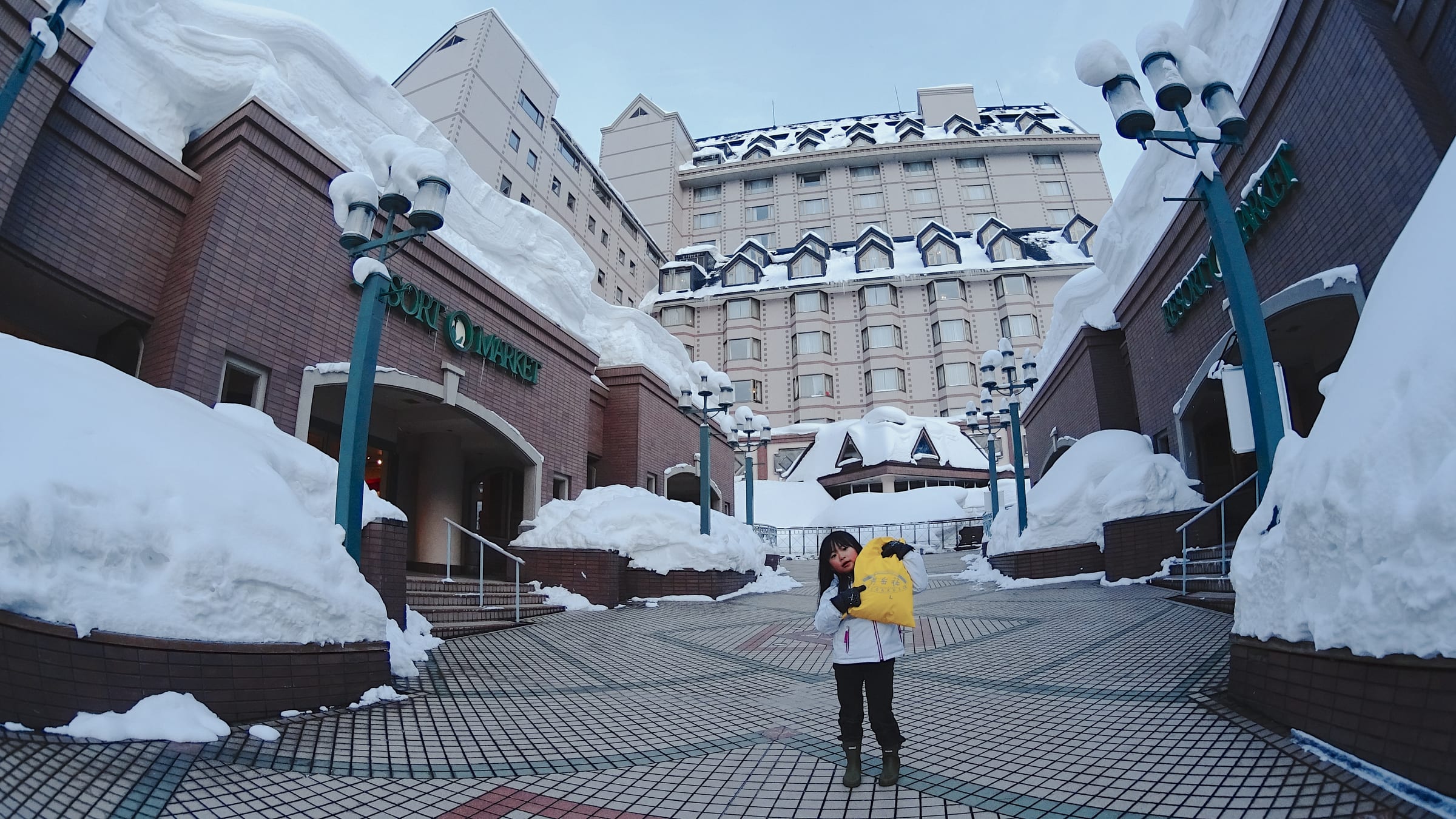
From simple to high-end, with pools and spas to thaw out in.
How to get there
Yamagata (GAJ) is the closest airport, with the resort a manageable drive up into the Zao mountains.
Yamagata city is on the Yamagata Shinkansen from Tokyo, and buses connect the station up to the onsen town, giving a straightforward rail-and-bus approach.
From Yamagata city a bus or car climbs the mountain road to the onsen town in well under an hour, with the journey lengthening in heavy snow.
Best time: Mid-January to February is peak season, when the snow monsters are at their most developed and the snow at its best.
Nearby resorts
Other resorts within reach.
Getting to 蔵王温泉スキー場, Zao Onsen Ski Resort
Book an airport transfer up to the resort, or pick up a car at Yamagata (GAJ) — search and compare without leaving the page.
Ski data © OpenStreetMap contributors (ODbL), via OpenSkiMap & Skimap.org. Basemap © OpenFreeMap / OpenMapTiles. Editorial: mynext.holiday. Accommodation via Stay22; transfers via Kiwitaxi; car hire via Travelpayouts.