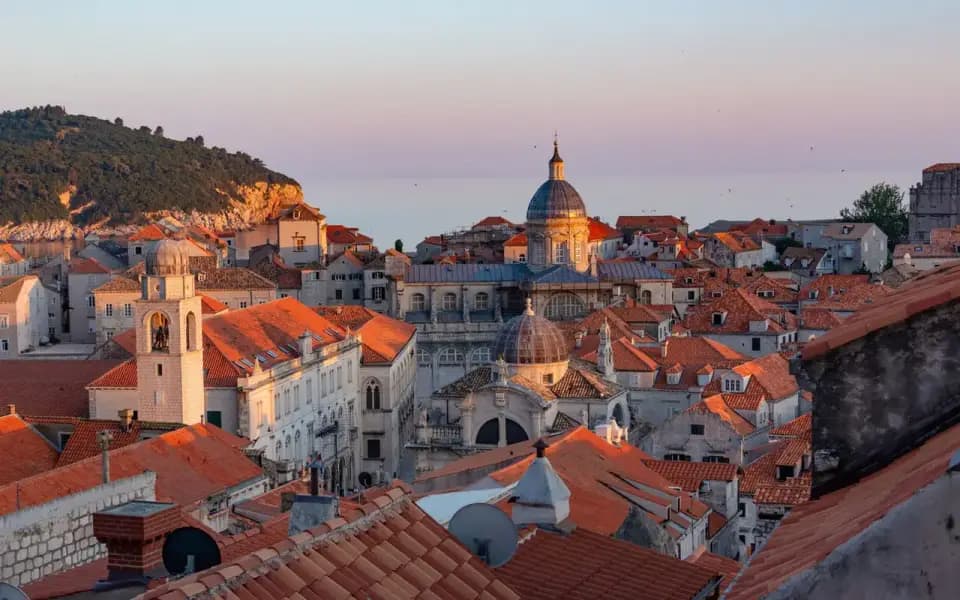
The cathedral and its portal — Trogir's crowning glory is the Cathedral of St Lawrence, and above all its west portal — a Romanesque masterpiece carved by the master Radovan, a dense, astonishing tumble of saints, apostles, seasons, beasts and everyday figures in stone, unique in Dalmatia. Inside are more treasures, and the bell tower can be climbed for the view over the marble roofs and the sea. Even in a town full of stone wonders, the portal stops you; give it time, and climb the tower.
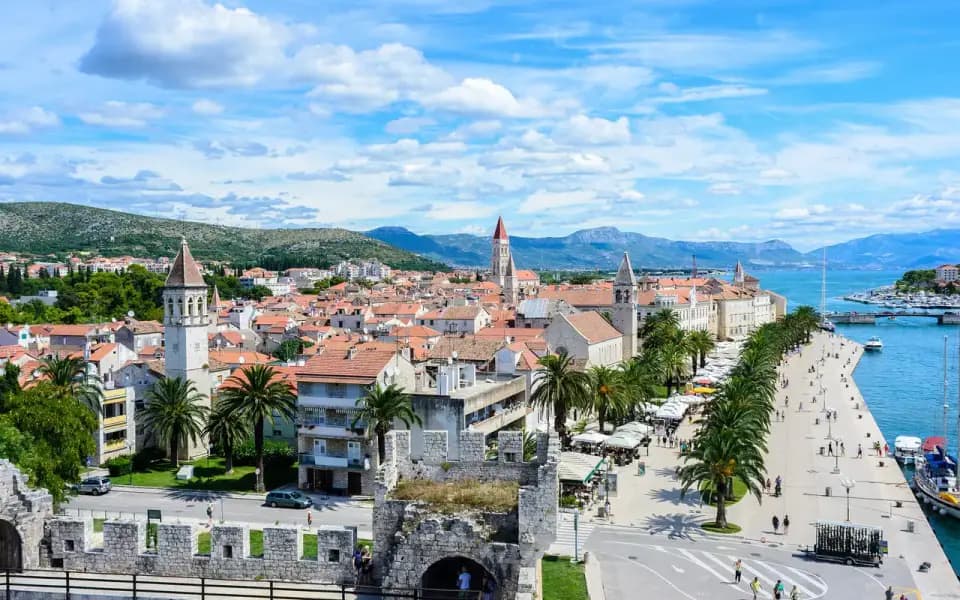
Wandering the marble town — Trogir's whole old town is a pleasure to walk — a compact maze of marble-paved lanes, cool and shaded, opening onto small squares, Romanesque churches, Venetian and Gothic palaces, and the main square with its loggia and clock tower. It's small enough to cross in minutes but rewards slow, aimless wandering, ducking into churches and courtyards. With the day-trippers gone in the evening, the lit stone streets are magical. This is the heart of the visit.
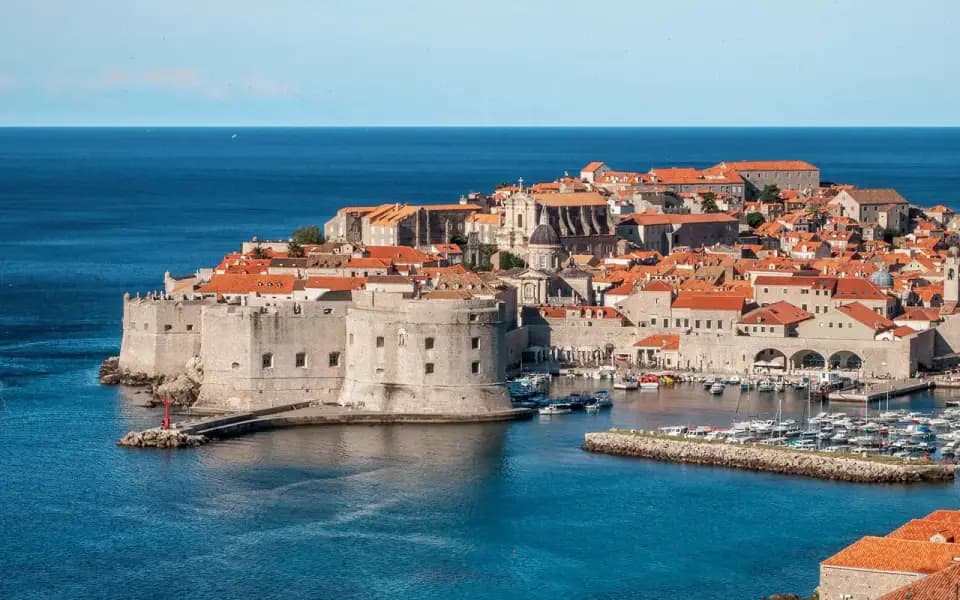
The waterfront and the fortress — The southern waterfront, the palm-lined Riva, is where Trogir comes to stroll — a promenade of cafés and restaurants facing Čiovo across the narrow channel, with yachts at the marina and the sea light on the stone. At its western end stands Kamerlengo, a Venetian fortress you can climb for wide views over the town, the coast and the islands. Walk the Riva at sunset, climb the fortress, and enjoy the meeting of old town and sea.
Coast, seafood and the islands — Trogir is a Dalmatian coast town, and the sea is central — the beaches and coves of neighbouring Čiovo are a short walk or boat hop for a swim, and the whole central Dalmatian coast and its islands are within easy reach by boat from Split next door. The food is Dalmatian and superb: fresh fish and seafood, black risotto, slow-cooked pašticada and peka, pršut and cheese, and local Dalmatian wines. Between the stone and the sea, eat well and take to the water.