← Ecuador
ECUADOR · CITY

Quito

The best-preserved colonial old town in the Americas, ringed by Andean volcanoes at nearly 2,850 metres.

  • City
  • June to September for the driest weather; the climate is spring-like year-round
  • ~approx 2 days, more with day trips
  • Best-Preserved Colonial Centre
  • Andean Heights
  • Volcano Backdrop
  • The Equator

Golden altars blazing inside a plain stone church, a snow-capped volcano floating above the rooftops, and the cold clear light of the high Andes falling on a cobbled colonial square.

Quito is a long, thin Andean capital strung between volcanoes at nearly three thousand metres, with the best-preserved and largest colonial old town in the Americas — a dense weave of gilded churches and cobbled squares. The equator runs just outside town, and the peaks are never out of sight.

Type
city
Ideal length
~approx 2 days, more with day trips
Getting around
a metro, taxis and a walkable old town; the city is long
Neighbourhoods
4 areas
Best season / months
June to September for the driest weather; the climate is spring-like year-round
Language
Spanish (and Kichwa)
Currency
US dollar ($)
Budget level
low — one of the cheaper capitals
Good for
  • History
  • Culture
  • Andes
  • First-timers
▸ Discover

About Quito

Quito lies in a narrow Andean valley in northern Ecuador, squeezed long and thin between the slopes at around 2,850 metres, the volcano Pichincha rising directly above it. The city divides in feel: the colonial Centro Histórico in the south, a UNESCO-listed maze of churches and plazas; the modern, commercial north with its parks and nightlife; and the leafy bohemian pockets between. The equator itself passes just north of the city. It is high, cobbled and steep, and long enough that you'll use taxis or the new metro between the ends.

Why go

Quito's old town is simply the finest colonial centre in South America — vast, intact and stuffed with extravagantly gilded churches, and the very first place named a World Heritage site. Add a dramatic setting between Andean volcanoes, a cable car climbing a mountain from the city, and the novelty of standing on the equator down the road, and it is a compelling, atmospheric capital — and the gateway to the Ecuadorian Andes, the Amazon and the Galápagos.

Don't miss

  • The Centro Histórico — the largest, best-preserved colonial old town in the Americas
  • La Compañía — the church with a dazzling gold-leaf interior
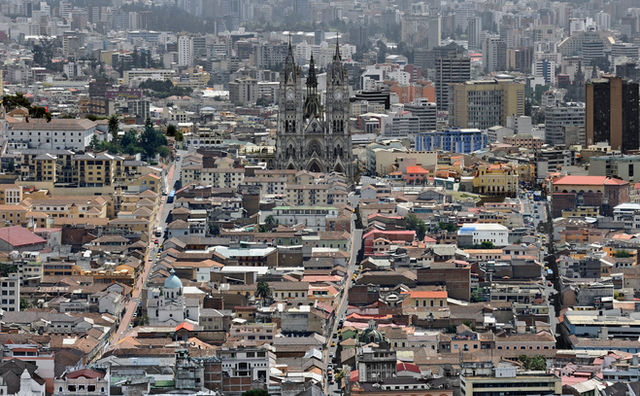
  • The Basílica del Voto Nacional — the Gothic towers you can climb
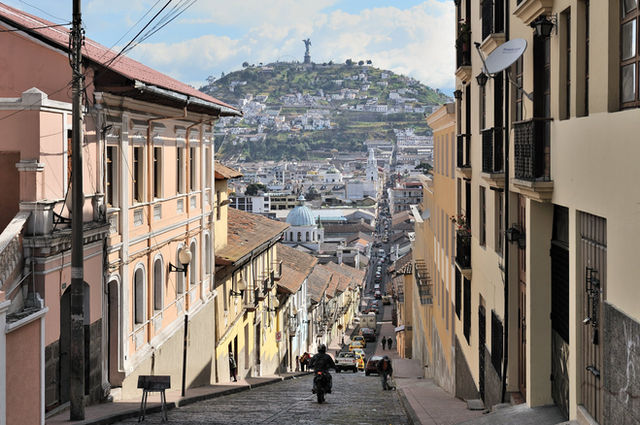
  • El Panecillo — the winged Virgin statue and the city panorama
  • The TelefériQo — the cable car up the flank of Pichincha volcano

Signature experiences

The gilded old town — Quito's colonial centre is unmatched — church after church of restrained stone outside and overwhelming gold within. La Compañía is the showstopper, its whole interior sheathed in gold leaf; San Francisco is vast and older; and between them run cobbled squares, monasteries and balconied streets. Give it a slow day on foot, ducking into the churches as you go. **Climbing for the view** — Quito rewards height. Climb the Gothic towers of the Basílica del Voto Nacional for a vertiginous look over the old town, ride the TelefériQo cable car up Pichincha's flank for the high páramo and the volcano panorama, or head up El Panecillo hill to the winged aluminium Virgin for the classic view along the whole valley. **Standing on the equator** — The line the country is named for runs just north of the city, marked by the Mitad del Mundo monument and, nearby, a small museum that shows the real equatorial line with its water-and-egg party tricks. It is touristy but irresistible — a foot in each hemisphere, an hour from the old town. **The gateway to Ecuador's wild** — Quito is where the country's great journeys begin — south down the "Avenue of the Volcanoes" to Cotopaxi and the market town of Otavalo north, east down into the Amazon, and out to the Galápagos by air. Acclimatise in the city, then let it launch you.

Neighbourhoods

Quito neighbourhood by neighbourhood — the character of each and who it suits.

  • The Centro Histórico

    The colonial old town — a dense, hilly weave of cobbled streets, plazas and some of the most extravagant churches in the Americas, remarkably intact.

    Why go
    The single greatest concentration of colonial architecture on the continent.
    Best for
    First-time sightseeingchurchescolonial squares
    Known for
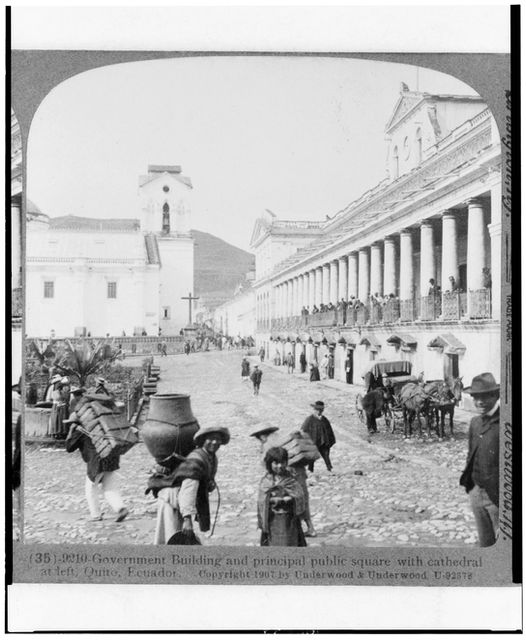
    La Compañía's gold interior, the Plaza Grande with the cathedral and presidential palace, the San Francisco church and plaza, and the cobbled La Ronda street.
  • La Mariscal

    The modern, commercial district north of the old town — hotels, restaurants and the traditional nightlife hub, busier and less historic.

    Why go
    The nightlife, the hotels, and the crafts market.
    Best for
    Nightlifedininga modern base
    Known for
    Plaza Foch and its bars and restaurants, the artisan and craft market, the backpacker scene, and the run of hotels and agencies.
  • La Floresta

    A leafy, bohemian quarter east of La Mariscal — cafés, galleries, an old cinema and a creative, local feel, calmer than the nightlife zone.

    Why go
    The cafés, the arts scene, and a mellower stay.
    Best for
    Cafésgalleriesa local vibe
    Known for
    The independent cafés and restaurants, the Ochoymedio arthouse cinema, the weekend organic market, and the muralled, tree-lined streets.
  • Pichincha and the TelefériQo

    The volcano flank rising on the city's western edge, reached by cable car — a quick climb from the streets to high-altitude páramo and huge views.

    Why go
    The cable car, the altitude, and the panorama over the city and the peaks.
    Best for
    Viewsa mountain walkbig scenery
    Known for
    The TelefériQo cable car up Pichincha, the high walking trails and the summit approach, and the sweeping views over the long city to the surrounding volcanoes.

Views & hidden gems

Best views

  • El Panecillo and the winged Virgin — the whole long city and the volcanoes
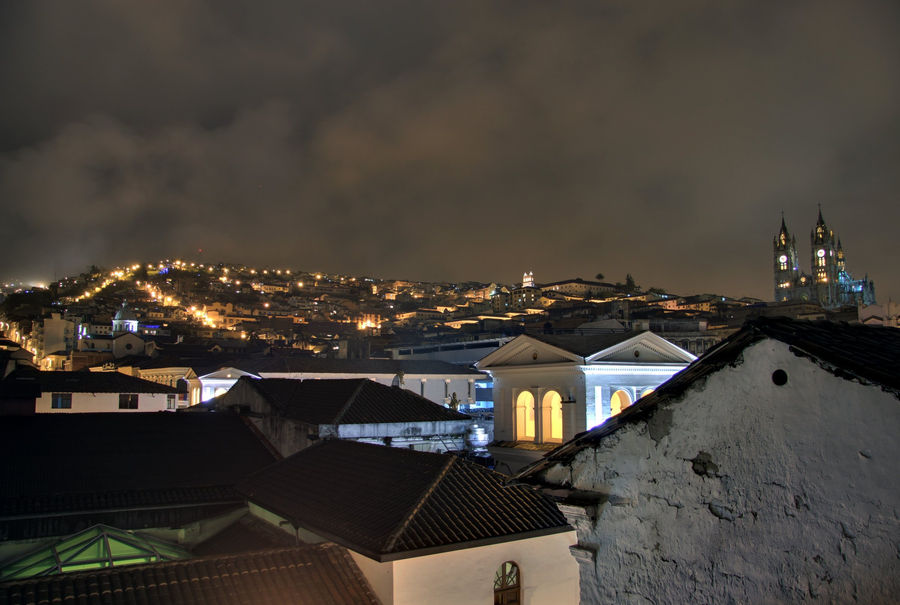
  • The Basílica towers — a dizzying climb over the old-town rooftops
  • The TelefériQo summit station — Pichincha's páramo and the peaks beyond
  • La Compañía's gilded interior — the most dazzling church on the continent

Hidden gems

  • La Ronda street at night — the restored cobbled lane of canelazo bars and music
  • The Guápulo neighbourhood — a steep, artsy quarter tumbling into a green valley below La Floresta
  • The Museo del Carmen Alto or a cloistered convent — quiet colonial art away from the crowds
  • A canelazo on a cold night — the hot spiced-sugarcane drink of the highlands
  • The itchimbía glass palace and its hilltop park — city views without the tour buses

Food & drink

Ecuadorian highland food is warming and potato-rich, built for the cool altitude. The comfort dishes are locro de papa, a creamy potato-and-cheese soup with avocado, and llapingachos, fried potato-and-cheese patties. Roast hornado pork, fritada and hearty soups fill the markets; the coast's ceviche and encebollado turn up too. The hot canelazo, a spiced sugarcane-and-cinnamon drink, warms the cold nights, and Ecuador's chocolate and coffee are increasingly celebrated.

  • Locro de papa — a creamy potato-and-cheese soup with avocado
  • Llapingachos — fried potato-and-cheese patties, often with chorizo and egg
  • Hornado — slow-roast whole pig, a market classic
  • Fritada — braised-then-fried pork with corn and potato
  • Empanadas de viento — puffed cheese empanadas dusted with sugar
  • Canelazo — a hot spiced sugarcane-and-cinnamon drink
Dietary notes

Vegetarians manage with the potato-and-cheese dishes, soups, empanadas and a growing veggie scene in La Floresta and La Mariscal, though many staples include pork — ask. Vegan is doable from the potato, corn and plantain base. Halal and kosher food are very limited and best arranged ahead. Gluten-free suits many Andean dishes (potato, corn, plantain) naturally; confirm the fried items and sauces.

Quito in photos

▸ Where you'll stay

Where you'll stay in Quito

The Centro Histórico is the atmospheric choice — sleeping among the colonial churches and squares, magical after the day-trippers leave, though steep and quiet at night. La Mariscal is the traditional traveller base for hotels, nightlife and agencies, busier and less charming. La Floresta is the calm, bohemian alternative, cafés and a local feel between the two. Respect the altitude on arrival, and pick heated rooms for the cold nights.

  • Budget
    La Mariscal hostels and budget hotels near the nightlife and agencies, central for the north.
  • Mid-range
    The Centro Histórico boutique hotels in colonial buildings, atmospheric, walkable to the churches.
  • Luxury
    The old town / a converted mansion grand colonial hotels with courtyards and old-town views.
Stay

Hotels & rentals around Quito

Pan, zoom and compare live prices — every stay in one map.

▸ Getting around

Getting around Quito

A modern metro line now runs the length of the long city, backed by taxis and buses — the practical way to cross between the old town and the north. The old town is walkable but steep and high. Use registered or app taxis, especially after dark. A car isn't needed in the centre.

The old town and the northern districts are a metro ride or taxi apart along the valley (~approx). La Mariscal and La Floresta are close together; the TelefériQo and El Panecillo are short taxi rides to the city's western and southern edges.

▸ Plan your days

Suggested itineraries

Ready-made day plans for Quito — from a single day to a long weekend.

One day

Spend the morning in the Centro Histórico — La Compañía's gold interior, the Plaza Grande and the cathedral, the vast San Francisco — then climb the Basílica towers for the view. In the afternoon head up El Panecillo to the winged Virgin, and end on the restored La Ronda street with a canelazo as the lights come on.

Two days

Give day two to height and the equator. Ride the TelefériQo cable car up Pichincha in the clear morning, then head north to the Mitad del Mundo and the Intiñán museum to straddle the equator, returning for dinner in La Floresta.

Three days

Use day three for a day trip. Head north to the Otavalo craft market and the crater lakes, or south along the Avenue of the Volcanoes to Cotopaxi's slopes, returning to Quito in the evening — or push on into the wider Ecuadorian Andes.

▸ What you'll do

Insider tips

  • Quito sits at altitude — take the first day slowly, drink plenty of water, and let yourself acclimatise before any climb or day trip higher.
  • The equator sun is fierce even under cloud — sunscreen and a hat matter more than the cool air suggests.
  • The city is long and thin — use the metro and taxis to move between the old town and the north rather than walking the whole length.
  • The Intiñán museum by the equator is the fun, hands-on stop; the official monument is the photo — do both if you go.
Explore

Explore the area

© OpenFreeMap · OSM · terrain Mapterhorn
Do

Local attractions & tours

Skip-the-line tickets and small-group tours in Quito — compare across our partners.

We're still curating hand-picked tickets and tours for Quito. In the meantime, the map above and the nearby cities are a great place to start.

▸ Budget

What it costs in Quito

Backpacker
roughly €20–35 a day.
Mid-range
roughly €55–100 a day.
Luxury
€220 a day and up.
Cash vs card
Ecuador uses the US dollar; carry small notes and coins for markets, taxis, buses and tips, as many places can't change large bills. Cards work in hotels and better restaurants.
Tipping
Around 10% in sit-down restaurants if not already added; round up for taxis and tip guides.
▸ When you'll go

When to visit Quito

June to September for the driest weather; the climate is spring-like year-round

Spring

What to expect — Mild, spring-like days and cool nights, with sunny mornings and afternoon showers — Quito's climate barely changes with the season, sitting on the equator at altitude.

What's best — Green landscapes, the usual pleasant mix of sun and cloud, and comfortable sightseeing between the showers.

Summer

What to expect — The driest, clearest stretch (roughly June to September), with bright days, cool nights and the best mountain views. The most reliable weather.

What's best — Clear skies over the volcanoes, the driest days for the cable car and day trips, and the city's festivals. The best time for the mountains.

Autumn

What to expect — A return to the mixed pattern — sunny mornings, afternoon rain — mild by day and cool by night, much like spring.

What's best — Green surroundings, comfortable temperatures, and fewer crowds than the dry-season peak.

Winter

What to expect — The wetter months around the turn of the year, with more frequent rain but still mild days and cool nights; December brings the city's founding festivals.

What's best — The lively December fiestas de Quito, green landscapes, low crowds, and mornings often clear before the rain — pack a waterproof.

▸ Know before you go

Know before you go

Honest swaps

Skip the tourist-trap restaurants around Plaza Foch → eat almuerzo set lunches or locro in the old town and the markets for a fraction of the price.

Skip only ticking off the Mitad del Mundo monument → the smaller Intiñán museum nearby marks the real equatorial line with its hands-on tricks.

Skip walking the emptiest old-town lanes alone at night → stick to the busy, restored streets like La Ronda and take taxis after dark.

Skip rushing the churches → the gold interiors reward a slow, unhurried look.

Crowds & timing

The old-town churches are busiest midday with tour groups; go early for the calm and the morning light.

The Basílica towers and the TelefériQo are best on clear mornings before the afternoon cloud builds.

Local rules & etiquette

Respect the altitude — take the first day gently, and know that the equator sun burns fast even when the air feels cool.

Keep valuables discreet and use registered or app taxis, especially at night; petty theft is the main risk.

Cover shoulders and knees and keep quiet in the churches, and mind photography rules on the gilded interiors.

Money

Carry small US-dollar notes and coins for taxis, buses, markets and tips; big bills are hard to break.

Use registered or app taxis with a set fare, and bank ATMs over informal exchanges.

After dark

La Mariscal around Plaza Foch is the traditional nightlife zone — bars and clubs, busy and touristy.

La Floresta and Guápulo have the cooler, more local bars and cafés.

The old town's La Ronda is the atmospheric evening choice — canelazo bars and live music on a restored lane.

▸ Ready to book your trip?

Getting there

Quito's Mariscal Sucre International Airport (UIO) lies well outside the city to the east, a longish drive in — take an official airport taxi or a shuttle (~approx 45–75 min). The airport connects Ecuador and the Galápagos flights; the city's bus terminals serve the wider country.

Book

Ready to book your trip?

Flights, airport transfers and car hire — search and compare without leaving the page.

▸ Trip extras
Book

More trip extras

Parking, holiday extras, and more — coming soon.

Coming soon

We're lining up parking, holiday extras and activities you'll be able to add to any trip from here.