Ecuador — hero

Americas

Ecuador

Four worlds in one tiny nation. Ecuador pairs Galápagos soft adventure with Amazonian immersion, Andean gastronomy, and a rising bleisure scene — all built on genuine regenerative credentials.

Currency
United States Dollar (USD)
Language
Spanish
Best time
June – November
Visa
Visa-free (up to 90 days)

Still current at: 13 November 2026 Updated: 1 November 2026

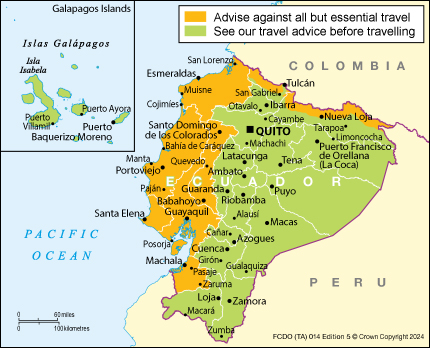
See which areas are affected

FCDO's detailed advisory map (PDF) FCDO (TA) 014 Edition 5 © Crown Copyright

Source: UK Foreign, Commonwealth & Development Office — the definitive source. Check it close to your travel dates.

Flight cancelled or delayed because of this? Your rights under UK261 / EU261 →

Why visit

Why Ecuador

Four worlds in one tiny nation. Ecuador pairs Galápagos soft adventure with Amazonian immersion, Andean gastronomy, and a rising bleisure scene — all built on genuine regenerative credentials.

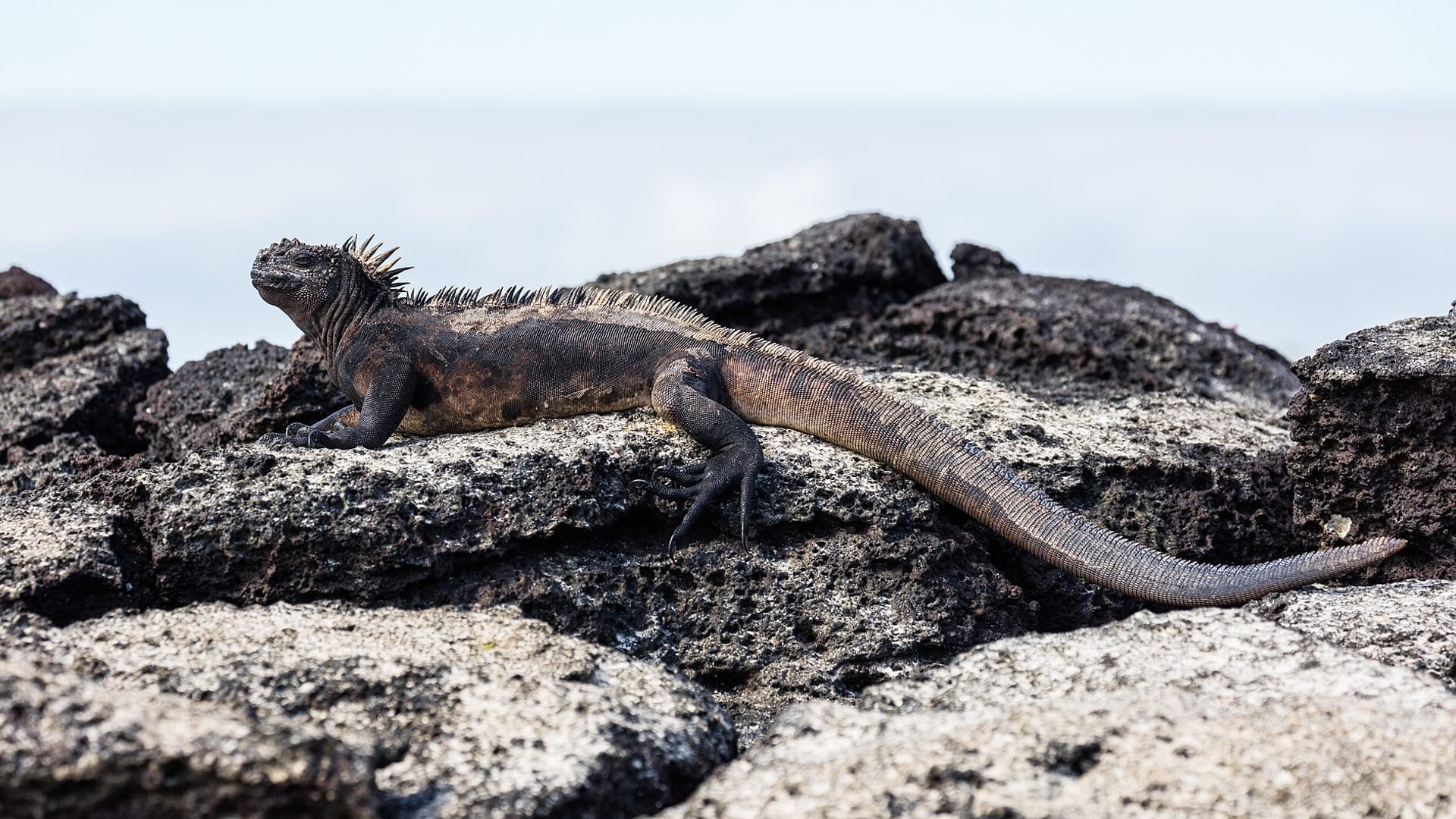
  • Galápagos wildlife
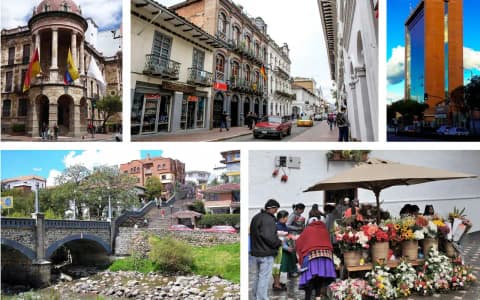
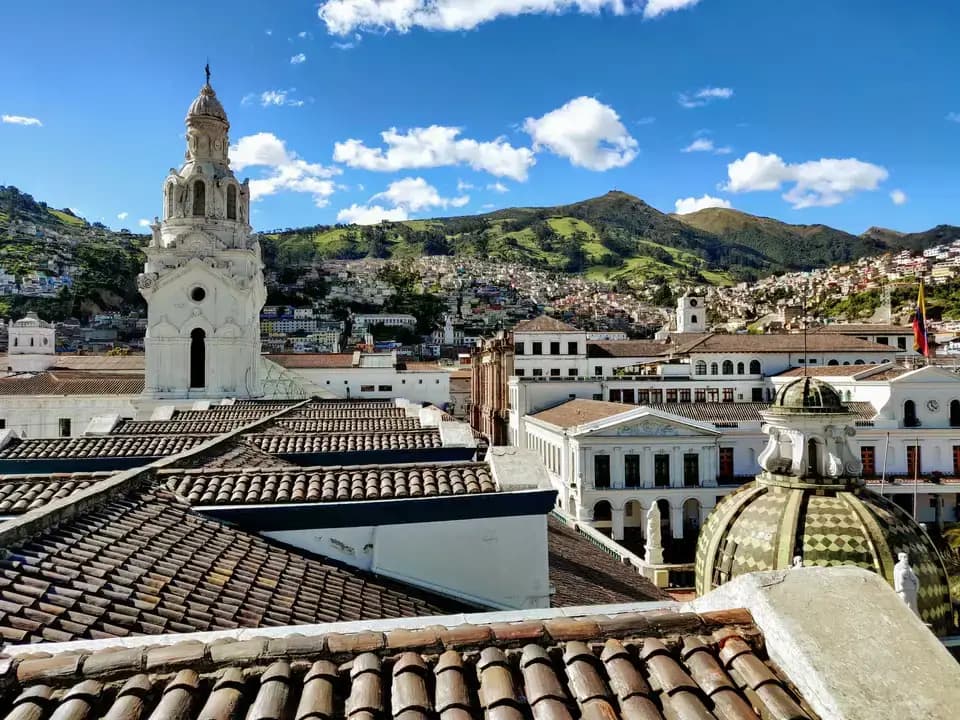
  • Quito's colonial Old Town
  • Cotopaxi & the Avenue of Volcanoes
  • Otavalo artisan market
Read more

Ecuador punches far above its size. From the otherworldly shores of the Galápagos Islands to cloud-forest lodges deep in the Amazon basin, this is soft adventure at its most vivid — low-impact, high-reward, and shaped by the indigenous communities who have stewarded these landscapes for generations.

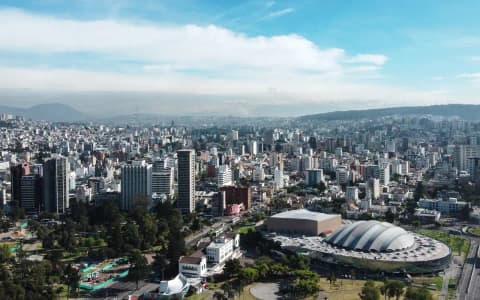
Colonial Quito and compact Cuenca are quietly becoming bleisure hotspots, where well-connected meeting facilities sit minutes from cobblestoned heritage streets, volcanic panoramas, and some of the most exciting Andean cuisine on the continent. Arrive early — pre-9 AM at iconic sites keeps the crowds thin and the experience genuine.

Ecuador's regenerative tourism model is the real differentiator: community-led itineraries, restored ecosystems, and a workforce trained to deliver authentic service far beyond the tourist trail. This is the kind of travel that leaves places better than it found them.

A pillar, not a footnote

Eat your way through Ecuador

The single reason many travellers come back — the food culture worth reshaping a trip around, and the dishes to seek out region by region.

Ecuador

Coast-and-cordillera cooking — tangy seafood ceviche below, roast pork and potatoes above, world-class cacao throughout.

Ecuador changes what it feeds you as you climb. On the humid coast it's ceviche — shrimp or fish cured in citrus, served with crunchy plantain chips and popcorn — and encebollado, a tomato-rich fish soup that doubles as the morning-after cure. Climb into the Andes and the pantry turns to potatoes and corn: at a highland market you carve straight off the hornado, a whole pig slow-roasted until the skin shatters.

The sierra's everyday plate is llapingachos, cheese-stuffed potato patties tinted with achiote and served with chorizo, egg, avocado and peanut sauce; the boldest is cuy, whole roast guinea pig, a dish that predates the Spanish by centuries. The Amazon adds river fish and jungle fruit, and the whole country grows fine 'Arriba' cacao. Warm up at altitude with canelazo, a hot cinnamon-and-cane-spirit cup passed round at highland festivals.

Dishes to seek out
  • Ceviche (citrus-cured seafood)
  • Encebollado (fish & yuca soup)
  • Hornado (slow-roast pork)
  • Llapingachos (cheese potato patties)
  • Cuy (roast guinea pig)
  • Locro de papa (potato-cheese soup)
  • Canelazo (hot cinnamon-spirit drink)
Places to go

Cities and regions worth your time

3 destinations in Ecuador — pick a base or link them into a route.

Browse by type

Tap a type to filter the list and the map — tap it again or “All” to see everything.

© OpenFreeMap · OSM · terrain Mapterhorn
Plan your own trip to Ecuador
Guides

All our Ecuador guides

Where to stay

Hand-checked places in Ecuador

Browse all Ecuador stays →
When to go

Weather & timing in Ecuador Right now RIGHT NOW 10°C fog

Best Jul–Sep · Shoulder Jun, Oct–Nov

Units

Monthly figures are for Coast (Guayaquil); other regions of Ecuador vary. See every region, month by month →

Next 7 days · Coast

Forecast · Met Office · Powered by Met Office data

Typical · climate data

Best time to visit

June – November

Best for
  • Galápagos
  • Amazon
  • Andes
  • Colonial Quito
At a glance
Sunshine 9.0 hr/day
Rainfall 107 mm/mo
Wettest March · 353.3mm
Driest September · 1.4mm
Part of Andean →
By season

Units

Spring (Sep–Nov)

What to expect — Daytime highs average about 30°C with overnight lows near 21°C, and it stays largely dry.

What's best — Dry season. Sep, Oct and Nov are among the best months here (dry season, sunny).

Summer (Dec–Feb)

What to expect — Daytime highs average about 30°C with overnight lows near 23°C, with plenty of rain.

What's best — Shoulder season, then Wet season, then Monsoon.

Autumn (Mar–May)

What to expect — Daytime highs average about 30°C with overnight lows near 23°C — the wettest stretch of the year.

What's best — Monsoon, then Shoulder season.

Winter (Jun–Aug)

What to expect — Daytime highs average about 29°C with overnight lows near 21°C, and it stays largely dry.

What's best — Dry season. Jun, Jul and Aug are among the best months here (dry season, sunny).

Live forecast map · Windy.com · temperature with wind, °C and km/h

When to go, region by region

Ecuador has 4 climate regions

Each month our cards and map show the region with the best weather that month: Jan–May Galápagos · Jun–Nov Coast · Dec Galápagos.

Region JFMAMJJASOND
CoastGuayaquil · best Jun–Nov January: good February: not ideal March: not ideal April: not ideal May: good June: great, shown on the cards July: great, shown on the cards August: great, shown on the cards September: great, shown on the cards October: great, shown on the cards November: great, shown on the cards December: good
AndeanQuito · best Jul–Sep January: not ideal February: not ideal March: not ideal April: not ideal May: not ideal June: good July: great August: great September: great October: not ideal November: not ideal December: not ideal
AmazonPuyo · best Aug January: not ideal February: not ideal March: not ideal April: not ideal May: not ideal June: not ideal July: good August: good September: good October: not ideal November: not ideal December: not ideal
GalápagosPuerto Ayora · best Apr–May, Aug–Feb January: great, shown on the cards February: great, shown on the cards March: good, shown on the cards April: great, shown on the cards May: great, shown on the cards June: good July: good August: great September: great October: great November: great December: great, shown on the cards

Great Good Not ideal Shown on our cards that month

A little context

A little history

To read what you're looking at — the empires and eras that shaped Ecuador's food, art and streets.

The northern capital of the Inca empire before the Spanish conquest, its ruler Atahualpa executed in 1533
Quito's colonial core, among the best-preserved in the Americas, became one of the first UNESCO World Heritage sites
part of Gran Colombia before independence in 1830
adopted the US dollar in 2000 after economic collapse; the Galápagos anchor its identity
Before you book

Know before you go

The practical back-matter — safety, earthquakes & tsunamis, drones and the essentials, in one place.

Safety

FCDO advisory in force — see above FCDO advice →

Official UK Foreign, Commonwealth & Development Office guidance is the definitive source — check it close to your travel dates.

Earthquakes & tsunamis

There is a high risk of earthquakes across Ecuador and of tsunamis along the coast and in the Galápagos, and several volcanoes in the highlands and Galápagos are active.

When the shaking starts

  • Drop, cover and hold on: get down low, protect your head and neck, and hold on until the shaking stops.
  • Expect aftershocks, and drop, cover and hold on again each time.
  • Then follow instructions from local authorities and your hotel staff.

Near the coast

  • If you are near the coast and feel shaking that makes it hard to stand, or a rolling quake that lasts a minute or more, move to high ground or as far inland as you can as soon as the shaking stops.
  • Do the same if the sea suddenly pulls back or rises, or you hear a loud, unusual roar from the water.
  • Don't wait for an official warning. Walk or cycle if you can, and stay away until the authorities give the all-clear.

Around volcanoes

  • Keep out of exclusion zones around active volcanoes: they can change at short notice, so check the latest local advice before you go.

On arrival When you check in, look at your hotel's evacuation map and note the nearest high ground or evacuation route.

Coasts most exposed to tsunami Pacific coast (Esmeraldas, Manabí, Santa Elena, Guayas, El Oro) and the Galápagos Islands

Official sources to follow
General guidance, not a live alert · Sources checked Nov 2026 FCDO advice for Ecuador →

Drone rules (sub-250g)

  • Ecuador
    Recreational flying on the mainland is broadly allowed under the DGAC: daylight and sight only, below about 120m, well clear of airports (about 9km) and people. Sub-250g drones sit below the registration threshold, but the exemption isn't spelled out, so carry documentation. ⚠ The Galápagos National Park bans recreational drones outright — flying there without a permit risks confiscation and fines over US$500. Quito's historic centre, airports and other national parks need prior permission. Rules checked: Jul 2026

National parks, protected sites and religious/heritage venues often have their own rules and permits — always check the specific site before you fly.

The essentials

Plug & voltage Type A/B · 120V
Daily budget Budget-friendly (Galápagos pricier)
Region South America