← Ecuador
ECUADOR · CITY

Cuenca

Ecuador's genteel Andean city of red-tiled roofs, flower markets and the real home of the 'Panama' hat.

  • City
  • June to December — drier; mild spring-like climate year-round
  • ~approx 1–2 days
  • Blue-Domed Cathedral
  • Andean Colonial City
  • River Cliff Mansions
  • Panama Hats

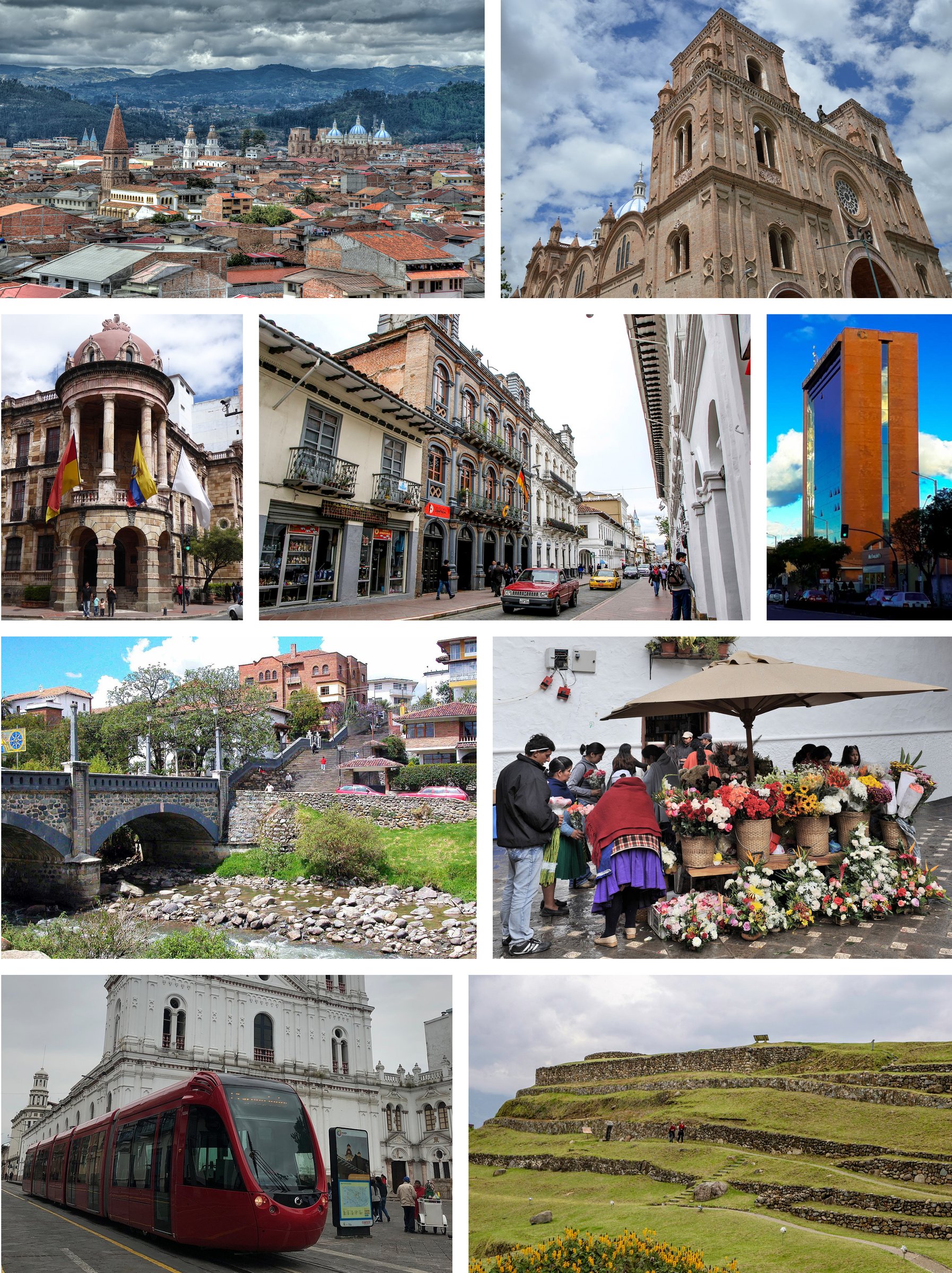
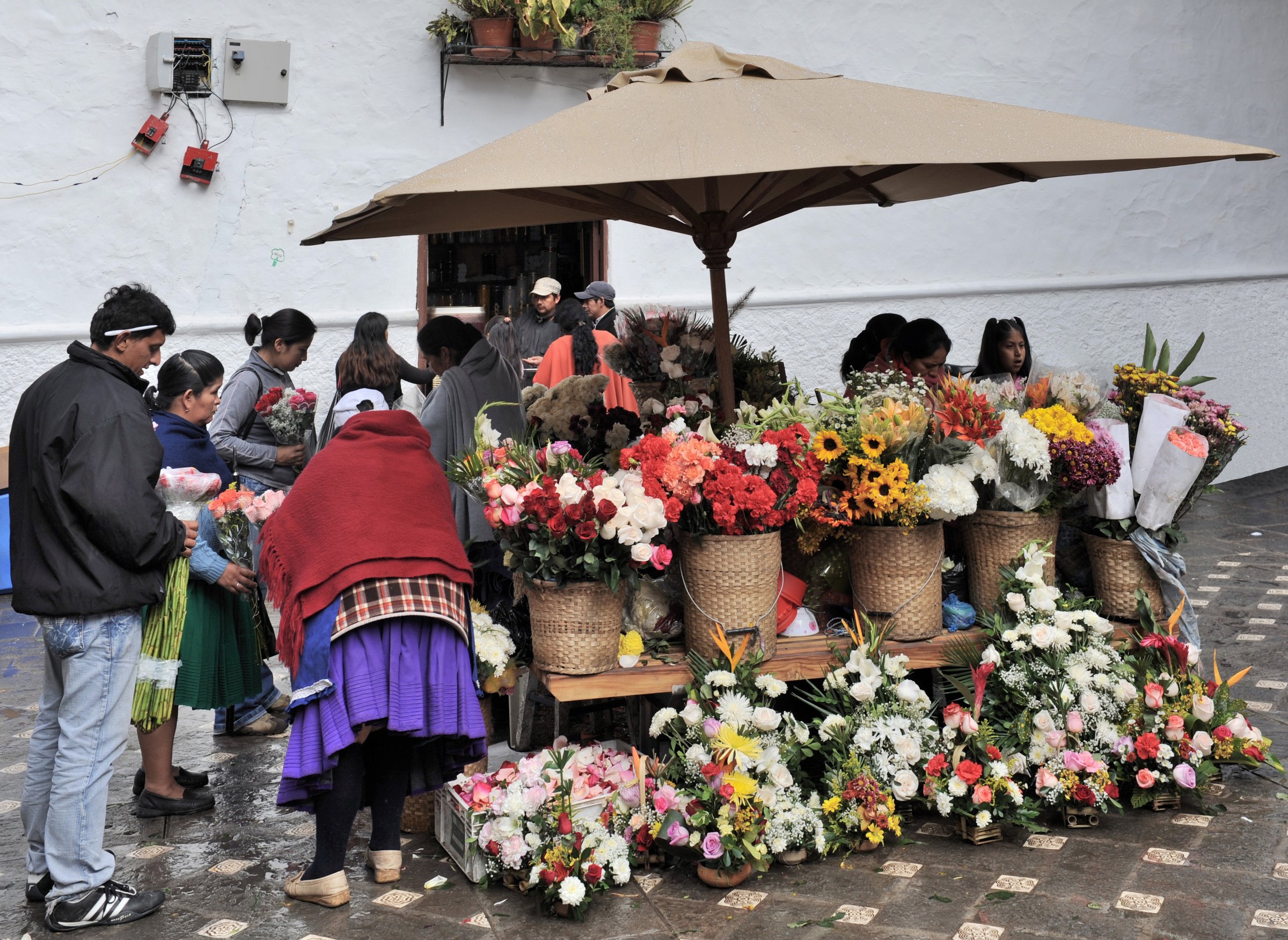
The three blue-and-white domes of the New Cathedral rising over red-tiled roofs, a flower market bright beneath a whitewashed church, and, along a river cliff, the balconied backs of colonial mansions hanging over the Tomebamba.

Cuenca is Ecuador's most graceful colonial city — a UNESCO Andean town of red-tiled roofs, cobbled streets and the sky-blue domes of its great cathedral, set on a river cliff of old mansions, famous for its flowers, its ceramics and the "Panama" hats that are actually woven here.

Type
city
Ideal length
~approx 1–2 days
Getting around
on foot in the centre; taxis, buses and a tram
Neighbourhoods
3 areas
Best season / months
June to December — drier; mild spring-like climate year-round
Language
Spanish (some Quichua; some English, given the expat community)
Currency
US dollar ($) — Ecuador uses the US dollar
Budget level
low to moderate — affordable
Good for
  • History
  • Andean culture
  • Crafts
  • Slow travel
  • Comfortable highlands
▸ Discover

About Cuenca

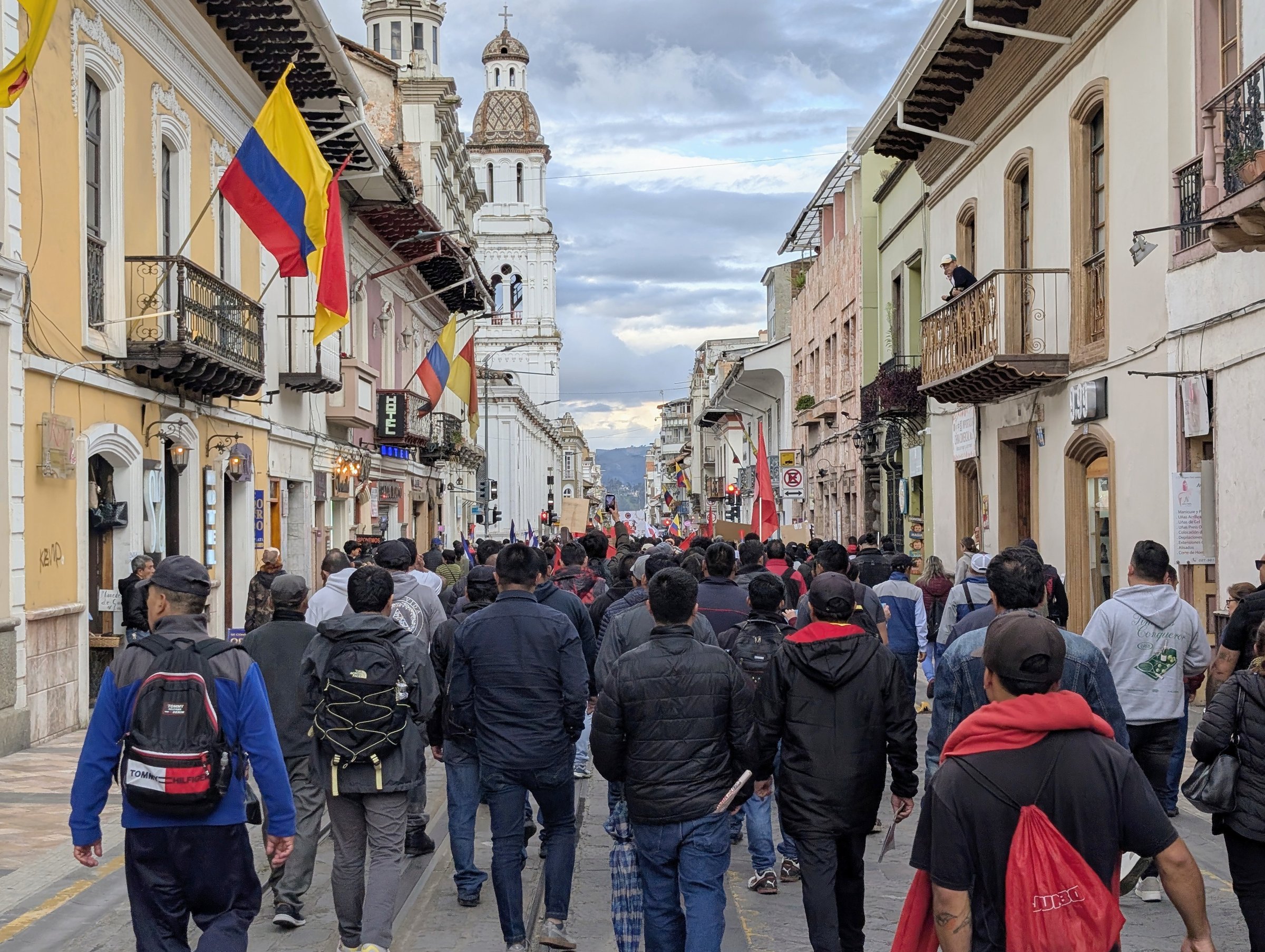
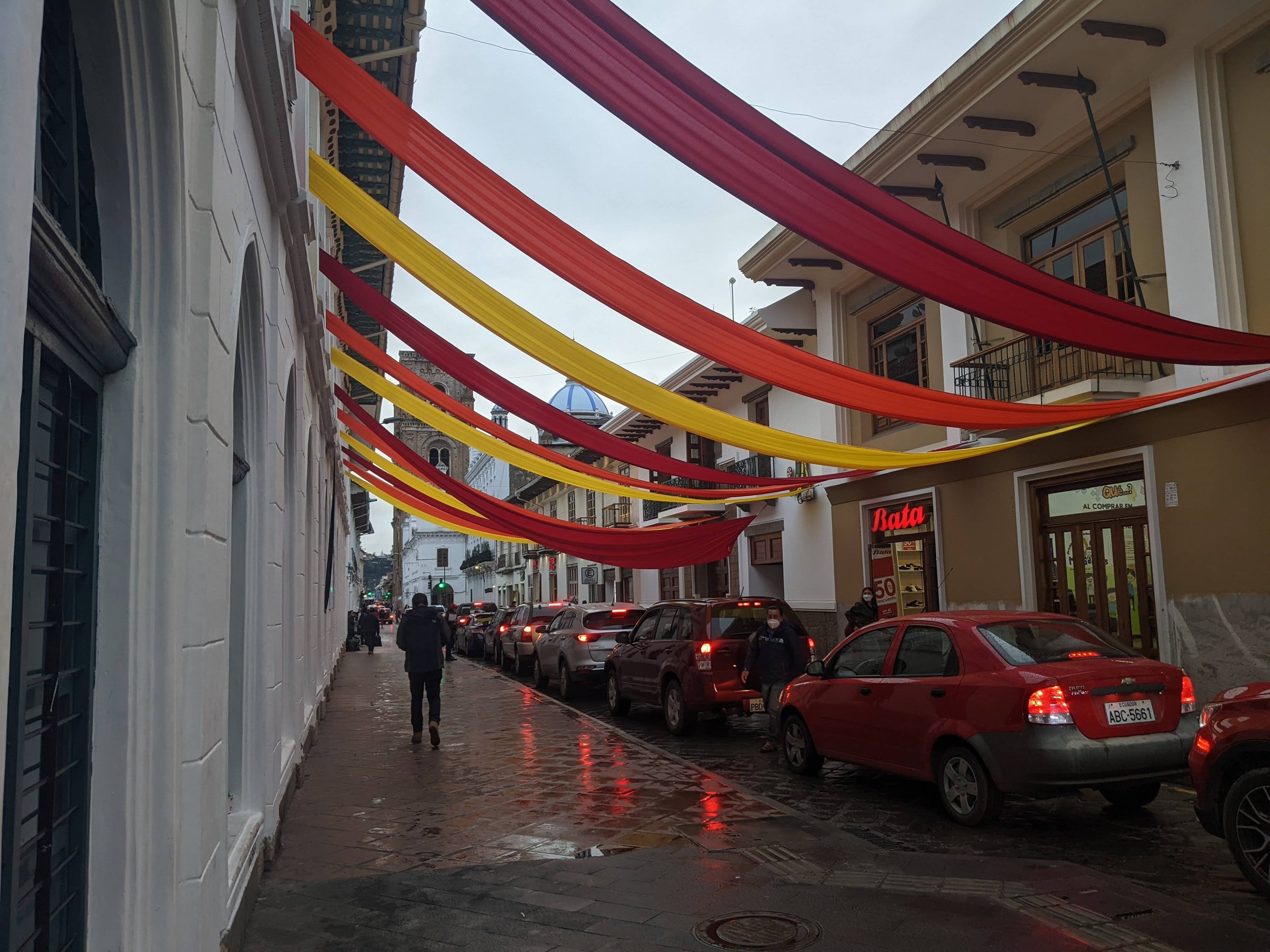
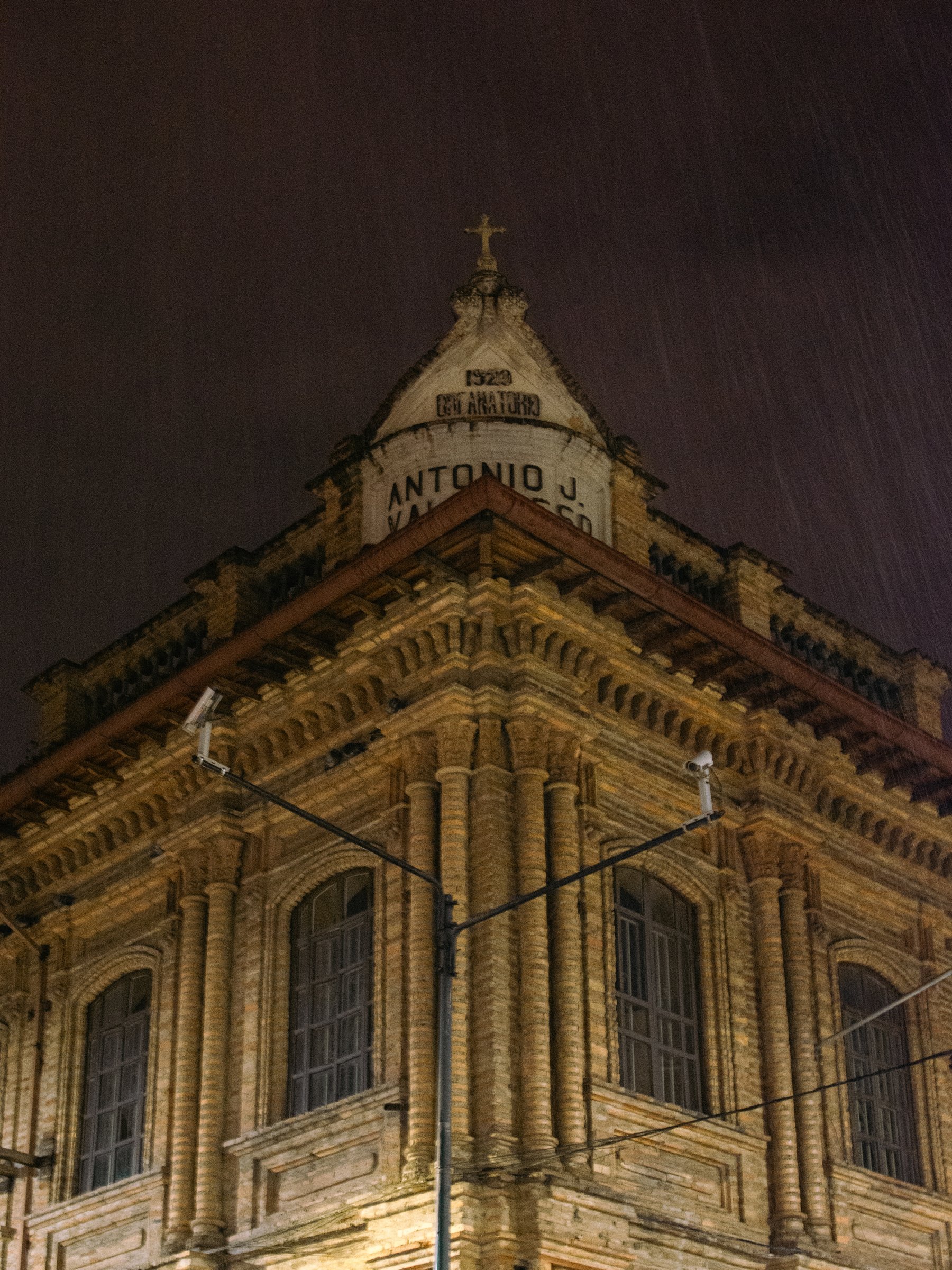
Cuenca sits in a green valley high in the southern Andes of Ecuador, at around 2,500 metres, threaded by four rivers. The third city of Ecuador, it kept one of the best-preserved colonial centres in the Andes — a UNESCO grid of cobbled streets, whitewashed and pastel houses with red-tiled roofs, and a skyline of church domes, above all the huge, sky-blue-domed New Cathedral on the main square. Along the Tomebamba river, the cliff-top district of El Barranco strings old mansions above the water. Add flower markets, a strong crafts tradition (ceramics and the toquilla-straw "Panama" hats), a mild climate and a large expat community, and Cuenca is a cultured, comfortable and beautiful highland city.

Why go

Cuenca is the loveliest colonial city in Ecuador — a UNESCO centre of blue domes, red roofs and cobbled streets in a mild Andean valley, with a graceful, unhurried atmosphere. It has the iconic New Cathedral, a river-cliff district of old mansions, vivid flower and craft markets, and a deep tradition of ceramics and the genuine "Panama" hats (woven in Ecuador, not Panama). Add Inca and Cañari ruins, the wild Cajas highlands and hot springs nearby, and a comfortable climate, and it's a rewarding, relaxed highland stop and a favourite place to linger.

Don't miss

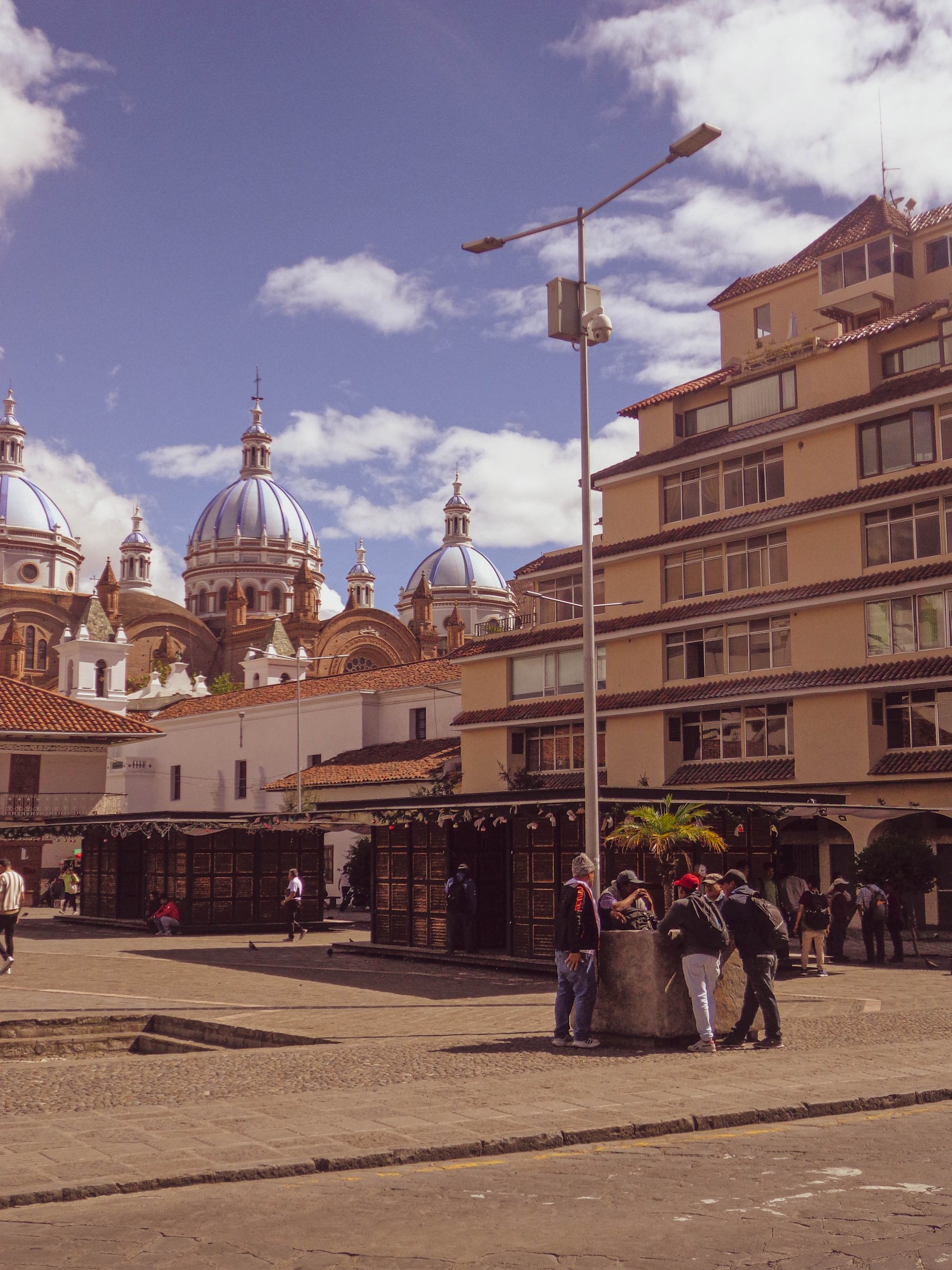
  • The New Cathedral — the sky-blue domes over the square
  • Parque Calderón and the old town — the colonial heart
  • El Barranco — the river-cliff colonial mansions
  • The Panama-hat and craft workshops — the toquilla straw
  • The Cajas highlands and ruins — the Andean surroundings

Signature experiences

The blue-domed cathedral and the old town — Cuenca's icon is the New Cathedral, a vast brick church on Parque Calderón crowned by three sky-blue-and-white tiled domes that define the skyline (its towers were left unfinished, a local quirk); you can climb to the domes for a rooftop view over the red roofs. Around the leafy square and the little Old Cathedral, the colonial old town is a joy to wander — cobbled streets, whitewashed and pastel houses, churches, and the bright flower market by the Carmen church. It's one of the Andes' loveliest colonial centres. **The river cliff of El Barranco** — Where the old town meets the Tomebamba river, the district of El Barranco drops in a cliff of balconied colonial mansions hanging over the water — the classic image of Cuenca, especially from the far bank or the riverside walk. Stroll the promenades along the river, look up at the old houses, and take in the graceful setting. It's the city's most photogenic corner, and a peaceful counterpoint to the market bustle of the centre. **Crafts, hats and markets** — Cuenca is a craft city — its markets and workshops sell fine ceramics, weaving, jewellery and, most famously, the toquilla-straw hats known worldwide (misleadingly) as "Panama" hats, which are woven in Ecuador, Cuenca a key centre; you can visit a hat workshop and museum to see them made and buy a genuine one. The vibrant flower market, the produce markets (with their mote and highland foods) and the craft shops are a pleasure to browse. Shopping the markets and workshops, and buying from the makers, is a real part of the visit. **Highland food and the Cajas** — Cuenca's food is Andean-Ecuadorian — mote (hominy) in many dishes (mote pillo, with egg), hornado (slow-roast pork), llapingachos (potato-cheese patties), locro (a creamy potato soup), humitas and tamales, and, for the adventurous, cuy (roast guinea pig). The warming canelazo (a spiced hot drink) suits the cool nights. And the city is the gateway to the wild, beautiful Cajas National Park — a high paramo of lakes and mist minutes away — and to hot springs and ruins. Eat the highland food, and get out to the Cajas for the Andes.

Neighbourhoods

Cuenca neighbourhood by neighbourhood — the character of each and who it suits.

  • The Historic Centre

    The colonial core around Parque Calderón — cobbled streets, whitewashed and pastel houses with red roofs, churches, markets and the great cathedral. The graceful heart.

    Why go
    The New Cathedral, the square, the churches and the markets.
    Best for
    Sightseeingcafésmarketswandering
    Known for
    The New Cathedral (Catedral de la Inmaculada Concepción) and its blue domes, Parque Calderón and the Old Cathedral, the flower market (Plaza de las Flores) by the Carmen church, the craft and hat shops, and the museums.
  • El Barranco and the River

    The cliff-top district where the old town drops to the Tomebamba river — balconied colonial mansions hanging over the water, riverside walks and the classic Cuenca profile. The scenic, historic edge.

    Why go
    The river-cliff mansions, the riverside walks and the views.
    Best for
    The cliff mansionsriver walksphotography
    Known for
    The El Barranco cliff of colonial houses over the Tomebamba, the riverside promenades, the old washing spots, and the museums (the Museo Pumapungo and its Inca ruins are nearby).
  • The Andean Surroundings

    The highland country around the city — the Turi viewpoint, the Inca and Cañari ruins, the wild Cajas paramo lakes, and the craft villages. The natural-and-cultural hinterland.

    Why go
    The Turi view, the Cajas highlands, the ruins and the craft villages.
    Best for
    Viewpointshighland hikingruinscraft trips
    Known for
    The Turi viewpoint and church over the city, the Cajas National Park's paramo and lakes, the Inca site of Ingapirca (Ecuador's finest) further off, and the ceramics and craft villages.

Views & hidden gems

Best views

  • The New Cathedral's blue domes over the red roofs
  • El Barranco's cliff mansions over the Tomebamba
  • The Turi viewpoint over the whole city and valley
  • The flower market by the Carmen church

Hidden gems

  • The New Cathedral's dome rooftop (where open to climb)
  • A Panama-hat (toquilla) workshop and museum
  • The Museo Pumapungo's Inca ruins and gardens
  • The Cajas National Park's paramo lakes, minutes from town
  • Mote pillo and hornado at a local market fonda

Food & drink

Cuenca eats hearty Andean-Ecuadorian, built on mote (hominy corn). The staples are mote pillo (mote scrambled with egg), hornado (slow-roast pork with mote and llapingachos), llapingachos (griddled potato-cheese cakes), locro de papa (a creamy potato-and-cheese soup with avocado), humitas and tamales, and, traditionally, cuy (roast guinea pig) for a feast. The warming canelazo (spiced hot cane liquor) suits the cool evenings, and Ecuadorian coffee and chocolate are good. Eat at the markets (Mercado 10 de Agosto's food stalls) and local restaurants, and try mote pillo and hornado.

  • Mote pillo — hominy corn scrambled with egg, a Cuenca classic
  • Hornado — slow-roast pork with mote and potato cakes
  • Llapingachos — griddled potato-and-cheese patties
  • Locro de papa — a creamy potato-and-cheese soup with avocado
  • Cuy — roast guinea pig, the Andean feast dish
  • Canelazo — a warm spiced cane-liquor drink
Dietary notes

Vegetarians manage with llapingachos, locro (check the stock), humitas, mote and cheese dishes, and the expat-driven café scene helps — ask. Vegan is workable with care. Halal and kosher are effectively unavailable. Gluten-free is manageable with mote, potato and rice dishes (naturally wheat-free), but tamales and breads vary — confirm. The altitude is moderate; still acclimatise and hydrate.

Cuenca in photos

▸ Where you'll stay

Where you'll stay in Cuenca

Stay in or near the historic centre to walk to the cathedral, the square and the markets — Cuenca has boutique hotels in restored colonial mansions and plenty of mid-range and budget options, plus a large expat-oriented rental scene. The El Barranco river edge is atmospheric and quiet. It's a mild, comfortable, affordable city; the centre is the natural base. Book ahead for the big festivals (Corpus Christi, the founding festivities).

  • Budget
    Around the centre hostels and budget guesthouses near the square and markets.
  • Mid-range
    The historic centre boutique hotels in colonial mansions near the sights.
  • Luxury
    The best restored-mansion hotels high-end colonial boutiques, the top of a modest range.
Stay

Hotels & rentals around Cuenca

Pan, zoom and compare live prices — every stay in one map.

▸ Getting around

Getting around Cuenca

The historic centre is compact and walkable — the cathedral, square, markets and El Barranco are all on foot. Taxis (cheap), buses and a modern tram cover the wider city; a taxi or tour reaches the Cajas and the ruins.

The historic centre and El Barranco/river are a short walk apart (~approx); the Turi viewpoint, the Cajas and the ruins are drives out — plan those as trips by taxi or tour.

▸ Plan your days

Suggested itineraries

Ready-made day plans for Cuenca — from a single day to a long weekend.

One day

Start on Parque Calderón with the blue-domed New Cathedral (climb the domes if open) and the Old Cathedral, then wander the colonial centre — the flower market, the churches, the craft and hat shops. Have a mote pillo or hornado market lunch, walk El Barranco along the Tomebamba river in the afternoon, and take in the Museo Pumapungo's Inca ruins. End with a canelazo and dinner in the centre, and, if there's time, the Turi viewpoint at sunset.

Two days

Give day two to the Andes and crafts. Head into the wild Cajas National Park for the paramo lakes and highland hiking, or to the Ingapirca Inca ruins (Ecuador's finest) and the craft villages, and visit a Panama-hat workshop. Back in Cuenca, enjoy more of the markets, museums and the river, and a last highland dinner.

▸ What you'll do

Insider tips

  • Climb the New Cathedral's domes (where open) for the rooftop view over the red roofs.
  • Buy a genuine toquilla-straw "Panama" hat from a Cuenca workshop.
  • Walk El Barranco along the Tomebamba for the classic river-cliff view.
  • Get out to the Cajas National Park's paramo lakes, minutes from the city.
Explore

Explore the area

© OpenFreeMap · OSM · terrain Mapterhorn
Do

Local attractions & tours

Skip-the-line tickets and small-group tours in Cuenca — compare across our partners.

We're still curating hand-picked tickets and tours for Cuenca. In the meantime, the map above and the nearby cities are a great place to start.

▸ Budget

What it costs in Cuenca

Backpacker
roughly €20–40 a day.
Mid-range
roughly €45–90 a day.
Luxury
€150 a day and up.
Cash vs card
Ecuador uses US dollars; carry small bills and coins for markets, taxis and buses, and cards for hotels and better restaurants.
Tipping
Tipping is appreciated — around 10% in restaurants (sometimes added), small change for help.
▸ When you'll go

When to visit Cuenca

June to December — drier; mild spring-like climate year-round

Spring

What to expect — Mild and spring-like as ever in this Andean valley, with the wetter months easing; changeable but pleasant, warm days and cool nights. Comfortable.

What's best — The mild, green highland climate, comfortable weather for the city and the Cajas between showers, and fewer crowds — a pleasant, easy time.

Summer

What to expect — Mild and generally drier (Ecuador's highland "summer" is the drier season, roughly June to September), with sunny days and cool nights; good for the Cajas. Pleasant and clear.

What's best — The drier, sunnier weather for the city and the highlands, clear light on the blue domes, good Cajas hiking, and festivals — one of the best windows.

Autumn

What to expect — Mild with variable weather as the seasons blur near the equator, generally drier early on; warm days, cool nights. Comfortable year-round-ish.

What's best — The comfortable spring-like climate, the founding-and-independence festivities (early November), and green surroundings — a rewarding time; the equatorial highlands change little season to season.

Winter

What to expect — Mild but often wetter (the rainier months around February–April), with more cloud and rain and cool nights; the "eternal spring" climate persists but damper. Green.

What's best — Green, lush surroundings, the mild climate, and lower crowds — but carry rain gear for the wetter spells; the city stays pleasant year-round.

▸ Know before you go

Know before you go

Honest swaps

Skip a shop-bought "Panama" hat → visit a Cuenca toquilla-hat workshop and buy a genuine one from the makers.

Skip a tourist-menu meal → try mote pillo and hornado at a market fonda.

Skip a city-only visit → get out to the wild Cajas paramo and, with time, the Ingapirca Inca ruins.

Skip missing the river → walk El Barranco along the Tomebamba for the classic Cuenca view.

Crowds & timing

Cuenca is relaxed and rarely overwhelming; the big festivals (Corpus Christi, the founding week) are the busy peaks — book ahead.

The New Cathedral dome climb and museums have set hours — check before visiting.

Local rules & etiquette

The altitude (~2,500 m) is moderate but real — acclimatise and hydrate, especially before the higher Cajas.

Dress respectfully inside the cathedrals and churches.

Ask before photographing people at the markets, and buy crafts fairly from the makers.

Money

Ecuador uses US dollars; carry small bills and coins for markets, taxis and buses; cards cover hotels and better restaurants.

Use bank ATMs, and keep valuables discreet in markets and crowds.

After dark

The centre and the river edge hold cafés, restaurants and a modest, expat-and-student-flavoured night scene.

Cuenca is a relaxed, cultured city rather than a party town — the evening is a canelazo, dinner and a stroll.

Take normal city care after dark and use taxis for longer hops.

▸ Ready to book your trip?

Getting there

Cuenca's Mariscal Lamar Airport (CUE) is near the centre, a short taxi ride, with flights from Quito and Guayaquil; long-distance buses also serve the city (Guayaquil is a few hours down from the highlands).

Book

Ready to book your trip?

Flights, airport transfers and car hire — search and compare without leaving the page.

▸ Trip extras
Book

More trip extras

Parking, holiday extras, and more — coming soon.

Coming soon

We're lining up parking, holiday extras and activities you'll be able to add to any trip from here.