← Egypt
EGYPT · CITY

Cairo

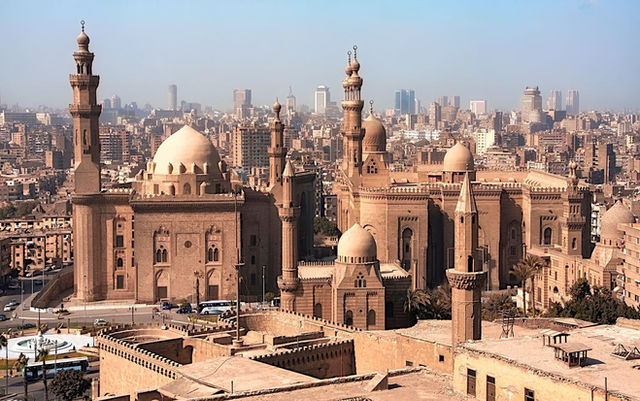
The medieval Islamic heart of the Egyptian capital — a thousand years of minarets, madrasas and the great bazaar.

  • City
  • October to April — the cooler, comfortable half of the year
  • ~approx 3–4 days
  • The Pyramids
  • Islamic Minarets
  • Khan el-Khalili
  • The Nile

The call to prayer rolling across a haze of rooftops and satellite dishes, the pyramids appearing suddenly at the end of a city street, and a glass of sweet mint tea in a bazaar alley that has traded for a thousand years.

Cairo is enormous, ancient and gloriously overwhelming — a city of a thousand minarets sprawling along the Nile, with the last wonder of the ancient world sitting right at its western edge. It is loud, chaotic and endlessly rewarding for anyone who leans in.

Type
metropolis
Ideal length
~approx 3–4 days
Getting around
a metro, and ride-hailing apps through legendary traffic
Neighbourhoods
5 areas
Best season / months
October to April — the cooler, comfortable half of the year
Language
Arabic
Currency
Egyptian pound (E£)
Budget level
low — one of the cheapest big cities for a visitor
Good for
  • History
  • Culture
  • First-timers
  • Food
▸ Discover

About Cairo

Cairo spreads along both banks of the Nile in northern Egypt, a vast megacity of some twenty million. The medieval Islamic city and the older Coptic quarter sit on the east bank; the belle-époque downtown was laid out beside them in the nineteenth century; leafy Zamalek occupies an island in the river; and across the water to the southwest, on the Giza plateau, stand the pyramids, now almost touching the city's edge. It is dense, dusty and chaotic, and traffic is its own adventure — the metro and ride-hailing apps are how you actually move.

Cairo is home to a UNESCO World Heritage Site — Historic Cairo — inscribed in 1979.

Why go

Nowhere packs this much history into one sprawling city. The Pyramids of Giza and the Sphinx are the obvious draw, and a new grand museum has gathered the pharaonic treasures beside them, but Cairo is far more — one of the great medieval Islamic cities, a living bazaar, a Coptic quarter older than most of Europe's churches, and a street-food and café culture that runs day and night. It is not a relaxing city, but it is an unforgettable one.

Don't miss

  • The Pyramids of Giza and the Sphinx — the last ancient wonder, at the city's edge
  • The Grand Egyptian Museum — the pharaonic treasures gathered by the pyramids
  • Khan el-Khalili — the great medieval bazaar
  • The Citadel and the Mosque of Muhammad Ali — the alabaster mosque over the city
  • Islamic Cairo's Al-Muizz street — a thousand years of minarets and madrasas

Signature experiences

The pyramids and the treasures — The Pyramids of Giza and the Sphinx sit at the very edge of the city, and seeing them for real never disappoints, however many photos you've seen. Go early to beat the heat and the crowds, and give the plateau time. Beside it, the Grand Egyptian Museum now gathers the pharaonic collection — Tutankhamun's treasures among them — in a vast new building looking out to the pyramids themselves. **Medieval Islamic Cairo** — Walk Al-Muizz street through the medieval city and you pass a thousand years of mosques, madrasas and merchants' houses, minarets rising on every side. Climb a minaret or the Bab Zuweila gate for the rooftop view, lose an afternoon in the Khan el-Khalili bazaar, and stop for mint tea and a shisha at the centuries-old El Fishawy café. **The Citadel and the city view** — Saladin's fortress crowns a hill above the medieval city, its great domed alabaster mosque visible from far off. From the ramparts, Cairo spreads out in a haze of minarets and rooftops, the pyramids just visible on a clear day — the single best way to grasp the scale of the place. **The Nile and the street** — The river is the city's calm centre. Take a felucca sailboat at sunset from Zamalek, walk the corniche, and cross to the downtown cafés. And eat on the street — Cairo runs on koshary, ful and ta'ameya, sold from stalls and hole-in-the-wall shops, cheap and constant.

Neighbourhoods

Cairo neighbourhood by neighbourhood — the character of each and who it suits.

  • Islamic Cairo

    The medieval heart — a dense warren of mosques, madrasas, gates and markets, its skyline a forest of minarets, still fully alive with trade and worship.

    Why go
    The greatest concentration of Islamic architecture in the world, and the bazaar.
    Best for
    Historythe bazaarmosquesstreet life
    Known for
    Khan el-Khalili bazaar, the monument-lined Al-Muizz street, Al-Azhar Mosque, the Sultan Hassan and Al-Rifa'i mosques, and the medieval gates of Bab Zuweila.
  • The Citadel

    The hilltop fortress of Saladin above the medieval city, crowned by a great domed mosque and holding the best long view over Cairo.

    Why go
    The alabaster mosque and the panorama across the minarets to the pyramids.
    Best for
    Viewsmosqueshistory
    Known for
    The Citadel of Saladin, the Mosque of Muhammad Ali (the "alabaster mosque"), the military museums, and the hazy view over the whole city.
  • Coptic Cairo

    The old Christian quarter in the south — narrow lanes of ancient churches, a synagogue and a museum, built within and over a Roman fortress.

    Why go
    The Hanging Church and the deep Christian and Jewish history.
    Best for
    Churchesquiet historythe Coptic Museum
    Known for
    The Hanging Church of the Virgin Mary, the Ben Ezra Synagogue, the church of St. Sergius and Bacchus, and the Coptic Museum, all within the walls of Old Cairo.
  • Downtown

    The nineteenth-century European-style centre — grand belle-époque boulevards and squares, faded and traffic-choked but full of old cafés and the city's civic pulse.

    Why go
    The old museum, the café culture, and the architecture of Khedivial Cairo.
    Best for
    Cafésarchitecturecity life
    Known for
    Tahrir Square and the original Egyptian Museum, the belle-époque facades, the historic Groppi and downtown coffeehouses, and the theatres and bookshops.
  • Zamalek

    The leafy island district in the Nile — embassies, galleries, and the city's most relaxed, upscale streets, a breather from the din.

    Why go
    A calmer base, art galleries, and riverside restaurants.
    Best for
    A quieter staygalleriesdining
    Known for
    The tree-lined streets and villas, the Cairo Tower and its viewing deck, the art galleries and the Opera House complex, and the Nile-side restaurants and felucca jetties.

Views & hidden gems

Best views

  • The Citadel ramparts — the whole city and the pyramids beyond on a clear day
  • The Cairo Tower on Zamalek — a 360° view over the Nile and the city
  • The Bab Zuweila gate and minarets — a rooftop view over medieval Cairo
  • Al-Azhar Park — landscaped gardens looking across the old city's skyline

Hidden gems

  • Al-Azhar Park — a green hilltop garden built on old rubble, with the best sunset over Islamic Cairo
  • El Fishawy café — a centuries-old mirrored coffeehouse in the Khan el-Khalili
  • The City of the Dead — the vast inhabited historic cemeteries, best seen with a guide
  • Coptic Cairo's quiet lanes — ancient churches away from the bazaar crowds
  • The Manial Palace on Roda island — an eccentric royal palace and gardens

Food & drink

Cairo eats cheaply, richly and constantly. The national dish is koshary — a bowl of rice, lentils, pasta and chickpeas under fried onion and tomato sauce — and the streets run on ful medames (stewed fava beans) and ta'ameya, the Egyptian falafel made with fava. Grilled meats, stuffed vegetables and molokhia greens fill the tables; feteer flaky pastry and om ali bread pudding cover dessert. Coffeehouses (ahwas) are the social hub, for mint tea, thick Turkish coffee, shisha and backgammon; alcohol is limited and low-key. Sugarcane juice from a street press is the classic refresher.

  • Koshary — rice, lentils, pasta and chickpeas with fried onion and tomato sauce
  • Ful medames — slow-stewed fava beans, the everyday breakfast
  • Ta'ameya — Egyptian falafel made with fava beans
  • Molokhia — a garlicky green-leaf stew, often with chicken or rabbit
  • Feteer — a flaky layered pastry, sweet or savoury
  • Om Ali — a warm bread-and-milk pudding with nuts
Dietary notes

Vegetarians eat very well — koshary, ful, ta'ameya and stuffed vegetables are naturally meat-free and everywhere — though check that stews aren't meat-stocked. Vegan food follows easily from the same staples. Halal is the default across the city. Kosher food is very limited and needs arranging ahead. Gluten-free is harder given the bread-and-pasta base, but rice and bean dishes help; confirm at each place.

▸ Photos

Cairo in photos

▸ Where you'll stay

Where you'll stay in Cairo

Base yourself by priority. Downtown puts you central and cheap among the belle-époque streets and the old museum, but it is noisy and worn. Zamalek, the Nile island, is the calmer, greener, more comfortable choice, with galleries and good restaurants, a short hop from the sights. Garden City and the Nile corniche have the grand river-view hotels. Some visitors stay out near Giza for pyramid views, trading the city for the plateau. Traffic means "close" is measured in time, not distance.

  • Budget
    Downtown hostels and budget hotels among the old boulevards, central, cheap, and lively.
  • Mid-range
    Zamalek comfortable hotels on the leafy Nile island, galleries and restaurants at hand, calmer than downtown.
  • Luxury
    The Nile corniche / Garden City grand river-view hotels with pools and Nile-facing rooms.
Stay

Hotels & rentals around Cairo

Pan, zoom and compare live prices — every stay in one map.

We may earn a commission if you book through these links, at no extra cost to you. How we make money

▸ Getting around

Getting around Cairo

The metro (three lines, with women-only carriages) is fast, cheap and beats the traffic for many trips; ride-hailing apps (avoiding fare haggling) fill the rest. Cairo traffic is legendary — chaotic, slow and not for the faint-hearted to drive. Walking works within a district but not between them. Carry small change for the metro and tips.

Downtown, Islamic Cairo and Coptic Cairo are linked by metro and short rides (~approx). Giza and the pyramids are a longer ride or metro-plus-taxi west across the river; allow for traffic on everything.

▸ Plan your days

Suggested itineraries

Ready-made day plans for Cairo — from a single day to a long weekend.

One day

Go to the Giza pyramids and the Sphinx at opening, then the Grand Egyptian Museum beside them for the pharaonic treasures. In the afternoon, cross to Islamic Cairo for the Khan el-Khalili bazaar and Al-Muizz street, and climb to the Citadel and the alabaster mosque for sunset over the city.
Two days

Give day two to the medieval and Coptic city. Spend the morning deep in Islamic Cairo's mosques and gates, break for koshary, then head to Coptic Cairo for the Hanging Church and the old quarter, and end with a felucca sail on the Nile from Zamalek.

Three days

Use day three for the older museum and a slower pace. See the original Egyptian Museum on Tahrir, wander downtown's belle-époque streets and cafés, relax in Al-Azhar Park at sunset, or take a trip out to the stepped pyramid at Saqqara and the ruins of Memphis.

▸ What you'll do

Insider tips

  • Cairo traffic is genuinely chaotic — build in far more travel time than distances suggest, and use a ride-hailing app to avoid fare haggling.
  • Carry small notes constantly for baksheesh — it smooths help, access and photos and is simply how things work here.
  • Dust and sun are relentless — sunglasses, a hat, water and sensible shoes make the plateau and the medieval city bearable.
  • A good local guide transforms the pyramids and Islamic Cairo, cutting through the touts and the layers of history — worth the modest cost.
Explore

Explore the area

© OpenFreeMap · OSM · terrain Mapterhorn
Do

Local attractions & tours

Skip-the-line tickets and small-group tours in Cairo — compare across our partners.

We're still curating hand-picked tickets and tours for Cairo. In the meantime, the map above and the nearby cities are a great place to start.

Plan

Trips in Cairo

Day-by-day itineraries that take in Cairo — routes, timings and what to book.

▸ Budget

What it costs in Cairo

Backpacker
roughly €20–35 a day.
Mid-range
roughly €60–110 a day.
Luxury
€250 a day and up.
Cash vs card
Cairo runs heavily on cash — carry Egyptian pounds for taxis, tips, markets and small cafés; cards work in hotels and bigger restaurants. Keep small notes for the constant small tips (baksheesh).
Tipping
Baksheesh is woven into daily life — small tips for help, service and access are expected everywhere; keep a pocket of small notes and tip modestly and often.
▸ When you'll go

When to visit Cairo

October to April — the cooler, comfortable half of the year

Spring

What to expect — Warm and pleasant, warming quickly, with the occasional dusty khamsin wind blowing sand off the desert. Comfortable for sightseeing before the summer heat.

What's best — Warm, bright days for the pyramids and the bazaar, and manageable temperatures before summer. Watch for the odd sandstorm.

Summer

What to expect — Fierce, dry desert heat — Cairo bakes, and the plateau is punishing at midday. Fewer tourists, and the city slows into the afternoons.

What's best — The lowest crowds and prices, and long warm evenings when the city comes alive after dark. Do the pyramids at dawn and rest through the heat.

Autumn

What to expect — Hot easing to warm and comfortable, the summer heat breaking into the ideal season. Reliable, dry and bright.

What's best — The best all-round weather returning, comfortable days for the plateau and the medieval city, and the tourist season picking up.

Winter

What to expect — Mild, sunny days and cool, sometimes cold nights — the peak season, and the most comfortable time to be here. Rare rain.

What's best — The ideal sightseeing weather — warm days, cool evenings, clear light over the pyramids — though it's the busiest and priciest time, so book ahead.

▸ Know before you go

Know before you go

Honest swaps

Skip the camel and horse touts at the pyramid gates → arrange any ride or guide in advance through your hotel, and set the price and route before you start.

Skip the tourist-bazaar prices in the front of Khan el-Khalili → go deeper into the market where locals shop, and haggle with good humour.

Skip the overpriced hotel "Nile dinner cruises" → take a simple felucca sailboat at sunset from Zamalek for far more atmosphere.

Skip the sound-and-light show hard sell → the pyramids at opening, in the morning light, are the real experience.

Crowds & timing

The Giza plateau is best at opening for cool air, soft light and thinner crowds — go early, bring water, a hat and sun cover.

The Grand Egyptian Museum and the pyramids get busy in winter high season — book tickets ahead where possible and start early.

Local rules & etiquette

Dress modestly, especially in Islamic and Coptic Cairo — cover shoulders and knees, and women should carry a scarf for mosques; remove shoes to enter.

Ask before photographing people, and expect a small tip (baksheesh) to be requested for photos, help or access.

Public displays of affection and alcohol are low-key; be respectful during prayer times and Ramadan, when daytime eating in public is limited.

Money

Carry cash in small denominations for the constant small tips and taxi fares; cards are for hotels and bigger venues only.

Agree taxi fares before setting off or use a ride-hailing app; decline unsolicited "guides" who attach themselves at the sights.

After dark

Cairo is a night city — the cafés, bazaars and streets of Islamic Cairo and downtown stay busy late, especially in the heat.

Zamalek and the Nile-side have the bars, galleries and smarter dining.

Ramadan transforms the nights — the city eats, shops and socialises after sundown, festive and packed.

▸ Ready to book your trip?

Getting there

Cairo International Airport (CAI) is northeast of the city. Ride-hailing apps or a pre-arranged hotel transfer are the easiest way in; a rail link and buses also run, but traffic makes timing unpredictable (~approx 45–90 min depending on traffic). The city's main train station is Ramses (Misr) station downtown, for the Nile Valley and Alexandria.

Book

Ready to book your trip?

Flights, airport transfers and car hire — search and compare without leaving the page.

▸ Trip extras
Book

More trip extras

Parking, holiday extras, and more — coming soon.

Coming soon

We're lining up parking, holiday extras and activities you'll be able to add to any trip from here.

We may earn a commission if you book through these links, at no extra cost to you. How we make money