Berlin
Europe's most layered capital: five UNESCO museums on one island, Wall history told unflinchingly, and brilliant street food on every corner.
- City
- 4–5 days
Where you'll stay in Berlin
<h4>Mitte</h4><p>Mitte is the historic centre and the easiest base for first-time visitors — <strong>Museum Island</strong> is walkable, the Brandenburg Gate is close, and the S-Bahn and U-Bahn connections radiate in every direction. Family-friendly hotels in Mitte tend to be mid-to-upper range; the area is polished and safe, if not the most atmospheric neighbourhood for evening wandering. I find it best for families who want to minimise transit time to the sights.</p><h4>Prenzlauer Berg</h4><p>Just north-east of Mitte, Prenzlauer Berg is a beautifully preserved district of nineteenth-century apartment buildings with a strong neighbourhood feel — excellent cafés, weekend farmers' markets, quiet parks and relatively calm streets. It is particularly popular with families visiting Berlin; mid-range hotels and apartment rentals here offer excellent value, and the tram network connects you to Mitte in under fifteen minutes. I always recommend it to families who want a more lived-in experience.</p><h4>Charlottenburg</h4><p>West Berlin's traditional heart is more formal than the east but very family-friendly — the Kurfürstendamm shopping street, Charlottenburg Palace and the excellent Zoo-Aquarium complex are all within easy reach. Family-friendly hotels in this area tend to be larger, sometimes better value for connecting rooms, and the area is extremely safe. The U-Bahn links to central sights are straightforward and fast.</p><h4>Kreuzberg</h4><p>Kreuzberg is vibrant, multicultural and one of the best food neighbourhoods in the city — brilliant for families with older teens who want street food, markets and a livelier evening atmosphere. Budget and mid-range options are wider here than in Mitte. It is slightly further from Museum Island but well-connected by U-Bahn.</p><h4>How to choose</h4><p>For first-time family visits, I suggest <strong>Prenzlauer Berg</strong> or <strong>Mitte</strong> as the most practical base — both are safe, well-connected and put the UNESCO museums within easy reach. Families with older teenagers looking for more energy and variety at mealtimes will prefer Kreuzberg, accepting a slightly longer journey to Museum Island.</p>
Hotels & rentals around Berlin
Pan, zoom and compare live prices — every stay in one map.
Getting around Berlin
Metro (U-Bahn)
The U-Bahn (underground) is fast, frequent and covers the central city well — ten lines connect most major sights including Museum Island (nearest: Hackescher Markt, a short walk), Kreuzberg, Charlottenburg and the Wall sites. Trains run every 5–10 minutes during the day and through the night on weekends. The U-Bahn and S-Bahn use the same ticketing zones (AB covers all central sights); a day ticket for adults is excellent value if you are making more than three journeys.
S-Bahn
The S-Bahn (overground suburban rail) complements the U-Bahn for cross-city journeys and is how you travel from Berlin Brandenburg Airport (BER) into the city centre. It is run by Deutsche Bahn separately from BVG but uses the same zone tickets. The S5, S7 and S75 lines converge on Hackescher Markt, making them the easiest option for Museum Island from the main station.
Trams
Trams operate almost exclusively in the former East Berlin — they are the easiest way to travel around Prenzlauer Berg, Friedrichshain and Mitte's eastern fringe. Covered by the same AB zone ticket. Useful for getting between Prenzlauer Berg accommodation and Museum Island without needing the U-Bahn.
Buses
Berlin's bus network fills gaps in the rail coverage and is especially useful for reaching the Tiergarten, Charlottenburg and some Wall memorial sites. Route 100 (the famous sightseeing bus — no extra charge on a day ticket) runs from Alexanderplatz through Tiergarten to Zoologischer Garten, passing many of the major sights. Night buses operate when the U-Bahn stops on weekday nights.
Taxis and ride-hailing
Taxis in Berlin are metered and reliable; they operate from designated ranks near major stations and can be hailed on the street. Uber and Bolt both operate in the city and are generally competitive on price, particularly outside peak hours. For families with luggage or for late-night returns, ride-hailing is a practical option.
Cycling
Berlin is exceptionally flat and has a well-developed network of dedicated cycle lanes. The Nextbike and Lime bike-share schemes operate across the city and can be hired via app — a very enjoyable way to travel between Mitte, Tiergarten and Prenzlauer Berg on a fine day. Teenagers in particular tend to love cycling the East Side Gallery stretch along the Spree.
Walking
The historic centre — Museum Island, the Brandenburg Gate, the Reichstag and Unter den Linden — is walkable within a comfortable 30–40 minutes on foot. I always recommend at least one long walk along the Spree riverfront to experience how the historic and contemporary city layer together. The city is very pedestrian-friendly with well-marked crossings; jaywalking is genuinely frowned upon at traffic lights, which is worth mentioning to children.
Insider tips
Museumsinsel (Museum Island) — UNESCO World Heritage Site
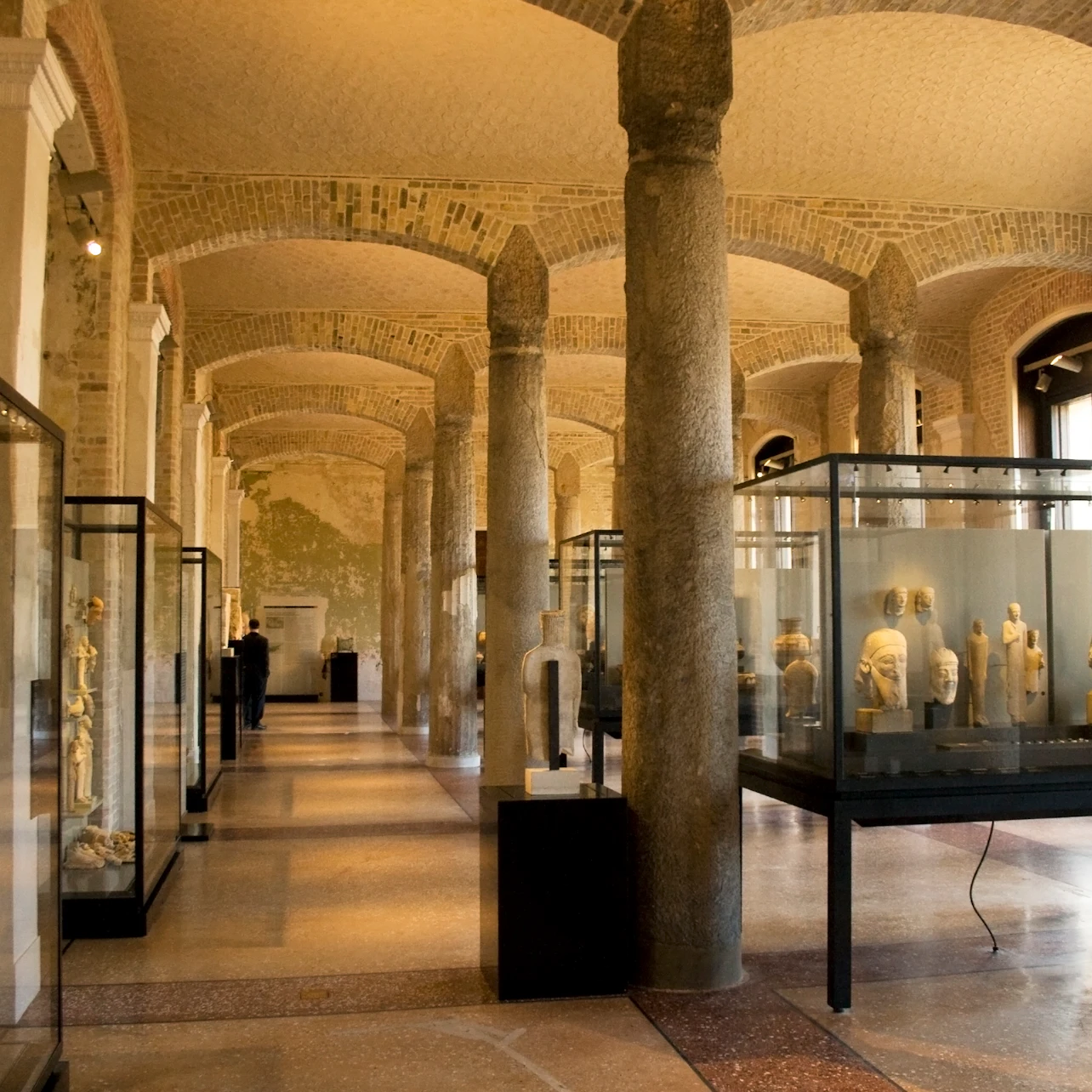
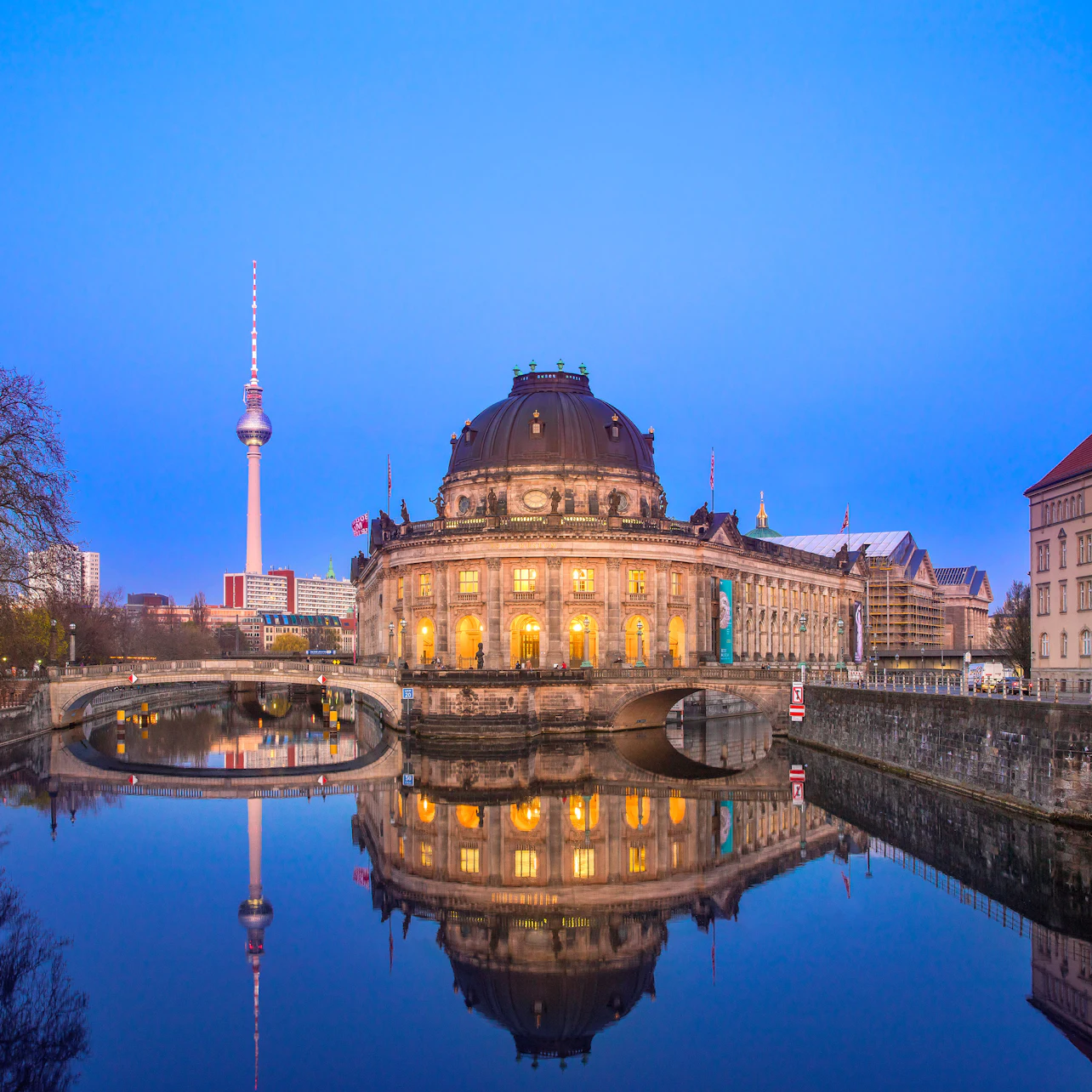
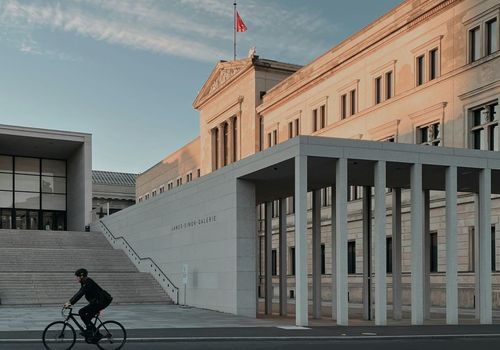
Museum Island is the single most important stop in Berlin — a UNESCO World Heritage Site since 1999 and one of the most concentrated assemblies of world-class antiquities on earth. I recommend starting with the Pergamon Museum (book timed-entry tickets online — they regularly sell out a week ahead): the full-scale reconstruction of the Pergamon Altar and the Ishtar Gate of Babylon are genuinely jaw-dropping, and teenagers who thought they were not interested in ancient history tend to stop talking and just stare. The Neues Museum houses the famous bust of Nefertiti alongside outstanding Egyptian and prehistoric collections. Allow a full day for the island; the combined day pass offers the best value and lets you dip in and out across all five museums.
Berlin Wall sites
The East Side Gallery — a 1.3 km preserved section of the Wall painted by international artists after the fall — is free to visit and unlike anything else in Europe: open-air political art at the scale of the event itself. The Berlin Wall Memorial on Bernauer Strasse is more sobering and more informative, with a preserved watchtower, documentation centre and outdoor panels that trace the Wall's full story. Both are essential for families with teenagers, who consistently engage deeply with this history. Allow two to three hours combined.
DDR Museum
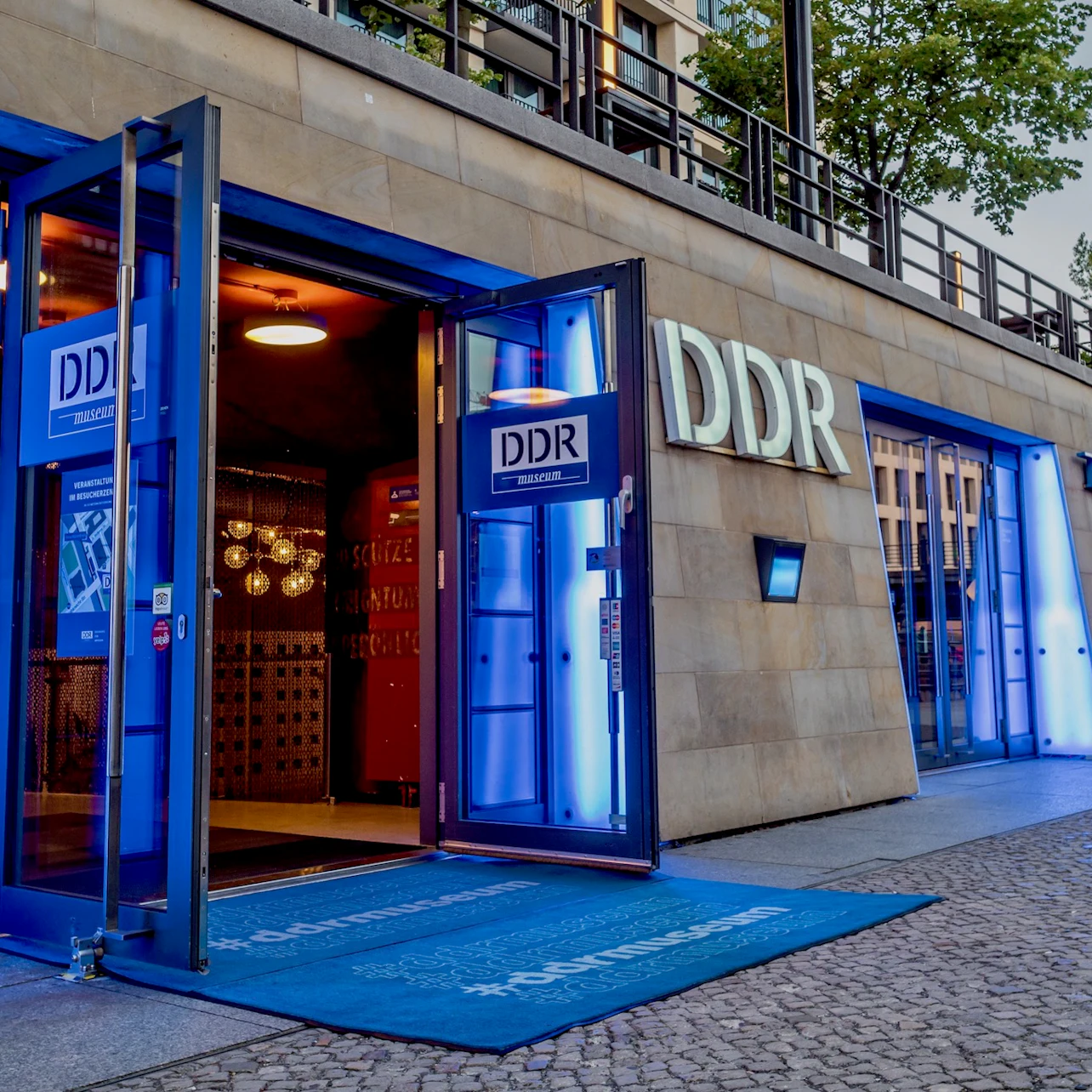
The DDR Museum on Karl-Liebknecht-Strasse is one of the most hands-on history museums I have encountered anywhere. Visitors sit inside a Trabant, explore a reconstructed East German apartment, and discover how the surveillance state worked in practice. It is excellent for teenagers — deliberately interactive and accessible without being trivialising. Timed-entry tickets can be booked online and I strongly recommend booking ahead, especially in summer.
Topography of Terror
Built on the excavated site of the former SS and Gestapo headquarters, the Topography of Terror is free to enter and presents one of the most unflinching accounts of Nazi governance available anywhere. The outdoor excavations and indoor permanent exhibition together take around two hours. It is serious, not sensationalist — appropriate from around age thirteen, and genuinely important for teenagers studying twentieth-century history.
Brandenburg Gate and Reichstag
The Brandenburg Gate is the defining symbol of German reunification and worth visiting at different times of day (early morning is far less crowded). The Reichstag rooftop terrace, with its famous glass dome, offers one of the finest free panoramas of any European capital — but free online registration is required and slots fill up two to three weeks ahead. Register as soon as you have firm dates.
Tiergarten and Mauerpark
Berlin's central park, the Tiergarten, is where locals run, cycle and picnic on warm weekends — a good place for families to decompress between museum visits. On Sunday mornings, Mauerpark flea market in Prenzlauer Berg is a genuine Berlin institution: vintage clothing, vinyl, handmade goods and spontaneous karaoke by the amphitheatre. Arrive before 10am for the best browsing before the afternoon crowds arrive.
Jewish Museum Berlin
Daniel Libeskind's Jewish Museum is one of the most architecturally powerful buildings in the world — the voids, the off-kilter corridors and the Holocaust Tower engage at a visceral level before a single exhibit is read. The permanent collection covers two millennia of German-Jewish history. It is appropriate for older children and teenagers and consistently rates among the most affecting museum experiences in Berlin. Tickets can be booked online.
Frequently asked
How many days do I need in Berlin?
Four to five days is my recommendation for a first family visit — one full day on Museum Island, a day for the Wall sites and the DDR Museum, a day exploring Prenzlauer Berg or Kreuzberg, and a morning for the Reichstag and Brandenburg Gate. Berlin genuinely rewards a full week for families who want to go deeper into its neighbourhoods and evening culture.
Is the UNESCO Museum Island worth it for teenagers?
Consistently yes — and the Pergamon Museum in particular. The full-scale reconstructions of the Pergamon Altar and the Ishtar Gate of Babylon are physically enormous and tend to stop teenagers mid-sentence. I find it helps to brief teens before visiting: the UNESCO designation in 1999 recognised that five world-class museums on a single island in a river is genuinely unique in the world, which gives them a frame for why it matters. Allow a full day and let them choose which of the five museums to return to.
Is Berlin appropriate for teenagers?
Extremely so. The Wall history, the Stasi Museum, the DDR Museum's hands-on exhibits, the street art of the East Side Gallery and the energy of the Mauerpark market all engage strongly with older children. Berlin does not simplify its history for tourists, which teenagers who are studying modern European history tend to respect enormously.
Do I need to book museum tickets in advance?
For the Pergamon Museum, yes — timed-entry tickets sell out regularly, especially in summer, and queues without a booking can run to two hours. Book at least a week ahead on the Staatliche Museen Berlin website. The Reichstag rooftop requires free advance registration online, often two to three weeks ahead. The DDR Museum and Jewish Museum can also be booked online and I recommend it in July and August.
Is Berlin expensive for a family?
No — Berlin is notably affordable by Western European capital standards. A mid-range family budget of around £90–£130 per day for two adults and teenagers is realistic and stretches well: restaurant meals, coffee, public transport and entry fees are all significantly cheaper than London or Paris. Many state museums including the Topography of Terror and the Reichstag are free, and the East Side Gallery is always free to visit.
What is the best way to get from the airport to the city?
The S9 and S45 S-Bahn lines from Berlin Brandenburg Airport (BER) reach the city centre in around 30–40 minutes and are the most practical option for families — covered by a standard ABC zone ticket. Trains run regularly throughout the day. Taxis are available but significantly more expensive; ride-hailing (Uber/Bolt) is a middle ground and easier with luggage.
Which neighbourhood is best for families to stay in?
Prenzlauer Berg is my top recommendation for most families — it is safe, calm, very well-connected by tram and S-Bahn, and has a genuine neighbourhood feel with good cafés and a Sunday farmers' market. Mitte is the most convenient for sights but more hotel-corridor in character. Charlottenburg suits families who want more space and a traditional West Berlin feel, particularly if you plan to visit the Zoo or Charlottenburg Palace.
While you're there
Explore the area
Local attractions & tours
Skip-the-line tickets and small-group tours in Berlin — compare across our partners.
Best time to visit Berlin
Seasons overview
Berlin has a proper continental climate — seasons are distinct and clearly felt. Summer (June–August) is warm and bright, typically reaching 24–28°C, with long evenings that stretch well past nine o'clock. The city's outdoor culture — beer gardens, open-air cinemas, parkside cafés — is at its very best. This is peak tourist season, so Museum Island and the Brandenburg Gate are busiest; book timed-entry tickets for the Pergamon well in advance.
Spring (April–May) is one of my favourite times to visit. Temperatures climb from around 10°C into the low twenties, the city's parks and canals come alive, and crowds are manageable. Autumn (September–October) brings crisp, photogenic weather and a strong festival calendar — the Berlin Art Week in September is unmissable if you have teens with creative interests. Winter (December–February) is genuinely cold, often dipping below freezing, occasionally snowy; the Christmas markets at Gendarmenmarkt and Alexanderplatz are among Europe's finest, but pack properly for the cold.
Best months for families
For families, late May, June and September hit the best balance — warm enough for parks and outdoor eating, not so hot or crowded that Museum Island queues become a deterrent. School summer holidays in July and August are perfectly fine weather-wise but noticeably busier; book key museum tickets two to three weeks ahead if travelling then.
Getting there
By air
The main gateway is Berlin Brandenburg Airport (BER), which opened in 2020 and handles all major traffic for the city. Direct flights from London operate from Heathrow (LHR), Gatwick (LGW), Stansted (STN) and Luton (LTN) with British Airways, Lufthansa, easyJet and Ryanair; flight time is approximately two hours. Return fares from London typically range from ~£60–£200 depending on airline and how far ahead you book — easyJet and Ryanair regularly offer very competitive prices on this route. From the airport, the S9 and S45 S-Bahn lines reach Berlin Hauptbahnhof (central station) in around 30–40 minutes and are covered by a standard ABC zone ticket (approximately €4 per adult).
By train
Travelling by train from London is a scenic alternative worth considering for families who enjoy the journey. The Eurostar from London St Pancras to Brussels takes around two hours, connecting to a high-speed ICE train from Brussels to Berlin in approximately six hours — total journey time is around 8–9 hours including the connection, with a change in Brussels or Cologne. Through tickets can be booked via Eurostar or Deutsche Bahn; prices vary but are often comparable to flights once luggage and transport to the airport are factored in. The experience — arriving by train at Berlin Hauptbahnhof, a spectacular glass station in the heart of the city — is genuinely enjoyable, especially for families travelling with teenagers.

Ready to book your trip?
Flights, airport transfers and car hire — search and compare without leaving the page.
More trip extras
Parking, holiday extras, and more — coming soon.
We're lining up parking, holiday extras and activities you'll be able to add to any trip from here.