One day
Start at Hallgrímskirkja and walk down Rainbow Street to Laugavegur, then to the Tjörnin pond. Continue to Harpa and the Sun Voyager on the waterfront, and finish at the Old Harbour. Soak in a geothermal pool in the evening.
Iceland's compact capital: coloured streets, harbour museums, geothermal pools, near-24-hour summer light and the northern lights from September to April.
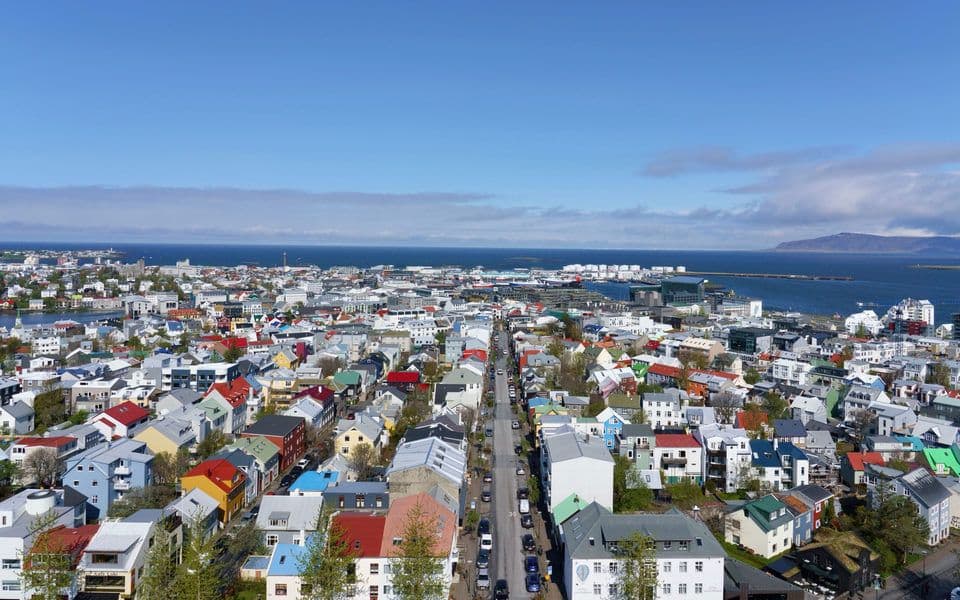
The tower of Hallgrímskirkja above a patchwork of coloured roofs, the bay a hard blue beyond, and a long July evening still bright at ten o'clock while the pools steam in the cool air.
Reykjavík is a small, walkable capital in the far north: colourful streets, a harbour of museums and restaurants, and geothermal pools in every district. Summer brings highs of around 10 to 15 °C and near-24-hour daylight, which makes it a cool-weather answer to a hot Med city break. We would add a day or two for the Golden Circle and accept that it is expensive.
Reykjavík is Iceland's capital and largest city, set on the shores of Faxaflói Bay. By European standards it is small, and the centre is easy to cover on foot: Hallgrímskirkja rises above downtown, Rainbow Street leads down to the main street, Laugavegur, and the glass-fronted Harpa concert hall stands by the harbour. Visit Reykjavík describes the wider city as 14 areas across six municipalities, so a day can take you from a harbour museum to a wooded hill, a lighthouse on a tidal islet or a geothermal pool.
The city's story goes back to the settlement period in the ninth century, when the Norse settler Ingólfur Arnarson is believed to have built a homestead here. Today it holds most of the country's leading cultural institutions, and nearly two thirds of Icelanders live in the capital area. It is also the practical base for the Golden Circle, the South Coast and Reykjanes, all reachable as day trips. In summer the light lasts almost round the clock; in winter the dark nights bring the northern lights within reach.
Reykjavík is the easiest way to taste Iceland without committing to a road trip. You can see a church, a concert hall, a national museum and the harbour in a day on foot, then soak in a geothermal pool in the evening. In July it also answers a question many UK travellers now ask: where can I go in summer and not melt? Highs of around 10 to 15 °C, no midday heat to dodge and near-24-hour daylight make the city comfortable at any hour. The price is real, and we say so below.
Soak in a geothermal pool Reykjavík's public pools are a daily habit for residents, and Visit Iceland says they are usually geothermally heated. Laugardalslaug, the largest, also has water slides and 50-metre lanes. Cool air and warm water is the point.
Climb the tower at Hallgrímskirkja The church, inspired by basalt columns and lava flows, gives a sweeping view across the roofs to the bay. Check the church's website for opening hours before you go.
Go whale-watching from the Old Harbour Boats run from the harbour into Faxaflói Bay, and the Reykjavík Maritime Museum, in a former fish-freezing plant, is also in the Old Harbour.
Visit Perlan On top of Öskjuhlíð, Perlan has interactive exhibitions on volcanoes and earthquakes, a recreated ice cave, a planetarium and an observation deck. It is a good option on a day of rain.
Walk to Grótta lighthouse At low tide a sandy path leads across to a tidal islet and a lighthouse that has guided ships since 1947. In winter it is a local favourite for northern lights.
See the Settlement Exhibition The exhibition on Aðalstræti, included in the City Card, is about Reykjavík's settlement and early history.
Reykjavík neighbourhood by neighbourhood — the character of each and who it suits.
The compact heart of the capital, where Hallgrímskirkja, Laugavegur, Rainbow Street, the Tjörnin pond and Harpa all sit within a short walk.
A former fishing quarter that is now a waterfront for museums, ocean tours and restaurants.
The city's green valley for sport and families, with a botanical garden and the largest pool.
A wooded hill south of downtown, topped by Perlan, with forest trails and a city beach below.
A quiet peninsula west of the centre, within walking distance, known for birdlife and a lighthouse.
A harbour town ten minutes south of Reykjavík, with lava landscapes and a Viking theme.
Icelandic cooking leans on fish and lamb. Visit Iceland highlights Arctic char, salted cod (saltfiskur), free-roaming mountain lamb and the lamb soup kjötsúpa, plus skyr. Reykjavík's restaurant scene is wider than that, and Visit Iceland points to Michelin-recognised dining in the country. Visit Reykjavík publishes guides to breakfast, brunch and happy hours, which is where we would look to keep costs down. Ice cream is eaten in every weather, and locals even make an ice cream drive, an ísbíltúr.
Traditional Icelandic cooking leans on fish, lamb and dairy, so vegetarians, vegans and anyone avoiding fish should read menus before booking and tell staff about allergies. We could not confirm an official dietary guide for Reykjavík, so we have not named specific restaurants. Self-catering at a supermarket also helps with cost, and some guesthouses and hostels have guest kitchens.
Choose by what you want from the city. The City Centre, around Hallgrímskirkja, Laugavegur and Harpa, puts you within walking distance of nearly everything, at the highest prices and with some late-night noise near the bars. The Old Harbour and Grandi district is a lively waterfront for restaurants and whale tours. Laugardalur has the biggest pool and the family attractions, and the Vesturbær and Seltjarnarnes side is quiet and close to the sea. Hafnarfjörður, ten minutes south, is a harbour town with its own character.
Pan, zoom and compare live prices — every stay in one map.
We may earn a commission if you book through these links, at no extra cost to you. How we make money
Walk. The centre is compact, and the main sights, from Hallgrímskirkja to Harpa and the Old Harbour, are within walking distance of each other. Visit Reykjavík also lists bikes, e-scooters, taxis and rental cars, and says licensed taxis operate around the clock. For the outer areas, such as Laugardalur, Öskjuhlíð and Seltjarnarnes, take a Strætó bus. You only need a car for trips beyond the capital, and in summer guided day tours from the city are the alternative.
Strætó runs the city buses. You can plan trips in its route planner and watch buses in real time, and Visit Reykjavík points visitors to the Klappið app for routes, timetables and fares. You can also pay on board with cash or a card. The Reykjavík City Card includes unlimited use of city buses, and the Flybus airport coach is a separate booked service.
Ready-made day plans for Reykjavík — from a single day to a long weekend.
Start at Hallgrímskirkja and walk down Rainbow Street to Laugavegur, then to the Tjörnin pond. Continue to Harpa and the Sun Voyager on the waterfront, and finish at the Old Harbour. Soak in a geothermal pool in the evening.
Spend the first day as above. On the second, take the bus to Laugardalur for the pool and botanical garden, or go up Perlan on Öskjuhlíð and walk down to Nauthólsvík. In the afternoon visit the National Museum, and end with a walk to Grótta lighthouse at low tide.
Add a Golden Circle day, with Þingvellir, the Geysir area and Gullfoss, by guided tour or hire car. Or keep it local with Hafnarfjörður and the Viðey ferry, then a whale-watching trip from the Old Harbour.
Yes. Eurostat's 2024 price levels (EU average 100) put Iceland at about 167 for restaurants and hotels, against about 84 for Spain and 95 for Croatia. The City Card, free walking tours and the free sights Visit Reykjavík lists help, but budget for a high bill.
No. The centre is walkable and Strætó buses cover the rest. Hire a car, or join a day tour, only for the Golden Circle, South Coast or Reykjanes.
Flybus takes about 45 minutes to the BSÍ Bus Terminal and leaves 40 minutes after each landing. Strætó buses also serve the airport.
Visit Iceland says the season runs from September to April, with December and January the darkest months. May to August is too light. You need clear skies and activity, so allow several nights.
The FCDO says the capital and Keflavík Airport were not affected by the Reykjanes eruptions. On 27 October 2026 the Met Office reported ongoing uplift at Svartsengi and an eruption remained the most likely scenario. Follow the Met Office and safetravel.is.
It sits on Reykjanes, near Svartsengi. We could not read its current opening status, so check the Blue Lagoon's own website and safetravel.is before you book.
Not yet. The EU says ETIAS is scheduled for the last quarter of 2026, with the exact date to be announced. The Entry/Exit System has been fully operational since 10 April 2026.
Skip-the-line tickets and small-group tours in Reykjavík — compare across our partners.
Reykjavik
Tickets via WeGoTrip
from £37.41
View & book →
Reykjavik
Tickets via WeGoTrip
from £70.99
View & book →
Reykjavik
Tickets via WeGoTrip
from £43.88
View & book →
Reykjavik
🎧 2 hours
Tickets via WeGoTrip
from £7.67
View & book →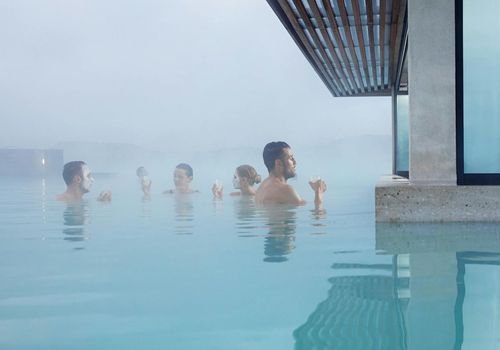
Reykjavik
Tickets via WeGoTrip
from £17.01
View & book →Day-by-day itineraries that take in Reykjavík — routes, timings and what to book.
 6 Nights
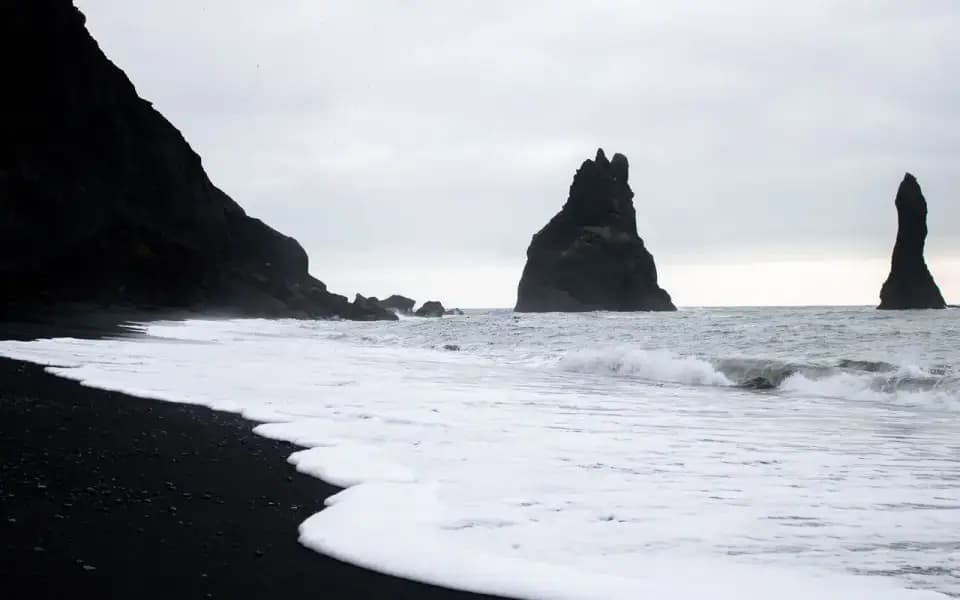
Discover the elemental forces of Iceland on a flexible 7-day self-drive expedition tailored for active exploration in the height of the arctic summer. Journey from the colorful streets of Reykjavik through the geological wonders of the Golden Circle, across the dramatic waterfalls and black sands of the South Coast, to the floating icebergs of Jökulsárlón and the rugged tracks of the southern highlands.
Price on enquiry
View trip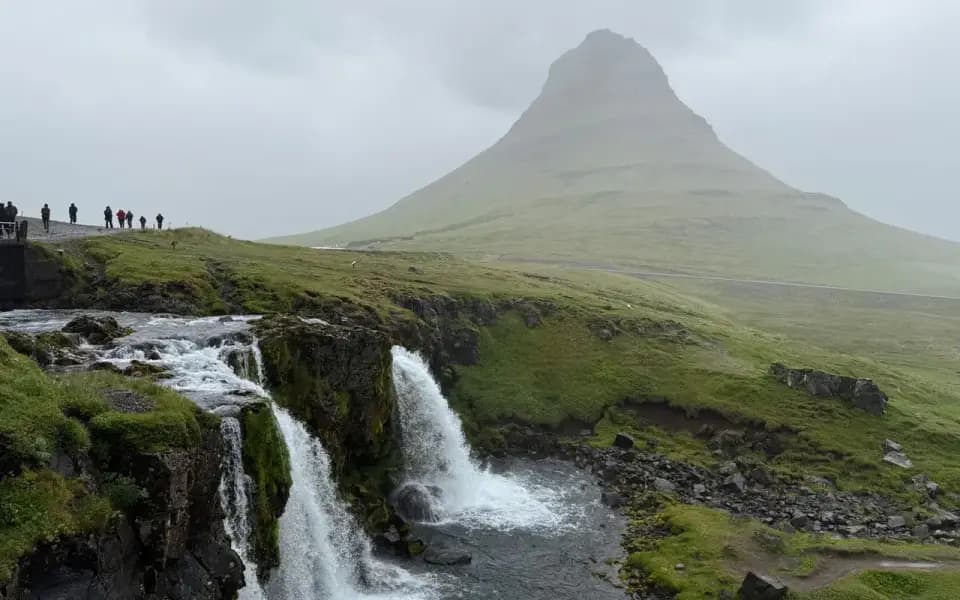 13 Nights
Embark on a spectacular cross-country road trip circling Iceland's legendary Ring Road, combining iconic coastal wonders with rugged interior highland F-roads. Masterfully planned for late summer, this driving itinerary connects dramatic black sand beaches, iceberg lagoons, and geothermal fields with remote mountain tracks.
Price on enquiry
View trip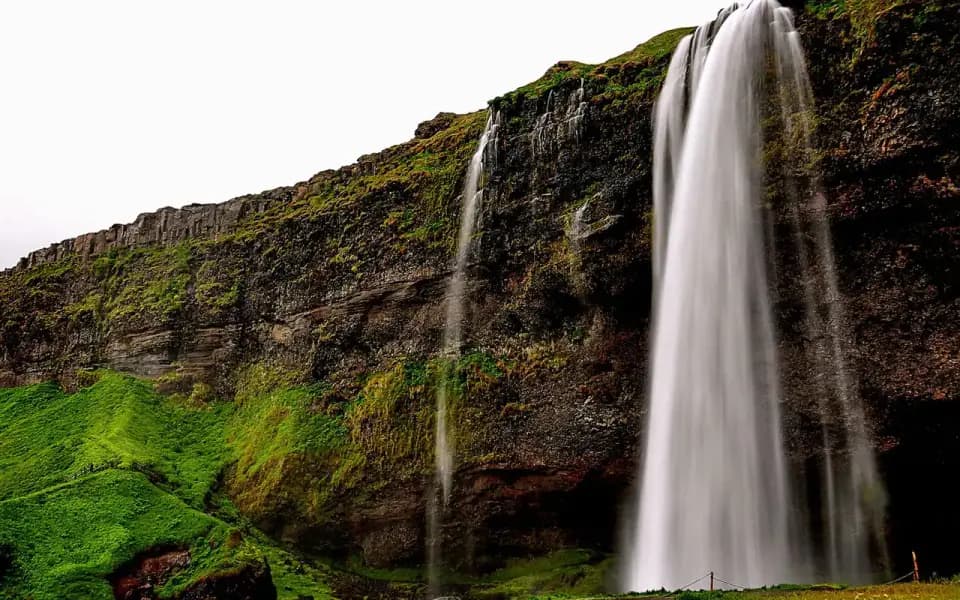 6 Nights
Venture deep into Iceland's rugged volcanic core on an active, high-clearance self-drive expedition tailored for backcountry exploration. This route leaves the pavement behind to conquer the legendary southern F-roads, navigating glacial river crossings, black sand deserts, hidden mountain valleys, and dramatic basalt coastlines.
Price on enquiry
View tripJune to August for long, cool days; September to April for the northern lights
What to expect — Cool, with daylight lengthening fast. Our climate data gives average highs of about 3 °C in March, 6 °C in April and 8 to 9 °C in May.
What's best — Fewer visitors, and the last northern lights chances in March and April, according to Visit Iceland's September to April season.
What to expect — Highs of around 10 to 15 °C, near-24-hour daylight from June to August, and no oppressive humidity. Skies are often cloudy and it can be windy.
What's best — Outdoor swimming in warm pools, walks and bike rides at any hour, whale-watching and Golden Circle day trips, with every road open.
What to expect — Cooling and darker. Our data gives highs of about 10 °C in September, 6 °C in October and 4 °C in November, and Reykjavík loses daylight quickly.
What's best — The start of the northern lights season in September, quieter streets and cosy cafés.
What to expect — Short days (roughly five hours of daylight by the end of November), highs around 1 to 2 °C and the risk of gales and blizzards, as on 13 October 2026.
What's best — Northern lights, geothermal pools in cold air, museums and concerts, with road conditions checked daily.
Skip a rental car for a city-only stay → Strætó, Flybus and your feet cover Reykjavík; hire a car, or join a day tour, only for the Golden Circle or South Coast.
Skip paying separately for each museum and pool → the Reykjavík City Card covers 17 museums, 8 pools and unlimited city buses; Visit Reykjavík says it can pay for itself in a day or two.
Skip the busiest Golden Circle stops at midday in July → go in the late evening or very early morning, when Visit Iceland says it feels more private.
Swap it: Reykjavík in July for Barcelona or Seville in a heatwave. You get 10 to 15 °C, near-24-hour daylight and no midday heat to plan around. You give up reliable beach weather, and you will pay a lot more: Eurostat's 2024 price level for Iceland is about 173 against 91 for Spain.
The FCDO (updated 11 August 2026) says Reykjavík and Keflavík Airport have not been affected by the Reykjanes eruptions since December 2023. The Icelandic Met Office update of 27 October 2026 reports continued uplift at Svartsengi and says a new magma intrusion is still the most likely scenario; its hazard map was valid until 5 January 2027. We could not read the Blue Lagoon's current status, so check its own website and safetravel.is.
Reykjavík has roughly eight hours of daylight in early November, falling to about five by the end of the month. Northern lights season runs September to April. For any drive, check road.is, safetravel.is and the Met Office, and leave a travel plan if you head inland.
Public pools are central to daily life. Shower and wash without your swimsuit before getting in, and bring a swimsuit all year round.
Reykjavík is one of Europe's expensive capitals: Eurostat's 2024 price level puts Iceland at about 173 for household consumption where the EU average is 100 (Spain about 91), so a careful visitor should budget well above a Spanish or Croatian city break.
112 (ambulance, fire, police; FCDO). Health information line +354 513 1700, 24 hours (safetravel.is)
Reykjavík's own airport is mainly for domestic flights, so UK visitors land at Keflavík (KEF), 48 km away. Visit Iceland gives about three hours ten minutes as a typical flight time from London Heathrow, and its airline list shows Icelandair from Heathrow year round, easyJet from London, Manchester and Edinburgh year round, and Jet2, TUI and British Airways seasonally. Check the airline's schedule for your dates. From the airport, Flybus takes about 45 minutes to the BSÍ Bus Terminal and leaves 40 minutes after each plane lands, with hotel drop-off on some routes. Strætó public buses also run between the capital area and the airport. Car hire desks are at KEF if you are heading beyond the city.
Flights, airport transfers and car hire to KEF — search and compare without leaving the page.


