Trinity College and the Book of Kells – The 9th-century illuminated gospel book is the centrepiece of the Book of Kells Experience, which adds the Old Library's Long Room and a set of immersive digital exhibitions in a pavilion beside it. Note that the Long Room's shelves have been emptied for a redevelopment project, with only the first four bays still holding books, so the famous view is not quite what the photographs show. Entry is timed; book online and allow about 90 minutes.
Georgian squares and free museums – Around Merrion Square and St Stephen's Green are the brick terraces, fanlights and painted doors that define the city, and the museums between them cost nothing: the National Museum of Ireland's archaeology collection on Kildare Street, the National Gallery on Merrion Square West, and the Decorative Arts and History museum at Collins Barracks across the river. Oscar Wilde reclines on his rock in Merrion Square, and on Sundays painters hang their work on its railings.
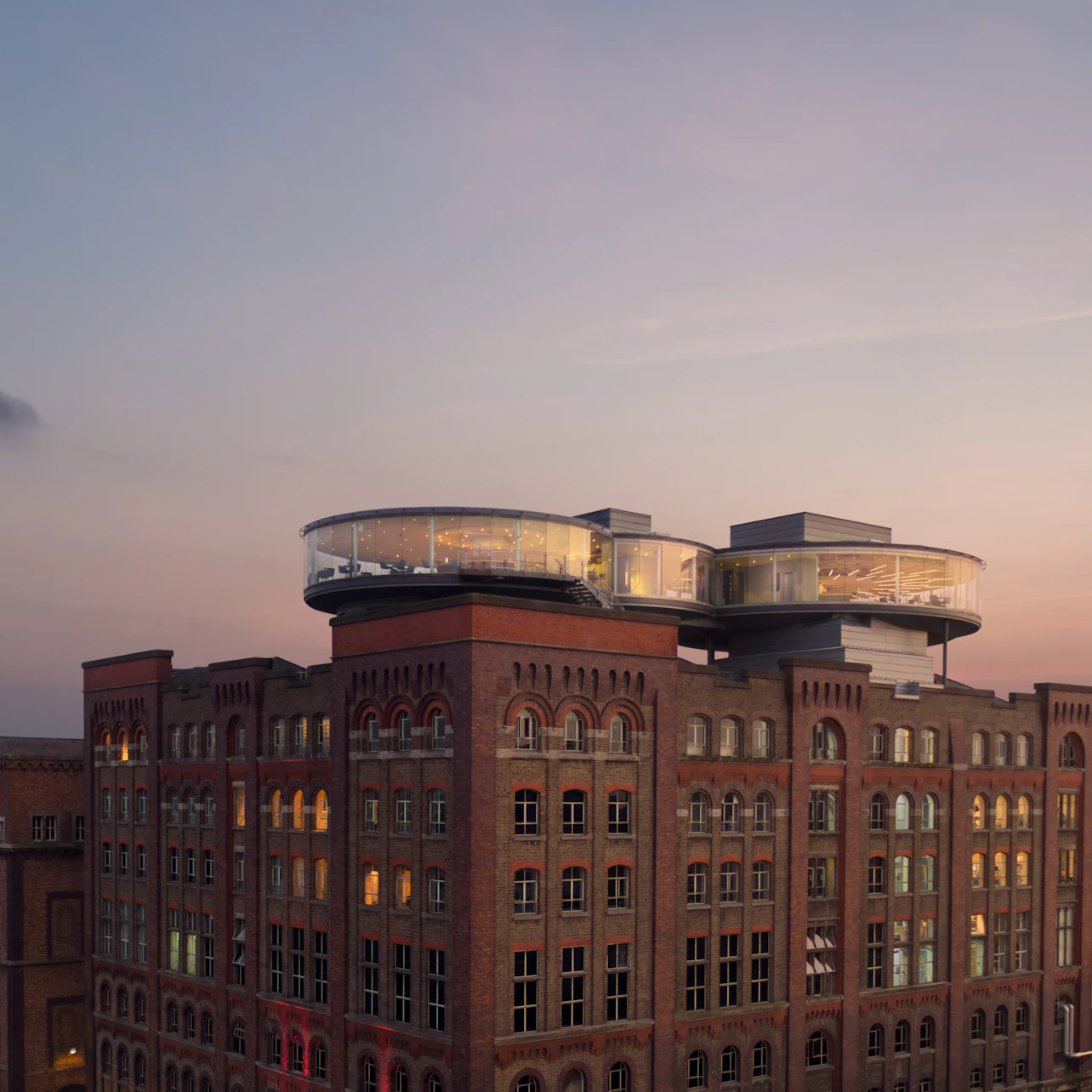
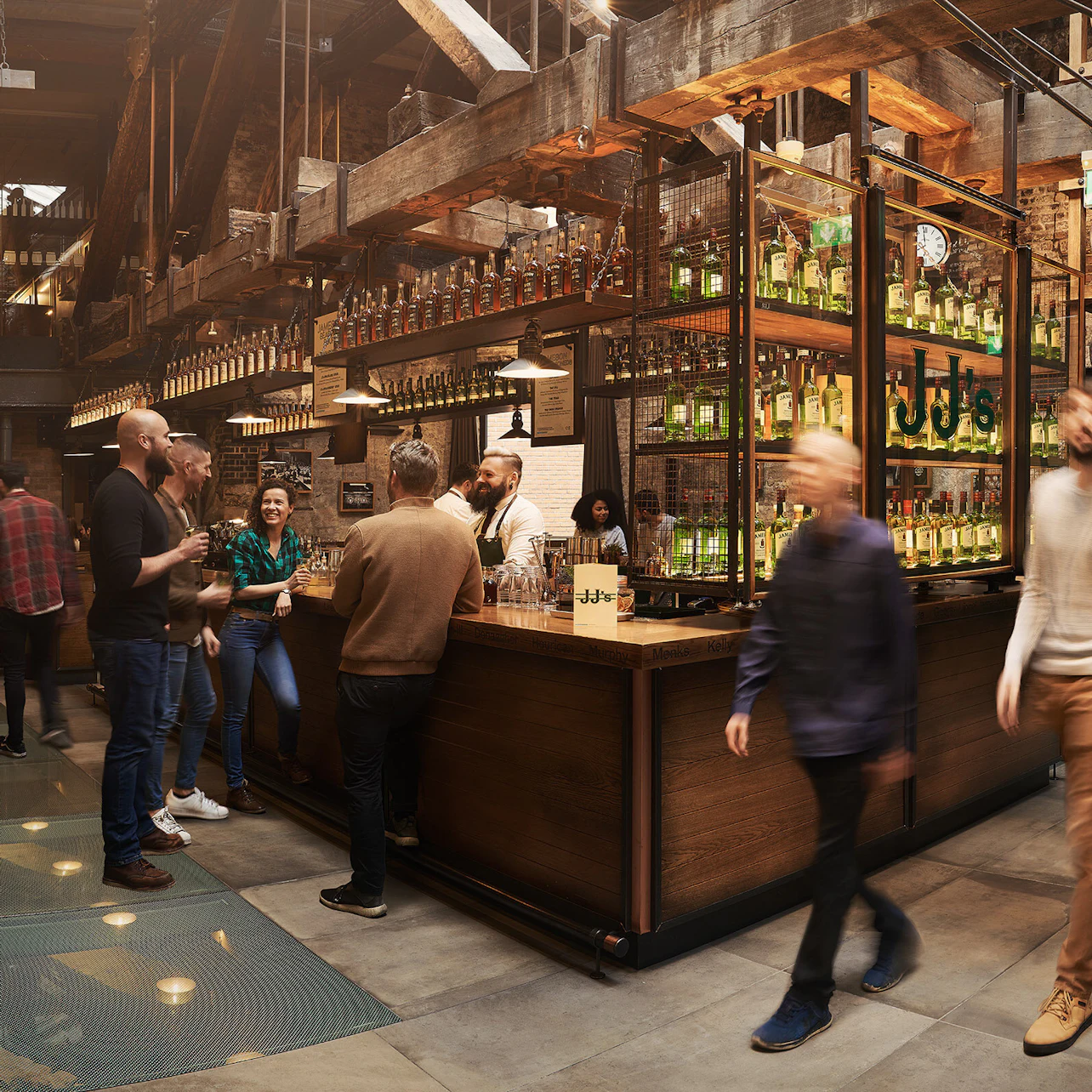
Guinness and the whiskey revival – The Guinness Storehouse at St James's Gate climbs seven floors to the Gravity Bar, where your ticket includes a pint (or a Guinness 0.0) with the city spread below; tickets start at €24 (2026). The Liberties around it were once Dublin's distilling district, and they are again: Teeling opened in 2015 as the first new distillery in the city for more than 125 years, Roe and Co sits opposite the brewery, and across the river in Smithfield the Jameson Distillery Bow St tells the story of the firm John Jameson founded in 1780.
Kilmainham Gaol – Opened in 1796 and closed in 1924, the gaol held leaders of every Irish rebellion from 1798 to 1916 and is the most moving hour in Dublin. Access is by guided tour only, tickets are released in advance and go quickly, and the building is cold even in summer. Adult tickets are €8 and under-12s go free with a ticket (2026). The Irish Museum of Modern Art, free and set in the 17th-century Royal Hospital next door, makes a gentle counterweight afterwards.
The DART to the sea – Dublin's electric coastal railway has run along the bay since 1984 and is the best-value day out in the city. North, Howth is about 25 minutes away: a working fishing harbour, seafood restaurants on the pier, and a cliff-path loop of around 6 km with views to the Baily Lighthouse and the island of Ireland's Eye. South, Dún Laoghaire has its granite piers and Victorian bandstand, Sandycove the year-round swimmers at the Forty Foot, and Dalkey, about 30 minutes out, a medieval castle and the climb up Killiney Hill.
Phoenix Park – More than 700 hectares of grass and woodland begin a short tram ride west of the centre, enclosed by a wall since the 1660s and open to the public since 1747. A herd of wild fallow deer grazes beside the main avenue, the President's residence and Dublin Zoo are inside the walls, and about 14 km of paths make it good cycling country. Entry is free and the park never closes.
Day trips into deep time – North in County Meath, the passage tombs of Brú na Bóinne were built around 3200 BC and are visited by guided tour from the visitor centre, with shuttle buses to Newgrange and Knowth; book well ahead, as numbers are limited. Nearby Trim has Ireland's largest Anglo-Norman castle and hosts the Púca Festival at Halloween. South in County Wicklow, Glendalough's 6th-century monastic valley and its two lakes are about 80 minutes from St Stephen's Green on the St Kevin's bus.