← Italy
ITALY · CITY

Florence

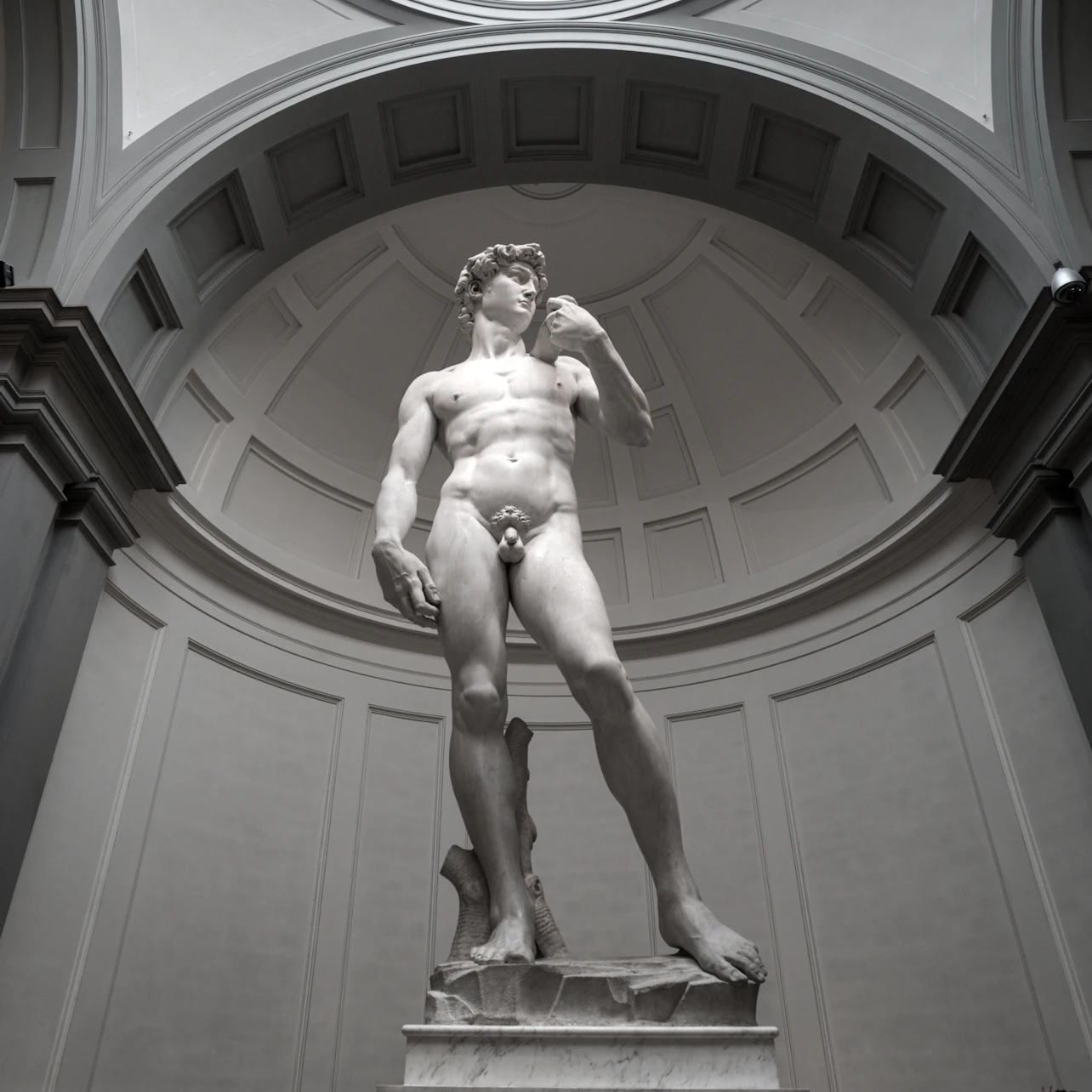
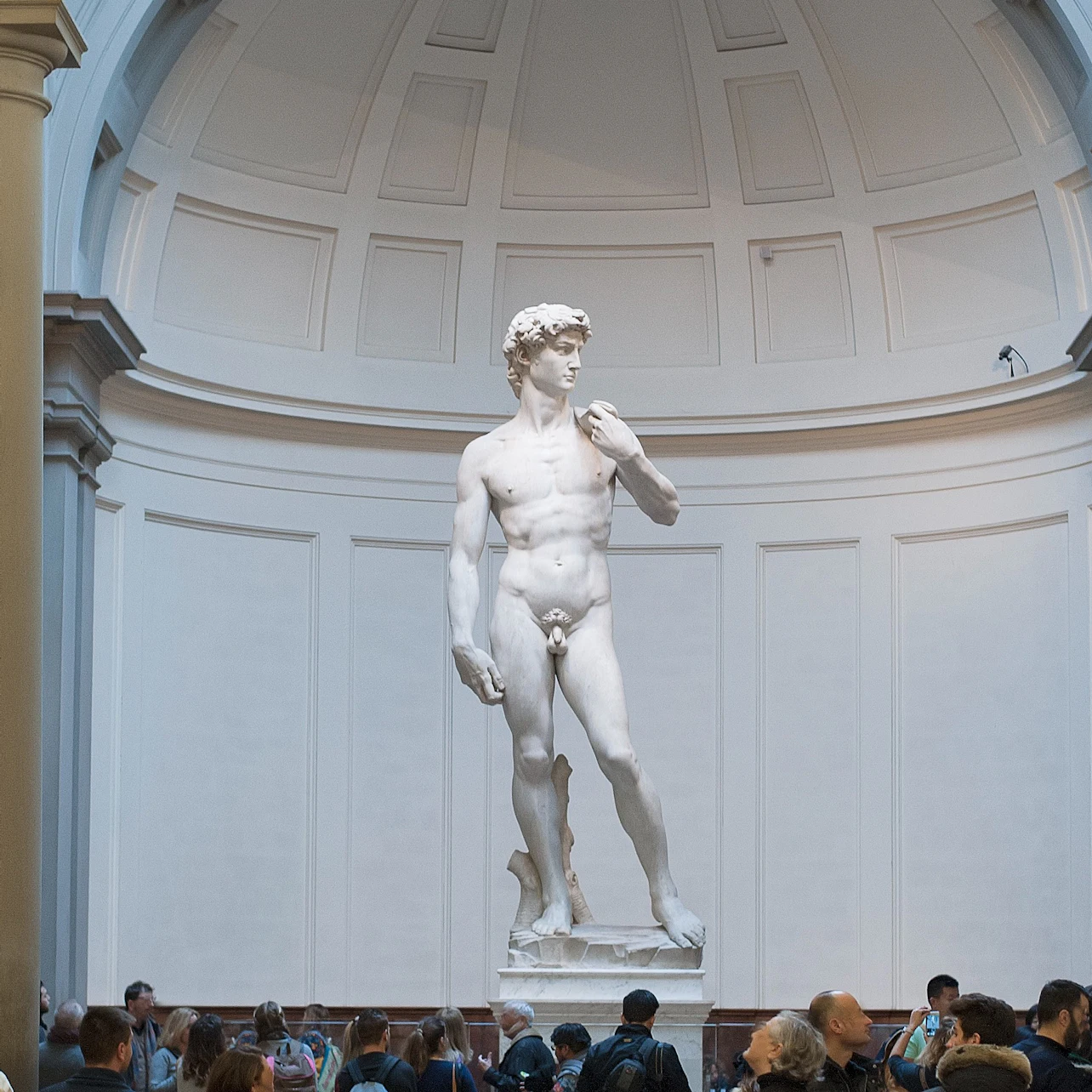
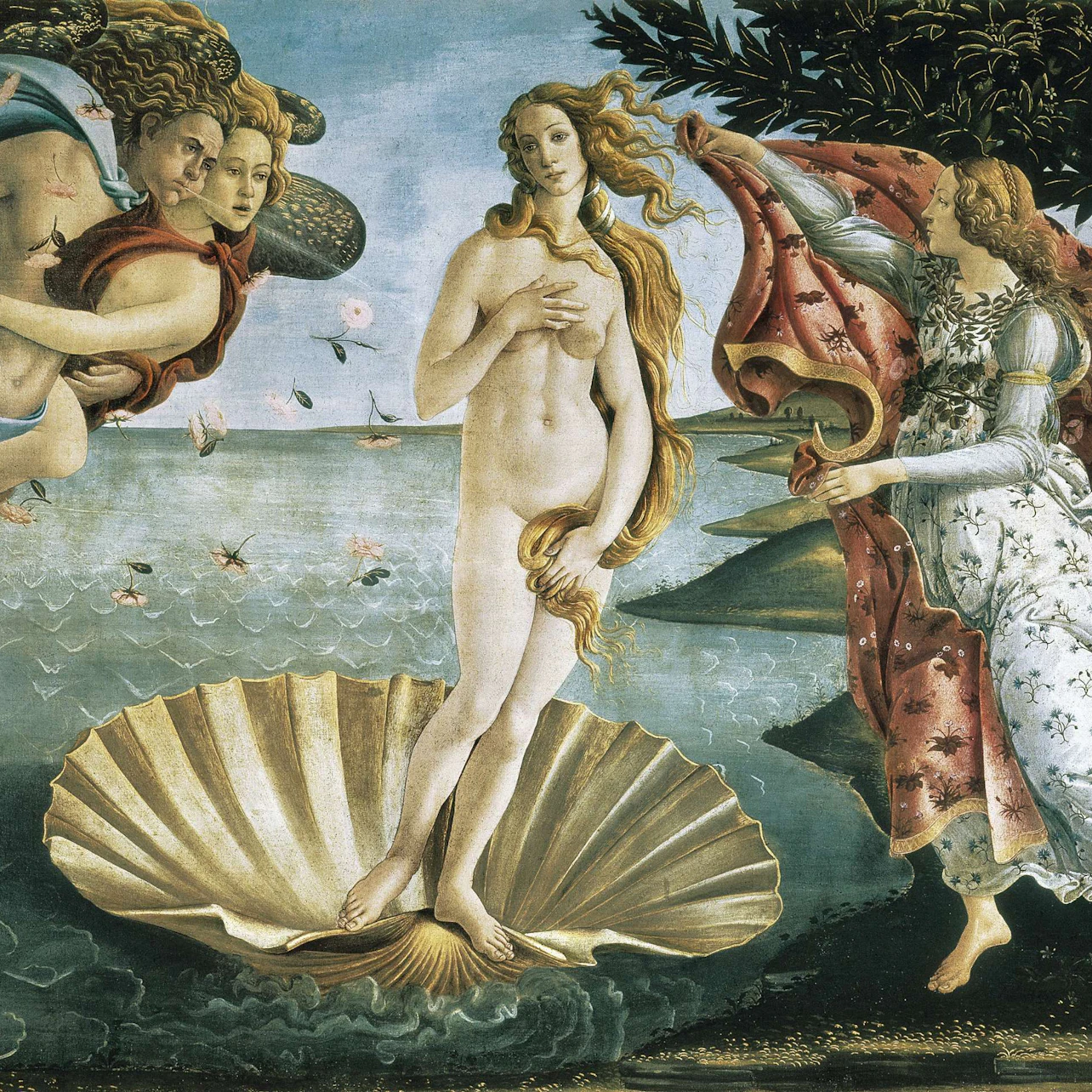
The cradle of the Renaissance — Michelangelo's David, Botticelli's Birth of Venus, Brunelleschi's dome and one of the most beautiful medieval city centres on earth.

  • City
  • April – June, September – October
  • FLR
  • 2–3 days (4 with Chianti/Siena day trip)
  • Renaissance Art
  • Brunelleschi's Dome
  • The Arno
  • Tuscan Kitchens

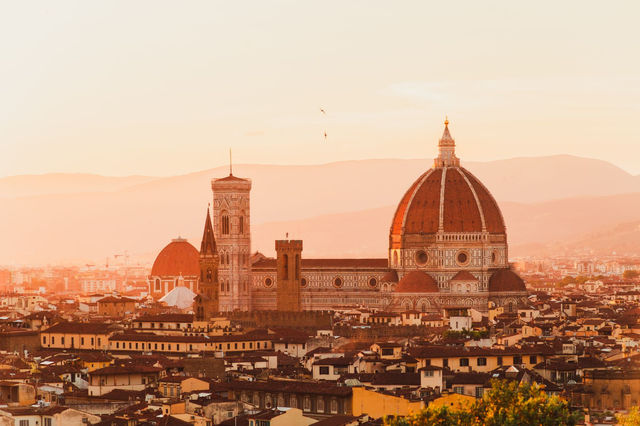
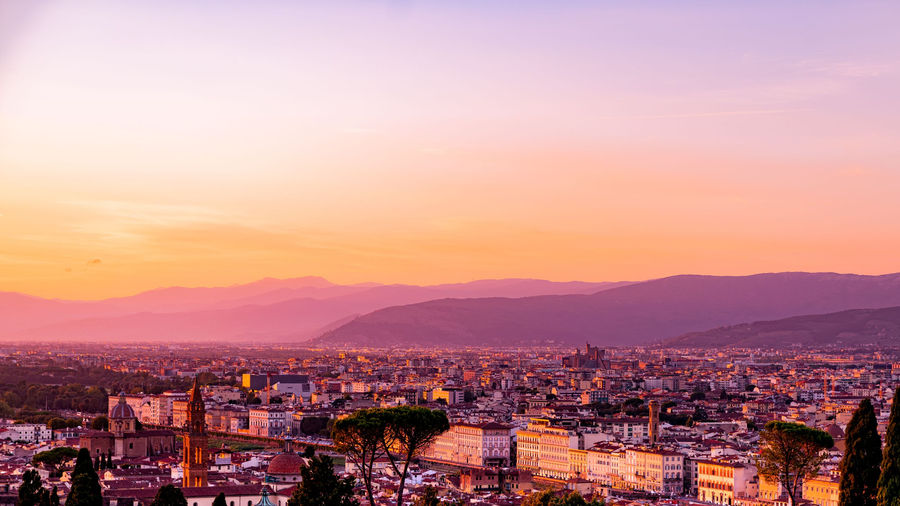
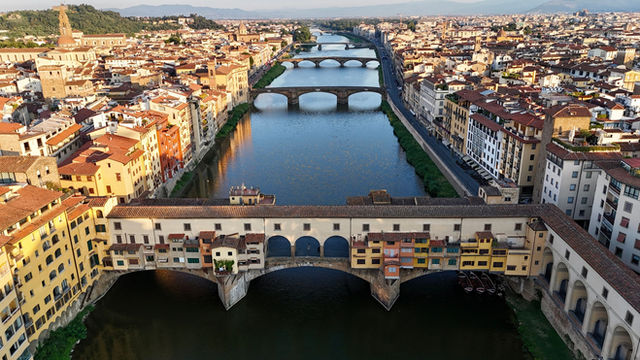
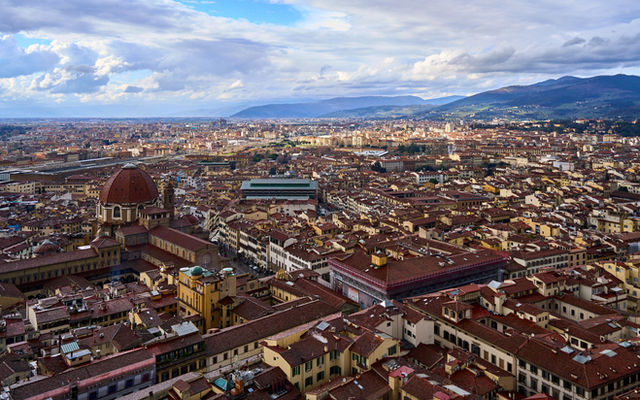
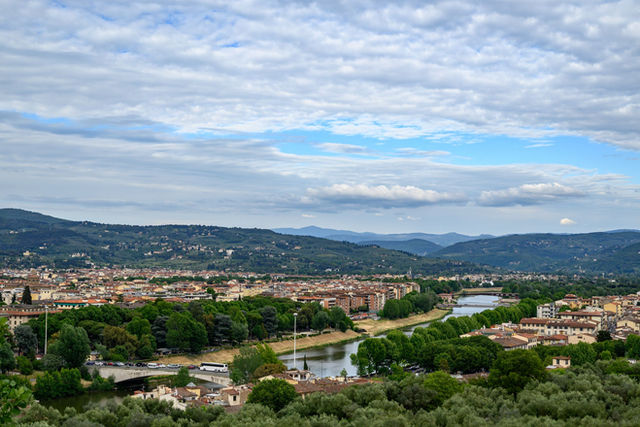
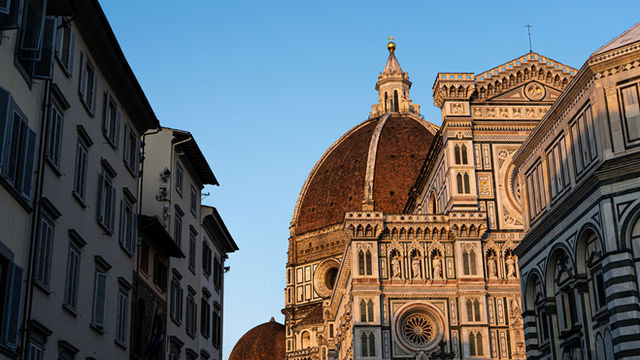
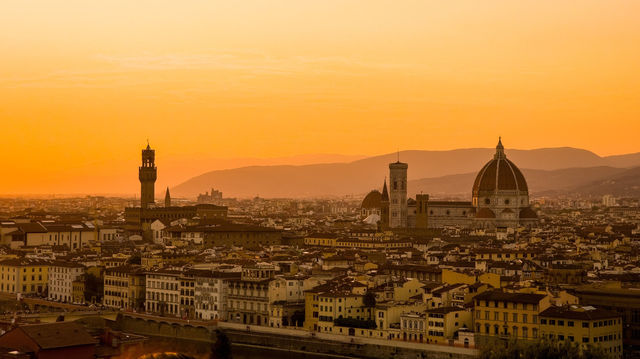
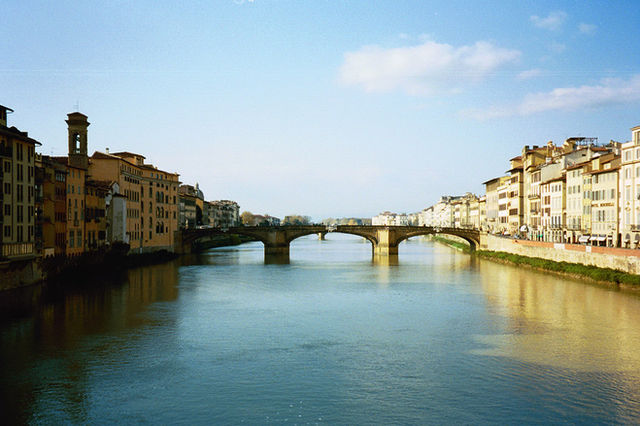
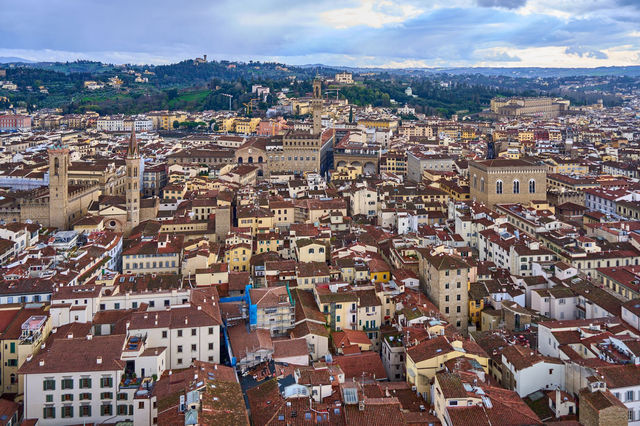
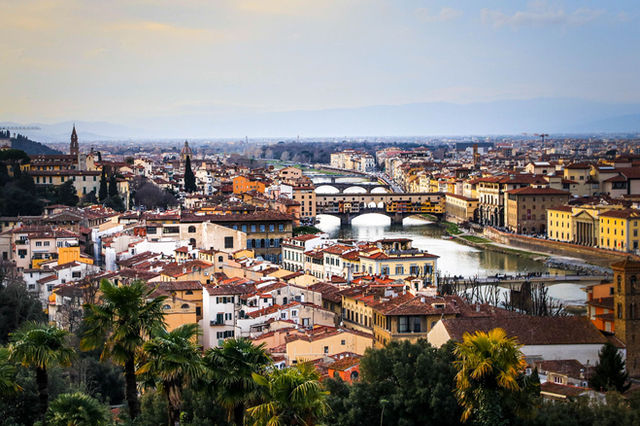
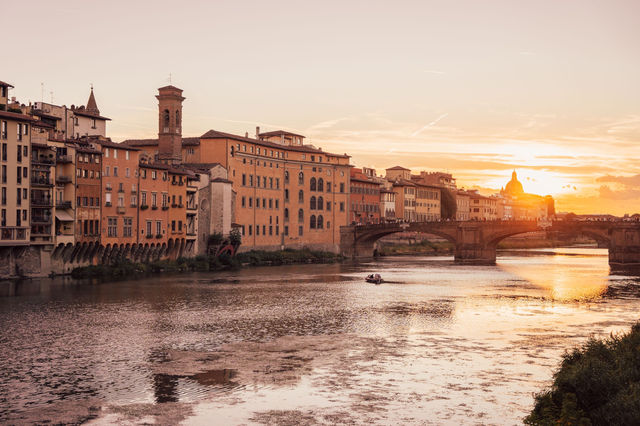
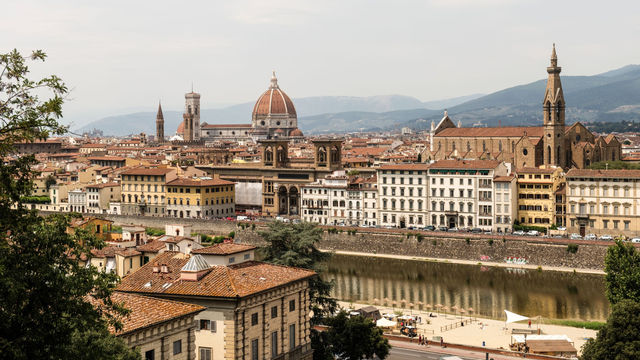
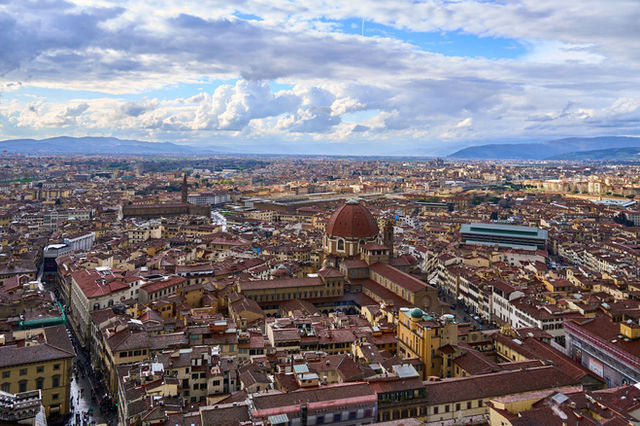
Sun on terracotta rooftops, the red-and-white marble of the Duomo filling a narrow street the second you turn a corner, and the Arno going gold under the shops on Ponte Vecchio as the light drops.

Florence is a small city carrying an outsized share of the world's art, laid out so tightly you can walk from Michelangelo's David to the Uffizi in the time it takes to finish a coffee. The whole centre is basically an open-air museum you happen to live in for a few days.

Type
city
Ideal length
~approx 3–4 days
Getting around
almost entirely on foot; the centre is small and mostly car-free
Neighbourhoods
5 areas
Best season / months
late April to May, and September to October — mild light, gardens out, before and after the summer crush
Language
Italian (English widely spoken in the centre)
Currency
euro (€)
Budget level
moderate — pricey for Italy in the tourist core, gentler a few streets out
Good for
  • First-timers
  • Art
  • History
  • Food
  • Couples
▸ Discover

About Florence

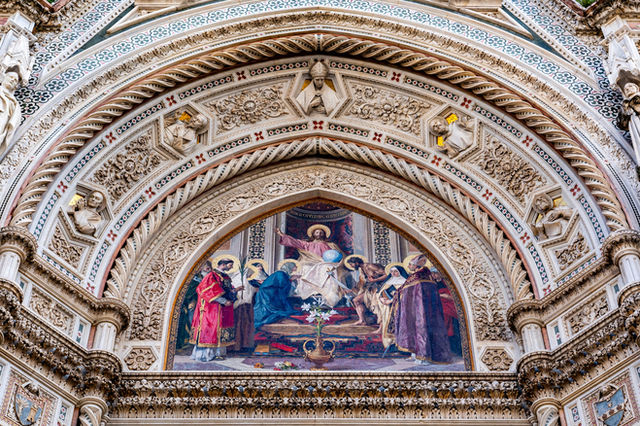
Florence (Firenze) is the capital of Tuscany and of one of the most intense concentrations of art and architecture in the world. With a city population of around 370,000, it is smaller than Rome or Milan, but its historic centre — a UNESCO World Heritage Site — contains a greater density of major art works than almost anywhere else on earth. The Uffizi Gallery alone holds more masterworks of the Italian Renaissance than most national museums, including Botticelli's Birth of Venus and Primavera, Leonardo's Annunciation, Raphael's portraits and Michelangelo's Doni Tondo. The Cathedral of Santa Maria del Fiore with Brunelleschi's dome (engineered without a wooden centring, one of the great feats of human ingenuity) dominates the skyline; Michelangelo's David in the Accademia is the defining work of the Italian Renaissance; the Bargello has the best collection of Renaissance sculpture after the Accademia. Florence was the birthplace of the Renaissance itself — it is where Dante wrote, where Machiavelli governed, where the Medici banking dynasty patronised Botticelli, Leonardo, Brunelleschi and Donatello, and where the modern world's relationship with classical antiquity was reinvented. It is also a living city, with an excellent food culture, a strong artisan leather and craft tradition, and the Arno river and surrounding Tuscan hills providing some of Italy's most beautiful scenery.

Why go

Florence is one of those cities where the concentration of required sights is almost overwhelming — the dome, the Uffizi, the Accademia, the Bargello, the Baptistery's Gates of Paradise, the Oltrarno neighbourhood with Palazzo Pitti and Boboli Gardens — and which rewards pre-planning in a way that few destinations do. Yet it also has a pleasure that transcends the checklist: eating a bistecca alla fiorentina (a 1kg T-bone, aged and chargrilled rare) at a trattoria in the Oltrarno; crossing the Ponte Vecchio at dawn when the goldsmiths are shuttered; climbing to the Piazzale Michelangiolo viewpoint at sunset for the most famous panorama in Tuscany. Florence is also the ideal base for day trips into the Chianti wine country, to Siena and San Gimignano, and to the hill towns of Fiesole — making it the natural centre for a Tuscan itinerary that goes beyond the city itself.

Don't miss

  • The Duomo and Brunelleschi's dome — climb the terracotta cupola
  • Michelangelo's David — the original at the Accademia
  • The Uffizi Gallery — the Renaissance in one corridor
  • Ponte Vecchio — the goldsmiths' bridge over the Arno
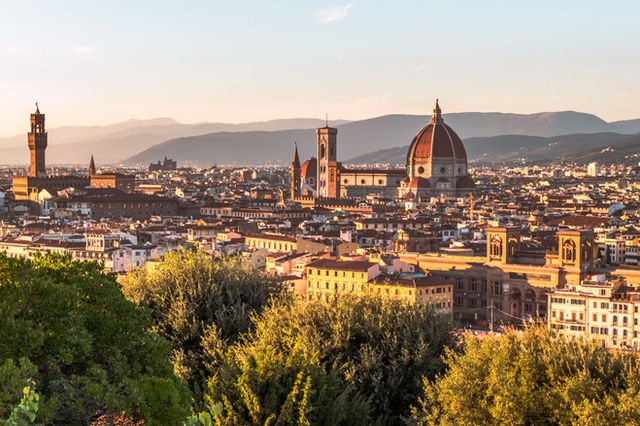
  • Piazzale Michelangelo — the whole city in one view

Signature experiences

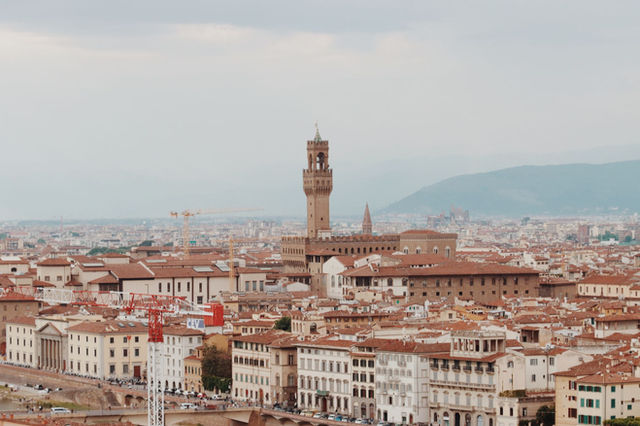
The art you climb, not just look at — Florence's masterpieces aren't all behind glass. Climb the inside of Brunelleschi's dome between the two shells to the lantern, then do Giotto's Campanile alongside it for the shot of the dome itself. Stand under Michelangelo's David at the Accademia, then walk to the Uffizi for Botticelli's Birth of Venus and a full corridor of the Renaissance. Book the David and the Uffizi ahead — these two sell out in the warm months, and the timed slots are the difference between walking in and losing an afternoon in a queue. **Squares as open-air galleries** — Some of the best sculpture in the city costs nothing. Piazza della Signoria has a copy of the David where the original stood, Cellini's bronze Perseus and a crowd of marble gods under the Loggia dei Lanzi, all free and out in the weather. Palazzo Vecchio's tower still runs the square, as it has since the city was a republic. **Market mornings and Tuscan tables** — Eating here is a plan, not an afterthought. Start at Mercato Centrale in San Lorenzo or the smaller, more local Sant'Ambrogio market in Santa Croce, graze the stalls, then find a trattoria for a slow lunch of ribollita and a Tuscan red. The tripe carts — the trippai — are the real street-food institution, not a gimmick for tourists. **The river and the view** — The Arno is the city's mirror. Cross Ponte Vecchio with its goldsmiths' shops still hanging over the water, then walk the south bank and climb through San Niccolò to Piazzale Michelangelo, where the whole city lines up under the dome. Keep going up to San Miniato al Monte for a higher, quieter version of the same view. **On screen** — Florence has stood in for itself on film more than once; the Uffizi and the Boboli Gardens featured in the Florence-set thriller *Inferno*, and the city and the Arno run through *A Room with a View*. The screen fame mostly reinforces what's already the draw — the dome, the river, the galleries — rather than sending you anywhere new.

Neighbourhoods

Florence neighbourhood by neighbourhood — the character of each and who it suits.

  • Santa Maria Novella

    The arrival end of the city, where the main train station and its namesake basilica sit at the western edge of the centre. Grander and a little more workaday than the streets around the Duomo, with the river a short walk south.

    Why go
    Your first landing, and a run of sights most people rush past on the way in.
    Best for
    Arrivingquieter churchesan easy base near transport
    Known for
    The green-and-white marble facade of Santa Maria Novella basilica, the old herbal pharmacy of the Officina Profumo-Farmaceutica di Santa Maria Novella, Santa Maria Novella station itself, and the riverfront leading down to Ponte alla Carraia.
  • San Lorenzo

    Market Florence — a run of streets north of the Duomo where the Medici built their power base and the city still comes to shop and eat. Loud, useful and food-first, thinning into the calmer quarter around San Marco where the David waits.

    Why go
    The best everyday food in the centre and the single most famous statue in the world, a few streets apart.
    Best for
    MarketsMedici historyeatingseeing the David
    Known for
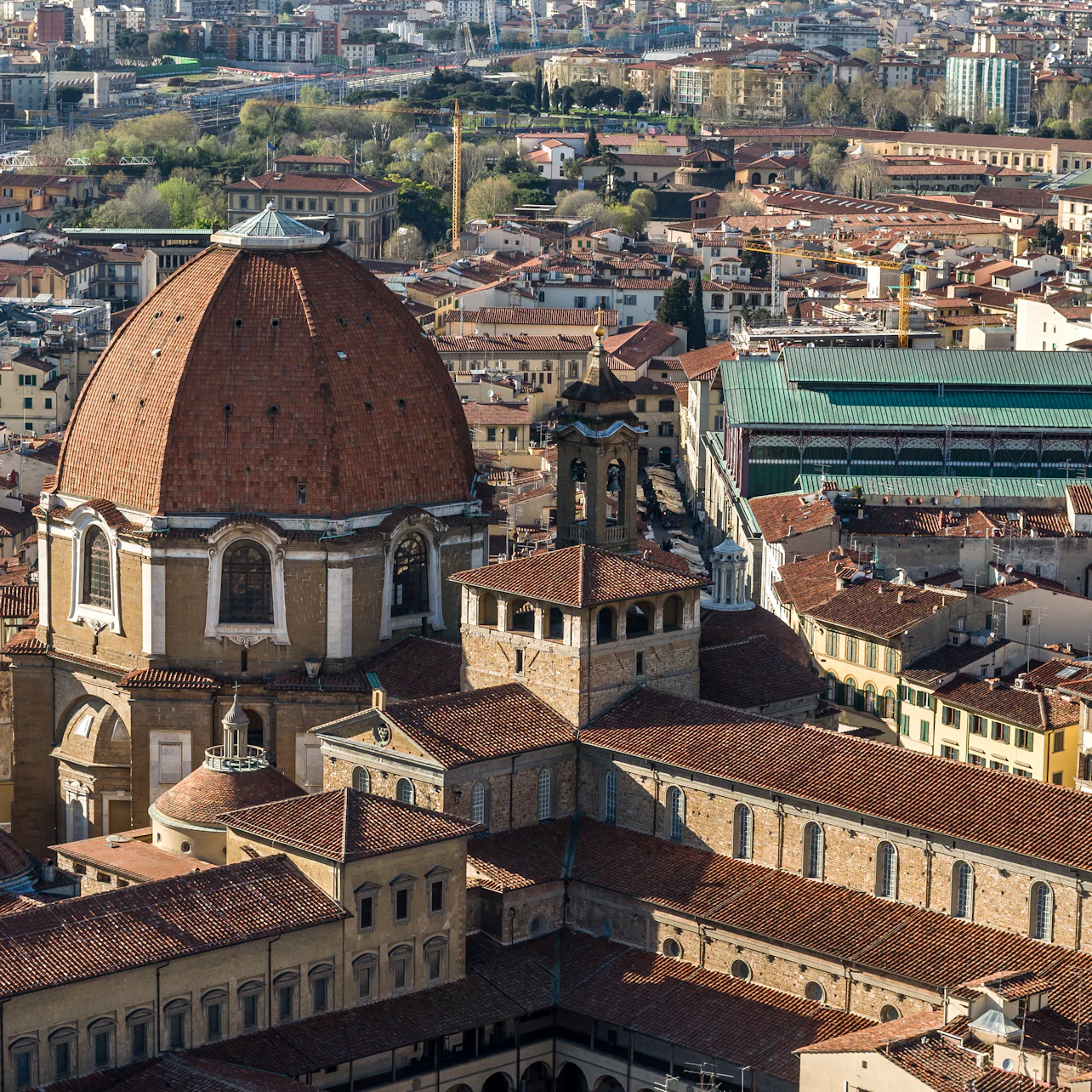
    Mercato Centrale's food hall, the leather stalls of the San Lorenzo street market, the Medici Chapels and the Basilica of San Lorenzo, and Michelangelo's David up at the Galleria dell'Accademia toward San Marco.
  • Duomo

    The civic and religious heart, and the postcard everyone comes for. The cathedral complex dominates it, and a short walk south brings you to the Renaissance's front room of sculpture and power.

    Why go
    The densest cluster of icons in the city, all within a few minutes of each other.
    Best for
    First-time sightseeingartpeople-watching
    Known for
    The Duomo (Santa Maria del Fiore) with Brunelleschi's dome, Giotto's Campanile and the Baptistery with its bronze doors, Piazza della Signoria with Palazzo Vecchio and the open-air sculpture of the Loggia dei Lanzi, and the Uffizi Gallery running down toward the river.
  • Santa Croce

    East of the Duomo and a touch more lived-in, built around a huge Franciscan basilica that doubles as a marble pantheon of Florentine dead. Leather workshops, a real neighbourhood market, and streets that fill at night.

    Why go
    The tombs of the famous, an honest food market, and the city's after-dark centre of gravity.
    Best for
    Churchesleathermarket foodnightlife
    Known for
    The Basilica of Santa Croce with the tombs of Michelangelo, Galileo and Machiavelli, the Sant'Ambrogio market, the leather school behind the basilica, and Piazza Santa Croce where the calcio storico is fought in June.
  • Oltrarno

    The south bank, "beyond the Arno" — the artisan side, all gilders' and framers' workshops, garden hills and a big square that fills with drinkers at dusk. Slower than the north bank and prouder of it.

    Why go
    Working craft studios, the grand Medici palace and gardens, and the climb to the view.
    Best for
    Craft workshopsgardensaperitivothe panorama
    Known for
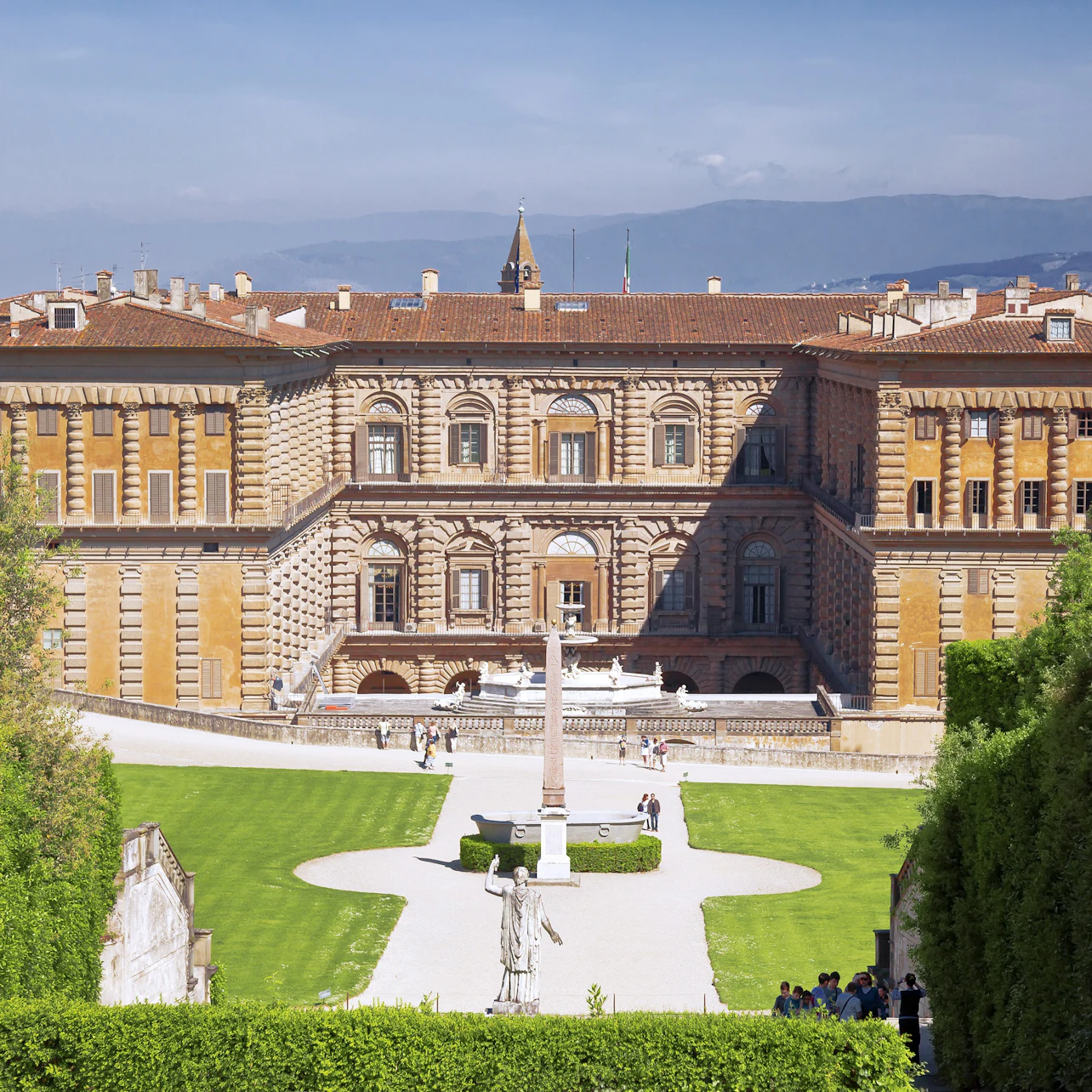
    Palazzo Pitti and the Boboli Gardens, the Brancacci Chapel frescoes in Santa Maria del Carmine, Piazza Santo Spirito for evening drinking, and the climb up through San Niccolò to Piazzale Michelangelo and the church of San Miniato al Monte above it.

Views & hidden gems

Best views

  • Piazzale Michelangelo — the classic panorama of the dome, the river and the bridges
  • The top of Brunelleschi's dome, and Giotto's Campanile opposite for the dome in frame
  • San Miniato al Monte — higher and quieter than Piazzale Michelangelo, just above it
  • The Bardini Garden terrace — a wisteria-draped view over the city, far calmer than Boboli

Hidden gems

  • The buchette del vino — the little arched "wine windows" in palazzo walls, some serving again
  • The Brancacci Chapel in Oltrarno — Masaccio's frescoes that taught a generation of painters
  • The Vasari Corridor — the Medici's private raised passage over Ponte Vecchio, reopened to visitors in 2024 on a mandatory small-group timed ticket from the Uffizi
  • Vespers at San Miniato al Monte — the monks' Gregorian chant in a Romanesque church above the city
  • The garden and quiet upper reaches of the Boboli, where the tour groups rarely climb

Food & drink

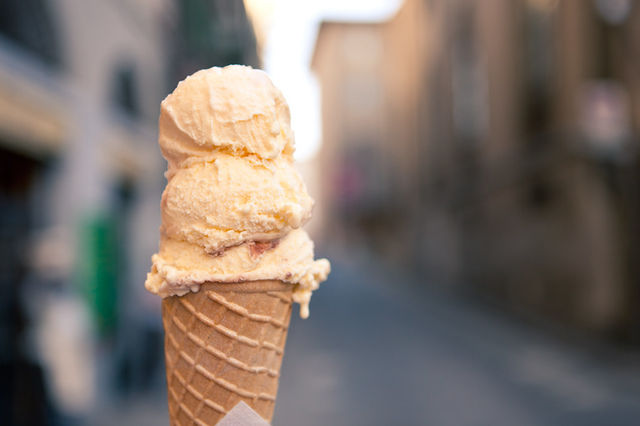
Florentine cuisine is fundamentally Tuscan — simple, ingredient-driven and committed to a few excellent things done perfectly. The bistecca alla fiorentina — a massive T-bone from the Chianina breed of cattle, grilled extremely rare (the Florentines will not cook it medium or well-done) and served as a shared centrepiece — is the city's defining dish and must be ordered by weight (typically 800g–1.5kg). Ribollita (bread and bean soup, re-boiled and thickened) and pappardelle al ragù di cinghiale (wide egg noodles with wild boar ragu) are the peasant classics that define Tuscan cooking at its most honest. Lampredotto (tripe sandwich, sold from market stalls in the Mercato Centrale and elsewhere) is Florence's street-food tradition and worth trying once. For wine: Chianti Classico and Brunello di Montalcino are the great reds; Vernaccia di San Gimignano the finest white. Gelato quality varies enormously; look for the artisanal producers (Gelateria dei Neri, Gelateria dei Medici) with natural colours and fresh-product visible in the trays.

  • Bistecca alla fiorentina — a thick T-bone, seared rare over embers, sold by weight
  • Ribollita — "reboiled" bread-and-bean soup, thick enough to stand a spoon in
  • Lampredotto — tripe in a bun from a street cart, the Florentine sandwich
  • Schiacciata — flat, salty, olive-oil bread, split and filled for lunch
  • Cantucci con vin santo — hard almond biscuits dunked in sweet dessert wine
  • Gelato — Florence claims the crema fiorentina; the Buontalenti flavour is the local one
Dietary notes

Vegetarians do fine — panzanella, pappa al pomodoro, ribollita and the bean dishes are Tuscan staples, not afterthoughts, and the markets are full of produce. Strict vegans have a thinner time in traditional trattorie but a growing set of dedicated spots, most of them in the Oltrarno and around Sant'Ambrogio. Gluten-free is well understood — Italy takes coeliac disease seriously and many places mark "senza glutine". Halal and kosher are limited; there's a small Jewish community and the grand Synagogue near Sant'Ambrogio, but observant travellers should plan meals rather than assume.

Florence in photos

▸ Where you'll stay

Where you'll stay in Florence

Base yourself by how much noise you want to trade for how many steps. Around the Duomo and Piazza della Signoria you are inside the postcard, a two-minute walk from everything and paying for it, with the crowds and the church bells that come free. Santa Maria Novella near the station is a touch cheaper and unbeatable for arriving and leaving. Santa Croce is central but more of a real neighbourhood, with the market and the nightlife on your doorstep. For quiet and character, cross the river to the Oltrarno — artisan streets, evening squares and the same sights a short walk over the bridge.

  • Budget
    Santa Maria Novella cheaper beds and every train and airport tram at the door, a short walk to the Duomo.
  • Mid-range
    Santa Croce / Sant'Ambrogio central, lived-in, with the best market food and the late-night squares.
  • Luxury
    Duomo / Piazza della Signoria inside the icon cluster, walk to the Uffizi, pay the premium for the address.
Stay

Hotels & rentals around Florence

Pan, zoom and compare live prices — every stay in one map.

▸ Getting around

Getting around Florence

Florence's UNESCO-listed centre is remarkably compact — most of the major sights (the Duomo, Uffizi, Accademia, Piazza della Signoria, Ponte Vecchio, Santa Croce) are within 20 minutes' walk of each other, and the city rewards being navigated on foot. ATAF city buses cover the wider urban area but are rarely necessary for the main tourist zone. The T1 tramway line (Tramvia) runs from the airport and the Santa Maria Novella station into the centre. The city centre is a Zona Traffico Limitato (ZTL) — private cars are restricted and entrance is camera-monitored; do not drive a hire car into the historic centre or a significant fine will follow. Taxis are available from official ranks at the station and Piazza della Repubblica; booking via the 4390 or 4242 phone lines is also reliable. Electric bicycles and e-scooters (Lime, Bird) offer a fun alternative for flat riverside stretches. The Oltrarno (south of the Arno) is best reached on foot over the Ponte Vecchio or the Ponte alle Grazie.

Florence's city bus network is operated by ATAF (integrating with Busitalia for regional routes). For the historic centre, walking is almost always faster and more pleasant than waiting for a bus. The T1 tramway line (Leonardo) runs from the airport and the Santa Maria Novella railway station northeast to Scandicci; T2 (Vespucci) runs from SMN station to the airport. Bus routes to San Miniato (12/13) and Fiesole (7) are useful for viewpoint visits. Tickets (€1.50 single, valid 90 minutes; 24h/72h passes available) from machines at major stops, tabacchi, or via the BUSITALIA app. The Firenze Card (72h pass, €85) covers all city buses, trams, plus unlimited access to most civic museums — very good value for intensive museum-visiting. Train: Santa Maria Novella station (SMN) handles all high-speed and regional rail services.

▸ Plan your days

Suggested itineraries

Ready-made day plans for Florence — from a single day to a long weekend.

One day

Start early at the Duomo for the dome climb, then Giotto's Campanile and the Baptistery around the same square, before the crowds thicken. Walk south into Piazza della Signoria for the free sculpture under the Loggia dei Lanzi and Palazzo Vecchio, then straight into the Uffizi on a pre-booked slot. Come out at the river, cross Ponte Vecchio into the Oltrarno, and climb through San Niccolò to Piazzale Michelangelo for the city laid out under the dome as the light drops.

Two days

Give day two to the David and the markets. Book the Galleria dell'Accademia first thing up toward San Marco, then drop into San Lorenzo for the Medici Chapels and lunch in Mercato Centrale. Spend the afternoon east in Santa Croce — the basilica and its tombs, the leather workshops, the Sant'Ambrogio market — and stay on for dinner and a drink where the neighbourhood eats.

Three days

Use day three to go deeper into the Oltrarno. Do Palazzo Pitti and the Boboli Gardens, walk over to the Brancacci Chapel for Masaccio's frescoes, and wander the artisan streets around Santo Spirito. Climb back up to San Miniato al Monte for vespers and the quiet high view, then come down into Santo Spirito for a last aperitivo in the square.

▸ What you'll do

Insider tips

Pre-book timed entries for the Uffizi and Accademia online at least a week ahead (a month ahead in spring and summer) — both fill up and walking up without a ticket means very long waits or being turned away entirely. For the Duomo dome climb (463 steps, no lift), you must also pre-book a timed slot; go early morning for the best light and before the heat builds. The Oltrarno neighbourhood south of the Arno is where many Florentines actually eat, shop and live — the streets around Piazza Santo Spirito and Piazza Tasso have excellent, authentic restaurants that few tourists find. The secret garden of Bardini (Giardino Bardini) has better views than the Boboli Gardens and a fraction of the visitors. For the best city panorama, San Miniato al Monte church (a 20-minute walk or Bus 12/13 from the Ponte alle Grazie) sits above Piazzale Michelangiolo and has a Romanesque interior that rewards the climb independently of the views.

Frequently asked

What's on

While you're there

02
SEP
Venice Film Festival 2026
Via Pietro Buratti 5, 30126 Venezia Venice, Italy · cultural
Build a trip around it →
30
JAN
Venice Carnival 2027
Piazza San Marco 40, 30124 Venezia Venice, Italy · festival
Build a trip around it →
Explore

Explore the area

© OpenFreeMap · OSM · terrain Mapterhorn
Do

Local attractions & tours

Skip-the-line tickets and small-group tours in Florence — compare across our partners.

Palazzo Strozzi: Rothko in Florence Exhibition

Florence

from £17.84

4.6 (1.6k)
Book on Tiqets →

Museo Nazionale del Bargello: Skip The Line Ticket

Florence

from £15.29

4.6 (384)
Book on Tiqets →

Palazzo Pitti & Palatine Gallery: Reserved Entrance + Audio Guide

Florence

from £20.38

4.5 (1.1k)
Book on Tiqets →

Medici Chapels: Skip The Line Ticket

Florence

from £14.44

4.5 (868)
Book on Tiqets →

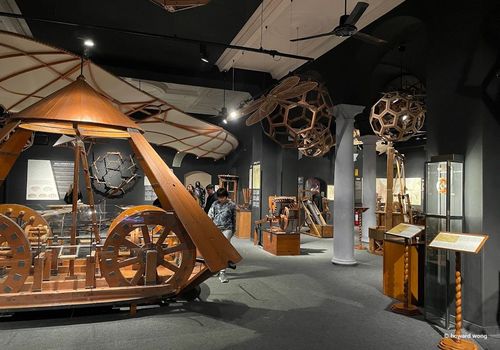
Leonardo da Vinci Interactive Museum®: Entry Ticket

Florence

from £8.49

4.5 (571)
Book on Tiqets →

Santo Stefano Auditorium: Three Tenors Concert

Florence

from £29.73

4.6 (183)
Book on Tiqets →

Palazzo Vecchio, Arnolfo Tower, Museum: Entry Ticket + Audio Guide

Florence

from £42.47

4.5 (280)
Book on Tiqets →

Florence: Opera Concert in Santa Monaca Church

Florence

from £29.73

4.5 (66)
Book on Tiqets →
Plan

Trips in Florence

Day-by-day itineraries that take in Florence — routes, timings and what to book.

▸ Budget

What it costs in Florence

Backpacker
roughly €70–100 a day.
Mid-range
roughly €160–260 a day.
Luxury
€400 a day and up.
Cash vs card
Cards are taken almost everywhere, including small trattorie; carry some cash for the trippai carts, market stalls and the odd family place that still prefers it.
Tipping
Not expected the way it is elsewhere — a cover charge (coperto) is usually on the bill; round up or leave a couple of euro for good service, no more.
▸ When you'll go

When to visit Florence

April – June, September – October

Spring

What to expect — Mild, bright days with the gardens coming into flower and the wisteria out over the Bardini terrace, though Easter week packs the centre. Rain still passes through.

What's best — The light is soft, the Boboli and Bardini gardens are at their best, and it's warm enough to sit in Santo Spirito of an evening — the sweet spot before the summer heat lands.

Summer

What to expect — Hot, often heavy heat in a stone city that holds it, and the peak of the crowds — long queues for the Uffizi and the dome, and the David booked out. The calcio storico fills Piazza Santa Croce in June.

What's best — Long evenings, aperitivo in the squares, and river light that lasts. If the heat and the crush put you off, come in late spring or early autumn instead and see the same city with room to move.

Autumn

What to expect — Warm turning cool, the summer crowds thinning, and clear light good for the walk up to Piazzale Michelangelo. The wine harvest colours the Tuscan hills just outside the city.

What's best — Comfortable walking weather, shorter gallery queues, and the best all-round month to do the icons without the summer press.

Winter

What to expect — Cool, grey and quiet, with short days and the occasional cold snap, but the lowest crowds of the year and the galleries almost calm. Some smaller places keep shorter hours.

What's best — You get the David and the Uffizi nearly to yourself, cheaper beds, and a working city that isn't performing for anyone — cross to Sant'Ambrogio for the local winter table.

▸ Know before you go

Know before you go

Honest swaps

Skip renting a car for the centre → the historic core is a camera-enforced ZTL and the whole thing is walkable; park outside or don't drive at all.

Skip the tourist-menu trattorie ringing Piazza della Signoria → eat around Sant'Ambrogio or across the river in Santo Spirito for the same money and far better food.

Skip elbowing through the jewellery crowds on Ponte Vecchio at midday → cross into the Oltrarno for the real artisan workshops.

Skip Piazzale Michelangelo mobbed by tour buses at sunset → climb a few minutes higher to San Miniato al Monte for a quieter, better version of the same view.

Crowds & timing

The Uffizi, the Accademia and the dome climb are the chokepoints — book timed slots well ahead and go at opening or late in the day; they sell out in the warm months.

Piazza della Signoria and Ponte Vecchio are worst late morning to mid-afternoon; walk them early or after dinner when the day-trippers have gone.

Local rules & etiquette

The centre is a ZTL (Zona a Traffico Limitato) — cameras fine any car without a permit, and the rental company passes the charge to you months later, once per gate crossed. Don't drive in.

Churches enforce a dress code — shoulders and knees covered for the Duomo and the basilicas; bring a layer in summer.

City decorum rules restrict sitting to eat on church steps and in certain centro streets; keep the picnic to the squares and riverside.

Money

Cards tap through almost everywhere; keep small cash for the tripe carts and market stalls. Avoid the independent old-town ATMs with "no fee" screens and poor rates — use a bank machine.

After dark

Santa Croce and the Sant'Ambrogio side run the mainstream night out — bars and late tables around the basilica.

The Oltrarno, above all Piazza Santo Spirito, is the slower, more local evening — aperitivo tables in the square that fill after dark.

The Duomo core empties early and turns quiet and photogenic once the day crowds leave.

Safety

Florence is a safe city for tourists, with relatively low crime rates compared to Rome or Naples. The main hazards are the standard urban pickpocketing at the Uffizi queue, around Santa Croce, at the Ponte Vecchio and on crowded buses — use a cross-body bag, keep phones out of back pockets in crowds. The city centre is very walkable and well-lit at night; the Oltrarno and Piazza Santo Spirito areas have a lively nightlife that is generally safe but can be noisy late. Driving in the ZTL (restricted traffic zone) without authorisation will result in a camera-recorded fine sent to your home address weeks later; this catches many hire-car visitors — confirm ZTL boundaries with your accommodation before driving. Cycling and e-scootering on pedestrian-only piazzas is prohibited and monitored.

Culture & etiquette

Florence is a serious art city and the Florentines take their cultural heritage with pride and some protective instincts. At the Uffizi, the Accademia and the major churches (Santa Croce, Santa Maria Novella, the Duomo), respectful behaviour and appropriate dress (knees and shoulders covered for churches) is expected. At the Cathedral and Baptistery, backpacks may need to be left at dedicated storage points. Tipping follows Italian norms: not obligatory, but 10% at good sit-down restaurants is appreciated; coperto (cover charge) is standard and not a scam. The Florentine aperitivo tradition (Aperol Spritz, Negroni or Aperol Spritz, often with light snacks included in the cost) between 18:00 and 20:00 is one of the great daily pleasures and a cost-effective way to eat and drink well. Queuing: the patience you show at museum entrances makes a difference — those who jump queues or push past in crowds are noticed.

Daily budget

£135/day mid-range (budget £60, luxury £320+)

Emergency numbers

112 (all emergencies), 113 (state police), 115 (fire), 118 (ambulance)

▸ Ready to book your trip?

Getting there

Florence Airport Amerigo Vespucci (FLR) is a small airport 5km northwest of the city, served by British Airways, Ryanair, easyJet, KLM and others with direct flights from London, Amsterdam and some other European cities. The Vola in Bus shuttle connects the airport to the Santa Maria Novella station (SMN) in about 20 minutes. However, Pisa Galileo Galilei Airport (PSA), 85km west, has a much larger range of direct routes — the Pisa Mover train connects Pisa airport to Pisa Centrale station (7 minutes), from where direct trains to Florence Santa Maria Novella take about 1h. The Frecciarossa and Italo high-speed trains connect Florence to Rome in 1h35, Milan in 1h45 and Venice in about 2h, making it very easily combined with other Italian cities without flying. There is a direct rail connection from Florence to Paris (Thello overnight service or TGV via Turin) for those travelling overland from France.

  • Pisa Galileo Galilei Airport (PSA)
  • Bologna Guglielmo Marconi Airport (BLQ)
Book

Ready to book your trip?

Flights, airport transfers and car hire to FLR — search and compare without leaving the page.

▸ Trip extras
Book

More trip extras

Parking, holiday extras, and more — coming soon.

Coming soon

We're lining up parking, holiday extras and activities you'll be able to add to any trip from here.