← Japan
JAPAN · CITY

Nara

Japan's first great capital — a giant bronze Buddha, ancient temples and hundreds of tame deer roaming the parkland.

  • City
  • spring (cherry blossom) and autumn (foliage); mild, humid summers
  • ~approx 1 day (or an overnight)
  • Great Buddha & Ancient Temples
  • Bowing Deer
  • Lantern Shrine
  • Old Merchant Town

A deer dipping its head in a polite bow for a rice cracker on a green lawn, the vast wooden hall of Tōdai-ji rising beyond, and, inside, the serene face of the Great Buddha towering fifteen metres over the crowd.

Nara was Japan's first great capital, and it still holds the country's oldest and grandest temples — a giant bronze Buddha in a colossal wooden hall, a shrine hung with thousands of lanterns, and a park where tame deer roam freely and bow for a cracker.

Type
city
Ideal length
~approx 1 day (or an overnight)
Getting around
on foot in the park and old town; buses and trains
Neighbourhoods
3 areas
Best season / months
spring (cherry blossom) and autumn (foliage); mild, humid summers
Language
Japanese (some English at major sights)
Currency
Japanese yen (¥)
Budget level
moderate — affordable by Japanese-city standards
Good for
  • History
  • Temples
  • Families
  • First-timers to Japan
  • Culture
▸ Discover

About Nara

Nara sits in a basin in the Kansai region of western Japan, an easy train ride from Kyoto and Osaka. As Japan's capital in the 8th century, it gathered temples and treasures on a scale that survives to this day, most of them gathered in and around the wide green expanse of Nara Park, where hundreds of free-roaming deer — considered sacred messengers — wander among the visitors. South of the park, the old merchant quarter of Naramachi keeps its lattice-fronted wooden houses. Compact, walkable and gentler than its famous neighbours, Nara is one of Japan's essential day trips — or a peaceful overnight.

Why go

Nara holds the very roots of Japanese civilisation — its 8th-century temples are among the oldest and greatest in the country, crowned by Tōdai-ji's Great Buddha in the world's largest wooden building of its kind, the lantern-lined shrine of Kasuga Taisha, and the pagoda of Kōfuku-ji, all UNESCO-listed. The free-roaming, bowing deer of Nara Park make it uniquely charming, the old town of Naramachi is a delight, and it's quieter and more relaxed than Kyoto. Deep history, natural charm and easy access make it unmissable.

Don't miss

  • Tōdai-ji and the Great Buddha — the giant bronze in its wooden hall
  • The deer of Nara Park — the tame, bowing sacred deer
  • Kasuga Taisha — the lantern-hung shrine in the forest
  • Kōfuku-ji — the five-storey pagoda
  • Naramachi — the old merchant town

Signature experiences

Tōdai-ji and the Great Buddha — Nara's centrepiece is Tōdai-ji, whose Great Buddha Hall — one of the largest wooden buildings in the world — houses the Daibutsu, a colossal 8th-century bronze Buddha some fifteen metres tall, serene and overwhelming in scale. Children famously squeeze through a pillar hole said to be the size of the Buddha's nostril, for luck. Approaching through the great gate with its fierce guardian statues and the deer on the lawns, it's one of the great temple experiences in Japan. **The bowing deer** — Nara Park's hundreds of free-roaming deer are the city's other icon — considered sacred messengers of the gods and long protected, they wander the lawns and paths among the temples, and many have learned to bow their heads for a "shika senbei" (deer cracker) sold at stalls. They're wild animals, and cheeky ones — hold your maps and snacks close — but feeding a polite, bowing deer is a delight, especially for families. They give the whole park its unique, gentle magic. **Shrine, pagoda and gardens** — Beyond Tōdai-ji, the park holds more of Japan's treasures. Kasuga Taisha, at the forest's edge, is famous for its thousands of bronze and stone lanterns, lit at festival times; Kōfuku-ji's elegant five-storey pagoda is a city landmark; and the Isuien and Yoshikien gardens offer serene, borrowed-scenery calm. Wander the wooded paths between them, and the depth of Nara's heritage — older than Kyoto's — unfolds temple by temple. **Naramachi and local flavours** — South of the park, the old merchant town of Naramachi is a quieter pleasure — lanes of latticed wooden townhouses now filled with cafés, craft shops, sake makers and little museums. Nara's food is worth seeking: kakinoha-zushi (sushi wrapped in persimmon leaves), Nara-zuke pickles, miwa somen noodles, and the theatrical high-speed mochi-pounding of the local sweet-makers. Nara is also cradled in the history of sake. Slow down here, over a tea or a sake, after the grandeur of the temples.

Neighbourhoods

Nara neighbourhood by neighbourhood — the character of each and who it suits.

  • Nara Park and the Great Temples

    The wide green heart of the city — lawns and woods where the sacred deer roam, dotted with Japan's oldest and grandest temples and a lantern-hung shrine. The essential centre.

    Why go
    Tōdai-ji, Kasuga Taisha, Kōfuku-ji and the deer, all in one green expanse.
    Best for
    Templesthe deergardenswalking
    Known for
    Tōdai-ji and the Great Buddha, the free-roaming deer, Kasuga Taisha and its thousands of lanterns, Kōfuku-ji's five-storey pagoda, the Isuien and Yoshikien gardens, and the Nara National Museum.
  • Naramachi

    The old merchant quarter south of the park — narrow lanes of latticed wooden machiya townhouses, now cafés, craft shops, small museums and sake makers. The atmospheric, human-scaled old town.

    Why go
    The traditional townhouses, the cafés and the crafts.
    Best for
    Old-town wanderingcaféscraftssmall museums
    Known for
    The latticed machiya houses, the craft and sweet shops, the small folk and townhouse museums, the sake breweries, and the quiet, walkable lanes.
  • The Station and Sanjo-dori

    The modern arrival-and-shopping quarter linking the two train stations to the park along Sanjo-dori — shops, restaurants and hotels, the practical face of the city. The gateway.

    Why go
    Arrivals, shopping, restaurants and hotels.
    Best for
    Shoppingdiningarrivalshotels
    Known for
    The Kintetsu and JR Nara stations, the Sanjo-dori shopping street leading to the park, the covered arcades, and the restaurants and hotels.

Views & hidden gems

Best views

  • The Great Buddha inside Tōdai-ji's vast hall
  • Deer on the lawns with Tōdai-ji or the pagoda behind
  • Kasuga Taisha's lantern-lined approach through the forest
  • Mount Wakakusa's slopes above the park — the city and basin below (open seasonally, roughly mid-March to early December)

Hidden gems

  • Kasuga Taisha's inner lantern hall — hundreds of lanterns lit in the dark
  • The Isuien and Yoshikien gardens — serene, borrowed-scenery calm
  • Naramachi's machiya museums and sake makers
  • The high-speed mochi-pounding at a Naramachi sweet-maker
  • The quieter woodland paths and sub-temples away from the Great Buddha Hall

Food & drink

Nara's food is subtle and rooted in its history. The local speciality is kakinoha-zushi — pressed sushi wrapped in a persimmon leaf, once a way to preserve fish inland; there's Nara-zuke, vegetables pickled in sake lees; miwa somen, fine wheat noodles from the region; and cha-gayu, a tea rice-porridge. The sweet-makers are famous for freshly pounded mochi, and Nara claims deep roots in the history of Japanese sake. Eat in Naramachi's cafés and restaurants and along Sanjo-dori, and try the local sake.

  • Kakinoha-zushi — sushi pressed and wrapped in persimmon leaves
  • Nara-zuke — vegetables pickled in sake lees
  • Miwa somen — fine wheat noodles from the Nara region
  • Cha-gayu — a savoury green-tea rice porridge
  • Yomogi mochi — freshly pounded mugwort rice cakes
  • Local sake — from a region deep in sake history
Dietary notes

Vegetarians face the usual Japan challenge of dashi (fish stock) and fish, though pickles, tofu, somen (check the broth), and vegetable dishes help, and Buddhist shojin-ryori (temple vegetarian cuisine) is a real tradition here. Vegan is harder but shojin-ryori and some cafés cater for it. Halal and kosher are limited. Gluten-free is difficult around soy sauce, somen and breaded items — rice dishes and sashimi help, but confirm.

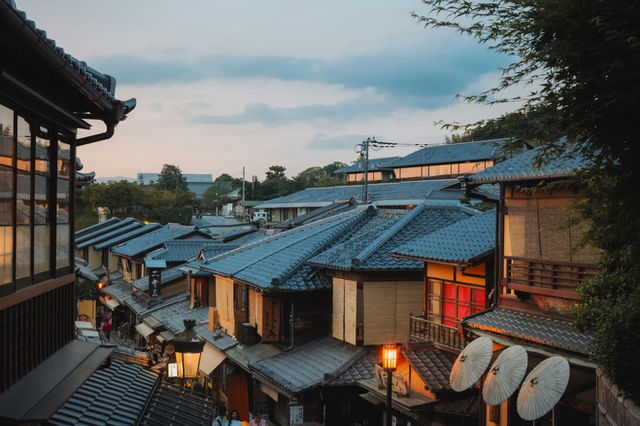
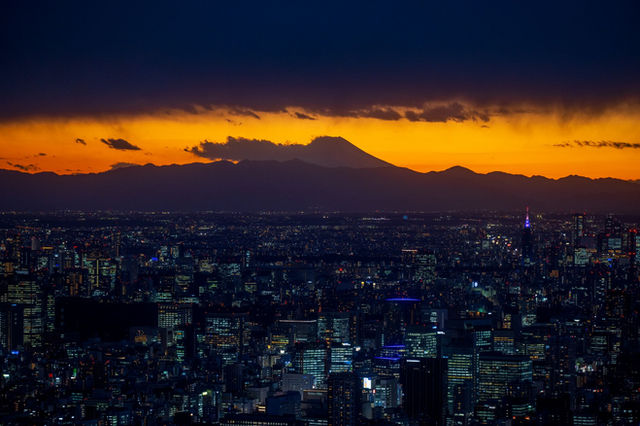
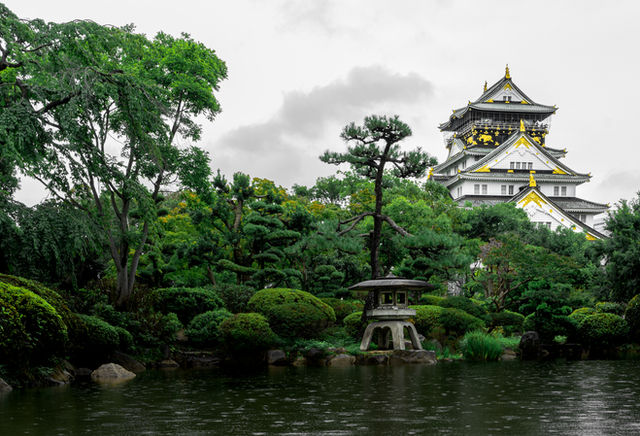
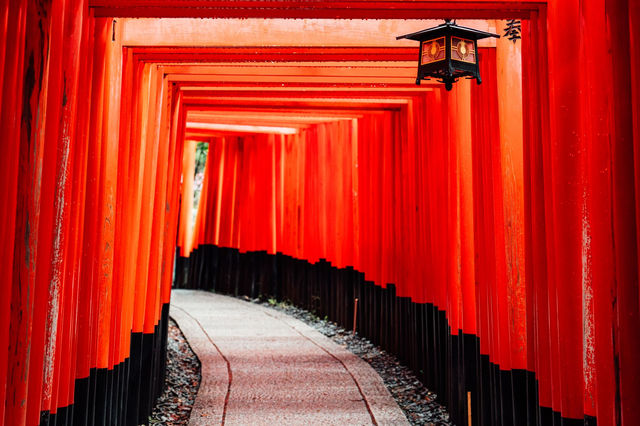
Nara in photos

▸ Where you'll stay

Where you'll stay in Nara

Most visit Nara as a day trip from Kyoto or Osaka, but an overnight lets you enjoy the park and temples in the quiet early morning and evening, when the deer and the light are best. Stay near the park or in Naramachi for atmosphere, or by the stations for convenience and onward travel. Nara is compact and walkable, with hotels and traditional ryokan and guesthouses. Book ahead for cherry-blossom and autumn seasons and the lantern festivals.

  • Budget
    Near the stations / Sanjo-dori business hotels, hostels and guesthouses, convenient and affordable.
  • Mid-range
    Near the park / Naramachi comfortable hotels and machiya stays close to the sights.
  • Luxury
    The best park-side hotels and ryokan higher-end stays near Nara Park.
Stay

Hotels & rentals around Nara

Pan, zoom and compare live prices — every stay in one map.

▸ Getting around

Getting around Nara

The park and old town are compact and walkable — Tōdai-ji, the shrine, the pagoda and Naramachi are all on foot, if spread over a green expanse. Buses loop the sights for the footsore; a car isn't needed. Trains link Nara to Kyoto and Osaka.

The stations, the park and Naramachi are all a short walk apart along Sanjo-dori (~approx); within the park, the temples are a pleasant woodland walk from one another.

▸ Plan your days

Suggested itineraries

Ready-made day plans for Nara — from a single day to a long weekend.

One day

Start early in Nara Park at Tōdai-ji for the Great Buddha, feeding a bowing deer or two on the way, then walk to Kōfuku-ji's pagoda and on through the woods to the lantern-hung Kasuga Taisha. Have a kakinoha-zushi lunch, take in the Isuien Garden, then wander the old merchant lanes of Naramachi in the afternoon for the machiya houses, crafts and a sake or tea before heading back.

Two days

With an overnight, enjoy the park in the quiet early morning and late afternoon, when the deer and light are best, and go deeper — the Nara National Museum's Buddhist art, the gardens, and the quieter sub-temples. With more time, take the trip south toward Asuka's ancient sites or Yoshino's cherry-clad mountains.

▸ What you'll do

Insider tips

  • Come early or stay overnight — Nara's temples and deer are best in the quiet morning and evening.
  • Buy the official deer crackers (shika senbei) and keep other food and your maps hidden — the deer are bold.
  • Walk on past Tōdai-ji to Kasuga Taisha's forest shrine and Kōfuku-ji's pagoda; the whole park rewards a loop.
  • Give Naramachi's old lanes an hour for the machiya houses, crafts and a tea or sake.
What's on

While you're there

16
AUG
Kyoto Gozan no Okuribi (Daimonji Bonfire Festival) — Kyoto, August 2026
301-1 奈良屋町 中京区, 京都市, Kyoto, Japan · festival
Build a trip around it →
13
SEP
Grand Sumo Tournament — September (Aki Basho) 2026 — Tokyo, September 2026
14 両国2丁目17番 墨田区, Tokyo Prefecture, Japan · sport
Build a trip around it →
Explore

Explore the area

© OpenFreeMap · OSM · terrain Mapterhorn
Do

Local attractions & tours

Skip-the-line tickets and small-group tours in Nara — compare across our partners.

We're still curating hand-picked tickets and tours for Nara. In the meantime, the map above and the nearby cities are a great place to start.

Plan

Trips in Nara

Day-by-day itineraries that take in Nara — routes, timings and what to book.

▸ Budget

What it costs in Nara

Backpacker
roughly €40–65 a day.
Mid-range
roughly €85–150 a day.
Luxury
€230 a day and up.
Cash vs card
Japan still uses a lot of cash — carry yen for temple entries, deer crackers, small restaurants and buses, though cards and IC cards work more widely now.
Tipping
There is no tipping in Japan — it is not expected; good service is simply standard.
▸ When you'll go

When to visit Nara

spring (cherry blossom) and autumn (foliage); mild, humid summers

Spring

What to expect — Mild and lovely, with cherry blossom in the park and on the hills around late March into April; changeable but beautiful, and busy at peak bloom.

What's best — Cherry blossom across Nara Park and the temples, the deer among the blossoms, and comfortable weather — one of the best (if busiest) times.

Summer

What to expect — Hot and humid, with a rainy season in early summer; the temples cool but the park sticky by day. The great lantern festival lights the shrine in August.

What's best — Lush green temple grounds, the Kasuga lantern festivals and the Nara Tōkae lantern event lighting the park at night — sightsee early and hydrate in the heat.

Autumn

What to expect — Warm easing to crisp and clear, with superb foliage in the park and gardens — one of the best and most comfortable times. Settled weather.

What's best — Autumn colour across Nara Park, Kasuga's forest and the gardens, the rutting-season deer, comfortable days, and clear light — a rewarding window.

Winter

What to expect — Cool to cold but generally mild, with crisp clear days and the odd cold snap; the park quiet and the light lovely. Good sightseeing weather.

What's best — The temples and park crowd-free, crisp clear views, the deer easy to enjoy, and the late-January Wakakusa hillside burning festival — pack a warm layer.

▸ Know before you go

Know before you go

Honest swaps

Skip a rushed midday temple dash → come early or stay overnight for Tōdai-ji and the deer in the quiet morning light.

Skip only Tōdai-ji → walk on to Kasuga Taisha's lantern-lined forest and Kōfuku-ji's pagoda.

Skip a Kyoto-only trip → Nara's older, grander temples and gentler pace are worth the short train ride.

Skip ignoring Naramachi → the old merchant lanes are a lovely, quieter counterpoint to the park.

Crowds & timing

Cherry-blossom and autumn seasons and the lantern festivals are beautiful but very busy — go early and book ahead.

Tōdai-ji is busiest midday; early morning is calmer and the deer more relaxed.

Local rules & etiquette

The deer are wild animals — feed them only the official crackers, keep food and maps out of reach, and be gentle; they can nip and shove.

The temples and shrines are sacred — be quiet and respectful, remove shoes where indicated, and follow photography rules.

Japanese etiquette applies: quiet on transit, tidy up after yourself, no littering in the park.

Money

Carry yen for temple entries, deer crackers, small restaurants and buses; cards and IC cards work at bigger places and for transport.

Use bank or convenience-store ATMs that accept foreign cards.

After dark

Nara is a quiet, early city — most temples close by late afternoon and the park empties.

Naramachi and the Sanjo-dori area have restaurants and a few bars for an evening meal.

The lantern festivals (summer) and illuminations are the main after-dark draws, when the park glows.

▸ Ready to book your trip?

Getting there

Nara has no major airport; most arrive by train from Kyoto or Osaka (~approx 45 min), and from Kansai International (KIX) via Osaka. The Kintetsu and JR Nara stations sit a short walk or bus from the park along Sanjo-dori.

Book

Ready to book your trip?

Flights, airport transfers and car hire — search and compare without leaving the page.

▸ Trip extras
Book

More trip extras

Parking, holiday extras, and more — coming soon.

Coming soon

We're lining up parking, holiday extras and activities you'll be able to add to any trip from here.