← Mexico
MEXICO · CITY

Morelia

A stately colonial city of rose-pink stone in central Mexico, spanned by a graceful old aqueduct.

  • City
  • October to May — dry, mild days; winter for the nearby butterflies
  • ~approx 2 days
  • Pink-Stone Baroque
  • Colonial Aqueduct
  • Michoacán Carnitas
  • Sweet Market

The pink cathedral floodlit against the night with a burst of fireworks and organ music, the long aqueduct marching into town under the trees, and the sugar-scented aisles of a market that sells nothing but sweets.

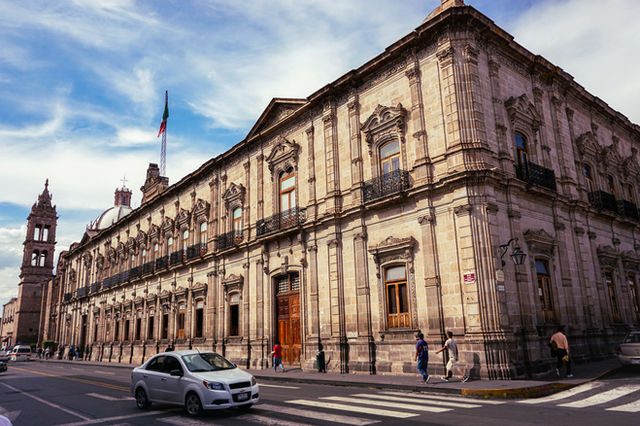
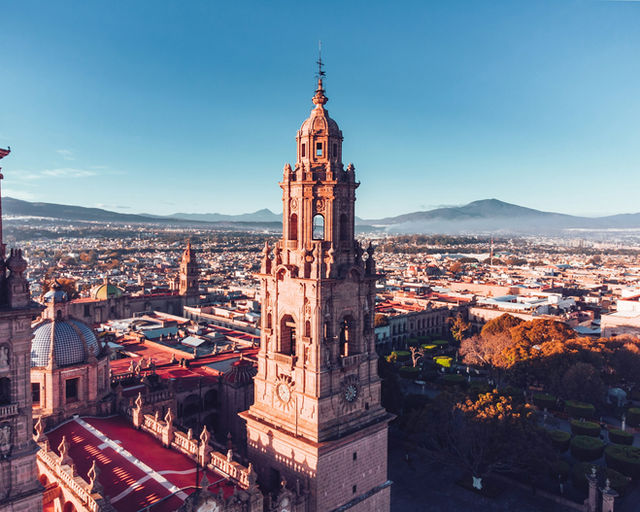
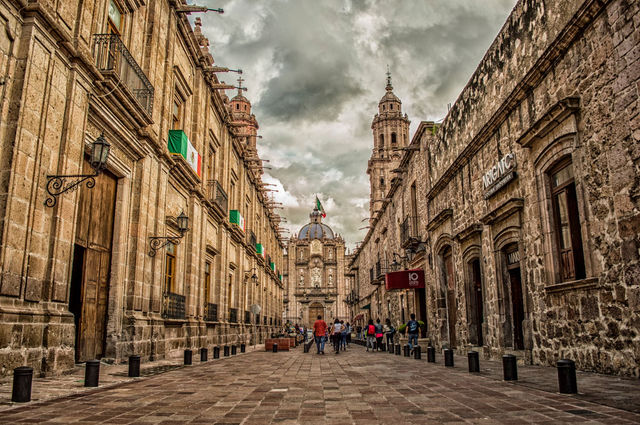
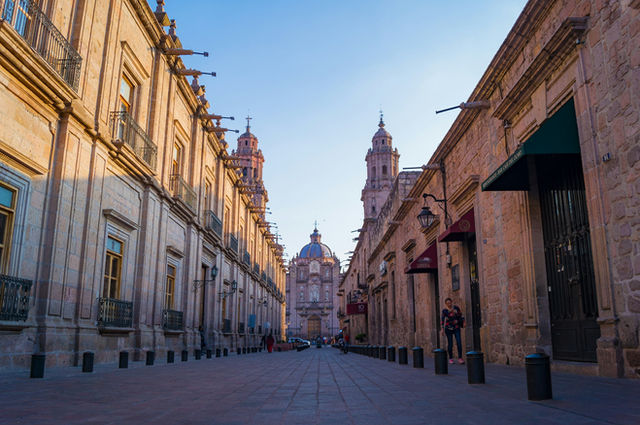
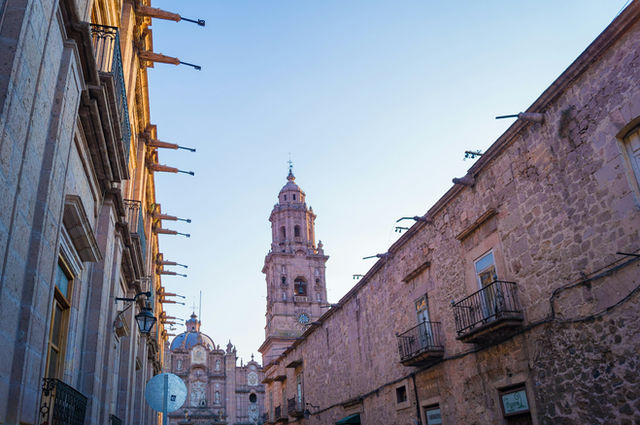
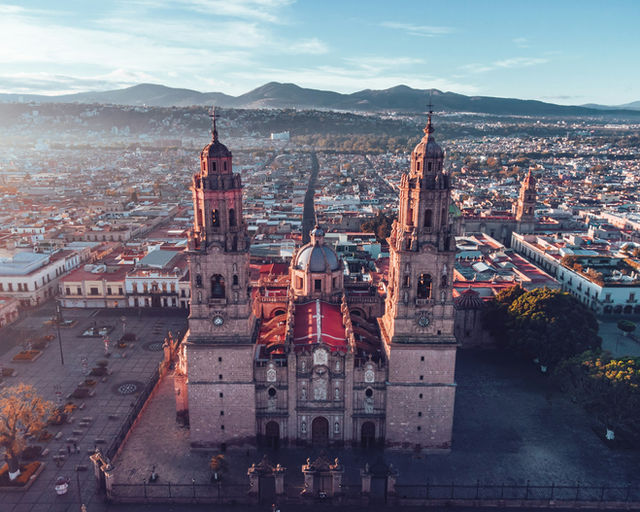
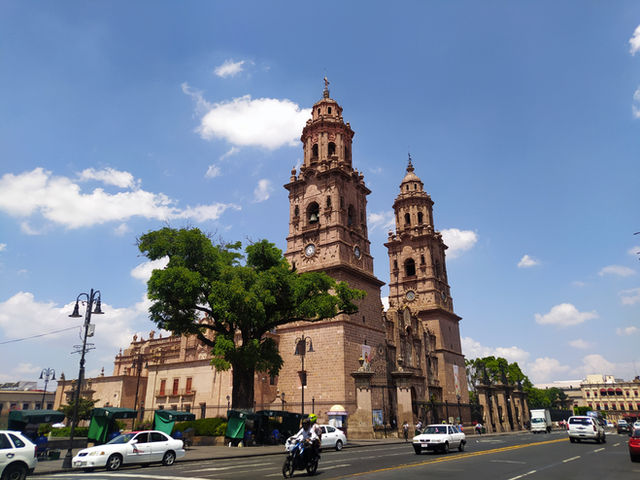
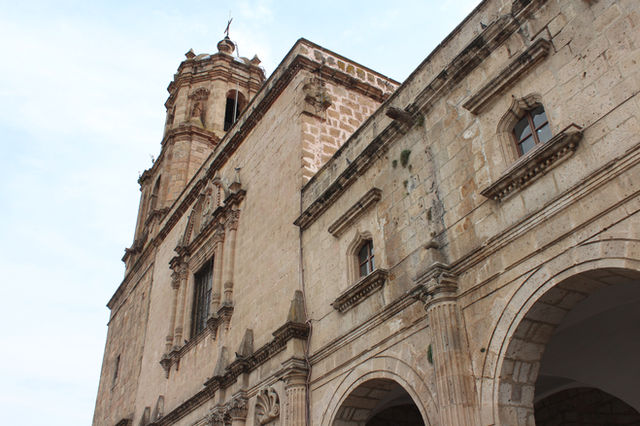
Morelia is Michoacán's rose-tinted capital — a UNESCO colonial city built almost entirely of pink cantera stone, from its huge twin-towered cathedral to the long arched aqueduct, with a candy tradition, a great university heritage and some of Mexico's best carnitas.

Type
city
Ideal length
~approx 2 days
Getting around
on foot in the centre; taxis and ride-hailing beyond
Neighbourhoods
3 areas
Best season / months
October to May — dry, mild days; winter for the nearby butterflies
Language
Spanish (some English in tourist spots)
Currency
Mexican peso ($)
Budget level
moderate — affordable
Good for
  • History
  • Architecture
  • Food
  • Craft
  • Michoacán trips
▸ Discover

About Morelia

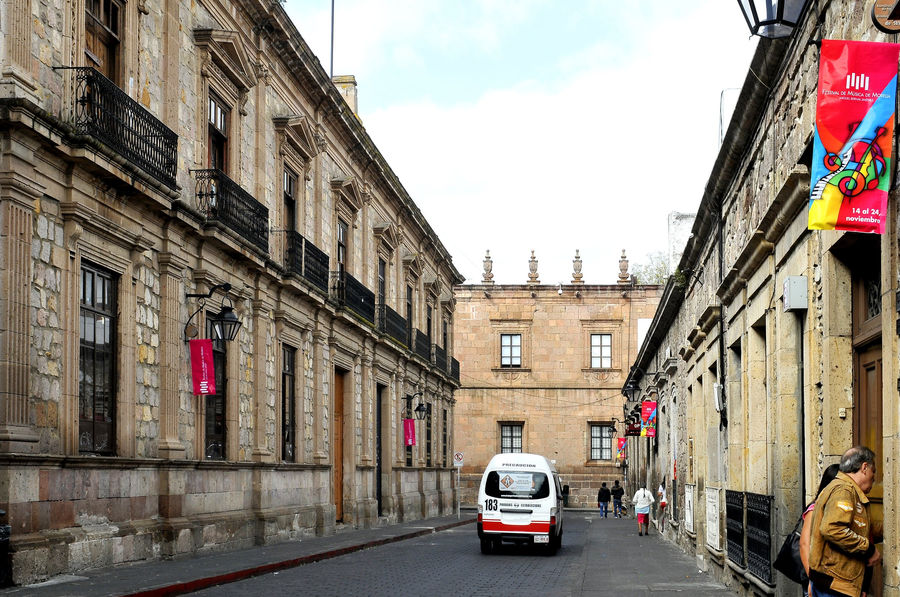
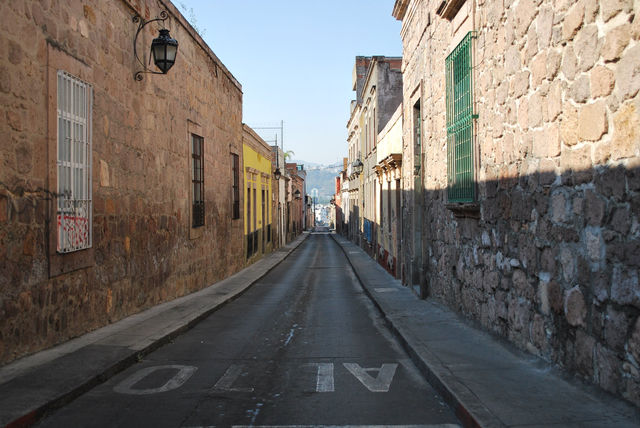
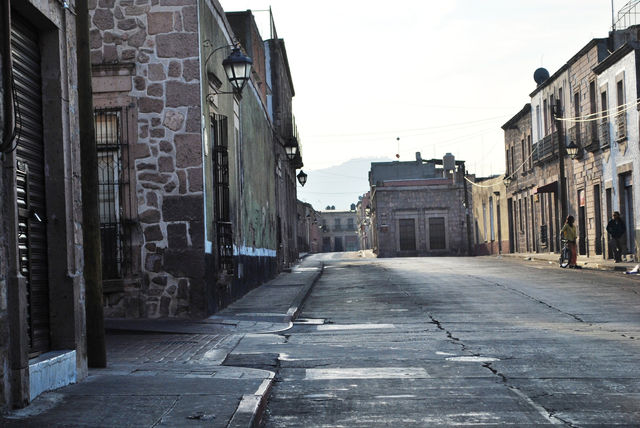
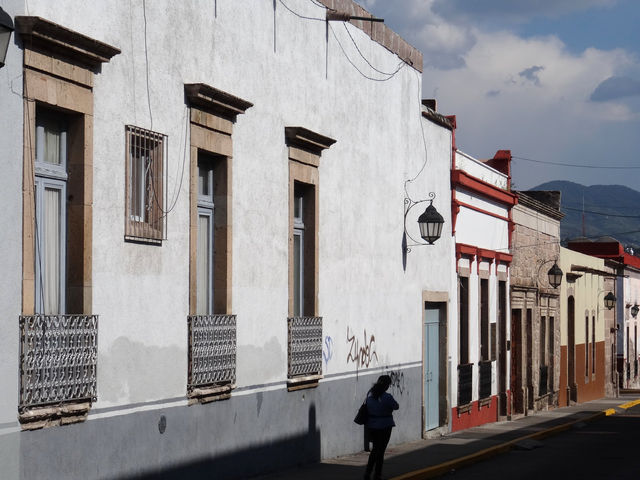
Morelia sits on a plateau in the highlands of Michoacán, in western Mexico. The colonial centre is remarkably unified — street after street of pink cantera-stone façades on a regular grid, centred on the vast cathedral and its plazas. To the east, the 18th-century aqueduct runs into town on a long line of arches, meeting the leafy Calzada that leads to a Baroque sanctuary. Around the historic core, quiet residential districts and hills with city viewpoints spread out. It's a handsome, calm, walkable city, and the gateway to the lakes and butterfly forests of Michoacán.

Why go

Morelia is one of Mexico's most coherent colonial cities — a World Heritage centre where almost everything is built from the same warm pink stone, giving it a rare architectural unity. It has a grand cathedral, one of the oldest universities in the Americas, a photogenic aqueduct, and a deep Michoacán food and craft culture. Less touristy than Guanajuato or Oaxaca, it's the base for the region's lakes, crafts and the winter monarch-butterfly spectacle.

Don't miss

  • The Cathedral — the huge pink-stone Baroque church
  • The Aqueduct — the long line of colonial arches
  • The Mercado de Dulces — the sweets market
  • The Palacio Clavijero — the grand colonial courtyard
  • Michoacán carnitas — the region's celebrated pork

Signature experiences

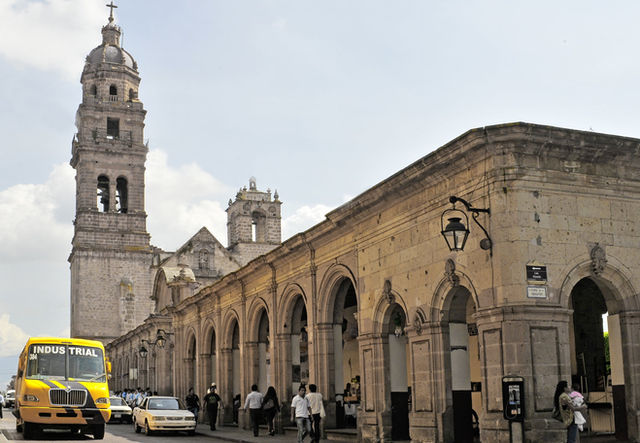
The pink city — Morelia's magic is its unity — almost everything is built from the same rose-coloured cantera stone, so the whole centre glows warm at sunset. Start at the enormous cathedral, one of Mexico's finest, and wander out through the plazas, the arcaded Portales, the Palacio Clavijero's grand courtyard and the ancient colleges of the university. On weekend nights, the cathedral is floodlit with organ music and fireworks — a free spectacle worth timing your visit for. **The aqueduct and the Calzada** — East of the centre, the 18th-century aqueduct strides into town on a long line of arches to the Tarascas fountain, and from there the tree-shaded Calzada Fray Antonio de San Miguel runs to the Baroque Guadalupe sanctuary. It's the loveliest walk in the city, especially in the evening, and the nearby Callejón del Romance — a tiny alley strung with verses — is a quiet delight. **Michoacán at the table** — Morelia is a food city with a distinct regional larder. Michoacán is famous for its carnitas — slow-cooked pork by the kilo — and the local kitchen brings corundas and uchepos (steamed corn tamales), the smoky sopa tarasca, and a whole market devoted to sweets: ates (dense fruit pastes), morelianas and candied fruit. The refreshing gazpacho moreliano, a cup of chopped fruit with chilli and lime, is the street snack. Graze the Mercado de Dulces and the market fondas. **Craft and the wider region** — Michoacán is one of Mexico's great craft states, and Morelia is its showcase and gateway — copper from Santa Clara, guitars from Paracho, lacquerware and Catrina figures from the Pátzcuaro lake villages fill the shops. Beyond the city lie the colonial lake town of Pátzcuaro, its island of Janitzio famous for Day of the Dead, and the winter monarch-butterfly reserves. The city is the base for all of it.

Neighbourhoods

Morelia neighbourhood by neighbourhood — the character of each and who it suits.

  • Centro Histórico

    The pink-stone colonial core around the cathedral — a unified grid of cantera façades, arcaded plazas, churches, courtyards and the university's historic colleges. The elegant heart.

    Why go
    The cathedral, the plazas and the run of colonial monuments.
    Best for
    Sightseeingcafé-sittingwalkingthe sweet market
    Known for
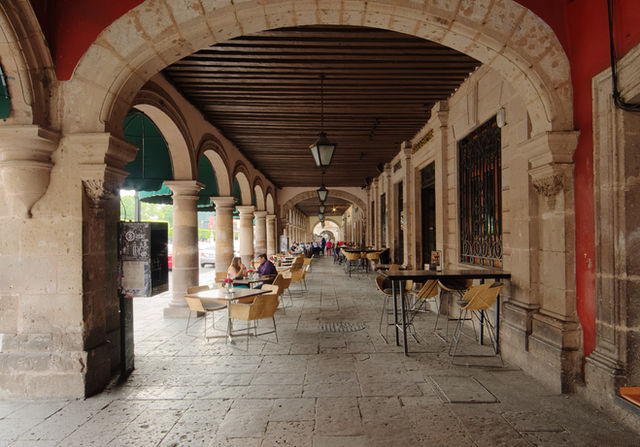
    The twin-towered Cathedral and its plazas, the Palacio Clavijero and its courtyard, the Colegio de San Nicolás (one of the Americas' oldest colleges), the Mercado de Dulces sweet market, and the arcaded Portales.
  • The Aqueduct and the Calzada

    The eastern approach to the centre, where the long colonial aqueduct runs in on its arches to the Tarascas fountain, and the tree-lined Calzada Fray Antonio de San Miguel leads to a Baroque sanctuary. The city's most photogenic edge.

    Why go
    The aqueduct, the Calzada walk and the romance alley.
    Best for
    Photographyevening strollsthe aqueduct
    Known for
    The 18th-century aqueduct and its arches, the Fuente Las Tarascas fountain, the leafy Calzada to the Santuario de Guadalupe, and the nearby Callejón del Romance.
  • Santa María and the Southern Hills

    The leafier residential districts and hills south of the centre, rising to city viewpoints — a calmer, greener side of Morelia with a classic panorama back over the pink city.

    Why go
    The mirador views over the city and cathedral.
    Best for
    Viewsa quieter staysunset
    Known for
    The Santa María hill and its viewpoint over the historic centre, the leafy residential streets, and the panorama of the cathedral against the mountains.

Views & hidden gems

Best views

  • The Santa María hill viewpoint — the pink city and cathedral spread below
  • The Cathedral floodlit on weekend nights — with organ music and fireworks
  • The aqueduct arches along the Calzada — especially at dusk
  • The Palacio Clavijero courtyard — pink arcades and light

Hidden gems

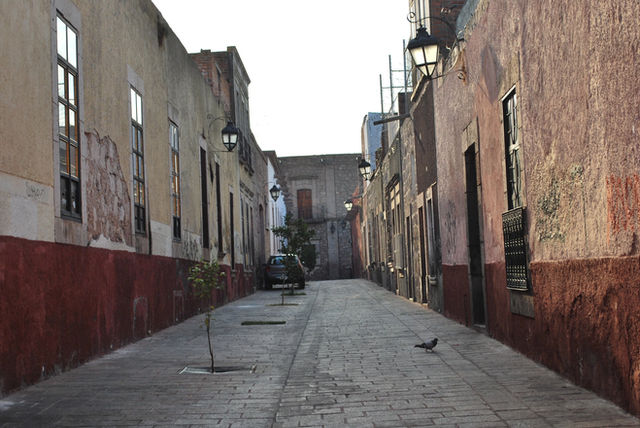
  • The Callejón del Romance — a tiny verse-strung alley off the centre
  • The Mercado de Dulces — aisles of ates, candied fruit and morelianas
  • The Colegio de San Nicolás — one of the oldest colleges in the Americas
  • The weekend cathedral light-and-fireworks show — time your visit for it
  • A gazpacho moreliano from a market stall — the local fruit-and-chilli cup

Food & drink

Morelia's food is proudly Michoacán. The state is Mexico's carnitas heartland — slow-simmered pork sold by weight and piled into tacos — and the local table brings corundas and uchepos (regional tamales), the tomato-and-tortilla sopa tarasca, and morisqueta (rice with beans and salsa). The sweet tradition is a city speciality, with a whole market of ates, candied fruit and morelianas, and the refreshing gazpacho moreliano fruit cup on the street. Eat in the market fondas and the Portales cafés where locals do.

  • Carnitas — Michoacán's celebrated slow-cooked pork, by the kilo
  • Corundas and uchepos — regional steamed corn tamales
  • Sopa tarasca — a smoky tomato, bean and tortilla soup
  • Ate — dense quince or guava fruit paste, from the sweet market
  • Gazpacho moreliano — a cup of chopped fruit with chilli, lime and cheese
  • Morelianas — thin caramel wafers, the local sweet
Dietary notes

Vegetarians manage with corn-based antojitos, quesadillas, beans and market fruit, though lard and meat stock appear in many dishes, so ask. Vegan options are thin at traditional fondas but growing in the centre. Halal and kosher are effectively unavailable. Gluten-free is workable with corn tortillas and tamales (the maize staple) rather than wheat — confirm at stalls.

Morelia in photos

▸ Where you'll stay

Where you'll stay in Morelia

Stay in the Centro Histórico to walk to the cathedral, the plazas and the sweet market — the pink core holds boutique hotels in restored colonial houses and courtyards. The blocks toward the aqueduct and the Calzada are atmospheric and quiet. The southern hills offer leafier, view-rich stays a short ride out. The centre is the natural choice for a first visit.

  • Budget
    Around the centre / near the markets hostels and budget hotels within walking distance of the sights.
  • Mid-range
    Centro Histórico boutique and courtyard hotels in pink-stone colonial houses.
  • Luxury
    The best colonial boutiques near the cathedral / the aqueduct high-end restored houses with courtyards.
Stay

Hotels & rentals around Morelia

Pan, zoom and compare live prices — every stay in one map.

▸ Getting around

Getting around Morelia

The historic centre is flat and walkable — the cathedral, plazas, colleges and sweet market are all on foot. Taxis and ride-hailing apps cover the longer hops to the terminals and the southern hills; a car helps for regional trips but isn't needed in the centre.

The centre and the aqueduct/Calzada are a walk apart (~approx); the southern hills and their viewpoints are a short taxi ride — plan the region's lakes and villages as separate day trips by car or bus.

▸ Plan your days

Suggested itineraries

Ready-made day plans for Morelia — from a single day to a long weekend.

One day

Start at the great pink Cathedral and its plazas, then walk the centre — the Palacio Clavijero courtyard, the Colegio de San Nicolás, the arcaded Portales — and dip into the Mercado de Dulces for ates and sweets. After a carnitas or sopa tarasca lunch, stroll east to the aqueduct and along the Calzada, find the Callejón del Romance, and — if it's a weekend — come back for the cathedral's evening light-and-fireworks show.

Two days

Give day two to Michoacán. Take a trip out to the colonial lake town of Pátzcuaro and its island of Janitzio, or to a craft village — copper at Santa Clara del Cobre, guitars at Paracho — and in winter, the monarch-butterfly reserves in the forests. Return for a last evening among the pink plazas.

▸ What you'll do

Insider tips

  • Time a weekend evening for the cathedral's floodlight-and-fireworks show — a free, memorable spectacle.
  • Use Morelia as a base for Michoacán — Pátzcuaro, the craft villages and, in winter, the butterfly forests.
  • Try a gazpacho moreliano from a street stall and graze the Mercado de Dulces for ates and candied fruit.
  • Carnitas is best mid-morning to lunchtime, when it's freshly cooked — go early to the best stands.
What's on

While you're there

31
OCT
Day of the Dead 2026
Portal De Flores 7, 68000 Oaxaca, Oaxaca, Mexico · cultural
Build a trip around it →
Explore

Explore the area

© OpenFreeMap · OSM · terrain Mapterhorn
Do

Local attractions & tours

Skip-the-line tickets and small-group tours in Morelia — compare across our partners.

We're still curating hand-picked tickets and tours for Morelia. In the meantime, the map above and the nearby cities are a great place to start.

▸ Budget

What it costs in Morelia

Backpacker
roughly €22–40 a day.
Mid-range
roughly €50–95 a day.
Luxury
€150 a day and up.
Cash vs card
Cards work in hotels and better restaurants, but carry pesos for markets, street food, carnitas stands and the sweet aisles.
Tipping
Tipping is expected — around 10–15% in restaurants, small change for guides and help.
▸ When you'll go

When to visit Morelia

October to May — dry, mild days; winter for the nearby butterflies

Spring

What to expect — Warm, dry and pleasant, the highland climate mild by day and cool at night, clear before the summer rains. A comfortable, quiet season.

What's best — Fine walking weather for the pink streets, Holy Week traditions, and long clear days — an easy, uncrowded time.

Summer

What to expect — Warm days and afternoon rains as the wet season sets in; bright mornings, wet late afternoons. Green and fresh between showers.

What's best — Green hills, warm mornings, and the city's music and organ festivals in the cathedral — carry a layer and sightsee before the afternoon rain.

Autumn

What to expect — The rains tapering into mild, clear weather, and the region's most famous moment at the start of November on nearby Lake Pátzcuaro. Comfortable and settled.

What's best — Clear light on the pink stone, and the extraordinary Day of the Dead on Janitzio island and around Pátzcuaro, an easy trip from the city — one of Mexico's great traditions.

Winter

What to expect — Dry, sunny days and cold highland nights, with clear skies. Chilly after dark, comfortable by day.

What's best — Bright clear weather, the festive season in the plazas, and — the winter highlight — the monarch-butterfly reserves in the Michoacán forests within reach. Pack a warm layer for the nights.

▸ Know before you go

Know before you go

Honest swaps

Skip a generic tourist lunch → seek out real Michoacán carnitas and a bowl of sopa tarasca at a market fonda.

Skip only photographing the aqueduct by day → walk the Calzada in the evening when it's lit and quiet.

Skip souvenir-shop crafts → the region's copper, guitars and lacquerware are best bought in the villages (Santa Clara, Paracho, Pátzcuaro).

Skip a rushed day → time a weekend evening for the free cathedral light-and-fireworks show.

Crowds & timing

Day of the Dead around Lake Pátzcuaro (early November) is spectacular but packs the region — book far ahead.

The winter butterfly reserves are seasonal (roughly November–March) — check dates before planning that trip.

Local rules & etiquette

Dress modestly inside the cathedral and churches; photography may be limited during services.

Michoacán's crafts are the work of village artisans — buy fairly and ask before photographing makers.

Day of the Dead on the lake is a sacred family observance — visit respectfully and ask before photographing.

Money

Carry pesos for markets, carnitas stands, the sweet market and small cafés; cards cover hotels and bigger restaurants.

Use bank ATMs in the centre rather than standalone machines.

After dark

The Portales arcades and the cathedral plazas are the lively evening heart — cafés, cantinas and the weekend light show.

The university keeps a younger bar scene going in the centre.

The aqueduct and Calzada are a lovely lit evening walk rather than a nightlife strip.

▸ Ready to book your trip?

Getting there

Morelia's airport (MLM) is northeast of the city, a taxi or shuttle from the centre. Long-distance buses arrive at the terminal on the edge of town, a short taxi from the historic core, with frequent services from Mexico City (~approx 4 hours).

Book

Ready to book your trip?

Flights, airport transfers and car hire — search and compare without leaving the page.

▸ Trip extras
Book

More trip extras

Parking, holiday extras, and more — coming soon.

Coming soon

We're lining up parking, holiday extras and activities you'll be able to add to any trip from here.