Montenegro — hero

Europe

Montenegro

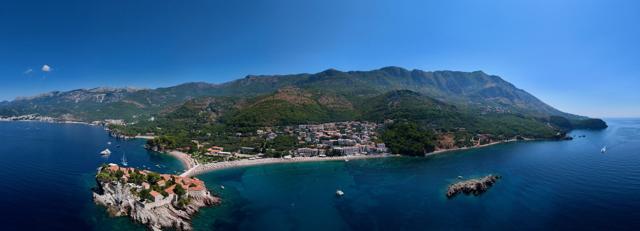
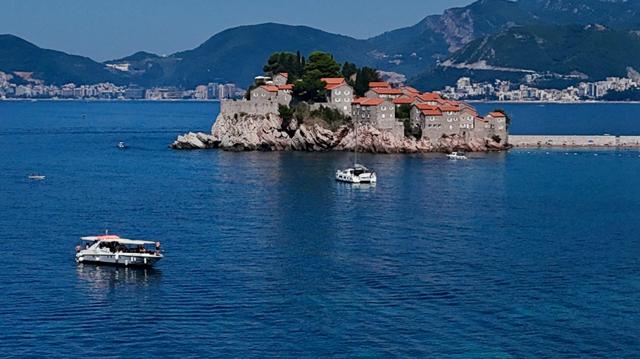
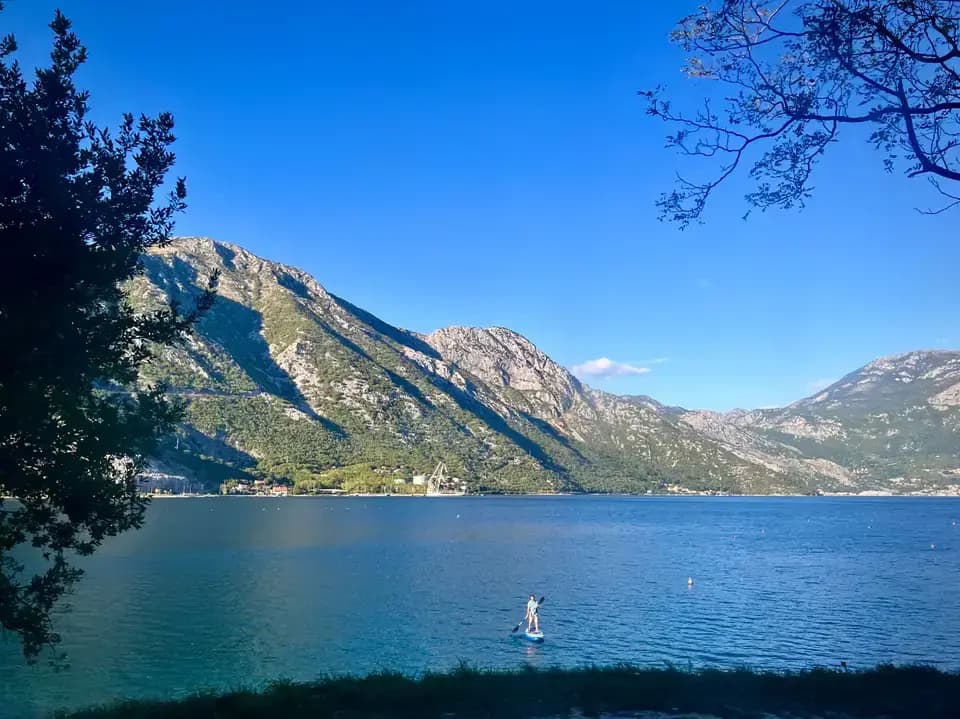
The Adriatic's fjord-like secret: Venetian towns ringing the Bay of Kotor, then a wild interior of deep canyons and rafting rivers just inland.

Currency
Euro (EUR)
Language
Montenegrin
Best time
May to June and September to October. July and August are hot (highs of about 34 °C and 33 °C), so plan mornings and evenings.
Visa
UK passport holders can visit visa-free for up to 90 days in any 180 days (FCDO, updated 13 August 2026). The passport must be under 10 years old and valid for 3 months after departure, and you must register within 24 hours (hotels usually do it). Montenegro is not in Schengen, so EES and ETIAS do not apply here.

The FCDO has no advisory against travel to Montenegro.

Still current at: 13 November 2026 Updated: 13 August 2026

Source: UK Foreign, Commonwealth & Development Office — the definitive source. Check it close to your travel dates.

Flight cancelled or delayed because of this? Your rights under UK261 / EU261 →

Why visit

Why Montenegro

The Adriatic's fjord-like secret: Venetian towns ringing the Bay of Kotor, then a wild interior of deep canyons and rafting rivers just inland.

  • Bay of Kotor and Kotor's walled old town
  • Perast and the island churches
  • Durmitor National Park and Tara Canyon
  • Lake Skadar and Virpazar
  • Lovćen and the royal capital of Cetinje
  • Budva Riviera and the south coast beaches
  • Wine and smoked ham country
  • Quieter, lower-cost Adriatic base
Read more

Montenegro packs a fjord-like bay ringed by walled towns, a mountain interior of canyons and glacial lakes, and a long sandy south coast into a country you can cross in an afternoon. We see it as a quieter, usually cheaper alternative to the busiest stretch of Croatia's coast, with the trade-off that roads are slow, summers are hot and the choice of direct flights is smaller.

Plan it: start with our Kotor guide, then look at events, stays and flights for your dates.

Where to go

The regions of Montenegro

Regions and cities

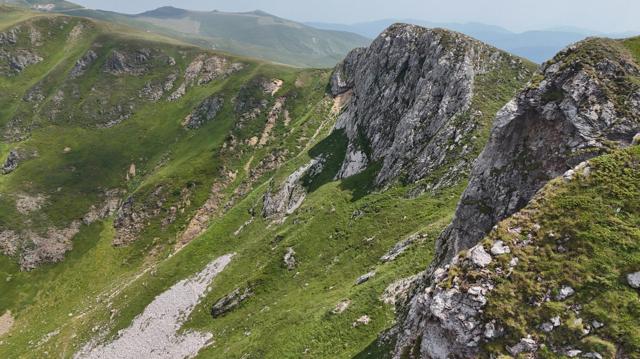
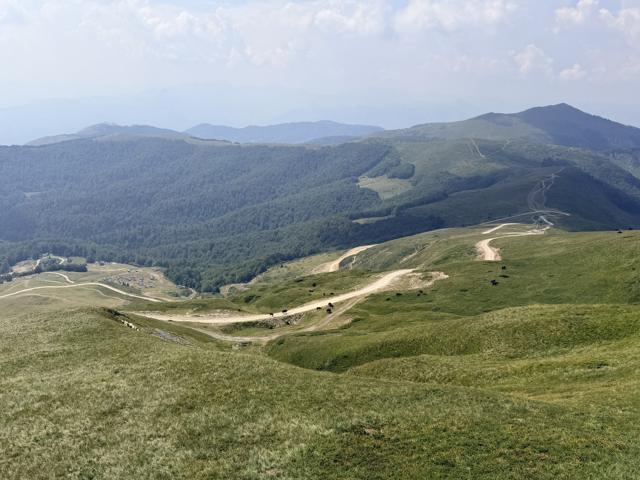
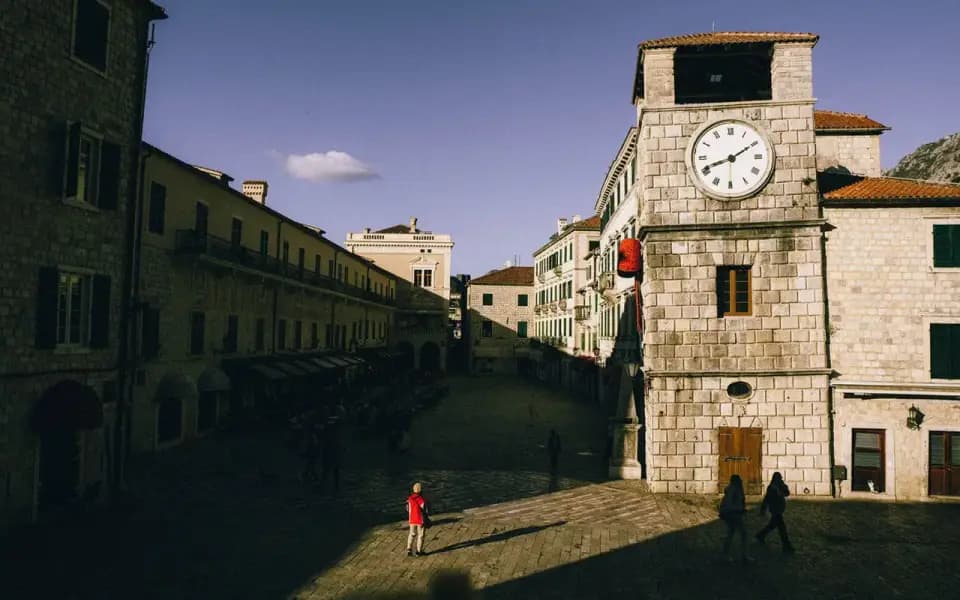
The Bay of Kotor is the headline: Kotor itself, the smaller town of Perast, and resort-style Tivat and Herceg Novi on the same water. South of it the Budva Riviera has the beaches and the nightlife, and further down Bar, Ulcinj and Lake Skadar feel more local. Inland, the capital Podgorica is a practical gateway, and Cetinje, the historic royal capital, sits in the hills below Lovćen. The north is a different country: Durmitor, a mountain park with 48 peaks above 2,000 m according to Montenegro's tourism board, and the Tara Canyon around the town of Žabljak. The national parks authority lists five parks: Durmitor, Skadar Lake, Lovćen, Biogradska Gora and Prokletije.

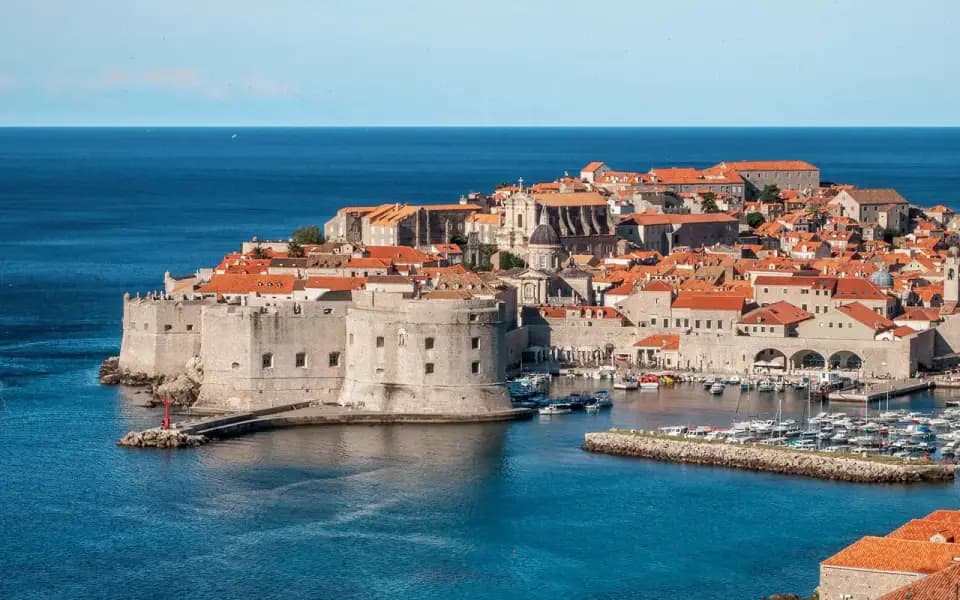
Swap it: the Bay of Kotor for Dubrovnik's old town. You get a Venetian-era walled town under steep mountains and, outside peak weeks, calmer streets and a lower bill. You give up Dubrovnik's polish, its wider choice of flights and ferries, and easy onward travel. Kotor is no secret either, so the swap works best out of July and August.
A pillar, not a footnote

Eat your way through Montenegro

The single reason many travellers come back — the food culture worth reshaping a trip around, and the dishes to seek out region by region.

Montenegro

Three cuisines in a single hour’s drive — the fish of the bay, the smoke of the mountains, the sugar of the East.

Montenegro serves its geography on a plate. Down on the Bay of Kotor you eat like a Venetian — grilled fish, a spoon of black risotto, a squeeze of lemon and a carafe of something cold and local, the water lapping just below the terrace. Then the road climbs, the air turns sharp and pine-scented, and within the hour you’re somewhere else entirely.

Up in the karst villages the star is Njeguši pršut — ham hung to cure in the crosswind where mountain cold meets sea air, sliced fine and pressed into your hand with a wedge of sharp cheese and a shot of rakija before you’ve even sat down. This is generous, altitude food: kačamak whipped thick with cheese and potato, lamb simmered slow in milk until it slides off the bone. Eat it the way Montenegrins do — slowly, in good company, with no intention of leaving the table any time soon.

Dishes to seek out
  • Njeguši pršut & cheese
  • kačamak (cornmeal & cheese mash)
  • brav u mlijeku (lamb in milk)
  • priganice (fried dough)
  • Skadar carp
Things to do

Nature, culture and the outdoors

Plan your trip

Curated Montenegro itineraries

Browse all Montenegro trips →
Guides

All our Montenegro guides

Plan

Getting there, getting around and where to stay

Getting there from the UK

Montenegro has two airports, Podgorica and Tivat, both run by Airports of Montenegro. Tivat is the one for the Bay of Kotor, and Podgorica suits the north and Lake Skadar. Direct services from the UK are seasonal and change from year to year, so check each airline's own schedule rather than rely on a list. Many travellers also fly to Dubrovnik and cross by road, which adds a border check; the FCDO notes that land borders can close at short notice and that waits can be long in summer.

Getting around

A hire car gives the most freedom, especially for Lovćen, Durmitor and the lake, but the FCDO warns that summer traffic on coastal and major routes is heavy, the Morača Canyon road can be dangerous, and the drink-drive limit is less than half England and Wales's. Check whether you need a UK sticker. Buses link the main towns and are cheap. Use only officially licensed taxis and agree the fare before you set off.

Where to stay

By area

  • Kotor and Perast: atmosphere and stone lanes, but steps and summer crowds.
  • Tivat and Herceg Novi: easier parking, promenades and a resort feel.
  • Budva Riviera: beaches, bars and the most choice, and the busiest in summer.
  • Žabljak: the base for Durmitor and the canyon.
  • Podgorica: a practical night at either end of a trip rather than a destination.
When to go

Weather & timing in Montenegro Right now RIGHT NOW 17°C thunderstorm

Best May–Jul · Shoulder May–June, September–October

Units

Next 7 days

Forecast · Met Office · Powered by Met Office data

Typical · climate data

Best time to visit

May to June and September to October. July and August are hot (highs of about 34 °C and 33 °C), so plan mornings and evenings.

Best for
  • Culture
  • Cuisine
  • Landscape
  • History
At a glance
Sunshine 9.4 hr/day
Rainfall 155 mm/mo
Wettest December · 307.1mm
Driest July · 15mm
Part of Mediterranean Europe →
By season

Units

Spring (Mar–May)

What to expect — Daytime highs average about 19°C with overnight lows near 9°C, with plenty of rain.

What's best — Cool & crisp, then Shoulder season, then Warm. May is among the best months here (warm, sun and cloud).

Summer (Jun–Aug)

What to expect — Daytime highs average about 32°C with overnight lows near 20°C.

What's best — Warm, then Shoulder season, then Hot. Jun is among the best months here (warm, sunny).

Autumn (Sep–Nov)

What to expect — Daytime highs average about 21°C with overnight lows near 12°C, with plenty of rain.

What's best — Wet.

Winter (Dec–Feb)

What to expect — Daytime highs average about 12°C with overnight lows near 4°C — the wettest stretch of the year.

What's best — Cool & crisp.

Live forecast map · Windy.com · temperature with wind, °C and km/h

Heat, rain and the best months, region by region

Our climate data puts the average July high at about 34 °C and August at about 33 °C, so both months are hot. We would plan mornings and evenings, keep climbs such as Kotor's fortress steps for early starts, and treat July and August as the least comfortable choice. May and June are our favourites, with highs of about 24 °C and 29 °C, warm seas building and the mountains greening. September (about 27 °C) and October (about 21 °C) are also good, and on 28 October 2026 the national hydrometeorological service was still showing sea temperatures of about 19 to 20 °C at Herceg Novi, Bar and Ulcinj. The price of autumn is rain: September to November are among the wetter months in our data, usually in bursts, so keep a plan B. Winter on the coast is mild, grey and wet; in the mountains it is a ski season.

Average daily high (°C) by month. Measured 2020–2024.
AreaJFMAMJJASOND
Podgorica 101315182429343327211612

Colours as on the month tiles above. Bold: hot, 32°C or more (go early or late in the day). Outlined: very hot, 35°C or more. Wet: 150 mm of rain or more.

Heat: Our climate data puts the average July high at about 34 °C and August at about 33 °C, so both months are hot.

A little context

A little history

To read what you're looking at — the empires and eras that shaped Montenegro's food, art and streets.

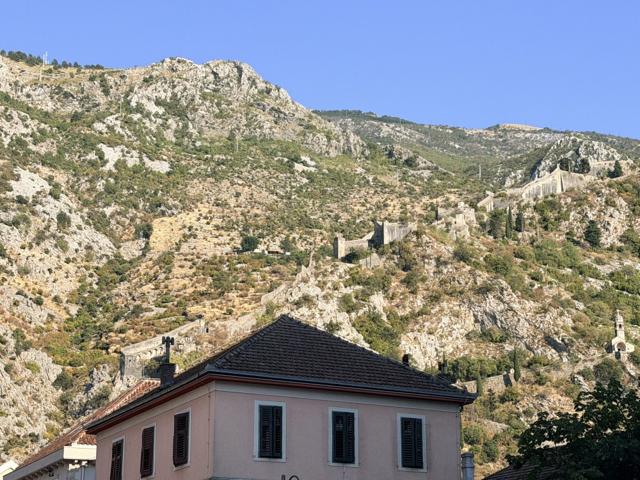
Venetian centuries around the Bay of Kotor built the stone waterfronts and campaniles of Kotor and Perast
an Ottoman-then-independent mountain interior kept its own Orthodox, clan-based culture and smoke-cured highland food
Cetinje was the royal capital of a proud little kingdom that punched above its size
independence from Serbia in 2006, the newest border in the Balkans
Culture

Culture and etiquette

Orthodox, Catholic and Muslim communities live side by side, and the best-known churches and monasteries are working places of worship, so dress modestly and ask before taking photographs inside. Photographing police or military sites or personnel is illegal, according to the FCDO. A few words of greeting in Montenegrin are always appreciated.

Food and drink

The coast leans on seafood, grilled fish and Adriatic-style olive oil, while the uplands around Lovćen are known for smoked ham and cheese, and the north for hearty stews and dairy. Vranac is the red wine to try, with Krstač as a local white, and rakija is the traditional spirit. We would eat where menus are short and the fish is priced by weight, and ask the price before ordering.

Practical

Entry, money and health

Entry and visas (British passport holders)

Entry: UK passport holders can visit for up to 90 days in any 180-day period without a visa. The FCDO says your passport must have been issued less than 10 years before you arrive and be valid for at least three months after you plan to leave, and that you should get it stamped on entry and exit. Register with the local tourism office or police within 24 hours of arrival; hotels and some holiday lets do this for you, but in private accommodation you must do it yourself. Montenegro is not in the Schengen area, so the EU Entry/Exit System (EES) and ETIAS do not apply to arrivals here, and your days here do not count towards the Schengen 90. EES can still lengthen queues at EU borders, for instance on the way in from Croatia.

Money

Money: Montenegro uses the euro. The Central Bank of Montenegro says using the euro as legal tender is not the same as euro area membership, and Montenegro is not an EU member. Declare cash of 10,000 euros or more. We would expect everyday costs to sit below Croatia's headline resorts, with coastal prices rising in July and August.

Health

Health: the FCDO says Montenegro recognises the GHIC and that British nationals can get free emergency treatment at state facilities, but you must apply for a certificate of entitlement, and a GHIC does not replace travel insurance. Insurance should cover your activities, such as hiking or rafting. The emergency number is 112, and 129 is for sea rescue.

UK government travel advice

At the time of writing, FCDO advice (updated 13 August 2026) does not advise against travel to Montenegro. It highlights protests that sometimes block main roads for hours, wildfires from April to October, pickpockets and card fraud, and severe penalties for drugs. In the mountains, stay on marked paths, tell someone your route and carry a charged phone. When swimming, heed beach flags and warning signs, and take a safety briefing before hiring jet-skis. Check the latest advice before you book and again before you travel.

Sources · last checked 28 October 2026

We write this guide from official sources only: GOV.UK, national immigration portals, tourism boards, airports and operators, central banks and met services. Rules change, so check the linked pages before you book.

  • gov.uk: FCDO advice last updated (checked 2026-10-28)
  • cbcg.me: Euro is legal tender but not euro-area membership; EU accession talks (checked 2026-10-28)
  • nparkovi.me: Five national parks (checked 2026-10-28)
  • montenegro.travel: Durmitor: 48 peaks above 2,000 m; UNESCO-tagged national park; winter snow activ (checked 2026-10-28)
  • meteo.co.me: Sea temperature late October (checked 2026-10-28)
  • montenegroairports.com: Airports of Montenegro run Podgorica and Tivat (checked 2026-10-28)
Before you book

Know before you go

The practical back-matter — safety, drones and the essentials, in one place.

Safety

No FCDO advisory against travel FCDO advice →

Official UK Foreign, Commonwealth & Development Office guidance is the definitive source — check it close to your travel dates.

Drone rules (sub-250g)

  • Montenegro
    Effectively no — a bring-in permit from the Ministry of Economy is required or the drone is seized at the border (~€10, ~30-day, in person), plus CAA operator registration. ⚠ All five national parks (Durmitor, Lovćen, Biogradska Gora, Skadar Lake, Prokletije) ban drones outright. Rules checked: Jul 2026

National parks, protected sites and religious/heritage venues often have their own rules and permits — always check the specific site before you fly.

The essentials

Plug & voltage Type C/F · 230V
Daily budget Budget-friendly (coast dearer in summer)
Region Southern Europe