← Peru
PERU · CITY

Cusco

The imperial Inca capital turned colonial city — the gateway to Machu Picchu, high in the Peruvian Andes.

  • City
  • May to September — the dry season, sunny days and cold nights
  • ~approx 2–3 days, plus the Sacred Valley and Machu Picchu
  • Inca Capital
  • Gateway to Machu Picchu
  • Andean Heights
  • Colonial-on-Inca Stone

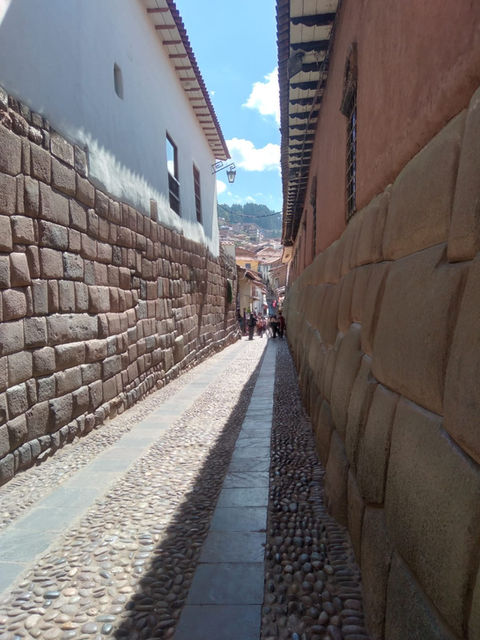
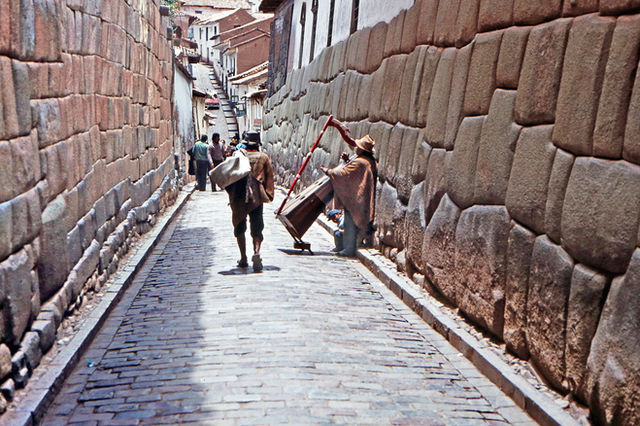
Massive Inca stones fitted without mortar under a whitewashed colonial wall, the thin bright light of the high Andes, and the smell of eucalyptus smoke and coca tea in the cold morning air.

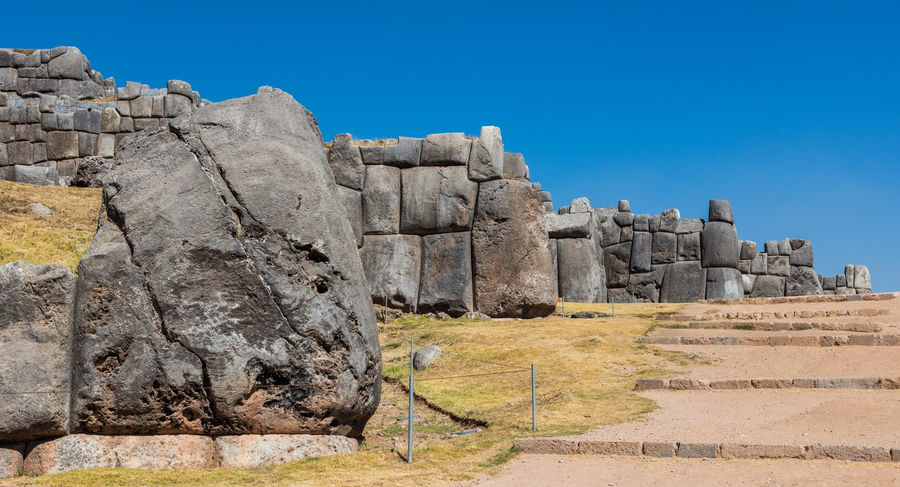
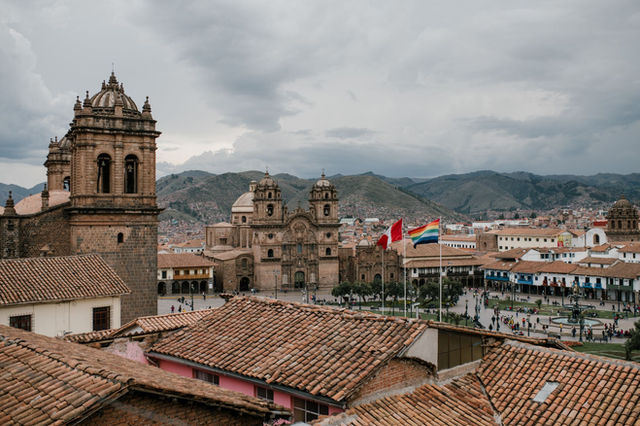
Cusco was the capital of the Inca empire, and it still shows in its streets — colonial churches built straight onto Inca walls, laid so precisely a knife blade won't fit between the stones. High in the Andes and rich in history, it is the launchpad for Machu Picchu and a magnificent city in its own right.

Type
city
Ideal length
~approx 2–3 days, plus the Sacred Valley and Machu Picchu
Getting around
a compact, walkable but steep and high centre; taxis for the hills
Neighbourhoods
3 areas
Best season / months
May to September — the dry season, sunny days and cold nights
Language
Spanish and Quechua
Currency
Peruvian sol (S/)
Budget level
low to moderate
Good for
  • History
  • Culture
  • Adventure
  • First-timers
▸ Discover

About Cusco

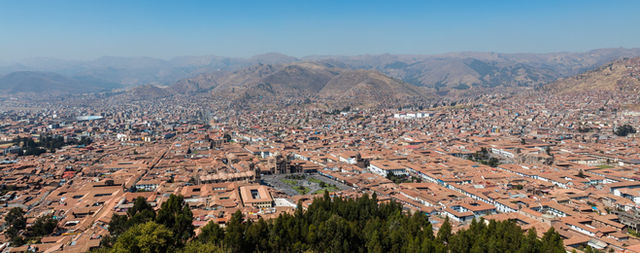
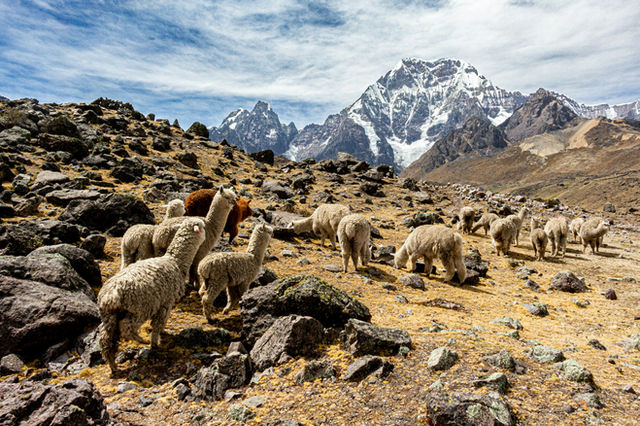
Cusco sits high in the Peruvian Andes, at around 3,400 metres, cradled in a valley ringed by mountains. It was the heart of the Inca empire, and the Spanish built their colonial city directly on top — churches and mansions rising from Inca foundations, the two civilisations literally stacked. The old centre climbs around the Plaza de Armas, with the bohemian San Blas quarter above and the great Inca fortress on the hill behind. The altitude is real and worth respecting; the centre is compact and walkable once you've acclimatised.

Cusco is home to a UNESCO World Heritage Site — City of Cuzco — inscribed in 1983.

Why go

Cusco is one of the most atmospheric cities in the Americas — the living capital of the Inca world, where the extraordinary stonework survives beneath the Spanish churches, and the Andean culture is vivid in the markets, the music and the dress. It is the essential base for Machu Picchu and the Sacred Valley, but it is far more than a gateway: a beautiful, high, history-soaked city that rewards days of its own.

Don't miss

  • The Inca stonework — mortarless walls beneath the colonial city
  • The Qorikancha — the Inca sun temple under a colonial convent
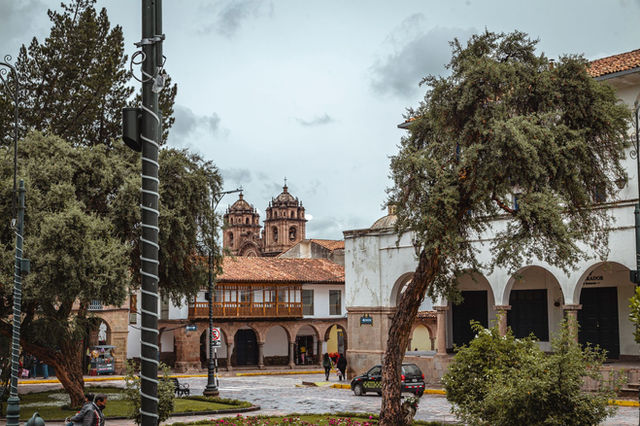
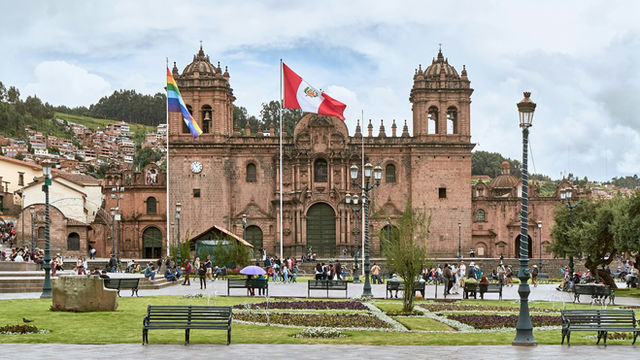
  • The Plaza de Armas and the Cathedral — the grand colonial heart
  • San Blas — the bohemian artisan quarter and its viewpoints
  • Sacsayhuamán — the vast Inca fortress above the city

Signature experiences

Reading the Inca stonework — Cusco's marvel is underfoot and in its walls — massive Inca stones cut and fitted so precisely that no mortar was needed and no blade will slip between them, with Spanish churches and mansions built straight on top. Walk Hatunrumiyoc to find the famous Twelve-Angled Stone, and visit the Qorikancha, the Inca sun temple whose perfect walls survived under a colonial convent. The two civilisations stacked together is the city's whole story. **Sacsayhuamán and the ruins above** — On the hill over the city stands Sacsayhuamán, a vast Inca fortress-temple built of stones the size of rooms, some weighing many tonnes, fitted with the same impossible precision. The walk up is steep at this altitude but the scale and the view back over Cusco are worth it, and more ruins ring the hills beyond. **San Blas and the artisans** — The steep quarter above the centre is Cusco at its most charming — cobbled lanes of whitewashed houses, artisan and jewellery workshops, cafés and galleries, and viewpoints over the red-tiled roofs. It is the place to shop for real Andean craft and to slow down. **The gateway to the Sacred Valley** — Cusco is the base for the Inca heartland — Machu Picchu, reached by train through the mountains, and the Sacred Valley with its markets, terraces and ruins at Pisac and Ollantaytambo. Acclimatise here first, then head out; the city is where every great Andean journey begins.

Neighbourhoods

Cusco neighbourhood by neighbourhood — the character of each and who it suits.

  • The Centro Histórico

    The grand colonial heart around the main square, built directly on Inca foundations — churches, arcades and mansions rising from mortarless Inca walls.

    Why go
    The single densest run of Inca and colonial sights.
    Best for
    First-time sightseeingthe plazaInca walls
    Known for
    The Plaza de Armas and the Cathedral, the Qorikancha sun temple beneath Santo Domingo, the famous Twelve-Angled Stone on Hatunrumiyoc, and the arcaded squares.
  • San Blas

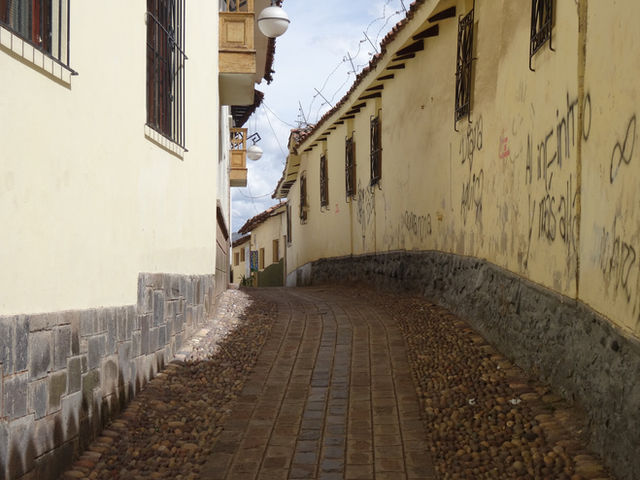
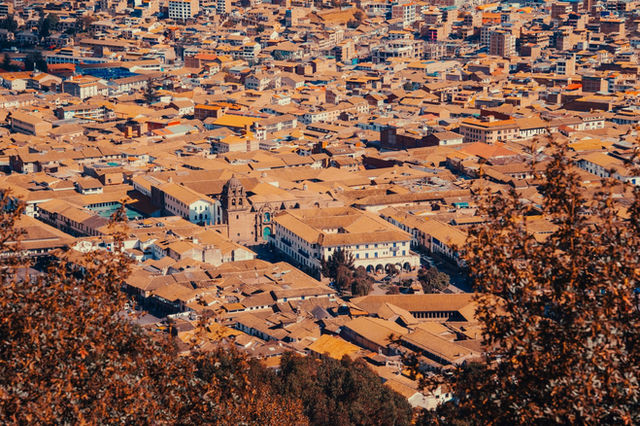
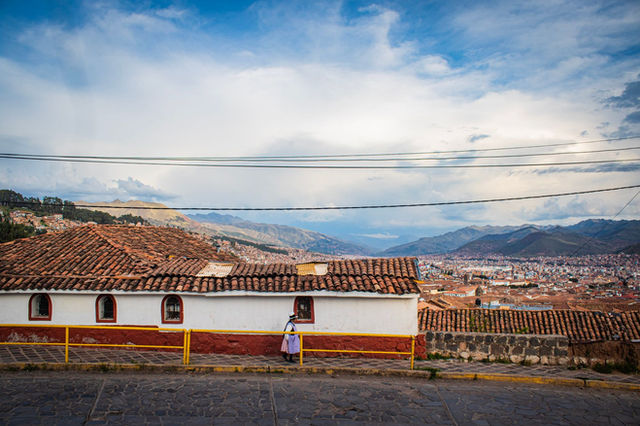
    The steep, bohemian artisan quarter climbing above the centre — cobbled lanes, whitewashed houses, galleries and workshops, and the best viewpoints over the city.

    Why go
    The artisan workshops, the cafés, and the views.
    Best for
    Craftscafésviewpointswandering
    Known for
    The San Blas plaza and church, the artisan and jewellery workshops, the steep muralled lanes, and the miradors looking over the red rooftops.
  • San Pedro and the Markets

    The working quarter west of the centre around the great covered market — produce, textiles, food stalls and the everyday life of Andean Cusco.

    Why go
    The market, the street food and the local buzz.
    Best for
    Marketsstreet foodtextiles
    Known for
    The San Pedro market with its produce, juices and textiles, the food stalls, and the streets where locals shop away from the tourist lanes.

Views & hidden gems

Best views

  • The San Blas miradors — over the red rooftops to the mountains
  • Sacsayhuamán — the fortress walls and the city spread below
  • The Cristo Blanco statue on the hill — a panorama of the whole valley
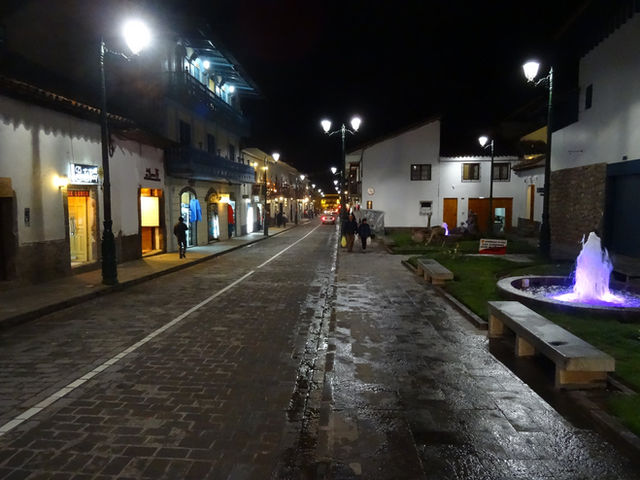
  • The Plaza de Armas at night — the floodlit cathedral and arcades

Hidden gems

  • The Twelve-Angled Stone on Hatunrumiyoc — Inca engineering in a single wall
  • The San Pedro market — Andean produce, juices and textiles, where locals shop
  • The lesser ruins above town — Q'enqo, Puka Pukara and Tambomachay on the hill road
  • The Museo de Arte Precolombino — pre-Columbian art in a colonial mansion, quiet and fine
  • A cup of coca tea in a courtyard café — the local answer to the altitude

Food & drink

Andean food is hearty and made for the cold and the heights, and Cusco does it with a growing sophistication. The classics run to slow-roast and grilled meats, alpaca steaks, stuffed peppers and the famous roast cuy (guinea pig), a ceremonial dish. Soups and corn are staples, the potato appears in dozens of varieties, and coca tea is the everyday remedy for the altitude. Chicha, the fermented-maize drink, and the pisco sour round out the table.

  • Cuy — roast guinea pig, the Andean ceremonial dish
  • Alpaca — lean grilled or stewed alpaca steak
  • Lomo saltado — stir-fried beef with onion, tomato and chips
  • Chiri uchu — a cold festival platter of meats, cheese and corn
  • Choclo con queso — large-kernel Andean corn with fresh cheese
  • Coca tea — the local infusion, taken against the altitude
Dietary notes

Vegetarians manage with the potato, corn, quinoa and soup traditions, and a growing veggie scene in the centre and San Blas, though the classics are meat-heavy. Vegan is doable from the Andean staples. Halal and kosher food are very limited and best arranged ahead. Gluten-free suits many Andean dishes (potatoes, quinoa, corn) naturally; confirm sauces and the newer restaurants understand it.

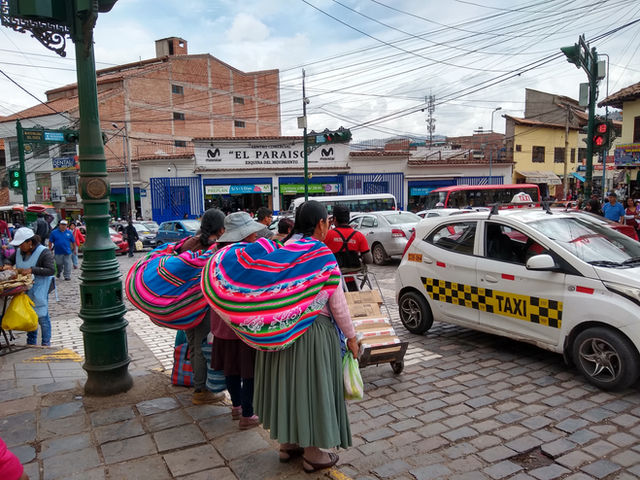
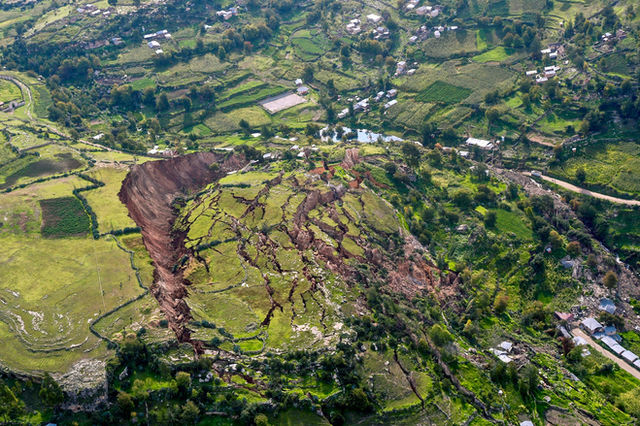
Cusco in photos

▸ Where you'll stay

Where you'll stay in Cusco

The Centro Histórico around the Plaza de Armas is the convenient base — walkable to the sights, restaurants and tour offices, though the nights are cold and the streets busy. San Blas above is more atmospheric and characterful, all cobbles and views, but a steep climb at altitude. Both put you in the walkable heart. Choose a room with heating and consider the altitude when you arrive — the first night is not the one to overexert.

  • Budget
    Around the Centro / San Pedro hostels and budget rooms, central and cheap, walkable to the plaza.
  • Mid-range
    The Centro Histórico comfortable hotels near the Plaza de Armas, walkable to everything.
  • Luxury
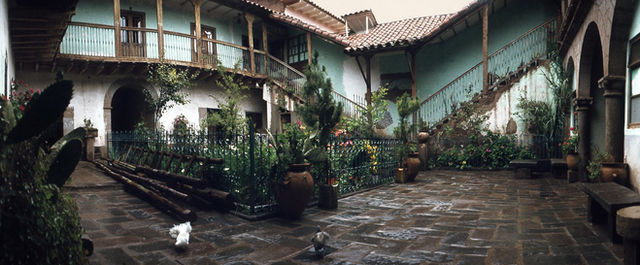
    San Blas / the old centre converted colonial mansions and boutique hotels with courtyards and views.
Stay

Hotels & rentals around Cusco

Pan, zoom and compare live prices — every stay in one map.

▸ Getting around

Getting around Cusco

The historic centre is compact and walkable, but steep and high — take the climbs slowly until you've acclimatised. Taxis are cheap for the hills and the ruins above town; agree the fare first. A car isn't needed in the centre. For Machu Picchu and the valley, you'll use trains and organised transport.

The centre, San Blas and San Pedro are all a short, steep walk apart (~approx). For Sacsayhuamán and the hilltop ruins take a taxi up and walk down; the Sacred Valley is reached by road and rail.

▸ Plan your days

Suggested itineraries

Ready-made day plans for Cusco — from a single day to a long weekend.

One day

Take it gently for the altitude. Start on the Plaza de Armas with the Cathedral and the Qorikancha sun temple, walk Hatunrumiyoc to the Twelve-Angled Stone, then climb slowly into San Blas for the workshops, cafés and viewpoints. In the afternoon, head up to Sacsayhuamán for the great walls and the view over the city.

Two days

Give day two to the Sacred Valley. Head out to the market and ruins at Pisac and the terraces and fortress at Ollantaytambo, lower and easier than Cusco, before returning for a San Blas dinner — or continue by train toward Machu Picchu.

Three days

Use day three for Machu Picchu. Take the train through the mountains to Aguas Calientes and up to the citadel for the morning, returning to Cusco in the evening — or extend into a longer Sacred Valley and trekking trip from here.

▸ What you'll do

Insider tips

  • Give yourself a day or two to acclimatise before any strenuous trek or a high pass — the altitude affects almost everyone at first.
  • Book Machu Picchu entry, the train and any Inca Trail permits well ahead; they are capped and sell out in the dry season.
  • Nights are genuinely cold year-round — pack warm layers even in the sunny dry season.
  • The combined tourist ticket (boleto turístico) covers Sacsayhuamán and several sites and museums — buy it if you're seeing more than a couple.
What's on

While you're there

24
JUN
Inti Raymi 2027
Don Bosco, Cusco, Cusco, Peru · cultural
Build a trip around it →
Explore

Explore the area

© OpenFreeMap · OSM · terrain Mapterhorn
Do

Local attractions & tours

Skip-the-line tickets and small-group tours in Cusco — compare across our partners.

We're still curating hand-picked tickets and tours for Cusco. In the meantime, the map above and the nearby cities are a great place to start.

▸ Budget

What it costs in Cusco

Backpacker
roughly €25–45 a day (excluding Machu Picchu).
Mid-range
roughly €70–130 a day (excluding Machu Picchu).
Luxury
€280 a day and up.
Cash vs card
Cards work in hotels, better restaurants and tour agencies; carry soles in small notes for markets, taxis, entry tickets and tips.
Tipping
Around 10% in sit-down restaurants; tip guides and porters, especially on treks, and round up for taxis.
▸ When you'll go

When to visit Cusco

May to September — the dry season, sunny days and cold nights

Spring

What to expect — The tail of the dry season into the start of the wet — bright, warming days early, turning wetter toward year's end, with afternoon showers building.

What's best — Green landscapes, wildflowers, fewer crowds than peak, and still-mostly-dry mornings for the ruins and the valley.

Summer

What to expect — The wet season — warm days but frequent afternoon rain, with January and February the wettest, when the classic Inca Trail closes for maintenance. Lush and green.

What's best — The greenest landscapes, the lowest crowds and prices, and mornings often clear before the rain. Pack for wet afternoons; the main Inca Trail is shut in February.

Autumn

What to expect — The rains easing into the dry season, skies clearing, days bright and nights cold. Reliable and increasingly popular.

What's best — The start of the best trekking weather, clear skies over the ruins, green-but-drying landscapes, and the shoulder before the peak crowds.

Winter

What to expect — The dry season and peak — sunny, clear days and cold, sometimes freezing nights, and the busiest months for Machu Picchu and the trails. Bright and dry.

What's best — The best weather for trekking and the ruins, clear mountain skies, and the June festivals including Inti Raymi. Book Machu Picchu and treks far ahead, and wrap up for the cold nights.

▸ Know before you go

Know before you go

Honest swaps

Skip cramming Machu Picchu into your arrival day → acclimatise in Cusco first; the altitude is real and the valley is lower and gentler for the first day.

Skip the tourist-menu restaurants on the Plaza de Armas → eat at San Pedro market or a local spot in San Blas for better food and prices.

Skip buying "alpaca" scarves from street sellers → the artisan workshops in San Blas and the markets sell the real thing.

Skip the aggressive street tour touts → book Machu Picchu and Sacred Valley trips through a reputable agency or your hotel.

Crowds & timing

Machu Picchu, the train and the Inca Trail sell out weeks or months ahead in the dry season — book early, and secure permits well in advance.

Sacsayhuamán and the plaza are busiest midday; go early for the light and the calm.

Local rules & etiquette

Respect the altitude — take the first day slowly, drink coca tea or water, avoid alcohol at first, and see a doctor if symptoms are severe.

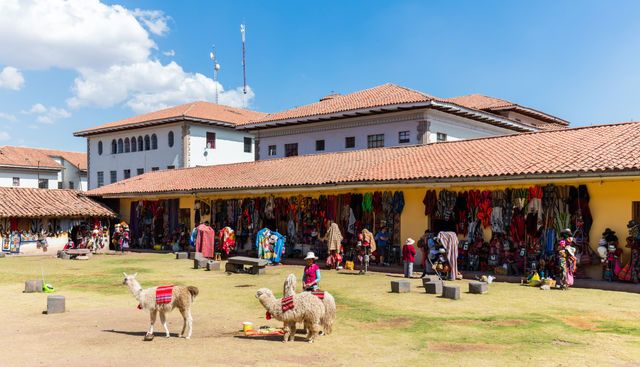
Ask before photographing people in traditional dress, especially those posing with llamas, who expect a small tip.

The ruins and churches are sacred and ticketed — buy the boleto turístico for the combined sites, and follow the rules on photography.

Money

Carry soles in small notes for markets, taxis, entry tickets and tips; cards cover hotels and better restaurants.

Use bank ATMs, and keep cash for the many cash-only small vendors and rural sites.

After dark

The Plaza de Armas and the streets around it hold the bars, clubs and live-music venues, busy with travellers.

San Blas has quieter, cosier bars and cafés up the hill.

Nights are cold at this altitude — an early dinner and a warm bar suit the city better than a late one.

▸ Ready to book your trip?

Getting there

Cusco's Alejandro Velasco Astete Airport (CUZ) sits close to the city, with flights from Lima and other Peruvian cities; a taxi reaches the centre quickly. Trains to Machu Picchu leave from Ollantaytambo or Poroy in the Sacred Valley rather than the city itself; long-distance buses serve the wider region.

Book

Ready to book your trip?

Flights, airport transfers and car hire — search and compare without leaving the page.

▸ Trip extras
Book

More trip extras

Parking, holiday extras, and more — coming soon.

Coming soon

We're lining up parking, holiday extras and activities you'll be able to add to any trip from here.