
← Peru
PERU · CITY

Lima

Peru's coastal capital — a grand colonial centre, superb museums and one of the world's great food scenes.

  • City
  • December to April for the sun; the rest of the year is cool and grey but dry
  • ~approx 2–3 days
  • World Food Capital
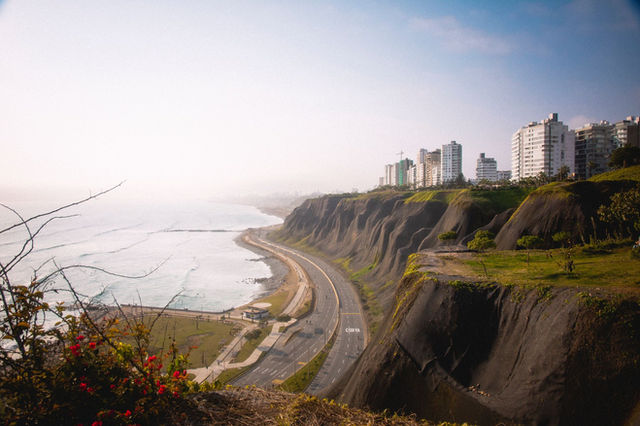
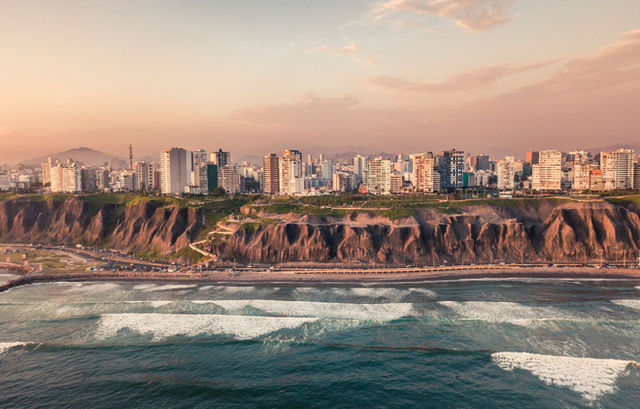
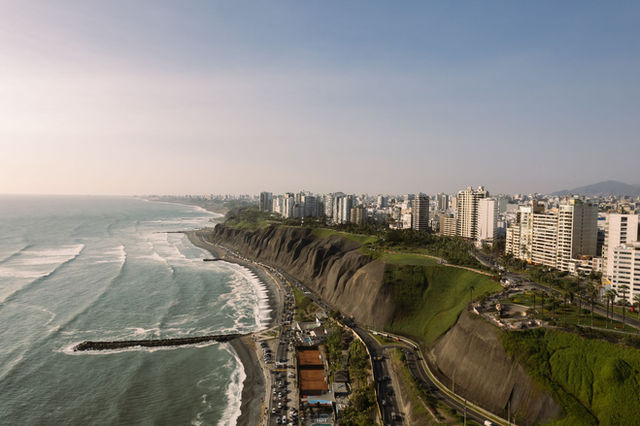
  • Pacific Clifftops
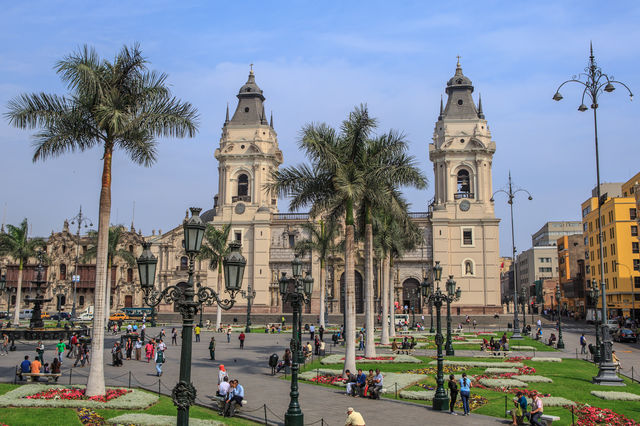
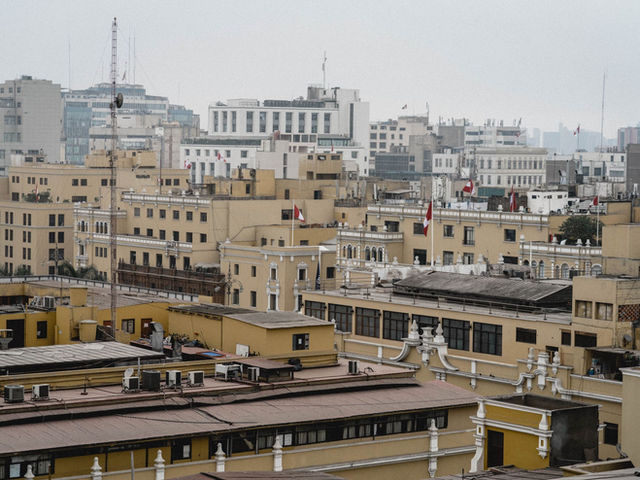
  • Colonial Centre
  • Bohemian Barranco

Waves breaking far below a cliff-top park, the cold hit of fresh ceviche cured in lime, and a pisco sour sweating on a bar table as the Pacific fog rolls in.

Lima is one of the world's great eating cities, a sprawling Pacific capital where a grand colonial centre meets clifftop modern districts above the surf. Come hungry — this is the home of ceviche, pisco and some of the planet's most celebrated restaurants — and stay for the coast and the layered history.

Type
metropolis
Ideal length
~approx 2–3 days
Getting around
taxis and ride-hailing apps; walkable coastal districts
Neighbourhoods
4 areas
Best season / months
December to April for the sun; the rest of the year is cool and grey but dry
Language
Spanish
Currency
Peruvian sol (S/)
Budget level
low to moderate — cheap outside the top restaurants
Good for
  • Food
  • Culture
  • First-timers
  • Coast
▸ Discover

About Lima

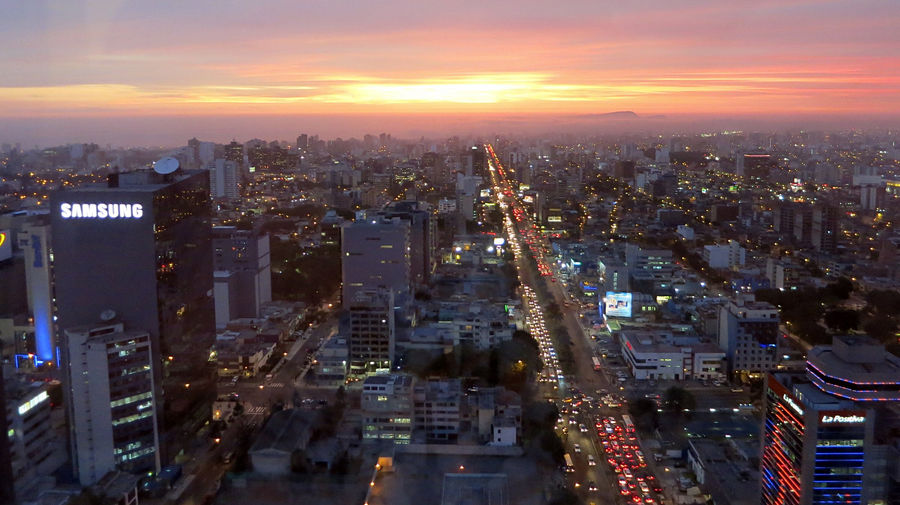
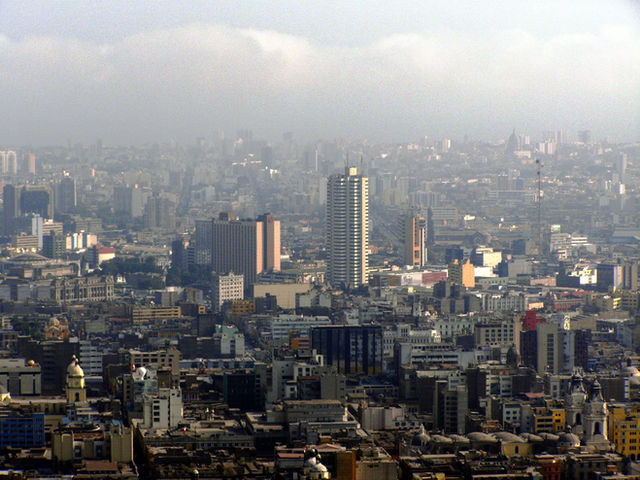
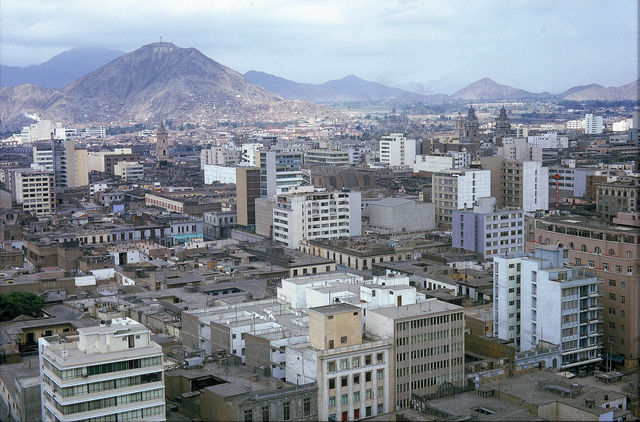
Lima sprawls along Peru's Pacific coast, a vast desert city that almost never rains but sits under grey cloud for much of the year. The grand colonial centre lies inland from the sea; the districts most visitors stay in — Miraflores, Barranco and San Isidro — line the clifftops to the south, above the ocean. It is a big, traffic-heavy city where you pick your neighbourhoods, and the coastal ones are green, walkable and safe. Taxis and ride-hailing apps are how you cross it.

Why go

Lima is a genuine world food capital — the birthplace of ceviche, the pisco sour and a fusion cooking that draws diners from across the globe, with several of the planet's most acclaimed restaurants. Beyond the plate, it offers a UNESCO colonial centre, dramatic Pacific clifftops, pre-Inca pyramids sitting among the modern blocks, and the bohemian charm of Barranco. Most people pass through on the way to Cusco and Machu Picchu; it deserves a couple of days of its own.

Don't miss

  • The food — ceviche, the pisco sour, and world-class restaurants
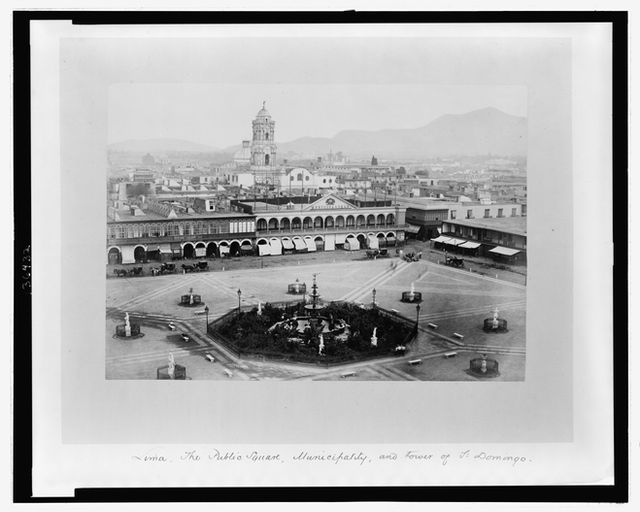
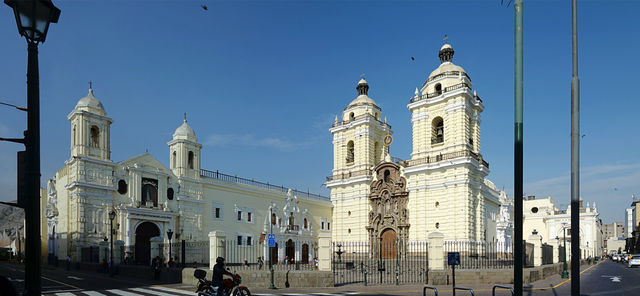
  • The colonial Centro Histórico — Plaza Mayor and the San Francisco catacombs
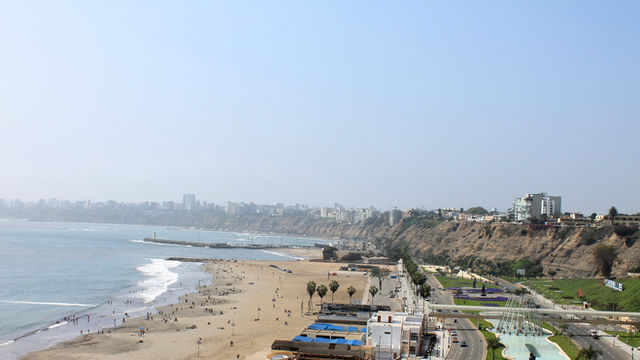
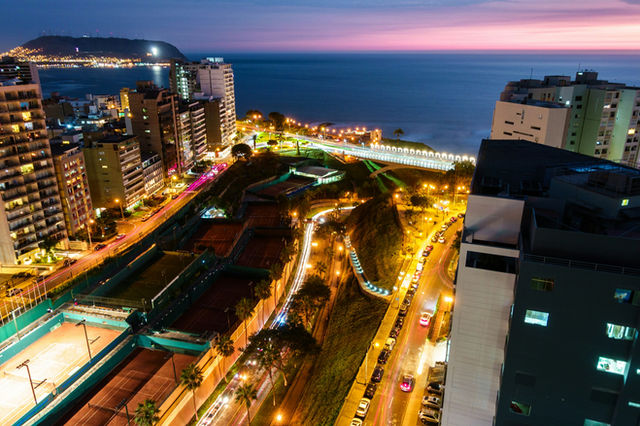
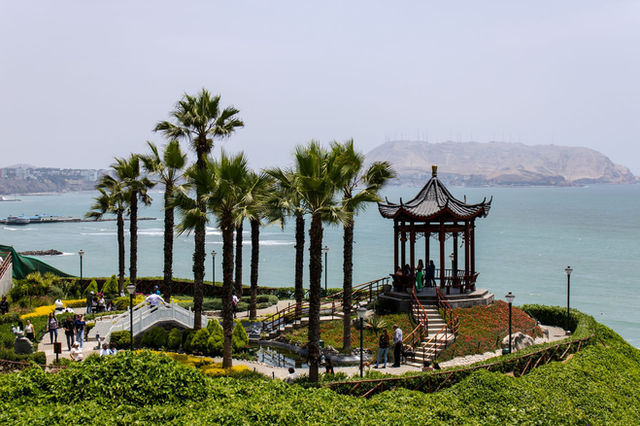
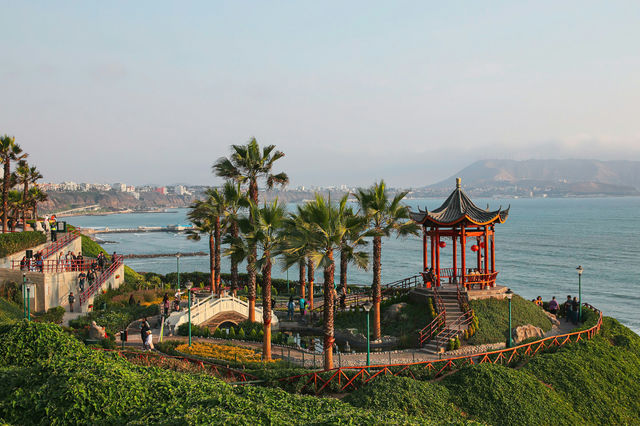
  • The Miraflores clifftops — the Malecón parks above the Pacific
  • Barranco — the bohemian, art-filled seaside district
  • Huaca Pucllana — a pre-Inca adobe pyramid among the city blocks

Signature experiences

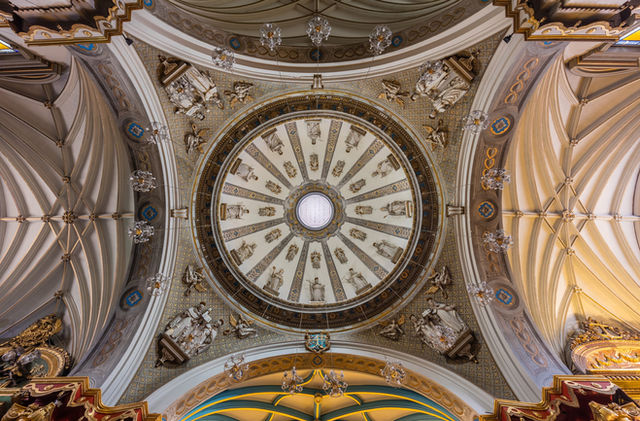
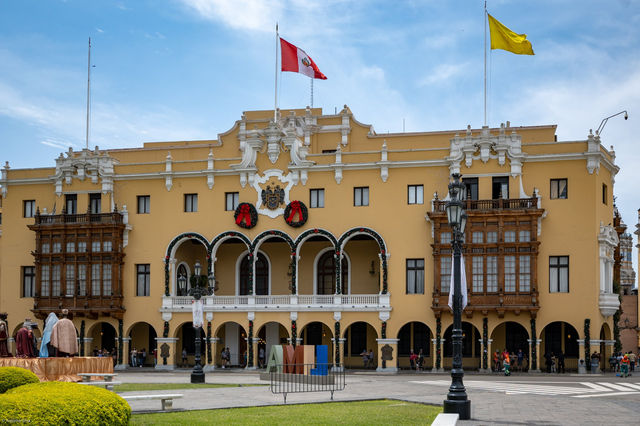
Eating in the world's food capital — Lima earns the title. Start with ceviche — raw fish cured in lime, chilli and onion, eaten fresh at lunch — then work through lomo saltado, ají de gallina and anticuchos. The city is also where Peruvian met Chinese (chifa) and Japanese (Nikkei) cooking to create something new, and it holds several of the world's most celebrated restaurants. Book the big names weeks ahead, but eat as well at a busy cevichería or a market stall. **The Pacific clifftops** — Miraflores and Barranco sit on cliffs above the ocean, and the Malecón is a chain of parks running along the edge — walk it at sunset as paragliders drift off the cliffs and the surf breaks below. The Parque del Amor, with its mosaic wall and lovers' statue, is the postcard spot. **Colonial Lima and its catacombs** — The historic centre is grand Spanish baroque — the Plaza Mayor, the cathedral, the balconied mansions — and its eeriest sight is beneath the San Francisco monastery, where catacombs hold the bones of thousands, arranged in patterns. It is a striking, sobering counterpoint to the surface splendour. **Bohemian Barranco** — The seaside district south of Miraflores is Lima at its most creative — muralled lanes, old mansions turned galleries and boutique hotels, and the romantic Bridge of Sighs. By night it is the city's best place to drink, from craft-cocktail bars to peñas playing Afro-Peruvian music.

Neighbourhoods

Lima neighbourhood by neighbourhood — the character of each and who it suits.

  • Miraflores

    The modern heart of visitor Lima — a green, upscale clifftop district of parks, hotels and restaurants above the Pacific, safe and walkable.

    Why go
    The clifftop parks, the dining, and the easiest base in the city.
    Best for
    First-time basesclifftop walksrestaurants
    Known for
    The Malecón cliff-top parks and the Parque del Amor, the Larcomar clifftop mall, the Huaca Pucllana pyramid, and the paragliders launching off the cliffs.
  • Barranco

    The bohemian seaside district south of Miraflores — art galleries, muralled streets, old mansions and the city's best nightlife, around a romantic old bridge.

    Why go
    The art, the murals, the bars, and the clifftop character.
    Best for
    Artnightlifestreet arta night out
    Known for
    The Bridge of Sighs (Puente de los Suspiros), the street art and galleries, the MATE and contemporary-art museums, and the bars and peñas that fill after dark.
  • The Centro Histórico

    The grand colonial centre inland — the historic Plaza Mayor, baroque churches and balconied mansions, the founding heart of Spanish Lima.

    Why go
    The colonial architecture, the cathedral and the catacombs.
    Best for
    Historychurchescolonial architecture
    Known for
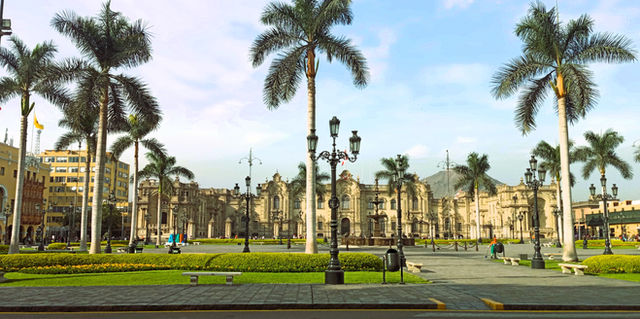
    The Plaza Mayor with the cathedral and Government Palace, the San Francisco monastery and its bone-filled catacombs, the wooden Moorish-style balconies, and the Casa de Aliaga.
  • San Isidro

    The leafy, upscale financial district between Miraflores and the centre — quiet residential streets, an old olive grove, and a pre-Inca pyramid.

    Why go
    A calm, green base and fine dining without the crowds.
    Best for
    A quiet stayfine diningparks
    Known for
    The El Olivar olive grove, the Huaca Huallamarca pyramid, the modern high-end restaurants, and the embassy-lined streets.

Views & hidden gems

Best views

  • The Malecón clifftops in Miraflores — the Pacific and the paragliders at sunset
  • The Parque del Amor — the mosaic wall and the ocean below
  • The Bridge of Sighs in Barranco — the muralled lanes down to the sea
  • Huaca Pucllana lit up at night — a pre-Inca pyramid among the modern blocks

Hidden gems

  • The San Francisco catacombs — thousands of bones arranged beneath the monastery
  • The Larco Museum — pre-Columbian gold and ceramics in a garden mansion, on the city's edge
  • The bajada to the beach at Barranco — the walk down the cliff to the shore
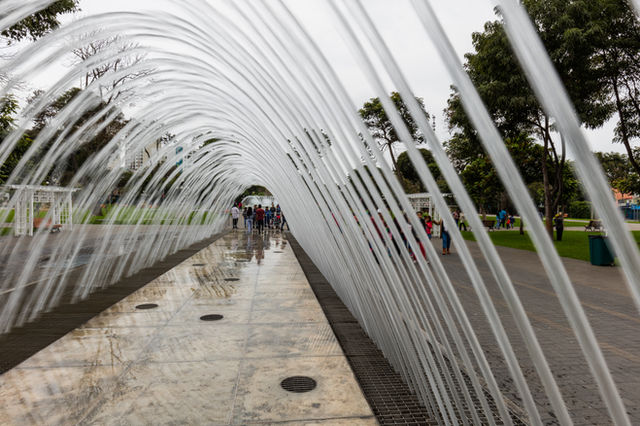
  • The Circuito Mágico del Agua — a park of illuminated fountains after dark
  • A traditional cevichería at lunch — where locals eat the day's catch, away from the tourist spots

Food & drink

Lima is the reason food-lovers come to Peru. Ceviche is the icon — fish "cooked" in lime with chilli and red onion — but the range is huge: the stir-fried lomo saltado, the creamy ají de gallina, the skewered anticuchos, the layered causa. The city fuses cultures brilliantly, in chifa (Peruvian-Chinese) and Nikkei (Peruvian-Japanese) cooking, and its top restaurants rank among the world's best. The national drink is the pisco sour, and the purple-corn chicha morada cools the meal.

  • Ceviche — raw fish cured in lime, chilli and onion, eaten fresh
  • Lomo saltado — stir-fried beef with onion, tomato and chips
  • Ají de gallina — shredded chicken in a creamy chilli-and-nut sauce
  • Anticuchos — grilled skewers, classically of marinated beef heart
  • Causa — layered cold potato terrine with fillings
  • Pisco sour — the national cocktail of pisco, lime, egg white and bitters
Dietary notes

Vegetarians and vegans do well in Miraflores and Barranco, with a growing plant-based scene, though the classic dishes are fish- and meat-based, so ask. Halal and kosher food are limited and best arranged ahead in the upscale districts. Gluten-free is understood in the international restaurants; many Peruvian staples (ceviche, potato dishes) suit it naturally — confirm the sauces.

Lima in photos

▸ Where you'll stay

Where you'll stay in Lima

Base yourself on the coast. Miraflores is the easiest, safest and most convenient — clifftop parks, restaurants and hotels, walkable and well-connected. Barranco is more characterful and creative, the bohemian, nightlife choice a little further south. San Isidro is the quiet, upscale option between them. Stay in these coastal districts rather than the centre, which is grand by day but not where you want to be at night. Prices are gentle outside the top hotels.

  • Budget
    Miraflores or Barranco hostels and budget rooms in the safe coastal districts, walkable to the clifftops.
  • Mid-range
    Miraflores comfortable hotels near the Malecón and the restaurants, the easiest base.
  • Luxury
    Miraflores clifftop / San Isidro ocean-view hotels and quiet upscale stays, fine dining at hand.
Stay

Hotels & rentals around Lima

Pan, zoom and compare live prices — every stay in one map.

▸ Getting around

Getting around Lima

The city is big and traffic-heavy — ride-hailing apps are the practical way to cross it, safer and clearer than street taxis. The coastal districts of Miraflores and Barranco are walkable and linked by a clifftop path; a fast bus corridor (the Metropolitano) runs to the centre. A car is unnecessary and the traffic punishing.

Miraflores and Barranco are a short taxi ride or a coastal walk apart (~approx). San Isidro sits between Miraflores and the centre; the historic centre is a longer ride inland — go by app and mind the traffic.

▸ Plan your days

Suggested itineraries

Ready-made day plans for Lima — from a single day to a long weekend.

One day

Start in Miraflores with a walk along the Malecón clifftops and the Parque del Amor, and see the Huaca Pucllana pyramid. Have ceviche for lunch at a good cevichería, spend the afternoon in the colonial centre at the Plaza Mayor and the San Francisco catacombs, then head to Barranco for the Bridge of Sighs, dinner and pisco sours.

Two days

Give day two to food and art. Visit the Larco Museum for pre-Columbian treasures in the morning, book a long lunch at one of the celebrated restaurants, then spend the afternoon among Barranco's galleries and murals before another night out in its bars.

Three days

Use day three to go deeper or coastal. Take a cooking class or a food tour, explore the markets, or head down the coast for the beaches and the surf, returning for a final dinner in Barranco or Miraflores.

▸ What you'll do

Insider tips

  • Book Lima's celebrated restaurants well ahead — the top tables are among the hardest in the world to get on short notice.
  • Eat ceviche at lunch and from a busy, local spot — freshness is everything, and the tourist versions disappoint.
  • Use ride-hailing apps rather than street taxis for safety and fixed fares, and factor Lima's heavy traffic into your timings.
  • Don't expect sun outside the December–April window — the coastal grey is normal, but the eating is a year-round joy.
What's on

While you're there

24
JUN
Inti Raymi 2027
Don Bosco, Cusco, Cusco, Peru · cultural
Build a trip around it →
Explore

Explore the area

© OpenFreeMap · OSM · terrain Mapterhorn
Do

Local attractions & tours

Skip-the-line tickets and small-group tours in Lima — compare across our partners.

We're still curating hand-picked tickets and tours for Lima. In the meantime, the map above and the nearby cities are a great place to start.

▸ Budget

What it costs in Lima

Backpacker
roughly €30–50 a day.
Mid-range
roughly €70–130 a day.
Luxury
€280 a day and up.
Cash vs card
Cards work in hotels, restaurants and shops; carry some soles for taxis, markets, small cevicherías and tips. Use small notes.
Tipping
Around 10% is normal in sit-down restaurants if service isn't added; round up for taxis and small services.
▸ When you'll go

When to visit Lima

December to April for the sun; the rest of the year is cool and grey but dry

Spring

What to expect — Cool and often grey — Lima's coastal fog (the garúa) hangs over the city through the cooler months, dry but overcast, warming toward year's end.

What's best — Mild, dry weather for sightseeing and eating, thinner crowds, and comfortable days despite the grey. The food scene doesn't care about the weather.

Summer

What to expect — Warm, bright and sunny — December to April is Lima's clear season, when the fog lifts, the beaches fill and the clifftops shine. The busiest, liveliest time.

What's best — Sunshine on the clifftops, warm beach days, the paragliders out, and the city at its most vibrant. The best time to visit.

Autumn

What to expect — Warm easing to cool, the clear summer skies giving way to the returning grey, but still pleasant into the early season. Dry throughout.

What's best — Warm-enough days, fewer crowds than high summer, and the clifftops still enjoyable before the winter fog settles in.

Winter

What to expect — Cool, damp-feeling and stubbornly grey under the coastal fog, though it almost never actually rains. Chilly by the sea, and the greyest months.

What's best — The lowest prices and thinnest crowds, and the food scene at full tilt regardless of the sky. Bring a jacket for the damp coastal chill.

▸ Know before you go

Know before you go

Honest swaps

Skip eating ceviche at dinner → locals eat it fresh at lunch, when the fish is at its best; an evening cevichería is a red flag.

Skip the tourist-trap restaurants on the main squares → eat at a busy neighbourhood cevichería or a market for better food at a fraction of the price.

Skip staying in the historic centre → base in Miraflores or Barranco on the coast and visit the centre by day.

Skip hailing random street taxis → use a ride-hailing app for safety and a set fare.

Crowds & timing

The famous restaurants book out weeks or months ahead — reserve before you arrive if they're on your list.

The colonial centre is best visited by day; the San Francisco catacombs and churches are busiest midday with tour groups.

Local rules & etiquette

Stick to the safe districts (Miraflores, Barranco, San Isidro, the centre by day) and use apps for taxis, especially at night.

Keep valuables discreet in crowds and on the street; petty theft is the main risk.

Tip modestly for good service, and carry small notes for it.

Money

Carry soles in small notes for taxis, markets and tips; cards cover the rest.

Use bank ATMs, decline dynamic currency conversion, and use ride-hailing apps to avoid fare disputes.

After dark

Barranco is the nightlife heart — craft-cocktail bars, peñas with live Afro-Peruvian music, and a young crowd.

Miraflores has the safe, mainstream bars and restaurants.

Move by app after dark and stay in the coastal districts.

▸ Ready to book your trip?

Getting there

Lima's Jorge Chávez International Airport (LIM) is in the port district of Callao, northwest of the city. Ride-hailing apps or an official airport taxi are the safest way to the coastal districts (~approx 45–75 min in traffic). Lima has little intercity rail; long-distance buses and flights connect the rest of Peru.

Book

Ready to book your trip?

Flights, airport transfers and car hire — search and compare without leaving the page.

▸ Trip extras
Book

More trip extras

Parking, holiday extras, and more — coming soon.

Coming soon

We're lining up parking, holiday extras and activities you'll be able to add to any trip from here.