← Romania
ROMANIA · CITY

Sighișoara

A perfectly preserved medieval citadel in Transylvania — cobbled lanes, a clock tower and Dracula's reputed birthplace.

  • City
  • May, June and September — mild; hot summers, cold snowy winters
  • ~approx 1 day

Fridolin68 via Wikimedia Commons (CC BY-SA 4.0)

  • Inhabited Medieval Citadel
  • Clock Tower & Guild Towers
  • Saxon Transylvania
  • Church on the Hill

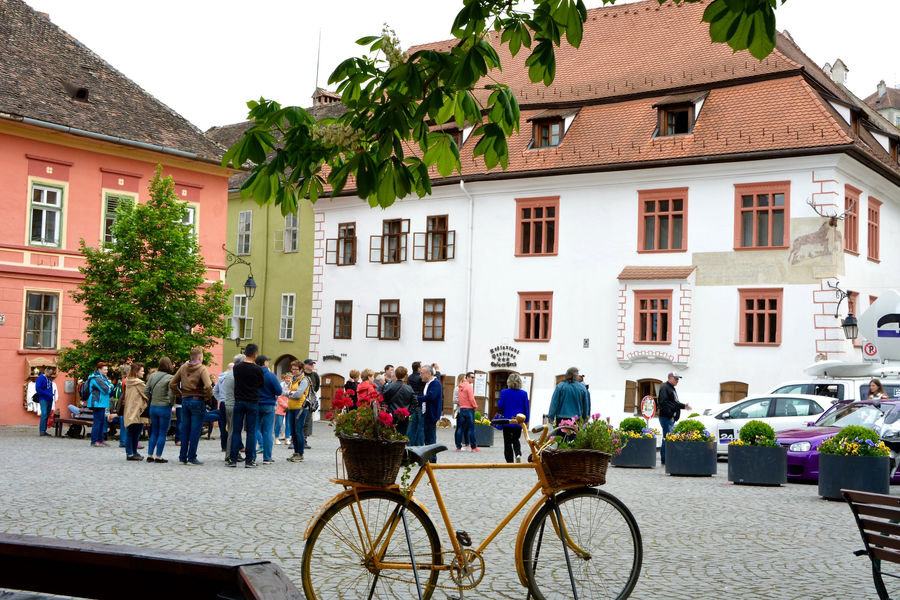
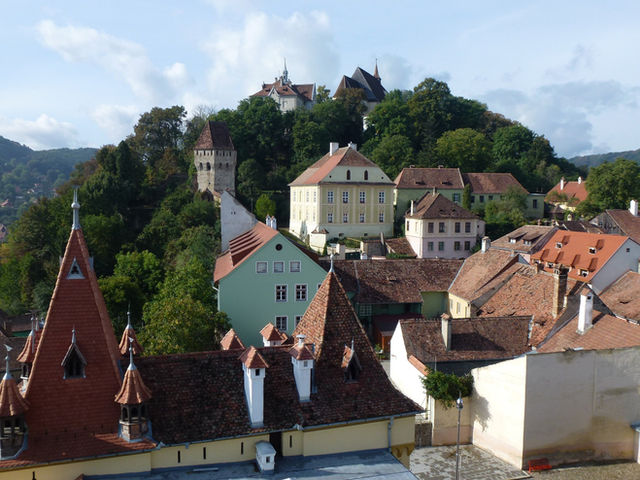
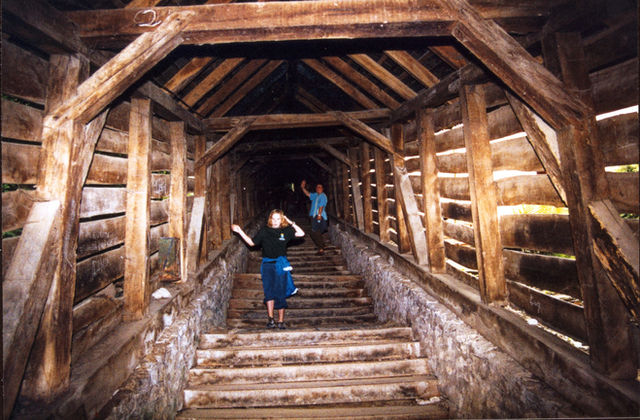
The painted clock tower striking the hour over a maze of ochre and green burgher houses, a covered wooden staircase climbing through the dark to a Gothic church on the hill, and the medieval guild towers standing along the citadel walls exactly as they have for six centuries.

Sighișoara is a living medieval fairytale — the best-preserved inhabited citadel in Europe, a hilltop huddle of pastel Saxon houses, cobbled squares and guild towers crowned by a great clock tower, in the heart of Transylvania, and, by legend, the birthplace of the real Dracula.

Type
town
Ideal length
~approx 1 day
Getting around
on foot — the citadel is compact and cobbled
Neighbourhoods
3 areas
Best season / months
May, June and September — mild; hot summers, cold snowy winters
Language
Romanian (some German heritage; English in tourist spots)
Currency
Romanian leu (lei)
Budget level
low — very affordable
Good for
  • History
  • Medieval atmosphere
  • Transylvania trips
  • Slow travel
▸ Discover

About Sighișoara

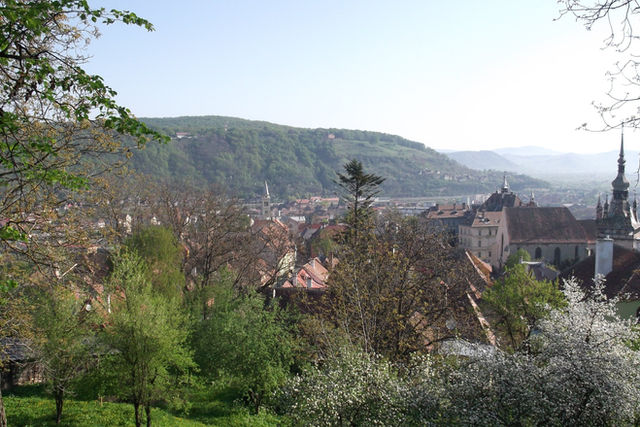
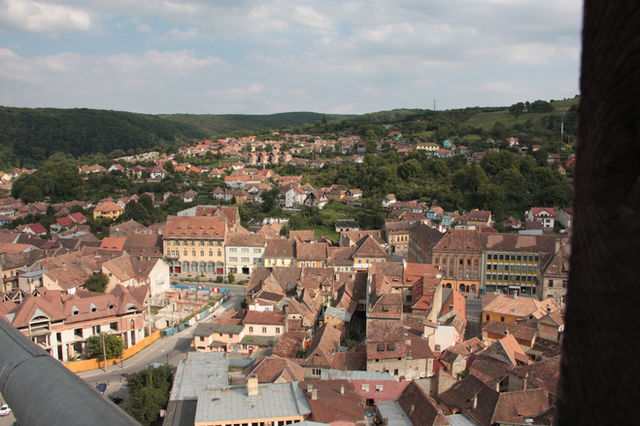
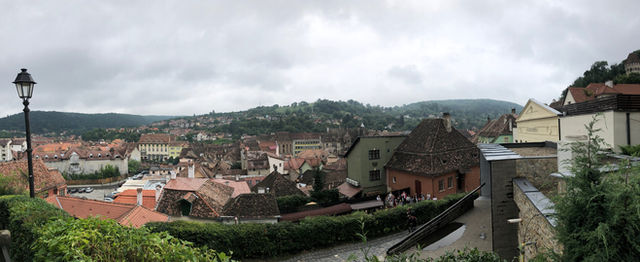
Sighișoara sits on a hill above the Târnava Mare river in the Transylvanian heartland of central Romania, one of the fortified towns built by the Transylvanian Saxons — German settlers — in the Middle Ages. Its citadel, the walled upper town, survives almost intact and still inhabited: a compact tangle of cobbled lanes, pastel houses, squares and the towers the craft guilds built to defend it, all watched over by the landmark Clock Tower. A covered wooden stairway climbs to the Gothic Church on the Hill at the summit. Below spreads the lower, modern town. A UNESCO site, small and enchanting, it's the loveliest of Transylvania's Saxon towns — and it trades, gently, on its Dracula legend.

Why go

Sighișoara is a genuine, lived-in medieval town — a UNESCO citadel of remarkable completeness, where you wander cobbled lanes among Saxon guild towers, the great Clock Tower and centuries-old painted houses, and climb a covered wooden staircase to a hilltop church. It's the heart of Saxon Transylvania, steeped in atmosphere, the reputed birthplace of Vlad the Impaler (the historical inspiration for Dracula), and a base for the region's other fortified churches and villages. Compact, cheap and hauntingly pretty, it's one of Eastern Europe's most rewarding small towns.

Don't miss

  • The Clock Tower — the landmark tower and museum
  • The citadel and its guild towers — the walled upper town
  • The Church on the Hill and Scholars' Stairs — the covered climb
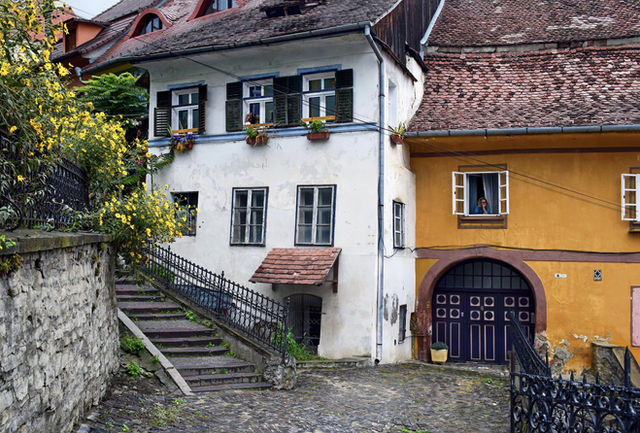
  • The Saxon burgher houses — the pastel medieval streets
  • Transylvanian food and villages — the Saxon countryside

Signature experiences

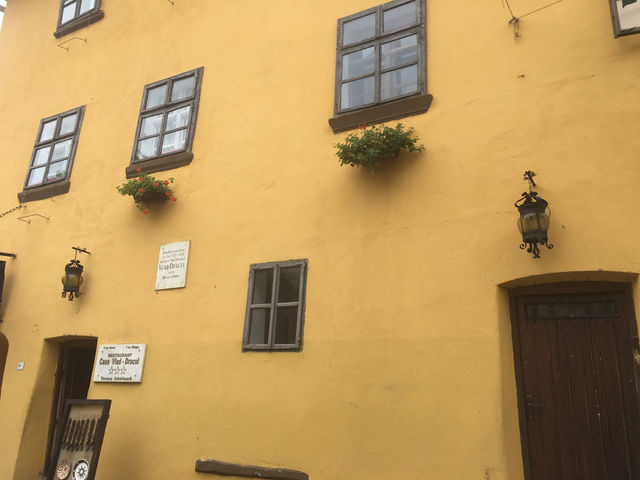
The citadel and the Clock Tower — Sighișoara's heart is its walled citadel, and the way in is under the Clock Tower — a tall, colourful medieval tower with a clock whose painted figures turn with the days, now a history museum with a viewing gallery over the roofs. Inside the walls, cobbled lanes wind among pastel Saxon houses and the sturdy towers the craft guilds built to defend their stretch of wall. It's small, atmospheric and genuinely lived-in; wander the lanes, climb the Clock Tower, and trace the guild towers along the ramparts. **Up the covered stairs to the church** — From the citadel, a long covered wooden staircase — the "Scholars' Stairs," built to shelter children on their way to the hilltop school — climbs through the dark to the summit, where the Gothic Church on the Hill stands among the trees beside an old German cemetery. The climb is atmospheric, the church austere and beautiful, and the wooded hilltop a tranquil counterpoint to the town below. It's one of Sighișoara's most memorable corners. **Saxon Transylvania and its villages** — Sighișoara is the jewel of Saxon Transylvania, and it's the base for exploring the wider Saxon land — a countryside of fortified churches, medieval villages and rolling hills settled by German colonists centuries ago (many of whom left in the 20th century, leaving their churches and houses behind). Nearby villages like Biertan and Viscri, with their fortified churches, are among Romania's loveliest. Between the citadel and the countryside, the Saxon heritage is the deeper story here. **The Dracula connection** — Sighișoara plays, gently, on its darkest legend: Vlad the Impaler, the 15th-century Wallachian prince whose byname "Dracula" inspired Bram Stoker's vampire, was by tradition born in a house in the citadel (now a restaurant). The real Vlad was a brutal ruler, not a vampire, and Stoker never set foot in Transylvania — so the "Dracula" fame is more literary than historical, and comes with its share of kitsch souvenirs and themed tours. Enjoy the legend lightly; the real draw is the genuine medieval town around it.

Neighbourhoods

Sighișoara neighbourhood by neighbourhood — the character of each and who it suits.

  • The Citadel

    The walled medieval upper town on the hill — cobbled lanes, pastel Saxon houses, small squares and the guild towers along the walls, crowned by the Clock Tower, and still inhabited. The fairytale heart.

    Why go
    The Clock Tower, the guild towers and the medieval streets.
    Best for
    Sightseeingthe towerscafésphotography
    Known for
    The Clock Tower (Turnul cu Ceas) and its museum, the citadel walls and guild towers (the Tailors', Tinsmiths', Bootmakers' and more), the Citadel Square, the pastel burgher houses, and the reputed birthplace of Vlad the Impaler.
  • The Church on the Hill

    The wooded summit of the citadel hill, reached by a long covered wooden staircase — the Gothic Church on the Hill and the old Saxon cemetery among the trees. The atmospheric, tranquil top.

    Why go
    The covered Scholars' Stairs, the hilltop church and the cemetery.
    Best for
    The stairs and churchquietviews
    Known for
    The Scholars' Stairs (the covered wooden staircase), the Gothic Church on the Hill (Biserica din Deal), the old German cemetery, and the summit views.
  • The Lower Town and River

    The modern town below the citadel, along the Târnava Mare river — the market, the stations, shops and everyday life, with the citadel rising above. The workaday town.

    Why go
    The market, the transport and the everyday services.
    Best for
    Marketslocal lifetransporteveryday food
    Known for
    The lower-town streets and market, the Târnava Mare river, the railway and bus stations, and the everyday shops and restaurants below the citadel.

Views & hidden gems

Best views

  • The Clock Tower gallery — over the citadel roofs and the hills
  • The covered Scholars' Stairs climbing to the church
  • The guild towers along the citadel walls
  • The pastel Saxon houses and squares at golden hour

Hidden gems

  • The Church on the Hill and the old German cemetery
  • The individual guild towers and their histories along the walls
  • The citadel lanes early or late, once the day-trippers leave
  • The reputed birthplace of Vlad the Impaler (now a restaurant)
  • The Saxon fortified-church villages (Biertan, Viscri) nearby

Food & drink

Sighișoara eats Romanian and Transylvanian-Saxon, hearty and cheap. The staples are sarmale (cabbage rolls stuffed with pork and rice) with mămăligă (polenta) and sour cream, mici/mititei (grilled minced-meat rolls), ciorbă (a sour soup), and roast and stewed meats, with Saxon touches in the region's baking. Finish with papanași (fried dough with sour cream and jam), and drink țuică (plum brandy) or Romanian wine. Eat in the citadel and lower-town restaurants, and try the sarmale and mămăligă.

  • Sarmale — cabbage rolls stuffed with pork and rice, with polenta
  • Mămăligă — cornmeal polenta, with cheese and sour cream
  • Mici (mititei) — grilled skinless minced-meat rolls
  • Ciorbă — a sour soup (of tripe, vegetables or meatballs)
  • Papanași — fried dough with sour cream and jam
  • Țuică and Romanian wine — the plum brandy and local wines
Dietary notes

Vegetarians manage with mămăligă and cheese, vegetable ciorbă (check the stock), salads, and some meat-free sarmale (ask), though pork runs deep in the cuisine. Vegan is limited, though Orthodox fasting dishes exist — ask. Halal and kosher are effectively unavailable. Gluten-free is helped by mămăligă (naturally wheat-free), but breads, papanași and some dishes are wheat — confirm.

▸ Photos

Sighișoara in photos

▸ Where you'll stay

Where you'll stay in Sighișoara

Stay inside the citadel to be among the towers and cobbled lanes, and to enjoy the medieval town in the quiet early morning and evening — the citadel holds atmospheric guesthouses and small hotels in Saxon houses. The lower town is cheaper and handier for the station. Sighișoara is tiny, cheap and best on foot; the citadel is the characterful base. Book ahead for the summer Medieval Festival and holidays.

  • Budget
    The lower town / citadel edge guesthouses and budget rooms below or by the walls.
  • Mid-range
    The citadel guesthouses and small hotels in Saxon houses among the towers.
  • Luxury
    The best citadel guesthouses high-end restored houses, the top of a modest range.
Stay

Hotels & rentals around Sighișoara

Pan, zoom and compare live prices — every stay in one map.

▸ Getting around

Getting around Sighișoara

The citadel is compact and entirely walkable — the towers, lanes and the covered stairs are all on foot, up cobbled slopes (wear grippy shoes). The lower town is just below; a car helps for the Saxon villages but is a liability in the citadel.

The citadel, the Church on the Hill and the lower town are all a short (if steep) walk apart (~approx); the Saxon villages are a drive or bus out — plan them as a day trip.

▸ Plan your days

Suggested itineraries

Ready-made day plans for Sighișoara — from a single day to a long weekend.

One day

Enter the citadel under the Clock Tower, climb it for the museum and the rooftop view, then wander the cobbled lanes among the pastel Saxon houses and the guild towers along the walls. Climb the covered Scholars' Stairs to the Church on the Hill and the old cemetery, have a sarmale-and-mămăligă lunch, and pass the reputed Vlad the Impaler birthplace. End with the citadel quiet and lit at dusk.

Two days

With an overnight, add the Saxon countryside. Give a day to the fortified-church villages — Biertan's great fortified church and Viscri's whitewashed one among the hills — the heart of Saxon Transylvania, then enjoy the citadel at dawn and dusk. With more time, the towns of Sibiu and Brașov are within reach.

▸ What you'll do

Insider tips

  • Stay overnight — the citadel's cobbled lanes are magical in the quiet early morning and evening.
  • Climb the Clock Tower for the museum and the view, and the covered stairs to the Church on the Hill.
  • Use Sighișoara as a base for the Saxon fortified-church villages of Biertan and Viscri.
  • Enjoy the Dracula legend lightly — the real draw is the genuine medieval town.
Explore

Explore the area

© OpenFreeMap · OSM · terrain Mapterhorn
Do

Local attractions & tours

Skip-the-line tickets and small-group tours in Sighișoara — compare across our partners.

We're still curating hand-picked tickets and tours for Sighișoara. In the meantime, the map above and the nearby cities are a great place to start.

▸ Budget

What it costs in Sighișoara

Backpacker
roughly €18–35 a day.
Mid-range
roughly €40–75 a day.
Luxury
€130 a day and up.
Cash vs card
Carry Romanian lei for the citadel, markets and small restaurants; cards work in bigger hotels and restaurants.
Tipping
Tipping is customary — round up or leave around 10% for good service.
▸ When you'll go

When to visit Sighișoara

May, June and September — mild; hot summers, cold snowy winters

Spring

What to expect — Mild and green, warming through the season with the odd shower, the hills and river valley fresh. One of the best times.

What's best — Comfortable weather for the citadel and the covered stairs, green Transylvanian hills and blossom, and fewer crowds — a lovely, quiet season.

Summer

What to expect — Warm to hot, with long days and the citadel busy with visitors, peaking around the July Medieval Festival; occasional thunderstorms. Warm evenings.

What's best — The colourful Sighișoara Medieval Festival (costumes, music and crafts), long light on the towers, and the surrounding countryside green — but it's the busy peak, so explore the citadel early and late.

Autumn

What to expect — Crisp and colourful, cooling through the season, with the Transylvanian hills and vineyards turning gold. One of the best and most atmospheric times.

What's best — Autumn colour on the citadel hill and the Saxon countryside, golden light on the pastel houses, the harvest season, and thinning crowds — a rewarding window.

Winter

What to expect — Cold and often snowy, with frost and short days — but the citadel under snow is a fairytale. Chilly and enchanting.

What's best — The medieval towers and cobbled lanes under snow, cosy guesthouses with sarmale and țuică, festive markets, and few visitors — pack seriously warm layers for the Transylvanian cold.

▸ Know before you go

Know before you go

Honest swaps

Skip a rushed daytime dash → stay overnight to have the citadel's lanes quiet in the early morning and evening.

Skip the Dracula kitsch tours → enjoy the legend lightly and focus on the genuine medieval town.

Skip a citadel-only visit → the Saxon fortified-church villages (Biertan, Viscri) are a beautiful day out.

Skip a generic meal → try sarmale and mămăligă in a citadel or lower-town restaurant.

Crowds & timing

The July Medieval Festival packs the citadel — book far ahead; otherwise Sighișoara is quiet, with midday day-trippers the only crowd.

The citadel is loveliest early morning and evening; the Clock Tower and church have set hours.

Local rules & etiquette

The citadel is cobbled and steep, and the covered stairs are worn — wear proper shoes.

Dress respectfully inside the Church on the Hill and other churches.

Respect residents in the lived-in citadel lanes at night.

Money

Carry lei for the citadel, markets and small restaurants; cards cover bigger hotels; use bank ATMs.

Prices are low; keep small change for entries and stalls.

After dark

The citadel's few restaurants and cafés hold the gentle evening life.

Sighișoara is a quiet, early town rather than a nightlife hub — the evening is a Romanian dinner and a lamplit citadel stroll.

The Medieval Festival nights are the exception, alive with music and events.

▸ Ready to book your trip?

Getting there

Sighișoara has no major airport; Târgu Mureș is nearest, with Sibiu and Cluj also gateways, a couple of hours off. Trains and buses reach the town on the main Transylvanian lines, with the station in the lower town below the citadel.

Book

Ready to book your trip?

Flights, airport transfers and car hire — search and compare without leaving the page.

▸ Trip extras
Book

More trip extras

Parking, holiday extras, and more — coming soon.

Coming soon

We're lining up parking, holiday extras and activities you'll be able to add to any trip from here.