Day trip from Praslin
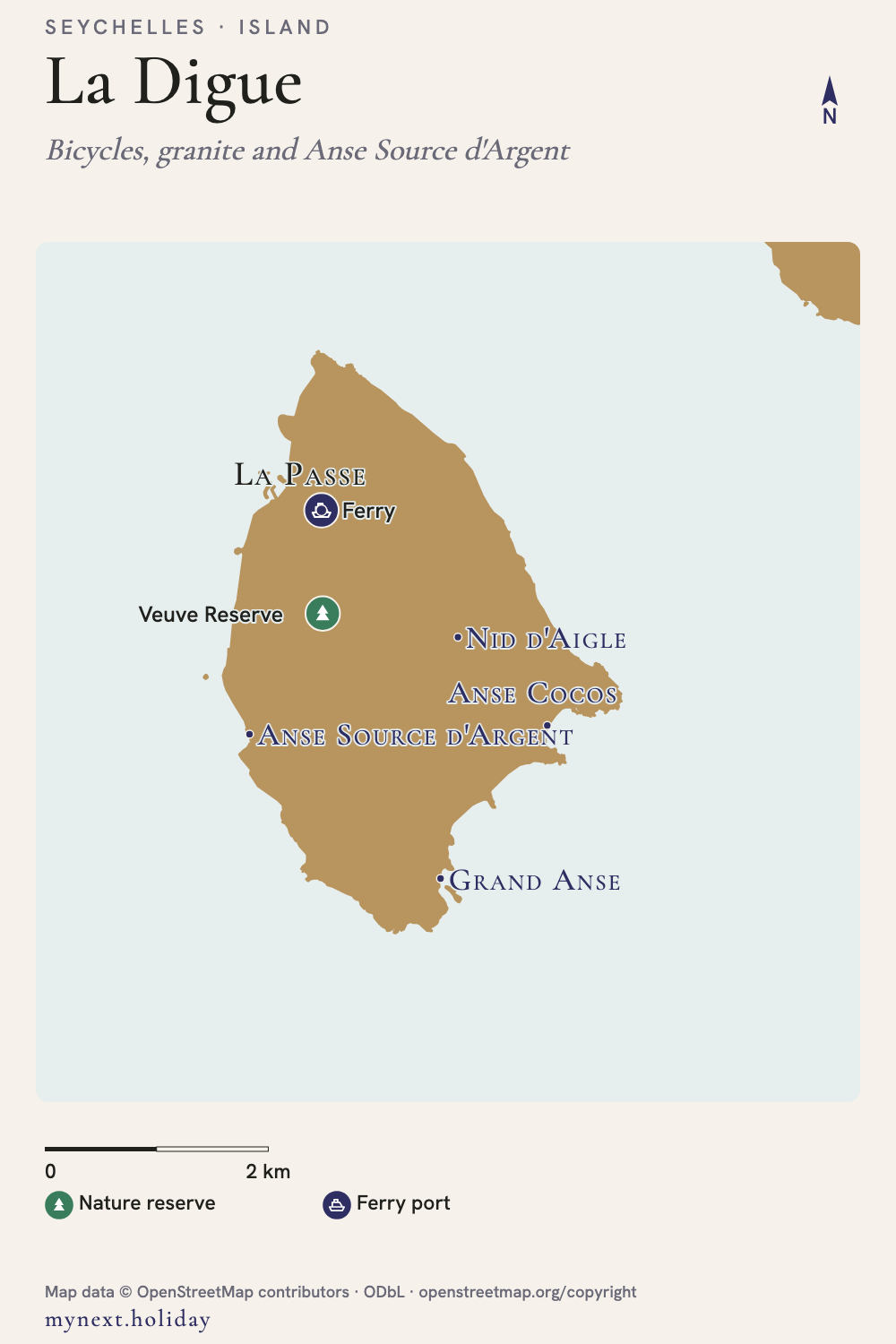
Take a morning Cat Cocos sailing, hire bikes at La Passe and ride to L'Union Estate for Anse Source d'Argent. After lunch, visit the Veuve reserve, then ride back for the afternoon boat.
Seychelles' bicycle island: ferry from Praslin or Mahé, granite beaches such as Anse Source d'Argent, and the veuve flycatcher reserve.
A small granite island where most people get about by bicycle, the beaches sit between rounded boulders, and the last ferry of the day sets the pace.
La Digue is the smallest of the three main Seychelles islands. There is no airport: you arrive by ferry at La Passe and get around mostly by bicycle. Its beaches include Anse Source d'Argent, inside L'Union Estate.

La Digue lies a short ferry ride east of Praslin and is the smallest of the three islands most visitors combine on a Seychelles trip. There is no airport. Boats from Praslin and Mahé arrive at the jetty in La Passe, the island's main settlement, and from there most people continue by bicycle.
That is not a marketing line. The government's 2022 land-transport policy for La Digue stopped new import permits for vehicles, counted about 5,000 bicycles, and capped electric bikes at 300 W. In August 2026 the Cabinet also paused applications for more buggies and electric vehicles while it studies how many visitors the island can take.
The best-known sight is Anse Source d'Argent, a shallow beach of granite boulders on the west coast, reached only through L'Union Estate. The east coast is wilder: Grand Anse, Petite Anse and Anse Cocos face the open ocean and are not for swimming. Inland, the Veuve Special Reserve protects the veuve, the Seychelles black flycatcher (Terpsiphone corvina).
La Digue suits people who want a slower island than Mahé, with distances you can cycle. In two or three days you can see Anse Source d'Argent early in the morning, walk to Anse Cocos, look for flycatchers in the Veuve reserve and climb Nid d'Aigle. It also works as a day trip from Praslin, but staying overnight lets you see the beaches before the day boats arrive and after they leave.
Anse Source d'Argent The west-coast beach of granite boulders and shallow water is inside L'Union Estate, so you enter through the estate, which charges an entry fee; check the current amount locally. The estate also has its old plantation buildings and giant tortoises.
Cycling the coast road Bicycles are the normal way to get around, and the flat west coast from La Passe to L'Union is an easy ride.
The walk to Anse Cocos On the east coast, a path continues past Grand Anse and Petite Anse to Anse Cocos, which you can reach only on foot. Enjoy the walk and the view; the currents make it a poor place to swim.
Veuve Special Reserve A small reserve near La Passe protects the veuve flycatcher (Terpsiphone corvina). It is open Monday to Friday 08:00 to 16:00 and Saturday 09:00 to 15:00, with entry Rs150 unguided or Rs200 guided.
La Digue neighbourhood by neighbourhood — the character of each and who it suits.
The jetty village where the ferries arrive, with shops, bike hire and most places to eat.
The west coast south of La Passe, around L'Union Estate and the way in to Anse Source d'Argent.
The south-east, over the hill from La Passe, facing the open ocean.
La Digue eats like the rest of Seychelles: Creole cooking built on the day's fish, coconut, chilli and lime. Look for grilled fish with rice and chutney, fish or octopus curry in coconut milk, and ladob, plantain cooked in sweet coconut milk. Breadfruit turns up boiled or fried. Takamaka rum and SeyBrew are the local drinks. Most eating is around La Passe and along the west coast; on the east coast, carry water if you are walking to Anse Cocos.
Seychellois Creole food centres on fish and seafood. Vegetarians can usually find rice, lentils, breadfruit and vegetable curries, but choice on La Digue is smaller than on Mahé, so ask ahead if you have specific needs.
Choose by how you want to spend the days. La Passe puts you by the jetty, shops and bike hire; the L'Union side is closest to Anse Source d'Argent; the Grand Anse side is quieter and greener, a ride over the hill from the jetty.
Pan, zoom and compare live prices — every stay in one map.
We may earn a commission if you book through these links, at no extra cost to you. How we make money
Cycle. Bikes are for hire near the jetty, and the island is small enough to cross in well under an hour; we have not verified hire prices. Electric bikes are allowed up to 300 W, for riders aged 16 and over, with a helmet. There are a few taxis and electric buggies: the 2022 policy listed 8 taxi operators and 46 buggies, 12 of them working as taxis. Ox carts survive only for weddings.
There is no bus network to plan around on La Digue. The ferry is the public transport that matters: check the Cat Cocos timetable for your day, since Tuesday, Thursday and Sunday have fewer sailings, and plan the last boat back to Praslin if you are on a day trip. Heavy rain from November to March can disrupt ferries, the FCDO notes.
Ready-made day plans for La Digue — from a single day to a long weekend.
Take a morning Cat Cocos sailing, hire bikes at La Passe and ride to L'Union Estate for Anse Source d'Argent. After lunch, visit the Veuve reserve, then ride back for the afternoon boat.
Day one: arrive, cycle to Anse Source d'Argent for the late afternoon. Day two: early start for the walk past Grand Anse and Petite Anse to Anse Cocos, then the Veuve reserve and a climb towards Nid d'Aigle. Leave on the morning ferry.
No. There is no airport. Fly to Mahé or Praslin and take the ferry; Cat Cocos sails from both.
Both work from Praslin. We would stay two or three nights to see Anse Source d'Argent early and late, when the day visitors have gone.
No. Grand Anse, Petite Anse and Anse Cocos face the open ocean and have strong currents. The FCDO says east-coast beaches are dangerous in the south-east trades (about May to September) and west-coast beaches in the north-west monsoon (about December to March).
The parks authority says payment on site is by card only, and you can buy tickets online.
The 3 shores actually worth the trip on La Digue — ranked, with the vibe of each and where to stay nearby. Tap a card to fly the map to it.
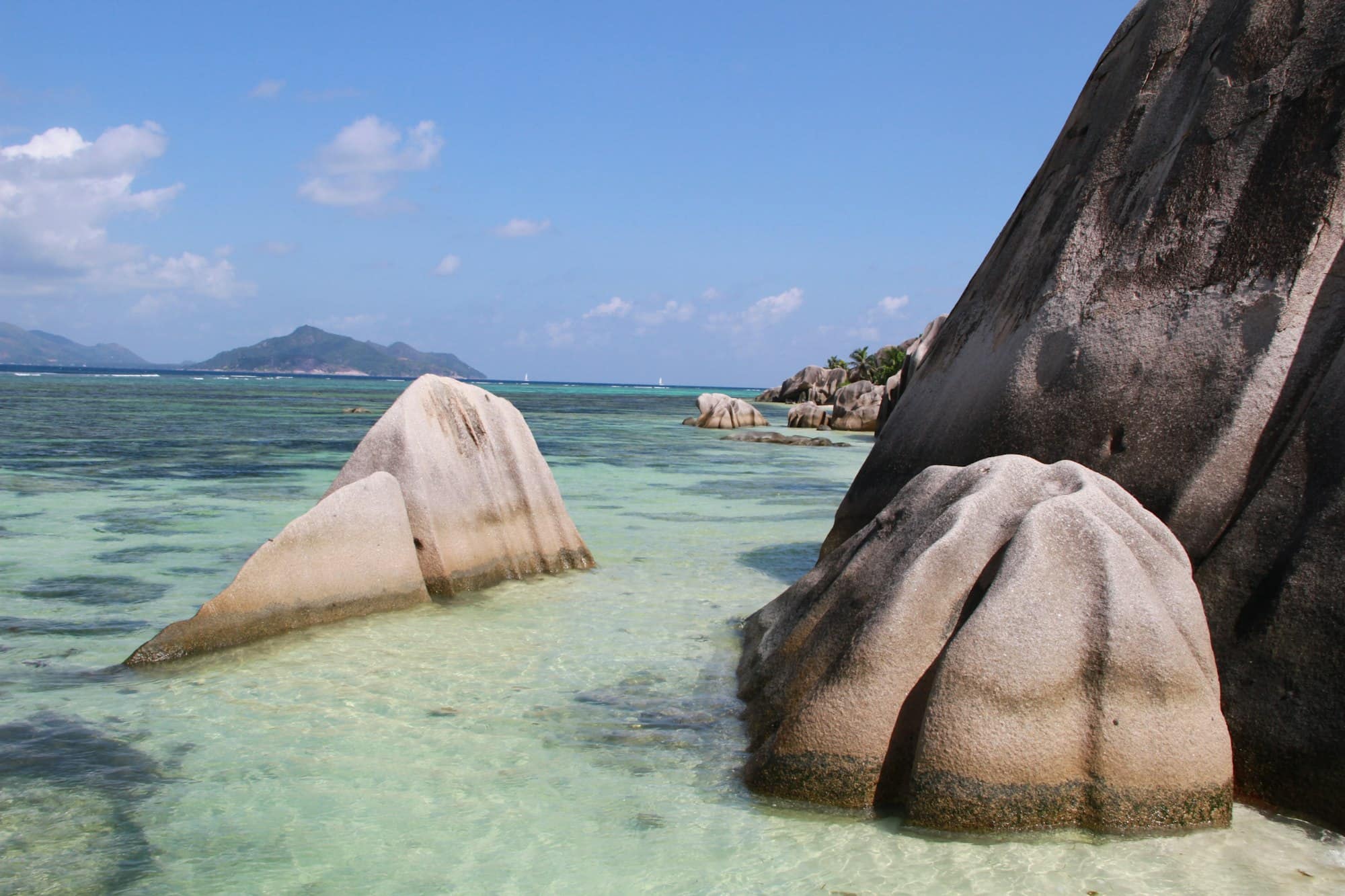 Beach © Photo by iMike Stettler on Unsplash
A shallow west-coast beach of rounded granite boulders on La Digue, reached only through L'Union Estate, which charges an entry fee.
Best for Beach
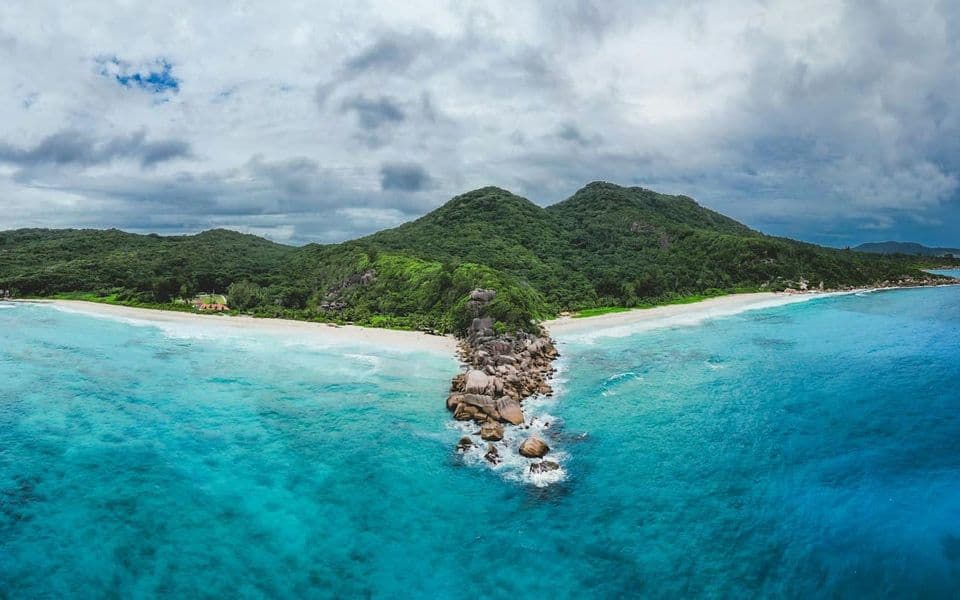
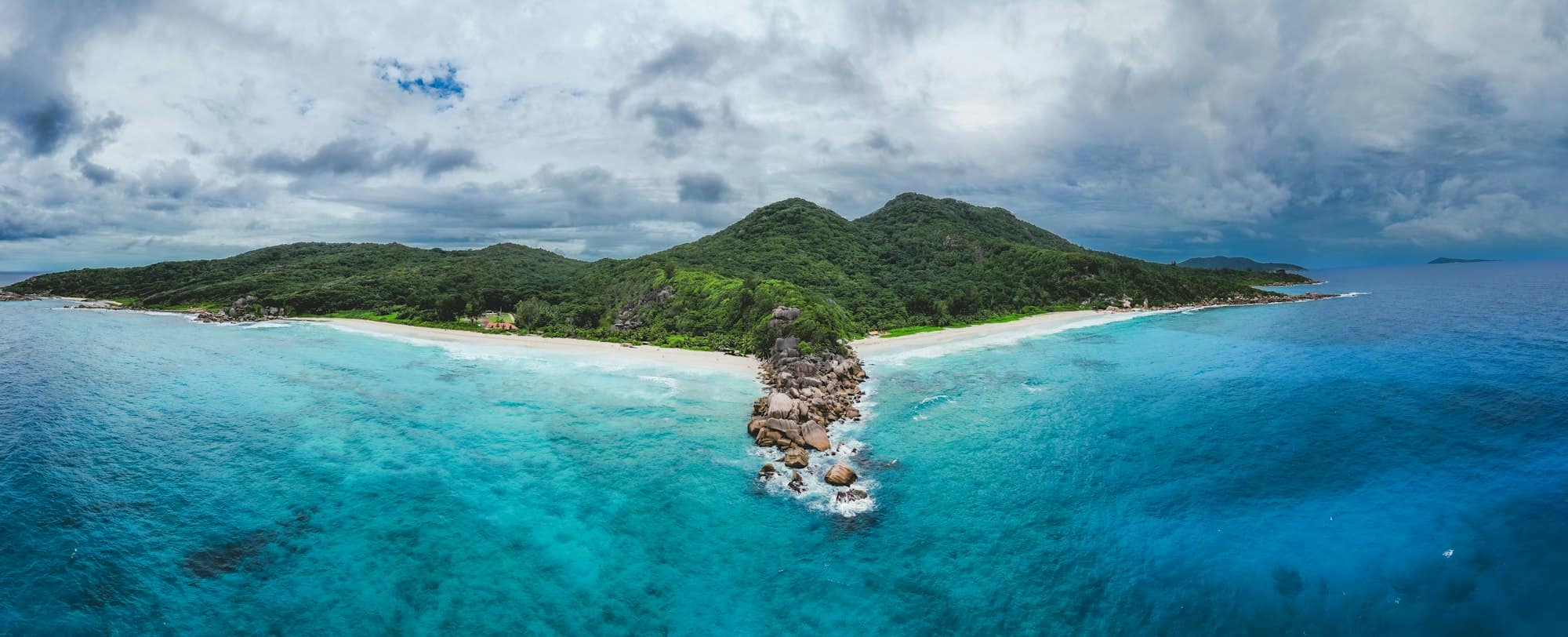 Photo of La Digue Beach © Photo by Christoph Geisler on Unsplash
A quiet east-coast bay on La Digue reached only by a footpath from Grand Anse and Petite Anse; the currents are strong.
Best for Hiking
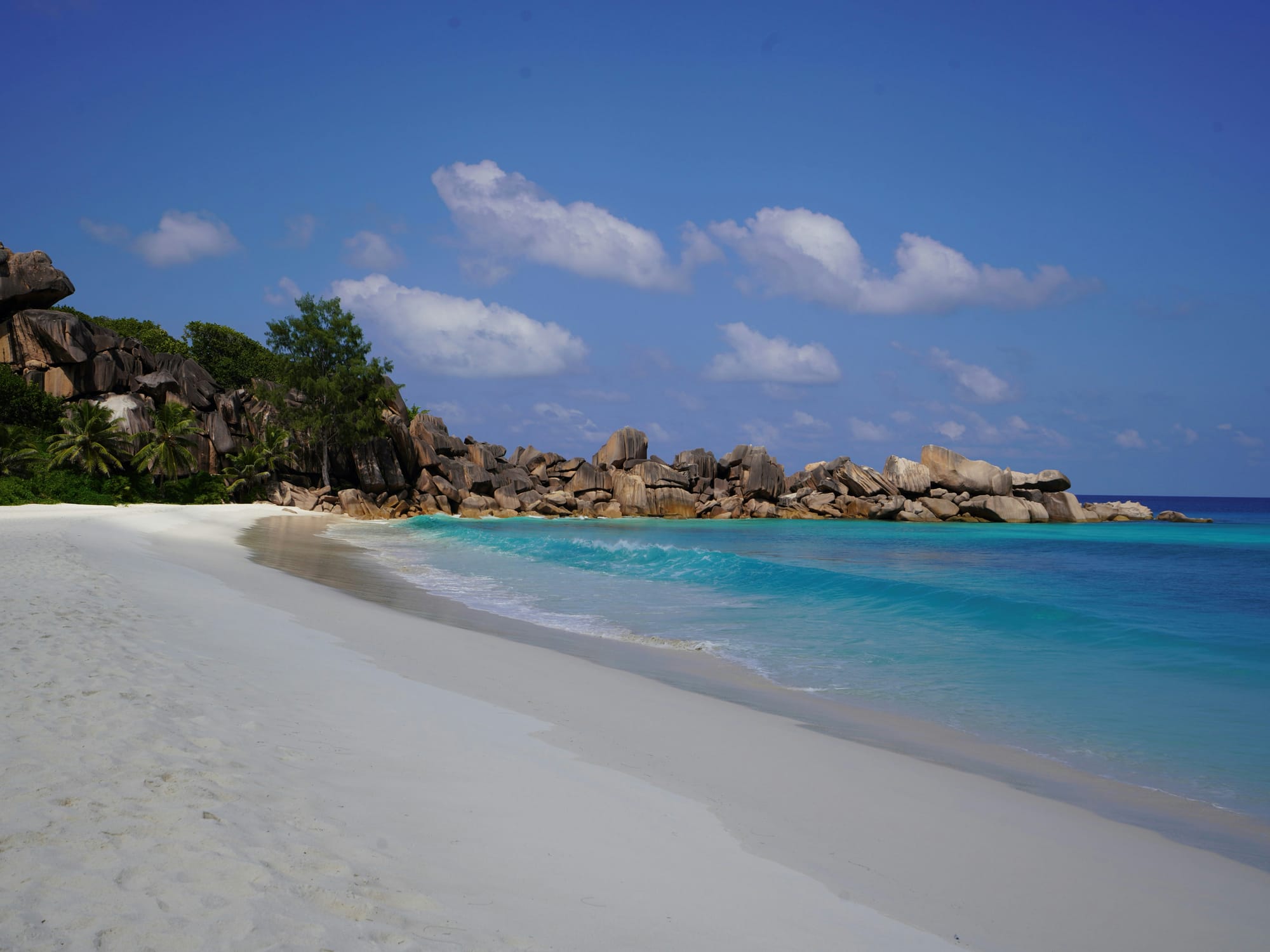 Beach © Photo by Datingscout on Unsplash
A wide beach facing the open ocean on La Digue's east coast; the tourism board warns of an extremely strong undertow, so admire it rather than swim.
Best for Beach walks
The landmarks, museums, viewpoints and shores worth your time on La Digue — filter by what you're into. Tap a card to fly the map to it.
Parks & gardens Photo of La Digue © Photo by Christoph Geisler on Unsplash A small reserve near La Passe protecting the veuve flycatcher (Terpsiphone corvina), with an information centre and guided or unguided walks.
Best for Birdwatching
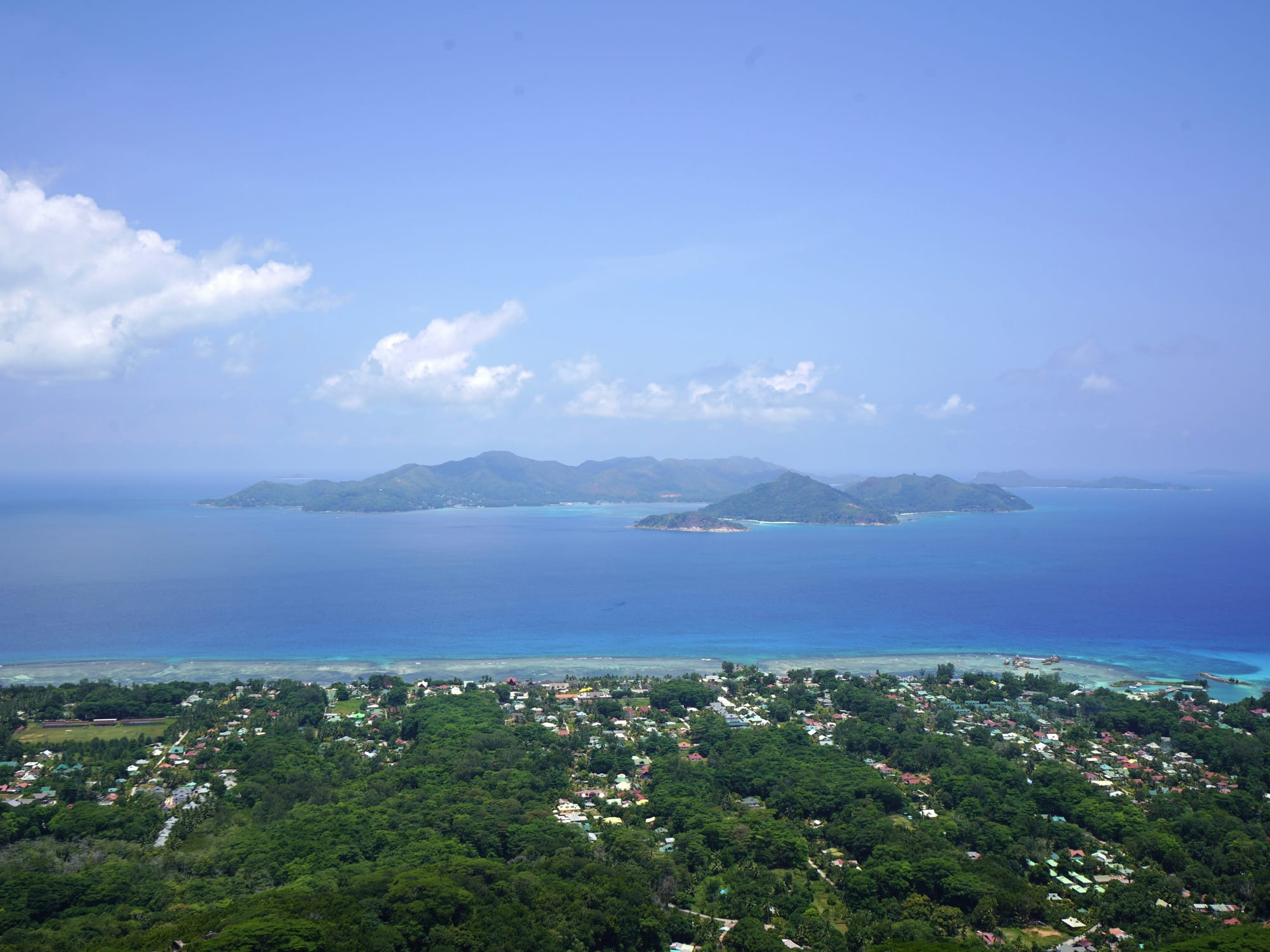 Viewpoints © Photo by Secret Travel Guide on Unsplash
Nid d'Aigle, also called Belle Vue, is La Digue's highest point at 333 m, reached by a steep climb from the centre of the island.
Best for Hiking
No places match those filters — turn a chip back on.
La Digue · Around the island · 1 island · 3 beaches · 2 attractions
Skip-the-line tickets and small-group tours in La Digue — compare across our partners.
 © Viator
La Digue
Tickets via Viator
from £14
View & book →Calmer seas around April and October–November; windy south-east trades May–September; wetter north-west monsoon December–March
What to expect — Warmer and wetter, peaking in January with occasional thunderstorms; the Met Authority says conditions at sea become more pleasant in March.
What's best — East-coast walks when the west coast is more exposed; Veuve reserve visits on dry mornings.
What to expect — Light, variable winds between the two seasons.
What's best — Calm water for wading at Anse Source d'Argent.
What to expect — Drier and cooler, with the trades well established by June and windiest in August, when seas are rough.
What's best — Cycling in cooler air and the sheltered west coast; south and south-east facing beaches collect weed.
What to expect — The trades weaken in October; in November the rains return while the Met Authority describes sea conditions as quite pleasant.
What's best — Beaches on both coasts and calmer ferry crossings.
Skip a midday visit to Anse Source d'Argent in peak season → go early or late, when the day boats have gone.
Skip swimming at Grand Anse or Anse Cocos → swim on the sheltered west coast and walk the east coast for the views.
Skip a rushed day trip → stay two nights and let the ferry timetable set the pace.
British visitors need a Seychelles Travel Authorisation, applied for online up to 30 days before arrival (standard fee €10 on the official portal), and receive a free visitor's permit on arrival. You need a return ticket, confirmed accommodation and sufficient funds.
TravelHealthPro lists a risk of dengue and chikungunya in Seychelles, and cases of chikungunya have been reported in travellers returning to Europe since November 2025. Use insect repellent and check TravelHealthPro before you go.
Larger hotels (25 rooms or more) add the Tourism Environmental Sustainability Levy per person per night; since 1 January 2026 establishments with 24 rooms or fewer no longer charge it. Reserves and L'Union Estate charge entry, and the parks authority takes cards only on site.
The FCDO describes crime in Seychelles as mostly non-violent, such as break-ins, robberies and bag snatching, and advises extra care in isolated areas at night. On La Digue the main risks are the sea and the roads. The FCDO says there are few lifeguards and that east-coast beaches are dangerous during the south-east winds (about May to September), west-coast beaches during the north-west monsoon (about December to March). Grand Anse, Petite Anse and Anse Cocos have strong currents. Heavy rain between November and March can cause flooding and disrupt ferries. On a bike, take care on the narrow roads after dark and wear a helmet on an e-bike, which the rules require. Read the FCDO's Seychelles advice before you travel.
Seychelles was uninhabited until French settlement from the 1770s, and Britain took control under the 1814 Treaty of Paris, so La Digue's culture is Creole, with French roots and English as an official language alongside Seychellois Creole and French. Life on the island is quiet and close-knit. Ride bikes considerately on the narrow roads, keep to the left, and give way to the few vehicles and to pedestrians around La Passe. In the reserves, follow the rangers' instructions and keep to the paths. Bicycles on La Digue must be licensed and insured, so hire from an established shop rather than an informal offer. Weddings still use the island's last ox cart, a reminder that the slower pace here is deliberate: the government has frozen new vehicle imports and paused new buggy applications while it studies how many people the island can take.
Seychelles is an expensive destination and La Digue is no exception; we have not priced current hotels, meals or bike hire, so treat any figure you see elsewhere as indicative. Budget also for the ferry, L'Union Estate entry and reserve fees.
Check the emergency numbers in the FCDO's Seychelles travel advice before you travel
There is no airport on La Digue. Fly to Mahé (SEZ), then take the Cat Cocos ferry, which runs Mahé to La Digue via Praslin; Cat Cocos gives the Mahé to La Digue crossing as 1 hour 15 minutes, and its 2026/27 timetable shows one direct La Digue to Mahé sailing, at 14:15 on Saturdays and Sundays. From Praslin, Cat Cocos sails to La Digue at 09:30, 12:00 and 18:00 on Mondays, Wednesdays and Fridays, with fewer sailings on other days. Air Seychelles flies Mahé to Praslin in about 15 minutes if you would rather fly the first leg. Cat Cocos allows non-residents 25 kg of luggage in economy and asks you to be at the jetty 30 minutes before departure. Other Praslin to La Digue boats run too, but we could not verify their times or fares.
Flights, airport transfers and car hire to PRI — search and compare without leaving the page.