Turkey

Antalya and the Turkish Riviera

Best time
Apr to Jun and Sep to Oct
Fly to
Antalya and the Turkish Riviera (AYT)
Stay
7 days
Type
Region
  • Roman Theatre at Aspendos
  • Kaleiçi's Old Harbour
  • Cable Car up Tahtalı
  • Beaches from Lara to Alanya

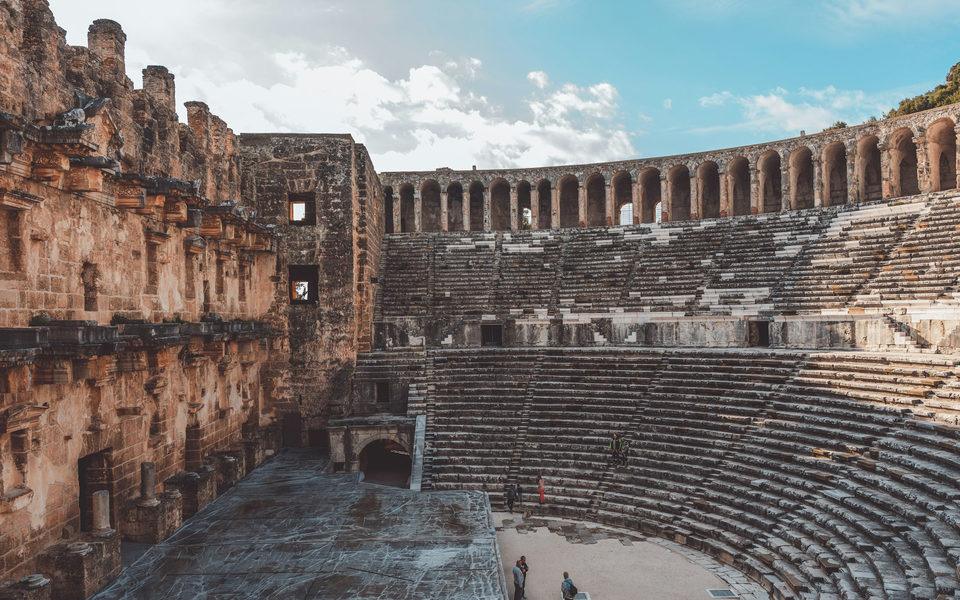
Eight o'clock at Aspendos, 45 km east of Antalya: the gates open, the Roman theatre is empty, and the arches of a kilometre-long aqueduct bridge cross the plain beyond.

Antalya's coast runs from Kemer, under the mountains, to Alanya, under its castle. In between are a walled old town, Roman ruins as well kept as any in the Mediterranean, and long strips of all-inclusive hotels. Summers are very hot. Spring and autumn are better for seeing it all.

Type
region
Ideal length
7 days
Getting around
hire car for the ruins; trams and buses in Antalya city; taxis and tours elsewhere
Bases
7 areas
Best season / months
April to June and September to October; July and August are very hot
Language
Turkish
Currency
Turkish lira (TRY); site tickets for visitors priced in euros
Budget level
moderate. Hotels range widely; ruins cost EUR 3 to 15 each
Good for
  • Families
  • Beach
  • History
  • Couples
  • Golfers
  • First-timers
Discover

About Antalya and the Turkish Riviera

Antalya is both a city and a province on Türkiye's Mediterranean coast. The city grew around a sheltered harbour, named Attaleia in the 2nd century BC, and its walled old town, Kaleiçi, still wraps around it. West of the city, Konyaaltı beach runs towards the Beydağları mountains, and the coast road continues to Kemer, Phaselis, Olympos and the Tahtalı cable car. East of the city, the hotels of Lara and Belek line the shore. Inland, on the plain, are Perge and Aspendos. Further east come Side, on its peninsula of ruins, and Alanya, under a castle on a rocky headland. The province has two airports: Antalya (AYT) for almost everything, and the smaller Gazipaşa-Alanya (GZP) beyond Alanya.

Why go

Few beach holidays put this much history within a short drive of the sunbed. From a Lara or Belek hotel you can be at the Aspendos theatre when it opens, and in Side the ruins run right through the town. The flight is about four hours, and visitors pay entry in euros, so it's easy to budget for days out: Perge is EUR 11, Aspendos EUR 15. Spring and autumn are the times to come for both. In May the average high is 25.7°C, in October 26.6°C. In July and August it's 34°C, which is fine by a pool but hard work in a ruin.

Don't miss

  • Aspendos — a Roman theatre among the best preserved in the Mediterranean, and an aqueduct bridge about 1 km long
  • Kaleiçi and Hadrian's Gate — the old town inside its walls, entered through a gate built for an emperor in AD 130
  • Düden waterfalls — Lower Düden drops 40 metres off the cliffs into the sea at Lara
  • Alanya Castle and the Red Tower — 6.5 km of walls on the headland, and a 33-metre Seljuk tower by the harbour
  • Tahtalı cable car — up to 2,365 metres above Kemer

Where to base yourself

The sub-zones of Antalya and the Turkish Riviera — where each cluster sits and who it suits.

  • Kaleiçi (old town)

    Antalya's walled old town around the Roman harbour, about 3,000 tile-roofed houses inside walls built from Hellenistic to Ottoman times. You enter through Hadrian's Gate.

    Why go
    To stay inside the history: walk to dinner, the harbour and the clifftop park.
    Best for
    Couplescultureshort stays
    Known for
    Hadrian's Gate; the Yivli Minare; Hıdırlık Tower; the old harbour and boat trips to Lower Düden; Karaalioğlu Park.
  • Konyaaltı

    The city's western seafront: a pebble beach of about 7 km running from the cliffs to the Beydağları mountains.

    Why go
    A city beach with Kaleiçi a short ride away.
    Best for
    Familiescity-and-beach
    Known for
    Konyaaltı Beach (Blue Flag); the closed Antalya Museum at its city end; the nostalgic tram's Müze stop.
  • Lara

    The hotel coast east of the city, on a long, wide beach of fine sand also called Altınkum. Lower Düden falls into the sea here.

    Why go
    Big beach hotels close to the airport and to Perge.
    Best for
    Familiesall-inclusive
    Known for
    Lara Beach; Lower Düden waterfall; Perge to the north-east.
  • Belek

    A purpose-built resort area in the Serik district, lined with large hotels and golf courses.

    Why go
    Golf, and a beach hotel within reach of Aspendos.
    Best for
    Golfersfamiliesall-inclusive
    Known for
    PGA-standard golf courses; Aspendos theatre inland in the same district.
  • Side

    A resort town built over an ancient port on a peninsula about 80 km east of Antalya. Selimiye village sits on the ruins.

    Why go
    Ruins on your doorstep: a colonnaded street, the theatre and the seafront temples.
    Best for
    Coupleshistoryfamilies
    Known for
    Temple of Apollo at sunset; Side Museum; the harbour.
  • Alanya

    A big resort town under a castle on a rocky headland, with sandy beaches on both sides.

    Why go
    Beaches, a castle and Seljuk sights in one town, plus nightlife.
    Best for
    Groupsnightlifebeach
    Known for
    Alanya Castle; the Red Tower and Tersane; Damlataş cave; Cleopatra Beach; Gazipaşa-Alanya airport.
  • Kemer

    A resort and marina south-west of Antalya, between the Beydağları mountains and the sea.

    Why go
    The base for Phaselis, Olympos and the Tahtalı cable car.
    Best for
    Coupleswalkersboat days
    Known for
    Kemer marina; Moonlight Beach; Phaselis 18 km away; Tahtalı cable car; Çıralı and Olympos further south.

Views & quieter corners

Best views

  • Side's Temple of Apollo at sunset — the ministry's own tip for the seafront temples
  • Karaalioğlu Park — clifftop terraces over the sea at the edge of Kaleiçi
  • Lower Düden from a boat — the waterfall dropping off the cliffs, seen from the sea
  • Alanya's İçkale — the inner castle, 250 metres above the sea
  • Tahtalı summit — 2,365 metres up, above the Kemer coast

Quieter corners

  • Termessos — a mountain city in a national park, about 30 km north-west of Antalya, EUR 3 to get in
  • Alanya's Tersane — a Seljuk shipyard of 1228 by the Red Tower, the only one left in Anatolia
  • Damlataş cave — found by quarrymen in 1948, at about 22°C all year
  • Köprülü Canyon — a 14-km gorge with the old Oluk bridge and rafting on the Köprüçay
  • The Lycian Way's last stage — the 760-km trail ends at Geyikbayırı, a bus ride from Antalya

Food & drink

Order Antalya piyazı first. It isn't the side-salad piyaz you get elsewhere in Türkiye but a main course of dry beans in tarator sauce, and it's a registered Geographic Indication. Then try şiş köfte, minced meat and salt grilled on skewers over charcoal and served on warm pitta with cumin, tomato and baked onion. At a fish restaurant, ask for lagos (grida), baked whole in salt. Inland, the Yörük kebab of the Toros highlands is meat and vegetables with mountain spices. For pudding there's burnt ice cream made from goat's milk. The province grows oranges, and the seedless Finike orange is protected too. You'll also find jam made from the peel.

  • Antalya piyazı — dry beans in a tarator sauce of sesame oil, lemon, vinegar and garlic, eaten as a main course
  • Şiş köfte — minced meat and salt on a skewer, grilled over charcoal and served on warm pitta
  • Lagos — a white Mediterranean fish, also called grida, baked in a crust of salt that's cracked open at the table
  • Yörük kebabı — meat and vegetables with highland spices, from the nomadic Yörük of the Toros mountains
  • Burnt ice cream — made from Toros goat's milk, cream and sahlep
Dietary notes

Grilled meat and fish lead most menus, but piyaz is a meat-free main, and beans, vegetables and olive oil turn up throughout. In all-inclusive hotels you'll find plenty of choice. In small local restaurants, ask how a dish is made. For coeliac or other strict diets, contact your hotel or restaurant before you go.

Photos

Antalya and the Turkish Riviera in photos

Where you'll stay

Where you'll stay in Antalya and the Turkish Riviera

Choose between the city and a resort first. Kaleiçi and Konyaaltı put you in Antalya itself, with trams, the old town and a city beach. Lara and Belek are long strips of large, mostly all-inclusive hotels east of the city. Side and Alanya are real towns with ruins and a castle, but they are a long transfer east. Kemer, to the south-west, has mountains behind it and the best access to Phaselis, Olympos and Tahtalı.

  • Budget
    Kaleiçi or Konyaaltı small guesthouses and city hotels, close to the old town and the city beach.
  • Mid-range
    Side, Alanya or Kemer resort hotels in towns with something to see beyond the hotel.
  • Luxury
    Lara or Belek large beach hotels, many all-inclusive, and Belek's golf resorts.
Stay

Hotels & rentals around Antalya and the Turkish Riviera

Pan, zoom and compare live prices — every stay in one map.

We may earn a commission if you book through these links, at no extra cost to you. How we make money

Getting around

Getting around Antalya and the Turkish Riviera

Inside Antalya city, public transport is run by Antalya Ulaşım: the AntRay tram, the older Nostalji tram and the city buses, all paid with an Antalyakart. Under-sevens ride the Nostalji tram free with a parent. For Perge, Aspendos, Side, Phaselis and Köprülü Canyon, a hire car or a tour is far easier. To drive, you need a 1968 International Driving Permit (buy it in the UK before you go) or a notarised Turkish translation of your licence, plus a green card for insurance. Accidents are common, so take care at night. If you drink and drive you can be fined and lose your licence for six months. Use registered, metered taxis.

The Nostalji tram runs between its two end stops, Müze and Zerdalilik. The AntRay light rail has three stages across the city. Antalya Ulaşım publishes the route map and timetables, so check them for your stop. Both trams and the city buses take the Antalyakart, which you top up at machines and card centres. From the airport, buses run to the city centre and beyond. Ask at the airport for the line to your area, because neither the airport nor Antalya Ulaşım lists line numbers online. For the resorts and ruins east and west of the city, most visitors use a transfer, a tour or a hire car.

Plan your days

Suggested itineraries

Ready-made day plans for Antalya and the Turkish Riviera — from a single day to a long weekend.

One day

Start in Kaleiçi: walk in through Hadrian's Gate, past the Yivli Minare to the old harbour, then take a boat along the cliffs to Lower Düden, where the river drops 40 metres into the sea. In the afternoon, go to Perge, about 18 km east (open until 17:00, last tickets 16:30), and end at Lara Beach.

Two days

Head east. See the Aspendos theatre when it opens at 08:00, before the heat. Drive on to Side for the colonnaded street, the Side Museum and the Temple of Apollo at sunset. If you have a car, Köprülü Canyon is a turn inland past Serik for rafting on the Köprüçay.

Three days

Go south-west to Kemer. Walk Phaselis and its three harbours in the morning, then ride the Tahtalı cable car to 2,365 metres. Finish at Olympos (open until 19:00) and the pebble beach at Çıralı.

What you'll do

Insider tips

  • Antalya Museum was closed to visitors when we checked. Look it up on muze.gov.tr before you plan a day around it.
  • Most ruins sell their last tickets at 16:30. In summer, go at 08:00 when they open.
  • Visitors can't use the MüzeKart. Pay each site in euros, or do the sums before buying the EUR 90 Mediterranean pass.
  • Use registered taxis, note the plate and make sure the meter is on. At the airport, the fare board is next to the rank.
  • Buy your own drinks and keep them in sight. Counterfeit spirits containing methanol have killed people in Turkey.
  • In an emergency, call 112.
Best beaches
By the sea

Best beaches in Antalya and the Turkish Riviera

The 2 shores actually worth the trip on Antalya and the Turkish Riviera — ranked, with the vibe of each and where to stay nearby. Tap a card to fly the map to it.

Explore

Explore the area

© OpenFreeMap · OSM · terrain Mapterhorn
Do

Local attractions & tours

Skip-the-line tickets and small-group tours in Antalya and the Turkish Riviera — compare across our partners.

Plan

Trips in Antalya and the Turkish Riviera

Day-by-day itineraries that take in Antalya and the Turkish Riviera — routes, timings and what to book.

  • 13 Nights

    The Grand Turkish Loop: Istanbul, Cappadocia, and the Turquoise Coast

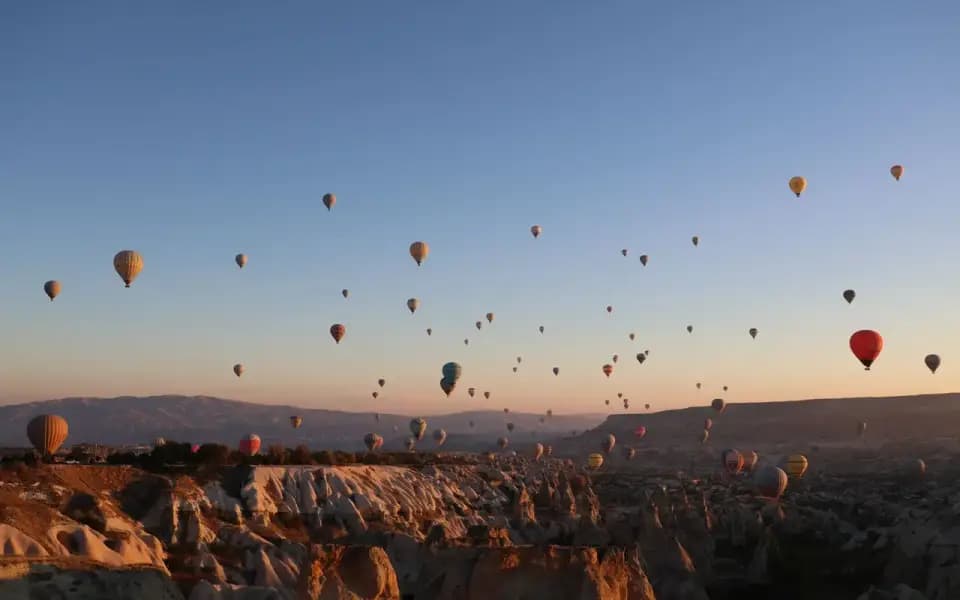
    Experience the ultimate introduction to Turkey on an expansive two-week self-drive journey connecting historic empires, volcanic valleys, and dramatic Mediterranean shores. This route transitions seamlessly from Istanbul's bustling bazaars and grand mosques to Cappadocia's balloon-filled skies, underground antiquities, and the sun-drenched ancient ruins of the southern coast.

    Price on enquiry

    View trip
Budget

What it costs in Antalya and the Turkish Riviera

Backpacker
Base yourself in Kaleiçi, use the trams and buses on an Antalyakart, and pick your sites: Termessos is EUR 3 and Side's ancient city EUR 7 (when we checked).
Mid-range
A resort hotel plus a few paid days out: Aspendos (EUR 15), Perge (EUR 11), Alanya Castle (EUR 12) and the Tahtalı cable car.
Luxury
Lara or Belek all-inclusive, a hire car or private transfers, golf in Belek and a private boat from Kaleiçi or Kemer.
Cash, card and tickets
The currency is the Turkish lira. Visitors pay site entry in euros. The 7-day MuseumPass The Mediterranean (EUR 90) only pays off if you see a lot: six of the big sites add up to EUR 65. Don't accept 50 or 100 US dollar notes, which banks may refuse.
When you'll go

When to visit Antalya and the Turkish Riviera

April to June and September to October

Units

Spring

What to expect — March to May warms quickly. Average highs go from 18°C in March to 26°C in May, and rain drops from about 90 mm in March to 33 mm in May.

What's best — Ancient sites, walking and the Lycian Way before the heat.

Summer

What to expect — Hot and almost dry. Average highs are 34°C in July and 34°C in August, with about half a rain day a month, and the record is 45°C. Wildfires are a summer risk.

What's best — Sea and pool days; see ruins at opening time, and the Aspendos festival in September.

Autumn

What to expect — September is still hot at 31°C, October a more comfortable 27°C. Rain returns in November (about 128 mm), when highs fall to 21°C.

What's best — Warm sea days with cooler sightseeing; film and culture festivals in October and November.

Winter

What to expect — Mild but wet. Average highs are 15 to 17°C from December to February, and December and January are the wettest months, with about 225-250 mm of rain on 12 days.

What's best — Ruins without crowds or heat, on the dry days between fronts.

Know before you go

Know before you go

Entry rules

Follow the FCDO's Turkey entry rules. You can visit without a visa for up to 90 days in any 180.

Your passport must have an expiry date at least 150 days after you arrive, and at least one blank page.

You can't take Turkish lira worth more than 5,000 US dollars out of the country.

Health and insurance

Your GHIC or EHIC is not valid in Turkey, so get travel insurance that covers treatment.

Turkish pharmacies won't accept a British prescription, and some common medicines are controlled. Check before you pack them.

Emergency number: 112.

Museums and tickets

Antalya Museum is closed to visitors. Check muze.gov.tr for its reopening.

Perge's theatre is closed for restoration, and the ministry's price list says Side's theatre is closed.

Most sites open 08:00-17:00 with last tickets at 16:30. Olympos stays open until 19:00.

The MüzeKart is for Turkish citizens. Visitors pay in euros or buy the 7-day MuseumPass The Mediterranean.

Sea, heat and fire

A red flag means you must not go in the water, and some beaches have strong undercurrents. Don't dive into water you don't know.

July and August average 34°C. Plan ruins for the morning.

Lighting a fire or dropping a cigarette in woodland can lead to a fine or prison.

Ready to book your trip?

Getting there

UK flights arrive at Antalya Airport (AYT), north-east of the city. TUI puts the flight at about four hours from Gatwick and up to four and a half from other UK airports. International flights use Terminal 2, and a free shuttle links the terminals. The city centre is about 20 minutes by car along the D400. Taxis wait outside arrivals: drivers carry airport ID, and a fare board stands next to the rank. Buses also run to the centre and further along the coast. For Alanya, the smaller Gazipaşa-Alanya airport (GZP) is closer, but check your airline flies there. Türkiye is on GMT+3 all year, so it's two hours ahead of the UK in summer and three in winter.

  • AYT
  • GZP
Book

Ready to book your trip?

Flights, airport transfers and car hire to AYT — search and compare without leaving the page.