The stretch of Mediterranean between the Italian border and the Massif des Maures, and the place where wintering by the sea became a European habit in the 1830s. Nice anchors it with a genuinely Italian old town and the Promenade des Anglais; Cannes has the festival and the Îles de Lérins ten minutes offshore; Antibes has the Picasso museum in the castle where he worked; Menton grows lemons in a microclimate; Saint-Tropez is still a fishing port under the yachts. Behind the coast, the perched villages — Èze, Saint-Paul-de-Vence — hold the Riviera's art collections.
Headline places
What you come to The French Riviera for.
-
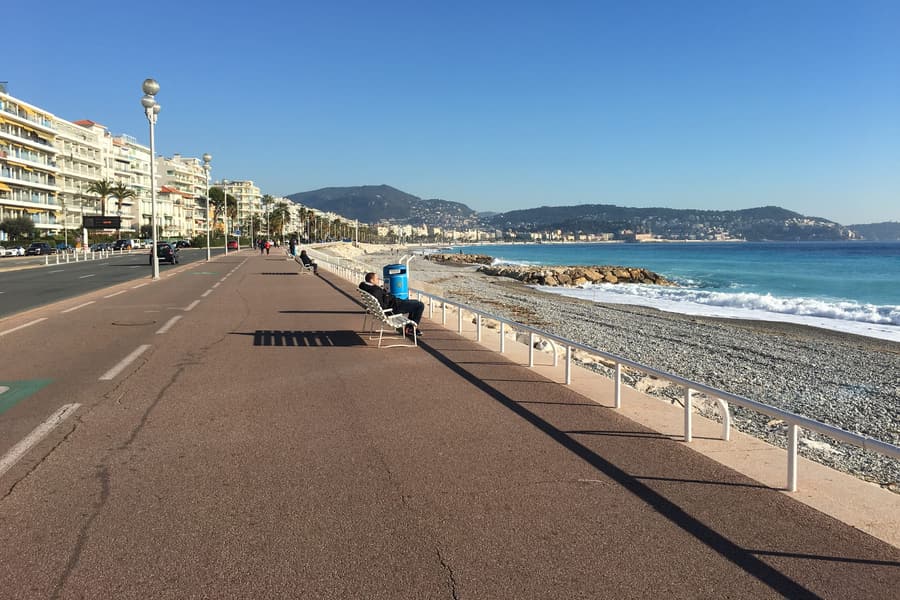 Promenade des Anglais Seven kilometres of seafront paid for by nineteenth-century English winterers
 -
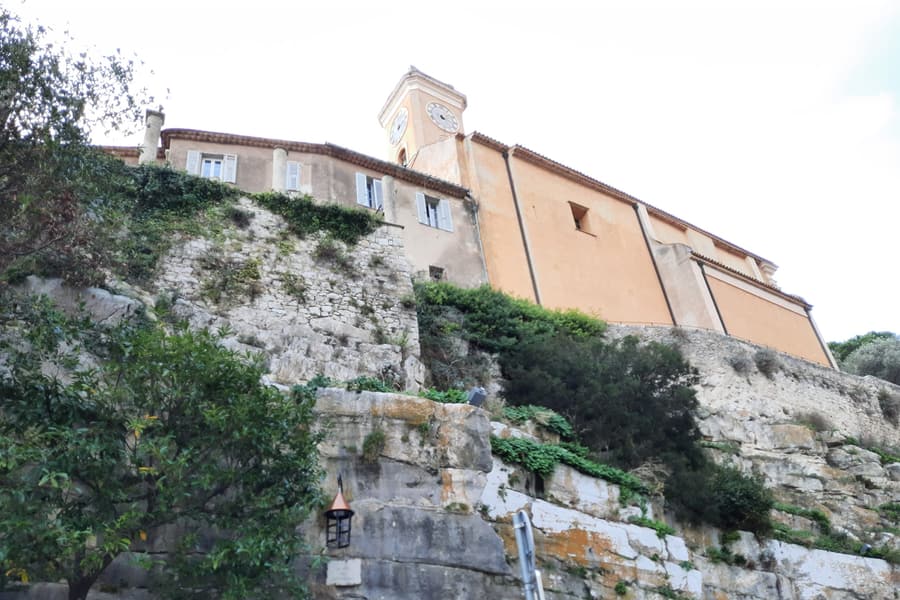 Èze A village at 429 m with a cactus garden where the castle was
 -
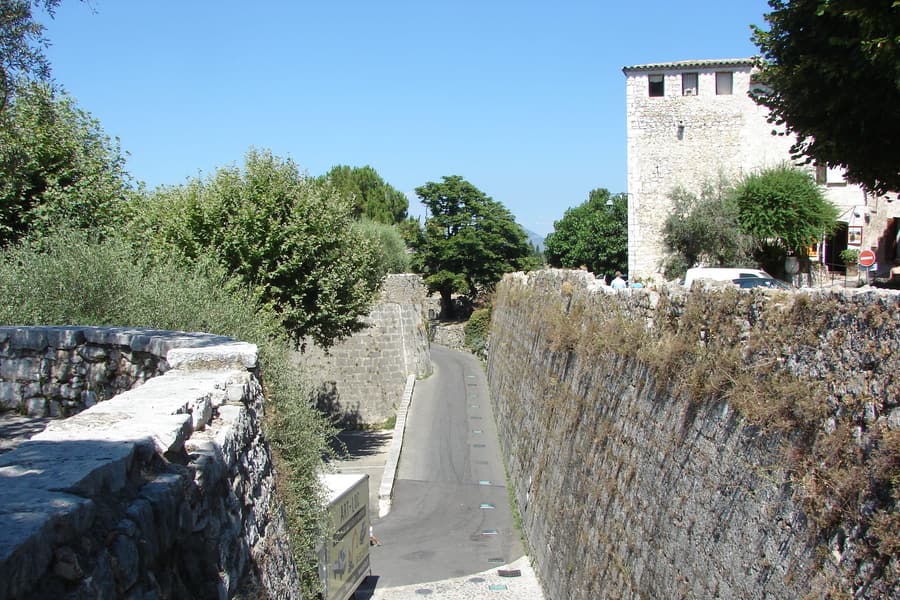 Saint-Paul-de-Vence Walled, hilltop, and full of the galleries Chagall and Matisse drew in
 -
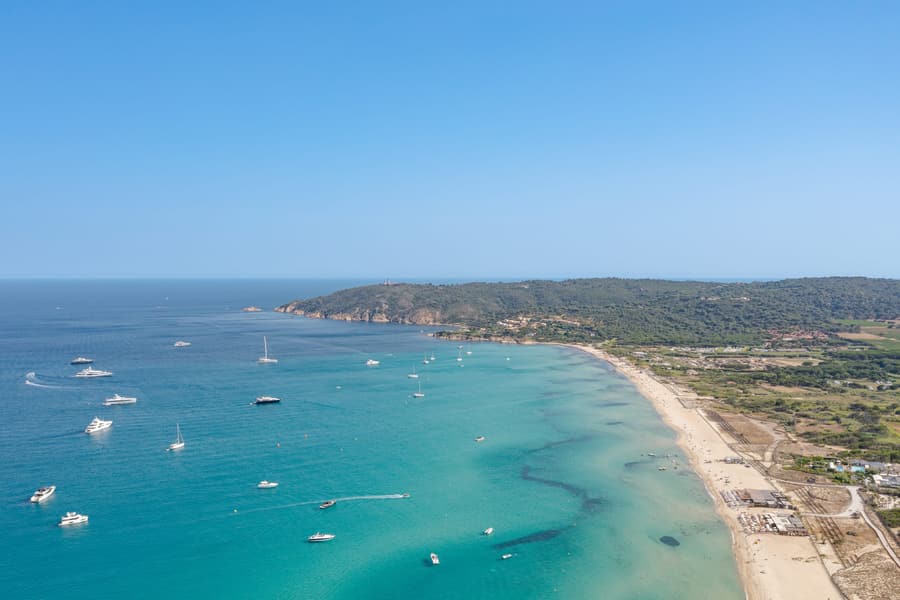 Pampelonne Beach Five kilometres of sand round the point from Saint-Tropez
Cities & bases
Where to sleep inside the area.
-
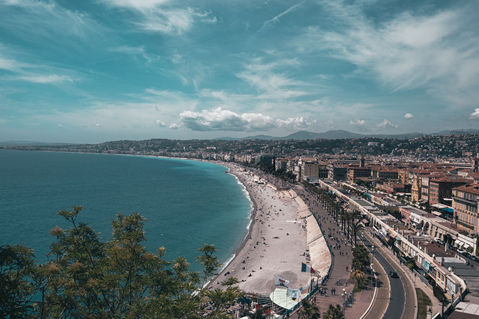 Nice The Baie des Anges, an Italian old town and the Promenade des Anglais
 -
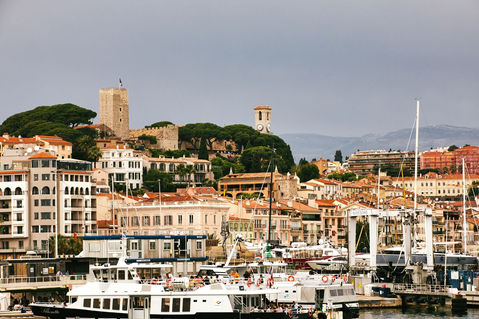 Cannes The Croisette, the festival, and two islands ten minutes offshore
 -
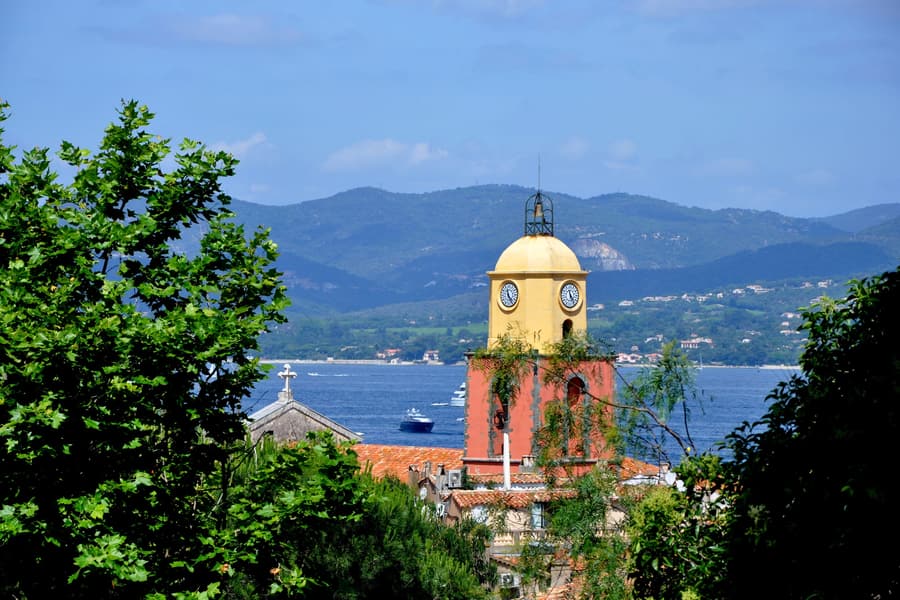 Saint-Tropez Still a fishing port under the yachts, with Pampelonne round the point
 -
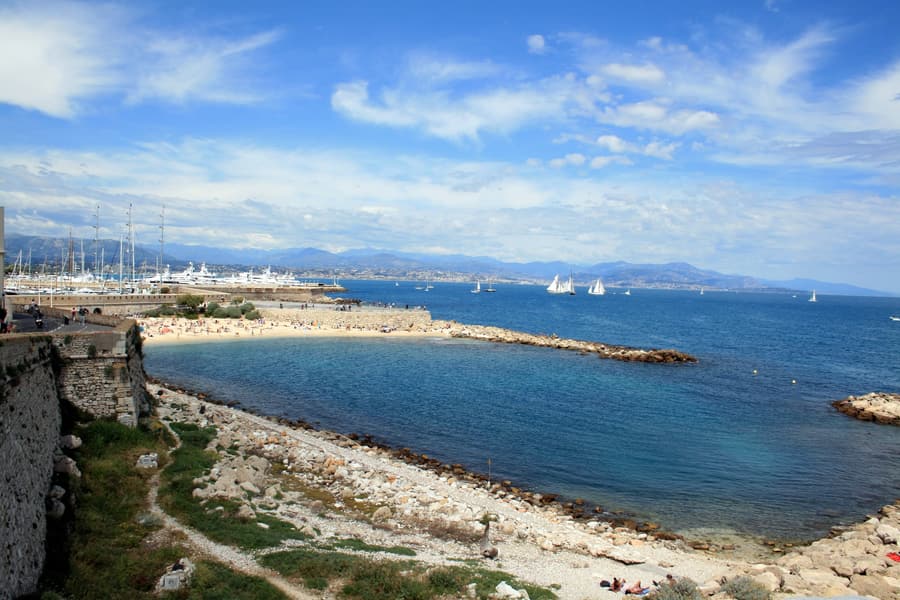 Antibes Ramparts, the biggest marina on the Med, and Picasso's castle studio
 -
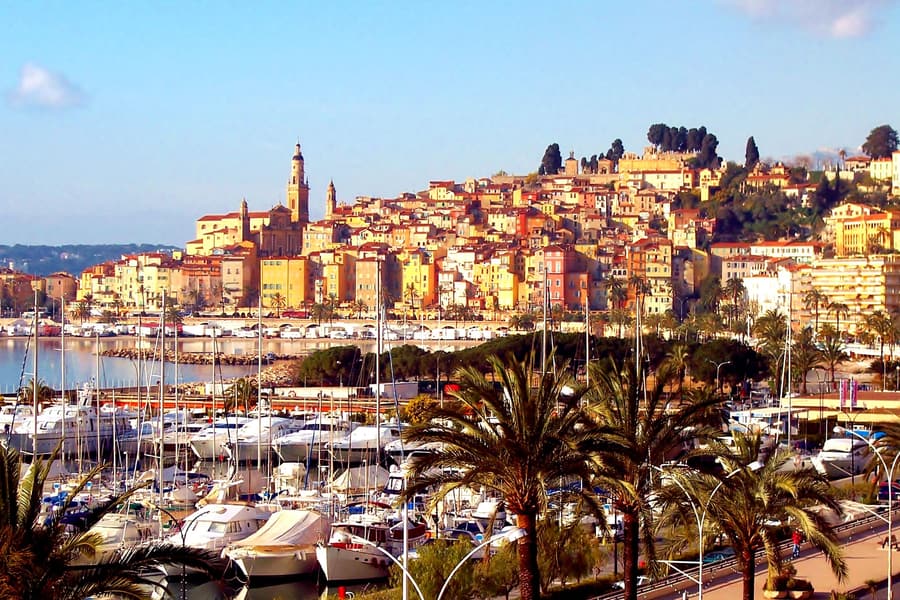 Menton A lemon microclimate on the Italian border, and Cocteau's museum
 -
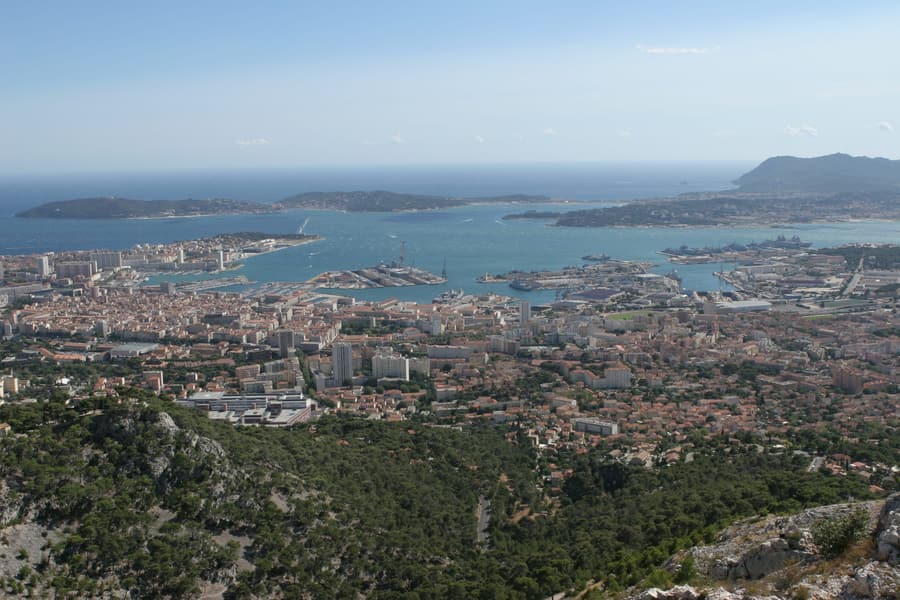 Toulon A naval harbour under Mont Faron, and the ferry to Porquerolles
Islands
Practical
- Best time to go
- May–June and September–October: sea warm enough from mid-June, everything open, and prices roughly half of August. Cannes' film festival is mid-May and closes the town to everyone without a badge; Nice's carnival is in February. July and August are hot, gridlocked on the corniches, and the beaches are largely paid loungers.
- Getting there
- Nice Côte d'Azur is the third-busiest airport in France with direct flights across Europe, 8 minutes from Nice on tram 2. TGV Paris–Nice is 6 hours, so most people fly. Ferries to Corsica leave from Nice and Toulon.
- Getting around
- The coastal railway from Ventimiglia to Cannes is the answer to almost everything — cheap, frequent, scenic, and it stops at Menton, Monaco, Èze-sur-Mer, Villefranche, Nice, Antibes, Juan-les-Pins and Cannes. Buses climb to the perched villages. A car is a genuine liability in summer: the corniches jam and parking in Saint-Tropez in August is a competitive sport.
- Eat & drink
- Niçois rather than Provençal on the eastern end: socca, pissaladière, petits farcis, and salade niçoise with no cooked vegetables in it. Further west it becomes Provençal proper. Cours Saleya in Nice is the market; the Marché Forville in Cannes is the local one. Bellet, the tiny appellation inside Nice's city limits, is the curiosity worth ordering.
- Know before you go
- The beaches from Nice to Cap d'Ail are pebbles — bring shoes. Free public stretches sit between the paid clubs and are usually less crowded than they look. The Saint-Tropez peninsula has one road in and one out; in August allow double any estimate. Monaco is a separate country with its own rules on photography around the casino.
The region it sits in
Tourism areas and administrative regions are different geographies — both are true, and both are browsable here.