Nice only became French in 1860 — before that it was Savoyard and then Sardinian, which is why the old town looks and eats Italian and the dialect is closer to Ligurian than to Provençal. The Baie des Anges curves for seven kilometres in front of it and the Alps start about thirty kilometres behind, so you can be on a pebble beach at ten and at 1,800 m by lunchtime. UNESCO listed the whole winter-resort city in 2021.
It is the only Riviera town that is a real city rather than a resort — 350,000 people, a proper market, an airport with direct flights everywhere, and hotel prices that make it a far better base than Cannes or Saint-Tropez. It also has an unreasonable number of good museums for its size, most of them free on the first Sunday of the month.
Things to do
- Colline du Château — No castle left, but a waterfall, a cemetery and the best view over the bay and the old-town roofs. Lift from the eastern end of the Promenade.
- Cours Saleya market — Flowers and produce every morning but Monday, socca from a stall, and the alleys of Vieux Nice behind it.
- Musée Matisse & Musée Chagall — Two of the best single-artist collections in Europe, ten minutes apart on the Cimiez hill.
- The coastal train — Ventimiglia to Cannes along the water. Villefranche, Èze-sur-Mer, Monaco, Antibes — get off wherever it looks good.
- Villefranche-sur-Mer — One stop east: a deep natural harbour, a red-and-ochre waterfront and a genuinely swimmable beach.
- Promenade des Anglais at dusk — Seven kilometres of seafront paid for by nineteenth-century English winterers, and still doing exactly its job.
Tickets & tours

Where to base yourself
The Nice neighbourhoods worth knowing before you book.
- Coming soon Vieux Nice Ochre alleys, laundry lines, the Cours Saleya market and the baroque churches. Loud at night, and the most Italian part of France.
- Coming soon Carré d'Or & Promenade The Belle Époque seafront and the grid behind it — the Negresco, the shopping, and the easiest first-time base.
- Coming soon Cimiez The hill above town: Roman ruins, the Matisse and Chagall museums, olive groves, and where Queen Victoria wintered.
- Coming soon Le Port & Mont Boron East of the castle hill — the harbour, the best-value restaurants, and a coastal path round to Villefranche.
- Coming soon Libération North of the centre, around the daily market. Where Nice shops rather than where it poses.
3 days in Nice
- Day 1 Old town and the hill
Cours Saleya market early, socca for breakfast, then the alleys and the baroque churches. Up the Colline du Château for the bay. Afternoon on the Promenade and the Musée Masséna. Dinner in Vieux Nice.
- Day 2 Cimiez and the art
Bus up to Cimiez for Matisse, the Roman arena and the olive grove, then down to Chagall. Afternoon swimming at Villefranche, one stop east on the train.
- Day 3 The corniche
Èze village in the morning — 429 m up, with a cactus garden where the castle was — then Monaco or Menton for the afternoon, both on the same line. Back for dinner at the port.
Day trips
Worth the train or the drive from Nice.
-
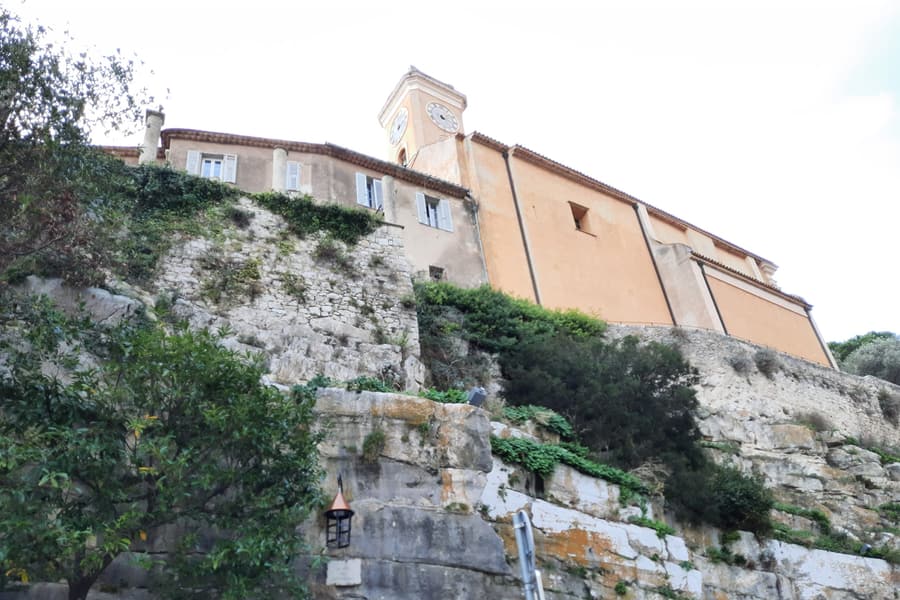 Èze A village at 429 m with the whole coast underneath it.
 -
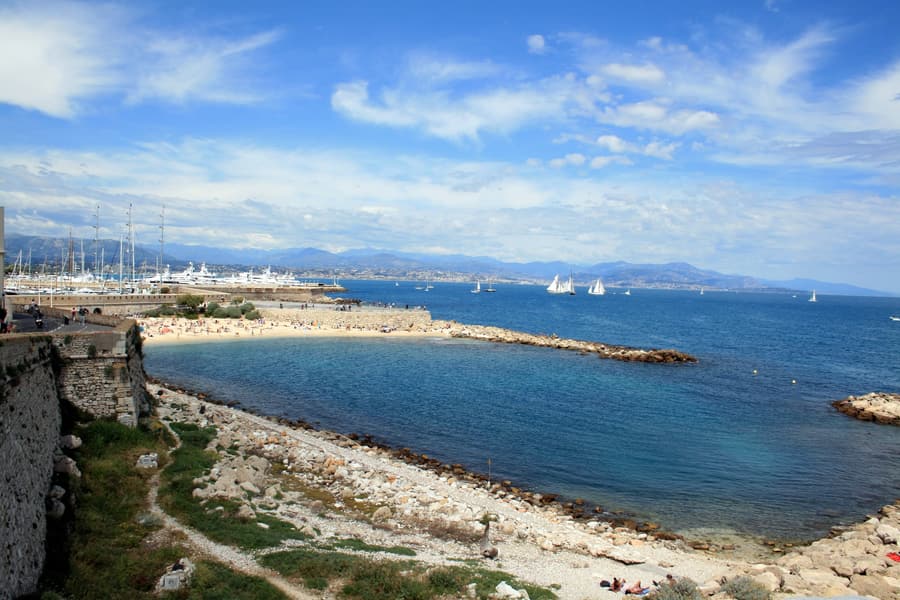 Antibes 25 min by train — ramparts, the biggest marina on the Med, and Picasso's castle studio.
 -
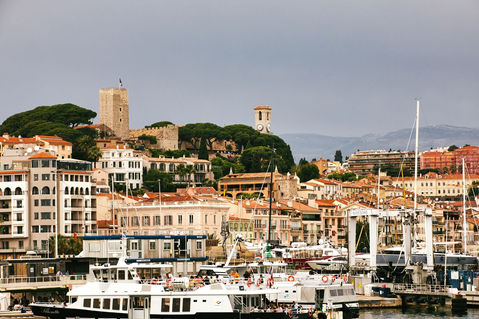 Cannes 30 min. The Croisette, and the Lérins islands ten minutes offshore.
 -
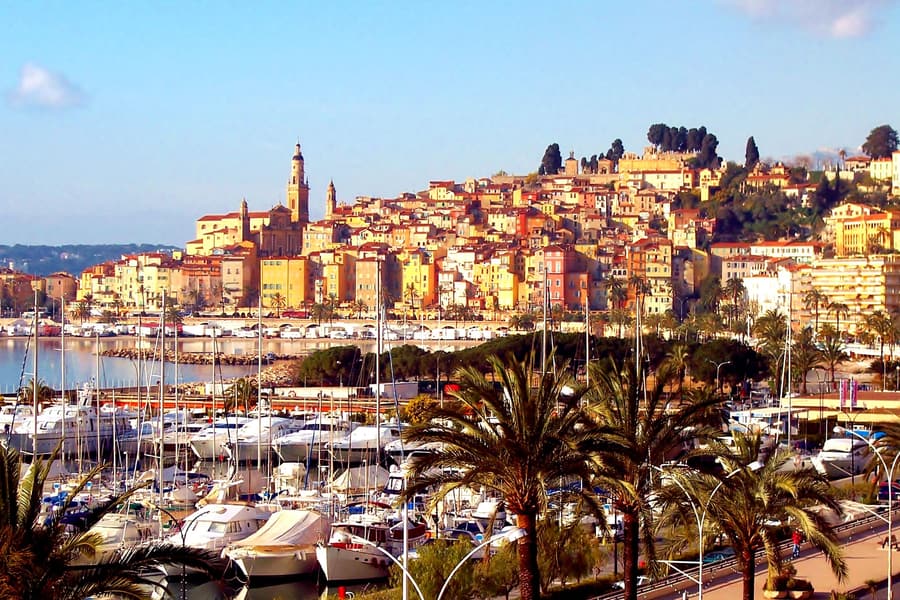 Menton 35 min to the Italian border, lemons and Cocteau.
 -
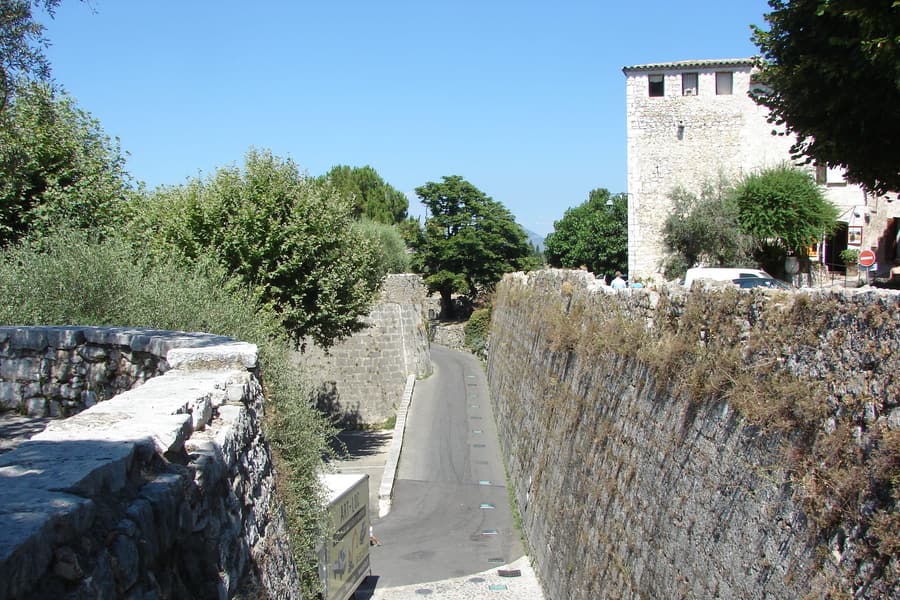 Saint-Paul-de-Vence Walled, hilltop, and full of the galleries Chagall and Matisse drew in.
 -
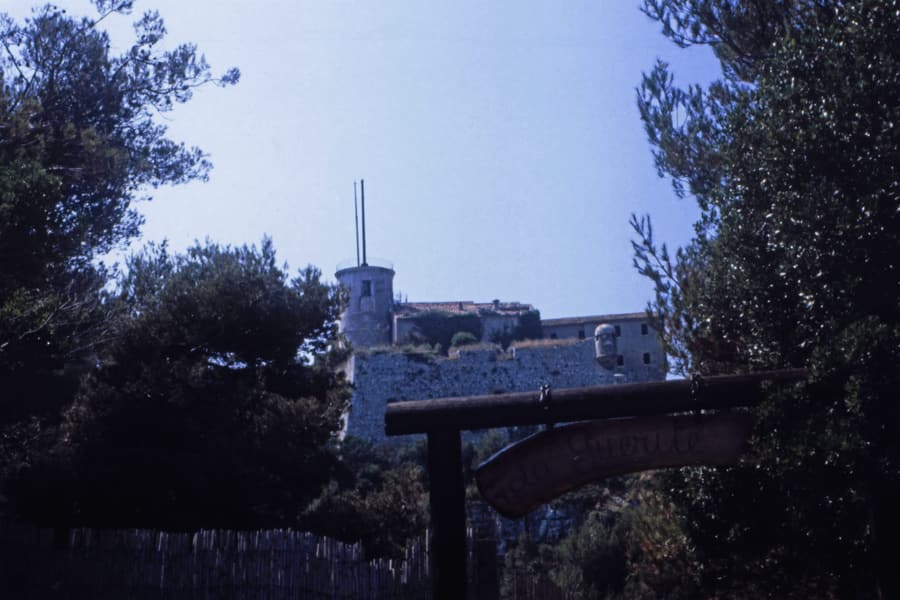 Îles de Lérins From Cannes: the Man in the Iron Mask's prison, and a working monastery.
Practical
- Best time to go
- April–June and September–October: sea warm enough from mid-June, everything open, and the Promenade not full. Carnival is in February and is the biggest on the French mainland. July and August are hot, expensive and busy.
- Getting there
- Nice Côte d'Azur is the third-busiest airport in France, 8 minutes from the centre on tram line 2. The coastal train to Ventimiglia and Cannes is cheap and scenic — it is the best way to see the whole Riviera without a car. TGV from Paris is 6 hours, so most people fly.
- Getting around
- Three tram lines and a flat seafront. The Riviera is a train line: Menton, Monaco, Èze-sur-Mer, Antibes and Cannes are all direct and all under an hour. Buses climb to the perched villages. A car is a liability in summer.
- Eat & drink
- Niçois food is its own thing and not Provençal: socca (a chickpea pancake, eaten hot and standing up at Cours Saleya), pissaladière, petits farcis, and salade niçoise, which has no cooked vegetables in it whatever your local pub does. Cours Saleya market runs every morning except Monday, when it is antiques instead.
- Know before you go
- The beaches are pebbles, not sand, all the way from Nice to Cap d'Ail — bring shoes. The private beach clubs charge for a lounger and the public stretches between them are free. Restaurants on Cours Saleya are mostly a tourist tax; walk two streets into Vieux Nice.
In the area
The tourism areas this town sits inside.
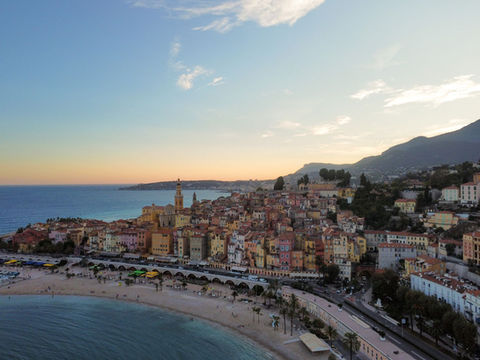
More of Provence-Alpes-Côte d'Azur
-
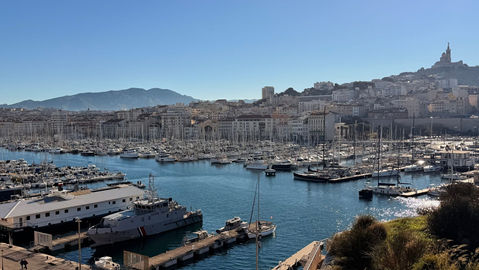 Marseille The oldest city in France, 2,600 years old, with the Calanques next door
 - Cannes The Croisette, the festival, and two islands ten minutes offshore
-
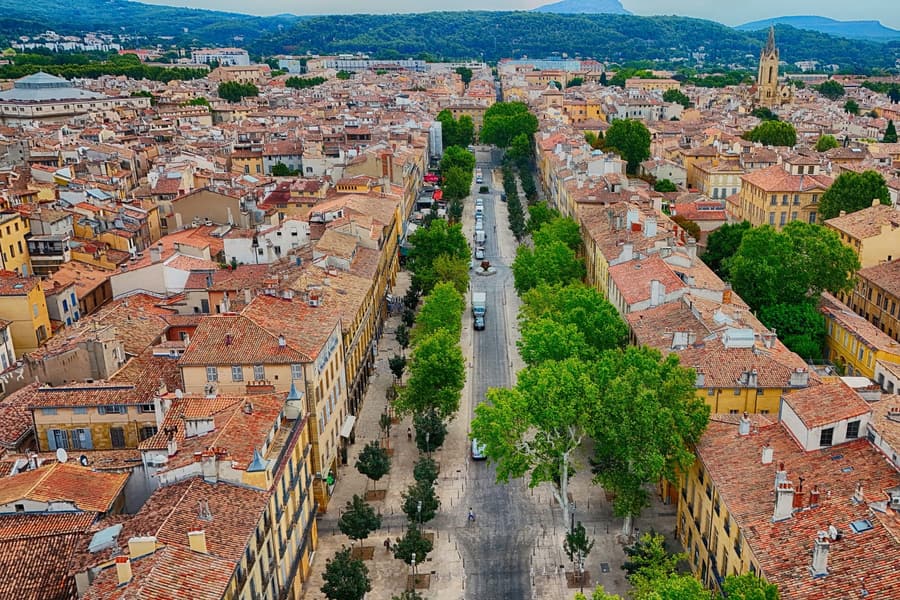 Aix-en-Provence Plane trees, fountains, markets and Cézanne's mountain
 -
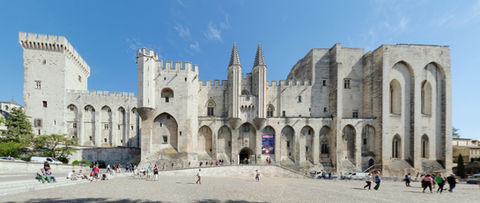 Avignon The largest Gothic palace in the world, and a bridge that stops halfway
 -
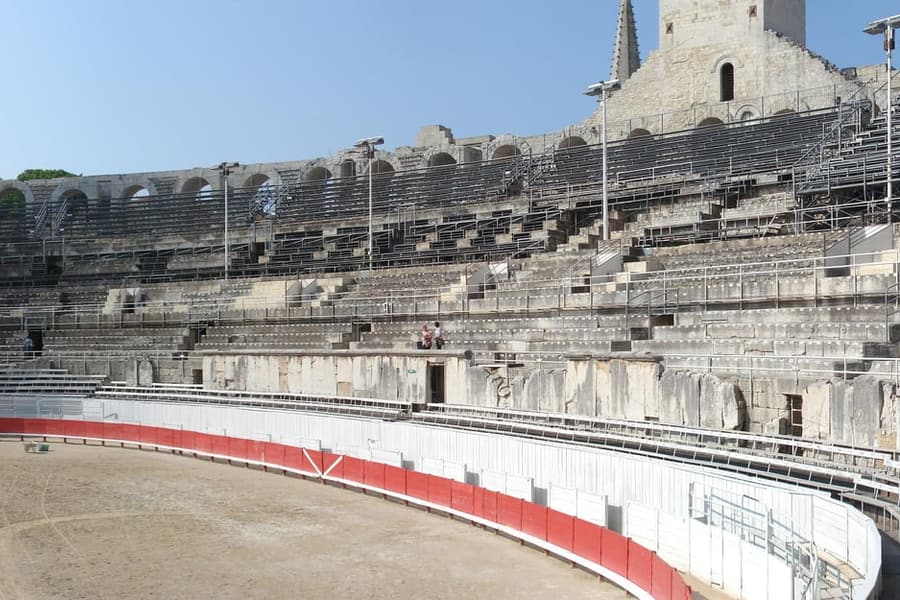 Arles A Roman arena, Van Gogh's light, and the top of the Camargue
 -
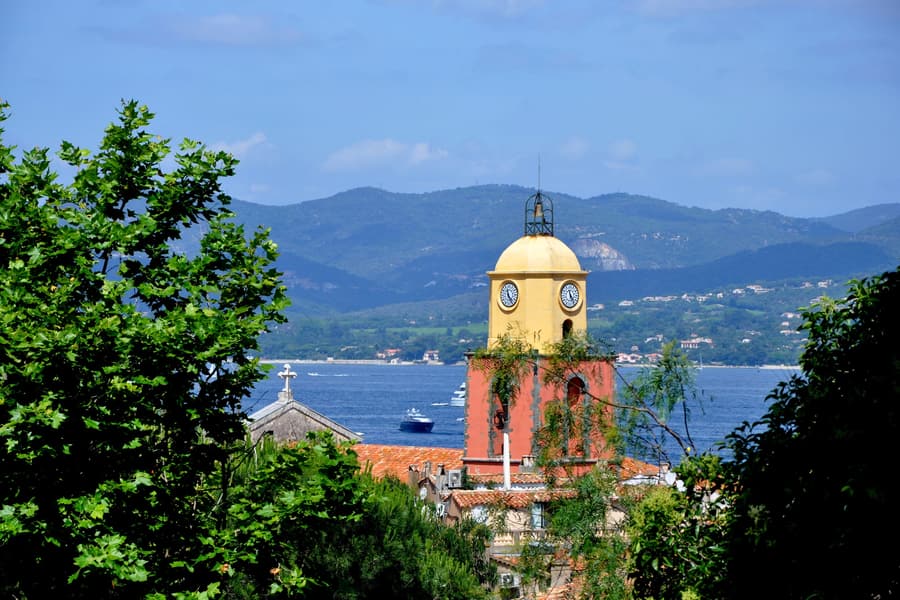 Saint-Tropez Still a fishing port under the yachts, with Pampelonne round the point
 - Antibes Ramparts, the biggest marina on the Med, and Picasso's castle studio
- Menton A lemon microclimate on the Italian border, and Cocteau's museum
-
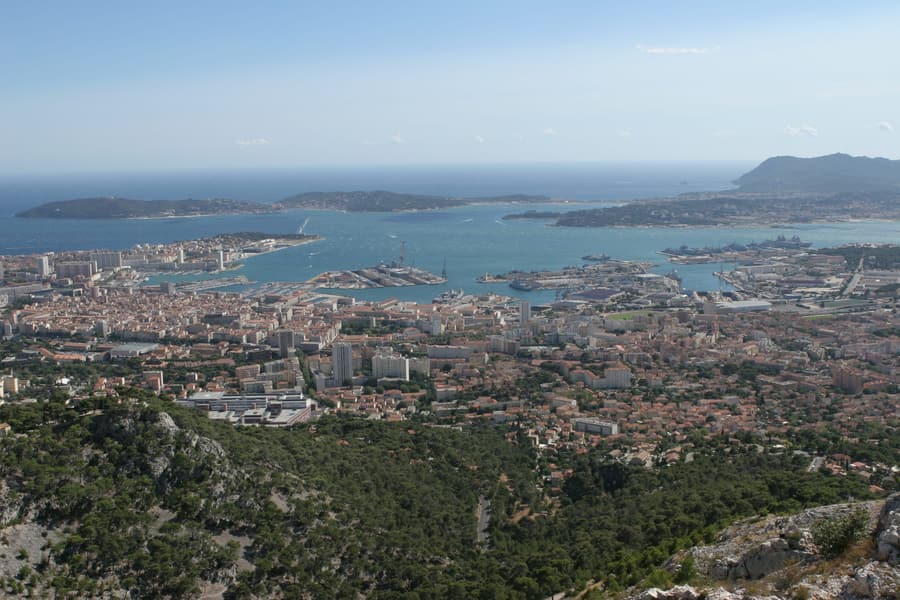 Toulon A naval harbour under Mont Faron, and the ferry to Porquerolles
 -
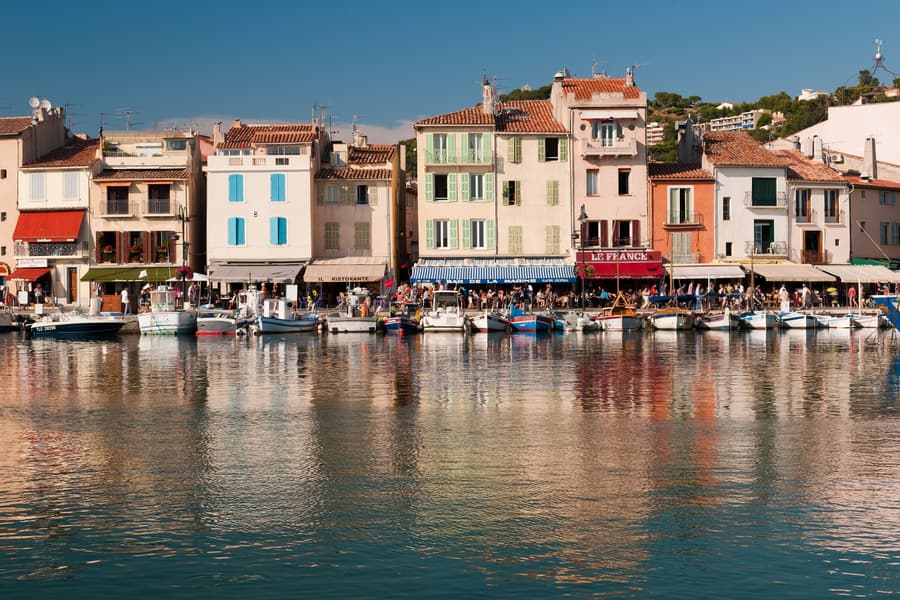 Cassis A fishing port at the eastern end of the Calanques
 -
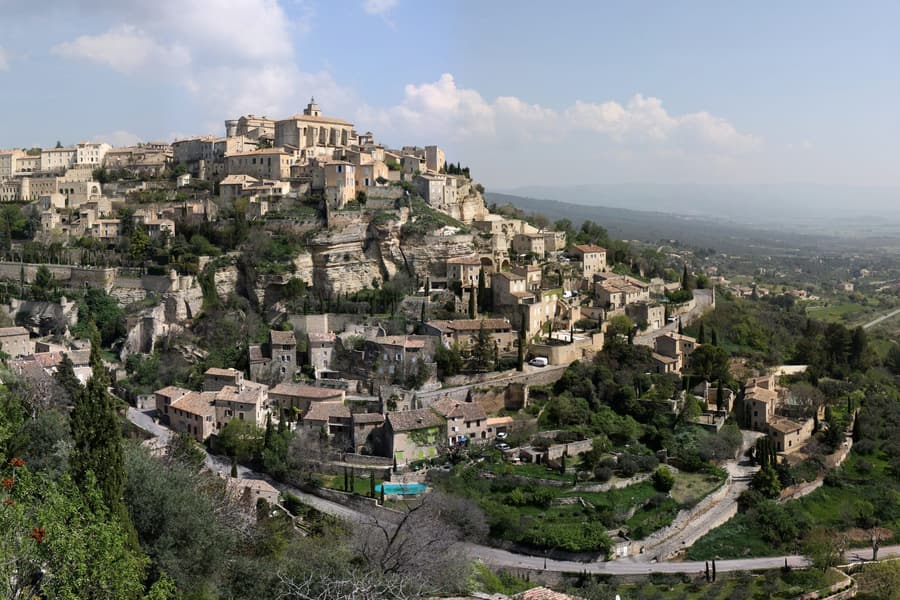 Gordes Dry stone stacked up a Luberon hillside, with Sénanque abbey below
 -
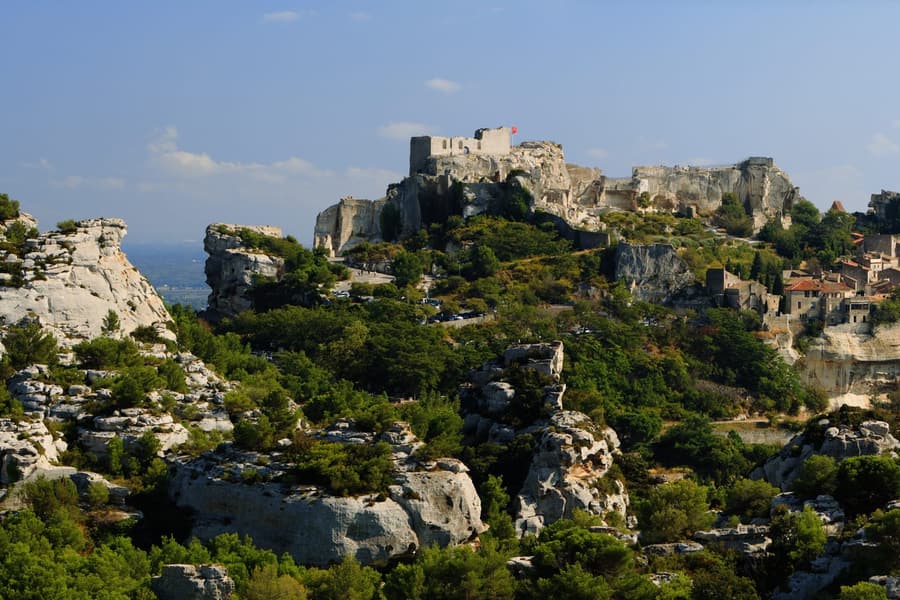 Les Baux-de-Provence A ruined fortress on a limestone spur, over a quarry turned light show
 -
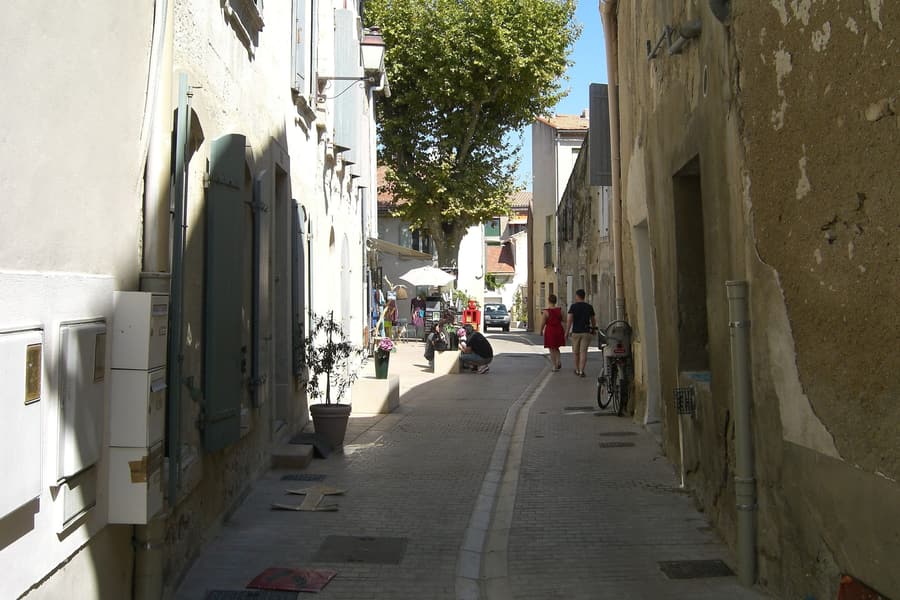 Saint-Rémy-de-Provence Van Gogh's asylum year, a Roman town, and the Alpilles behind
 -
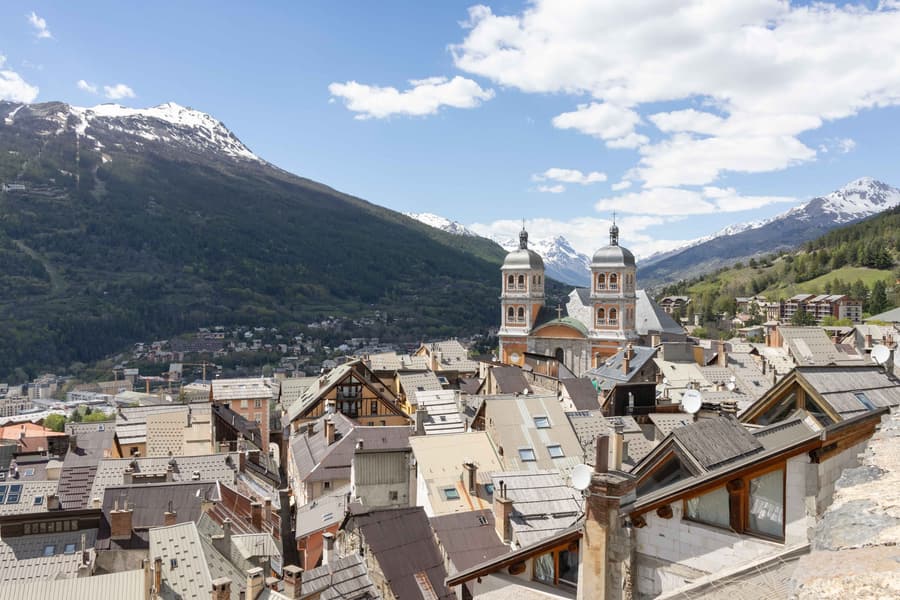 Briançon The highest town in France, walled by Vauban at 1,326 m