For most of the fourteenth century Avignon was the seat of the papacy — seven popes, then two more during the Schism — and the Palais des Papes they built is the largest Gothic palace in the world, 15,000 m² of it inside a complete ring of ramparts. The city has been walled since 1355 and the walls are still there, which makes the centre unusually legible: everything is inside them, and the Rhône is on the other side.
The palace, the four surviving arches of the bridge in the song, and the fact that Avignon is the best rail-served base in Provence — Arles, Nîmes, the Pont du Gard, the Luberon and Mont Ventoux are all within an hour. In July the Festival d'Avignon takes over the entire city with around 1,500 shows, and the streets become the venue.
Things to do
- Palais des Papes — The largest Gothic palace anywhere. Twenty-five rooms, an Histopad that reconstructs them, and the roof terrace.
- Pont Saint-Bénézet — Four arches of the twenty-two that once crossed the Rhône. The song is about dancing beside it, not on it.
- The Rocher des Doms — The garden above the palace, with the Rhône, the bridge and Mont Ventoux from the top. Free, and best at sunset.
- Les Halles — Forty stalls under a green wall. Saturday morning has a free cooking demonstration from a local chef.
- Collection Lambert — Contemporary art in two eighteenth-century hôtels particuliers — a serious collection, and a cool building in August.
- Châteauneuf-du-Pape — Fifteen kilometres north, where the popes planted their vineyard. The stones on the ground are the point.
Tickets & tours

Where to base yourself
The Avignon neighbourhoods worth knowing before you book.
- Coming soon Intra-muros Everything inside the walls. The palace, the Place de l'Horloge, the Rue des Teinturiers and all the hotels worth having.
- Coming soon Quartier des Teinturiers A cobbled street along a canal with the old dyers' water wheels still turning. Cafés, small theatres, the best evenings.
- Coming soon Île de la Barthelasse The largest river island in Europe, across the free ferry — campsites, a pool and the postcard view back.
- Coming soon Villeneuve-lès-Avignon Across the Rhône and technically in a different région — Fort Saint-André, a charterhouse, and half the price.
3 days in Avignon
- Day 1 The popes
Palais des Papes at opening with the Histopad, then the Petit Palais next door for the Italian primitives. Lunch at Les Halles. Afternoon on the bridge and up the Rocher des Doms for sunset. Dinner on Rue des Teinturiers.
- Day 2 Rome and the Rhône
Pont du Gard in the morning — 45 minutes by bus, and you can swim under it. Afternoon in Nîmes or back for the Collection Lambert. Evening ferry to the Barthelasse for the view.
- Day 3 The Luberon
With a car: Gordes, Sénanque abbey, Roussillon's ochre cliffs and the Valensole lavender if it is late June or July. Without: Arles by train in twenty minutes.
Day trips
Worth the train or the drive from Avignon.
-
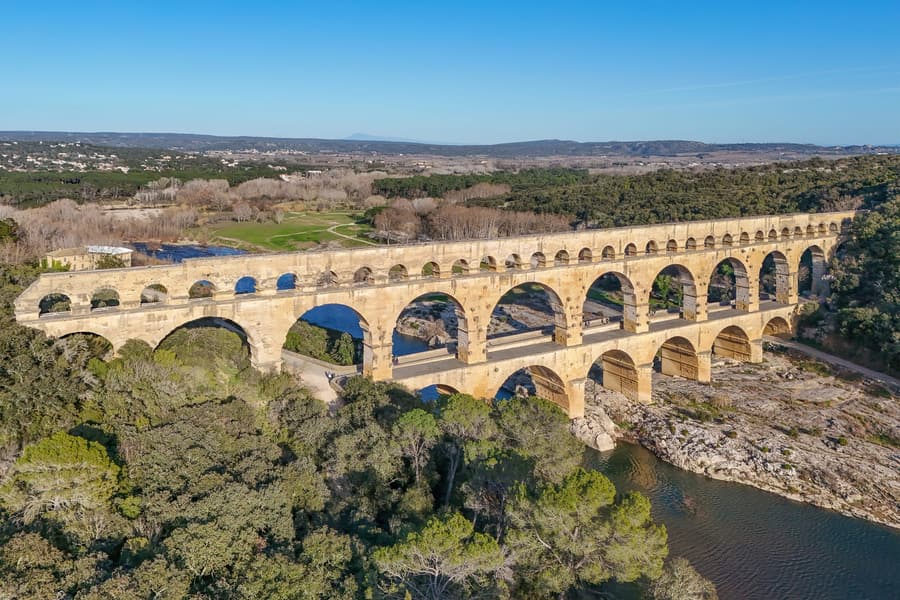 Pont du Gard 45 min by bus — a three-tier Roman aqueduct you can swim beneath.
 -
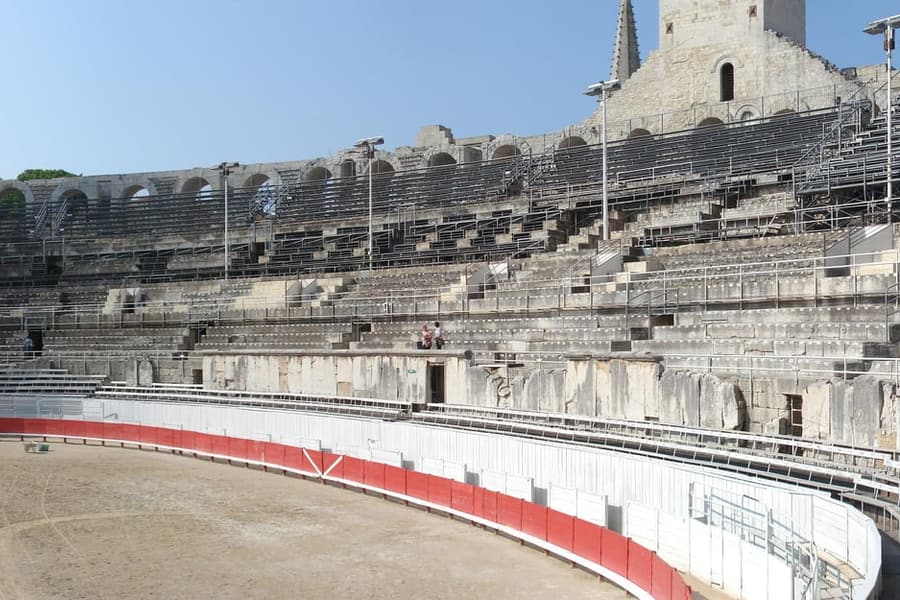 Arles 20 min by train. The Roman arena and Van Gogh's light.
 - Nîmes 30 min. The best-preserved Roman amphitheatre anywhere.
-
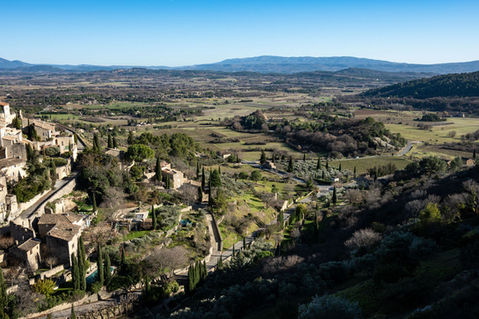
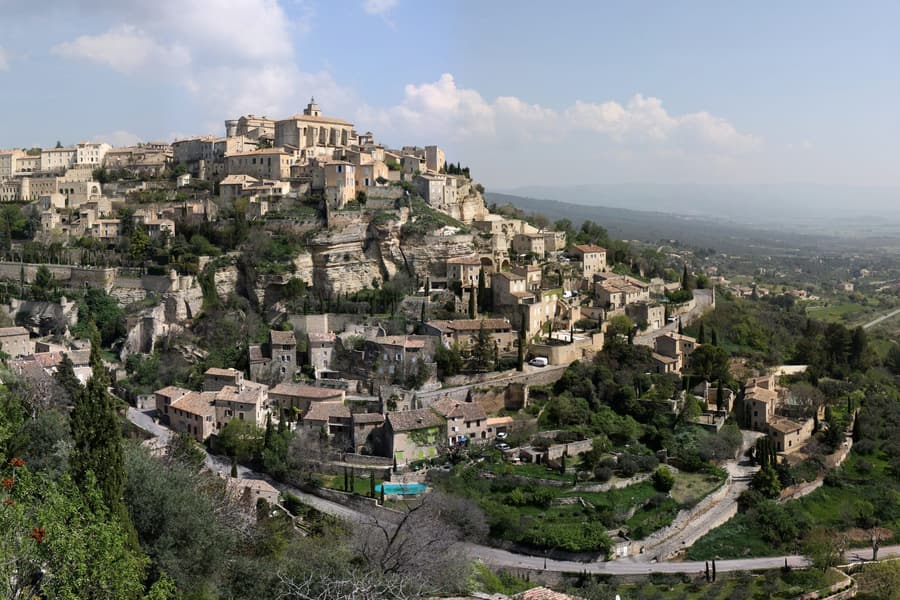 Gordes Dry stone stacked up a Luberon hillside, with Sénanque below.
 -
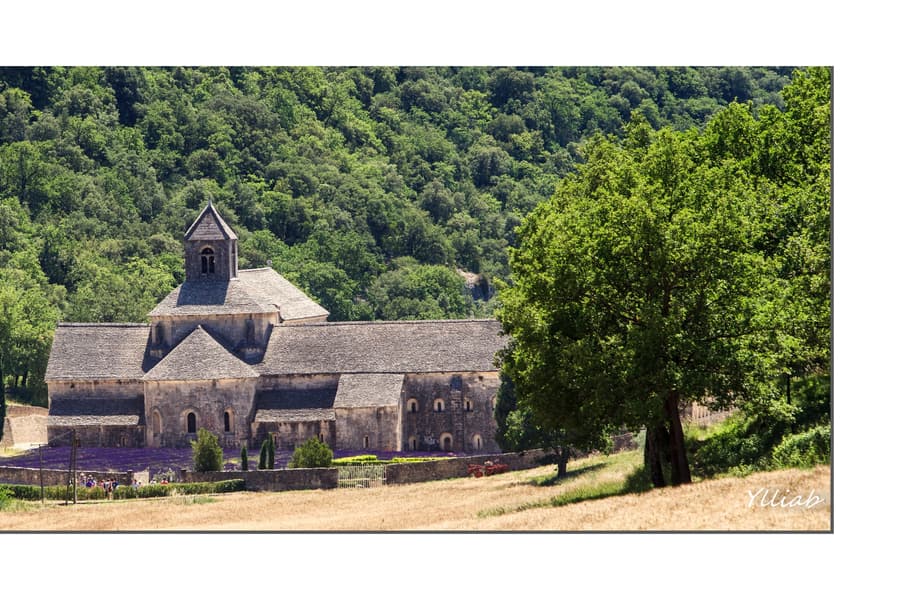 Abbaye de Sénanque A working Cistercian abbey with its lavender field in front.
 -
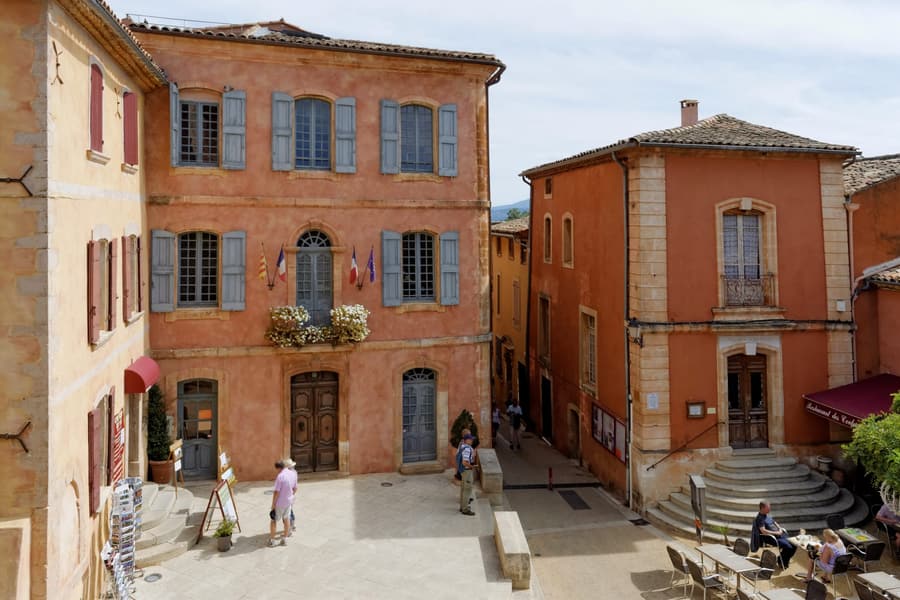 Roussillon & the Ochre Trail A village built from the seventeen shades of ochre it stands on.
 -
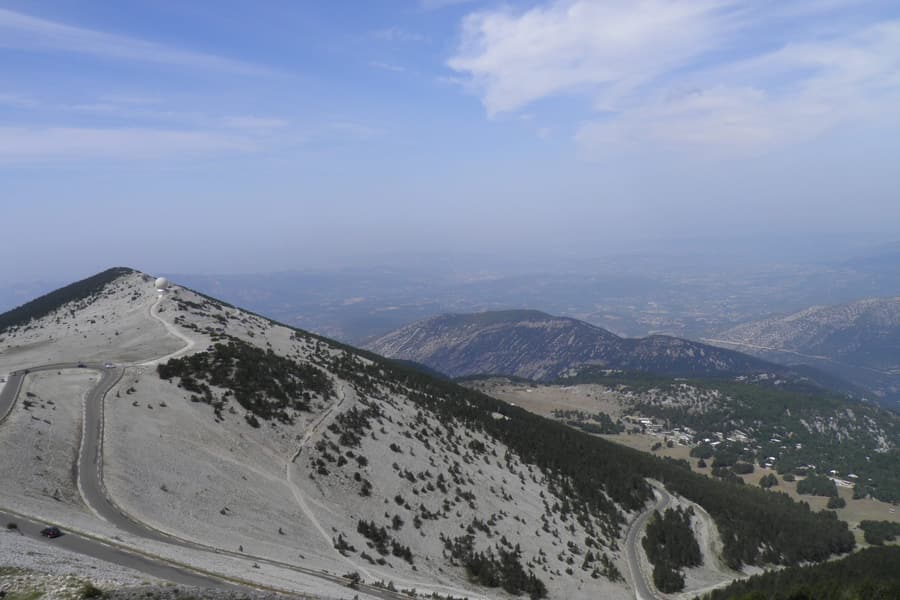 Mont Ventoux 1,910 m of bare limestone — the Tour's hardest climb.
Practical
- Best time to go
- April–June and September–October. July is the festival — extraordinary, and the city is completely full. August is very hot. The mistral blows hardest in winter and spring and can be genuinely fierce here where the Rhône valley narrows.
- Getting there
- TGV Paris–Avignon in 2h40 to Avignon TGV, with a shuttle train to Avignon Centre in five minutes. Marseille is 35 minutes, Lyon an hour, Nîmes twenty minutes. Marseille and Nîmes airports are both about an hour.
- Getting around
- Everything inside the walls is walkable in twenty minutes. Free shuttle buses circle the centre; a free ferry crosses to the Île de la Barthelasse for the classic view back at the palace and the bridge. A car is useful for the Luberon and nothing else.
- Eat & drink
- Provençal, and vegetable-led: tapenade, ratatouille done properly, aïoli on Fridays, and lamb from the Alpilles. The Halles d'Avignon has a living green wall on the front and forty stalls behind it. The wine is Rhône — Châteauneuf-du-Pape is 15 km north and Gigondas and Vacqueyras are just beyond it.
- Know before you go
- During the festival hotel prices treble and rooms go months ahead — and the 'Off' fringe means every courtyard is a theatre and the noise runs to 2am. The Palais des Papes is largely unfurnished; the Histopad tablet included with the ticket is what makes it make sense.
In the area
The tourism areas this town sits inside.
More of Provence-Alpes-Côte d'Azur
-
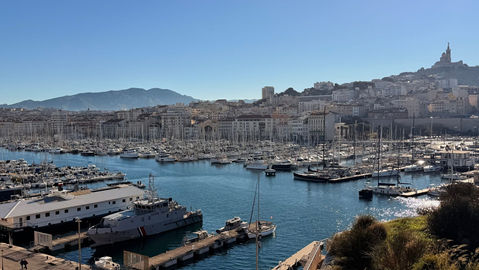 Marseille The oldest city in France, 2,600 years old, with the Calanques next door
 -
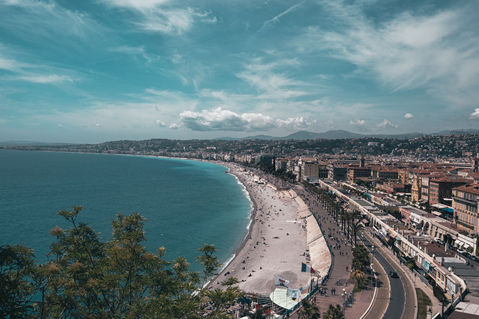 Nice The Baie des Anges, an Italian old town and the Promenade des Anglais
 -
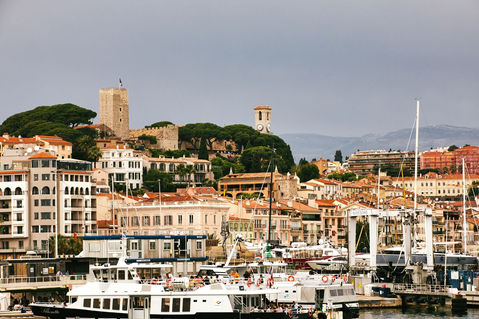 Cannes The Croisette, the festival, and two islands ten minutes offshore
 -
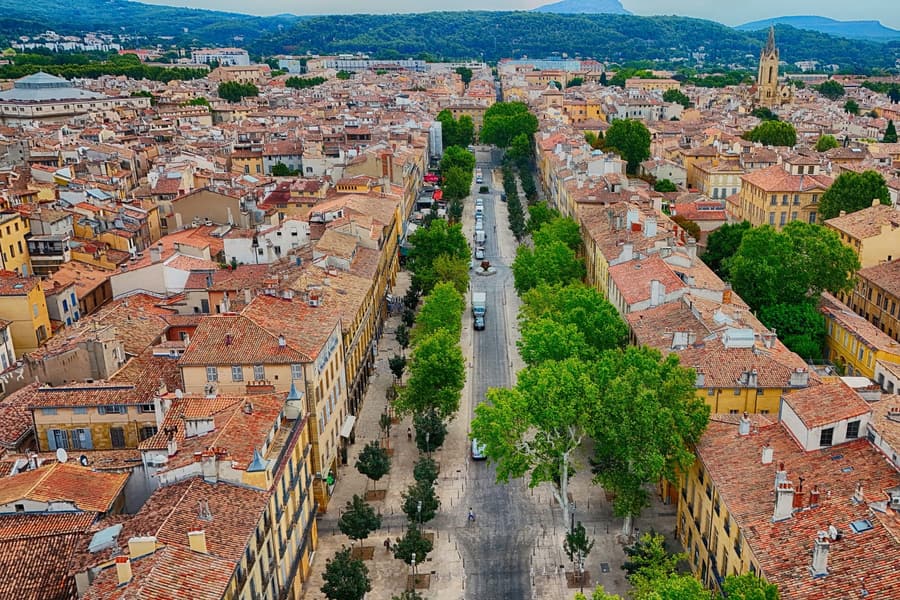 Aix-en-Provence Plane trees, fountains, markets and Cézanne's mountain
 - Arles A Roman arena, Van Gogh's light, and the top of the Camargue
-
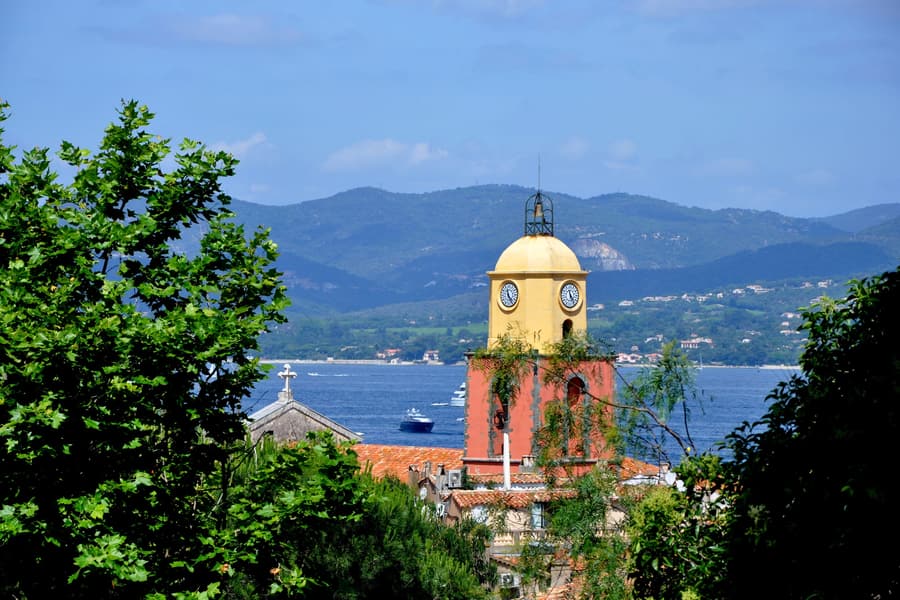 Saint-Tropez Still a fishing port under the yachts, with Pampelonne round the point
 -
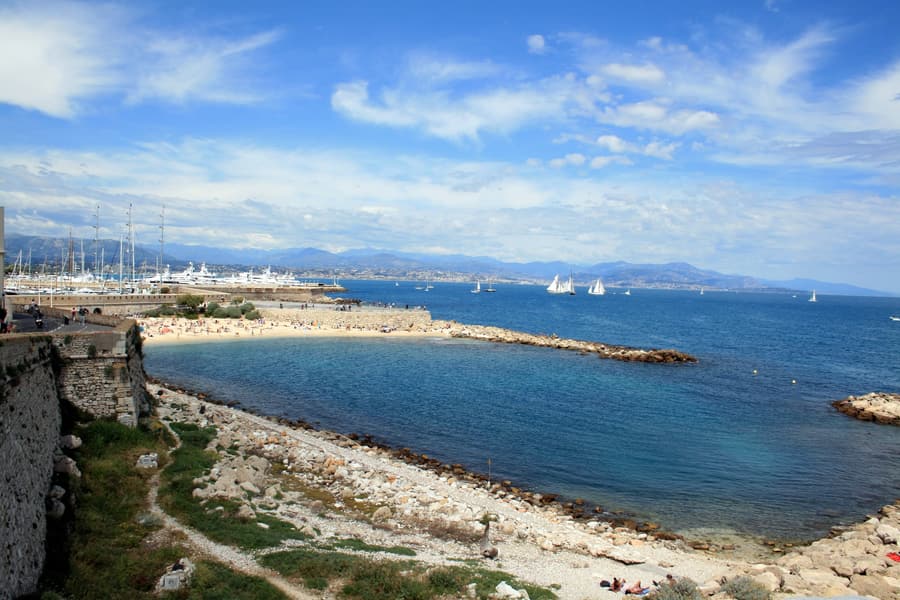 Antibes Ramparts, the biggest marina on the Med, and Picasso's castle studio
 -
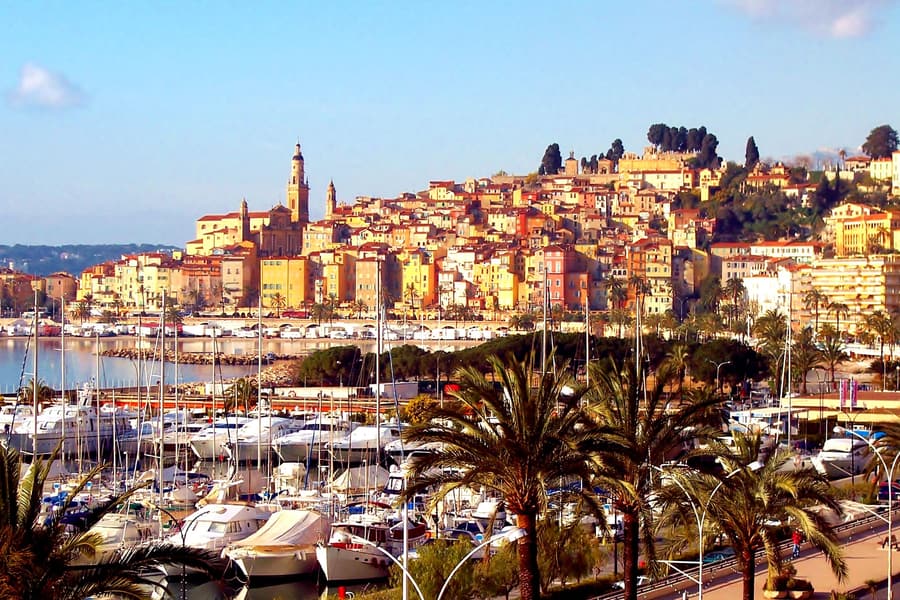 Menton A lemon microclimate on the Italian border, and Cocteau's museum
 -
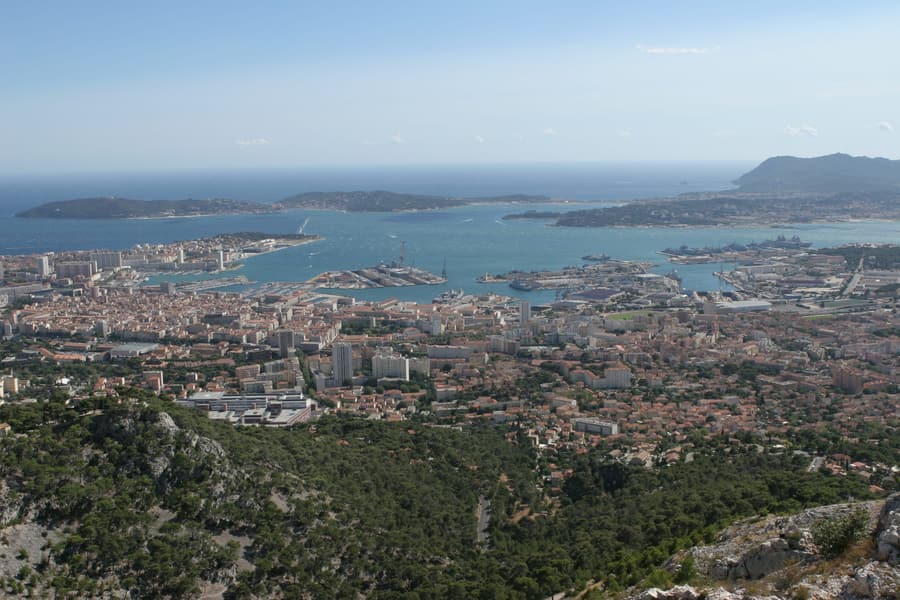 Toulon A naval harbour under Mont Faron, and the ferry to Porquerolles
 -
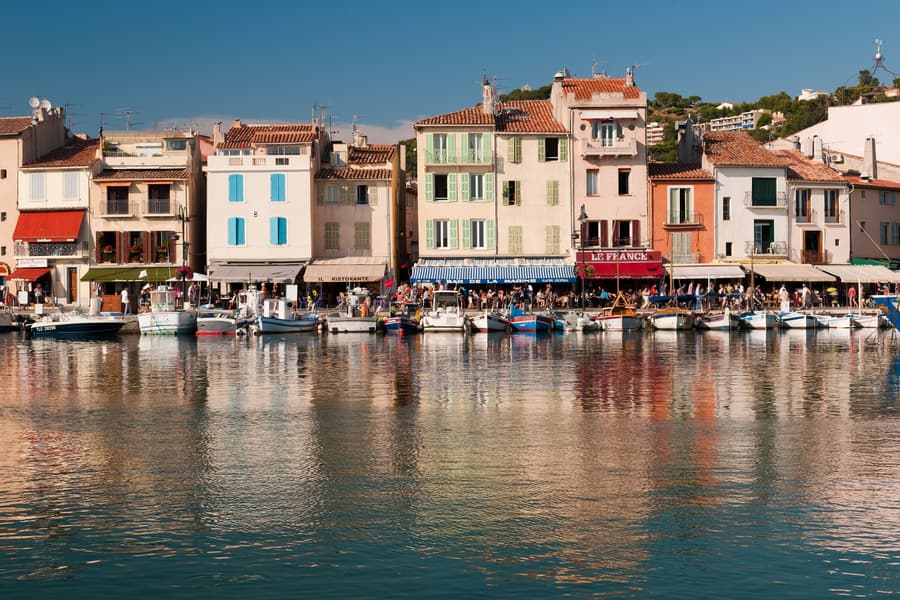 Cassis A fishing port at the eastern end of the Calanques
 - Gordes Dry stone stacked up a Luberon hillside, with Sénanque abbey below
-
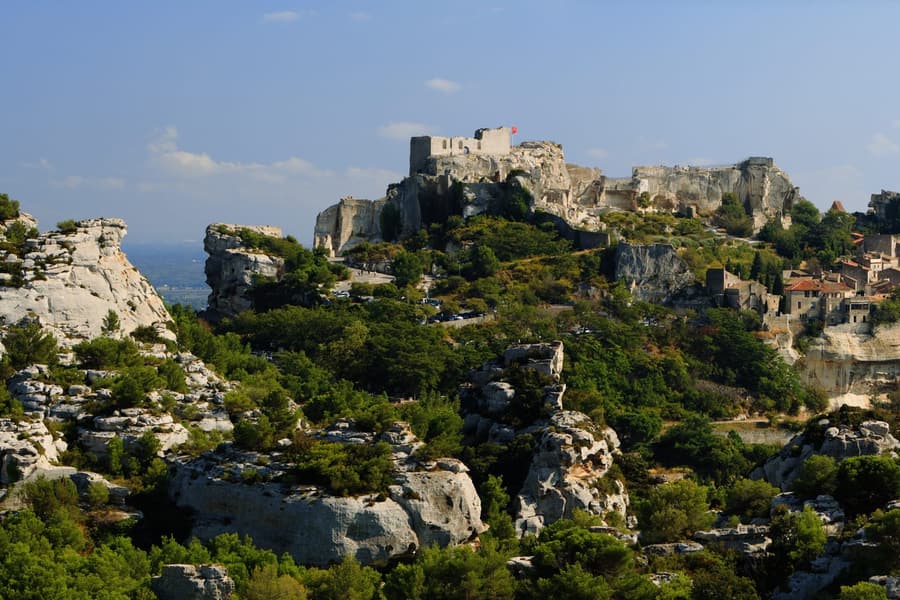 Les Baux-de-Provence A ruined fortress on a limestone spur, over a quarry turned light show
 -
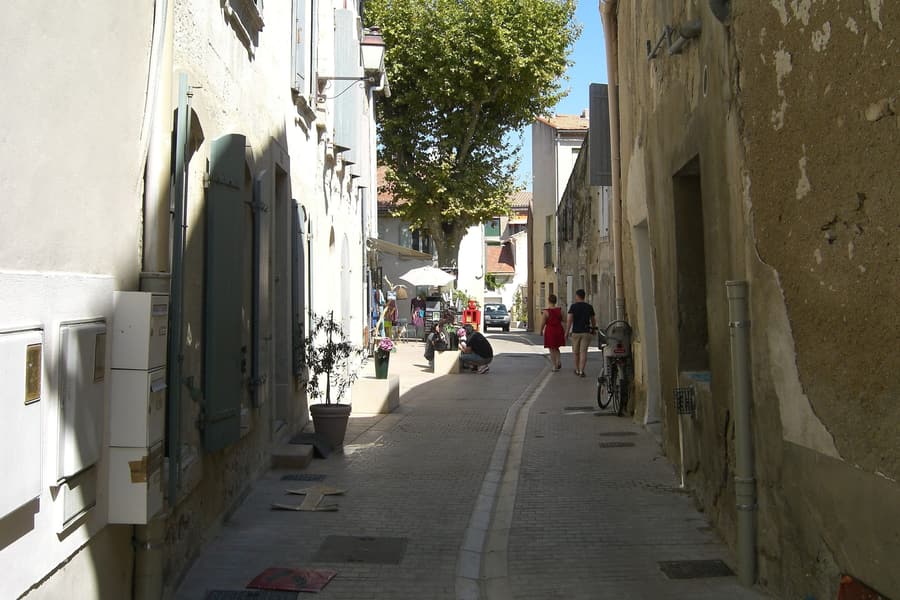 Saint-Rémy-de-Provence Van Gogh's asylum year, a Roman town, and the Alpilles behind
 -
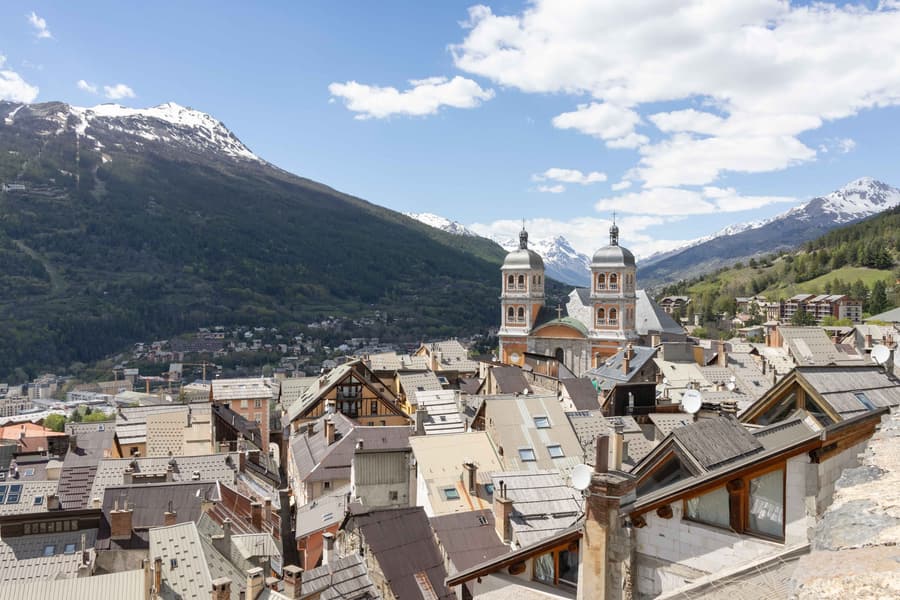 Briançon The highest town in France, walled by Vauban at 1,326 m