Provence is older than France: Arles and Orange have Roman monuments still in weekly use, and Avignon held the papacy for most of the fourteenth century. The Luberon's villages — Gordes, Roussillon on its ochre cliff, Ménerbes — sit on ridges above vineyards and cherry orchards. Lavender flowers on the Valensole plateau for roughly four weeks from late June, and the markets at Aix, Apt and L'Isle-sur-la-Sorgue are the reason many people come at all. The mistral blows down the Rhône hard enough to have its own vocabulary.
© OpenFreeMap · OSM · terrain Mapterhorn · boundaries © EuroGeographics (Eurostat GISCO)
Headline places
What you come to Provence for.
-
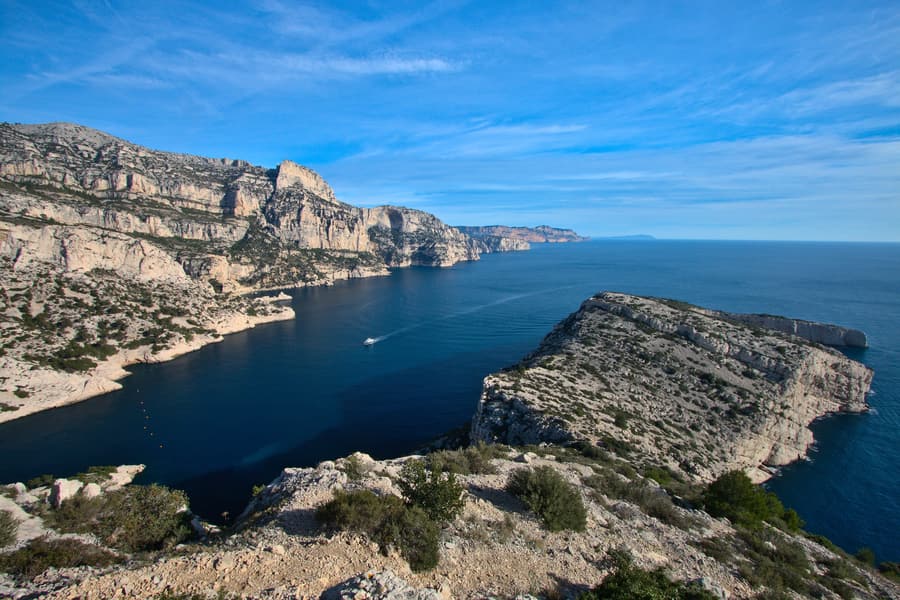 The Calanques White limestone inlets between Marseille and Cassis, reachable on foot or by boat
 -
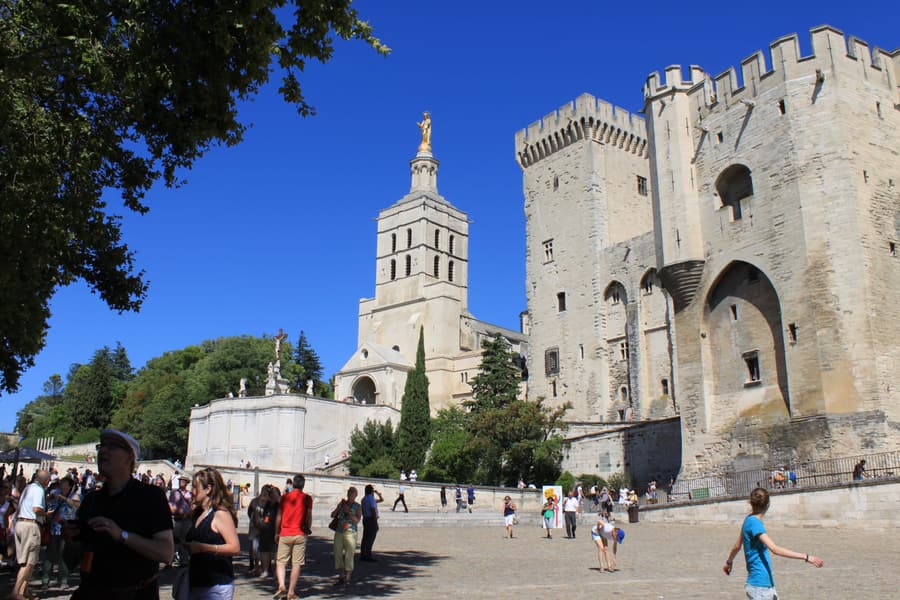 Palais des Papes The largest Gothic palace in the world — the papacy's home for 70 years
 - Pont Saint-Bénézet Four arches of the twenty-two that once crossed the Rhône
-
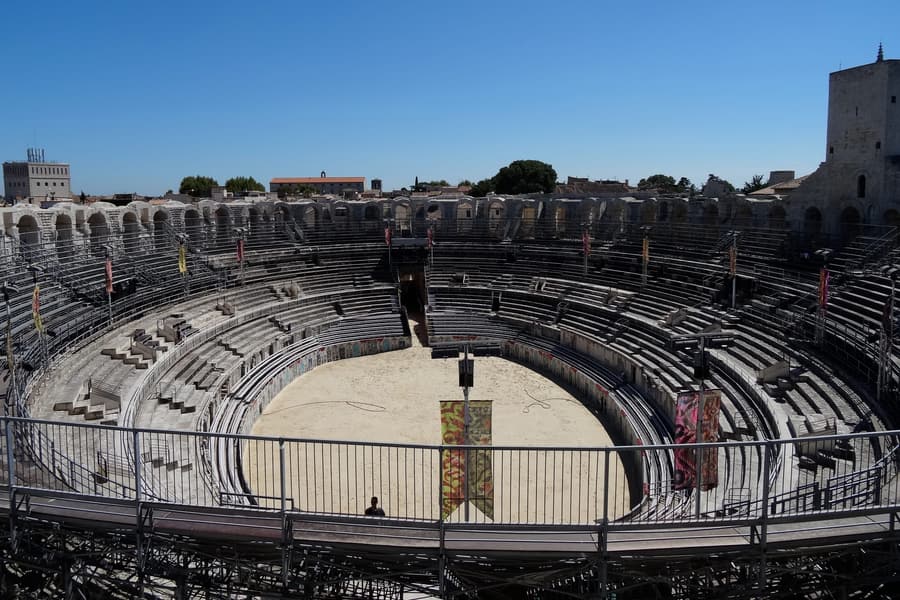 Arènes d'Arles A Roman amphitheatre that spent the Middle Ages as a walled village
 -
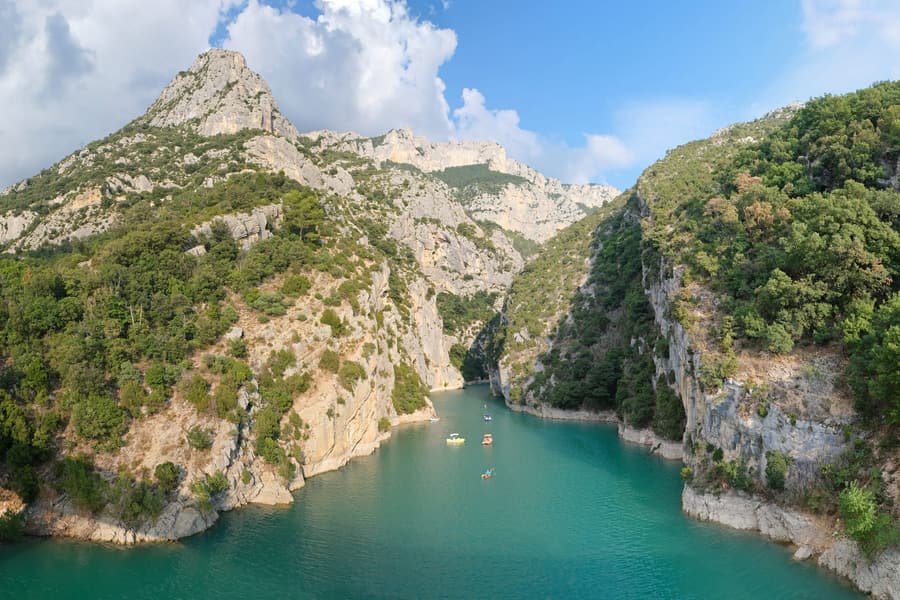 Gorges du Verdon 700 m deep and turquoise, from glacial rock flour in the water
 -
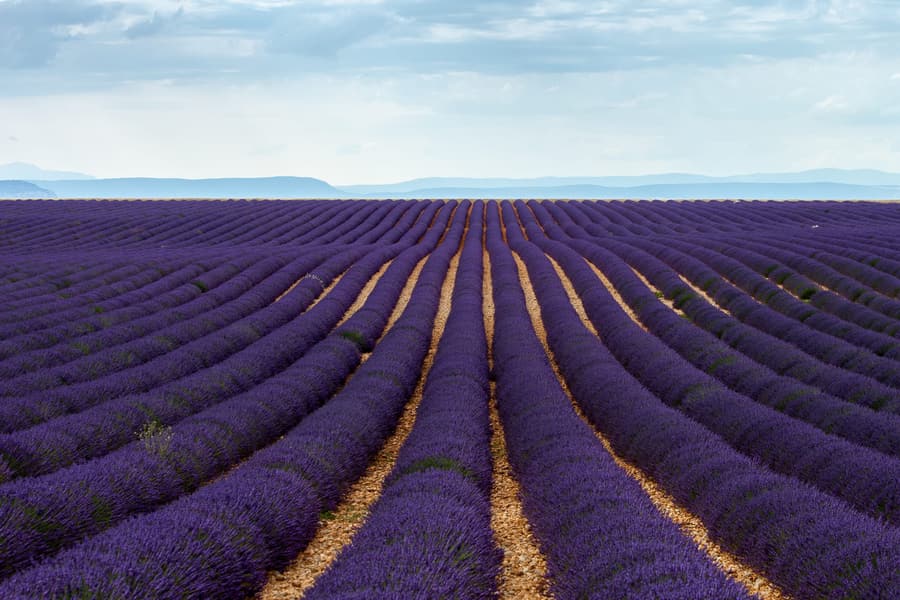 The Valensole Plateau Lavender to the horizon for roughly four weeks from late June
 -
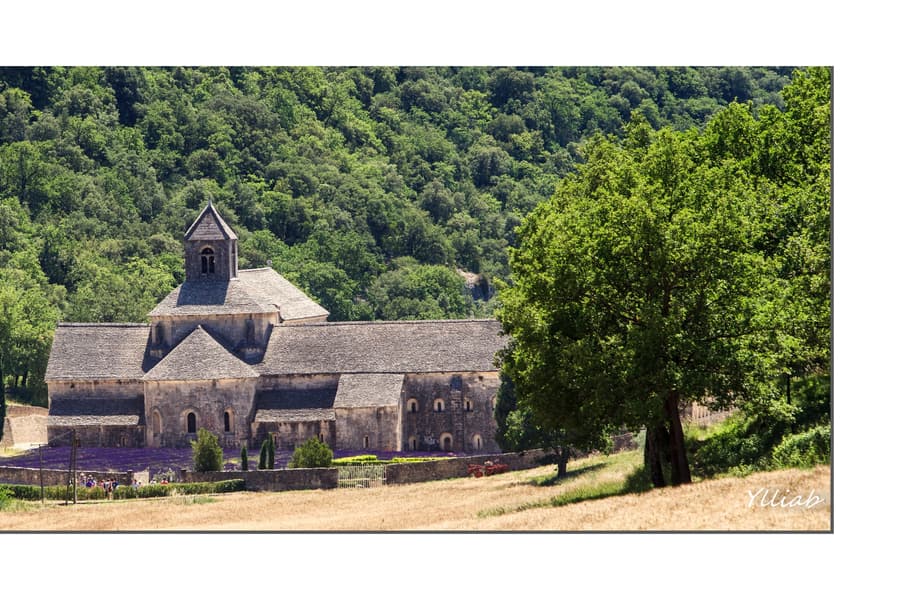 Abbaye de Sénanque A working Cistercian abbey with its lavender field in front of it
 -
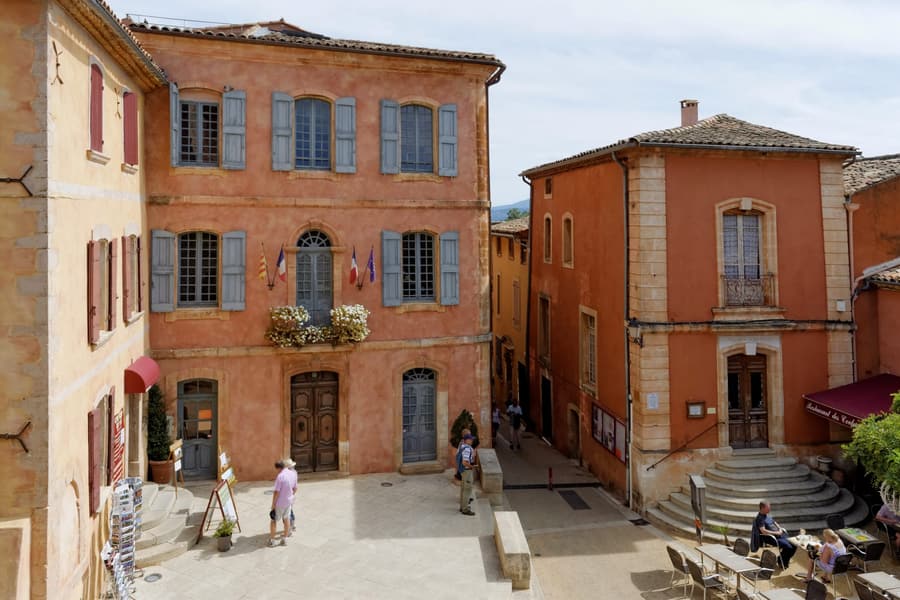 Roussillon & the Ochre Trail A village built from the seventeen shades of ochre it stands on
 -
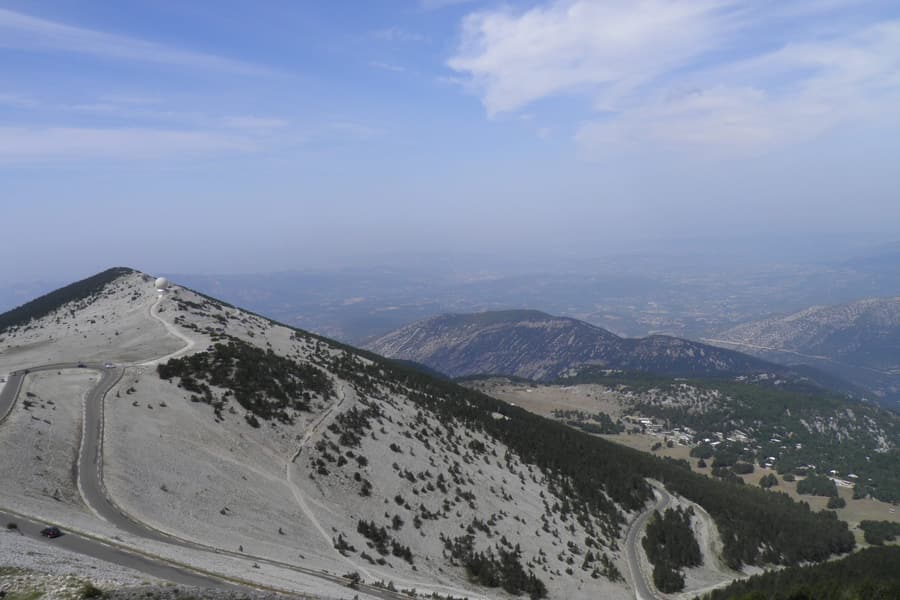 Mont Ventoux 1,910 m of bare limestone — the Tour's hardest climb, and windiest
 -
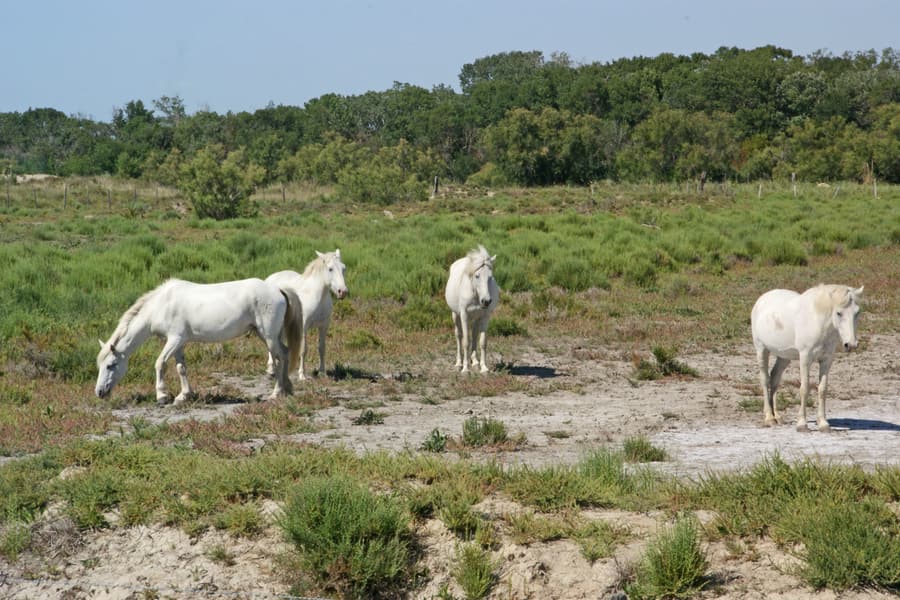 The Camargue White horses, black bulls and pink flamingos on the Rhône delta
 -
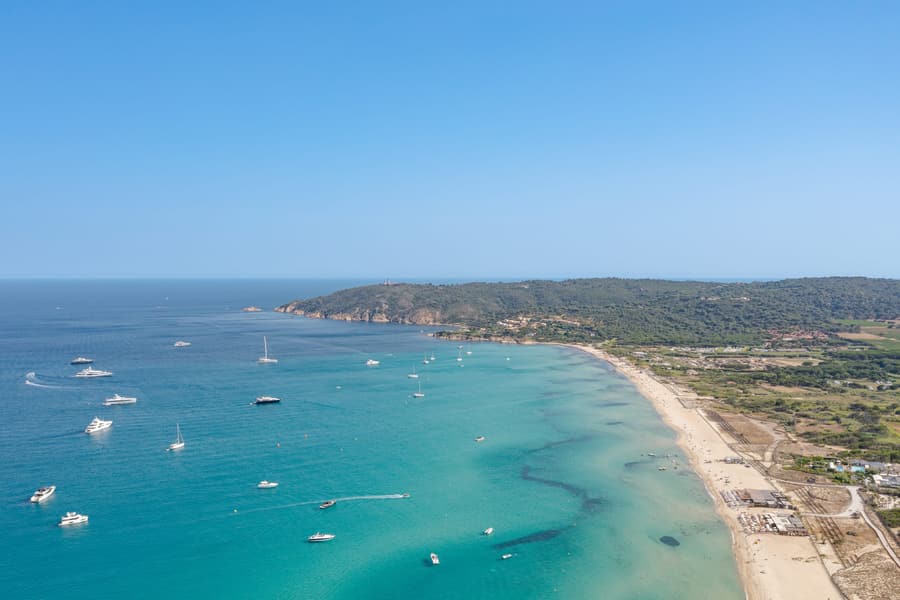 Pampelonne Beach Five kilometres of sand round the point from Saint-Tropez
 -
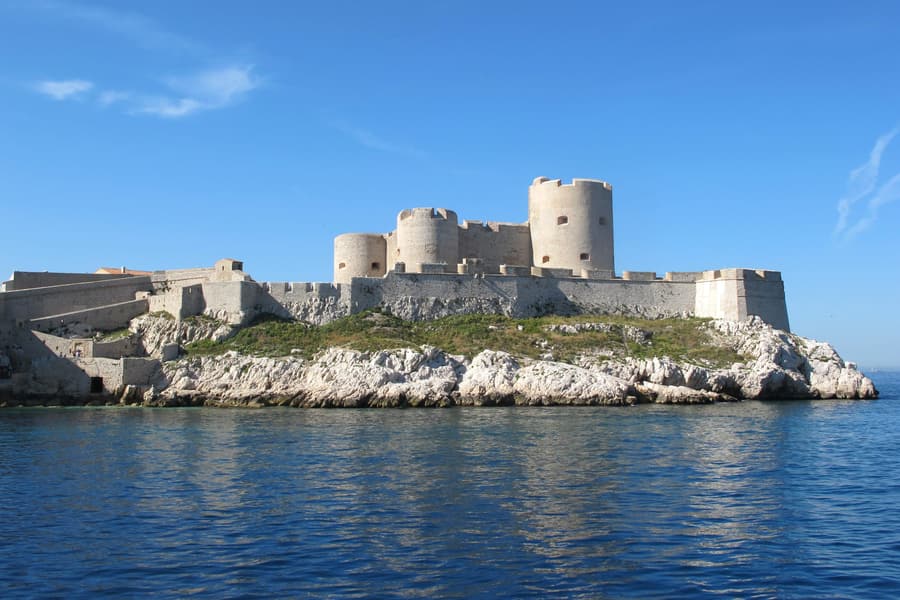 Château d'If The island prison of The Count of Monte Cristo, twenty minutes offshore
Cities & bases
Where to sleep inside the area.
-
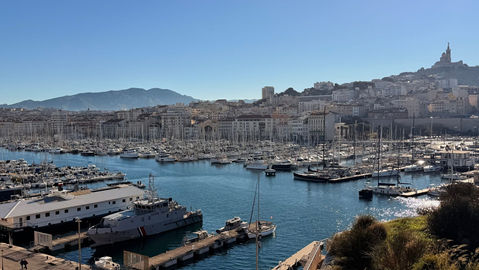 Marseille The oldest city in France, 2,600 years old, with the Calanques next door
 -
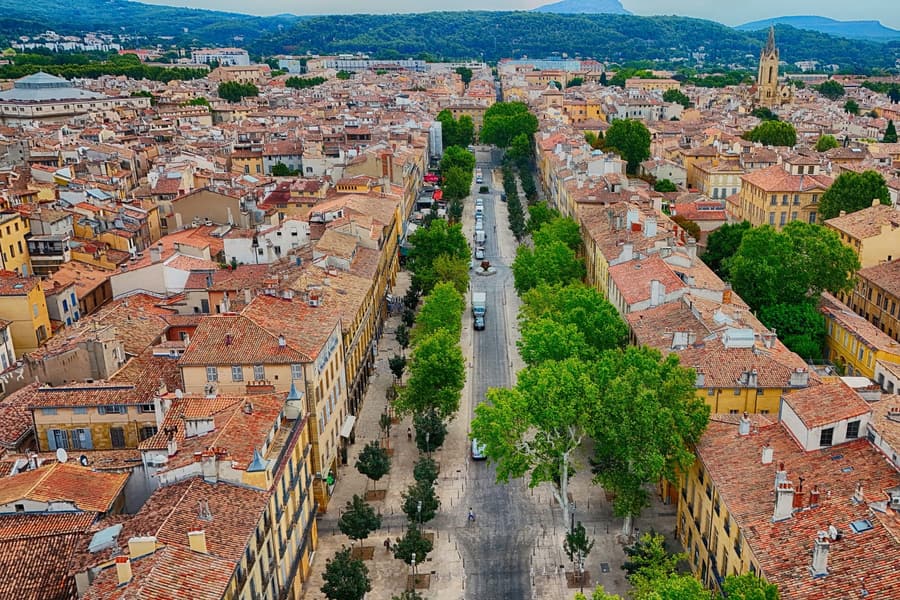 Aix-en-Provence Plane trees, fountains, markets and Cézanne's mountain
 -
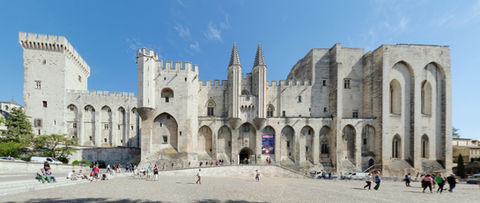 Avignon The largest Gothic palace in the world, and a bridge that stops halfway
 -
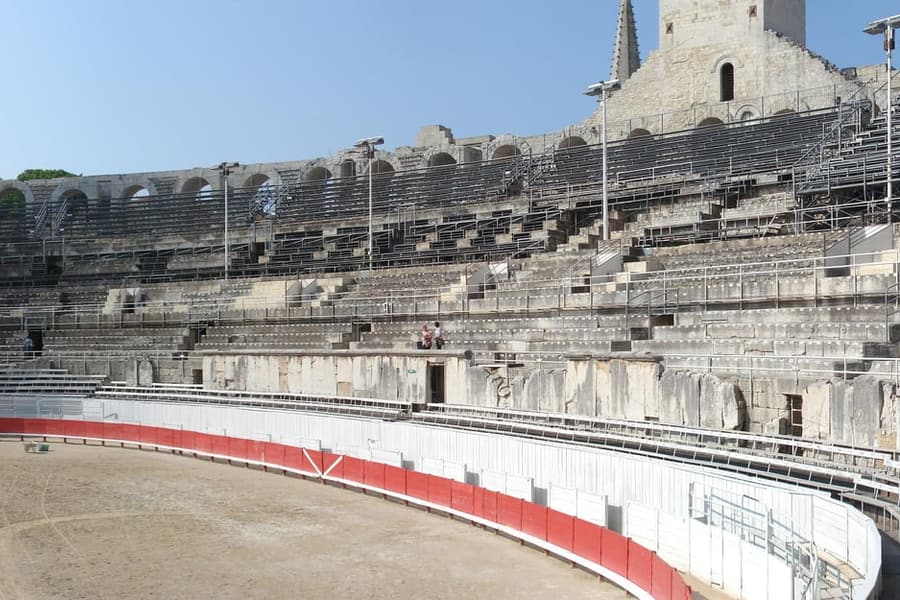 Arles A Roman arena, Van Gogh's light, and the top of the Camargue
 -
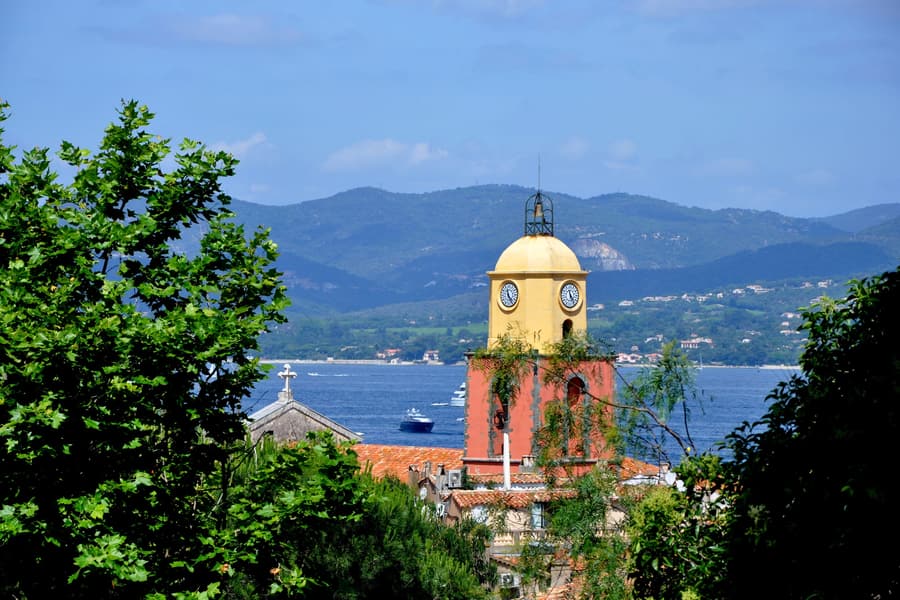 Saint-Tropez Still a fishing port under the yachts, with Pampelonne round the point
 -
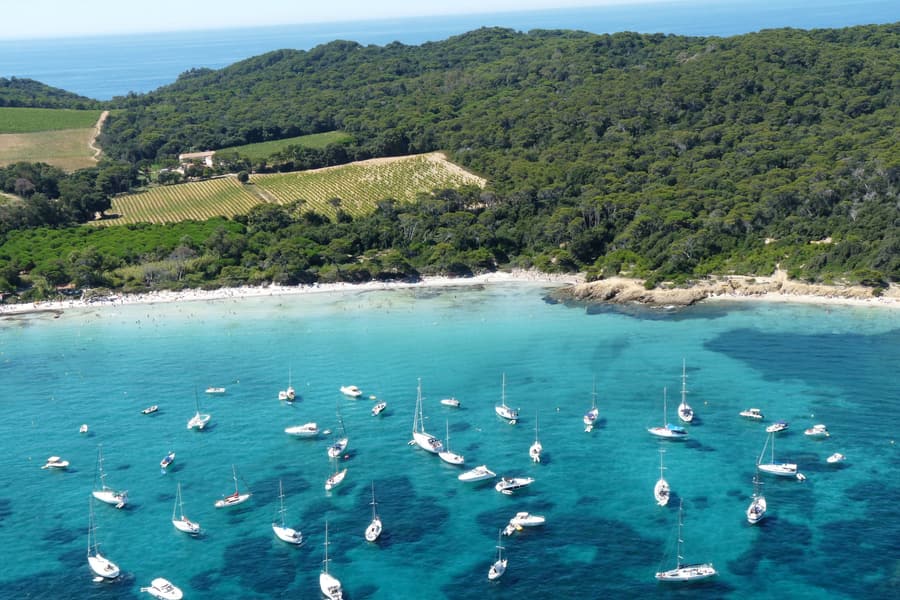
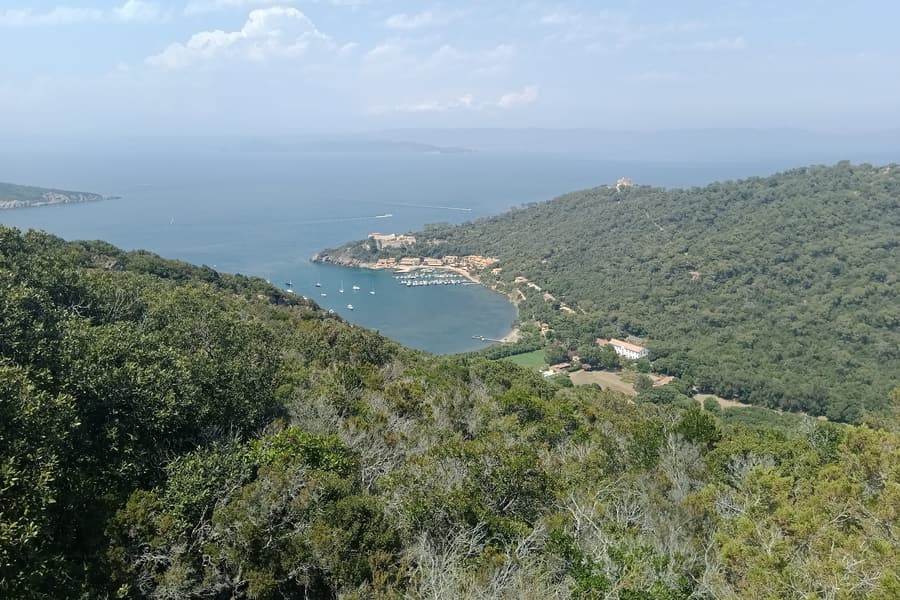
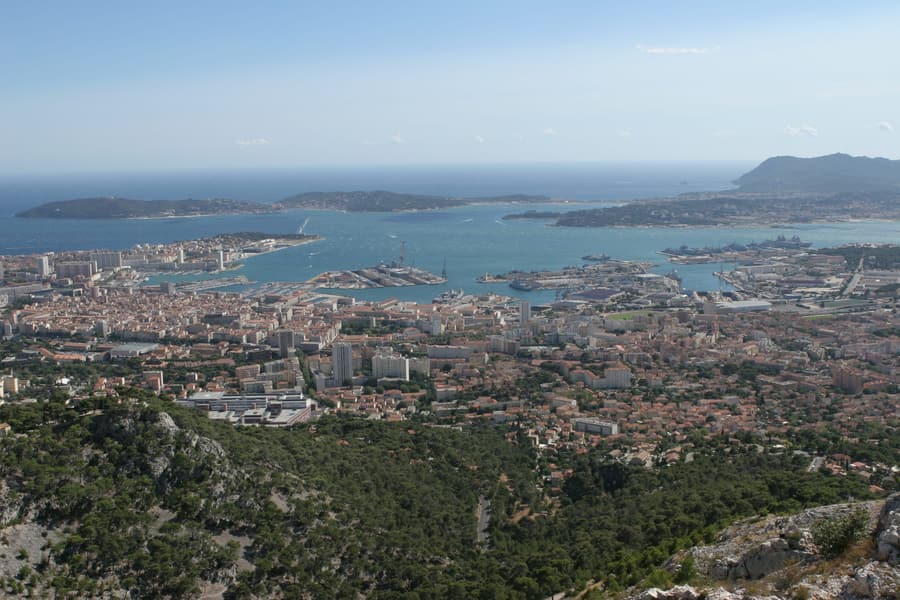 Toulon A naval harbour under Mont Faron, and the ferry to Porquerolles
 -
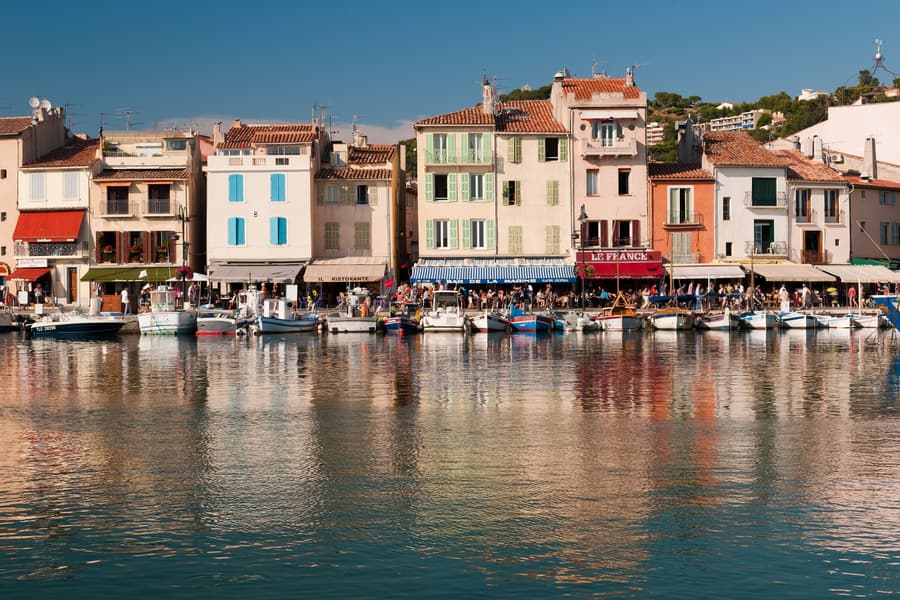 Cassis A fishing port at the eastern end of the Calanques
 -
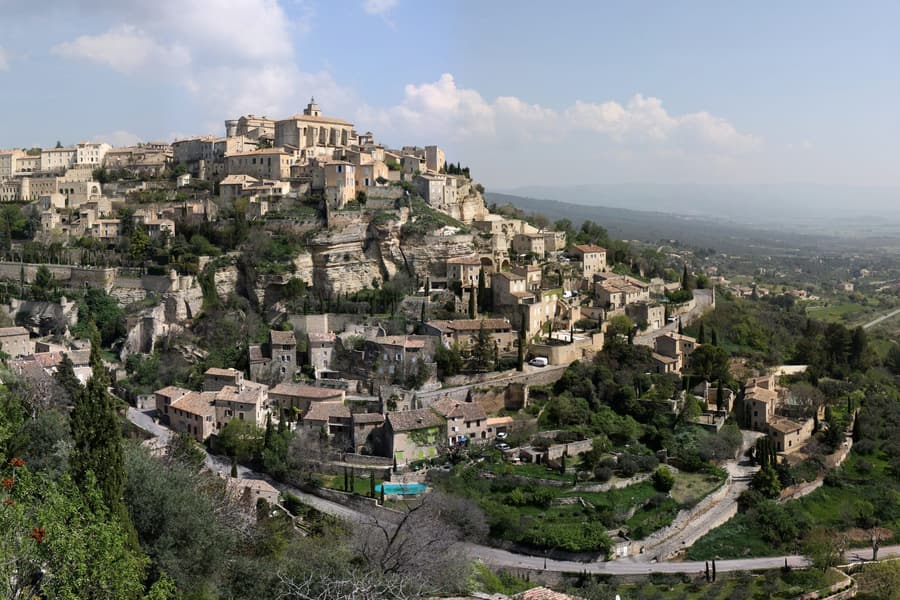 Gordes Dry stone stacked up a Luberon hillside, with Sénanque abbey below
 -
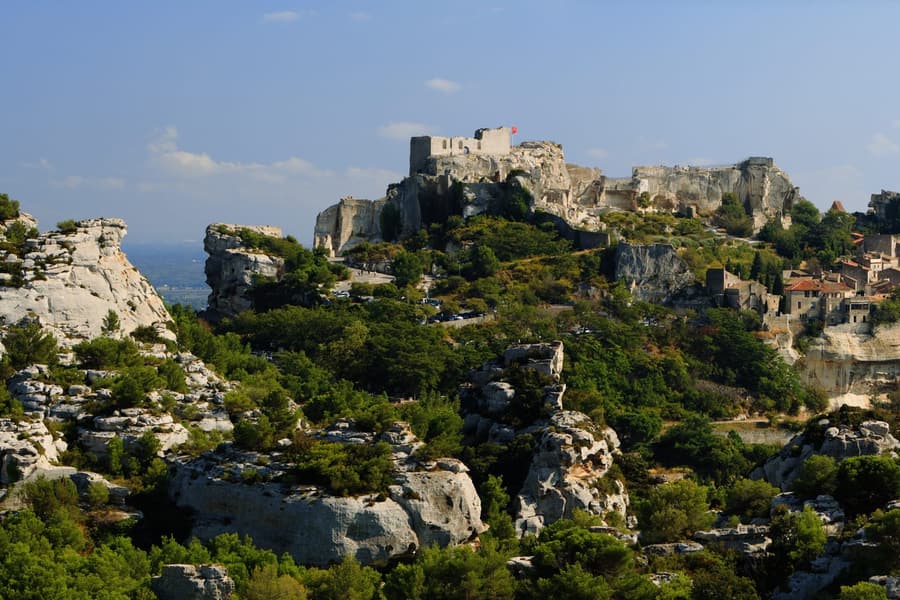 Les Baux-de-Provence A ruined fortress on a limestone spur, over a quarry turned light show
 -
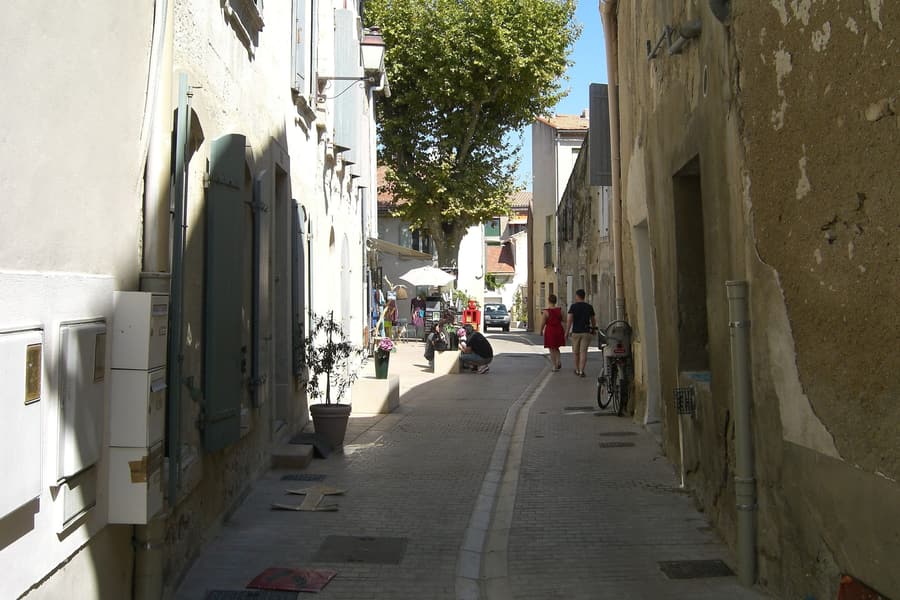 Saint-Rémy-de-Provence Van Gogh's asylum year, a Roman town, and the Alpilles behind
Islands
Practical
- Best time to go
- April–June and September–October. Lavender on the Valensole plateau flowers roughly from the last week of June to mid-July and is cut soon after — it is a four-week window, not a summer-long one. July and August are hot, extremely busy and the roads through the Luberon become slow. The mistral blows hardest between November and April and can hold for three days.
- Getting there
- TGV Paris–Avignon 2h40 and Paris–Aix TGV 3h. Marseille Provence and Nîmes airports are both under an hour from the Luberon. Avignon is the best rail base; Aix is the best road base. Provence genuinely wants a car — the villages are 10–20 km apart with two buses a day.
- Getting around
- Drive, and plan around markets rather than distances. The main market days are Monday Cavaillon, Tuesday Gordes, Wednesday Saint-Rémy, Thursday Nyons, Friday Lourmarin, Saturday Apt and Arles, Sunday L'Isle-sur-la-Sorgue. The Luberon has a signed cycle route (Autour du Luberon, 236 km) that avoids the worst of the traffic.
- Eat & drink
- Vegetable-led and olive-oil-based rather than butter: tapenade, ratatouille, aïoli, petits farcis, lamb from the Alpilles, and goat's cheeses wrapped in chestnut leaves. Melons from Cavaillon in July, black truffle around Carpentras in winter. The wine is Rhône — Châteauneuf-du-Pape, Gigondas, Vacqueyras — plus Ventoux and Luberon at a third of the price.
- Know before you go
- The lavender fields are working farms. Walking into the rows crushes the crop and the growers are, reasonably, tired of it — stop at the marked viewpoints. Gordes and Roussillon charge for parking and fill by 10am in summer. Sénanque abbey is a working monastery with restricted visiting hours and asks for silence.
The region it sits in
Tourism areas and administrative regions are different geographies — both are true, and both are browsable here.