Strasbourg sits on the Ill a couple of kilometres from the Rhine, and has changed nationality four times since 1870. The result is a city that is neither French nor German but visibly both: half-timbered Alsatian houses, a French administrative grid, a German imperial quarter built in twenty years flat, and the European Parliament on the edge of it all. The Grande Île — the whole island city centre — was the first entire urban centre UNESCO ever listed, in 1988.
The cathedral was the tallest building in the world for 227 years and is still, at 142 m, the sixth-tallest church anywhere. La Petite France is the most photographed quarter in eastern France for good reason. And the Christkindelsmärik has run since 1570, which makes it the oldest Christmas market in France and arguably the reason the format exists.
Things to do
- Strasbourg Cathedral — Pink Vosges sandstone, a single asymmetric spire, and a platform at 66 m you climb 332 steps to reach.
- La Petite France on foot — The Ponts Couverts and the Barrage Vauban terrace, which is where the postcard view actually is.
- Palais Rohan — Three museums in one episcopal palace — decorative arts, fine arts and archaeology.
- A boat on the Ill — 70 minutes round the island and out to the European quarter, through two locks.
- The Christmas market — Eleven separate markets across the city, 300 chalets, from late November.
- Musée Alsacien — Three connected burgher houses showing how Alsace actually lived. Small, and the best context for the wine road.
Where to base yourself
The Strasbourg neighbourhoods worth knowing before you book.
- Coming soon Grande Île The whole island centre, UNESCO-listed: the cathedral, Place Kléber, the museums and most of the hotels.
- Coming soon La Petite France The tanners' quarter at the western tip — canals, locks, covered bridges and the most photographed houses in Alsace.
- Coming soon Neustadt The German imperial quarter, built 1871–1918 in one sweep. Wide, monumental, and UNESCO-listed since 2017.
- Coming soon Krutenau The student quarter east of the island — bars, cheap food and the university.
- Coming soon Européen The Parliament, the Council of Europe and the Human Rights building, plus the Orangerie park. Worth the tram ride.
3 days in Strasbourg
- Day 1 The island
Cathedral at opening, then the platform and the astronomical clock at 12:30. Lunch in a winstub. Afternoon at the Palais Rohan and the Musée Alsacien, then La Petite France at golden hour from the Barrage Vauban.
- Day 2 Neustadt and Europe
Walk the German imperial quarter to Place de la République, then tram to the European Parliament and the Orangerie. Afternoon boat on the Ill. Dinner in Krutenau.
- Day 3 The wine road
South by car or train: Obernai, then Riquewihr and Ribeauvillé, with Haut-Kœnigsbourg above them. Finish in Colmar, 30 minutes by train from Strasbourg.
Day trips
Worth the train or the drive from Strasbourg.
-
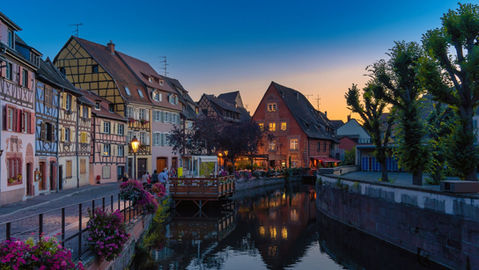
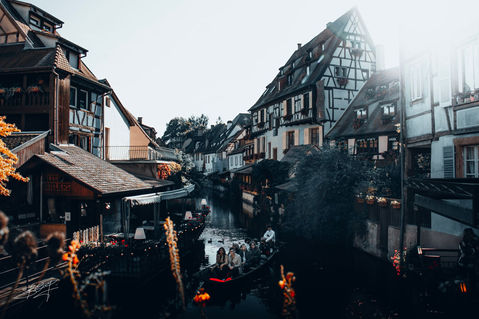 Colmar 30 min by train — Little Venice and the Isenheim Altarpiece.
 -
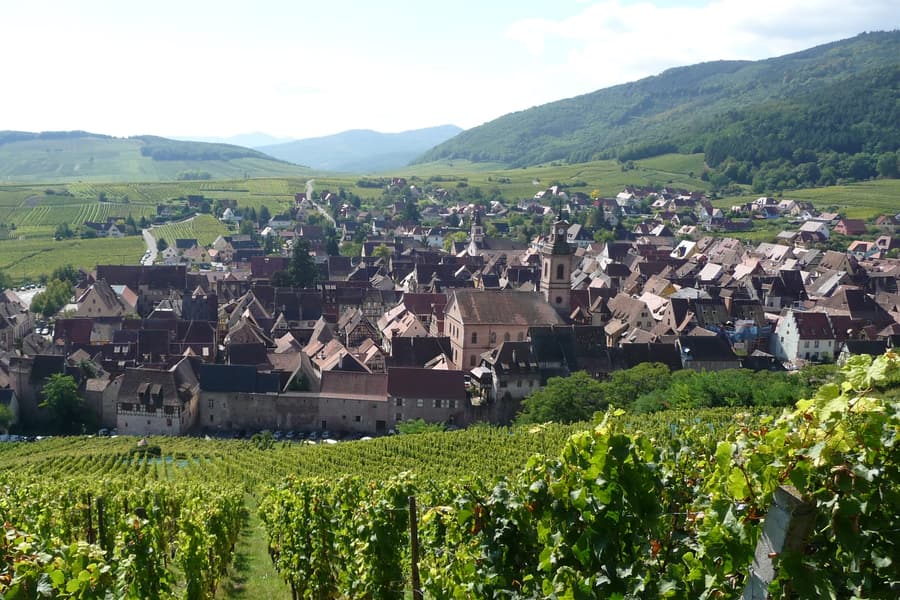 Riquewihr Inside its medieval walls, essentially unchanged since the 1500s.
 -
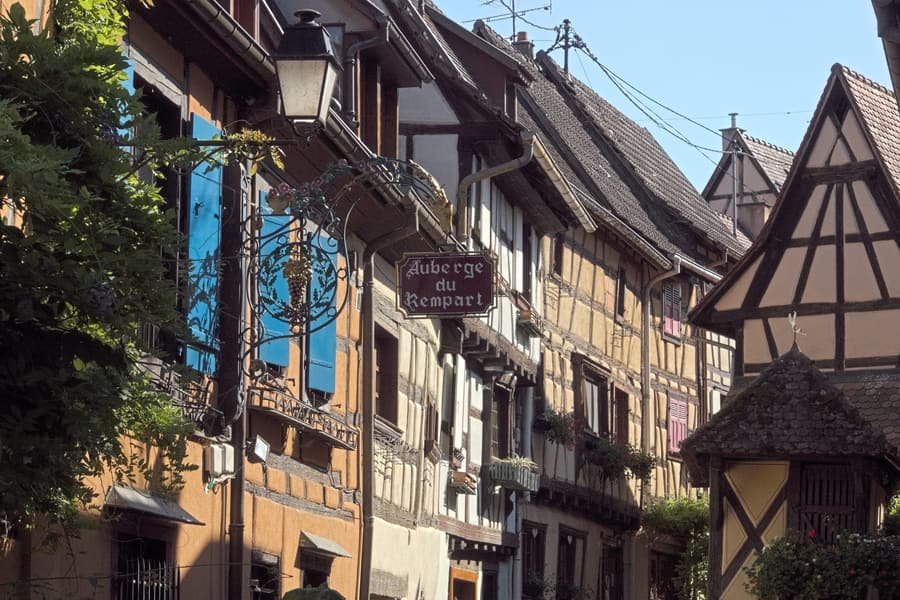 Eguisheim Concentric rings of half-timbered houses round a castle.
 -
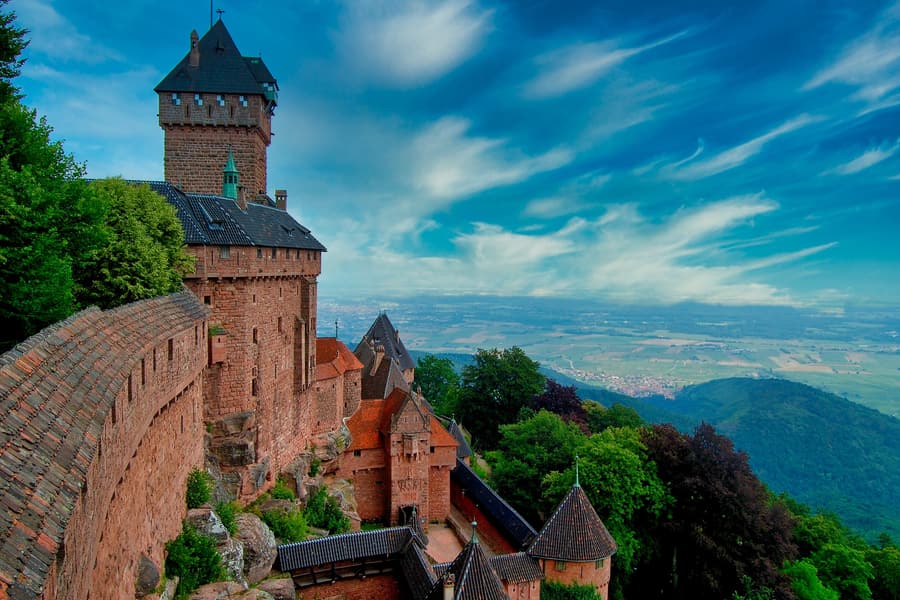 Château du Haut-Kœnigsbourg A red sandstone fortress at 750 m over the whole Rhine plain.
 -
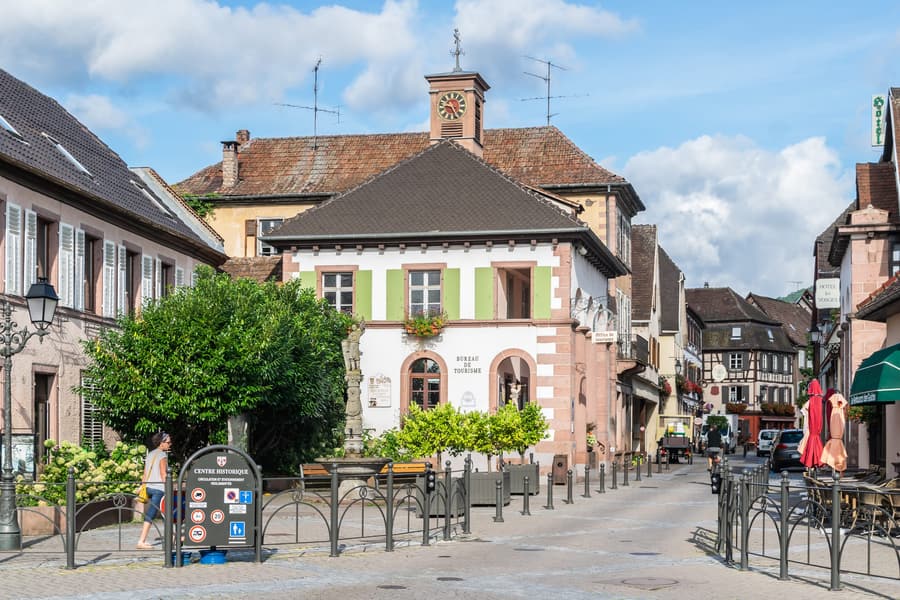 Ribeauvillé Three ruined castles above a wine village on the Route des Vins.
 -
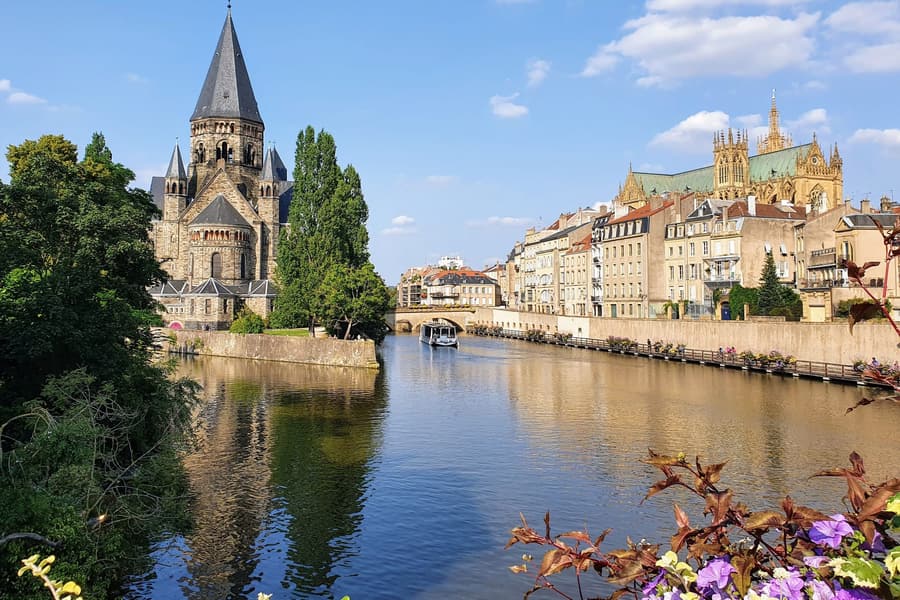 Metz 50 min by TGV — 6,500 m² of stained glass, Chagall included.
Practical
- Best time to go
- Late November to 24 December for the Christmas market — the whole city becomes it, and you should book six months ahead. Otherwise May–June and September–October. Summer is warm and the wine road behind is at its best in September.
- Getting there
- TGV Est Paris–Strasbourg in 1h46. Strasbourg airport is 9 minutes by train; Basel-Mulhouse and Frankfurt-Hahn are also usable. Kehl, in Germany, is one stop on the tram — the D line crosses the Rhine.
- Getting around
- Six tram lines and a centre small enough to walk end to end in twenty minutes. Strasbourg has more cycle lanes than any other French city — 600 km of them — and the Vélhop hire scheme is cheap. Boat tours of the Ill loop the island in 70 minutes.
- Eat & drink
- Alsatian, and heavy: choucroute garnie, baeckeoffe, tarte flambée (thin, cream, bacon, onion — order several), and coq au riesling. The winstub is the local institution, wood-panelled and wine-focused. Kougelhopf and bredele at Christmas. The wine is white, dry and mostly riesling, gewurztraminer or pinot gris.
- Know before you go
- The Christmas market is genuinely crowded — around two million visitors in four weeks — and hotel prices roughly double. The cathedral's astronomical clock does its full display once a day at 12:30 and needs a separate ticket bought that morning. Much of the centre closes on Sunday.
In the area
The tourism areas this town sits inside.
More of Grand Est
- Colmar Little Venice, the Isenheim Altarpiece and the wine road's capital
-
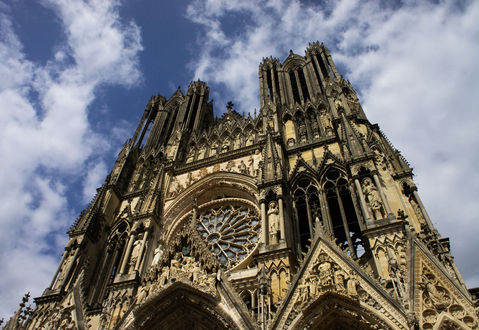 Reims The coronation cathedral, Chagall's windows and champagne cellars beneath
 -
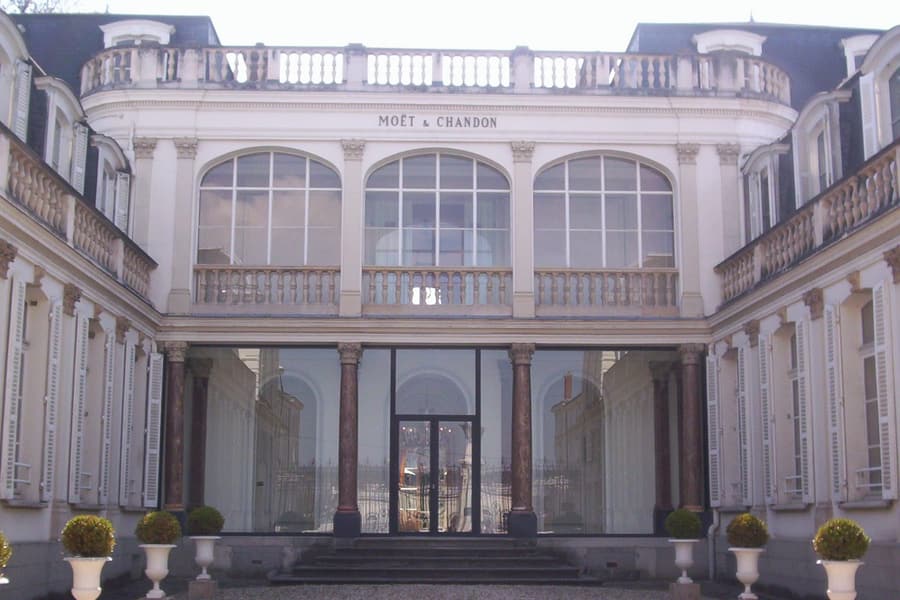 Épernay The Avenue de Champagne, and 110 km of cellars under it
 -
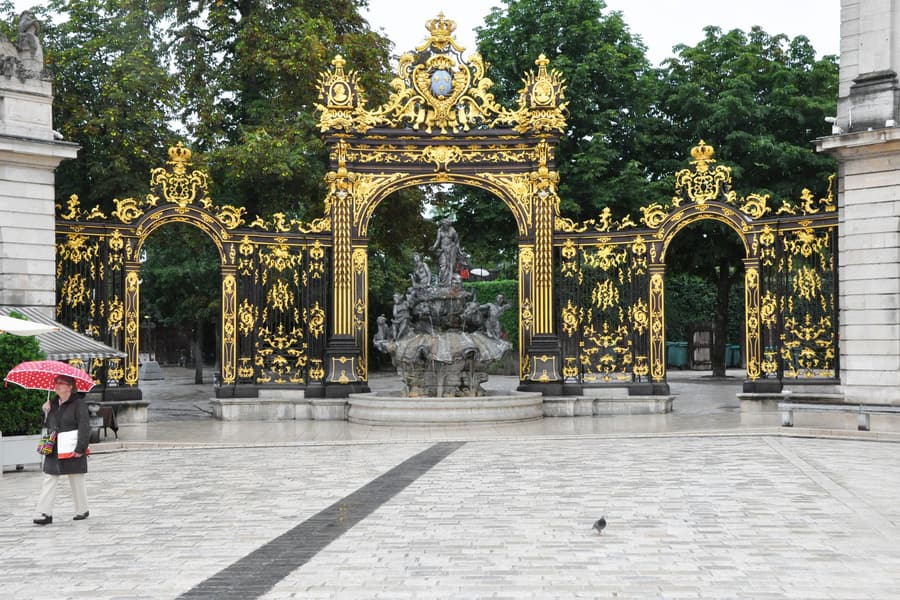 Nancy Place Stanislas, gilded railings and the École de Nancy's Art Nouveau
 - Metz 6,500 m² of stained glass, and a Centre Pompidou under a Chinese hat
-
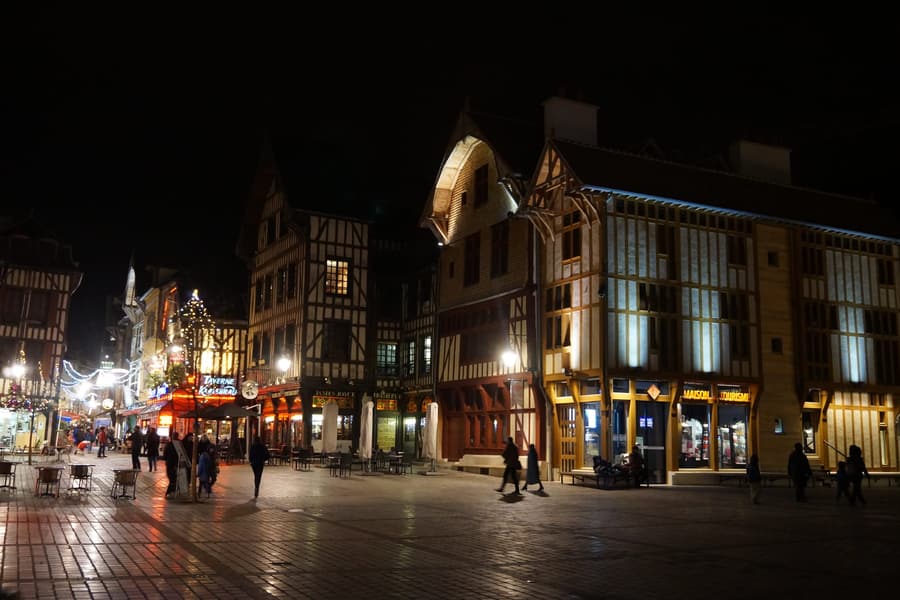 Troyes Half-timbered Champagne capital, and the original factory outlets
 -
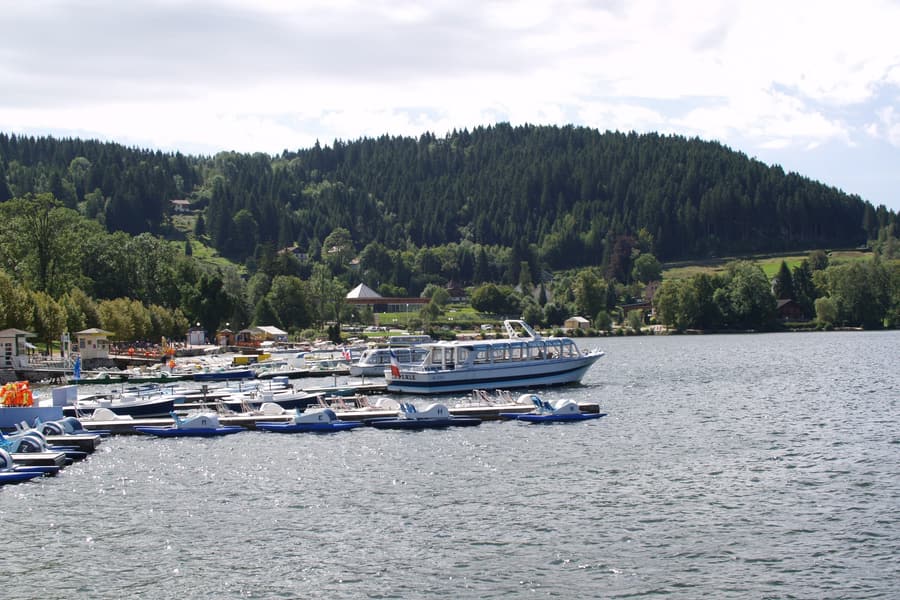 Gérardmer The Vosges' lake resort — sailing in summer, skiing in winter
 -
 Verdun The longest battle of the First World War, and its ossuary