Corsica is described locally as a mountain in the sea, and the numbers back it: twenty peaks above 2,000 m on an island 183 km long, with Monte Cinto at 2,706 m. Two-fifths of it is a regional nature park. The GR20 that crosses it is widely called the hardest waymarked trek in Europe. The coast is the counterweight — Bonifacio on its white chalk cliff, the red porphyry of the Calanques de Piana, Palombaggia's pines and pale sand, and the Scandola reserve, which you can only reach by boat. Ajaccio was Napoleon's birthplace; Bastia and Corte hold the island's Genoese and nationalist histories respectively.
- Bonifacio and the chalk cliffs
- The Calanques de Piana and the Scandola reserve
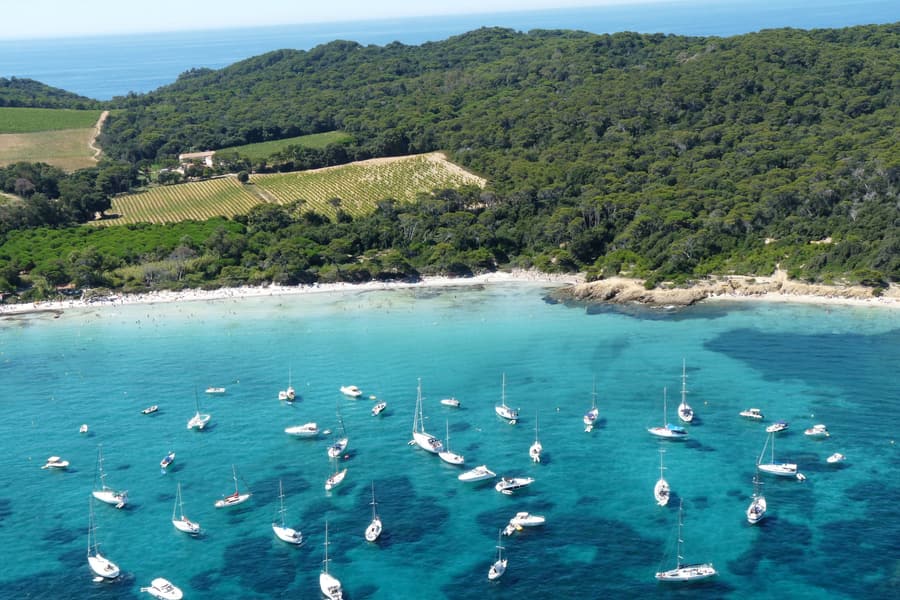
- Palombaggia and Rondinara beaches
- The GR20 and the Restonica valley
- Ajaccio and the Maison Bonaparte
- Corte and the island's interior
- Best time to go
- May–June and September for walking and empty beaches; July–August is hot, full and expensive, and the GR20 refuges book out months ahead. Much of the island closes from November to March.
- Getting there
- Flights to Ajaccio, Bastia, Calvi and Figari from Paris, Marseille and Nice; ferries from Marseille, Toulon and Nice (and from Livorno and Savona in Italy). A car is essential — the mountain roads are slow and beautiful.
Headline places
What france.fr leads with in Corsica.
-
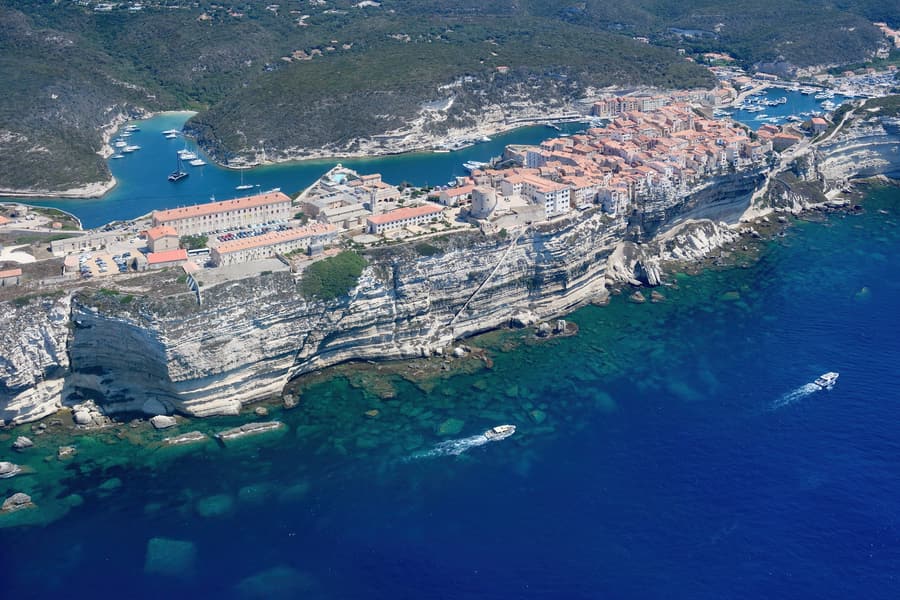 The Cliffs of Bonifacio A citadel undercut on white chalk, with Sardinia 12 km across the strait
 -
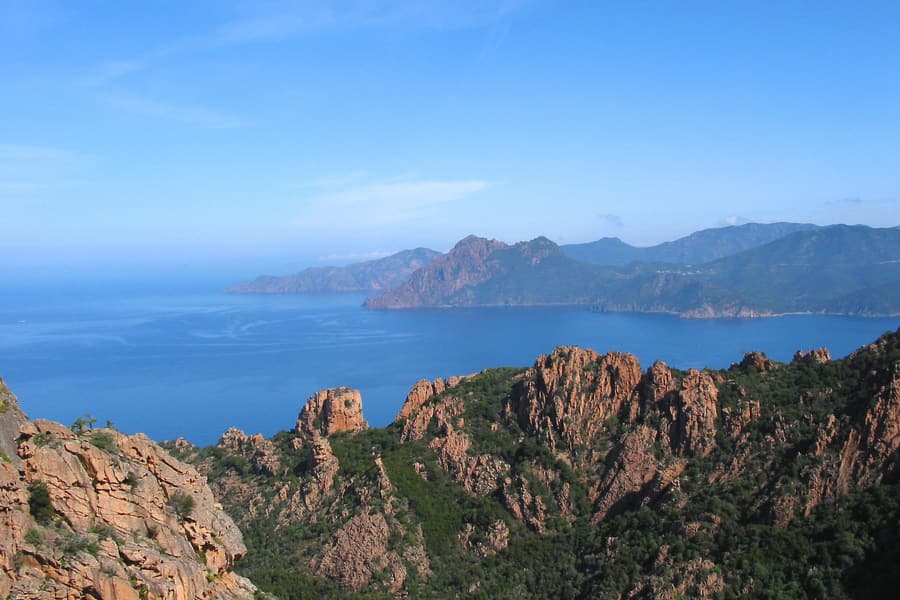 Calanques de Piana Red porphyry towers dropping straight into the Gulf of Porto
 -
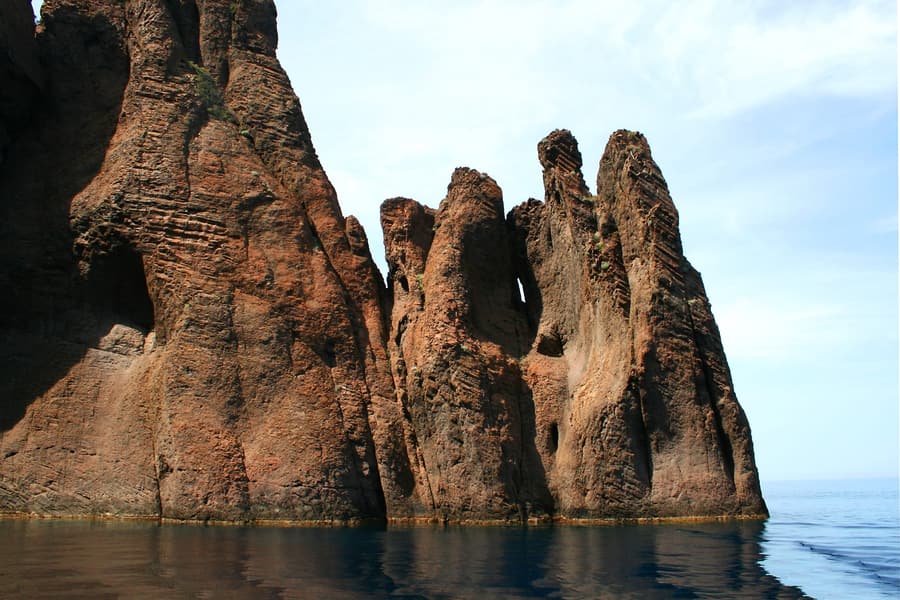 Scandola Nature Reserve A UNESCO marine reserve with no road to it — boat access only
 -
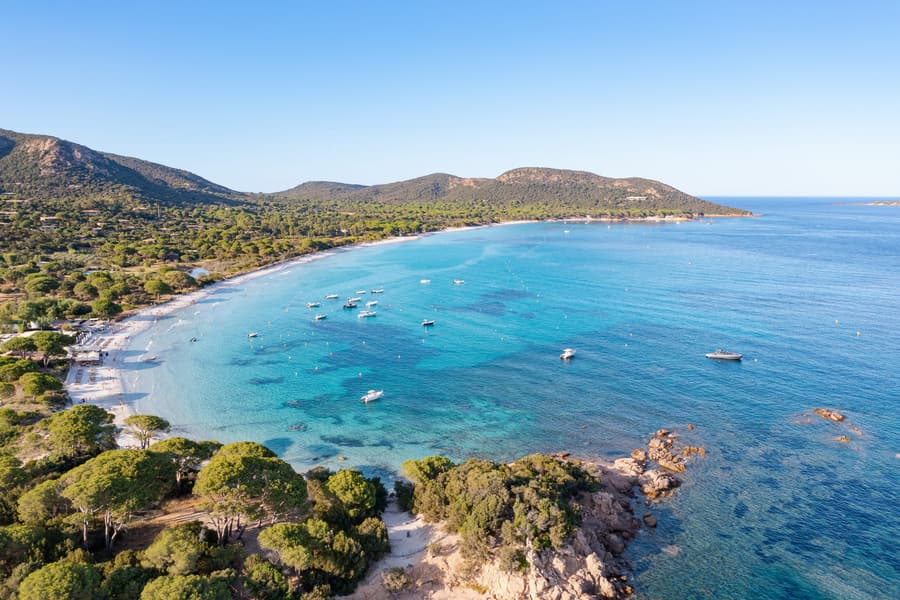 Palombaggia Umbrella pines, red rocks and pale sand south of Porto-Vecchio
 -
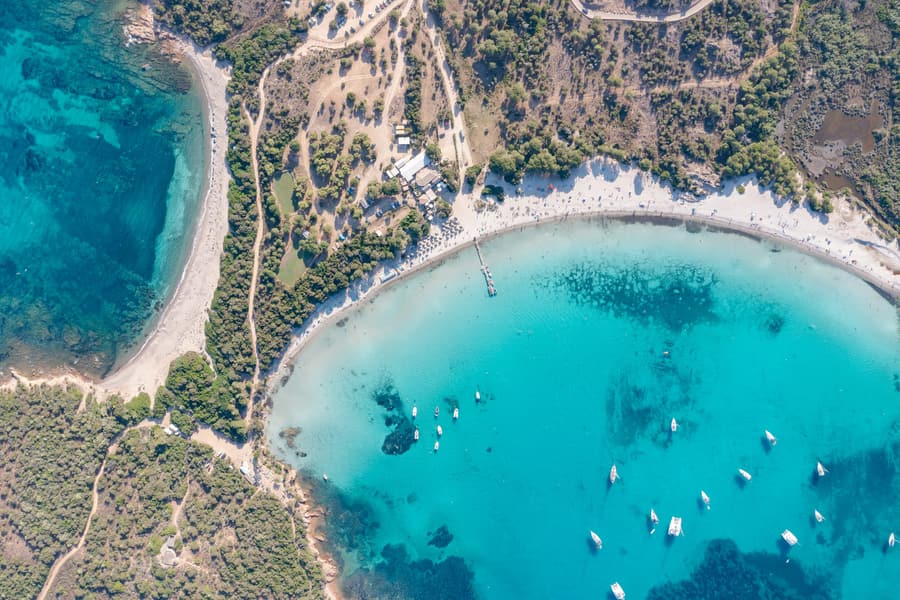 Rondinara An almost perfectly circular shell-shaped bay
 -
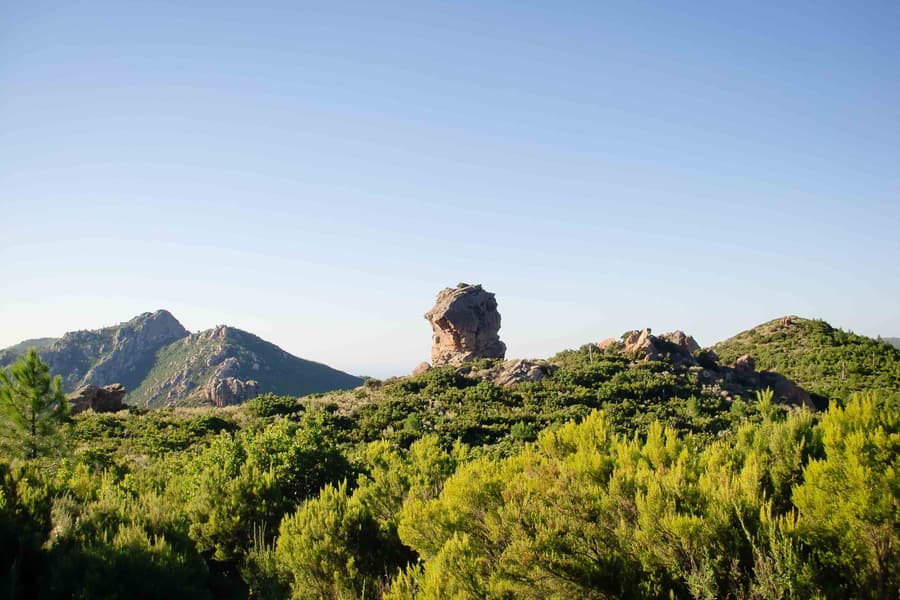 The GR20 180 km across Corsica's spine — often called Europe's hardest waymarked trek
 -
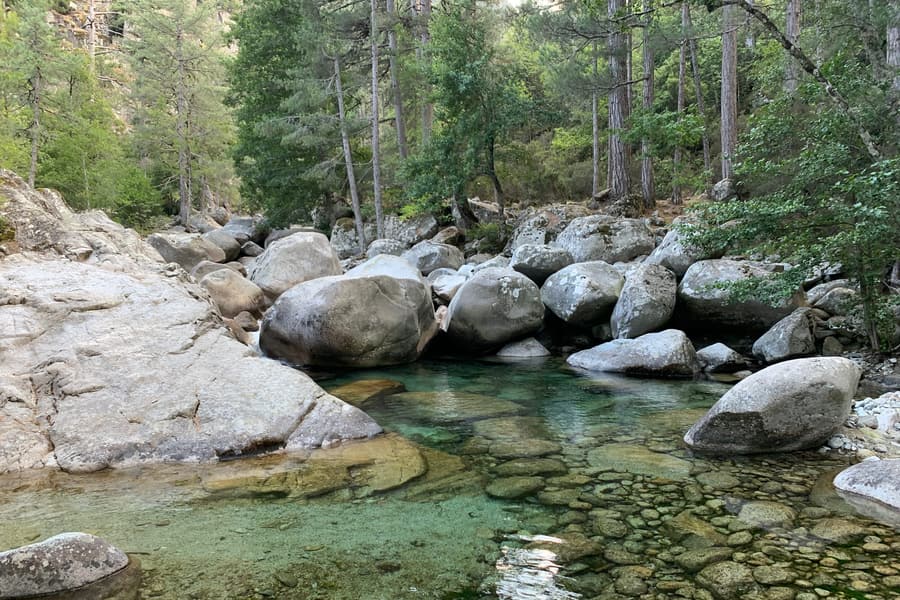 The Restonica Valley Glacial lakes above Corte, up a road that concentrates the mind
 -
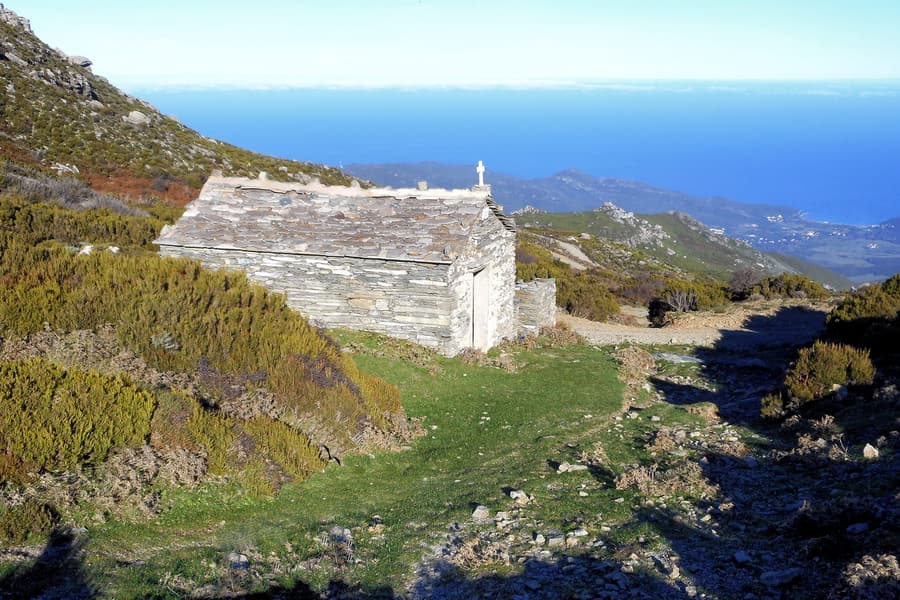 Cap Corse A 40 km finger of Genoese towers, terraced vines and empty coves
 -
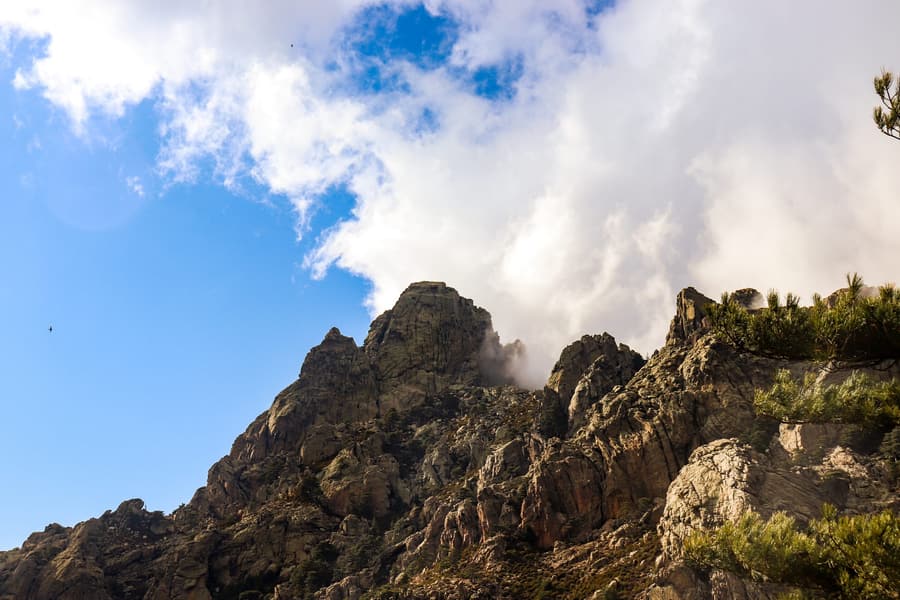 Aiguilles de Bavella Seven red granite needles over a pass on the GR20
Cities & bases
Where to sleep, and what each place is good for.
-
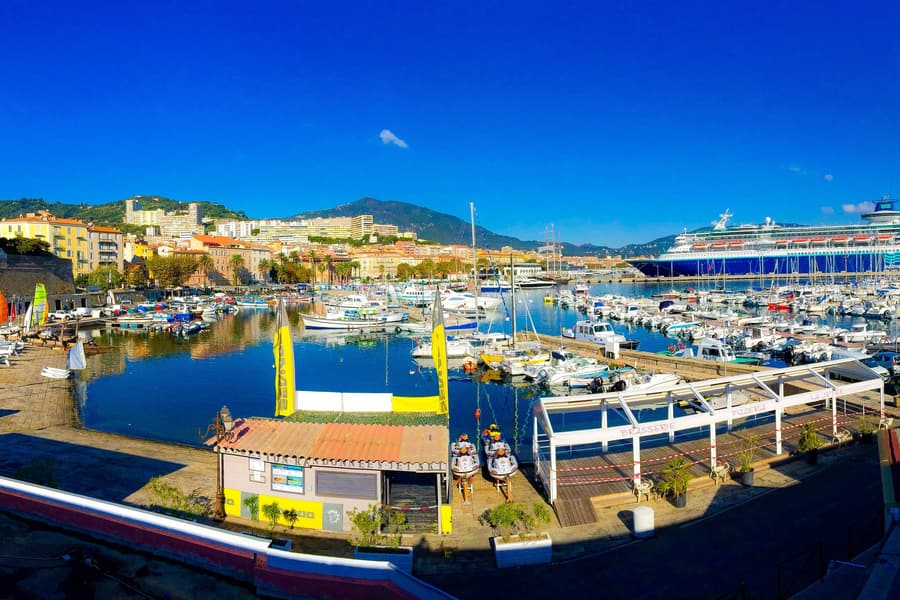 Ajaccio Napoleon's birthplace, on a bay facing west into the sunset
 -
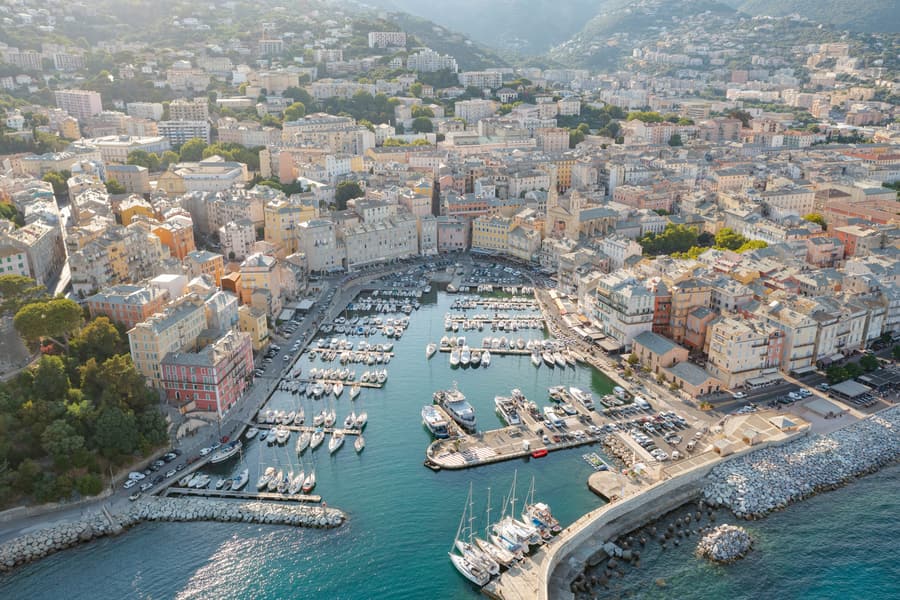 Bastia A Genoese old port, and the doorway to Cap Corse
 -
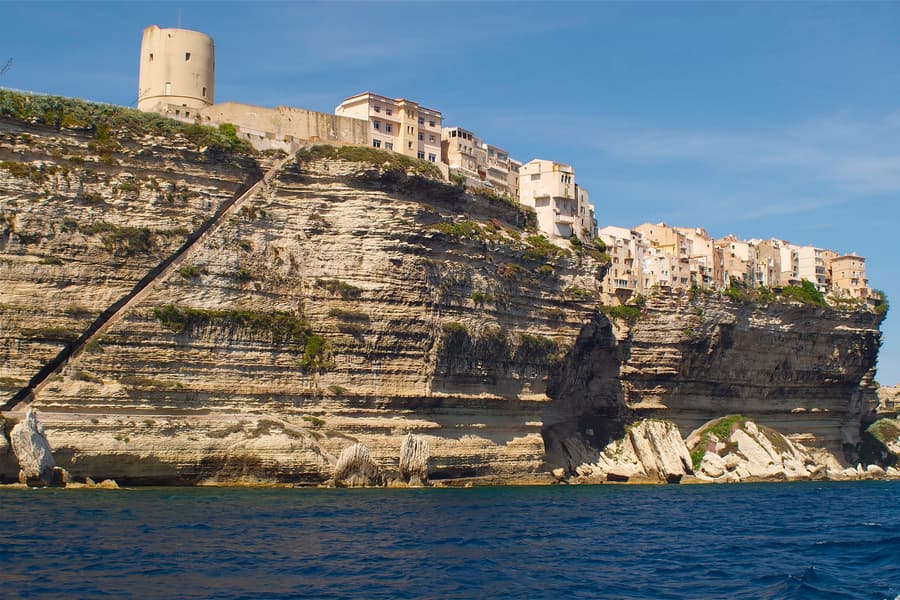 Bonifacio A citadel undercut on a white chalk cliff above the Strait
 -
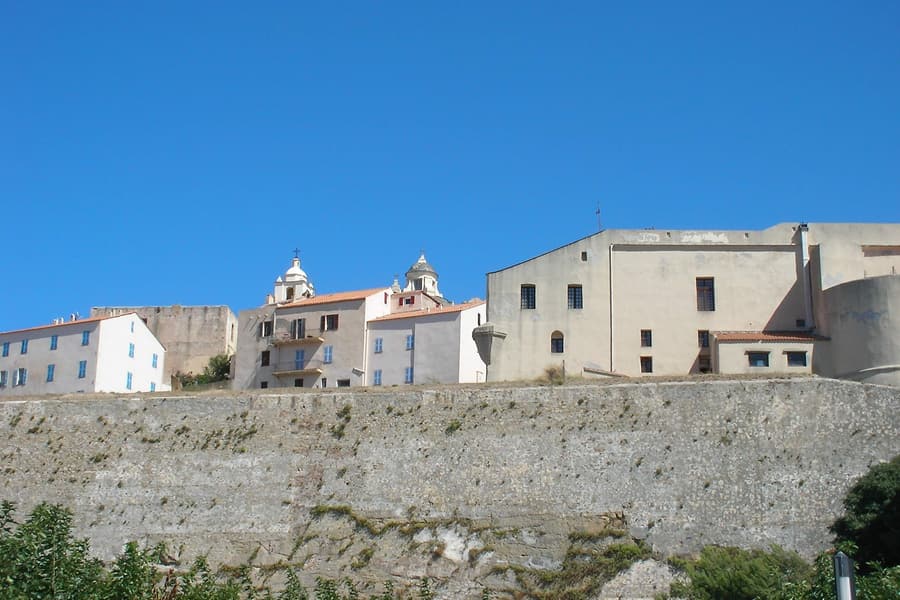 Calvi A citadel, a six-kilometre pine-backed beach and the Balagne behind
 -
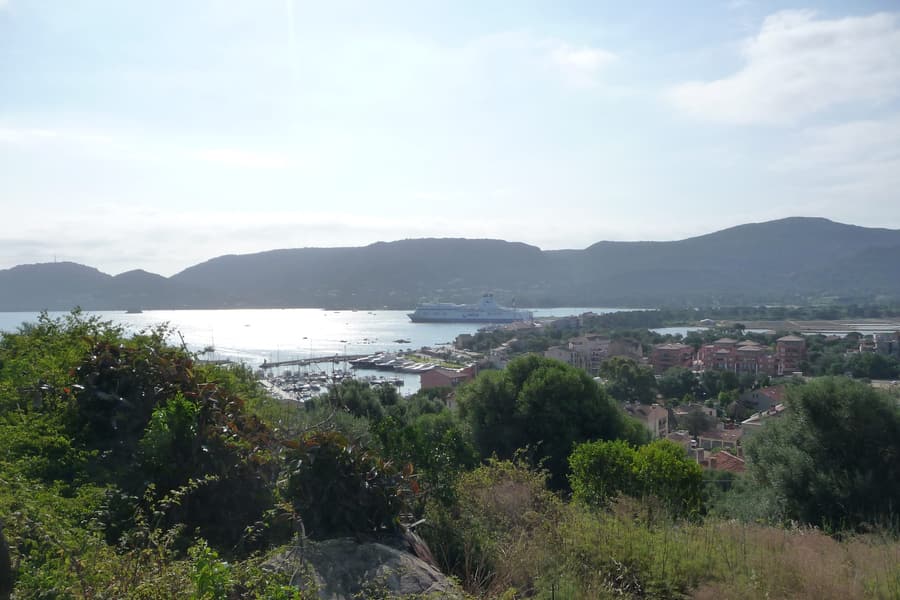 Porto-Vecchio The base for Palombaggia, Santa Giulia and Rondinara
 -
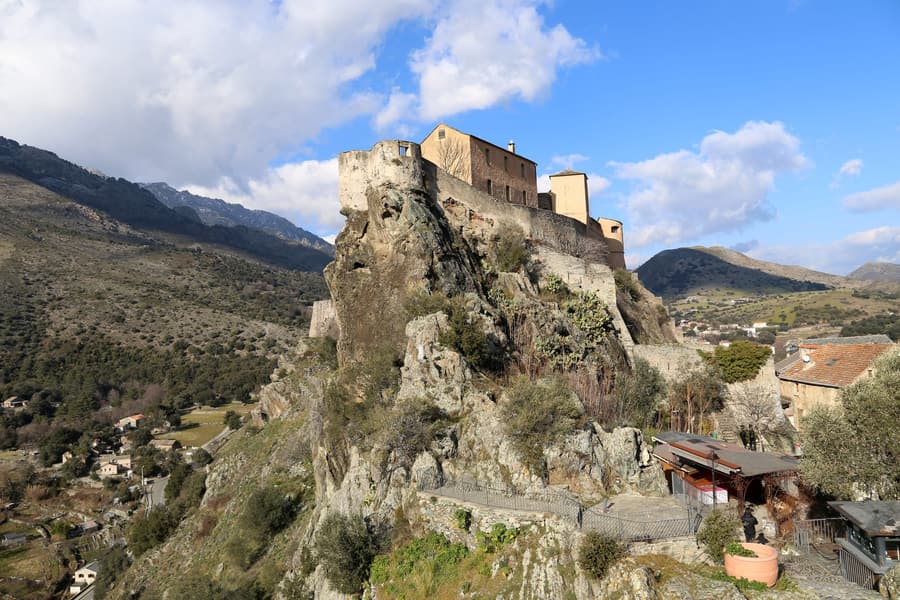 Corte Corsica's mountain capital, and the mouth of the Restonica
Our guides
Full destination guides we already publish in this region.
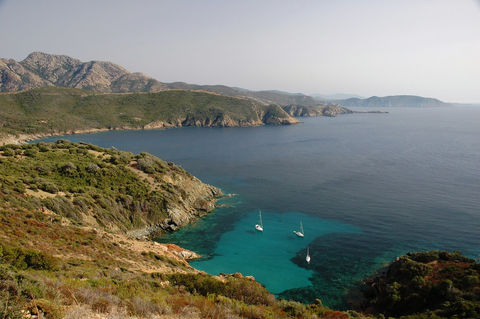
Corsica by experience
The themes this region delivers on.
-
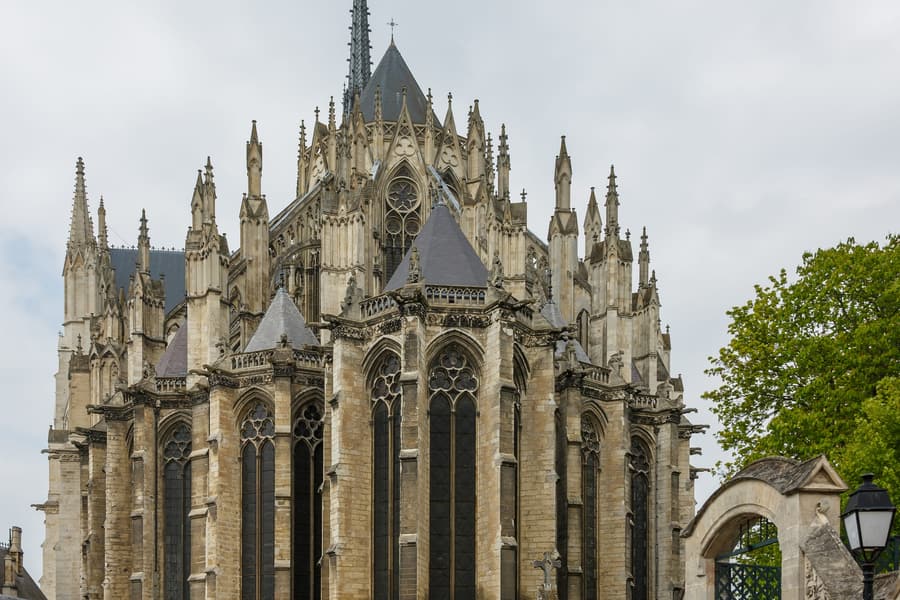 Culture & heritage 53 UNESCO World Heritage sites, and the cathedrals that invented Gothic
 -
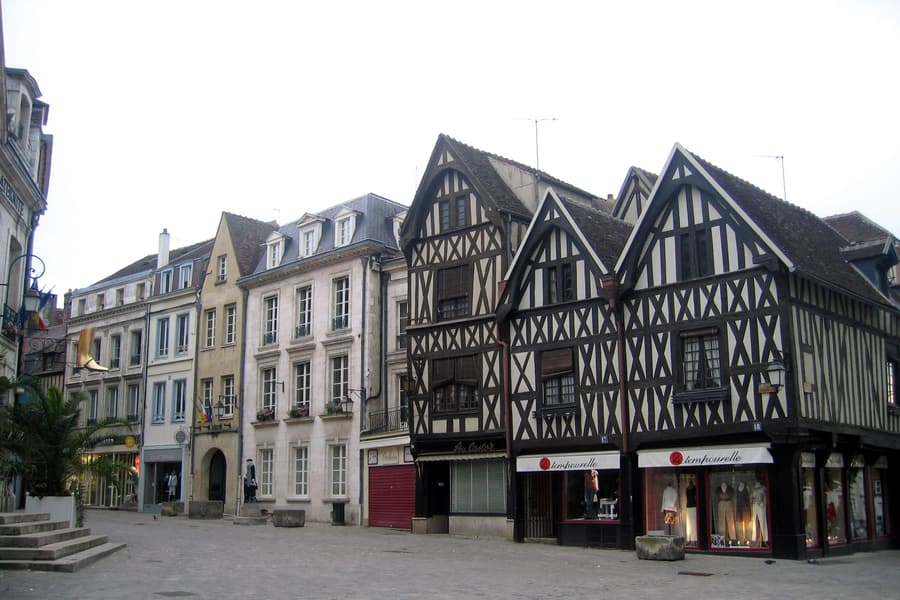 Food & wine Seventeen wine regions, 1,600 cheeses, and the gastronomic meal on the UNESCO list
 -
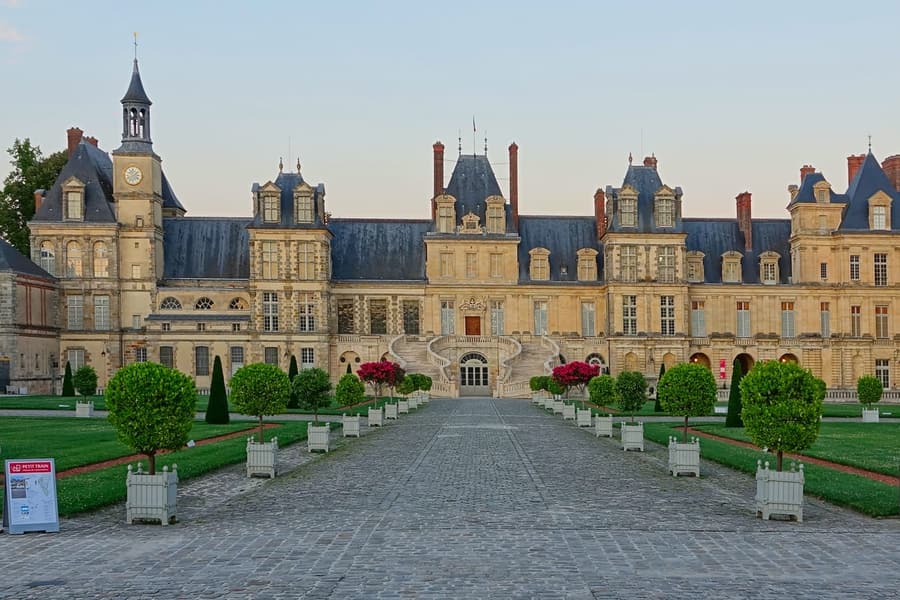 Nature & outdoors Glaciers, gorges, volcanoes and 180,000 km of waymarked footpath
 -
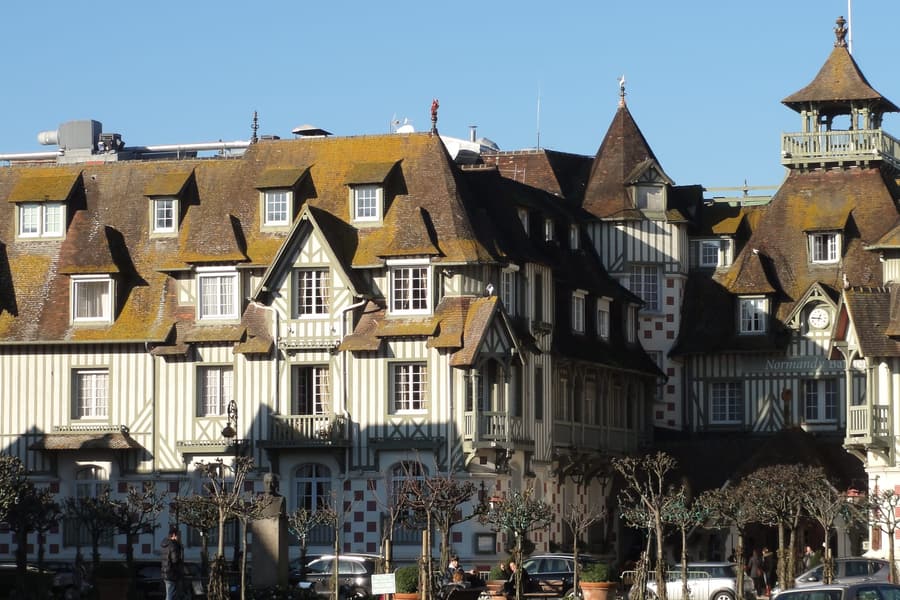 Coast & beaches Three seas and an ocean — around 5,800 km of mainland coast, and far more overseas
 -
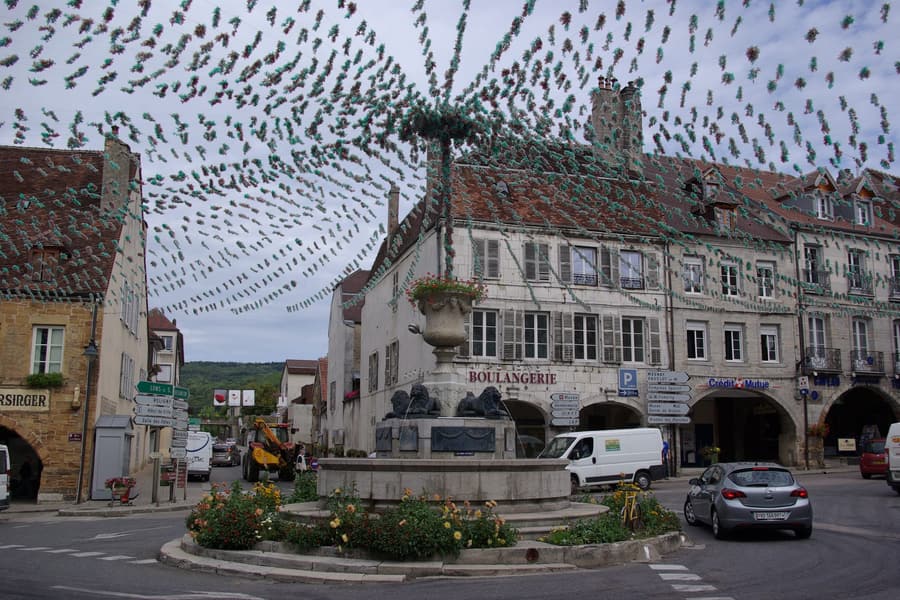 Mountains Six massifs — the Alps, Pyrenees, Jura, Vosges, Massif Central and Corsica
 -
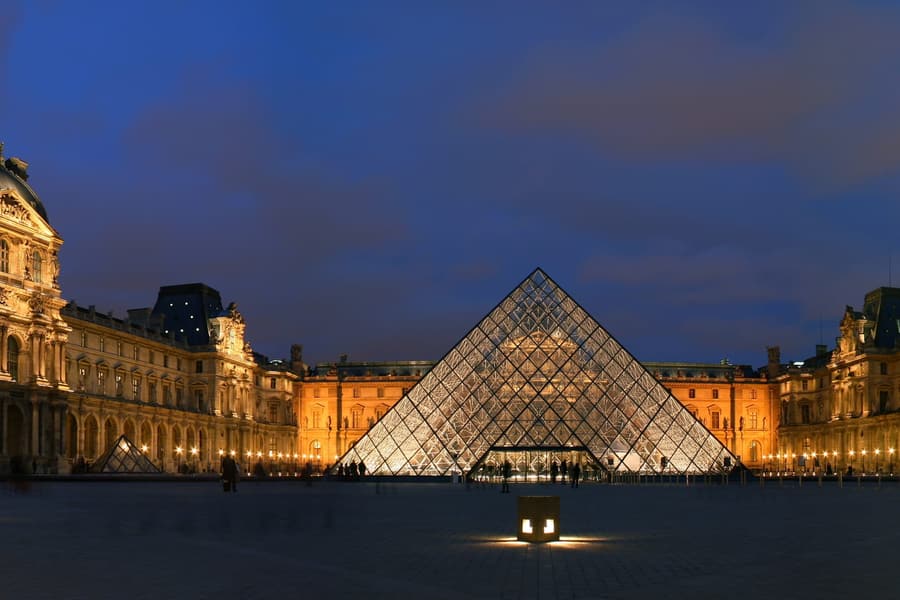 Cities Paris, and eleven more cities that would headline any other country
 -
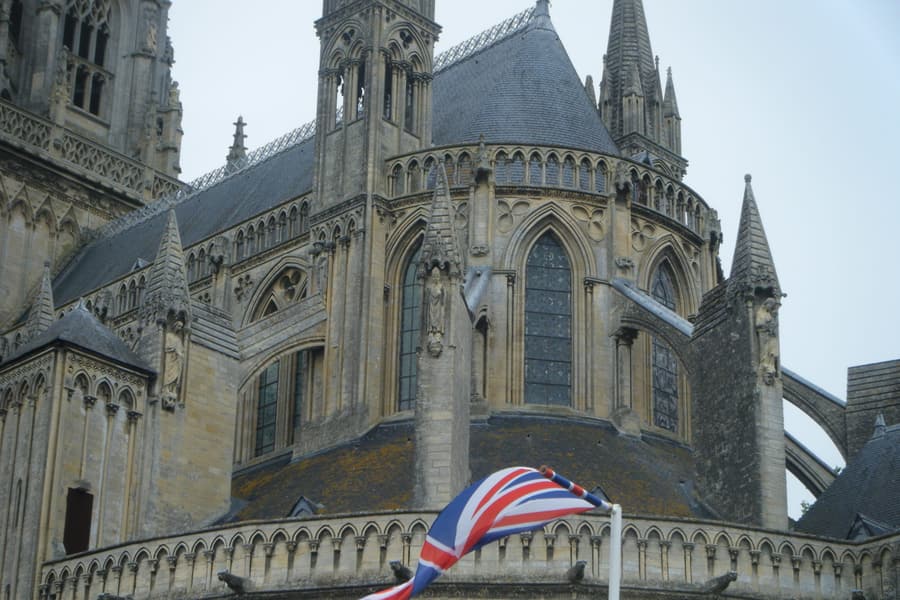 Villages & countryside The 180-odd villages on the official 'most beautiful in France' list
 -
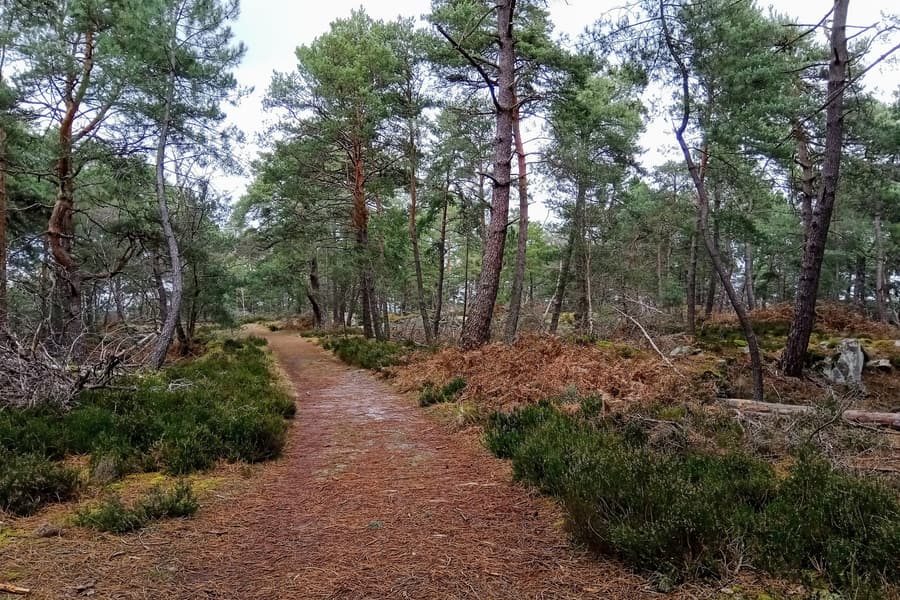 National & regional parks Eleven national parks and 58 regional ones — about a fifth of the country
 -
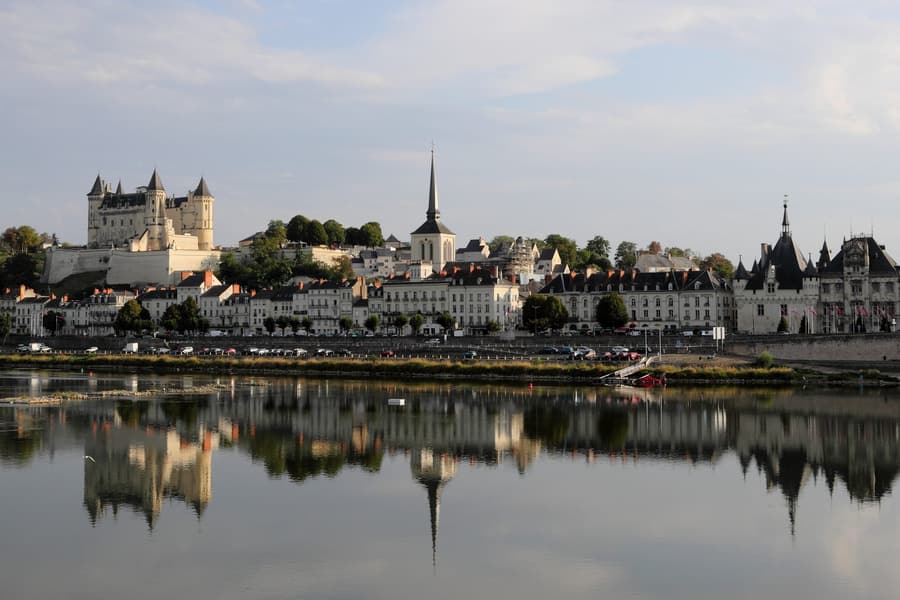 Sport & adventure Skiing, surfing, climbing, paddling — and the Tour, Roland-Garros and Le Mans
 -
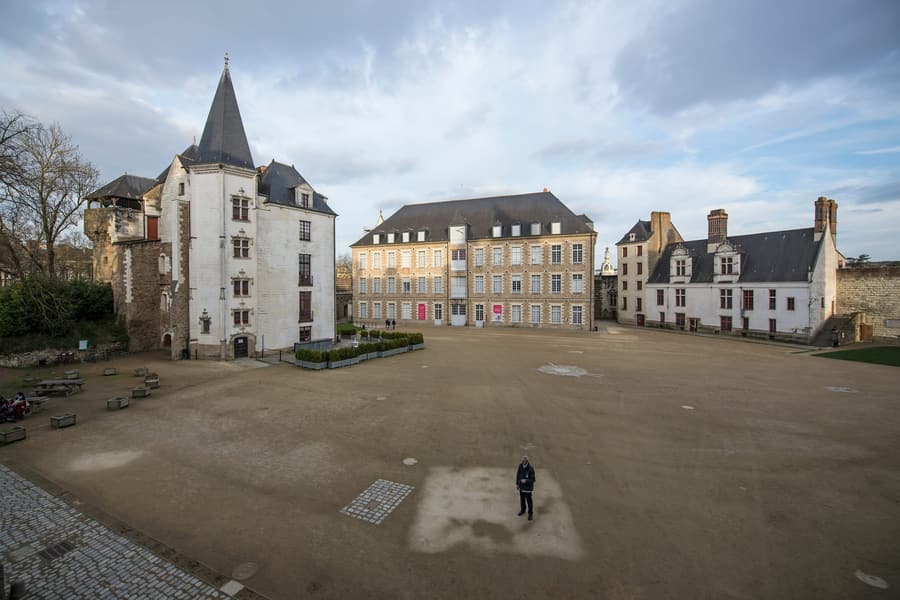 Nightlife & entertainment Festival season, cabaret, beach clubs and the theme parks