Réunion is what happens when a volcano keeps erupting for three million years and then partly falls in on itself. Piton de la Fournaise is one of the most active volcanoes on earth and erupts most years, usually harmlessly, in a caldera you can walk into. Behind it, three enormous cirques — Mafate, Cilaos and Salazie — are collapsed craters ringed by 3,000 m walls; Mafate has no road at all and is supplied by helicopter and footpath. Forty per cent of the island is a UNESCO World Heritage site, and more than 1,000 km of marked trails cross it. The coast adds coral lagoons at Saint-Gilles and a Creole culture that is Indian, African, Chinese and French at once.
- Piton de la Fournaise
- The Cirque de Mafate — roadless, reached on foot
- Cirque de Cilaos and Cirque de Salazie
- Piton des Neiges, the high point of the Indian Ocean at 3,070 m
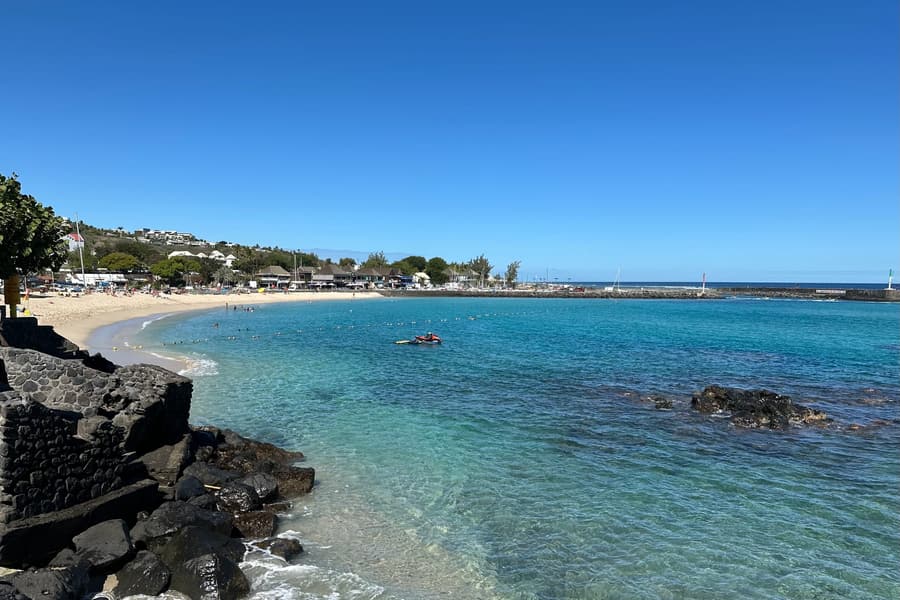
- The lagoon at Saint-Gilles-les-Bains and l'Hermitage
- Hell-Bourg and the Creole houses
- Best time to go
- May–November is the cool dry season and the walking season. Cyclones are possible January–March. The volcano can be closed at short notice during an eruption — check the observatory's alert level.
- Getting there
- Direct flights Paris–Saint-Denis (about 11h). A car is essential; the cirques take hours to reach on mountain roads. Mafate is on foot only.
Headline places
What france.fr leads with in Réunion.
-
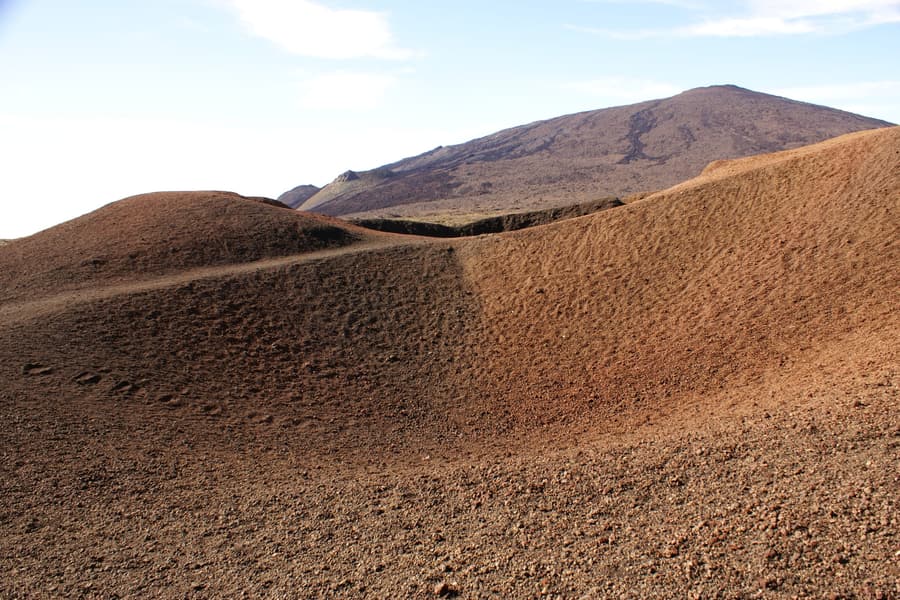 Piton de la Fournaise One of the most active volcanoes on earth — and it erupts most years
 -
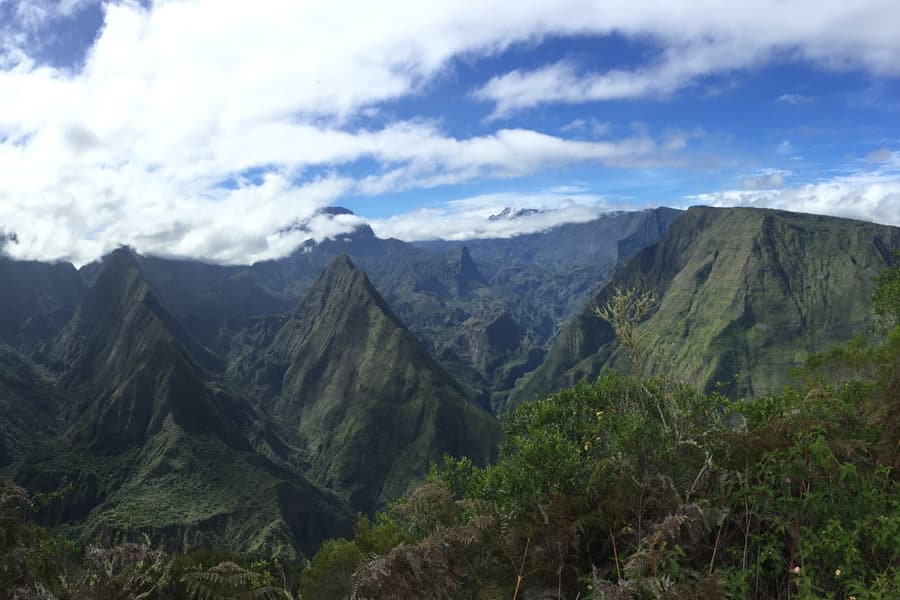 Cirque de Mafate A collapsed crater with no road at all — supplied by helicopter and footpath
 -
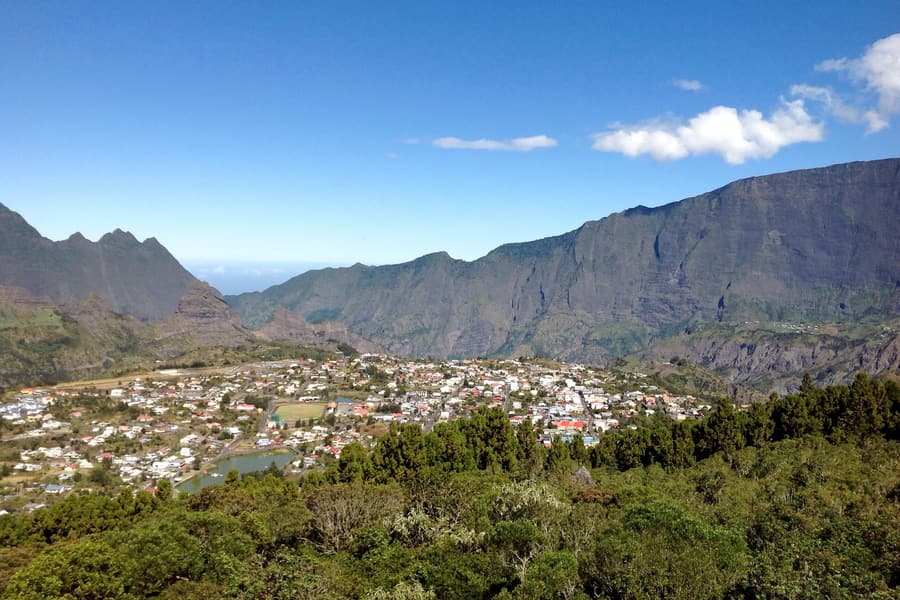 Cirque de Cilaos Up 400 hairpins to a caldera village, thermal springs and lentils
 -
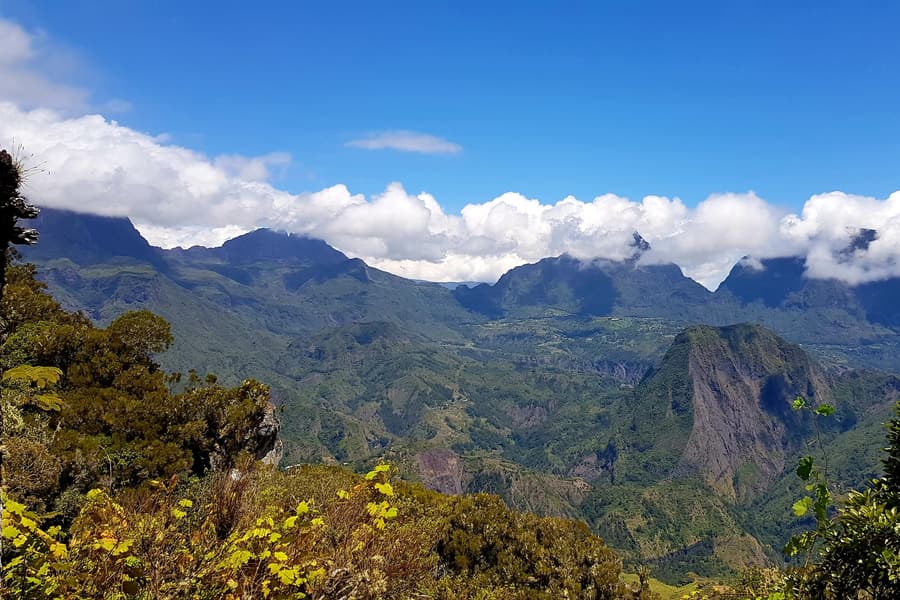 Cirque de Salazie The wettest and greenest of the three cirques, with Hell-Bourg in it
 -
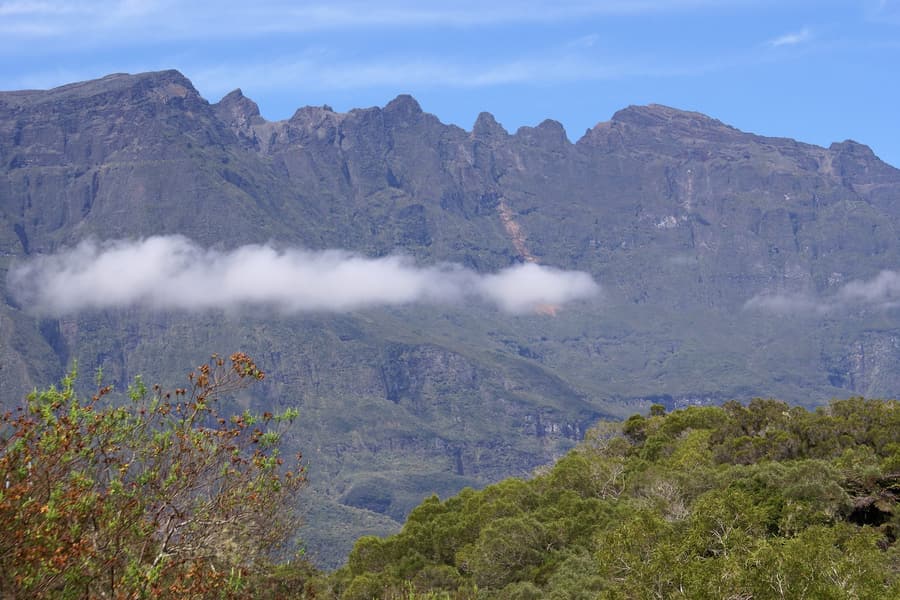 Piton des Neiges 3,070 m — the highest point in the Indian Ocean, climbed for sunrise
 -
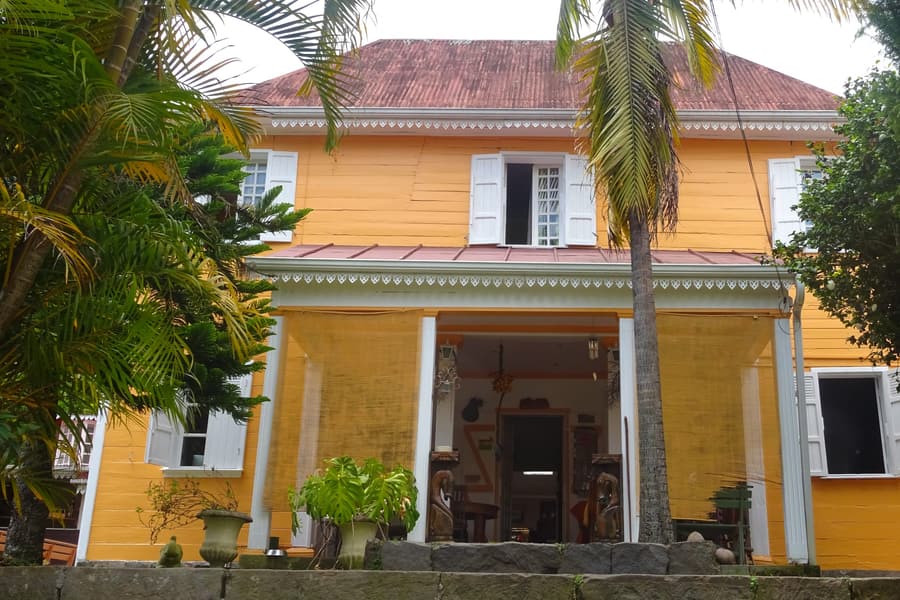 Hell-Bourg Creole villas and gardens inside the Salazie crater
Cities & bases
Where to sleep, and what each place is good for.
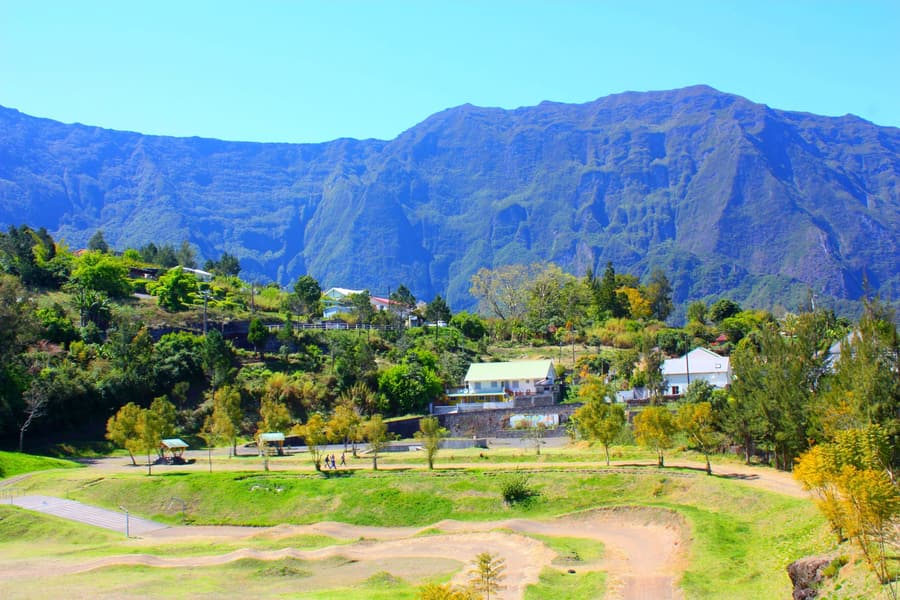
Réunion by experience
The themes this region delivers on.
-
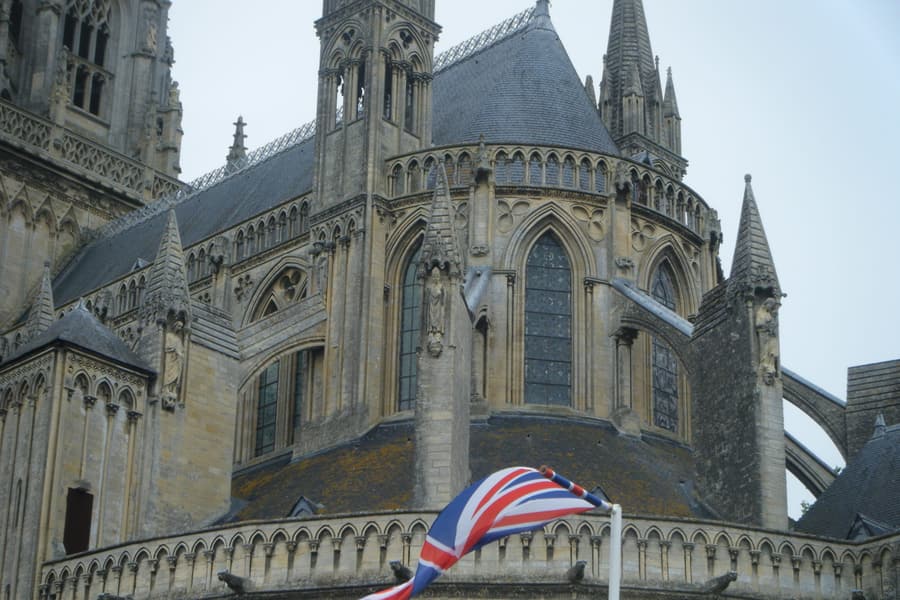
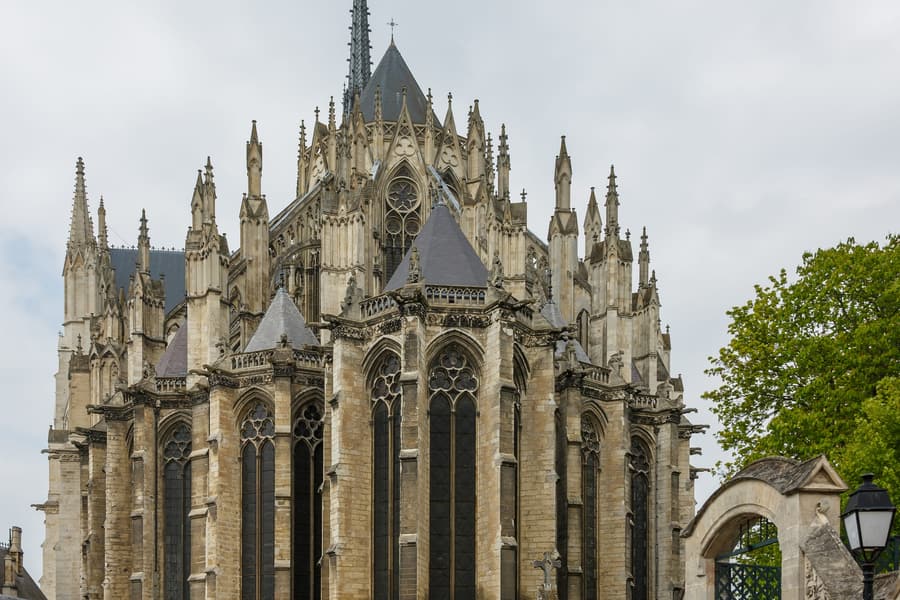 Culture & heritage 53 UNESCO World Heritage sites, and the cathedrals that invented Gothic
 -
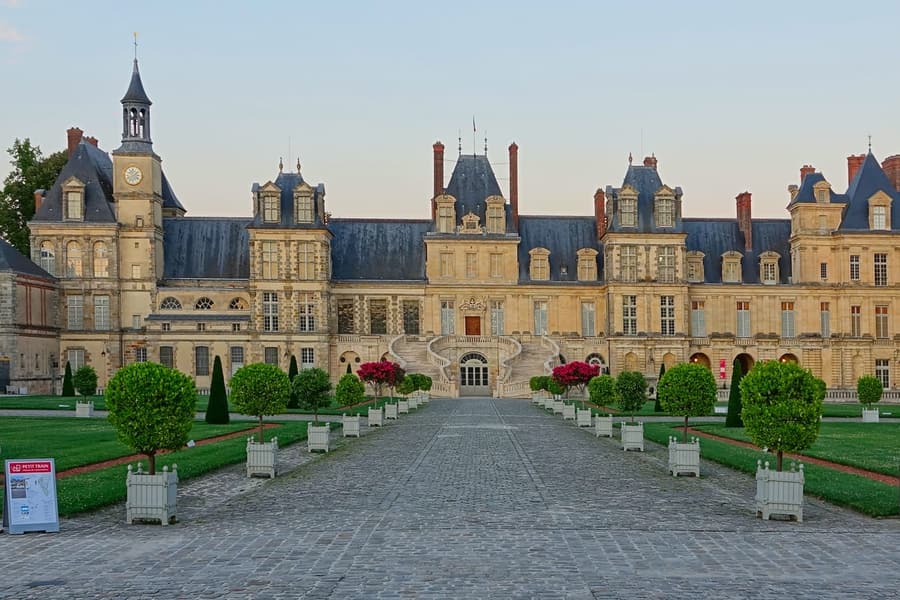 Nature & outdoors Glaciers, gorges, volcanoes and 180,000 km of waymarked footpath
 -
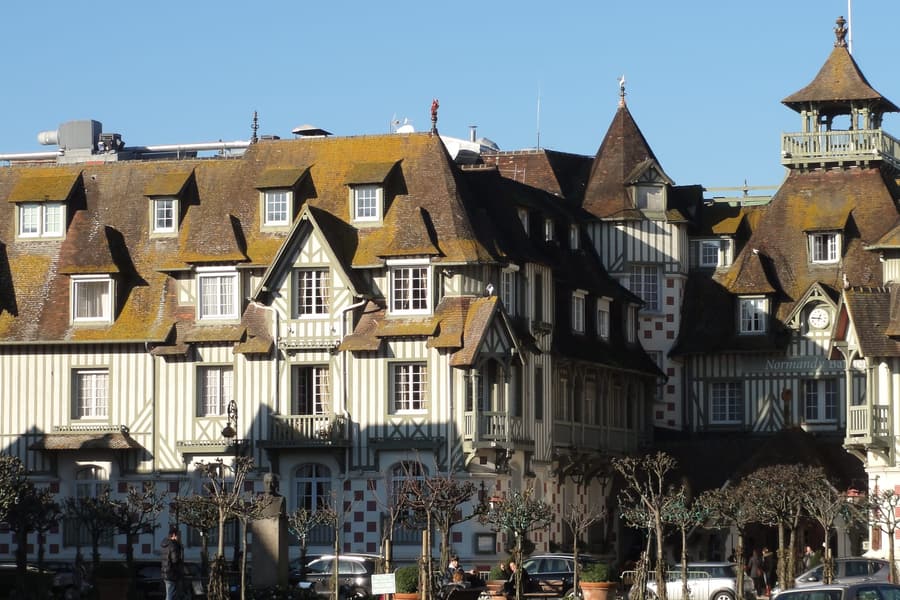 Coast & beaches Three seas and an ocean — around 5,800 km of mainland coast, and far more overseas
 -
 Mountains Six massifs — the Alps, Pyrenees, Jura, Vosges, Massif Central and Corsica
 -
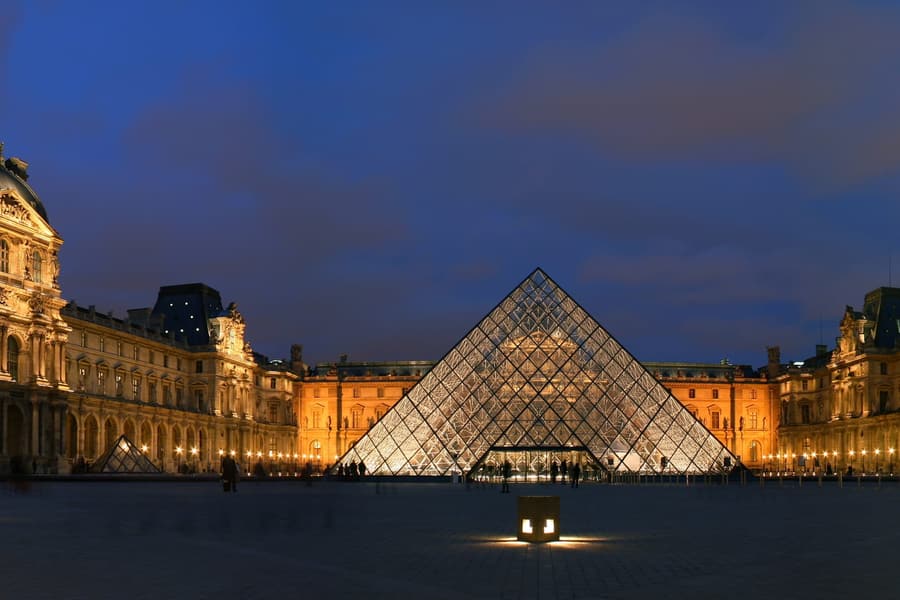 Cities Paris, and eleven more cities that would headline any other country
 -
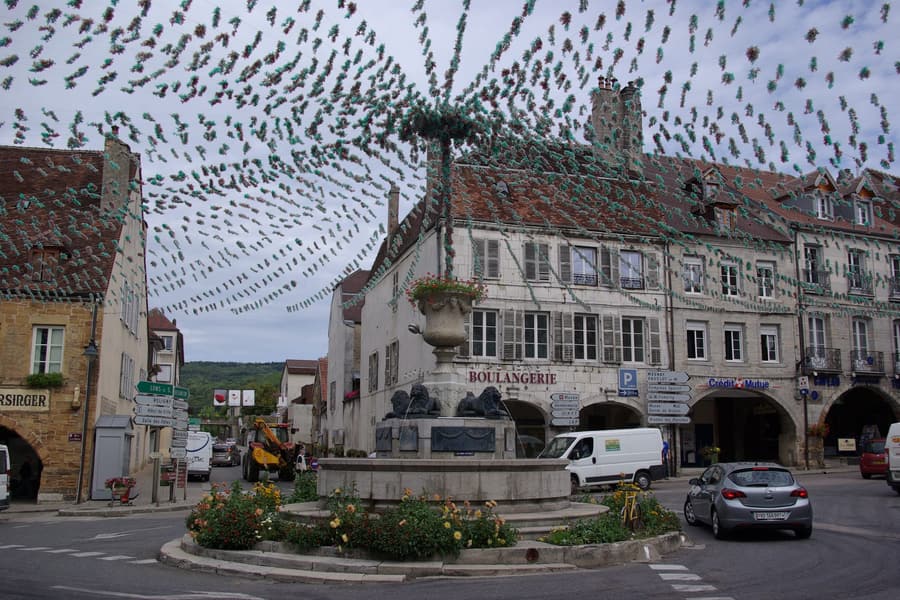
 Villages & countryside The 180-odd villages on the official 'most beautiful in France' list
 -
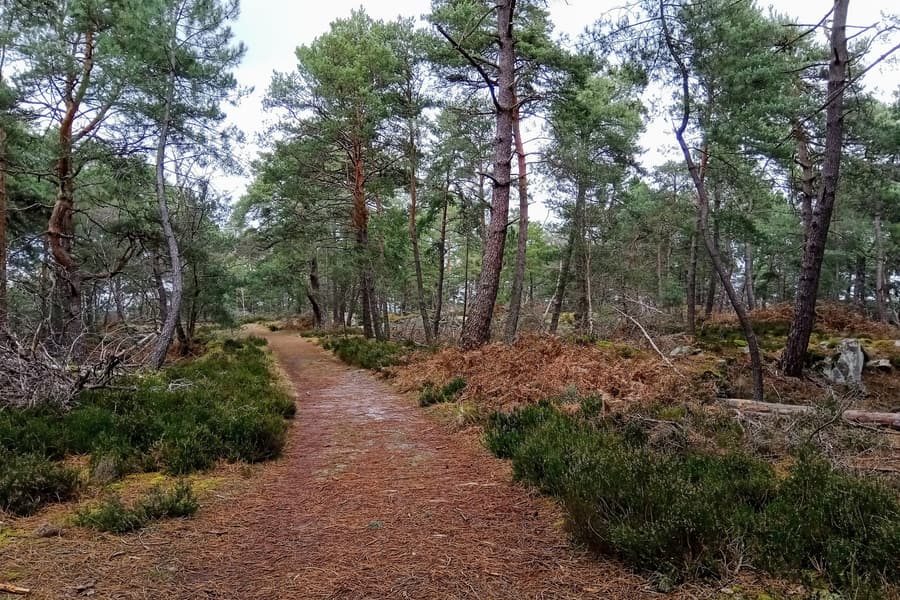 National & regional parks Eleven national parks and 58 regional ones — about a fifth of the country
 -
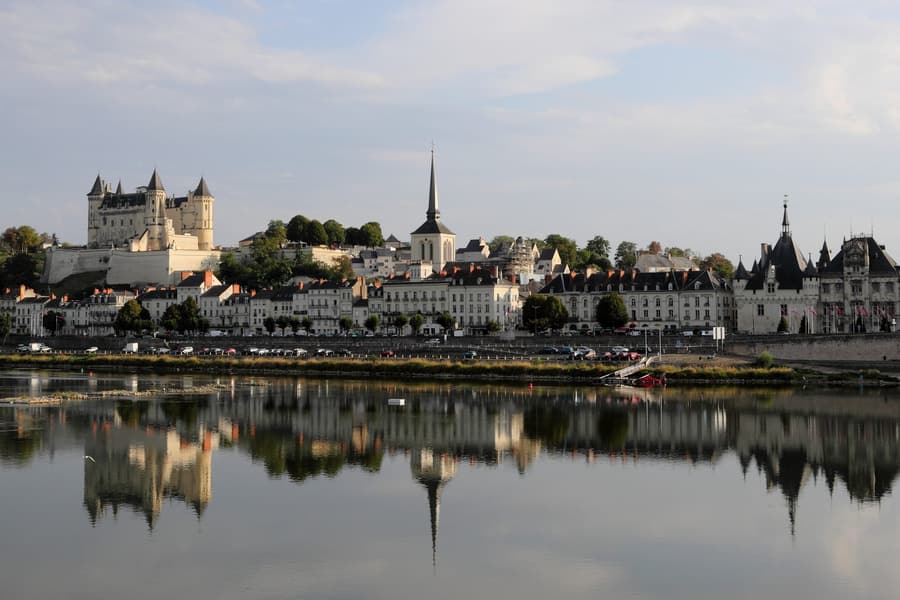 Sport & adventure Skiing, surfing, climbing, paddling — and the Tour, Roland-Garros and Le Mans
 -
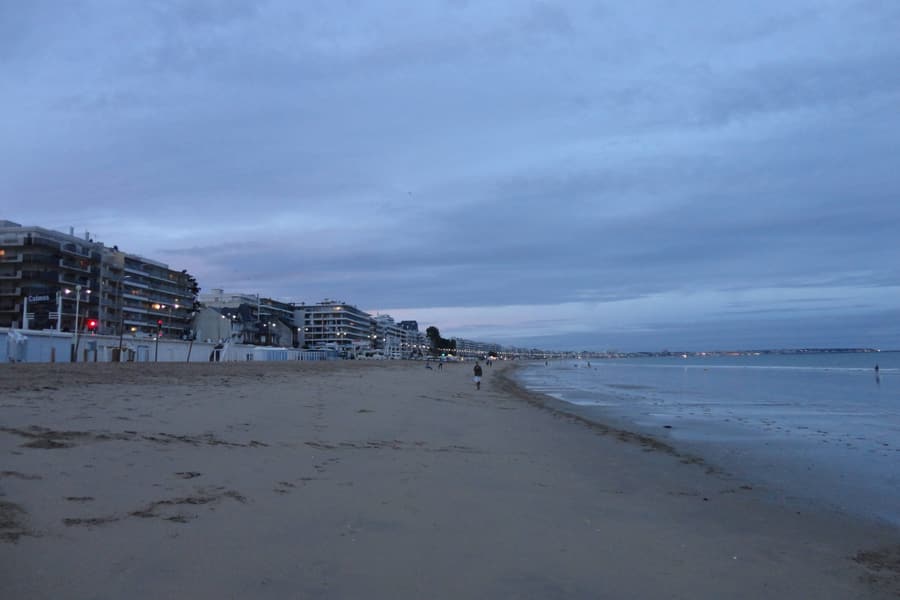 Spa & wellness Around 90 working thermal spa towns, and the coastline that invented thalassotherapy
 -
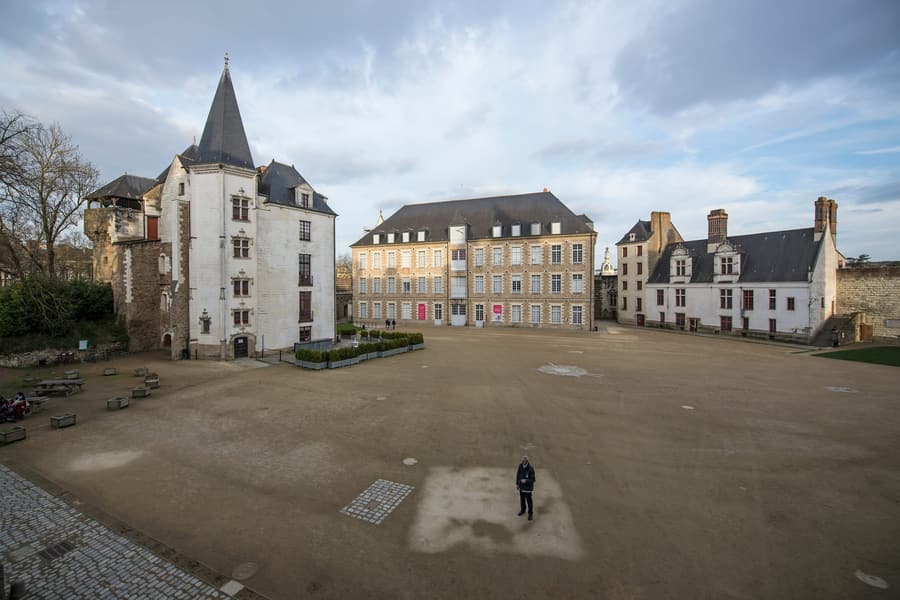 Nightlife & entertainment Festival season, cabaret, beach clubs and the theme parks
More of Overseas France
-
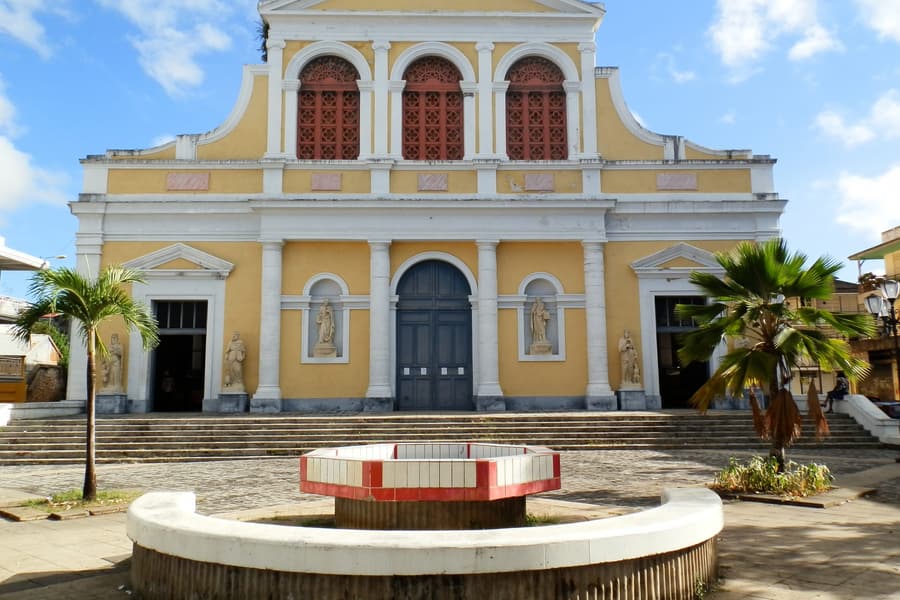 Guadeloupe A butterfly-shaped Caribbean archipelago — rainforest on one wing, dry coast on the other
 -
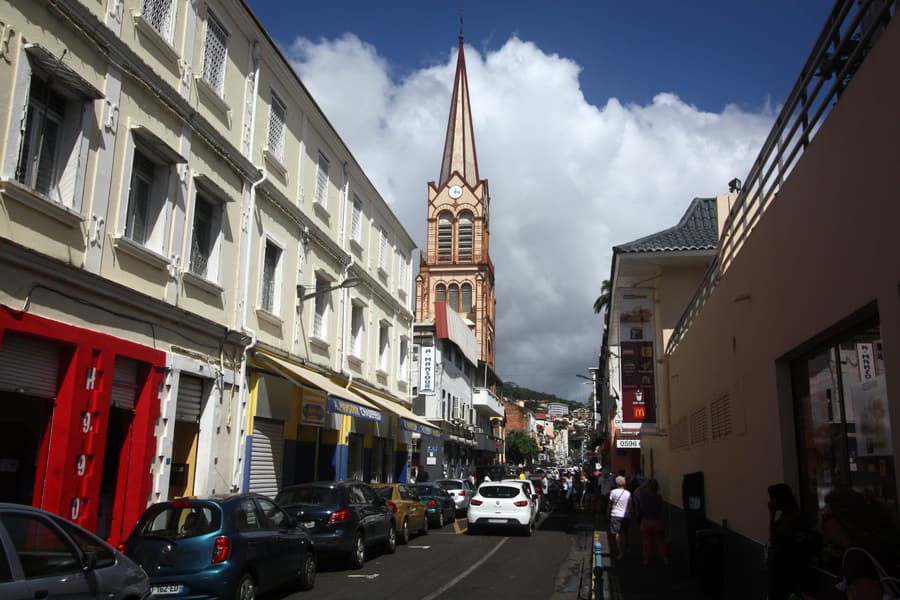 Martinique The flower island — Mount Pelée, black-sand north, white-sand south and agricole rum
 -
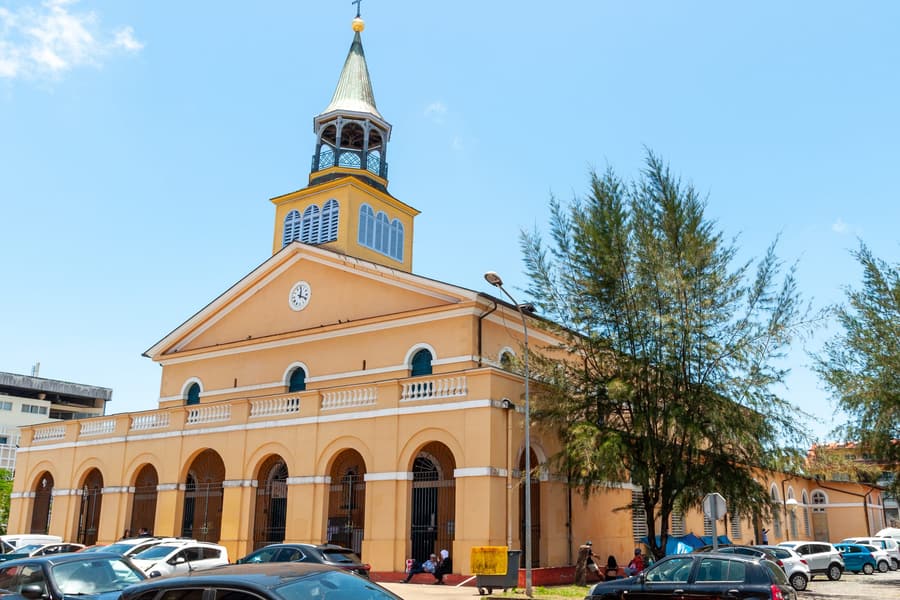 French Guiana Amazon rainforest, a European spaceport, and the prison islands of Papillon
 -
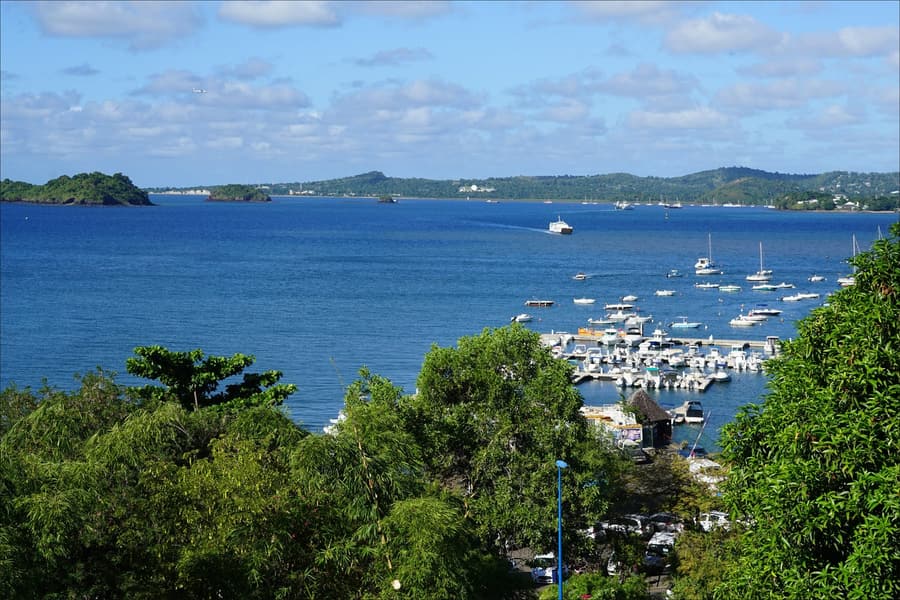 Mayotte One of the world's largest lagoons, humpback whales, and a double coral barrier