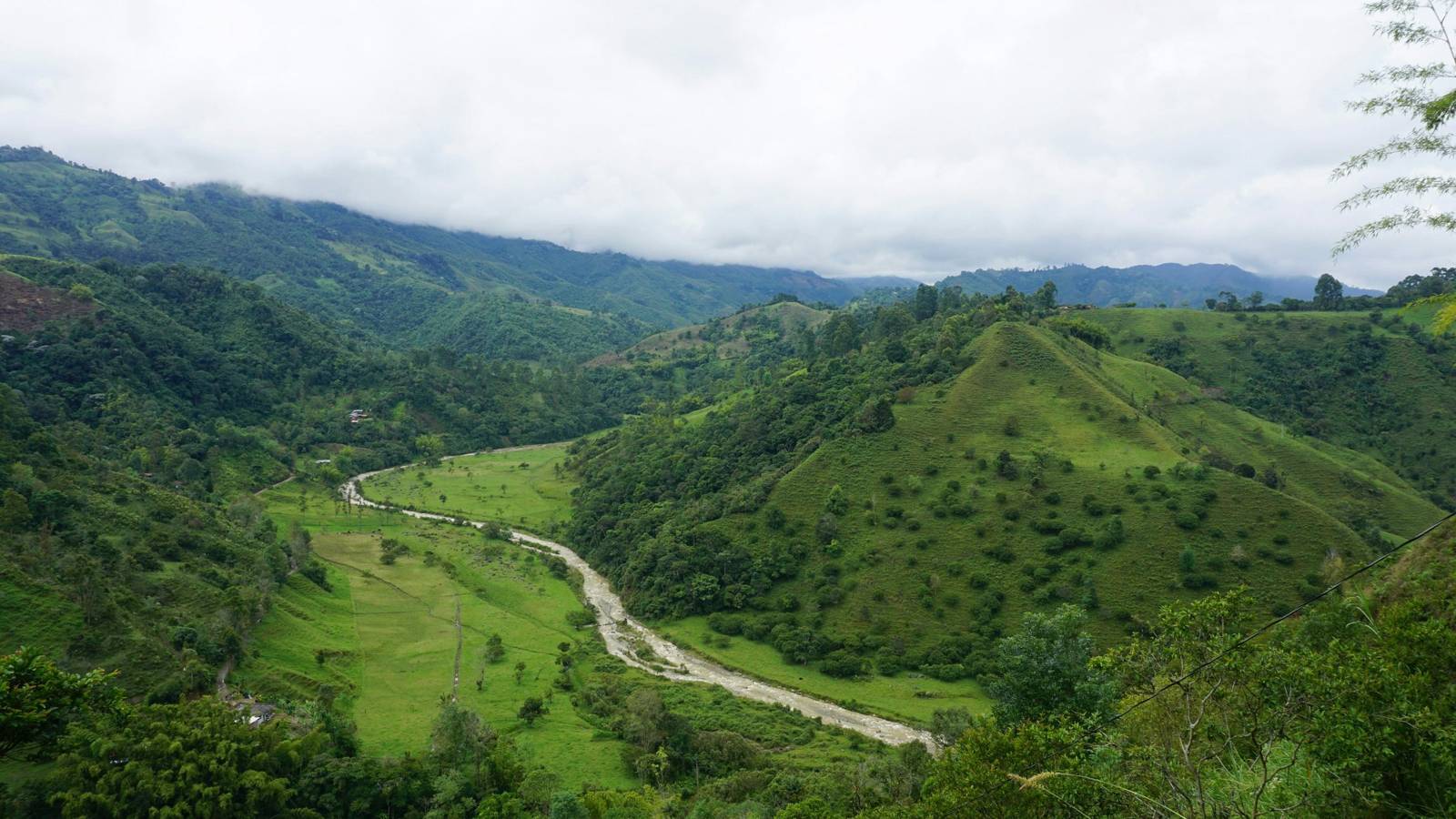
Coffee Cultural Landscape of Colombia
UNESCO-listed coffee country: farm visits from Salento and Filandia, and the wax palms of the Cocora Valley
- Valley
Always check the latest FCDO travel advice for Colombia before you book. Travel advice on our Colombia page
About Coffee Cultural Landscape of Colombia
UNESCO added the Coffee Cultural Landscape of Colombia to the World Heritage List in 2011. The listing covers six farming landscapes and 18 urban centres in the departments of Caldas, Quindío, Risaralda and Valle del Cauca. UNESCO gives two reasons: the way generations of small farming families have adapted to very steep slopes, and the place coffee holds as a symbol of Colombia.
Most visitors base themselves in the small towns of Salento or Filandia in Quindío, or in the cities of Pereira or Armenia, which have the region's airports (PEI and AXM). From there you can walk round a working finca, see the coffee cherries picked, washed and dried, and taste the coffee where it was grown. Distances look short on a map, but the mountain roads wind, so allow time between towns. In this part of the country the main harvest runs from about September to December, with a smaller crop, the mitaca, in the first half of the year.
The Cocora Valley, a short drive from Salento, is known for its tall wax palms on green slopes; see our Cocora Valley page for the walk.
Good to know
- Type
- Valley
- Best for
- coffee lovers, walkers, photographers
- Family friendly
- Yes
- Accessibility
- Town centres are walkable but hilly. Farm tours involve steep, uneven paths; Cocora Valley trails are muddy and steep in places.
Coffee Cultural Landscape of Colombia on the map
Salento, Quindío, Colombia
Where to stay for Coffee Cultural Landscape of Colombia
Sources
Checked 17 November 2026. Prices, hours and opening status come from the official pages below and can change, so confirm on the day.