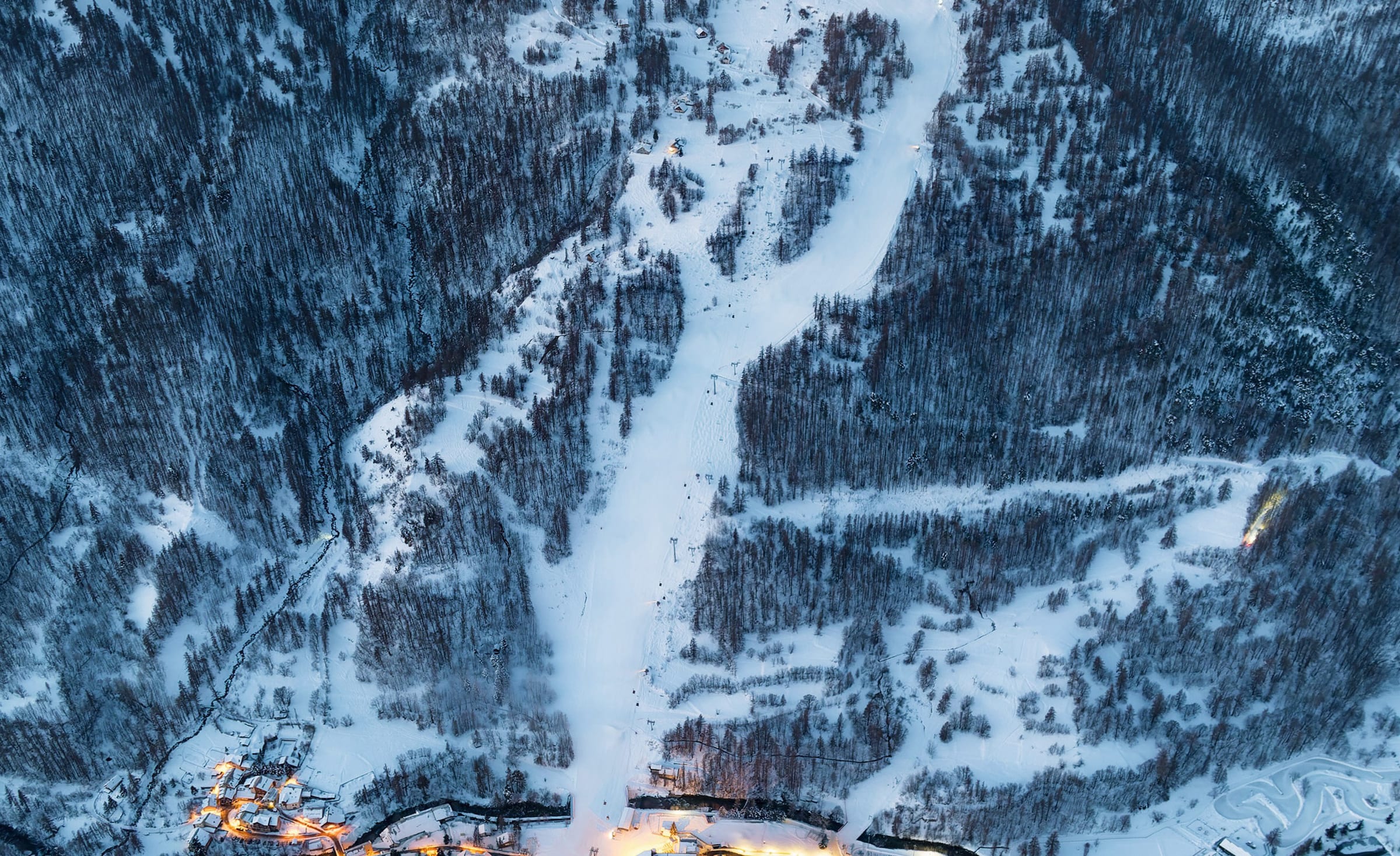
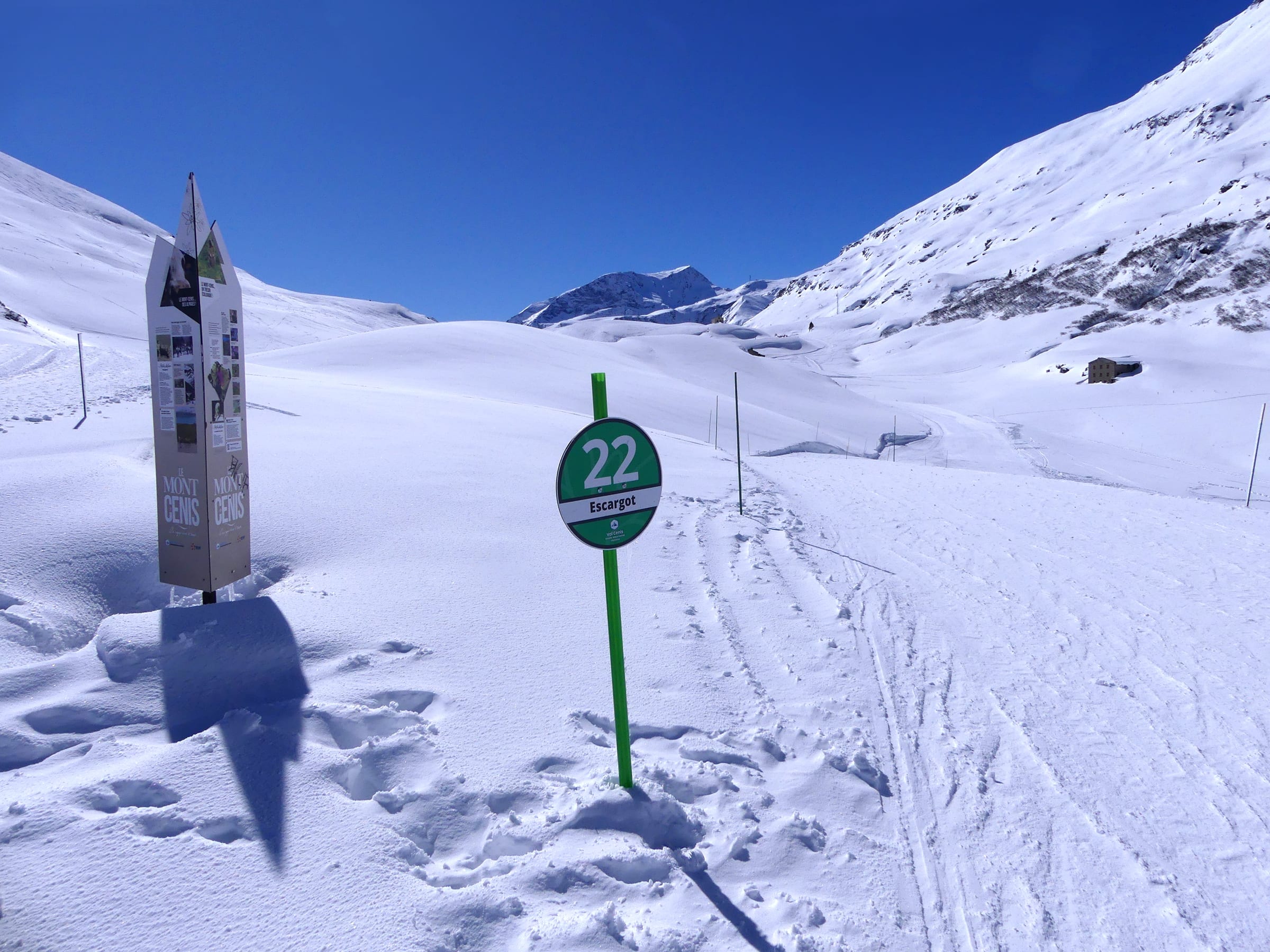
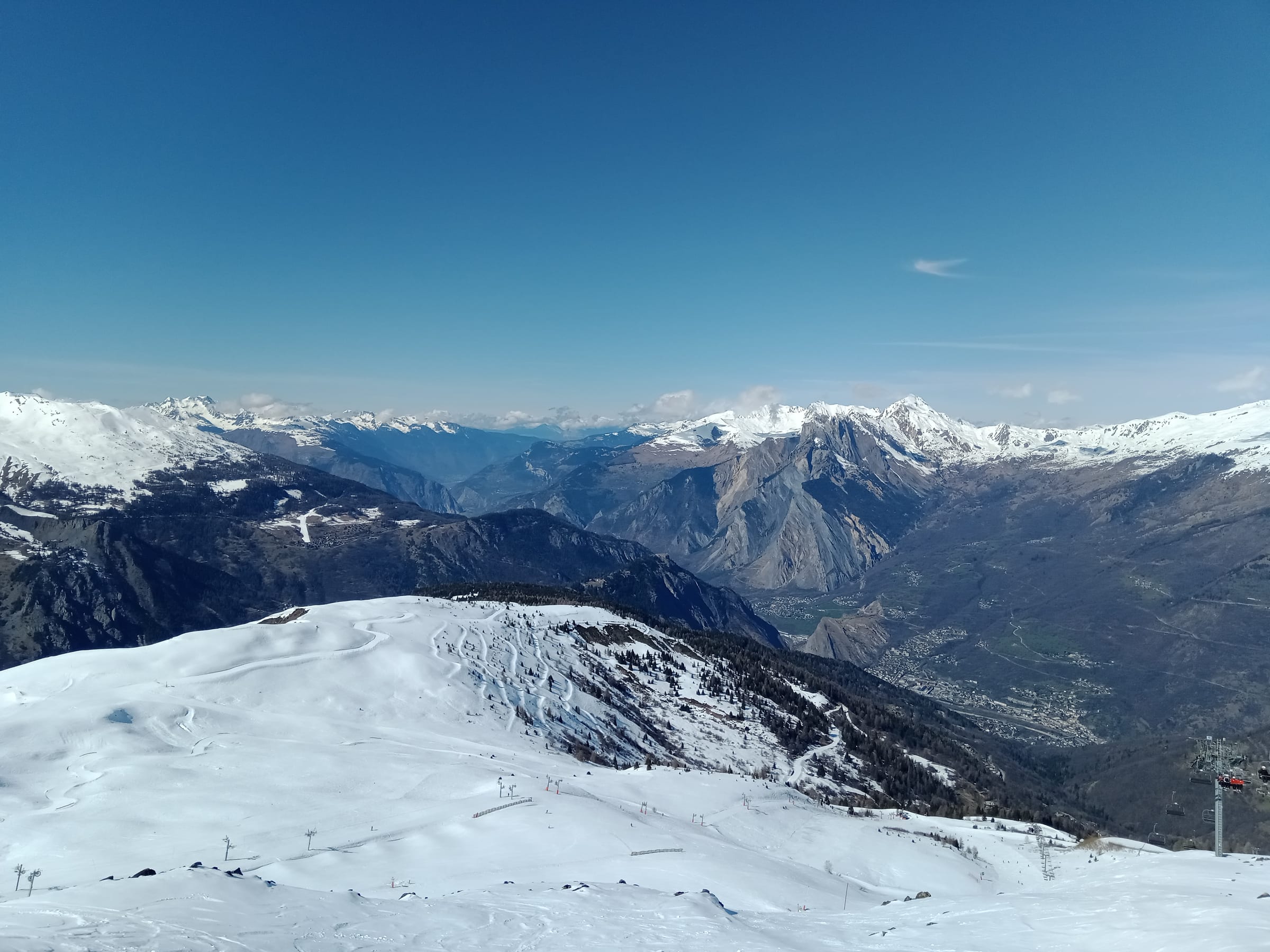
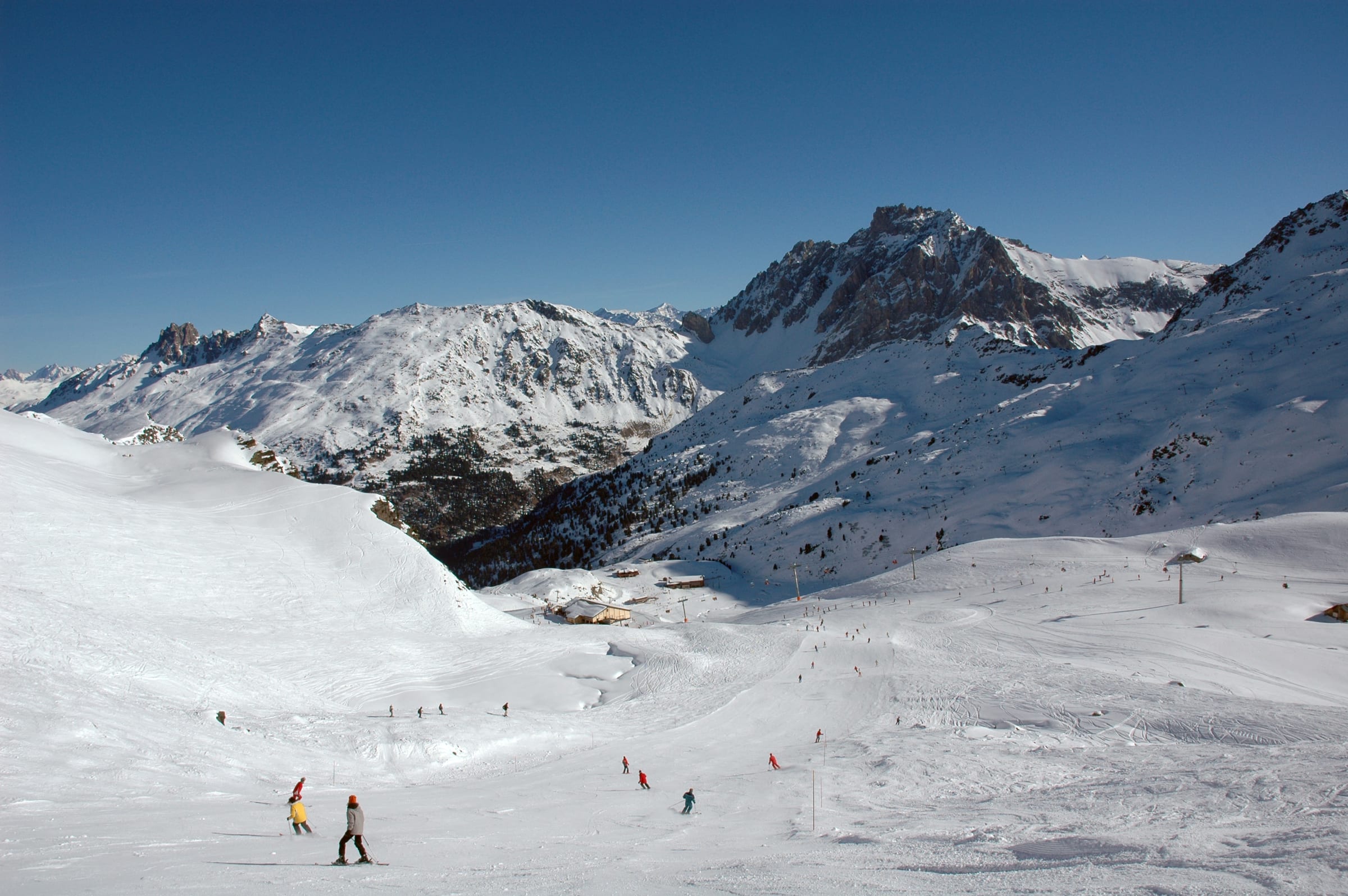
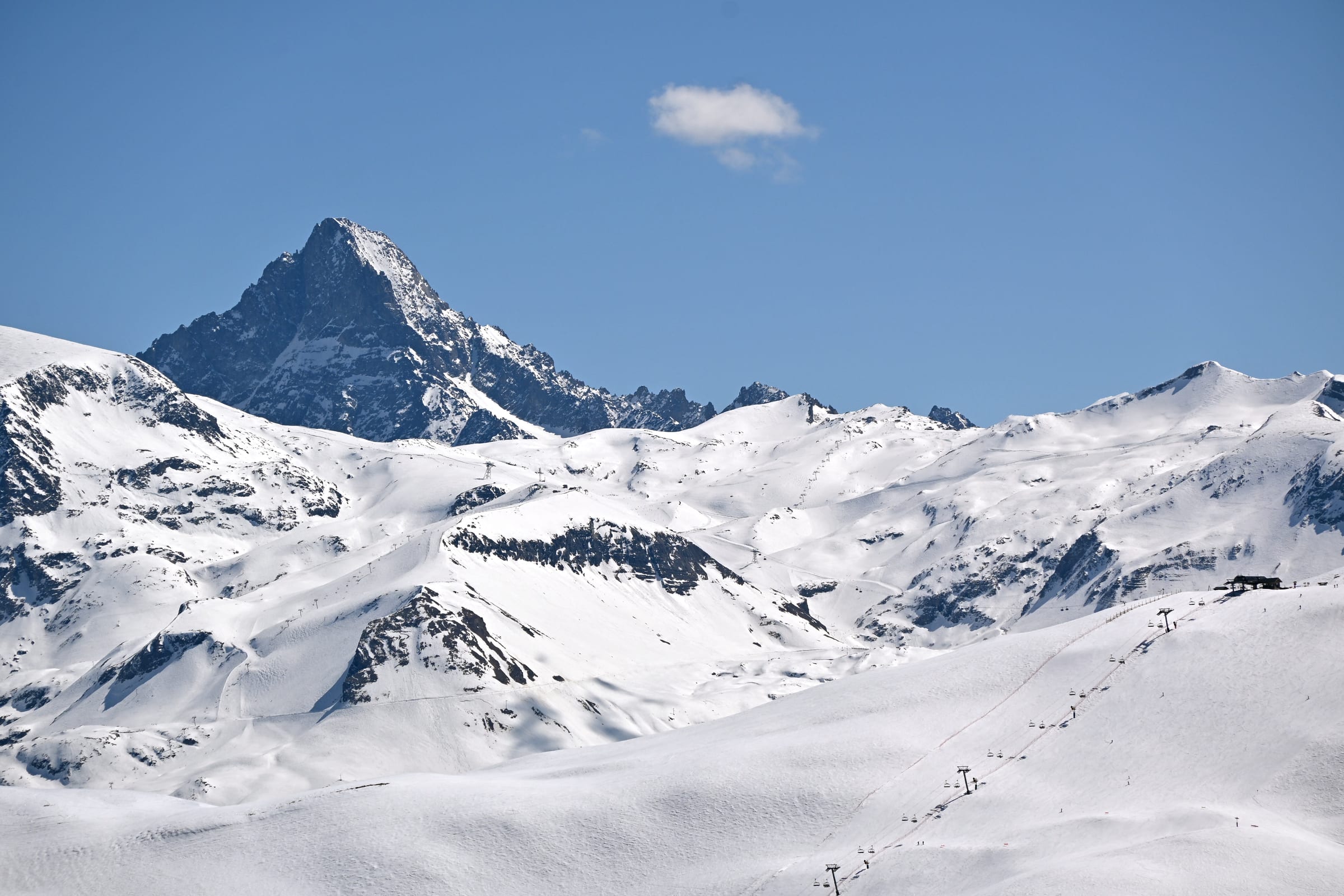
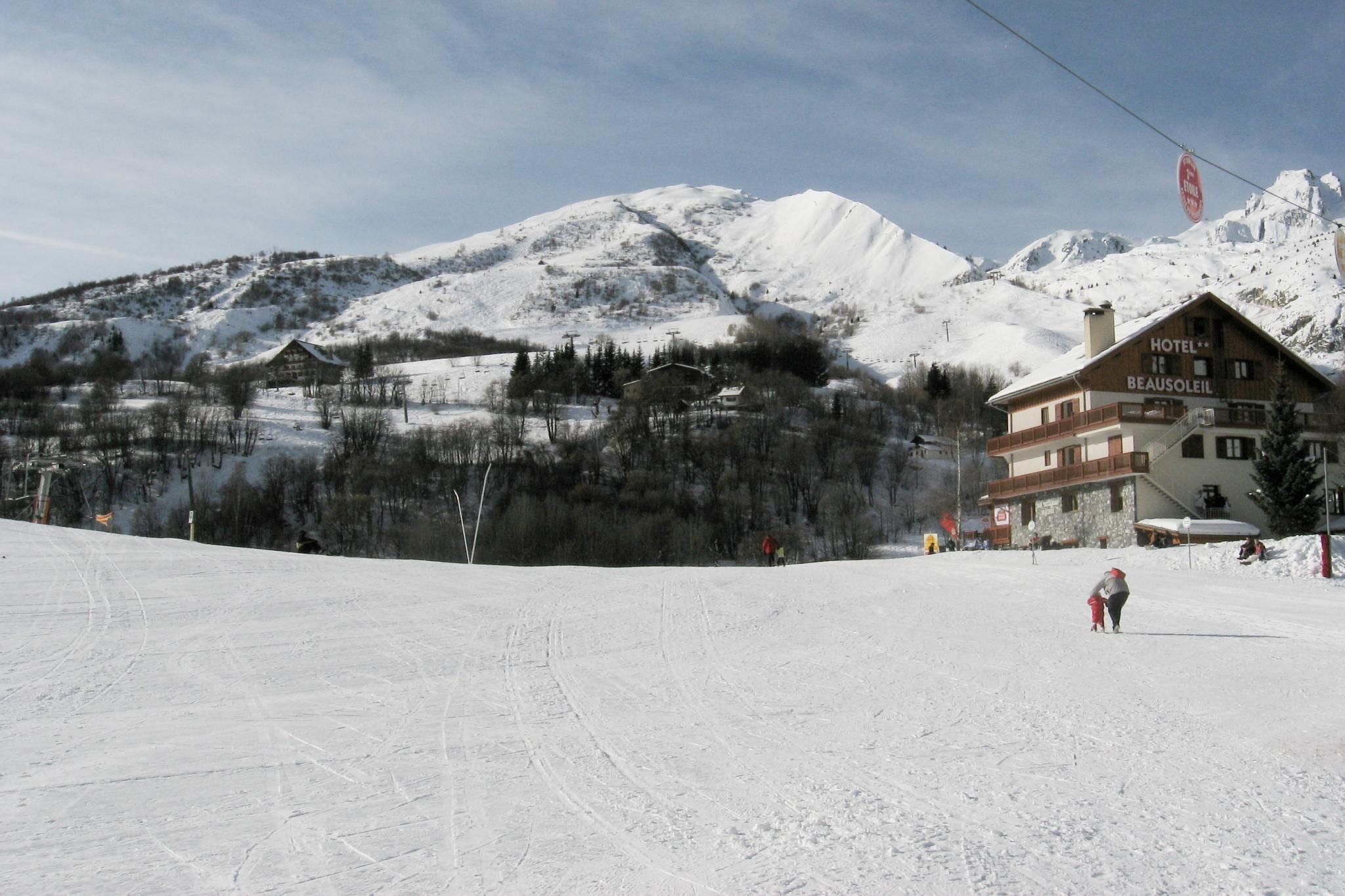
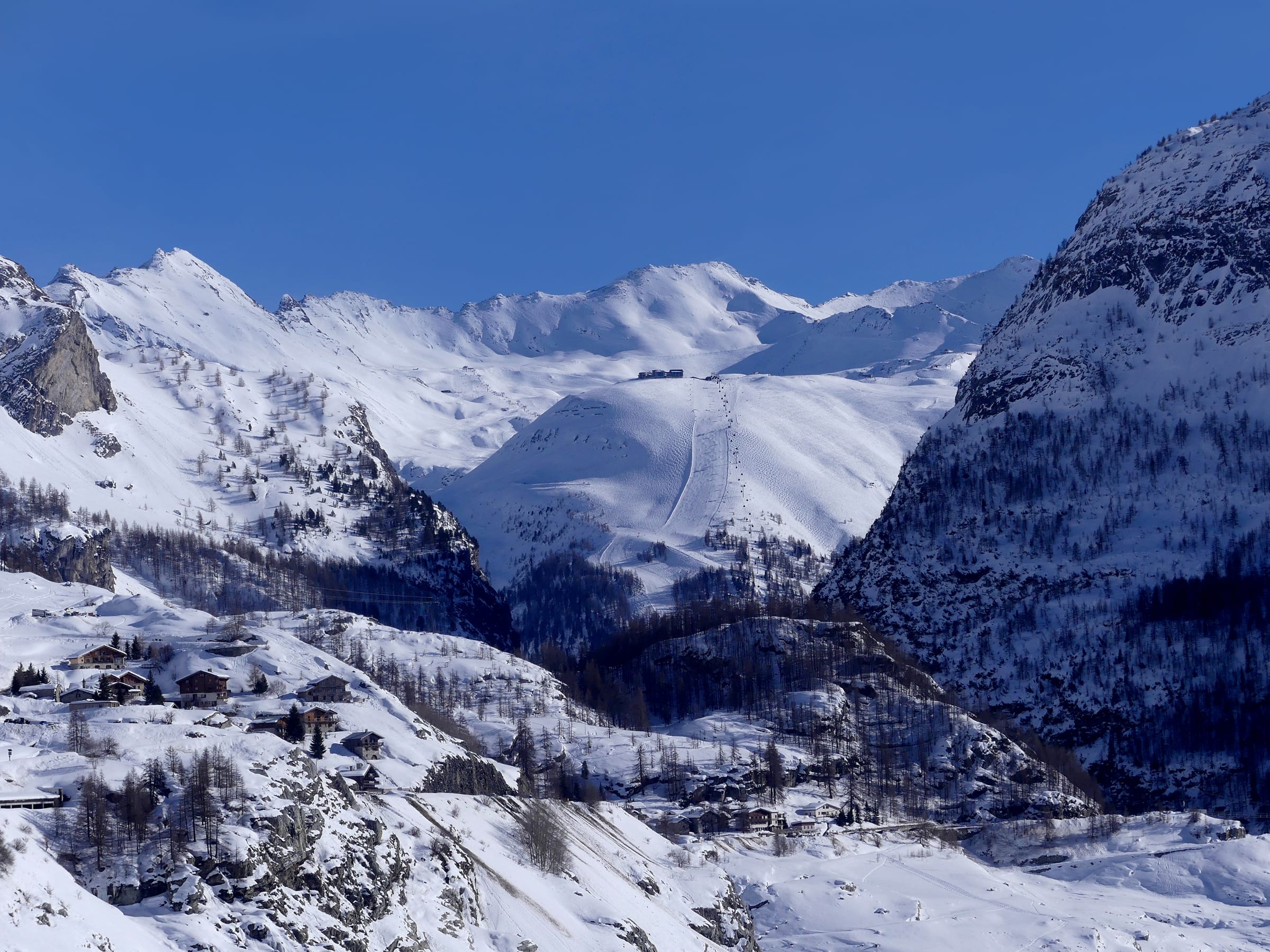
A large linked domain strung along the ridges above the Italian Piedmont, with Sestriere's Olympic slopes at the centre and a lift crossing the French border to Montgenèvre.
Big linked domain
Sunny
Intermediate cruising
Cross-border
400 kmPiste marketed
88Lifts
1,385 mBase
2,786 mSummit
1,401 mVertical
263Pistes mapped
🎟 One pass: Via Lattea lift pass covers every lift across the area.
The Via Lattea — the Milky Way — links a chain of resorts along the high ground west of Turin, close to where Italy meets France. On the Italian side sit Sestriere, Sauze d'Oulx, Sansicario, Cesana and Claviere; over the border in France is Montgenèvre, joined to Claviere by lifts and pistes across the frontier. The marketed figure is around 400 km of piste, which puts it among the largest linked areas in the Alps, though as with any sprawling cross-border domain that total is generous and includes plenty of ground you'd need a full day and steady legs to actually cover. Sestriere is the high point in both senses — a purpose-built resort at around 2035 m, built by the Agnelli family in the 1930s and used for the alpine events of the 2006 Turin Olympics. The rest are a mix of a lively tree-line balcony resort (Sauze d'Oulx), quiet purpose-built satellites and small border villages. It hangs together as one big, mostly sunny, intermediate-friendly playground on a single pass.
Scale and sun for the money. This is a genuinely big linked area where a confident intermediate can point downhill in one direction for a whole day and keep finding new runs, and it does it with the bright, south-leaning Piedmont light rather than the grey of many higher French bowls. The Olympic heritage at Sestriere is real — you can ski the courses used in 2006 — and the novelty of skiing from Italy into France and back is the kind of thing people remember. It also tends to cost less than the marquee French and Swiss names for a comparable amount of terrain.
High, open and sun-facing for the most part. The linked terrain runs along a series of ridges rather than sitting in one enclosed bowl, so much of it is broad, rolling and exposed to the sky — great for laying down long intermediate runs, less good for shelter when the wind gets up around Sestriere and the Colle. Sauze d'Oulx is the exception, with proper tree-lined skiing that comes into its own on flat-light days. The bias is firmly toward cruising: wide reds and blues that reward mileage over technical difficulty, with the steeper stuff and the off-piste there if you seek it out.
Best known for
Sestriere's 2006 Olympic pistes
Skiing across the Italy–France border
Around 400 km on one linked pass
Sunny, wide intermediate cruising
Explore the villages
The pass is the same everywhere — the village you base in shapes the holiday more than the valley you ski.
5 base villages, one lift pass.
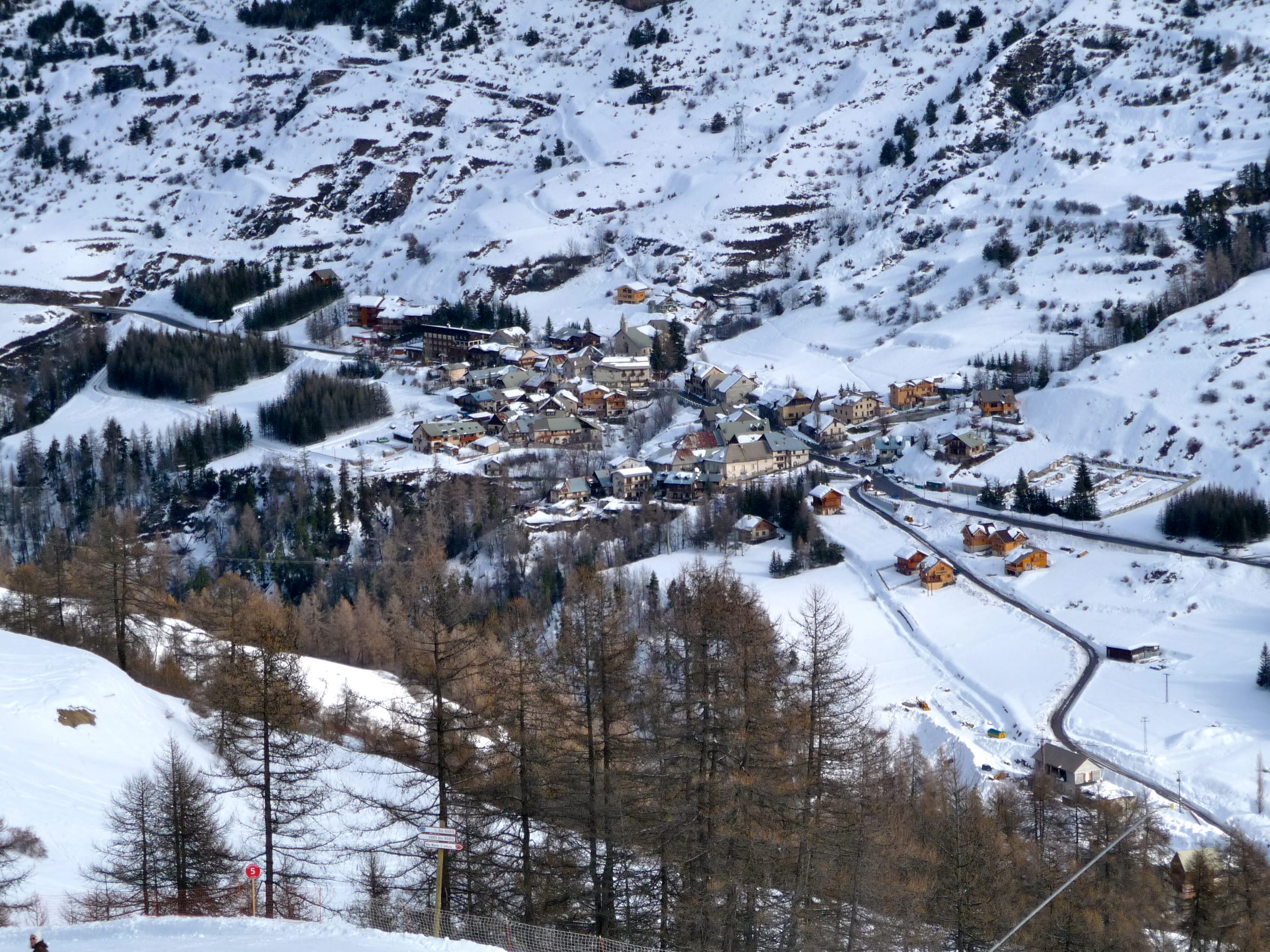
A small border hamlet at around 1760 m, the last Italian village before the France crossing and linked by lifts to Montgenèvre. Peaceful and low-key, it's a base for skiers chasing quiet and the novelty of the international link rather than resort bustle.
Quiet
Border village
Cross-border
Guide coming soon
SestriereHighest and most snow-sure, with the Olympic pistes on the doorstep — convenience over old-village charm
Sauze d'OulxThe lively, tree-skiing base with the best après and a more traditional town feel, lower and more weather-dependent
MontgenèvreThe French-side border village — its own sunny character and easy access into both countries' skiing
SansicarioQuiet, purpose-built and ski-in ski-out — calm family base away from the noise
ClaviereSmall border hamlet right at the France crossing, best for skiers chasing peace and the international link
Base in Sestriere for the highest, most snow-sure skiing and doorstep access to the Olympic pistes, accepting a functional, purpose-built resort rather than an old village. Sauze d'Oulx suits anyone who wants tree skiing, a livelier evening and a bit more traditional-town feel, at a lower altitude that's more weather-dependent. Sansicario is the quiet, ski-in ski-out satellite for families who want calm. Claviere and Montgenèvre put you right on the border for the cross-country-to-France novelty, with Montgenèvre giving you a French-side village to come home to.
Skiing, by level
Beginners
Workable, with caveats. Sestriere and Sansicario have gentle high nursery areas and easy blues that hold snow well, and Montgenèvre on the French side has good beginner ground too. The main thing to know is that this is a spread-out area built around intermediate mileage, so beginners are better off finding a home sector and progressing there rather than chasing the full linked circuit early on.
Intermediates
The whole point of the place. Wide reds and blues run for miles along the ridges and down to the villages, and a competent intermediate can spend a week joining sectors together and rarely repeat a run. The cross-border trip to Montgenèvre is well within reach. This is where the Via Lattea is at its best.
Advanced
Enough to enjoy without it being the reason to come. Sestriere's Olympic pistes include some genuinely steep, well-groomed black terrain that's a treat to open up early, and there are testing pitches dotted around Sauze and Sansicario. The domain leans cruising, so advanced skiers tend to use the blacks and the off-piste rather than expecting wall-to-wall steeps.
Experts & off-piste
Present but not the headline. There's off-piste to be had off the ridges and in the trees above Sauze d'Oulx when it's snowed, and the Sestriere sector has steeper lift-served lines, but this isn't a big-mountain freeride destination on the scale of the high French or Swiss areas. Treat any off-piste as needing a guide, avalanche kit and the right conditions — the sunny aspects mean the snowpack changes fast.
Ski the 2006 Olympic slopes at Sestriere
Sestriere hosted the alpine events of the 2006 Turin Winter Olympics, and you can still ski the courses cut for them — steep, wide, immaculately pitched black and red runs that are a genuine pleasure to open up on firm morning snow. Even if you're an intermediate happy to take them steadily, there's a real sense of skiing a piece of racing history rather than just another marked run.
Cross the border to Montgenèvre and back
From Claviere at the Italian edge of the domain, lifts and pistes carry you across the frontier into Montgenèvre in France — you ski from one country into another and can turn around and come home the same day. It's an easy, mostly intermediate outing and one of the few places in the Alps where the international crossing is a lift ride rather than a long transfer. Check your pass covers full Montgenèvre days, as the standard Via Lattea ticket includes it only in part.
A day chaining the sectors end to end
With one pass and steady legs you can work the length of the ridge — from Sestriere across to Sansicario, down towards Cesana and Claviere, over to the French side, and back through Sauze d'Oulx — stitching most of the linked domain into a single big day out. Watch the last connecting lifts and the sun-softened afternoon snow on the return legs so you don't end up stranded a valley from your bed.
Snow & how the mountain faces
Decent but not bomb-proof, and honesty matters here. The area sits high — Sestriere and the upper ridges are around 2000 m and above, which helps — but the aspect is a double-edged sword. All that sunshine that makes the cruising so pleasant also works on the snow, and south-facing slopes and the lower village runs can go patchy and slushy in a warm or dry spell, especially late season. Piedmont winters can also swing between big dumps and long dry high-pressure stretches. Snowmaking is extensive across the core, particularly on the Olympic pistes and the main links, so the marked runs usually hold up even when nature is stingy; it's the off-piste and the sun-baked lower slopes that suffer first.
Turin (TRN) is the natural gateway, ~approx 1.5 hours up to the resorts by road. Milan's airports (MXP, BGY) and Lyon (LYS) over in France are further alternatives, each ~approx 2.5–3 hours depending on the sector and conditions.
By rail
Oulx (Oulx-Cesana-Claviere-Sestriere) is the local mainline station in the valley, reached by trains from Turin and on the Paris–Milan line; from there it's a bus or transfer up the mountain roads to whichever village you're heading for.
Transfer up
The resorts sit along and above the valley on their own access roads, with Sestriere up a climbing road from the valley floor and Sauze d'Oulx on its balcony above Oulx. Once you're up, the linked lifts do the moving around during the day, but a car or the ski-bus is useful for hopping between village bases off the snow.
Best time to go
January and February give the coldest, most reliable snow across the whole area, including the lower and sunnier runs, and are the months to come if snow certainty matters most. March brings long, bright Piedmont days with the high Sestriere sector still skiing well, though the south-facing and lower slopes soften through the afternoon. Christmas, New Year and the February half-term weeks are the busiest and priciest; a non-holiday week in mid-to-late January is the quiet sweet spot.
Season opensEarly December, snow-dependent
Season closesMid-to-late April in the higher Sestriere sector
Full lift coverageDecember to April, sector by sector
Peak weeksChristmas / New Year and February half-terms
Best spring snowMarch, up in the high Sestriere sector
Good to know
Can you really ski from Italy into France here?
Yes. Claviere on the Italian side is linked by lifts and pistes across the border to Montgenèvre in France, so you can ski from one country into the other and back in a day. Just check the details of your lift pass — the standard Via Lattea ticket includes Montgenèvre only in part, and the Via Lattea Internazionale version covers it more fully.
Is the snow reliable given how sunny it is?
It's decent rather than guaranteed. The high sectors around Sestriere sit above 2000 m and hold snow well, and snowmaking covers the core pistes including the Olympic runs. But the domain faces a lot of sun, so the lower and south-facing slopes can go patchy in a warm or dry spell, especially late season. Come in January or February for the best cover.
Which base is best — Sestriere or Sauze d'Oulx?
Sestriere for the highest, most snow-sure skiing and the Olympic pistes on your doorstep, in a functional purpose-built resort. Sauze d'Oulx for tree skiing, a livelier evening and a more traditional town feel, accepting a lower altitude that's more weather-dependent. Families wanting quiet often prefer Sansicario instead.
Nearby resorts & areas
Other resorts within reach if you're combining trips or comparing.