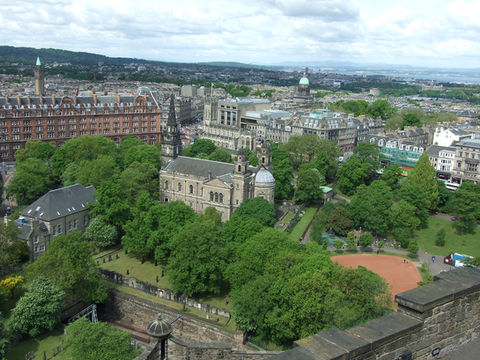
Glasgow is Scotland's biggest city and its least self-conscious one. It grew rich on shipbuilding and tobacco, spent the late twentieth century reinventing itself, and now runs on music, art school graduates, football and a food scene that has quietly overtaken most of the UK outside London. The Victorian centre is a grid of red and blond sandstone; Charles Rennie Mackintosh's buildings are scattered through it; and the West End, around the university, is the handsomest part of the city.
It is a UNESCO City of Music with something on almost every night, and its museums — Kelvingrove, the Burrell Collection, the Riverside — are free and genuinely first-rate. It is also the natural western gateway: Loch Lomond is 45 minutes away, and the ferries to Arran, Islay and the Hebrides leave from its coast.
Things to do
- Kelvingrove Art Gallery and Museum — Free, enormous and completely unpretentious — Dalí's Christ of St John of the Cross, a Spitfire, an organ recital most days.
- The Mackintosh trail — The Willow Tea Rooms, the Mackintosh House, Scotland Street School and House for an Art Lover. (The Art School itself remains closed after fire.)
- The Burrell Collection — One man's astonishing hoard — Degas, medieval tapestries, Chinese ceramics — in a rebuilt gallery inside Pollok Country Park. Free.
- Live music — King Tut's Wah Wah Hut, the Barrowland Ballroom, the Hydro and a hundred pub back rooms. Check listings before you arrive.
- Glasgow Cathedral and the Necropolis — The only medieval cathedral on mainland Scotland to survive the Reformation intact, with a Victorian city of the dead on the hill behind it.
- The Riverside Museum and the Tall Ship — Zaha Hadid's transport museum on the Clyde, with the Glenlee moored outside. Free.
Where to base yourself
The Glasgow neighbourhoods worth knowing before you book.
-
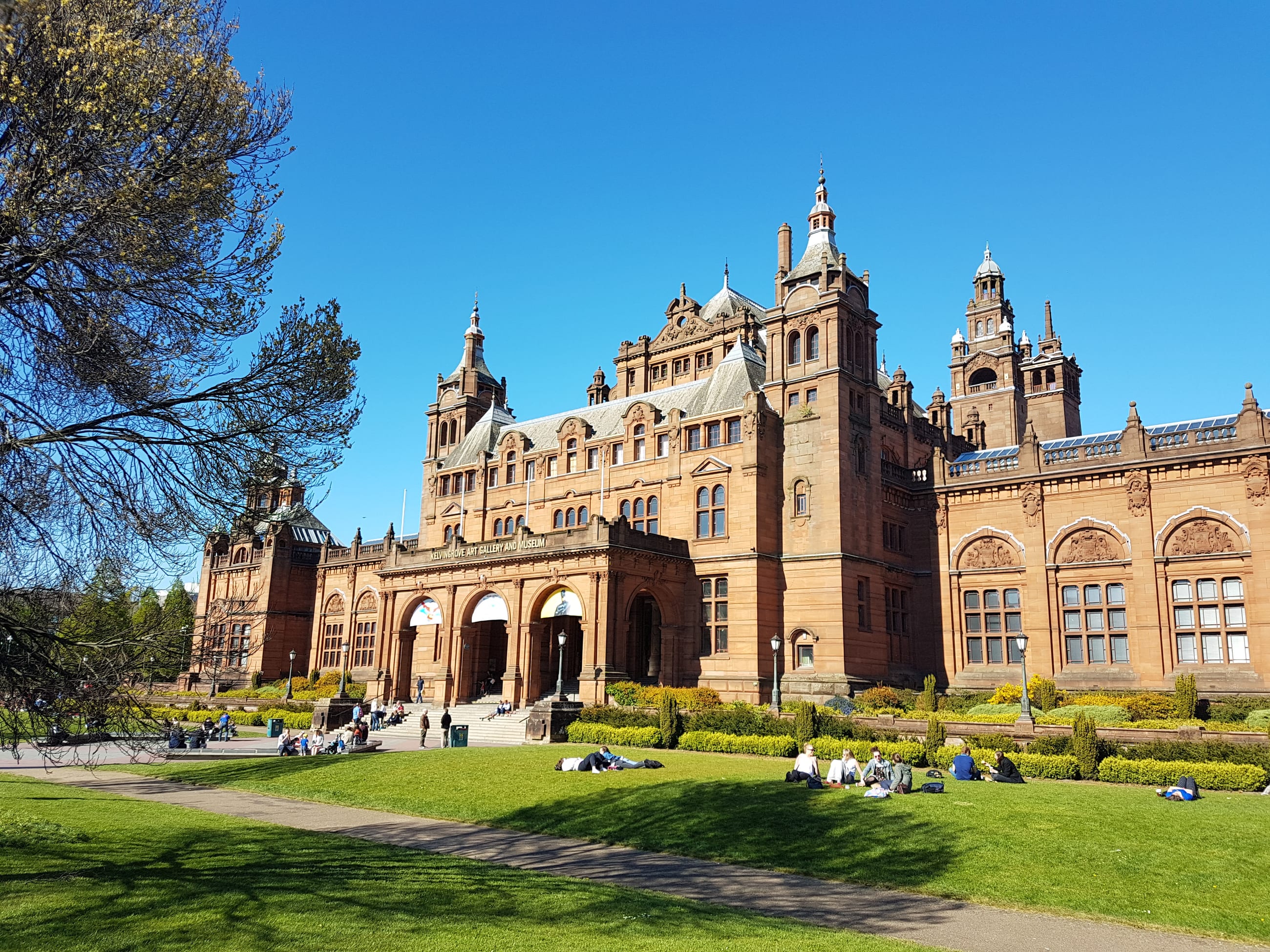 Coming soon City Centre & Merchant City The Victorian grid, the main shopping streets and the Merchant City's bars and restaurants in converted warehouses. Most hotels are here.
 - Coming soon West End The university, Kelvingrove, Byres Road and Ashton Lane. Leafy, studenty, full of good food, and the nicest place to stay if you don't need the centre.
- Coming soon Finnieston The strip between the centre and the West End that became the city's restaurant row, next to the SEC and the Hydro arena.
- Coming soon Southside Pollok Country Park, the Burrell Collection, Mackintosh's House for an Art Lover and Queen's Park. Residential, and increasingly where the interesting places open.
- Coming soon East End Glasgow Cathedral, the Necropolis, the Barras market and Celtic Park. Rougher-edged and rewarding.
3 days in Glasgow
- Day 1 The centre and the East End
Start with the Victorian grid and George Square, then the Merchant City. Afternoon at Glasgow Cathedral and the Necropolis, back via the Barras. Dinner in the Merchant City, then a gig.
- Day 2 West End and the Clyde
Kelvingrove in the morning, the university cloisters and the Mackintosh House after. Walk Byres Road and Ashton Lane, then down to the Riverside Museum and the Tall Ship. Eat in Finnieston.
- Day 3 Southside or the loch
Either the Southside — the Burrell Collection, Pollok Park and House for an Art Lover — or take the train to Balloch and spend the day on Loch Lomond.
Day trips
Worth the train or the drive from Glasgow.
-
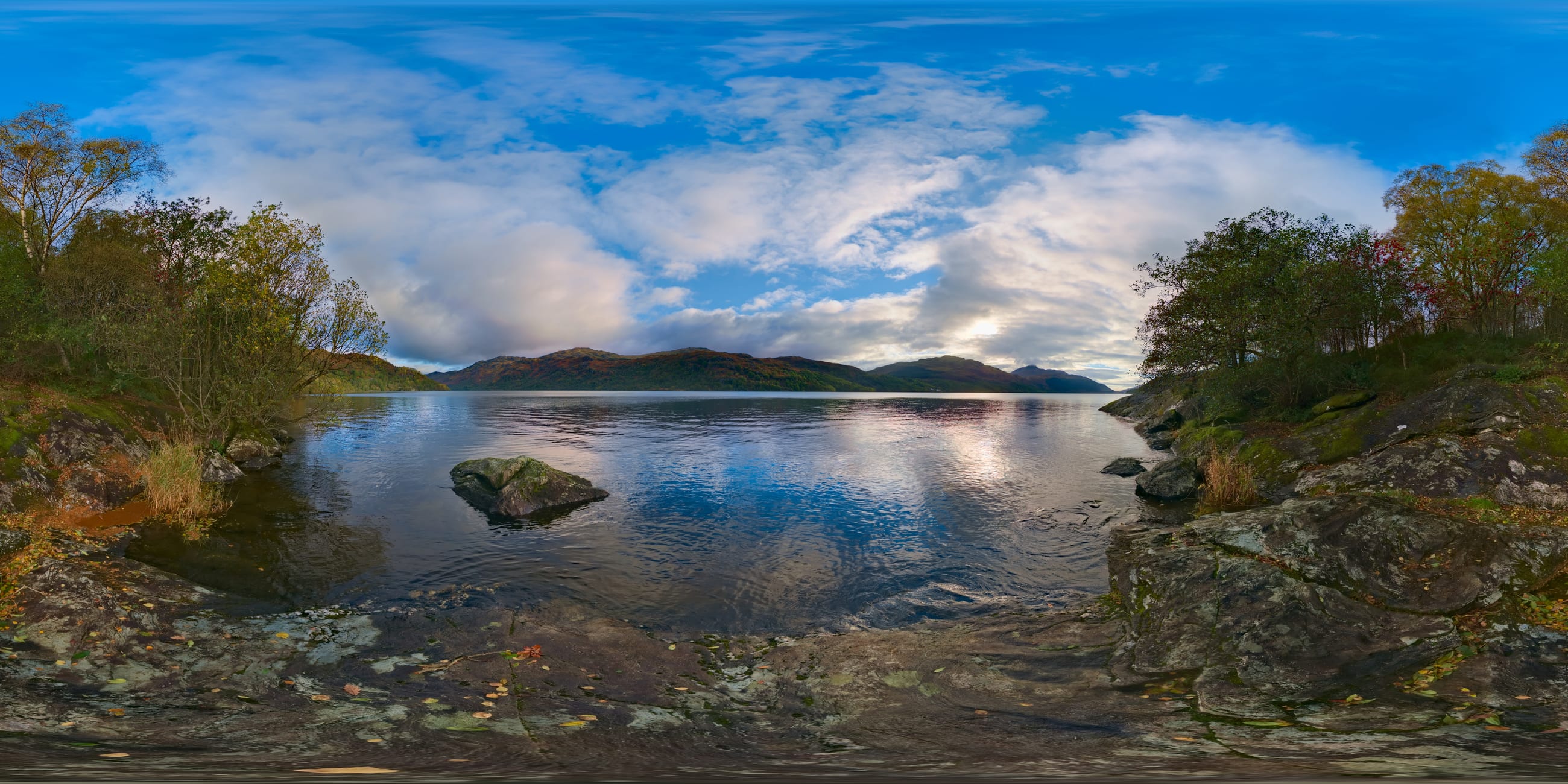 Loch Lomond & The Trossachs 45 minutes by train to Balloch — the fastest route from any Scottish city into a national park.
 -
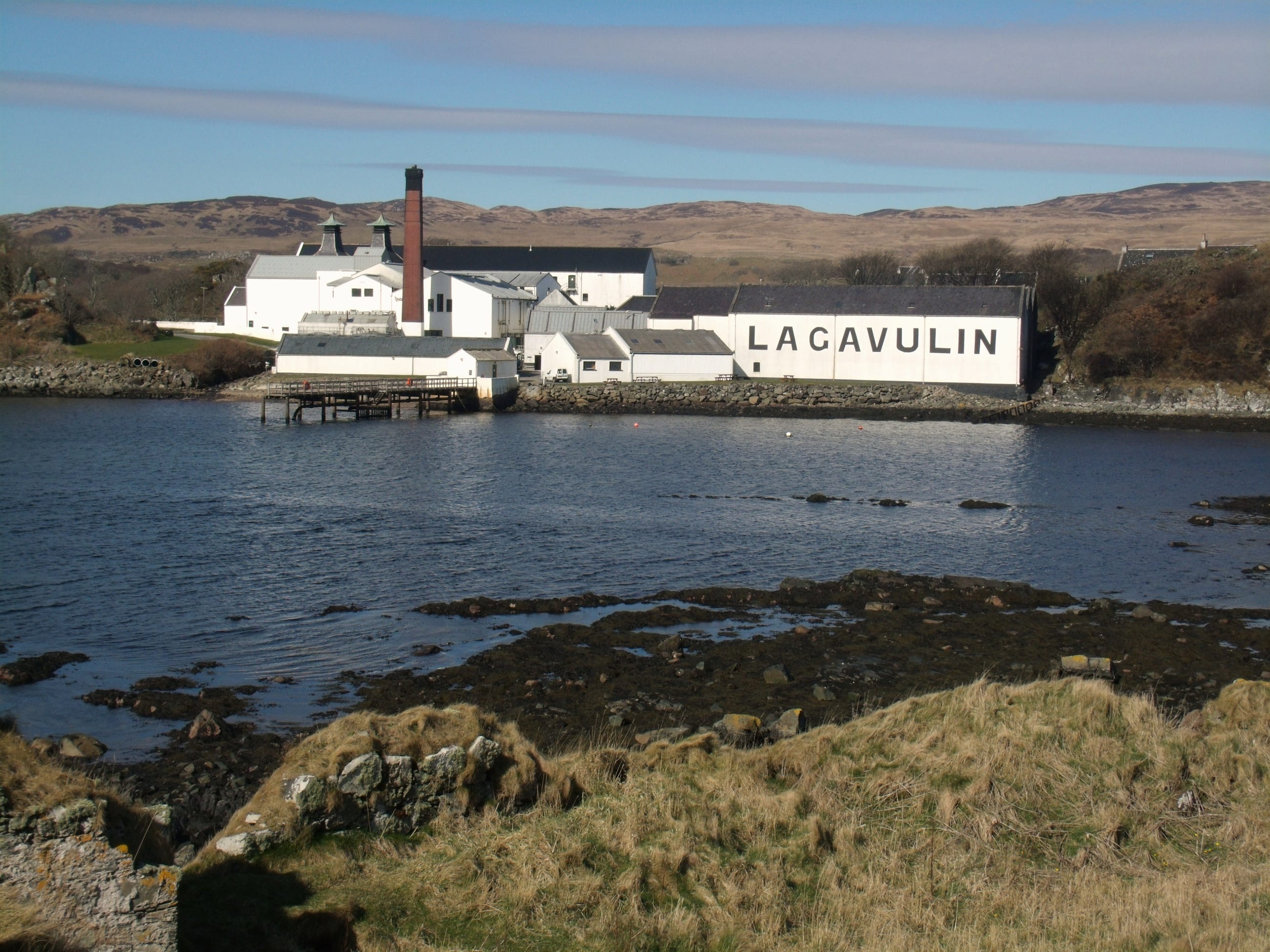 Islay Ferry from Kennacraig for the distilleries; an overnight rather than a day trip.
 -
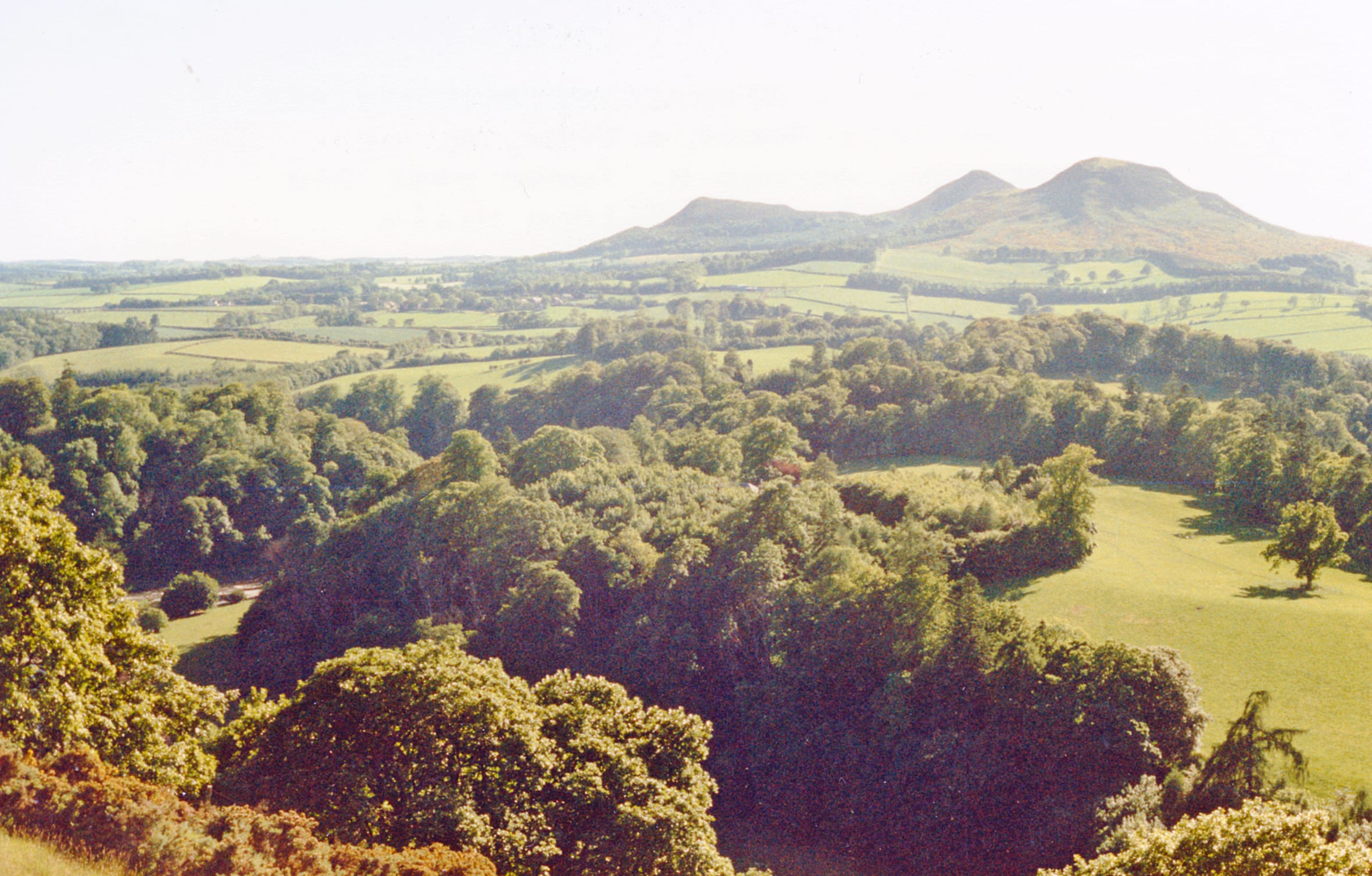 The Scottish Borders South and east through Lanarkshire towards the abbeys and the Tweed.
Practical
- Best time to go
- May–September for the longest days and the festival season (TRNSMT in July, Celtic Connections in January is the winter counterweight). Glasgow rains more than Edinburgh year-round, so the indoor-heavy itinerary holds up in any month.
- Getting there
- Glasgow Airport is 20 minutes from the centre by bus; Prestwick serves budget carriers further out. Trains from London take about 4h30 to Central; the Edinburgh shuttle runs every 15 minutes and takes 50 minutes, so the two cities are easily done as one trip.
- Getting around
- The centre is a walkable grid. The Subway — a single circular line, affectionately the Clockwork Orange — links the centre, the West End and the Southside, and is the quickest way to Kelvingrove or Ibrox. Buses and suburban trains cover everything else; the low-emission zone makes driving in the centre a bad idea.
- Eat & drink
- Glasgow eats better than its reputation suggests. Finnieston is the headline strip — small plates, seafood, wood-fired everything — with the West End close behind. The city also does the cheap end properly: some of Britain's best Indian food (Glasgow claims the chicken tikka masala), Sichuan on Sauchiehall Street, and a serious vegan scene. Traditional Scottish is easy to find, and the pubs are the real institution — the Horseshoe Bar, the Laurieston, Òran Mór in a converted church.