London is two thousand years of city built on top of itself — a Roman wall under an office block, a Norman keep beside a glass shard, a medieval market next to a rail terminus. It is also the busiest arrival point in Britain and the hub the rest of this map hangs off: almost every region has a direct train from one of its termini. Nine million people, thirty-two boroughs, and a set of national museums that are, remarkably, all free.
No other city in Europe gives away this much. The British Museum, the National Gallery, the V&A, the Natural History Museum, Tate Modern and Tate Britain all cost nothing to enter. Around them sit the Tower, Westminster Abbey, the West End, eight royal parks and a restaurant scene that runs from century-old pie-and-mash shops to three Michelin stars.
Things to do
- The Tower of London — The Crown Jewels, the White Tower, the ravens and 950 years of grim stories. Book ahead and go at opening.
- The free national museums — British Museum, National Gallery, V&A, Natural History, Science Museum, Tate Modern, Tate Britain, National Portrait Gallery — all free, all world-class.
- Westminster Abbey — Every coronation since 1066, and most of the country's dead poets and monarchs. Paid entry, and worth it.
- A West End show — Forty-odd theatres. Day seats and the TKTS booth in Leicester Square cut the price sharply if you're flexible.
- Borough Market and the South Bank walk — Eat your way through the market, then walk the river from Tower Bridge to Westminster past the Globe and Tate Modern.
- The royal parks — Hyde Park, Regent's Park, Richmond (with its deer), Greenwich and St James's. Free, enormous and how Londoners actually spend a good day.
- Greenwich — The Cutty Sark, the Royal Observatory, the meridian line and the Maritime Museum — best reached by river bus.
Where to base yourself
The London neighbourhoods worth knowing before you book.
-
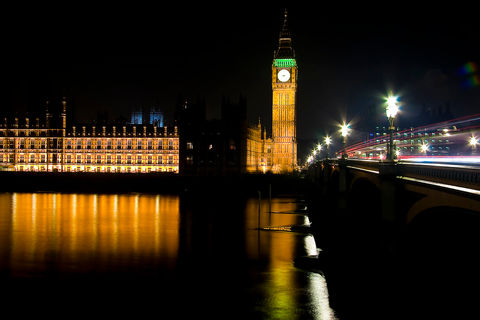 Coming soon Westminster & St James's The Abbey, Parliament, Buckingham Palace and the big galleries on Trafalgar Square. Grand, central and short on evening life.
 - Coming soon Covent Garden & Soho The West End theatres, Chinatown, the bars and the restaurants. Loudest and best-placed base for a short first trip.
- Coming soon South Bank & Southwark Tate Modern, Shakespeare's Globe, Borough Market and the walk along the river — the single best stretch of pavement in the city.
- Coming soon The City & Tower The Roman and medieval core, empty at weekends, with the Tower and Tower Bridge at its eastern end.
- Coming soon Kensington & Chelsea The three great free museums, Hyde Park and Kensington Gardens. Quieter, greener, good for families.
- Coming soon Shoreditch & East London Markets, street art, the best independent food and the nightlife that used to be in Soho. Twenty minutes out, worth the trip.
3 days in London
- Day 1 Westminster and the river
Westminster Abbey at opening, then Parliament and Big Ben, up Whitehall to Trafalgar Square and the National Gallery. Cross to the South Bank in the afternoon and walk east to Tate Modern. Dinner in Soho, theatre after.
- Day 2 The Tower and the East
Tower of London first thing, then Tower Bridge and a wander through the City — St Paul's, the Roman wall, Leadenhall. Afternoon in Shoreditch and Spitalfields for markets and street art. Eat on Brick Lane.
- Day 3 Museums and parks
British Museum or the South Kensington three (V&A, Natural History, Science). Afternoon in Hyde Park and Kensington Gardens, ending at Notting Hill or Marylebone. Alternatively take the river bus down to Greenwich for the day.
Day trips
Worth the train or the drive from London.
-
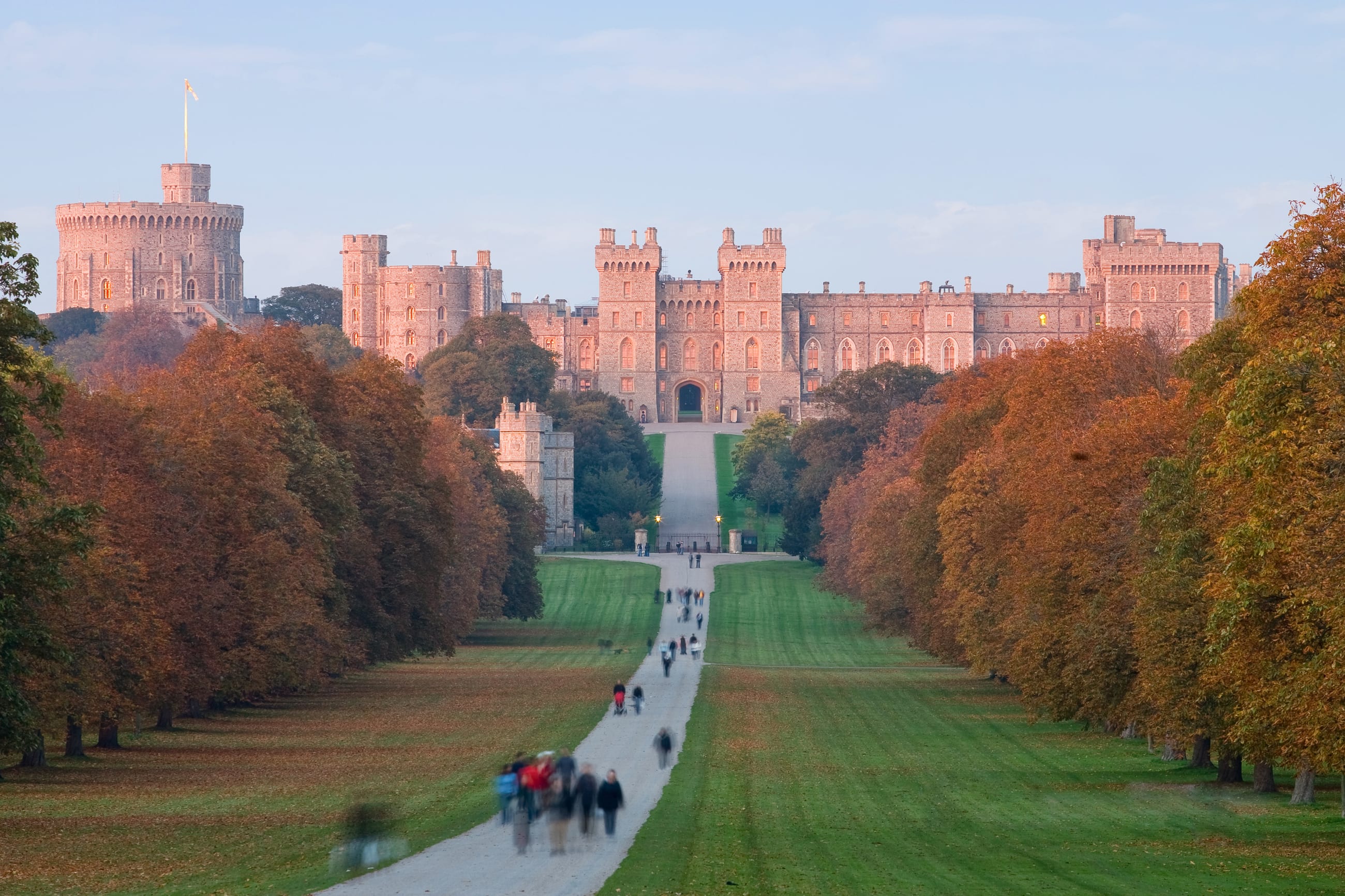 Windsor The oldest occupied castle in the world, 30 minutes by train from Paddington or Waterloo.
 -
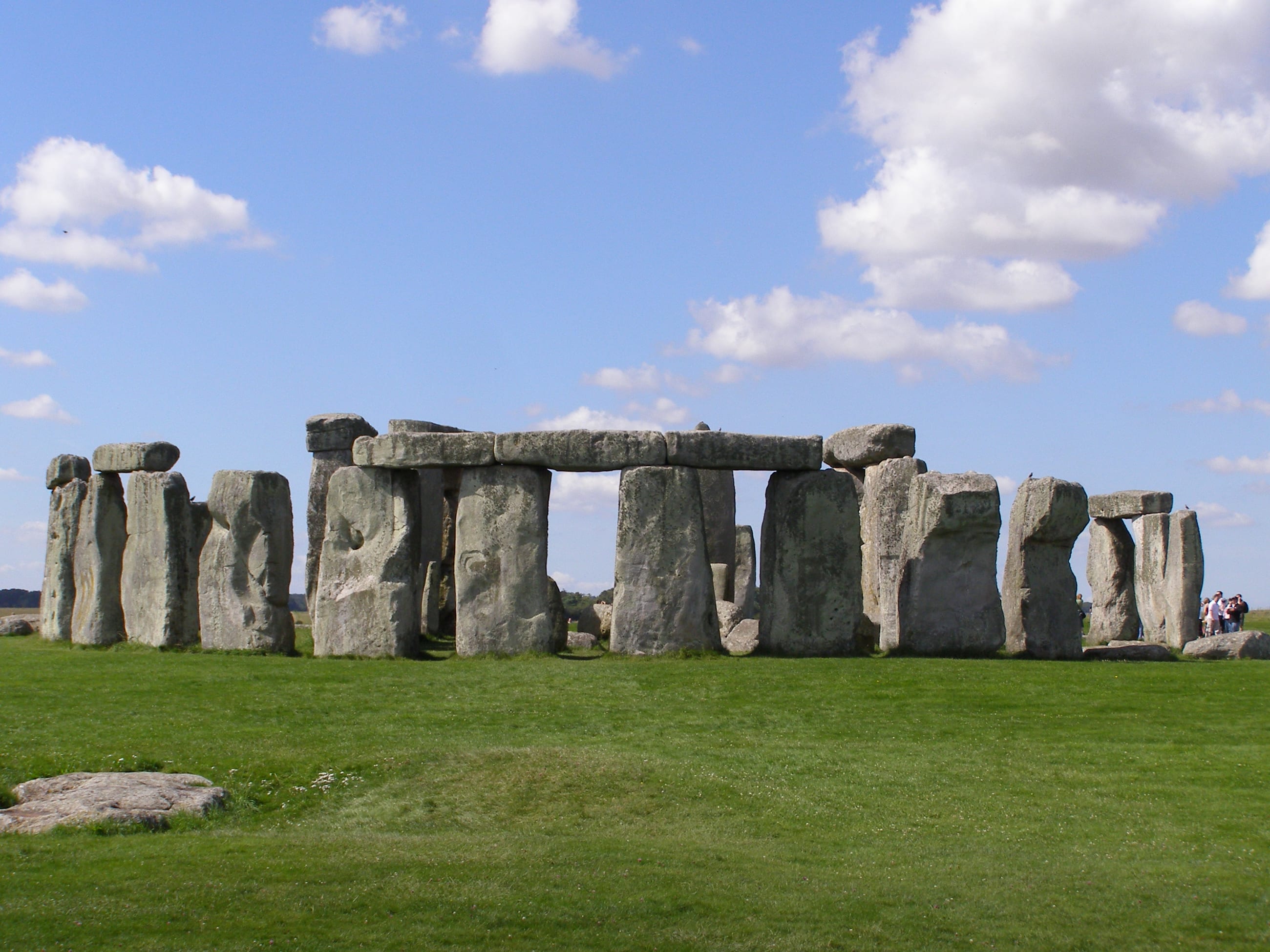 Stonehenge Best combined with Bath or Salisbury; about two hours each way.
 -
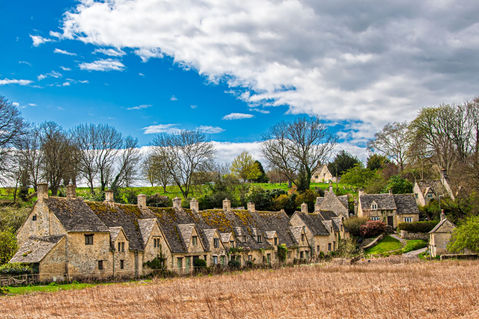 The Cotswolds Honey-stone villages 90 minutes out — easiest with a car or a tour, though Moreton-in-Marsh has a direct train.
 -
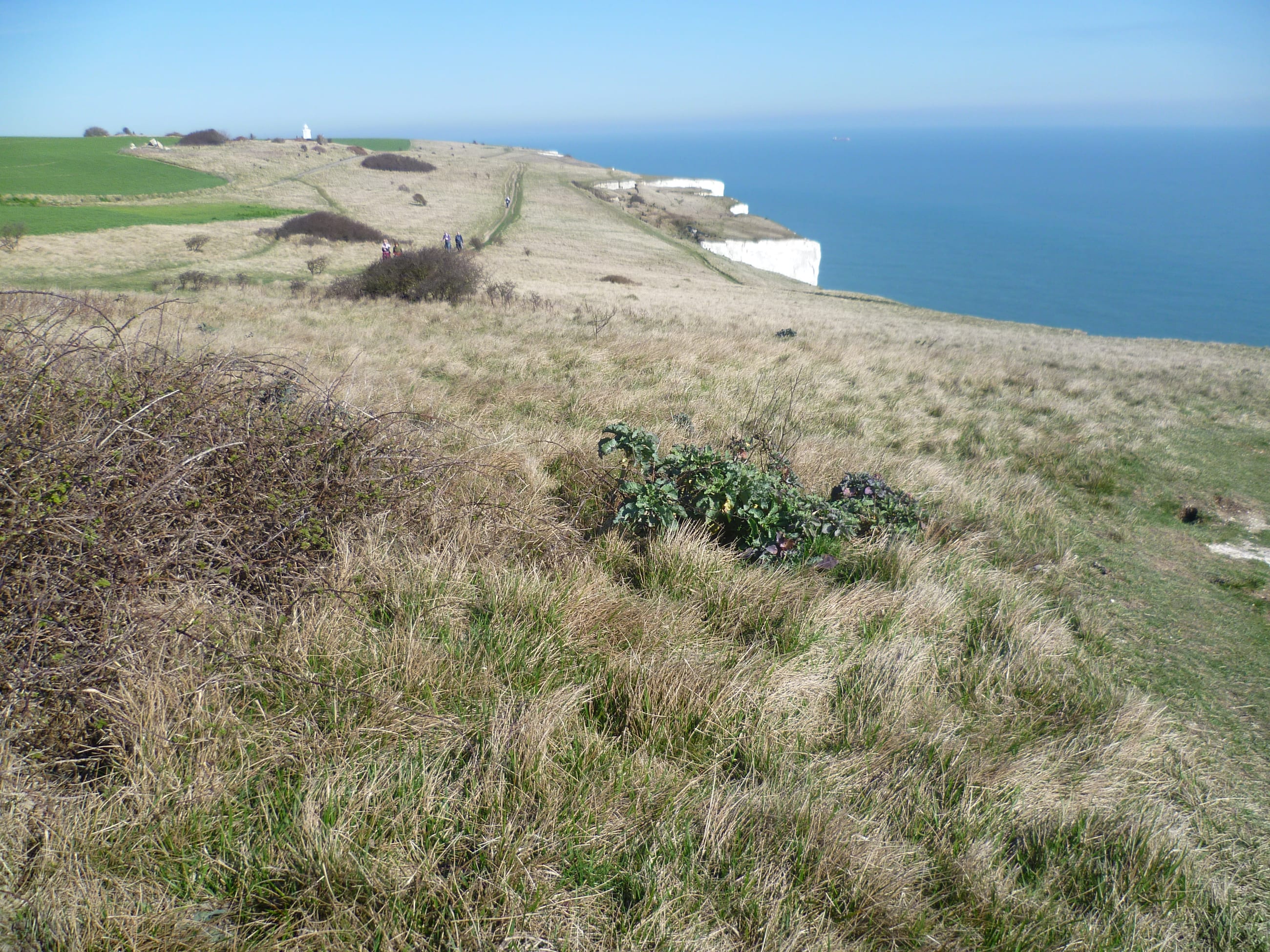 Kent Canterbury Cathedral, Leeds Castle and the white cliffs, an hour from St Pancras on the high-speed line.
 -
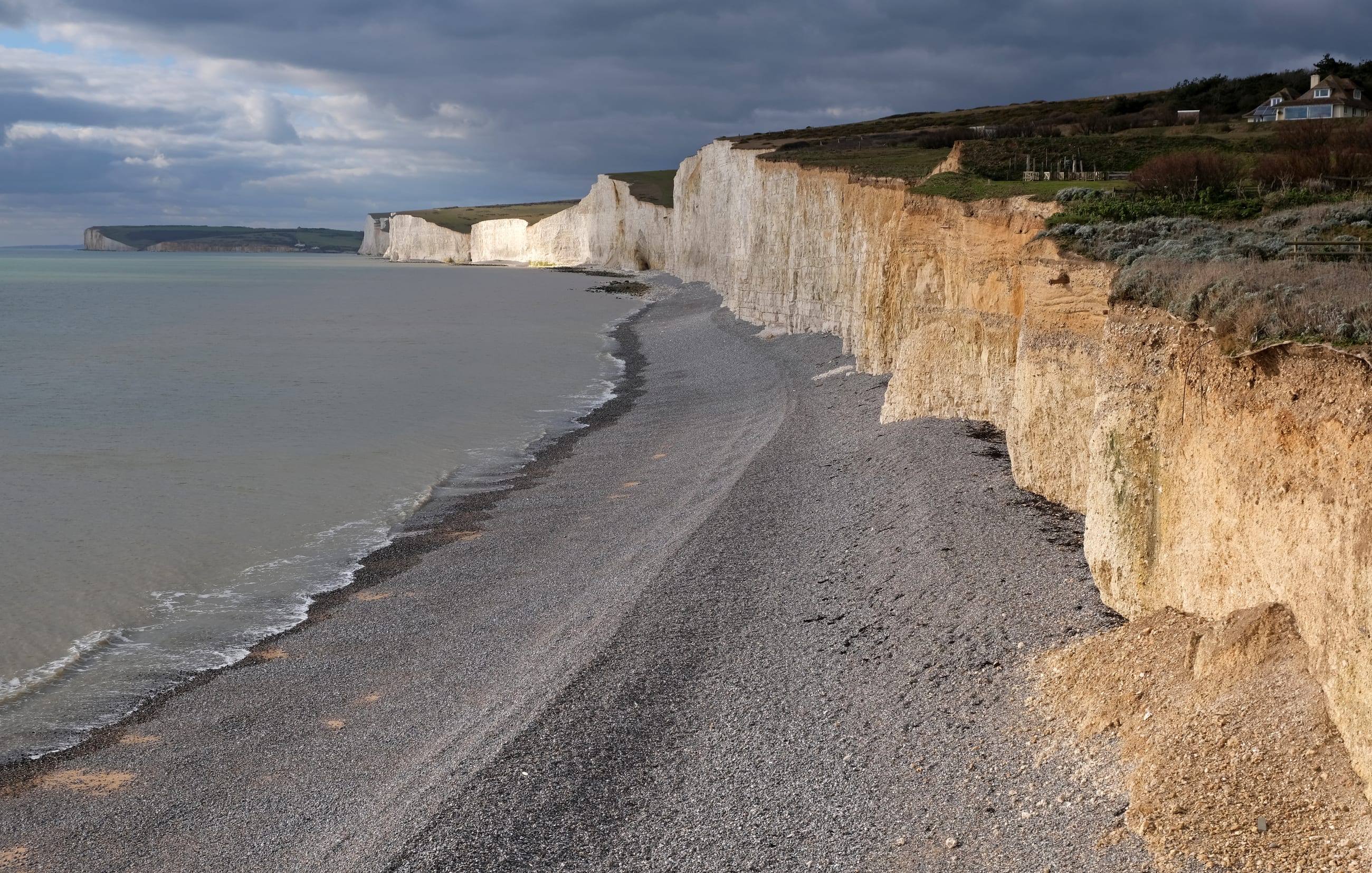 South Downs Chalk downland and the Seven Sisters cliffs — an hour to Brighton, then the coast.
Practical
- Best time to go
- May–September for long evenings and the parks at their best; June is the sweet spot. November–December for Christmas lights and markets. January–February is the cheapest and quietest, with everything indoors still open. Avoid assuming summer means sun — it rains in every month.
- Getting there
- Six airports: Heathrow (Piccadilly line or the Elizabeth line, 30–45 min), Gatwick (30 min by train), Stansted, Luton, City and Southend. The Eurostar arrives at St Pancras from Paris, Brussels and Amsterdam in 2–4 hours. Every other region on this map has a direct train from one of the main termini.
- Getting around
- Tap in and out with a contactless card or phone — no need to buy a ticket, and the daily cap works out cheaper than a travelcard. The Tube covers most of it; buses are slower but see more; and central London is far more walkable than the Tube map suggests. The Elizabeth line crosses the city east–west fast. Don't drive: the congestion and ULEZ charges apply daily.
- Eat & drink
- The best argument for London is that you can eat anything here. The institutions: Sunday roast in a proper pub, a full English, curry on Brick Lane, salt beef at a Jewish bake house, pie and mash if you can still find one. The markets — Borough, Maltby Street, Broadway, Brixton — are the fastest route to good food cheaply. Beyond that: 70-odd Michelin-starred restaurants, the best Indian food outside India, and entire high streets given over to Turkish, Nigerian, Vietnamese or Portuguese cooking. Book anything notable well ahead.