 © Sydney Opera House
Sydney Opera House: The Official 1-Hour Guided Tour
Sydney
Tickets via Tiqets
from £26.27
View & book →The harbour city — Opera House, ocean baths and 100 beaches, with the Blue Mountains and Hunter Valley behind it.
Sydney is Australia's harbour city: ocean beaches, two famous landmarks and a First Nations heritage you meet all over the city. It fans out from the harbour, with Bondi to the east, Palm Beach to the north, Parramatta and the Blue Mountains to the west and Australia's oldest national park to the south. Central Sydney is Gadigal Country, part of the Eora Nation, and Warrane (said 'War-rang') is the Aboriginal name for the area now known as Circular Quay and Sydney Cove.
Everything on this map is a day trip or a short hop from Sydney — the way Tourism Australia itself organises the country, around a gateway city and the destinations it opens up.
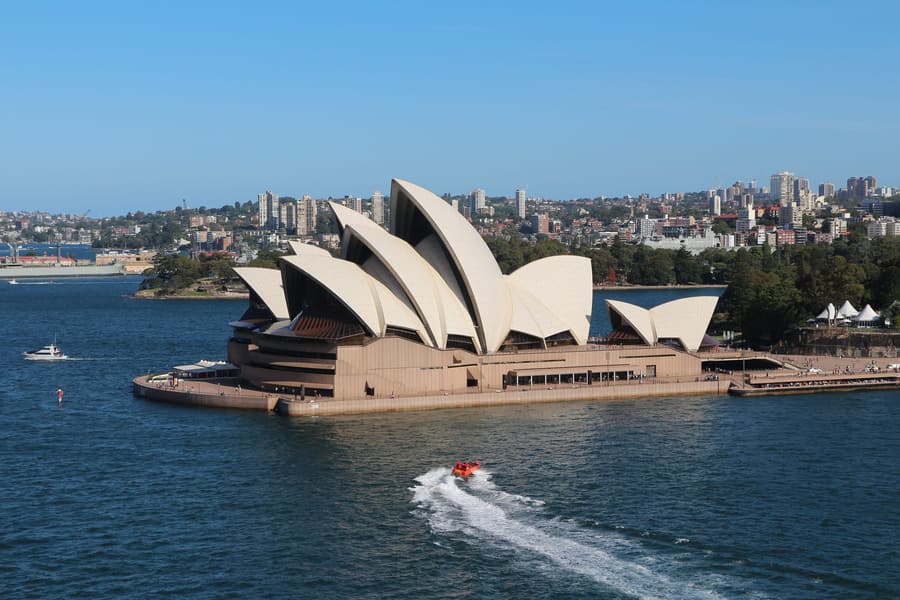
Walk from Circular Quay round to the Opera House steps, or go inside on the official guided tour.
From Circular Quay to Manly, Watsons Bay or Taronga Zoo: the cheapest harbour cruise in Sydney, and the locals' commute. It costs an ordinary Opal fare.
Swim, surf or just watch. If the sea is too lively, take the coastal path south towards Coogee.
SEA LIFE Sydney Aquarium and WILD LIFE Sydney Zoo are next door to each other, with the Australian National Maritime Museum across the water.
The zoo sits on the north shore of the harbour. Arriving by ferry from Circular Quay is half the point.
Aboriginal cultural tours, exhibitions and events run all year, a different way to read the harbour you have just crossed.
Train to Cronulla, then the little ferry to Bundeena on the edge of the wilderness, near ancient Aboriginal rock engravings.
Whale-watching season on the Sydney coast runs from May to November.
Skip-the-line tickets and tours in Sydney — compare across our partners.
© Sydney Opera House Sydney
Tickets via Tiqets
from £26.27
View & book →
Sydney
Tickets via Tiqets
from £23.17
View & book →
Sydney
Tickets via Tiqets
from £31
View & book → © Viator
Sydney
Tickets via TiqetsViator compare on page
from £18.44
View & book →The Opera House, the Rocks and the ferry wharves: the easiest first-time base, and where our two Sydney stays are.
SEA LIFE Sydney Aquarium and WILD LIFE Sydney Zoo side by side, a short walk from Town Hall station. Handy for families.
Cafés, small bars, theatres and boutiques. A base for eating out, walkable to the city.
Beach mornings and the coastal walk, with the city a bus ride away.
A beach town across the harbour, linked to Circular Quay by ferry: a quieter base with a commute that doubles as a cruise.
Circular Quay, the Rocks and the Opera House in the morning, then a ferry to Taronga Zoo or Manly. Back for sunset over the bridge.
Bondi in the morning, the coastal walk towards Coogee, and an evening in Surry Hills or Paddington.
SEA LIFE Sydney Aquarium, WILD LIFE Sydney Zoo or the Maritime Museum, then up Sydney Tower Eye for the view of where you have been.
A day trip west to the World Heritage-listed Blue Mountains: lookouts, bushwalks and a slower pace before the flight home.
Sydney is one of the most multicultural cities in the world, and it eats like it. The inner-city neighbourhoods of Surry Hills, Darlinghurst, Chippendale and Newtown are where the cafés, small bars and restaurants are. Sydney West is the city's mix of cultures and cuisines, and plenty of tables in between come with a harbour or beach view.
The iconic destinations Tourism Australia groups under “Sydney and surrounds”.
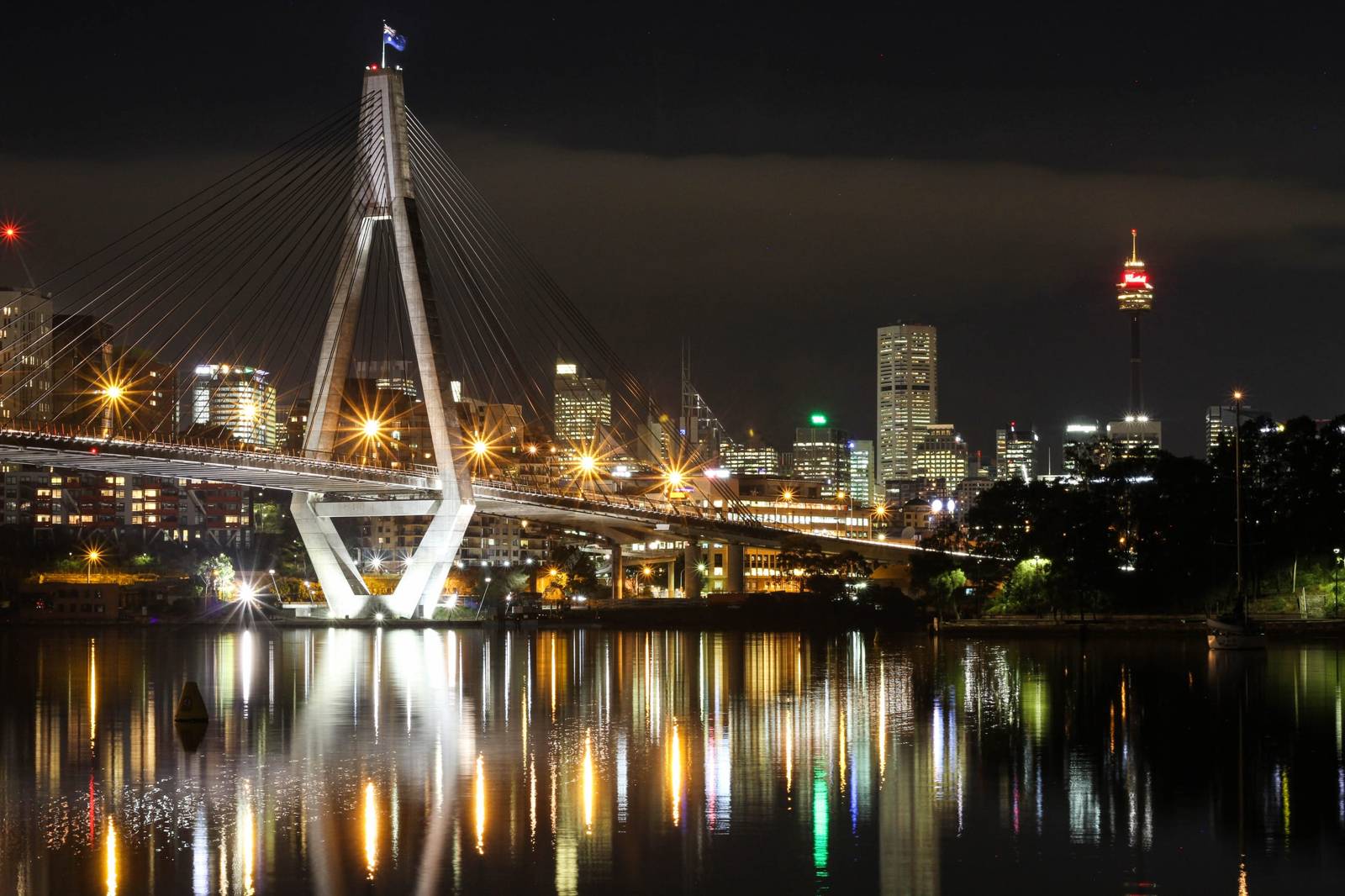
 Sydney Harbour The Opera House, the Harbour Bridge and 240 km of shoreline you can swim, sail and walk.
 Bondi Beach Australia's most famous beach, and the start of the Bondi-to-Coogee coastal walk.
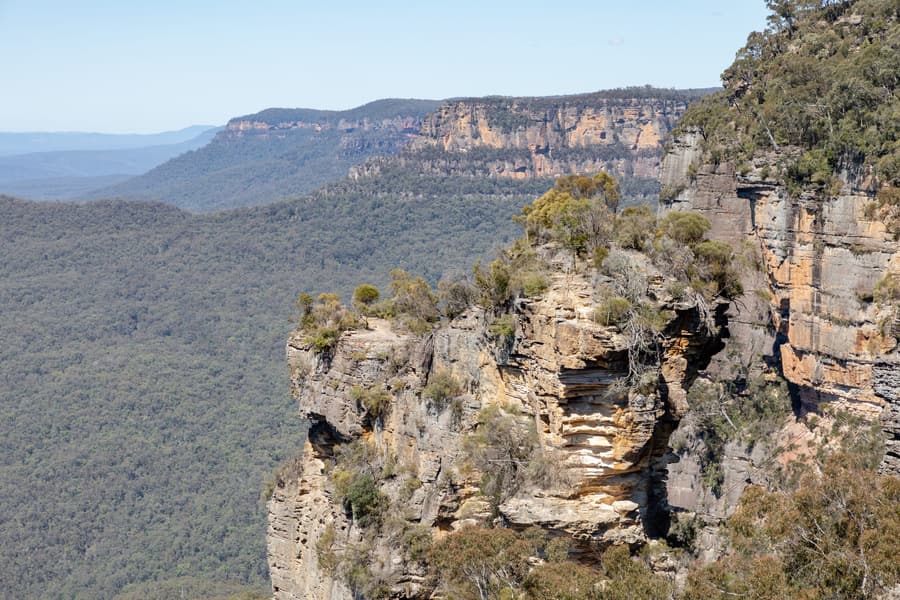 Blue Mountains World Heritage eucalypt wilderness, the Three Sisters and canyons — 90 minutes from Sydney.
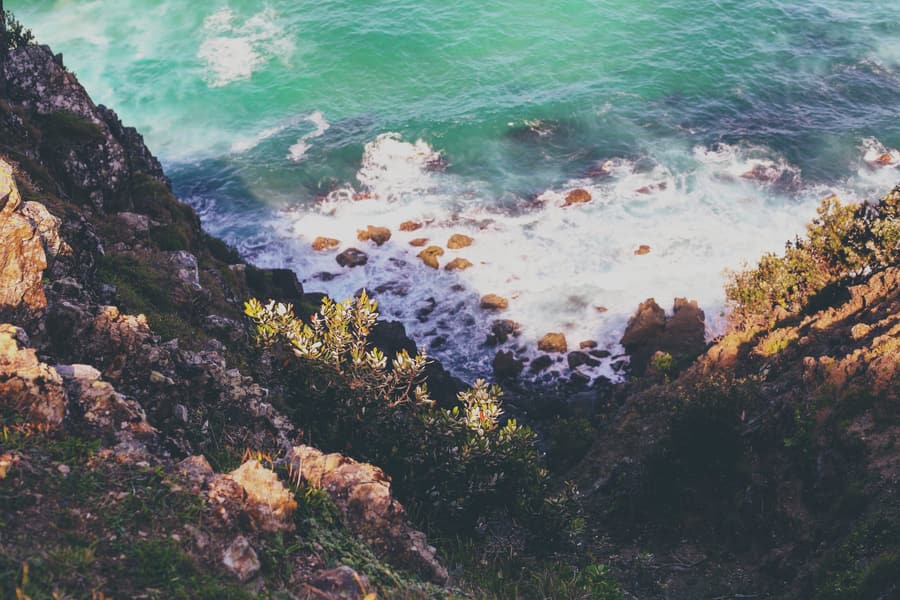 Byron Bay Mainland Australia's most easterly point — surf, wellness and a lighthouse walk at dawn.
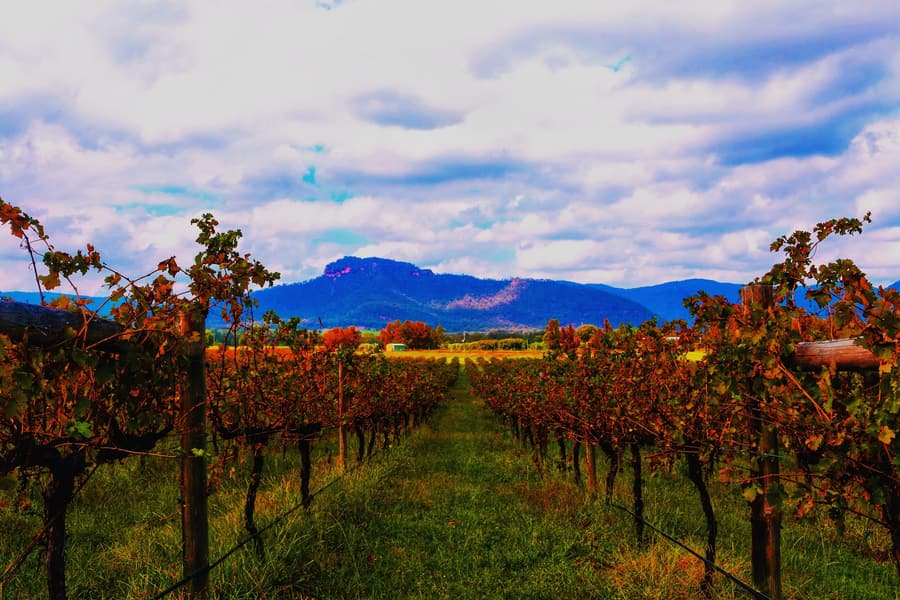 Hunter Valley Australia's oldest wine region, and the home of aged Semillon.
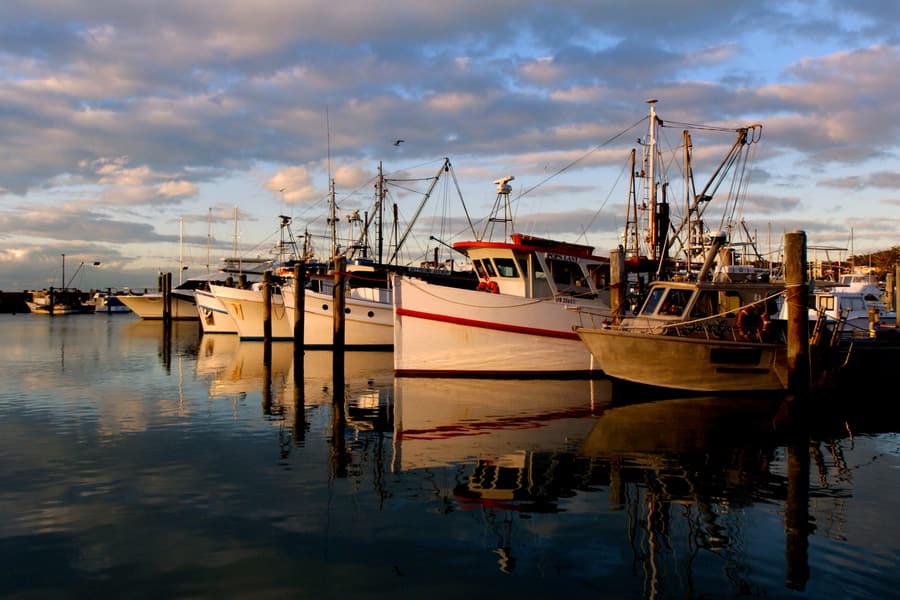 Port Stephens Dolphins in the bay, the Stockton sand dunes behind and 26 beaches to choose from.
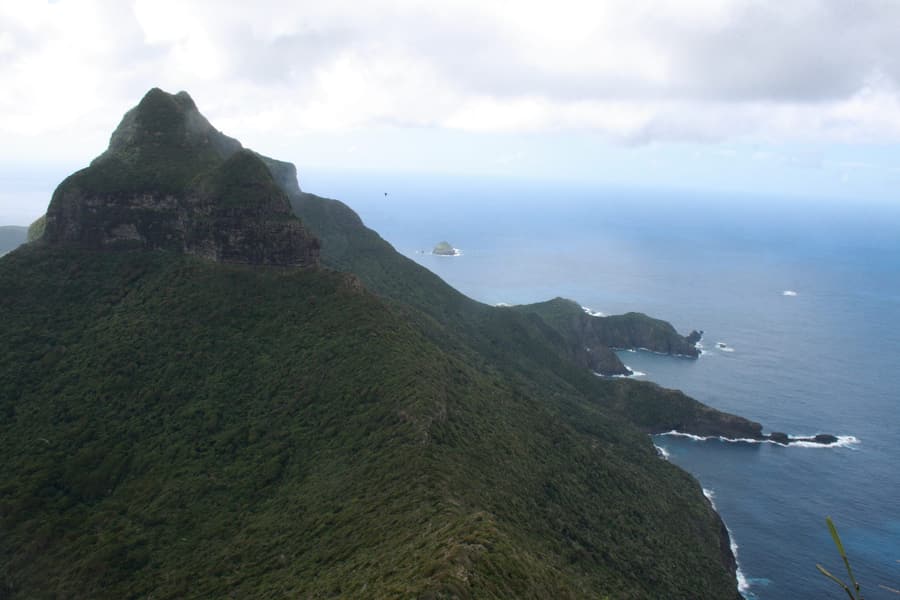 Lord Howe Island World Heritage, two hours from Sydney and capped at 400 visitors at a time.
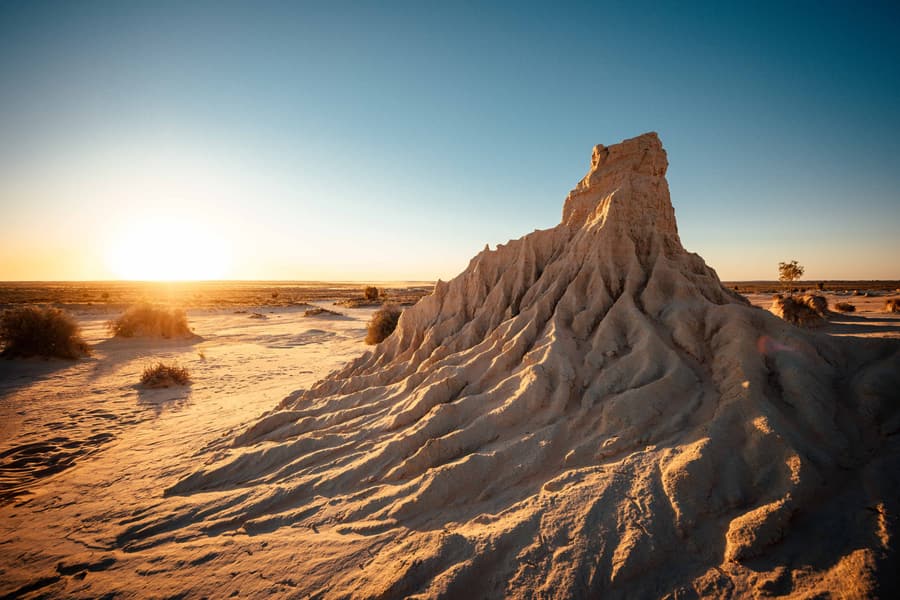 Mungo National Park Where Mungo Lady and Mungo Man were found — 42,000 years of continuous human story in the dry Outback.
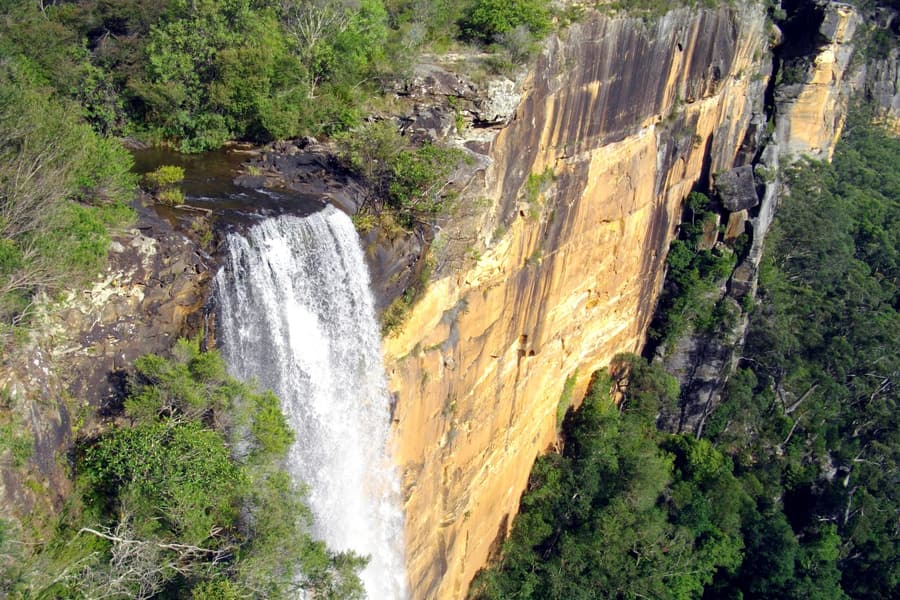 Southern Highlands Cool-climate wine, gardens and country towns between Sydney and Canberra.
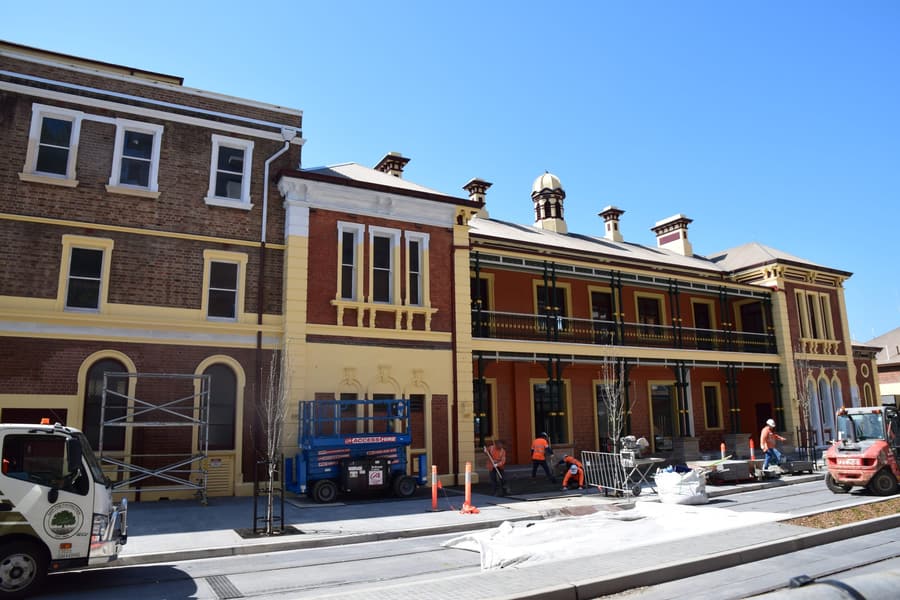 Newcastle An ocean baths and street-art city two hours north of Sydney, at the mouth of the Hunter.
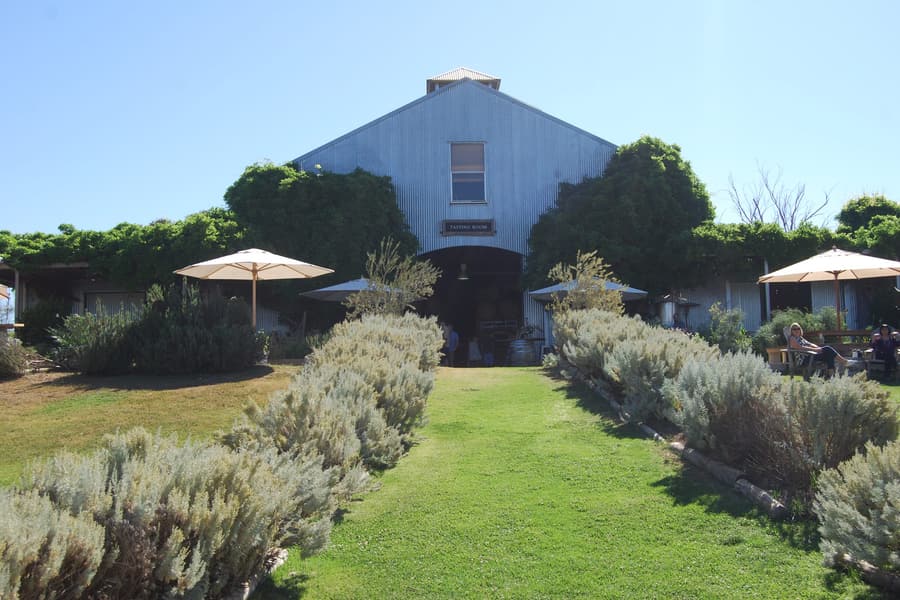 Mudgee Big reds, honey and heritage streets in the NSW central west.
Getting there. From the UK, Qantas flies Heathrow to Sydney via Singapore and lists a non-stop London–Sydney service from October 2027. The only direct flight from Heathrow to Australia is Qantas to Perth, with connections on to Sydney. Most other routes stop once at a hub in the Middle East or Asia. Sydney Kingsford Smith Airport (SYD) is 8 km from the city centre. Trains take about 13 minutes to the city and run about every 10 minutes. Tap on with an Opal card or a contactless card. The airport stations charge a station access fee on top of the fare (adult A$18.61 with Opal or contactless, capped at A$37.75 a week; 2026 fares). Buses are cheaper: route 420 serves both terminals, and route 350 runs from the Domestic Terminal to Bondi Junction via Coogee. Taxis, rideshare and the DART Express Shuttle to central hotels are also available.
Getting around. Trains, metro, buses, ferries and light rail all use Opal. Tap on and off with an Opal card, or with the same contactless Amex, Mastercard or Visa card or device each time. Either way you pay the same fare, and adult travel is capped at A$19.30 a day Monday to Thursday, A$9.65 on Fridays, weekends and public holidays, and A$50 a week (2026 fares). Trains, metro, buses and light rail are 30% cheaper outside peak times. Ferries leave Circular Quay for Taronga Zoo, Manly, Watsons Bay, Darling Harbour, Cockatoo Island and Parramatta. Bondi and Coogee are easy by public transport from Town Hall. For step-free trips, use the Transport for NSW Trip Planner's 'Accessible services only' option.
Sydney is home to several First Nations groups, from the beaches of Bondi out to the Blue Mountains. The people of central Sydney are the Gadigal, the traditional language is Gadigal, and 'budyeri kamaru' is g'day. Cultural tours, exhibitions and events run all year, and the City of Sydney acknowledges the Gadigal as the Traditional Custodians of its area.
Entry rules, safety and health for Australia: the UK government's FCDO travel advice for Australia (the definitive source), summarised with visas, currency and plugs on our Australia guide.
Images on this page are sourced from Wikimedia Commons under free licences (CC0, CC BY or CC BY-SA) and are photographs of the places named. Author, licence and source for each:
