Tokyo
The world's largest city — a dizzying, beautifully ordered metropolis of neon-lit neighbourhoods, three-Michelin-star ramen, bullet trains and ancient shrines.
- City
- March – April (cherry blossom), October – November
- NRT
- 5–7 days
About Tokyo
Why go
Tokyo offers experiences that no other city on earth provides: the Tsukiji outer market and Toyosu wholesale market for the world's finest seafood; the density of Michelin stars (Tokyo has more than any city on earth); the neighbourhoods of Yanaka and Yanesen for a Japan of pre-war lanes and artisan shops; the teamLab digital art installations; the unmatched precision and comfort of the Shinkansen bullet train network radiating outward from the city; and the extraordinary calm of Meiji Shrine at dawn, in the centre of a 70-hectare forested park in the middle of the city. Tokyo is also a compelling city for families — Disneyland (Tokyo Disneyland and DisneySea are arguably the best Disney parks in the world) is a 15-minute train ride from the centre; robot restaurants, Kit Kat speciality shops, teamLab and the Ghibli Museum add to a city that is exceptionally child-oriented. It is safe, clean, navigable (even with no Japanese) and utterly unlike anywhere else.
Highlights
- Shibuya Crossing — world's busiest pedestrian scramble
- Shinjuku Gyoen cherry blossoms
- Tsukiji outer market breakfast sushi
- Senso-ji temple, Asakusa
- Harajuku Takeshita Street street fashion
- TeamLab digital art installations
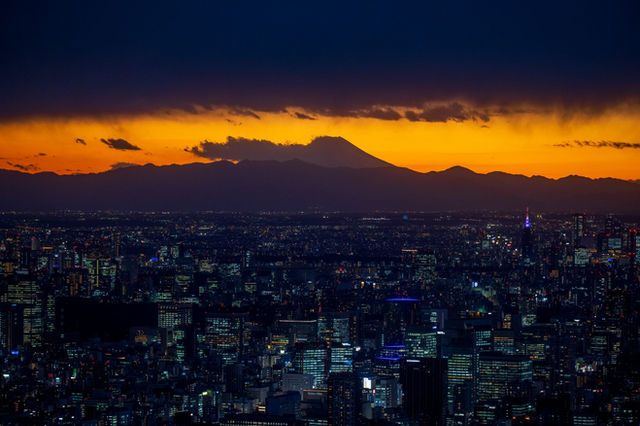
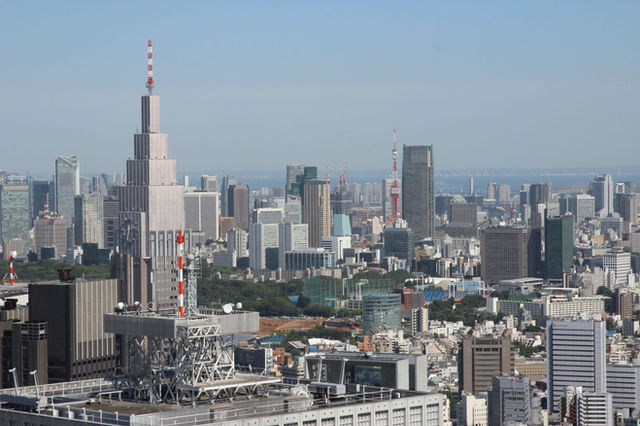
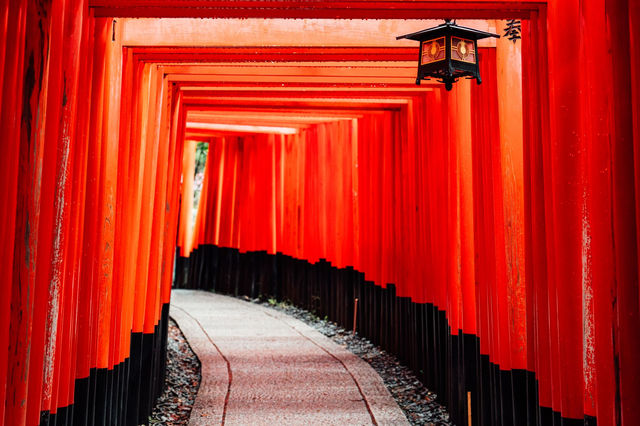
Tokyo in photos
Neighbourhoods
Neighbourhood-by-neighbourhood guides to Tokyo are on the way.
Where you'll stay in Tokyo
Live map of hotels and villas around Tokyo — powered by Stay22. Pan, zoom and compare live prices to pick your base.
Hotels & rentals around Tokyo
Pan, zoom and compare live prices — every stay in one map.
Getting around Tokyo
IC card (Suica / Pasmo)
The single most important purchase in Tokyo: a reloadable IC card (Suica or Pasmo — both work identically) covers all JR rail, Tokyo Metro, Toei Subway, buses, the monorail and is accepted as payment at virtually every convenience store and vending machine. Buy at any major station; Narita Express machines issue Suica cards on arrival.
Yamanote Line
The JR Yamanote Line (circular loop, 29 stations, every 3–5 minutes) is the tourist backbone connecting Shinjuku, Shibuya, Harajuku, Ikebukuro, Ueno, Akihabara and Tokyo station — the single most useful line for navigating between major neighbourhoods.
Metro/subway
Tokyo Metro (9 lines) and Toei Subway (4 lines) cover the zones between and around the Yamanote loop, reaching every neighbourhood. The key Metro lines for tourists include the Ginza line (orange, east–west) and the Hanzomon line (purple).
Taxis & ride-hailing
Taxis are available but expensive — fares start at ¥420–500 and rise quickly. Uber and rideshare apps operate but are not significantly cheaper. Use them for last-mile convenience rather than cross-city travel.
Walking
Within central Tokyo's neighbourhoods, walking is highly practical — distances between subway exits are frequently shorter than maps suggest, and each neighbourhood rewards exploration on foot.
Networks
Tokyo's transit is operated by multiple companies — JR East (Yamanote Loop, Chuo/Sobu lines), Tokyo Metro (9 lines), Toei Subway (4 lines), and private railways for the suburbs (Tokyu, Odakyu, Keio, Seibu, Tobu). All are unified via the IC card: tap in and tap out at every gate, fare calculated automatically.
Ticketing
The IC card (Suica or Pasmo) is by far the simplest and most practical approach — no individual ticket purchases, no machine queuing, automatic fare deduction. Buy at Narita or Haneda on arrival and top up at any station machine or convenience store.
Key lines
The Yamanote Line (JR East, 29 stations, every 3–5 minutes) is the core tourist circuit: Shinjuku (world's busiest station), Harajuku, Shibuya, Tokyo, Ueno, Akihabara, Ikebukuro. Airport connections: Narita Express (N'EX) from Narita; Keikyu Line or Tokyo Monorail from Haneda.
Peak hours
Trains run until approximately 00:30–01:00; the 'last train' is a genuine social institution — missing it means an expensive taxi or waiting until the first service at approximately 05:00. Rush hours (07:30–09:30 and 17:30–19:30) on the Yamanote and JR Chuo lines are extremely crowded but consistently punctual.
Insider tips
Suica on arrival
Buy a Suica card at Narita or Haneda immediately on arrival — it removes the cognitive load of buying individual tickets for every subsequent journey and works for almost all payments (transit, convenience stores, many restaurants) for the entire trip.
Art & neighbourhood
teamLab Planets (Toyosu) and teamLab Borderless (now in Azabudai Hills) are genuine world-class digital art installations, not gimmicks — book online before travelling, they sell out. The Yanaka neighbourhood (one stop north of Ueno on the Yamanote Line) is the most intact old-Tokyo urban fabric — cats, artisan shops, a cemetery with the grave of the last Shogun, and excellent cheap coffee.
Market timing
For Tsukiji outer market, go at 08:00 on a weekday — the tuna auction now takes place at Toyosu (pre-registration required) but the outer market stalls are excellent and best before the lunch crowd arrives. Day trip to Hakone (1 hour by Romancecar from Shinjuku) for Fuji views, an onsen and the Hakone Open Air Museum.
Free views
The Tokyo Metropolitan Government Building observation decks (Shinjuku, free) provide some of the best city panoramas — the westward view across the city to Fuji (when clear) rivals the paid Skytree experience at no cost.
Frequently asked
How many days do I need in Tokyo?
Five to seven days covers the main neighbourhoods (Shinjuku, Shibuya, Asakusa, Harajuku, Ginza, Akihabara, Yanaka) and one day trip to Hakone or Nikko. Seven to ten days allows a Shinkansen journey to Kyoto and a return via Osaka — the most popular extended Japan itinerary and highly recommended.
Do I need a Japan Rail Pass?
For Tokyo-only travel, no — the Suica/Pasmo IC card covers all urban transit efficiently. The Japan Rail Pass (covering Shinkansen and most JR lines) is worthwhile if you plan to travel between cities: for a Tokyo–Kyoto–Osaka trip, the Pass typically pays for itself. Buy before arriving in Japan as passes cannot be purchased in-country at the same price.
Is Google Maps reliable in Tokyo?
Yes — Google Maps in Japan is exceptionally good: accurate transit directions, platform numbers, transfer instructions and walking routes are all included. Download the Tokyo area for offline use before travelling as a backup for poor signal in deep subway stations.
Do I need to speak Japanese?
No — English signage is comprehensive throughout the transit system and at major tourist sites. Google Translate's camera function works very well for restaurant menus and street signs. Learning a few phrases ('Arigato gozaimasu' — thank you; 'Sumimasen' — excuse me) is always appreciated and produces noticeably warmer responses.
Should I stay central or commute?
Staying in a central ward (Shinjuku, Shibuya, Asakusa or Ginza) is worth the premium for a first visit — Tokyo's transit is excellent but the city is large and evening returns after a full day are tiring. Shinjuku and Shibuya are the best transport hubs for Shinkansen day trips; Asakusa gives the best old-Tokyo atmosphere.
While you're there
Explore the area
Local attractions & tours
Skip-the-line tickets and small-group tours in Tokyo — compare across our partners.
Not seeing offers? Try or — some destinations have thinner inventory on Tiqets.
Day cruises, catamarans and multi-hour excursions — we're wiring up Viator next.
Not seeing offers? Try or — some destinations have thinner inventory on Viator.
Small-group and local-host experiences — GetYourGuide is on the way.
Not seeing offers? Try or — some destinations have thinner inventory on GetYourGuide.
Best time to visit Tokyo
March – April (cherry blossom), October – November
Spring (late March–May)
Tokyo's most famous season: cherry blossom (sakura) peaks in late March to early April, transforming Ueno Park, the Meguro River and Shinjuku Gyoen into corridors of pink and white. Late April to May is warm (18–24°C), green and equally excellent — slightly less crowded than peak sakura week.
Summer (June–August)
Hot, humid and tiring — July and August average 30–35°C with high humidity. Typhoon season (July–October) brings occasional heavy rain and transport disruption; direct hits on Tokyo are infrequent but possible. Best approached with indoor cultural programming and early-morning outdoor walks.
Autumn (October–November)
Arguably Tokyo's finest season: crisp and clear at 18–24°C, spectacular autumn foliage (koyo) in the parks and gardens, some of the best conditions for day trips to Nikko and Hakone. Widely considered the most beautiful time of year.
Winter (December–February)
Cold at 3–10°C but dry and clear — rare snow in central Tokyo. The city at New Year (Oshōgatsu) is beautiful but many businesses close. January and February offer the lowest accommodation prices and shortest queues at popular sites.
Best months
Late April–May and October–November are the practical sweet spots: excellent weather, no typhoon risk, and more manageable crowds than peak sakura season.
Getting there
By air
Narita International Airport (NRT), 60 km north-east, is the primary international hub for most long-haul flights from Europe, the Americas and Australia. The Narita Express (N'EX) runs to Shinjuku, Shibuya and Yokohama in 60–80 minutes — reserve a seat on boarding. Limousine Bus services to major hotels are slower but convenient with heavy luggage. Haneda Airport (HND), 14 km south of central Tokyo, has growing international capacity and far better city connections: Tokyo Monorail to Hamamatsucho in 23 minutes, Keikyu Line to Shinagawa in 13 minutes. If you have a choice between airports, Haneda is significantly more convenient.
By rail
Tokyo is the hub of Japan's Shinkansen bullet-train network. Kyoto is 2h15, Hakone 50 minutes by Romancecar from Shinjuku, and Nikko 1h45 — making all three outstanding day trips. British Airways and Japan Airlines operate direct London–Tokyo services of approximately 12–14 hours.
- Tokyo Haneda Airport (HND)
Ready to book your trip?
Flights, airport transfers and car hire to NRT — search and compare without leaving the page.
More trip extras
Parking, holiday extras, and more — coming soon.
We're lining up parking, holiday extras and activities you'll be able to add to any trip from here.