North Macedonia — hero

Europe

North Macedonia

The Balkans' uncrowded gem: ancient Lake Ohrid, Ottoman bazaars, wild mountain trails and warm wine-and-cheese country, all wonderfully good value.

Currency
Denar (MKD)
Language
Macedonian
Best time
May to June and September to October. July (about 33 °C) and August (about 32 °C) are hot, so plan mornings and evenings.
Visa
UK citizens can visit for up to 3 months without a visa (FCDO, updated 13 August 2026). Your passport must be valid for 90 days after arrival and you must register with the police within 48 hours (hotels usually do it). North Macedonia is not in Schengen, so EES and ETIAS do not apply here.

The FCDO has no advisory against travel to North Macedonia.

Still current at: 13 November 2026 Updated: 13 August 2026

Source: UK Foreign, Commonwealth & Development Office — the definitive source. Check it close to your travel dates.

Flight cancelled or delayed because of this? Your rights under UK261 / EU261 →

Why visit

Why North Macedonia

The Balkans' uncrowded gem: ancient Lake Ohrid, Ottoman bazaars, wild mountain trails and warm wine-and-cheese country, all wonderfully good value.

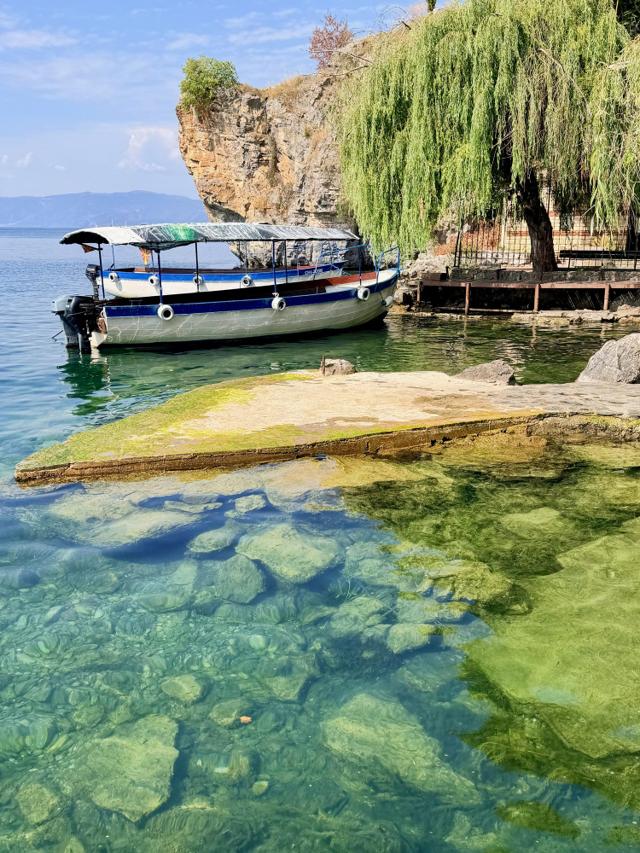
  • Lake Ohrid and Ohrid's old town
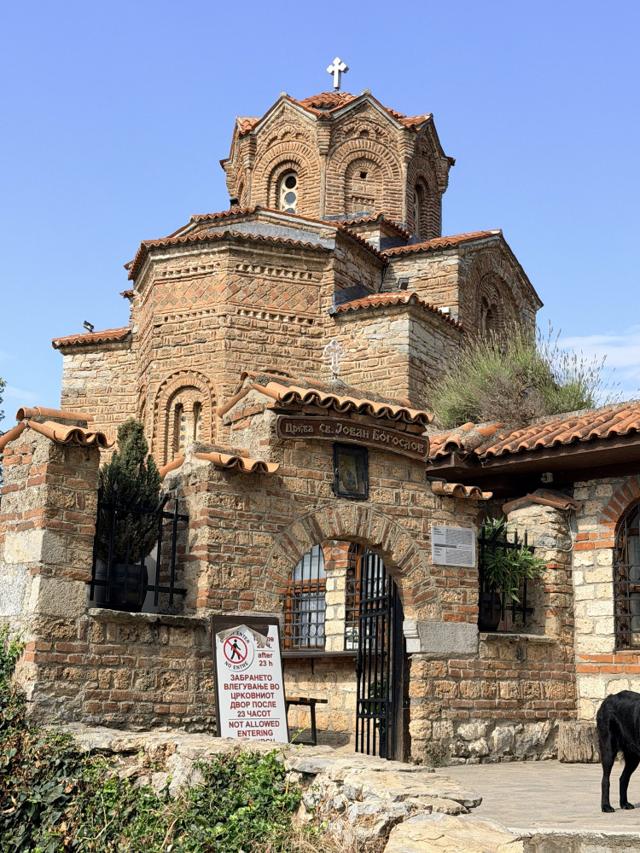
  • Samuel's Fortress and lakeside churches
  • Saint Naum monastery
  • Skopje's Old Bazaar
  • Matka Canyon
  • Mavrovo National Park
  • Wine and lake trout
  • Low-cost, uncrowded lake break
Read more

North Macedonia is a landlocked country of lakes, mountains and Ottoman-era old towns, and it is one of the least crowded places in the Balkans for a UK visitor. We see it as a quieter, lower-cost alternative to the Italian and Greek lakes and coast, with the trade-off that there is no sea, the transport network is thin and the main sights cluster around Ohrid, Skopje and a few national parks.

Plan it: we do not yet have a city guide for the country, so start with events, stays and flights for your dates.

Where to go

The regions of North Macedonia

Regions and cities

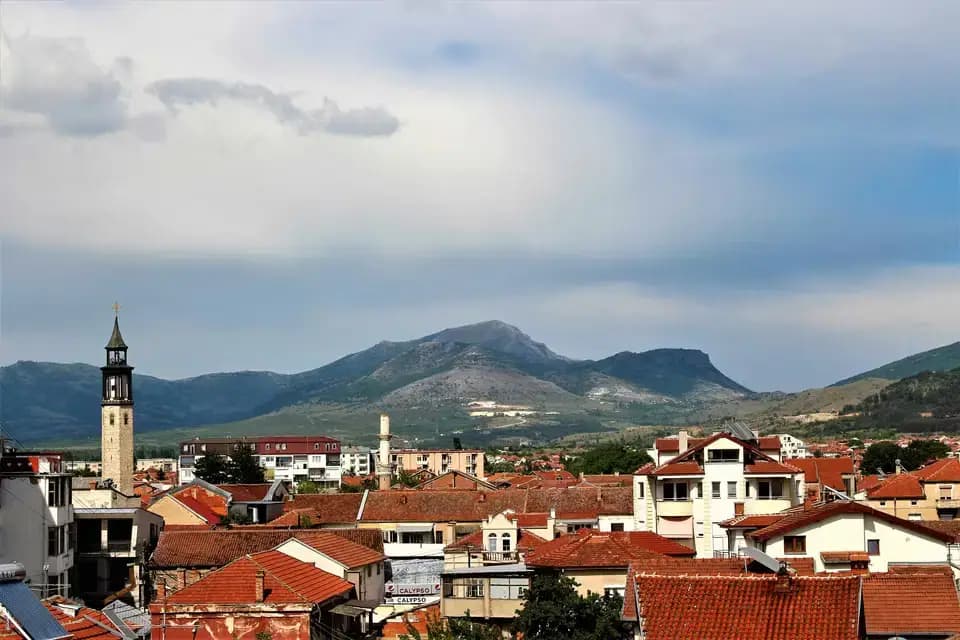
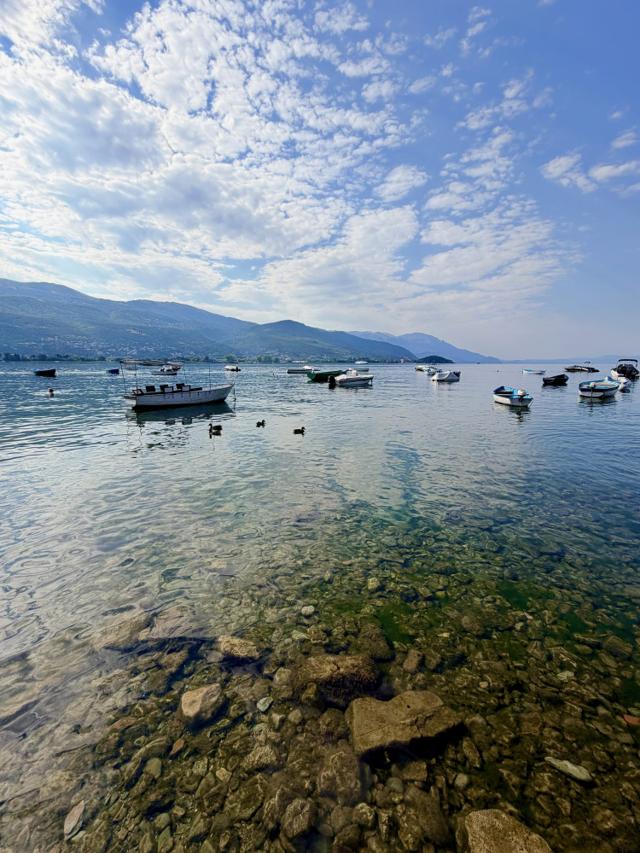
Lake Ohrid, on the border with Albania, is the centrepiece: the lakeside town of Ohrid, with its old quarter, hillside fortress and churches, plus quieter villages and Saint Naum monastery down the shore. The capital Skopje has a lively Old Bazaar, a modern centre and Matka Canyon within easy reach. Mavrovo National Park in the west offers forest, a lake and winter skiing, and the south and east have wine country and smaller Ottoman towns. The national parks portal lists four parks: Pelister, Mavrovo, Galičica and Shar Mountain.

Swap it: Lake Ohrid for Lake Garda, or for a Greek island beach. You get an old lake town with a long Christian heritage, calmer evenings and a lower bill than we would expect at the Italian lakes. You give up Mediterranean sea swimming, easy ferry hops and a deep choice of direct flights; this is a lake break with a few days of culture, not a classic beach fortnight.
A pillar, not a footnote

Eat your way through North Macedonia

The single reason many travellers come back — the food culture worth reshaping a trip around, and the dishes to seek out region by region.

North Macedonia

Lake trout, sun-ripe peppers and a national devotion to slow-baked beans.

Eat beside Lake Ohrid at dusk, the water going pink and the town's old churches catching the last light, over a plate of Ohrid trout grilled with nothing but lemon and oil. Then comes the dish the whole country claims as its own — tavče gravče, white beans baked in a shallow earthenware pot with red pepper and paprika until the top sets to a savoury crust — and you understand this is comfort food raised to a point of pride.

The pantry here runs on sunshine: fat red peppers that ripen all summer and, come autumn, get roasted, peeled and stirred down for days into ajvar, the deep-red relish every family jars by the caseload. Around it sit the crossroads staples — a crisp shopska salad under a snowdrift of grated white cheese, flaky burek from a morning bakery, grilled kebapi with raw onion — honest food, generously portioned, meant to be lingered over.

Dishes to seek out
  • tavče gravče (national)
  • shopska
  • ajvar
  • Ohrid trout
Things to do

Nature, culture and the outdoors

Plan your trip

Curated North Macedonia itineraries

Browse all North Macedonia trips →
Plan

Getting there, getting around and where to stay

Getting there from the UK

The country has two airports, Skopje and Ohrid, and direct flights from the UK are seasonal and change from year to year, so check each airline's own schedule. Skopje is the main international gateway, and Ohrid has summer routes. Some travellers combine North Macedonia with Albania and cross by road, which means a land border and local rules on both sides; the FCDO notes that lorries can face long delays, so check the crossing point before you go.

Getting around

A hire car is the simplest way to see the lake, Matka and the mountains. The FCDO notes that accidents are common, that driving standards vary widely, and that drink-driving limits are stricter than in England. You need a 1968 international driving permit unless you rent a car or hold a residence permit. Intercity buses link Skopje and Ohrid and are good value, and in towns we would rely on walking and licensed taxis.

Where to stay

By area

  • Ohrid old town and lakeshore: best for walking, sunsets and a first visit; book early in summer.
  • Struga and the quieter shore: a calmer base, still on the lake.
  • Skopje: the Old Bazaar is the atmospheric area; the centre is easier for first-time visitors.
  • Mavrovo: mountain lodges for hiking in summer and skiing in winter.
When to go

Weather & timing in North Macedonia Right now RIGHT NOW 12°C cloudy

Best May, Sep–Oct · Shoulder May–June, September–October

Units

Next 7 days

Forecast · Met Office · Powered by Met Office data

Typical · climate data

Best time to visit

May to June and September to October. July (about 33 °C) and August (about 32 °C) are hot, so plan mornings and evenings.

Best for
  • Culture
  • Cuisine
  • Landscape
  • History
At a glance
Sunshine 9.7 hr/day
Rainfall 44 mm/mo
Wettest December · 61.1mm
Driest July · 14.9mm
Part of Central & Eastern Europe →
By season

Units

Spring (Mar–May)

What to expect — Daytime highs average about 18°C with overnight lows near 7°C.

What's best — Cool & crisp, then Mild, then Warm. Apr and May are among the best months here (mild, sunny).

Summer (Jun–Aug)

What to expect — Daytime highs average about 31°C with overnight lows near 19°C, and it stays largely dry.

What's best — Warm & dry, then Shoulder season. Jun is among the best months here (warm & dry, sunny).

Autumn (Sep–Nov)

What to expect — Daytime highs average about 19°C with overnight lows near 10°C.

What's best — Warm & dry, then Mild, then Cool & crisp. Sep and Oct are among the best months here (warm & dry, sunny).

Winter (Dec–Feb)

What to expect — Daytime highs average about 8°C with overnight lows near 0°C.

What's best — Cold, then Cool & crisp.

Live forecast map · Windy.com · temperature with wind, °C and km/h

Heat, rain and the best months, region by region

Our climate data puts the average July high at about 33 °C and August at about 32 °C, so both are hot: plan mornings and evenings, swim in the lake in the afternoon, and avoid long walks in the middle of the day. May (about 23 °C) and June (about 29 °C) are our favourites for Ohrid and Skopje, with long days and little rain. September (about 26 °C) and October (about 19 °C) are just as comfortable and quieter once school holidays end, although October evenings cool quickly. Winters are cold: January and December highs are around 7 °C in the data, with daytime frost likely at lower levels. Mavrovo and the mountain areas are the winter option for snow, and snow can stay on the high ground well into spring.

Average daily high (°C) by month. Measured 2020–2024.
AreaJFMAMJJASOND
Skopje 7111318232933322619128

Colours as on the month tiles above. Bold: hot, 32°C or more (go early or late in the day). Outlined: very hot, 35°C or more. Wet: 150 mm of rain or more.

Heat: Our climate data puts the average July high at about 33 °C and August at about 32 °C, so both are hot: plan mornings and evenings, swim in the lake in the afternoon, and avoid long walks in the middle of the day.

A little context

A little history

To read what you're looking at — the empires and eras that shaped North Macedonia's food, art and streets.

Lake Ohrid was a 9th–10th-century cradle of Slavic literacy — Saints Clement and Naum gave the early Cyrillic world a home here
centuries of Ottoman rule shaped Skopje's old bazaar, its mosques and a mezze-and-grill table
a deep Greek, Roman and Byzantine layer underlies the whole region
independence from Yugoslavia in 1991, the country's name settled only in 2019
Culture

Culture and etiquette

The country is multi-ethnic, with Macedonian Orthodox and Albanian Muslim communities, among others, and you will hear several languages. Dress modestly in churches, monasteries and mosques, and ask before photographing inside. Photographing military installations or sites of government or strategic importance is illegal, according to the FCDO.

Food and drink

The cooking mixes Balkan and Ottoman traditions: grilled meats, peppers, beans and cheese-based dishes, with tavče gravče as the dish usually called national. Around Ohrid, lake fish is the local speciality, and we would ask what is on the menu that day. Macedonian wine, including the red Vranec, is good value, and rakija is the local spirit.

Practical

Entry, money and health

Entry and visas (British passport holders)

Entry: UK citizens can visit for up to three months without a visa, according to the FCDO. Your passport must be valid for at least 90 days after you arrive. You must register with the local police within 48 hours of arrival: hotels usually do it at check-in, and if you registered yourself you must de-register 24 hours before you leave. Failure to register can mean a fine, detention or a restriction on returning. North Macedonia is not in the Schengen area, so the EU Entry/Exit System (EES) and ETIAS do not apply to arrivals here, but the FCDO warns that EES may lengthen waits at EU borders, for example if you onward travel to Greece. Declare foreign currency of 10,000 euros or more.

Money

Money: the currency is the denar. We have not read a price list from an official source, so budget in words: we would expect a good meal out, a taxi and a night in a mid-range guesthouse to feel well below Italian or Greek lake prices. Check current exchange rates before you travel.

Health

Health: the FCDO says a reciprocal healthcare agreement entitles British nationals to free emergency treatment, but you may have to pay before some treatment, so take travel insurance covering your activities. Health risks include mosquito-borne diseases such as West Nile virus, and altitude sickness in some areas. The emergency number is 112; ambulance is 194 and police 192.

UK government travel advice

At the time of writing, FCDO advice (updated 13 August 2026) does not advise against travel to North Macedonia. It says terrorist attacks cannot be ruled out, that organised crime is active, especially in northern areas near Kosovo, and that pickpocketing and bag snatching occur in shopping and entertainment areas late at night. Wildfires are possible from April to October, and summer forest bans may apply with severe fines. Serbia has sometimes denied entry to people carrying Kosovo passport stamps. Check the latest advice before you book and again before you travel.

Sources · last checked 28 October 2026

We write this guide from official sources only: GOV.UK, national immigration portals, tourism boards, airports and operators, central banks and met services. Rules change, so check the linked pages before you book.

  • gov.uk: FCDO advice last updated (checked 2026-10-28)
  • nationalparks.mk: Four national parks (Pelister, Mavrovo, Galičica, Shar Mountain) (checked 2026-10-28)
  • uhmr.gov.mk: Monthly highs (Jul ~33, Aug ~32, May ~23, Jun ~29, Sep ~26, Oct ~19 °C; Dec/Jan (checked 2026-10-28)
Before you book

Know before you go

The practical back-matter — safety, drones and the essentials, in one place.

Safety

No FCDO advisory against travel FCDO advice →

Official UK Foreign, Commonwealth & Development Office guidance is the definitive source — check it close to your travel dates.

Drone rules (sub-250g)

  • North Macedonia
    Register with the Civil Aviation Agency (there is no sub-250g exemption), hold a proficiency certificate and report each flight to the CAA at least 24 hours ahead. Open-country flying is allowed once the paperwork is done; stay 3 km from borders and clear of airports. ⚠ Lake Ohrid's UNESCO old town and lakeshore, plus border and airport zones, are sensitive — notify the CAA before flying and keep well away from crowds and military sites. Rules checked: Jul 2026

National parks, protected sites and religious/heritage venues often have their own rules and permits — always check the specific site before you fly.

The essentials

Plug & voltage Type C/F · 230V
Daily budget Budget-friendly
Region Southern Europe