← Spain
SPAIN · CITY

Seville

Andalusia's proud, passionate capital: flamenco, Moorish palaces, Spain's finest cathedral and a tapas culture that rivals anywhere on earth.

  • City
  • March – May, October – November
  • SVQ
  • 3–5 days
  • Mudéjar Palaces
  • Orange-Blossom Streets
  • Flamenco & Tapas
  • The Guadalquivir

The Giralda catching the last gold light, a cluster of people eating jamón off cocktail sticks at a tiled bar counter, and somewhere down a lane the sound of someone practising flamenco with the shutters open.

Seville is a whitewashed maze of a city where a Moorish palace, the world's biggest Gothic cathedral and a bullring all sit within a short walk, and the whole thing smells of orange blossom in spring. It runs on late nights, cold sherry and standing up at a bar.

Type
city
Ideal length
~approx 3–4 days
Getting around
on foot, mostly — plus the MetroCentro tram, one metro line and city buses
Neighbourhoods
5 areas
Best season / months
March to May and October to November — warm, not yet punishing; spring brings the orange blossom and the big festivals
Language
Spanish (Andalusian accent — softer, faster; little English away from the sights)
Currency
euro (€)
Budget level
low to moderate — one of the better-value major cities in western Europe
Good for
  • First-timers
  • Couples
  • Culture
  • Food
  • Festivals
▸ Discover

About Seville

Seville is Spain at its most theatrical. The city gave the world flamenco and the orange blossom, and both permeate street life in a way that is entirely authentic — this is not a performance for tourists. The old town (Casco Antiguo) is one of the largest historic centres in Europe, dominated by the immense Gothic cathedral (the third largest in the world) and the extraordinary Real Alcázar, the oldest royal palace still in use in Europe. Both are UNESCO World Heritage Sites, as is the Archive of the Indies alongside them.

What makes Seville particularly rewarding for families and first-time visitors is the walk-ability and density of the historic centre. The Barrio de Santa Cruz (old Jewish quarter), the tapas bars of El Arenal, the flea market at Alameda de Hércules and the vast Parque de María Luisa all sit within a very manageable triangle. The city is famously hot in summer (regularly above 40°C in July–August) but delivers magical spring and autumn travel with mild temperatures and some of Spain's most vibrant festivals — Semana Santa (Holy Week) and the Feria de Abril are among the most extraordinary spectacles in Europe.

Why go

Seville offers Spain's most concentrated encounter with Moorish architecture in the Alcázar and the Giralda tower, an extraordinary Gothic cathedral, and a tapas culture that is deeply embedded in daily life — not a tourist overlay. For families, the sheer scale of the cathedral, the palace gardens of the Alcázar and the vast Parque de María Luisa deliver different things simultaneously. Spain's other great Moorish destination (Granada and the Alhambra) is an easy day trip or overnight from Seville by AVE high-speed rail — often combined to form a definitive Andalucía itinerary.

Don't miss

  • The Cathedral and La Giralda — vast Gothic nave, Moorish bell tower
  • The Real Alcázar — Mudéjar royal palace and gardens
  • Plaza de España — grand tiled semicircle in María Luisa park
  • Metropol Parasol (Las Setas) — timber walkway over the old town
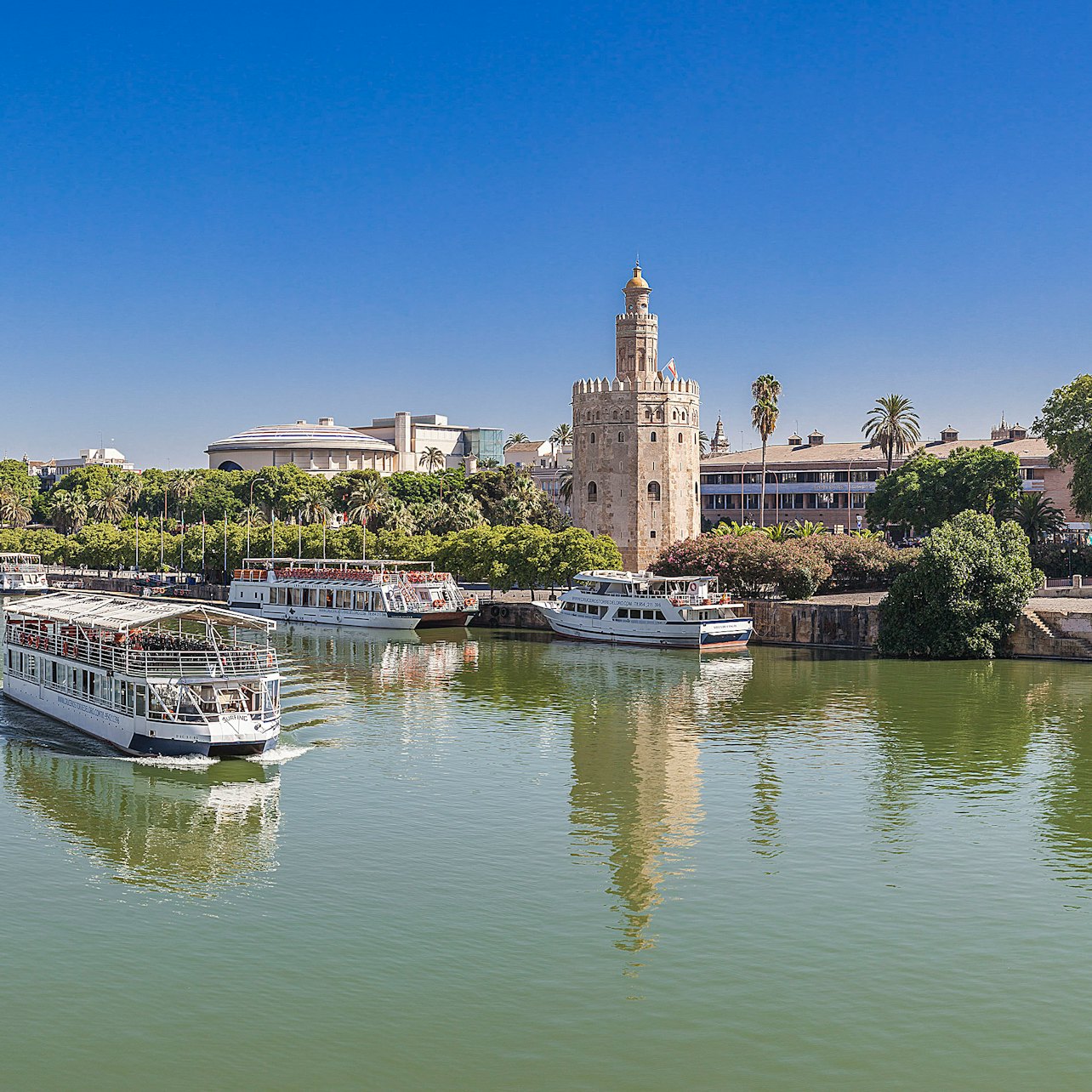
  • Torre del Oro — twelve-sided Moorish watchtower on the river

Signature experiences

The Moorish and Mudéjar city — Seville's greatest hits are its palaces, and they reward slowing down. Wander the Real Alcázar's tiled courtyards and sunken gardens — still a working royal residence — then climb the ramp (not stairs) up La Giralda, the Almohad minaret the Christians kept and topped with a belfry, for the roll of rooftops below. The Cathedral it belongs to is the largest Gothic church anywhere, with Columbus's tomb held aloft by four bearers inside. **Tapas standing up** — Eating here is a verb. You move from bar to bar, ordering a couple of small plates and a drink at each, usually on your feet at a tiled counter or a barrel outside. The rhythm is the point: a plate of jamón and a cold fino at one place, spinach and chickpeas at the next, fried fish at a third. Skip the terraces packed with set menus right by the Cathedral and follow the locals into the lanes off Plaza de la Alfalfa or across the river in Triana. **Flamenco at the source** — This is one of the genuine homes of flamenco, and Triana is its cradle. The intimate tablaos and the neighbourhood peñas beat the big dinner-shows every time — a small tiled room, a guitar, a singer and a dancer close enough to feel the floor shake. It's raw, loud and often improvised; the tour-group versions polish all of that away. **The river and its bridges** — The Guadalquivir is the city's spine and its coolest air. Walk the east bank past the Torre del Oro at golden hour, cross the Puente de Isabel II to Triana, and come back along Calle Betis with the whole lit centre reflected in the water. You can kayak or take a slow boat, but the free version — a bench on the bank at dusk — is the good one. **On screen** — Seville plays other worlds convincingly. The Real Alcázar was the Water Gardens of Dorne in Game of Thrones, and Plaza de España stood in for the planet Naboo in Star Wars: Attack of the Clones. Both spots now draw a steady queue of people recreating shots — go early, and remember the Alcázar is a real 1,000-year-old palace long before it was anyone's set.

Neighbourhoods

Seville neighbourhood by neighbourhood — the character of each and who it suits.

  • Alfalfa

    The commercial and social centre, north of the Cathedral — a run of pedestrian shopping streets, tiled tapas bars and small squares that fill up after dark. Busy but not touristy in the way Santa Cruz is.

    Why go
    The everyday heart of the city, and where the Metropol Parasol looms over it all.
    Best for
    Shoppingtapas-hoppingwanderingfirst orientation
    Known for
    The Metropol Parasol (Las Setas) with the Roman ruins in the Antiquarium beneath it, the shopping run of Calle Sierpes and Calle Tetuán, Plaza Nueva where the tram starts, and the tapas lanes around Plaza de la Alfalfa itself.
  • Santa Cruz

    The old Jewish quarter squeezed against the Cathedral and Alcázar — a deliberate labyrinth of narrow whitewashed lanes, tiny plazas and orange trees. It is the postcard Seville, and it knows it.

    Why go
    The single densest cluster of icons in the city, and the prettiest streets to get lost in.
    Best for
    Sightseeingphotosatmospheric strollsa slow evening
    Known for
    The Cathedral and La Giralda, the Real Alcázar and its gardens, the flower-filled Plaza de Doña Elvira and Plaza de Santa Cruz, and the Callejón del Agua running along the old palace wall.
  • El Arenal

    The riverside strip between the centre and the Guadalquivir, once the port district. Flatter, grander and calmer than Santa Cruz, built around the bullring and the river walk.

    Why go
    The river frontage, the Torre del Oro, and some of the city's most serious tapas bars.
    Best for
    River walksclassic tapasbullfighting historysunset
    Known for
    The Torre del Oro on the water, the Plaza de Toros de la Maestranza (Spain's most storied bullring), the riverside Paseo de Cristóbal Colón, and the Teatro de la Maestranza opera house.
  • Triana

    Across the river on the west bank, proud and a little separate — the traditional home of Seville's ceramics, its flamenco and its sailors. Locals will tell you Triana is its own place, not a neighbourhood.

    Why go
    The best of the ceramics workshops, riverside bars looking back at the centre, and flamenco with roots rather than a tour bus outside.
    Best for
    Flamencoceramicsriverside drinkinga more local feel
    Known for
    The Mercado de Triana market on the old castle site, the ceramic-tile shops along Calle San Jacinto and Calle Alfarería, the bar strip of Calle Betis facing the water, and the Puente de Isabel II (the Triana bridge) linking it to the centre.
  • La Macarena

    The old northern quarter, working-class and un-touristy, holding the last long stretch of the city's Moorish walls and its most venerated Virgin. It bleeds south into the Alameda de Hércules, the city's alternative and late-night spine.

    Why go
    Real neighbourhood life, cheaper eating and drinking, and the nightlife that Santa Cruz doesn't have.
    Best for
    Nightlifelocal marketsa night outbudget beds
    Known for
    The Basílica de la Macarena and its beloved weeping Virgin, the surviving Moorish city walls, the long boulevard-square of the Alameda de Hércules, and the Mercado de Feria, the oldest market in the city.

Views & hidden gems

Best views

  • The Metropol Parasol (Las Setas) rooftop walkway — a panorama over the whole old town
  • The top of La Giralda — reached by ramp, the classic view over the Cathedral roofs
  • The Puente de Isabel II at sunset — the centre and the Torre del Oro reflected in the river
  • The Cathedral's rooftop tour (the "cubiertas") — up among the buttresses and gargoyles, a guided visit you book ahead

Hidden gems

  • Casa de Pilatos — a stunning Andalusian palace of Mudéjar tiles and Roman statuary, far quieter than the Alcázar
  • Plaza del Cabildo — a hidden curved arcaded square off the Avenida, with a Sunday-morning coin-and-stamp collectors' market
  • The Centro Cerámica Triana — a small museum built over the actual old kilns of the ceramic quarter
  • Hospital de los Venerables — a Baroque almshouse with a serene tiled courtyard, in transition to a new role as a cathedral museum (its art collection has moved on — check ahead before visiting)
  • The Jardines de Murillo and the orange-tree lanes behind Santa Cruz — cool, shaded and usually empty

Food & drink

Seville is one of Spain's great tapas cities — and unlike some, the tapas culture here is deep, generous and remarkably affordable when you eat where locals eat. The tradition of free tapas with every drink (less common now in tourist zones but alive and well in neighbourhood bars) originated in Andalucía. Must-try dishes include pescaíto frito (fried small fish), espinacas con garbanzos (spinach and chickpeas — a Moorish-influenced classic), cola de toro (oxtail braised in sherry) and Ibérico ham from Jabugo producers.

Manzanilla and Fino sherry — served ice-cold — are the definitive local drink and extraordinary with food; the sherry region (Jerez de la Frontera) is just over an hour by road. The Triana district across the Guadalquivir River is the best neighbourhood for authentic dining, less tourist-oriented than Santa Cruz. Mercado de Triana (fresh market) and the nearby tapas bars around the market are a genuine highlight.

  • Salmorejo — thick cold tomato-and-bread purée, topped with egg and jamón
  • Gazpacho — the lighter, drinkable cold tomato soup
  • Pescaíto frito — mixed small fish fried in chickpea flour, eaten with your hands
  • Espinacas con garbanzos — spinach and chickpeas, a Lenten tapa turned everyday
  • Jamón ibérico — cured Iberian ham, best from acorn-fed (bellota) pigs
  • Fino / manzanilla — bone-dry chilled sherry, the default local drink
Dietary notes

Vegetarians manage better than the meat-and-fish reputation suggests — espinacas con garbanzos, gazpacho, salmorejo (check it isn't topped with jamón) and fried aubergine with honey are everywhere, and the Alameda has the city's growing crop of veg and vegan spots. Vegan is harder at a traditional bar but no longer rare. Halal and kosher options are genuinely thin on the ground — self-cater from the markets if it matters to you. Gluten-free is patchily understood; the ubiquitous fried food is often wheat-battered, so ask.

Seville in photos

▸ Where you'll stay

Where you'll stay in Seville

Base yourself by how much old-town atmosphere versus quiet you want. Santa Cruz puts you in the maze steps from the Cathedral and Alcázar, at the highest prices and with the most tourist crush on your doorstep. El Arenal is calmer and central, right by the river. Triana, just across the Puente de Isabel II, trades a five-minute bridge walk for a real neighbourhood, ceramics and riverside bars. Alfalfa keeps you in the shopping-and-tapas centre, and La Macarena with the Alameda is where the budget beds and the nightlife are, a short walk north of the sights.

  • Budget
    La Macarena / Alameda de Hércules cheaper beds and the best nightlife, ~approx 15-min walk to the Cathedral
  • Mid-range
    Triana or El Arenal riverside, local feel, a short walk or bridge-crossing into the centre
  • Luxury
    Santa Cruz the atmospheric old quarter, steps from the Alcázar and Cathedral, at a premium
Stay

Hotels & rentals around Seville

Pan, zoom and compare live prices — every stay in one map.

▸ Getting around

Getting around Seville

Seville's historic centre is compact and best explored on foot — most major sights are within a 20-minute walk of each other. The TUSSAM bus network covers the wider city; a single-day bus pass is good value. Seville has an excellent Sevici city bike scheme with docking stations throughout the centre, and the city is largely flat — cycling is a very pleasant way to move between barrios. Taxis are plentiful and metered. The Seville metro (1 line) is useful for reaching the Nervión district and east of centre but not essential for central sightseeing.

The Seville metro (1 operational line — Metro de Sevilla) serves the city from the northeast to the centre and south, useful for reaching the newer districts but not essential for the historic core. TUSSAM buses cover the full city and the historic centre well; a day bus pass is economical. The C1/C2/C3/C4 circular bus routes loop around the historic centre and are practical. The city bike scheme Sevici has hundreds of docking stations and is excellent for covering the flat central streets. Taxis are plentiful and metered from official stands.

▸ Plan your days

Suggested itineraries

Ready-made day plans for Seville — from a single day to a long weekend.

One day

Start early at the Cathedral and climb La Giralda before the queues, then straight into the Real Alcázar next door while it's still cool. Lose an hour wandering the lanes of Santa Cruz, then walk south to Plaza de España and the shade of the Parque de María Luisa. Loop back along the river past the Torre del Oro into El Arenal for a late-afternoon tapas crawl, and finish watching the light go from the Puente de Isabel II.

Two days

Give day two to the river and the west bank. Cross the Puente de Isabel II into Triana for the Mercado de Triana and the ceramic-tile shops along Calle San Jacinto, then work back along Calle Betis. In the afternoon head to Alfalfa — up onto the Metropol Parasol (Las Setas) walkway for the rooftop panorama and the Roman ruins beneath — and stay on for tapas around Plaza de la Alfalfa and a flamenco night. If you have the evening, drift north to the Alameda de Hércules.

Three days

Use day three to go north and deeper. Walk up to La Macarena for the Basílica and the old Moorish walls, then double back to the Casa de Pilatos for the quiet palace the tour groups miss. Fill the gaps with what you skipped — the Cathedral rooftop, a slow lunch through the Mercado de Feria, the Jardines de Murillo — and close with sunset from Las Setas or the Triana bridge.

▸ What you'll do

Insider tips

• Book the Real Alcázar online a few days in advance — it is genuinely popular and morning timed-entry saves the worst queues. • The Cathedral's Giralda tower (the former minaret, converted) can be climbed via a ramp rather than stairs — designed so the muezzin could ride a horse to the top. Extraordinary views across the city. • Barrio de Santa Cruz in the early morning (before 9am) is a completely different experience to midday — empty streets, cats, golden light. Worth setting an alarm. • Triana market for breakfast: go to Mercado de Triana's ground floor, order coffee and a tostada at the bar counters — excellent, local and very cheap. • The free flamenco show at Las Setas (the Metropol Parasol mushroom structure) rooftop bar is a surprise — visit at sunset for free city panoramas. • April accommodation should be booked by January for Feria week; prices can exceed £500/night for a standard double in central Seville.

Frequently asked

What's on

While you're there

09
SEP
XXIV Bienal de Flamenco de Sevilla 2026 — Seville, September 2026
Calle Blanca De Los Ríos 2, 41004 Sevilla, Seville, Spain · festival
Build a trip around it →
19
SEP
La Mercè 2026
Carrer De La Canuda 30, 08002 Barcelona, Barcelona, Spain · festival
Build a trip around it →
15
MAR
Las Fallas 2027
Plaça De L'ajuntament 22, 46002 València, Valencia, Spain · festival
Build a trip around it →
18
APR
Seville Feria de Abril 2027
Pz España 1, 41013 Sevilla, Seville, Spain · festival
Build a trip around it →
Explore

Explore the area

© OpenFreeMap · OSM · terrain Mapterhorn
Do

Local attractions & tours

Skip-the-line tickets and small-group tours in Seville — compare across our partners.

Tablao Flamenco La Setas Seville: Flamenco Show

Seville

from £23.78

4.8 (842)
Book on Tiqets →

Flamenco Dance Museum - Show Only

Seville

from £21.23

4.8 (731)
Book on Tiqets →

Flamenco Dance Museum: Entry Ticket + Puro Flamenco Show

Seville

from £28.03

4.8 (455)
Book on Tiqets →

Triana Theater Seville: Flamenco Show

Seville

from £21.23

4.7 (902)
Book on Tiqets →

Seville Aquarium: Entry Ticket

Seville

from £14.44

4.6 (1.9k)
Book on Tiqets →

Seville Highlights Pass

Seville

from £72.2

4.7 (161)
Book on Tiqets →

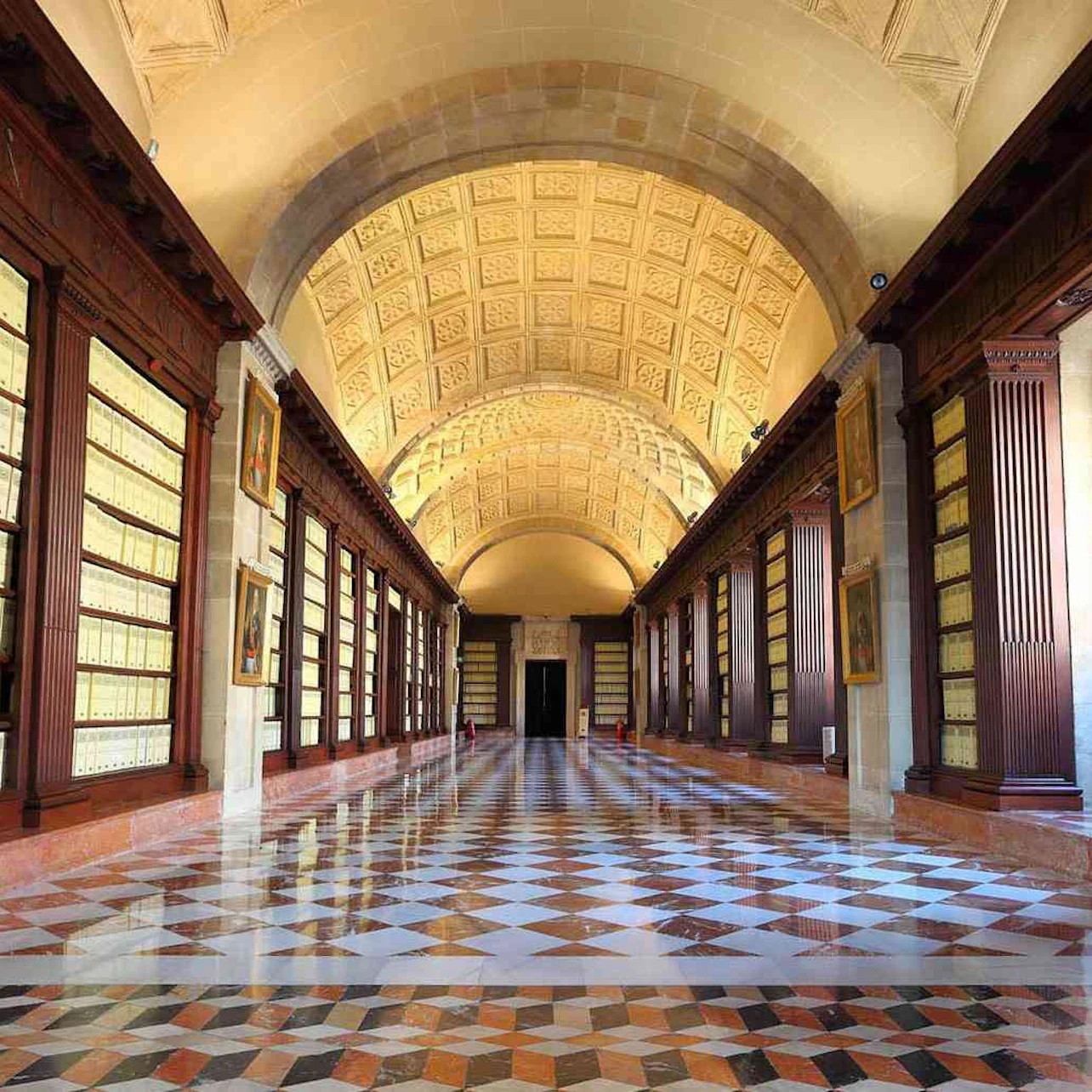
Archivo de Indias Seville: Guided Tour

Seville

from £11.89

4.7 (66)
Book on Tiqets →

Teatro Flamenco Sevilla: Flamenco Show

Seville

from £24.63

4.7 (57)
Book on Tiqets →
Plan

Trips in Seville

Day-by-day itineraries that take in Seville — routes, timings and what to book.

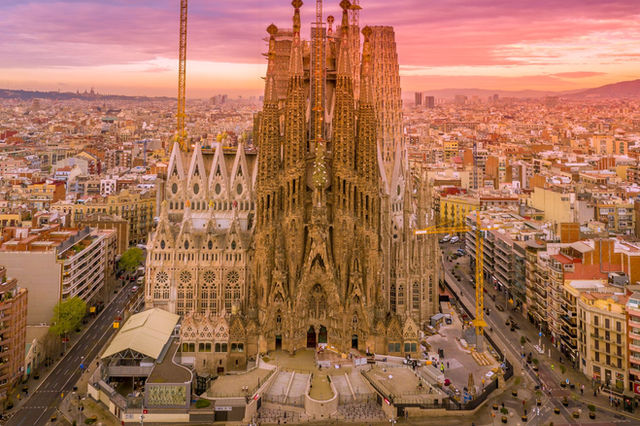
  • Sagrada Familia in Barcelona, Retiro Park in Madrid and Plaza de Espana in Seville - a 7-day Spain itinerary by train 6 Nights

    High-Speed Spain: Barcelona, Madrid, and Seville by Rail

    Experience the ultimate introduction to Spain's rich cultural tapestry on a seamless, car-free rail journey connecting three iconic urban centers. This route speeds efficiently via AVE high-speed trains from the whimsical modernist architecture of Barcelona to the grand imperial avenues of Madrid, culminating in the sun-drenched, flamenco-infused heritage of Seville.

    Price on enquiry

    View trip
  • 13 Nights

    The Iberian Rail Grand Tour: A 14-Day Car-Free Journey Across Spain

    Immerse yourself in the rich regional tapestries of Spain entirely by rail on this comprehensive 14-day car-free itinerary. Seamlessly journey from the whimsical Gaudí masterpieces of Barcelona to the regal art galleries of Madrid and the sun-drenched, Moorish palaces of Andalusia.

    Price on enquiry

    View trip
▸ Budget

What it costs in Seville

Backpacker
roughly €45–70 a day
Mid-range
roughly €120–190 a day
Luxury
€350 a day and up
Cash vs card
cards and contactless work almost everywhere, but the smallest tapas bars, the markets and older places still prefer cash — carry some coins.
Tipping
not expected and never a fixed percentage; locals round up or leave small change for good service.
▸ When you'll go

When to visit Seville

March – May, October – November

Spring

What to expect — The peak, and deservedly so — warm sunny days, the orange trees in blossom, and the two great festivals back to back (Semana Santa runs 29 March–5 April in 2026, then the Feria de Abril from 21 to 26 April). It is also the most crowded and priciest stretch, and beds vanish months ahead around the festivals.

What's best — The city at its most alive and its most fragrant, the perfect walking weather before the heat lands, and the spectacle of the processions and the fairground if you time it right. Book far ahead or come in May, just after, for the same warmth with fewer people.

Summer

What to expect — Brutal, plainly. Seville is one of the hottest cities in Europe and July and August are punishing — the centre empties at midday, shops shutter for a long siesta, and many locals leave town entirely. This is survival planning, not sightseeing at noon.

What's best — If you come anyway, the trick is to live nocturnally — sights and river walks early, a long dark afternoon indoors, then the city reopening after nine when the streets and terraces finally fill and the air cools. Prices dip and the tourist crush thins. But if you have a choice, come in spring or autumn instead.

Autumn

What to expect — The heat breaks through September and by October it's warm, golden and comfortable again, with the summer crowds gone and prices easing. A little rain creeps in by November.

What's best — The second sweet spot — walkable warmth, thin crowds, long light on the river, and the palaces and gardens without the spring queues. The quiet, well-priced flip side of the festival season.

Winter

What to expect — Mild and often sunny by day, genuinely cool after dark, and the quietest, cheapest time of year. Some grey, rainy stretches, but snow never. The oranges hang heavy on the street trees.

What's best — Blue-sky days with the Alcázar gardens nearly to yourself, the lowest prices, and a slow, local feel with no tour-group crush. Bring a jacket for the evenings — the flat has no radiators the way you'd expect and rooms can feel cold.

▸ Know before you go

Know before you go

Honest swaps

Skip the tapas terraces lining Calle Mateos Gago by the Cathedral → walk ten minutes to the Alfalfa lanes or cross to Triana for better food at half the price.

Skip the flamenco dinner-shows aimed at coach tours → find a small tablao or a Triana peña where the floor actually shakes.

Skip queuing on the day at the Real Alcázar → book a timed online slot; the on-the-door line can eat an hour in the sun.

Skip the horse-and-carriage loop around the Cathedral → the centre is tiny and far better on foot.

Crowds & timing

The Alcázar and the Cathedral draw long queues late morning to mid-afternoon; go at opening or the last entry, and pre-book timed tickets.

Semana Santa and the Feria de Abril fill every bed and close streets for processions — extraordinary to witness, but not the trip for a first, quiet look at the city.

In summer, the crowds are the least of it — the midday heat itself dictates the day.

Local rules & etiquette

The Cathedral enforces a modest dress code — shoulders and knees covered, no shorts, vests or beach hats.

During Semana Santa, processions can seal off whole streets for hours; check the day's route (the "bulla" crowd) before you set out, or you'll be stuck.

Much of the old centre still shuts for a long midday siesta; plan errands around it.

Money

Cards and contactless are accepted almost everywhere, but keep cash for the oldest bars and the markets, which sometimes want it. Avoid the tourist-strip currency-exchange booths and just pay by card.

After dark

The Alameda de Hércules is the late-night and alternative hub — bars, music and a young crowd that goes on till dawn.

Calle Betis on the Triana bank is the riverside drinking strip, terraces looking back at the lit centre.

Santa Cruz and El Arenal are for the earlier tapas-and-wine evening; the residential lanes go quiet by comparison.

Safety

Seville is a safe city overall. The main concern is pickpocketing in tourist-heavy areas: around the Cathedral and Alcázar, on the No. 1 open-top tourist bus, and in the Barrio de Santa Cruz. Bag snatching by moped occurs occasionally — keep bags on the building side when walking. Drink well-known brands of water in hot weather and be cautious of heat exhaustion in summer (take midday rest seriously). Healthcare facilities are good. Emergency services are efficient.

Culture & etiquette

Seville runs on Andalucían time — lunch is 2–4pm (many locals eat this late or later), dinner from 9–10pm, and the social evening begins after most Northern Europeans would be heading to bed. Attempting to eat dinner at 7pm will find half the restaurants not yet open or half-empty. Flamenco shows range from tourist spectacles (avoid these) to genuine performances at peñas (private flamenco clubs) and the Casa de la Memoria — seek the latter. Dress modestly in churches and the Cathedral. Siesta hours (2–5pm) are widely observed; plan accordingly.

Daily budget

£90–£130/day mid-range (budget: £50/day; luxury: £250+/day; significantly more during Semana Santa/Feria)

Emergency numbers

112 (all emergencies); 091 (national police); 092 (local police)

▸ Ready to book your trip?

Getting there

Seville Airport (SVQ) receives direct flights from London Gatwick, Stansted and Luton operated by Ryanair, easyJet and Vueling — journey time approximately 2h15–2h30. The airport is small and efficient; the EA bus service links it to central Seville in 35 minutes. Alternatively, fly into Málaga (AGP) and take the AVE high-speed train to Seville (approximately 2 hours) — useful when flight prices are competitive to Málaga. The Madrid–Seville AVE (2.5 hours from Madrid Atocha) makes Seville easily combinable with the capital.

  • Seville Airport (SVQ)
  • Málaga Airport (AGP) — 2.5h by AVE+bus
Book

Ready to book your trip?

Flights, airport transfers and car hire to SVQ — search and compare without leaving the page.

▸ Trip extras
Book

More trip extras

Parking, holiday extras, and more — coming soon.

Coming soon

We're lining up parking, holiday extras and activities you'll be able to add to any trip from here.