← United Arab Emirates
UNITED ARAB EMIRATES · CITY

Dubai

  • City
  • November to March
  • DXB
  • 4–5 days
  • Creek Crossings
  • Souks and Wind Towers
  • Skyline and Fountains
  • City Beaches

Late afternoon on Dubai Creek: a wooden abra puttering from Bur Dubai to the Deira Old Souq for a dirham, wind towers on one bank, the smell of the spice souk on the other, and the Burj Khalifa a haze on the skyline behind.

Dubai packs the world's tallest building, a working creek of wooden boats, a restored wind-tower quarter and a long run of city beaches into one easy, metro-linked city. In winter it is warm, safe and simple to get around. It is also more interesting than its malls once you start at the creek.

Type
city
Ideal length
4–5 days
Getting around
Dubai Metro (Red and Green lines), the tram at Dubai Marina and abras across the creek, all paid with a nol card; taxis for the gaps
Neighbourhoods
6 areas
Best season / months
November to March; skip May to September, when the average high is 41°C
Language
Arabic is the official language; English is used everywhere you'll go
Currency
UAE dirham (AED)
Budget level
high — hotels, drinks and attraction tickets are expensive, though the Metro, the abras and the fountain shows are cheap or free
Good for
  • First-timers
  • Families
  • Winter sun
  • Stopovers
  • Short city breaks
  • Food
  • Beach
▸ Discover

About Dubai

Dubai grew up around the Creek, the saltwater inlet that splits the old city in two. On the south bank, Bur Dubai holds the Al Fahidi Historical Neighbourhood, the Al Seef waterfront and the Al Shindagha Museum at the creek's mouth. Across the water, Deira is the old trading quarter of the Gold and Spice souks. From there the city runs south-west along Sheikh Zayed Road, and the Red Line of the Metro runs with it: past Downtown Dubai with the Burj Khalifa and the Dubai Mall, past Mall of the Emirates, to Dubai Marina and Jumeirah Beach Residence (JBR), where a tram takes over. Palm Jumeirah, the palm-shaped island, sits offshore between the two. Inland, Expo City is at the end of the Red Line, and Hatta, Dubai's enclave in the Hajar Mountains, is about 90 minutes' drive away.

Why go

Few winter-sun cities are this easy. The flight is about seven hours, the Metro reaches the sights and the beaches, and from November to March the days are warm rather than hot. What surprises people is how much old Dubai is left: an abra across the creek still costs a dirham, the wind-tower lanes of Al Fahidi are quiet enough to hear your footsteps, and at the Sheikh Mohammed Centre for Cultural Understanding an Emirati host will answer anything you want to ask over breakfast. Then you can go up the world's tallest building and watch the fountains from the lake below for free.

Don't miss

  • An abra across Dubai Creek — the one-dirham crossing between Bur Dubai and Deira Old Souq
  • Al Fahidi Historical Neighbourhood — wind-tower houses, galleries and the coffee museum
  • Al Shindagha Museum — the UAE's largest heritage museum, on the mouth of the creek
  • At The Top, Burj Khalifa — the city from up to 555 metres
  • The Dubai Fountain — free shows every half-hour from 6pm on Burj Lake

Neighbourhoods

Dubai neighbourhood by neighbourhood — the character of each and who it suits.

  • Al Fahidi and Bur Dubai

    The restored old town on the south bank of the creek, a maze of sand-coloured houses with wind towers (barjeel) that mostly date from the late 19th century. Next door, Al Seef rebuilds the waterfront in the same style.

    Why go
    To walk old Dubai, eat an Emirati breakfast and catch an abra across the creek.
    Best for
    Heritagewalkingfirst evening
    Known for
    The Al Fahidi Historical Neighbourhood and its coffee museum; the Sheikh Mohammed Centre for Cultural Understanding at House 26; Al Seef; abra stations for Deira; Al Ghubaiba and Sharaf DG Metro stations on the Green Line.
  • Al Shindagha

    The headland at the mouth of the creek, where the ruling family once lived. It is now the Al Shindagha Museum, a run of restored houses and pavilions telling the story of the city.

    Why go
    To understand how a pearling and trading town on the creek became Dubai.
    Best for
    Historymuseumsfamilies
    Known for
    The Al Shindagha Museum, with 22 pavilions in 80 historic houses, including the Al Maktoum residence and the 'Dubai Creek: Birth of a City' pavilion.
  • Deira

    The old trading quarter on the north bank, still busy with dhows, wholesalers and small shops. Louder and less polished than anywhere south of the creek.

    Why go
    For the souks and a sense of the city before the towers.
    Best for
    Shoppingstreet lifebudget stays
    Known for
    The Gold Souk, where all merchandise is government regulated; the Spice Souk; the Deira Old Souq abra station; Gold Souq, Al Ras and Baniyas Square stations on the Green Line.
  • Downtown Dubai

    The new centre built around the Burj Khalifa, the Dubai Mall and Burj Lake. Big, polished and walkable within itself.

    Why go
    For the tallest building in the world and the fountain shows.
    Best for
    First-time sightseeingnight viewsshopping
    Known for
    The Burj Khalifa (828 metres) and At The Top on levels 124, 125 and 148; the free Dubai Fountain shows; electric abra rides on Burj Lake; Burj Khalifa/Dubai Mall station on the Red Line.
  • Dubai Marina and JBR

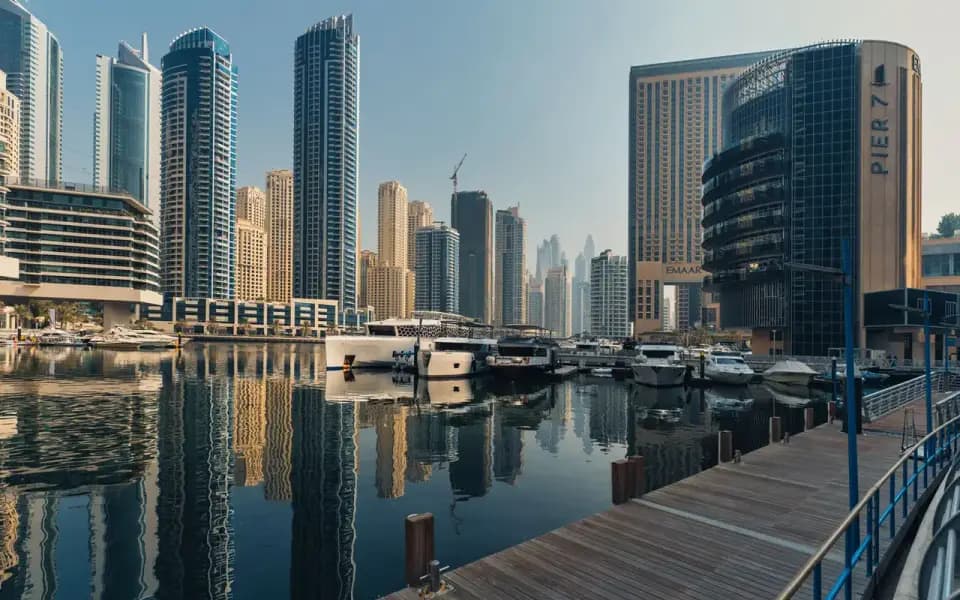
    A canal-like marina ringed by towers, opening onto the public beach at Jumeirah Beach Residence. It is the city's beach-and-evening district.

    Why go
    For the sea, the promenade and a drink with a view.
    Best for
    Beachfamiliesnightlife
    Known for
    The JBR beach and promenade; the Dubai Marina water taxi; the Dubai Tram from Dubai Marina and JBR stops to the Red Line at DMCC and Sobha Realty.
  • Palm Jumeirah

    The palm-shaped island off the coast, lined with resort hotels and private beaches. It's a resort, not a neighbourhood to wander.

    Why go
    For a beach-resort stay with the city close by.
    Best for
    Luxurybeach resortscouples
    Known for
    Resort beaches and hotels; Palm Jumeirah tram stop at the base of the island.

Views & quieter corners

Best views

  • At The Top, Burj Khalifa — the city, the desert and the Gulf from up to 555 metres
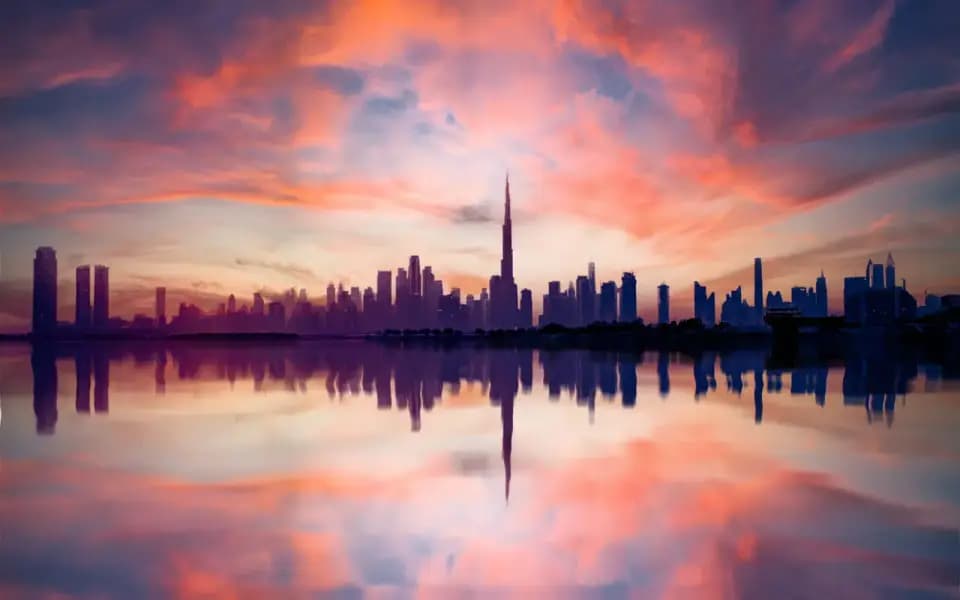
  • Burj Lake at dusk — the Dubai Fountain with the lit-up Burj Khalifa behind it
  • An abra on Dubai Creek — the wind towers of Bur Dubai and the souks of Deira at water level

Quieter corners

  • The Sheikh Mohammed Centre for Cultural Understanding — an Emirati breakfast and an open conversation in a courtyard house in Al Fahidi
  • The Al Fahidi–Deira Old Souq heritage abra — the petrol-engined boat between the old quarters for AED 2
  • Al Shindagha Museum — 80 restored houses at the mouth of the creek, far quieter than Downtown
  • Hatta Dam — turquoise water for kayaking in the Hajar Mountains, about 90 minutes from the city

Food & drink

Start Emirati. At the Sheikh Mohammed Centre for Cultural Understanding in Al Fahidi you sit on floor cushions in a courtyard for a breakfast of Emirati dishes, and your host answers questions about faith, dress and daily life. It's the most useful hour you'll spend in the city. Coffee and dates come first wherever you're welcomed. After that, eat across the creek in Deira and Bur Dubai, where the cooking of the people who built the city comes cheap. Downtown and the Marina are for big-name restaurants and drinks with a view. Alcohol is served only in licensed venues, mostly hotels. In August, the 10 Dirham Dish promotion during Dubai Summer Surprises puts AED 10 dishes on menus across the city.

  • Machboos — spiced rice with meat or fish, sharpened with dried loomi lime
  • Harees — wheat and meat slow-cooked into a smooth porridge, a Ramadan favourite
  • Luqaimat — crisp fried dough balls drizzled with date syrup
  • Balaleet — sweet vermicelli with egg, for breakfast
  • Gahwa and dates — lightly spiced Arabic coffee, poured with dates before anything else
Dietary notes

Halal food is the default, and importing pork products is illegal, so don't pack any. Vegetarian dishes are easy to find in the Indian and Levantine restaurants of Bur Dubai and Deira. For kosher or strict gluten-free diets, contact restaurants before you go.

▸ Where you'll stay

Where you'll stay in Dubai

Base yourself near a Metro station and the city gets much easier. Downtown Dubai puts the Burj Khalifa and the fountains on your doorstep, at a price. Dubai Marina and JBR are the choice for a beach holiday, with the tram linking you to the Red Line. Bur Dubai and Deira, either side of the creek, have older, cheaper hotels and the souks and abras within walking distance. Palm Jumeirah is resort territory: you'll love the beach, but every trip into the city becomes a taxi ride.

  • Budget
    Deira or Bur Dubai older hotels near the souks and the creek, with Green Line stations close by.
  • Mid-range
    Dubai Marina or around Sheikh Zayed Road modern hotels on the Red Line or the tram, close to the beach or Downtown.
  • Luxury
    Downtown Dubai or Palm Jumeirah Burj Khalifa views or a private beach and big pools.
Stay

Hotels & rentals around Dubai

Pan, zoom and compare live prices — every stay in one map.

We may earn a commission if you book through these links, at no extra cost to you. How we make money

▸ Getting around

Getting around Dubai

The Dubai Metro has two lines. The Red Line runs from Centrepoint past the airport and down Sheikh Zayed Road to Expo 2020, with a branch to Life Pharmacy. The Green Line loops through Deira and Bur Dubai between e& and Creek. They meet at Union and BurJuman. Trains start at 5am (8am on Sundays) and run to midnight, or 1am on Fridays. The Dubai Tram links Dubai Marina and JBR to the Red Line. Buy a nol card at any station: it works on the Metro, tram, buses and RTA boats, and you need at least AED 7.50 on it to tap in. Gold cards get you into the Gold Class carriage. Abras across the creek take cash. Taxis fill the gaps, and the heat makes long walks hard for half the year.

For Al Fahidi and Al Seef, use Sharaf DG or Al Ghubaiba on the Green Line, or BurJuman for both lines. For Deira, the Green Line stops at Al Ras, Gold Souq and Baniyas Square, and the Red Line serves City Centre Deira. For Downtown, get off at Burj Khalifa/Dubai Mall on the Red Line. Mall of the Emirates has its own Red Line station. For Dubai Marina and JBR, take the Red Line to DMCC or Sobha Realty and change to the tram. The tram's Palm Jumeirah stop is at the base of the island. Across the creek, motorised abras run between Bur Dubai and Deira Old Souq for AED 1. For Etihad Rail, ride the Red Line to Jumeirah Golf Estates and cross the footbridge.

▸ Plan your days

Suggested itineraries

Ready-made day plans for Dubai — from a single day to a long weekend.

One day

Start early in Al Fahidi, walking the wind-tower lanes before the heat. Have breakfast at the Sheikh Mohammed Centre for Cultural Understanding, then walk to the Al Shindagha Museum at the mouth of the creek. Cross to Deira Old Souq by abra for the Spice and Gold souks. In the afternoon, take the Metro to Burj Khalifa/Dubai Mall and go up At The Top towards sunset. Afterwards, watch the Dubai Fountain from the lake.

Two days

Give the morning to the beach at JBR, then ride the tram along Dubai Marina and take a water taxi across the marina. In the evening, eat in Bur Dubai or along Al Seef, where the creek is lit up at night.

Three days

Head out to Hatta, about 90 minutes from the city, to kayak on Hatta Dam and walk round the heritage village in the Hajar Mountains. Or take Etihad Rail from the Jumeirah Golf Estates station to Abu Dhabi, about an hour away, for Sheikh Zayed Grand Mosque and the Louvre Abu Dhabi.

▸ What you'll do

Insider tips

  • Carry a few one-dirham coins: the traditional abras across the creek take cash only.
  • The Museum of the Future is temporarily closed and due to reopen in the first quarter of 2027, so don't plan a day around it before then.
  • On Sundays the Metro doesn't start until 8am, so leave extra time for an early flight.
  • Sharjah is only about 30km north, but it is dry. Drinking or carrying alcohol there is illegal, even if you're only staying in a hotel.
Explore

Explore the area

© OpenFreeMap · OSM · terrain Mapterhorn
Do

Local attractions & tours

Skip-the-line tickets and small-group tours in Dubai — compare across our partners.

Museum of Illusions Dubai: Entry Ticket

Dubai

Tickets via Tiqets

from £18.24

4.5 (101)
Book on Tiqets →
Plan

Trips in Dubai

Day-by-day itineraries that take in Dubai — routes, timings and what to book.

▸ Budget

What it costs in Dubai

Backpacker
Stay in Deira or Bur Dubai, eat in the neighbourhood restaurants, ride the Metro and the AED 1 abras, and stick to free sights such as the Dubai Fountain, the souks and the JBR beach.
Mid-range
Your hotel, a couple of paid attractions and drinks in licensed venues will take most of the budget.
Luxury
Downtown or Palm Jumeirah hotels, beach clubs and fine dining. There's no real ceiling.
Cash vs card
Cards work almost everywhere. Keep some dirhams for the abras (cash only) and for small shops in the souks. Metro fares go on a nol card, from AED 4 for a single-zone trip on a Red Ticket.
Tipping
We found no official guidance, so we haven't given any here.
▸ When you'll go

When to visit Dubai

November to March

Spring

What to expect — March is still pleasant, with the last of the winter rain. By late April the heat is building quickly and middays are best spent indoors. Plan the creek and the souks for the morning.

What's best — Long, warm evenings on the beach at JBR before the summer heat sets in.

Summer

What to expect — From May to September the average high is 41°C, with heavy humidity on the coast. Outdoor sightseeing is hard work, and the city moves into malls, museums and air-conditioned attractions.

What's best — Hotel prices drop, and Dubai Summer Surprises brings deals such as AED 10 dishes in August.

Autumn

What to expect — September is still very hot. October is a shoulder month: hot days, more bearable evenings, and outdoor venues start reopening for the season.

What's best — The start of the winter season, before the peak crowds and prices of December.

Winter

What to expect — November to March is the reason to come: average temperatures around 23°C and occasional rain. It's peak season, so book flights and hotels early, especially over Christmas and New Year.

What's best — Desert trips, Hatta in the mountains, the beaches and long days walking the creek and souks.

▸ Know before you go

Know before you go

Honest swaps

Skip a taxi across the creek → take the AED 1 abra between Bur Dubai and Deira Old Souq.

Skip a mall food court → book an Emirati breakfast at the Sheikh Mohammed Centre for Cultural Understanding.

Skip paying for a Burj Khalifa ticket if money is tight → watch the free Dubai Fountain show with the tower lit up behind it.

Skip the Museum of the Future until it reopens in early 2027 → go to the Al Shindagha Museum on the creek.

Crowds & timing

December to March is peak season, and Christmas and New Year are the busiest weeks of all.

The Dubai Fountain draws crowds every evening; arrive a little before the half-hour.

From Monday to Saturday the Metro starts at 5am. On Sundays the first train runs at 8am.

Ramadan moves about 11 days earlier each year. If your trip falls in it, some restaurants will close or change their hours in the day, and the evenings after iftar will be busier.

Local rules & etiquette

Dress modestly away from the beach and pool: the FCDO advises women to cover shoulders and knees in malls and public places.

Public displays of affection are frowned upon, and kissing in public can lead to arrest. Swearing and rude gestures are illegal, online too.

Ask before photographing people, and never photograph government or military sites.

You must be 21 to drink, only in licensed venues. It's illegal to be drunk in public, and alcohol is banned in neighbouring Sharjah.

Before you go

The FCDO updated its UAE advice on 27 October 2026: the risk of sudden regional escalation is high, and flights and airspace can be disrupted at short notice. It does not advise against travel.

Some UK medicines are controlled here, so get UAE Ministry of Health approval before you fly. Visitors can bring up to three months' supply.

British citizens get a free visa on arrival, valid for up to 90 days in any 180-day period. Your passport needs six months' validity.

▸ Ready to book your trip?

Getting there

Dubai International (DXB) is about the most convenient big airport anywhere: Red Line Metro stations sit at Terminals 1 and 3, and you can ride straight to Downtown or Dubai Marina. You can take up to two bags on the Metro, hand luggage included. Emirates flies non-stop from London Heathrow, Gatwick and Stansted, Manchester, Birmingham, Newcastle, Glasgow and Edinburgh in about seven hours. British Airways flies from Heathrow on a reduced schedule this winter, and Virgin Atlantic has suspended Dubai for winter 2026. Because of regional tensions, check the FCDO and your airline before you travel. From Abu Dhabi, Etihad Rail trains reach Dubai's station, next to Jumeirah Golf Estates Metro, in about an hour, or take the E101 bus to Ibn Battuta.

  • DXB
  • DWC
Book

Ready to book your trip?

Flights, airport transfers and car hire to DXB — search and compare without leaving the page.