Florence is small — you can cross the historic centre on foot in twenty minutes — and it holds a concentration of art that no other city of 360,000 people comes close to. The Renaissance began here, was paid for here by the Medici, and largely stayed here: Botticelli and Leonardo in the Uffizi, Michelangelo's David in the Accademia, Brunelleschi's dome over the whole thing. The flip side is pressure. Around 16 million visitors a year pass through that same twenty-minute square, so the difference between a good Florence trip and a bad one is almost entirely about timing.
It is the single densest concentration of Renaissance art on earth, and unlike a museum city it still functions — leather workshops, paper marblers and goldsmiths on the Ponte Vecchio are working businesses. It is also the best base in Italy for hill towns and wine country: Siena, San Gimignano, Chianti and the Val d'Orcia are all inside two hours.
Things to do
- The Uffizi — Botticelli's Primavera and Birth of Venus, Leonardo's Annunciation, Caravaggio's Medusa. Book the first slot; three hours is enough for the highlights.
- Brunelleschi's Dome — 463 steps between the two shells of the largest masonry dome ever built, coming out at 91 m. Booked slots only, and it sells out days ahead in summer.
- Michelangelo's David at the Accademia — Worth it despite the copy in the Piazza della Signoria — the scale and the unfinished Slaves in the corridor are the point.
- The Bargello — Donatello's David, Michelangelo's Bacchus and the competition panels that started the Renaissance — and almost no queue.
- Palazzo Pitti and the Boboli Gardens — The Medici's later palace and the garden that Versailles copied. Go for the gardens on a clear afternoon.
- Piazzale Michelangelo at sunset — The postcard view. Walk up through the Rose Garden rather than taking the bus, and carry on to San Miniato al Monte for Gregorian vespers.
- The Oltrarno workshops — Gold-beaters, marblers, shoemakers and frame-gilders still working on Via Santo Spirito and Via Maggio — most will let you watch.
Tickets & tours
-
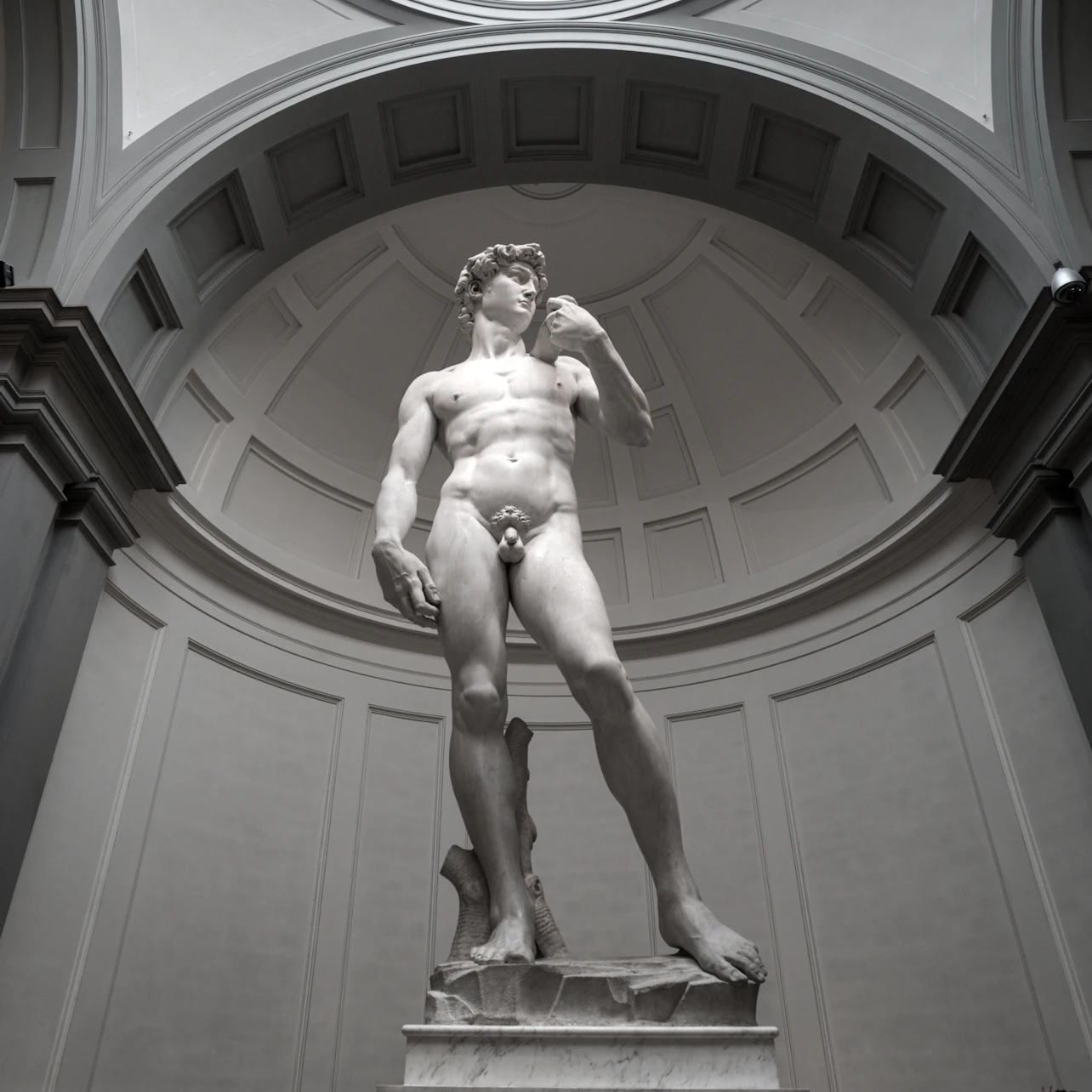 Accademia Gallery: Skip The Line From £26.44 · 4.4/10
 -
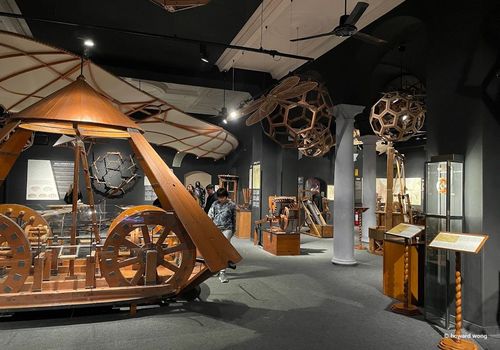 Florence: Leonardo da Vinci Interactive Museum® Ticket and an Audio City Tour From £11.94 · 4.5/10
 -
 Florence: Palazzo Vecchio Audio Tour From £5.97
 -
 The Synagogue and Jewish Museum of Florence: Entry Ticket From £7.72 · 4.5/10
 - Accademia Gallery: Priority Entry Ticket From £26.44 · 4.3/10
-
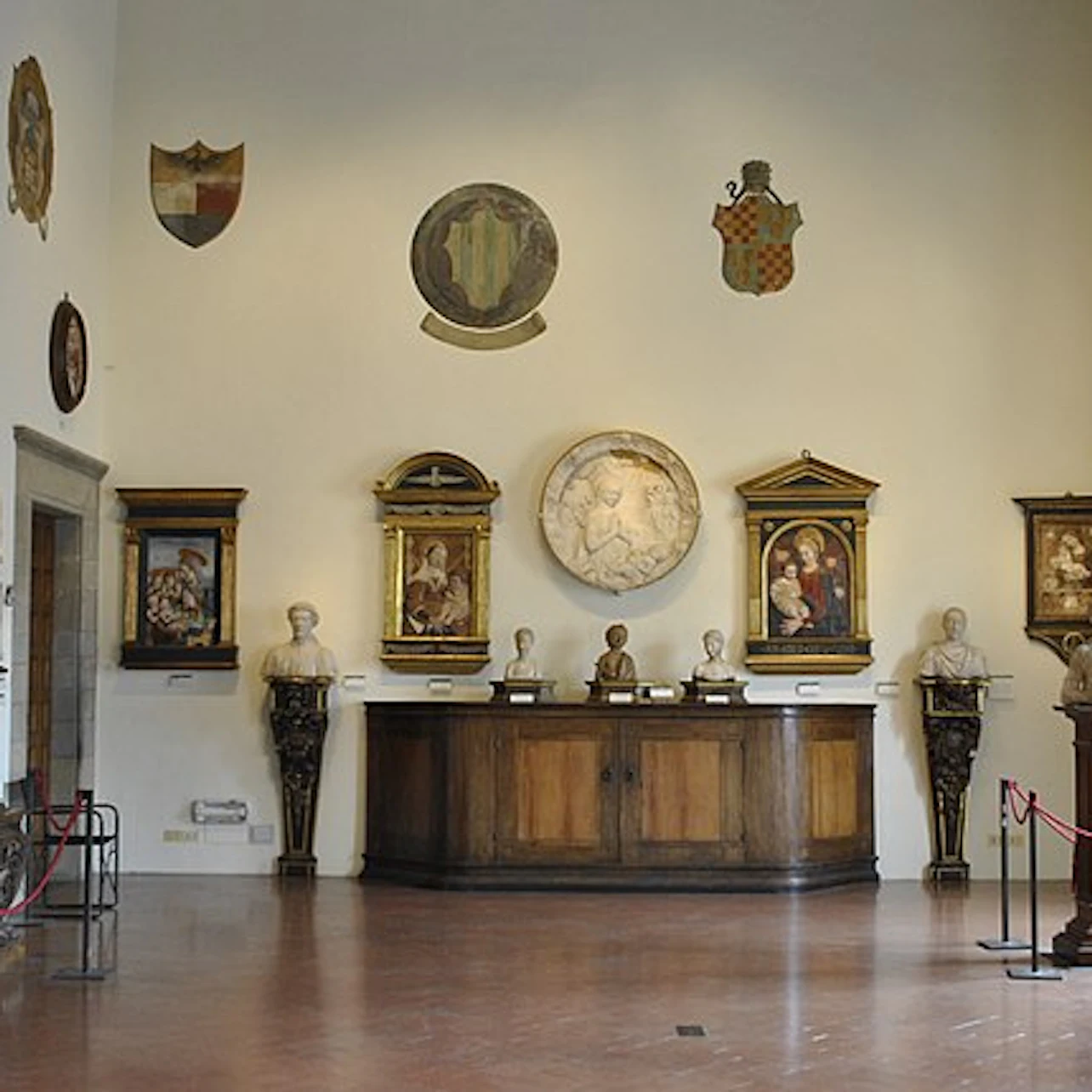 Museo Nazionale del Bargello: Skip The Line Ticket From £15.29 · 4.6/10
 -
 Brunelleschi Dome & Cathedral: Premium Skip The Line Ticket From £44.52 · 4.4/10
 -
 Florence: Opera Concert in Santa Monaca Church From £29.73 · 4.5/10
Where to base yourself
The Florence neighbourhoods worth knowing before you book.
- Coming soon Duomo & Centro Inside the ring: everything within five minutes, at the highest prices and with the most noise. Right for a two-night first visit.
- Coming soon Oltrarno & Santo Spirito Across the Arno — artisan workshops, the Pitti Palace, and the squares where Florentines drink. The best neighbourhood to sleep in, and only ten minutes from the Uffizi.
- Coming soon San Niccolò A small strip under the hill below Piazzale Michelangelo. Quiet, characterful, with the shortest walk up to the classic view.
- Coming soon Santa Croce Around the Franciscan basilica where Michelangelo, Galileo and Machiavelli are buried. Lively, studenty, good for eating.
- Coming soon San Marco & Sant'Ambrogio North-east of the centre: the Accademia, Fra Angelico's frescoed monastery, and the market Florentines shop in. Cheaper hotels, real neighbourhood feel.
- Coming soon Fiesole A hill village 8 km up with an Etruscan-Roman site and the whole city laid out below. A 20-minute bus ride and a different climate in August.
3 days in Florence
- Day 1 The Renaissance core
Duomo complex at opening — baptistery doors, cathedral, and the booked dome climb. Late morning at the Bargello. Lunch near Santa Croce. Afternoon: the Uffizi on a booked slot, out along the Vasari corridor side of the Arno at dusk over the Ponte Vecchio.
- Day 2 Michelangelo and the Oltrarno
Accademia first thing for the David, then San Marco for Fra Angelico's cell frescoes. Lunch at the Mercato Centrale. Cross the river for the Brancacci Chapel — Masaccio's frescoes, which Michelangelo came to study — then the Oltrarno workshops, aperitivo in Santo Spirito, and up to Piazzale Michelangelo for sunset.
- Day 3 Out into Tuscany
A day in the hills: either Siena and San Gimignano by bus, or a Chianti wine road drive from a garage at the edge of the ZTL. Back for dinner in San Niccolò.
Day trips
Worth the train or the drive from Florence.
-
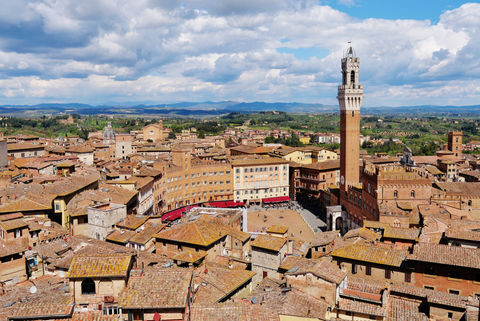 Siena An hour by direct bus — the Campo, the striped Duomo and the Palio in July and August.
 -
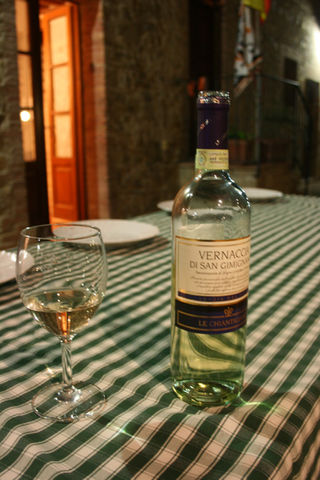 San Gimignano Fourteen medieval towers on a ridge, best in the late afternoon after the coaches leave.
 -
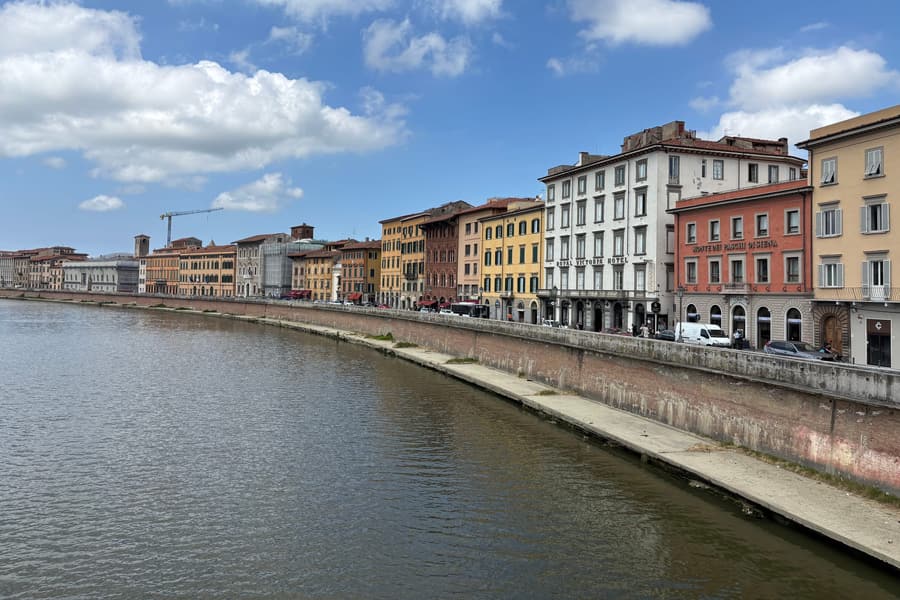 Pisa One hour by train, and the Field of Miracles is fifteen minutes from the station.
 -
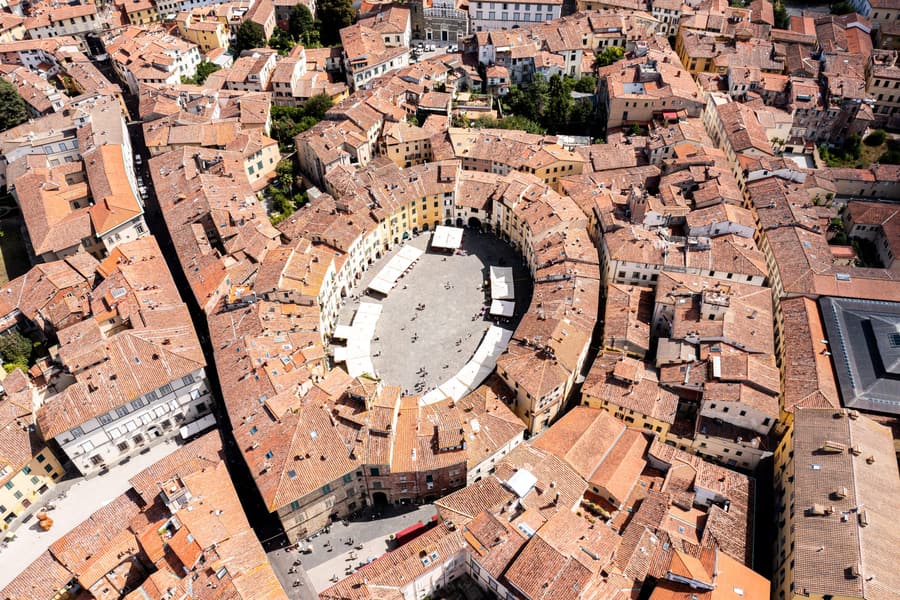 Lucca Renaissance walls you can cycle around, and the least crowded of the Tuscan cities.
 - Chianti Wine Road The SR222 to Siena through Greve, Panzano and Castellina — needs a car.
-
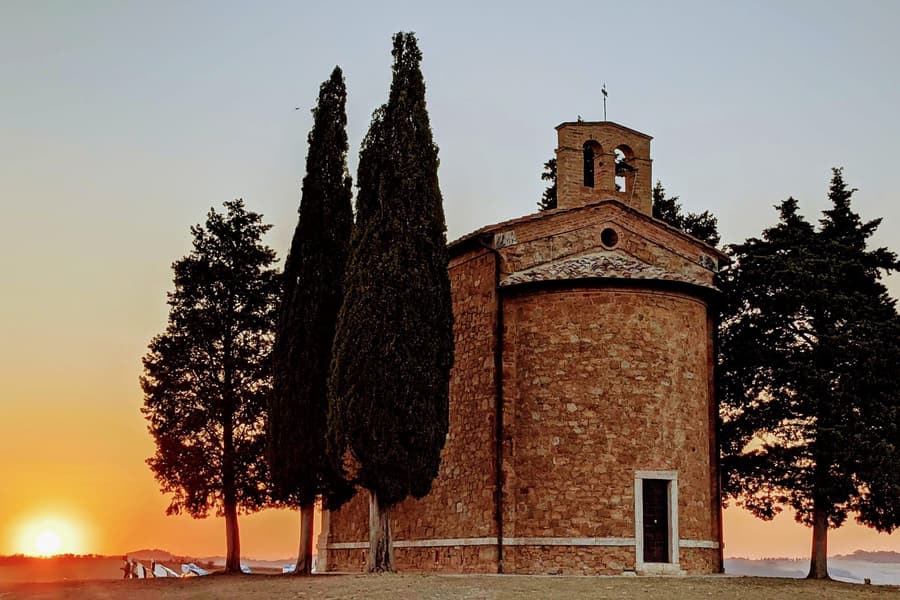 Val d'Orcia Pienza, Montalcino and the cypress hills — a long day, but the definitive Tuscan one.
Practical
- Best time to go
- Late March–May and September–October. Summer is hot (35°C is normal in July), airless in the tight streets, and the queues are at their worst. November–February is genuinely quiet, cold and often clear, and museum bookings open up — the best value months by a distance. Reserve the Uffizi and the Accademia in advance in every season; walk-up queues run to two hours in high season.
- Getting there
- Florence Peretola (FLR) is 20 minutes from the centre on the T2 tram. Pisa (PSA) is the bigger-budget gateway, an hour by the PisaMover plus train. Firenze Santa Maria Novella is on the high-speed spine — 1h30 to Rome, 37 minutes to Bologna, 1h50 to Milan, 2h to Venice. There is no reason to fly domestically to or from Florence.
- Getting around
- Walk. The centre is pedestrianised and nothing of interest is more than 25 minutes from the Duomo. Two tram lines serve the airport and the suburbs; buses are for Fiesole and the Piazzale Michelangelo climb (bus 12/13). The whole centre is a ZTL — do not drive in, and if you rent a car for Tuscany, collect it from a garage at the edge of the zone.
- Eat & drink
- Tuscan cooking is famously austere and famously good: bistecca alla fiorentina (a T-bone, thick, rare, sold by weight and meant for two), ribollita, pappa al pomodoro, crostini di fegatini. Lampredotto — tripe in a bun from a street cart — is the local lunch and better than it sounds. The Mercato Centrale's ground floor is a real food market in the morning; the upstairs food hall is fine but touristy. Sant'Ambrogio market and the Oltrarno are where Florentines actually eat.
- Know before you go
- Restaurants immediately around the Duomo and on the Ponte Vecchio approaches are almost uniformly poor value. 'Bistecca' under €40/kg is not Chianina beef. Museum queues divide into ticket-holders and everyone else — the difference is two hours. The Duomo's dome climb (463 steps, no lift) must be booked with a timed slot and is not for the claustrophobic.
More of Tuscany
- Siena A Gothic city built around the shell-shaped Campo
- Pisa The Field of Miracles, and a real city behind it
- Lucca Renaissance walls wide enough to cycle round the whole town
- San Gimignano Fourteen surviving medieval tower-houses on a Tuscan ridge
- Pienza The first planned Renaissance town, in the middle of the Val d'Orcia