The region that invented the image most people carry of Italy: cypress avenues, hill towns, and Florence, where the Renaissance began and where the Uffizi, the Accademia and Brunelleschi's dome still are. Beyond it, Siena runs the Palio around a shell-shaped square, San Gimignano keeps fourteen medieval towers, Pisa's Field of Miracles leans, and the Val d'Orcia is a UNESCO landscape. Less obviously, Tuscany has a long coast and an archipelago — Elba, Giglio, Capraia — that Italians use and foreign visitors mostly don't.
- Florence — Uffizi, Duomo, Accademia
- Siena and the Val d'Orcia
- Pisa's Field of Miracles
- San Gimignano and Volterra
- Chianti wine road
- Elba and the Tuscan Archipelago
- Lucca's walls
- Best time to go
- April–early June and September–October. July–August is hot and crowded inland but is the coast's season; the Val d'Orcia is greenest in April–May and gold in June.
- Getting there
- Florence Peretola and Pisa; Bologna and Rome are both under 1h30 by high-speed rail to Firenze Santa Maria Novella. Hill towns need a car.
© OpenFreeMap · OSM · terrain Mapterhorn · boundaries © EuroGeographics (Eurostat GISCO)
Headline places
What italia.it leads with in Tuscany.
-
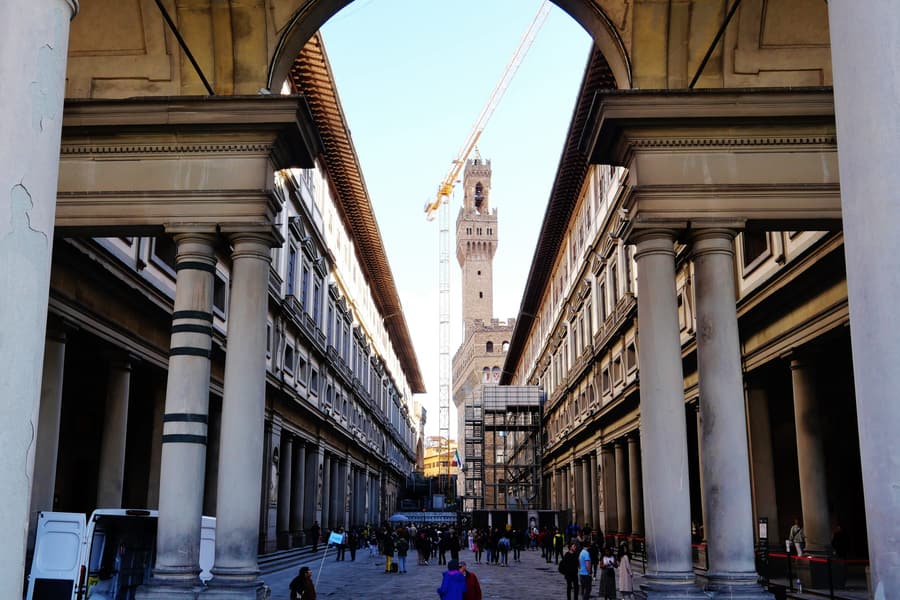 Uffizi Gallery Botticelli's Birth of Venus, and the greatest Renaissance collection anywhere
 -
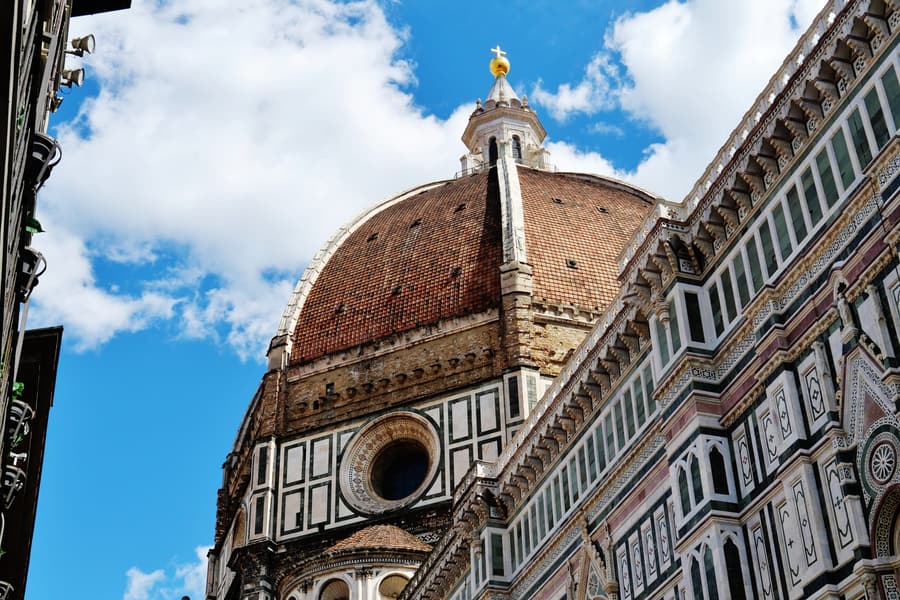 Florence Duomo & Brunelleschi's Dome The largest masonry dome ever built, raised without a supporting frame
 -
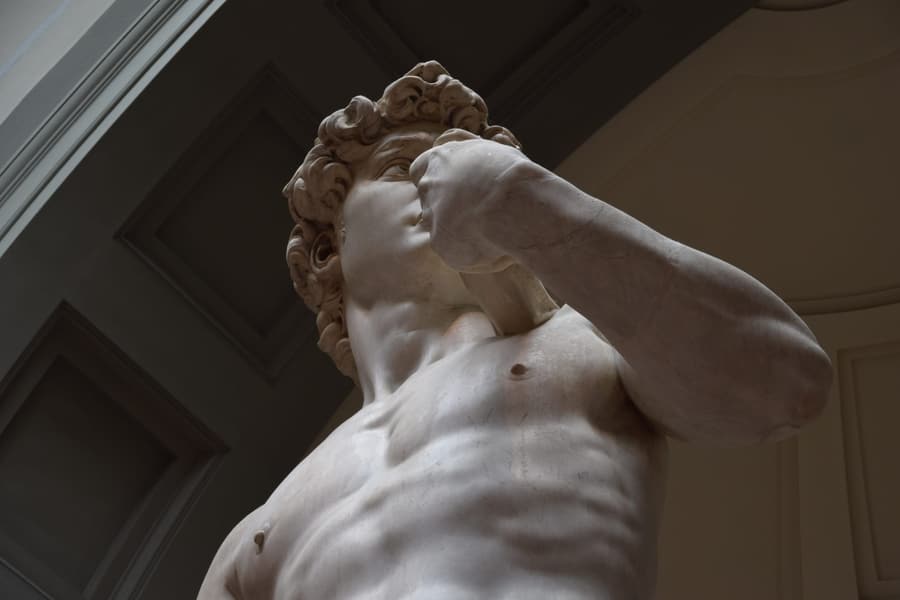 Accademia Gallery — Michelangelo's David Five metres of Carrara marble, carved when Michelangelo was 26
 -
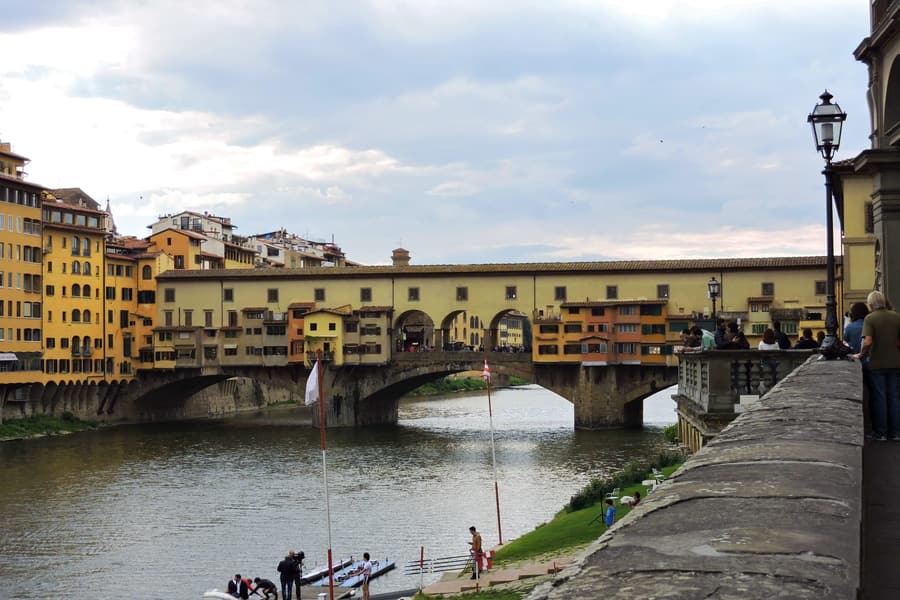 Ponte Vecchio The only Florentine bridge the retreating Germans spared in 1944
 -
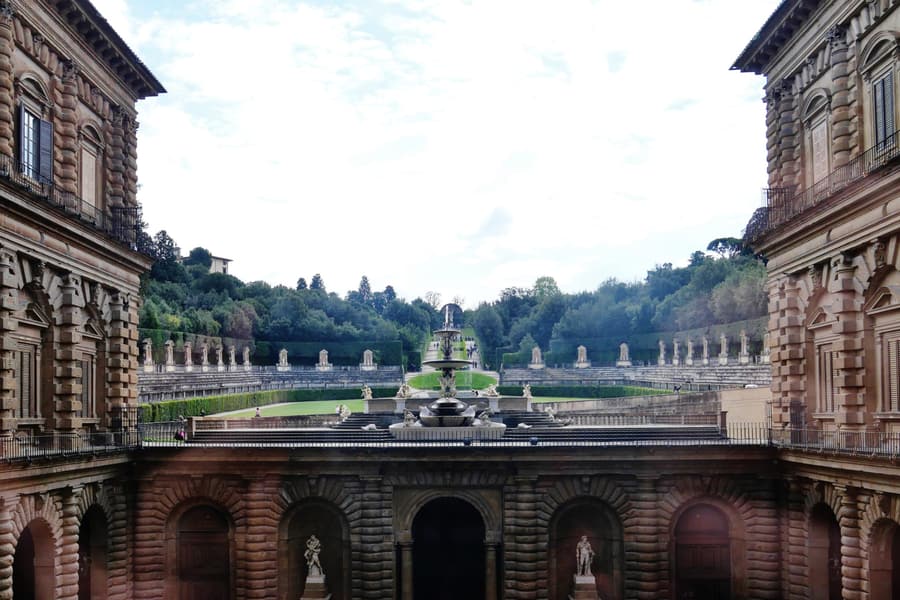 Pitti Palace & Boboli Gardens The Medici's later home, with the garden that set the model for Versailles
 -
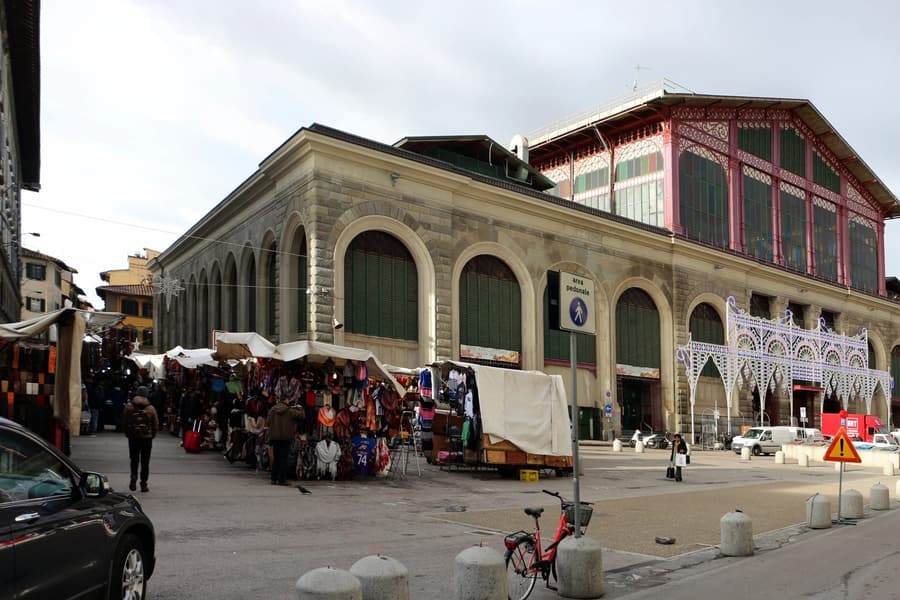 San Lorenzo Market Leather stalls outside, and the Mercato Centrale food hall inside
 - Chianti Wine Road The SR222 between Florence and Siena, through the Chianti Classico estates
-
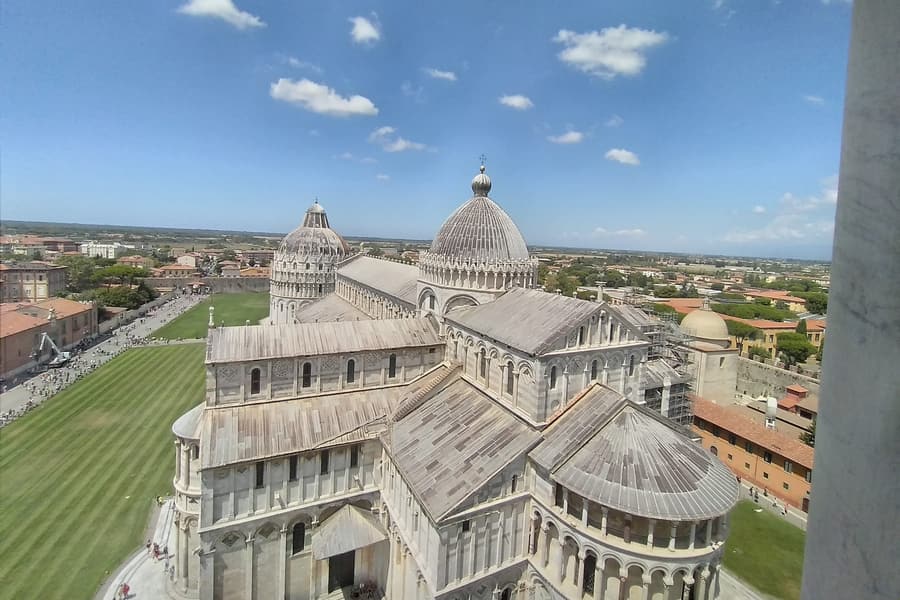 Leaning Tower of Pisa A bell tower that started tilting during construction in 1173
 -
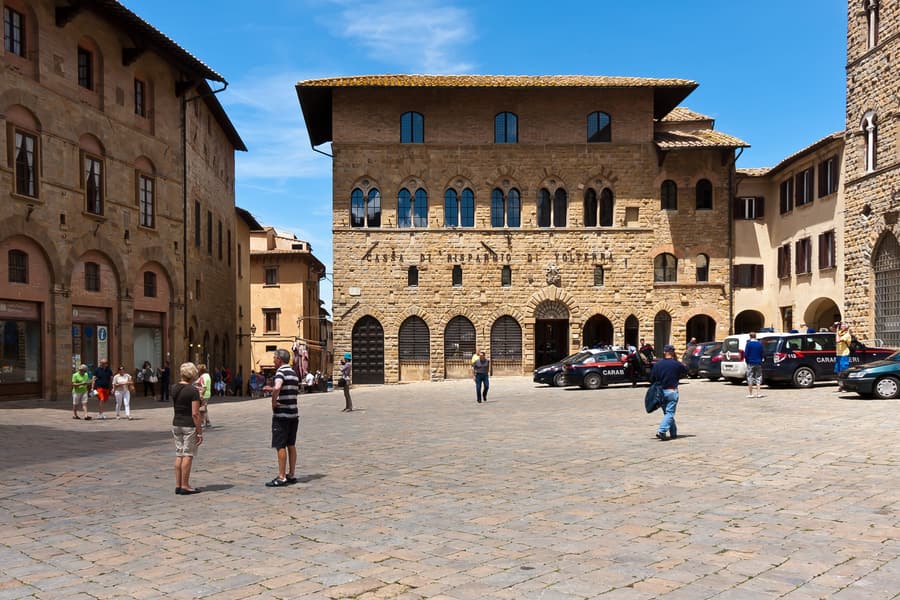 Volterra An Etruscan walled town that still works alabaster
 -
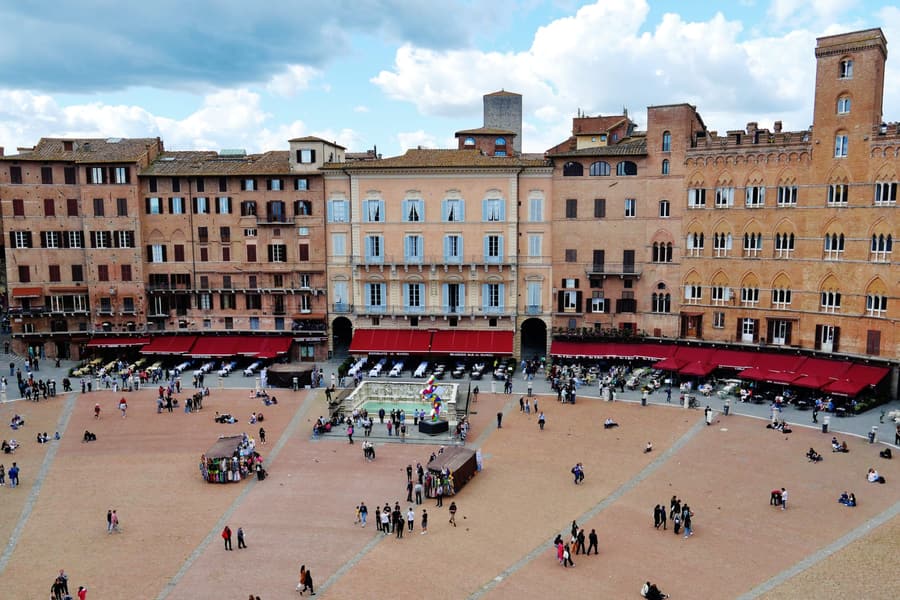 Piazza del Campo The shell-shaped square the Palio is run around, twice each summer
 -
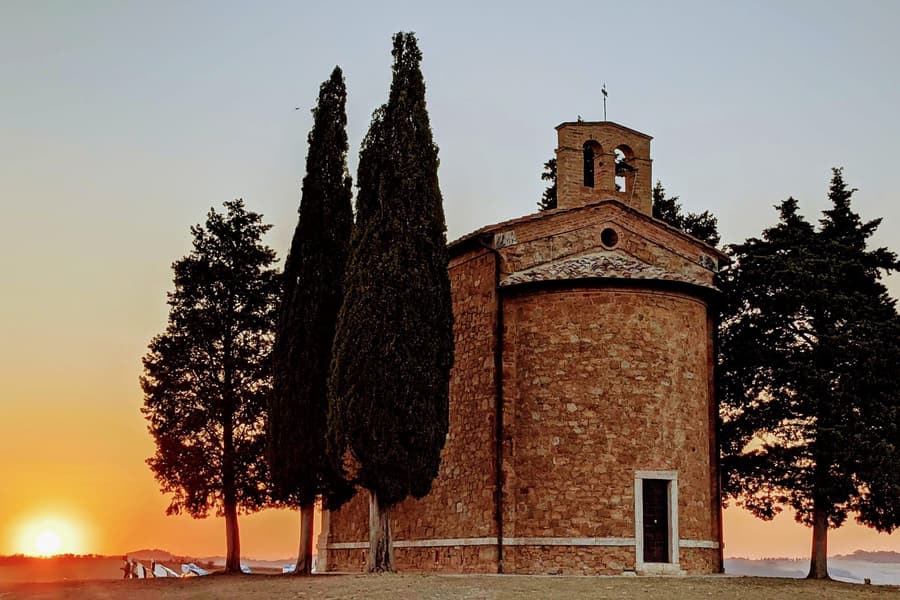 Val d'Orcia The cypress-lined hills that are the Tuscany of every photograph
 -
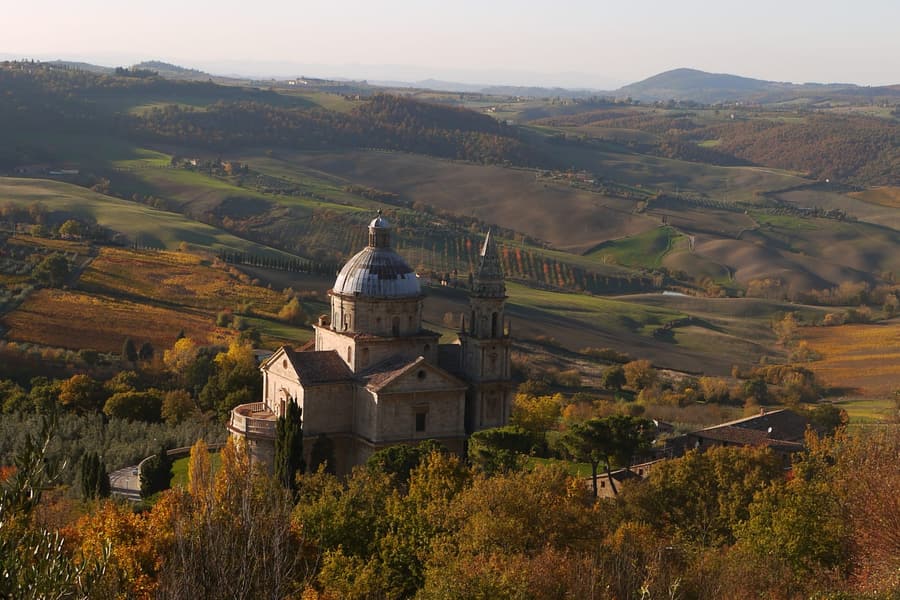 Montepulciano A ridge-top town of Renaissance palaces and Vino Nobile cellars
 -
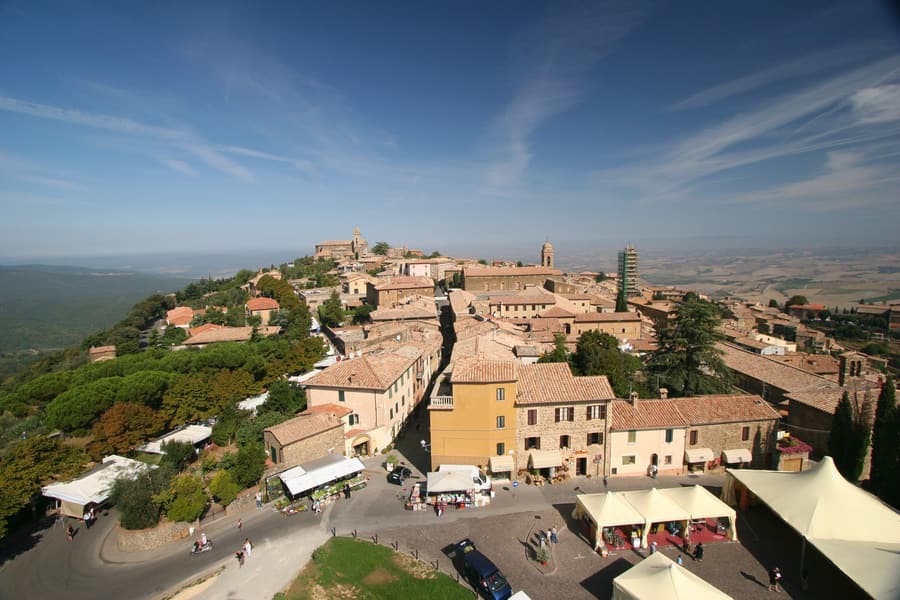 Montalcino A fortress town above the Brunello vineyards
 -
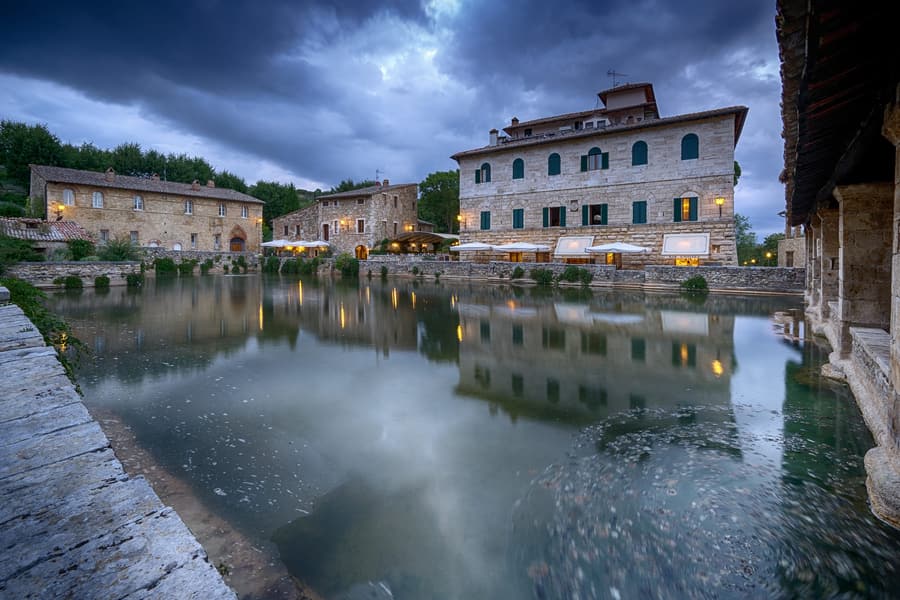 Bagno Vignoni A village whose main square is a steaming Roman thermal pool
 -
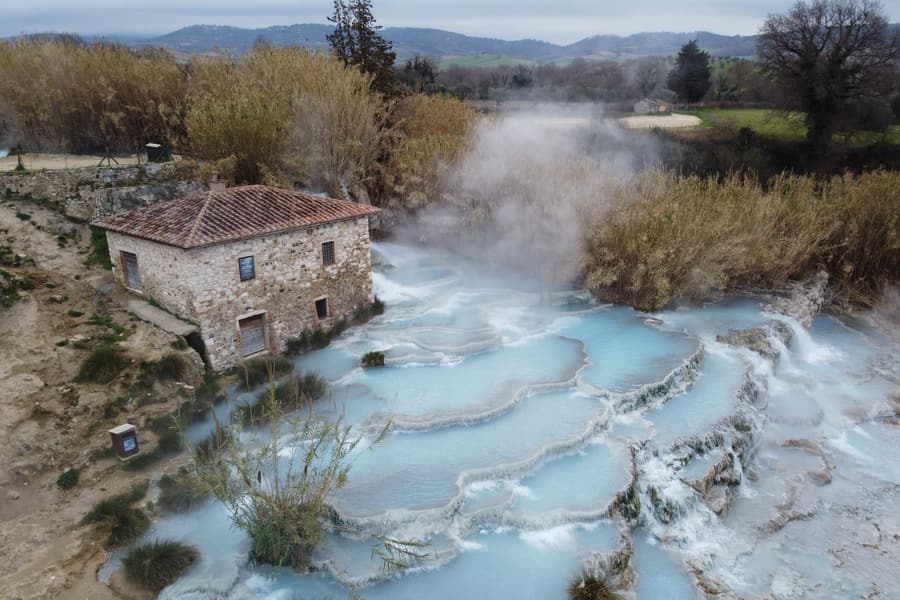 Terme di Saturnia Sulphur water at 37.5°C falling through white limestone terraces — free, and open all night
 -
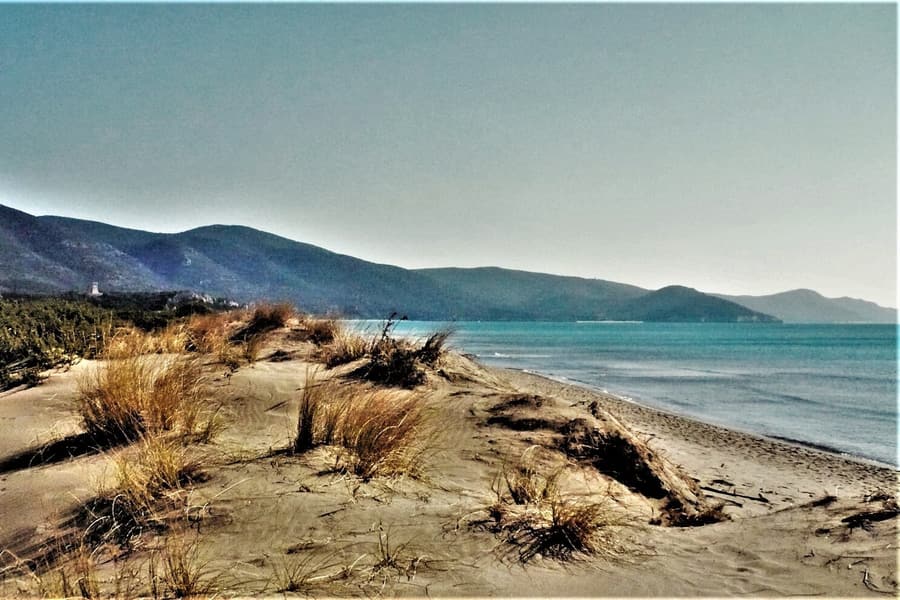 Maremma Regional Park Pine forest, dunes and long-horned cattle on Tuscany's wildest coast
 -
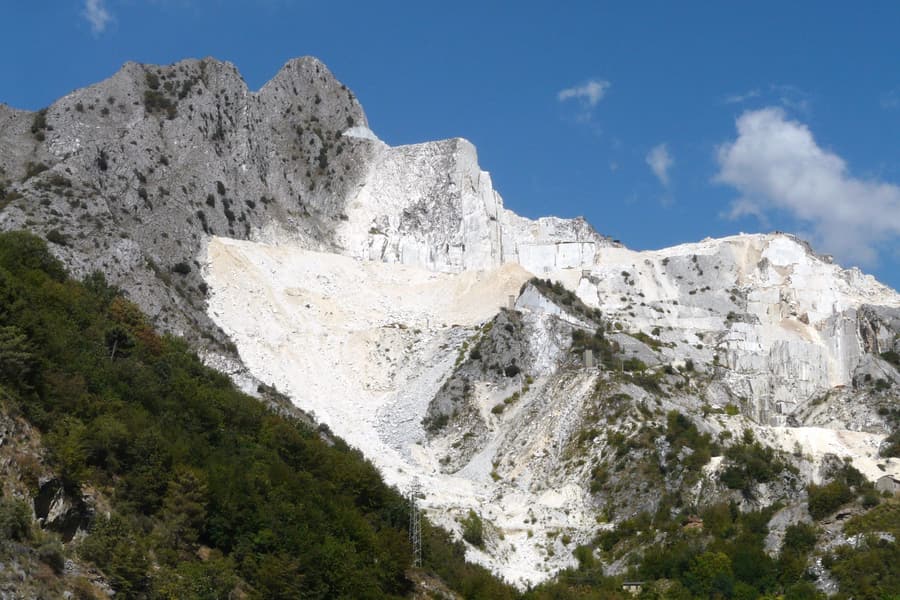 Carrara Marble Quarries The white mountains Michelangelo chose his blocks from
 -
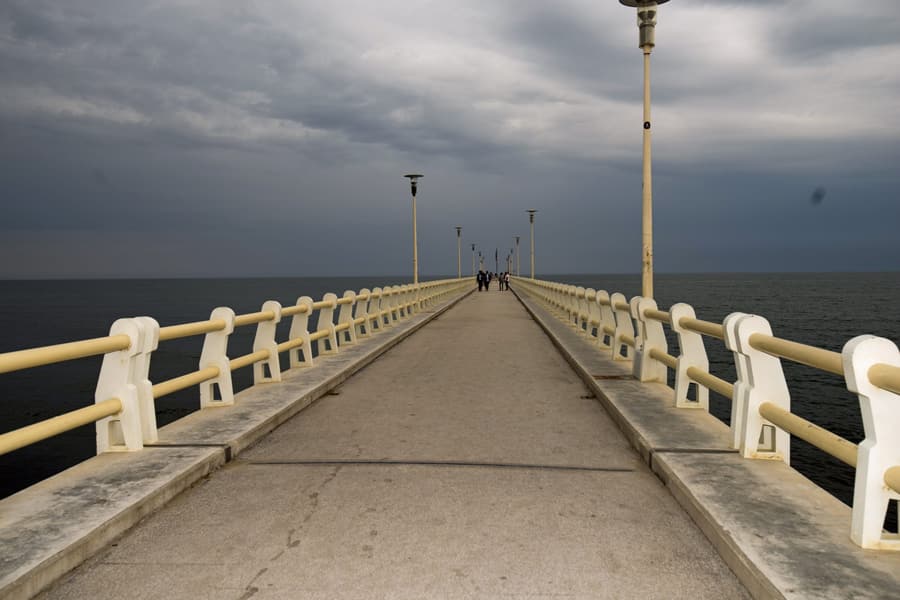 Versilia & Forte dei Marmi Tuscany's grand beach-club coast under the Apuan Alps
 -
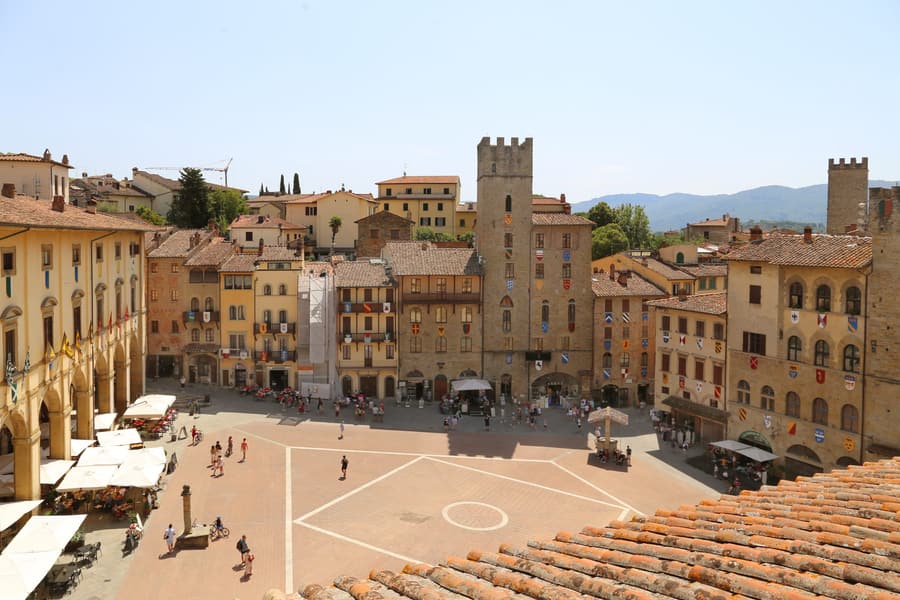 Arezzo Antiques Fair Italy's biggest antiques market, on the Piazza Grande every first weekend
Cities & bases
Where to sleep, and what each place is good for.
-
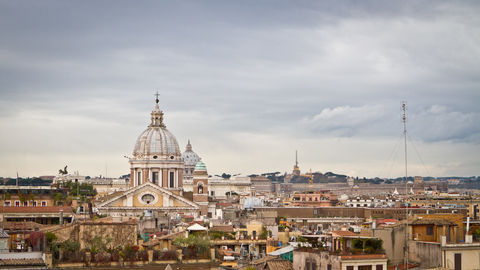 Florence The Renaissance in one walkable square mile
 -
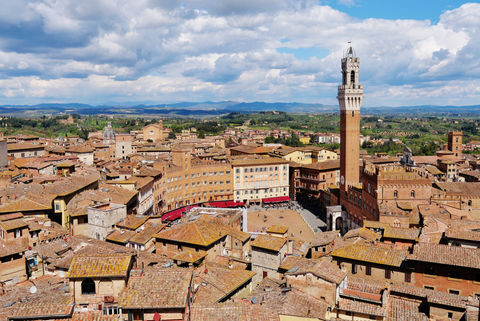 Siena A Gothic city built around the shell-shaped Campo
 -
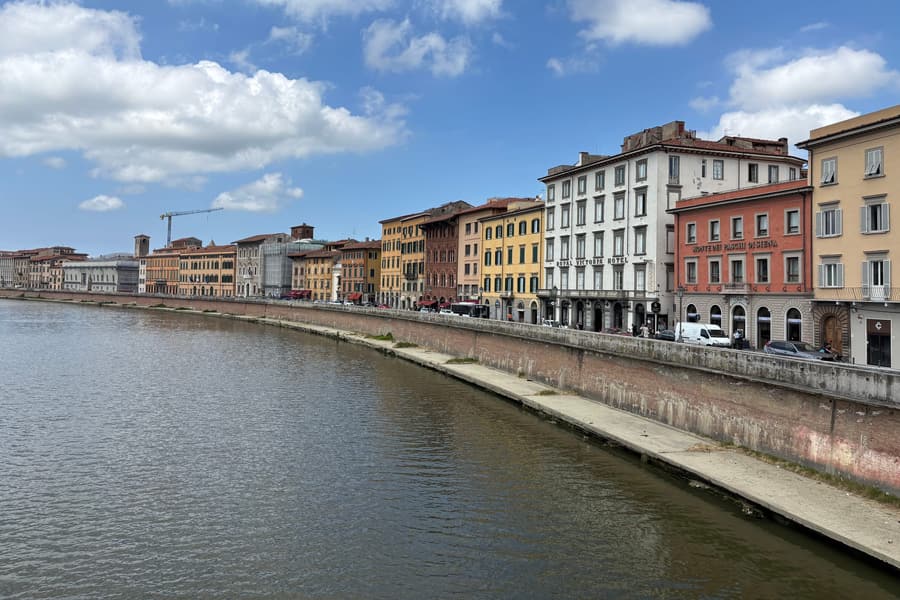 Pisa The Field of Miracles, and a real city behind it
 -
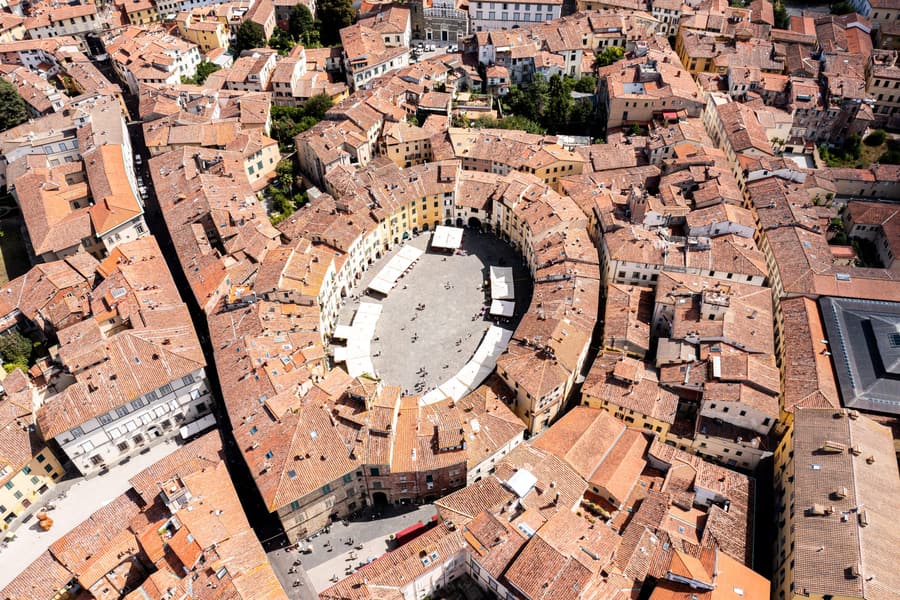 Lucca Renaissance walls wide enough to cycle round the whole town
 -
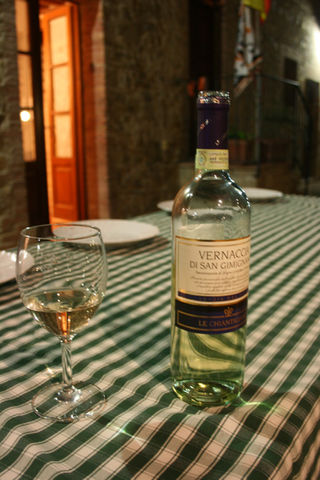 San Gimignano Fourteen surviving medieval tower-houses on a Tuscan ridge
 - Pienza The first planned Renaissance town, in the middle of the Val d'Orcia
Islands
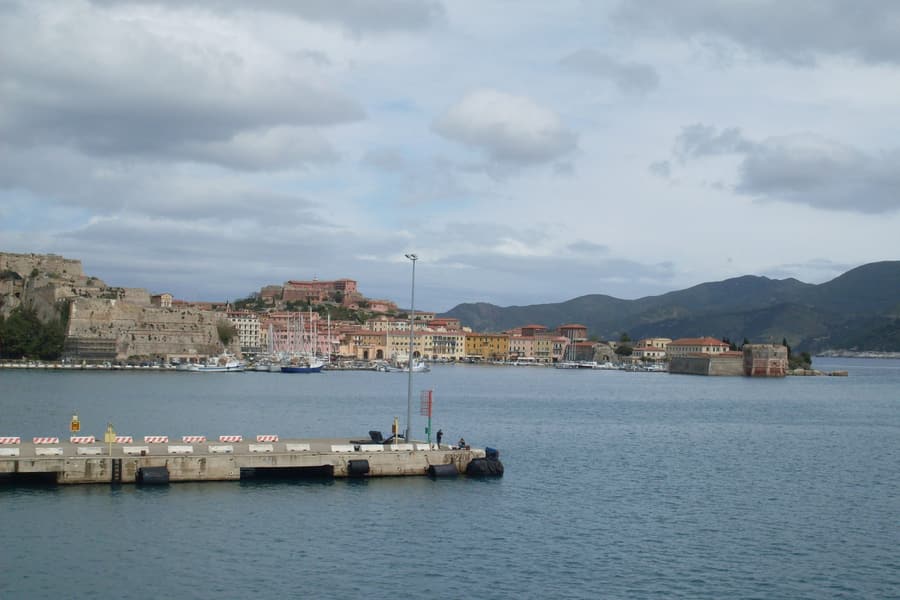
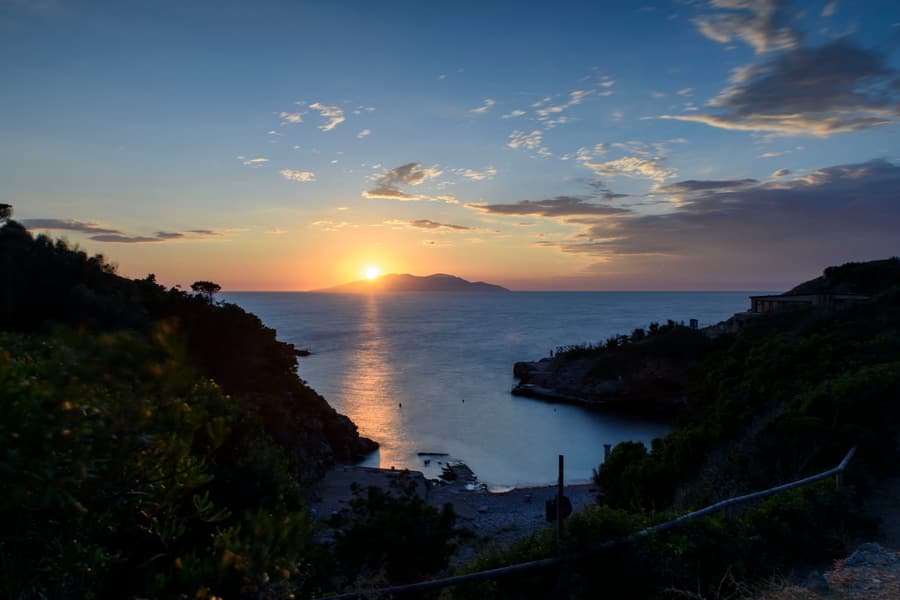
Our guides
Full destination guides we already publish in this region.
- Florence The cradle of the Renaissance — Michelangelo's David, Botticelli's Birth of Venus, Brunelleschi's dome and one of the most beautiful medieval city centres on earth.
- San Gimignano The 'medieval Manhattan' of Tuscany — a hilltop skyline bristling with ancient stone tower-houses.
- Siena A Gothic Tuscan masterpiece built around Il Campo — the shell-shaped square that hosts the thundering Palio horse race.
-
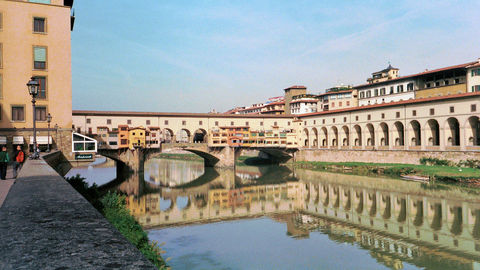 Tuscany The soul of the Italian countryside — cypress-lined hills, vineyards, olive groves and Renaissance towns like Siena and San Gimignano.
Tuscany by experience
The themes this region delivers on.
-
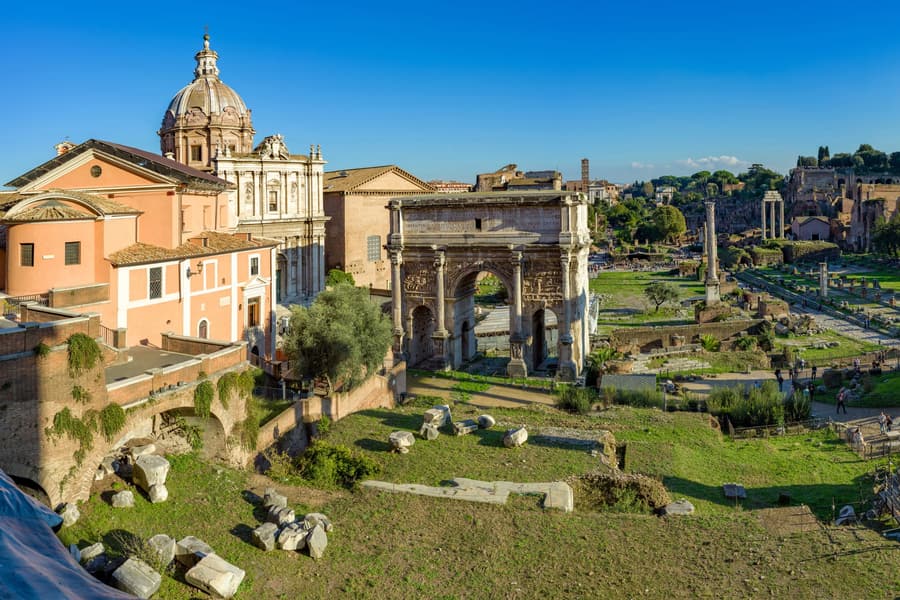 Art & culture More UNESCO World Heritage sites than any other country on earth
 - Food & wine Regional to the point of parochial — and all the better for it
-
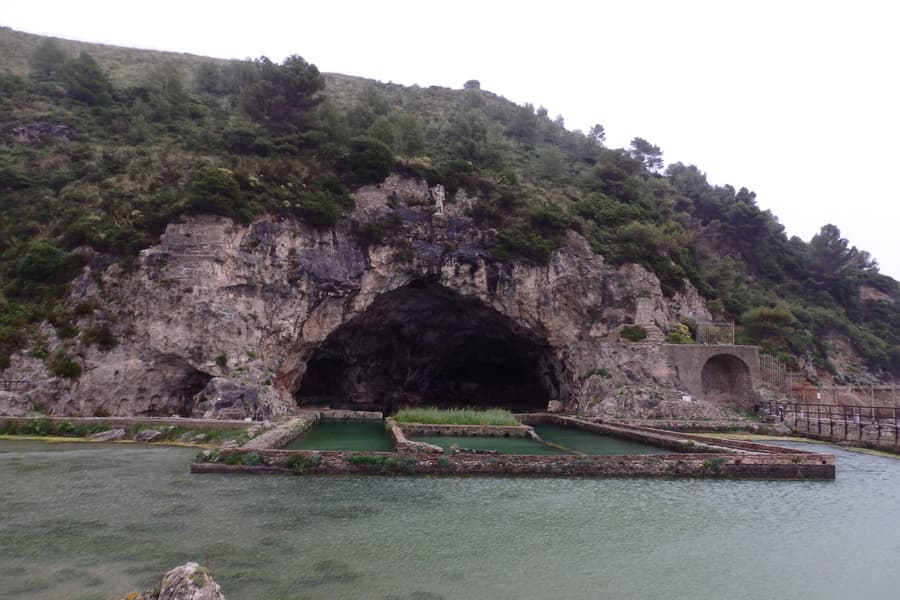 Coast & islands 7,900 km of coastline and around eighty inhabited islands
 -
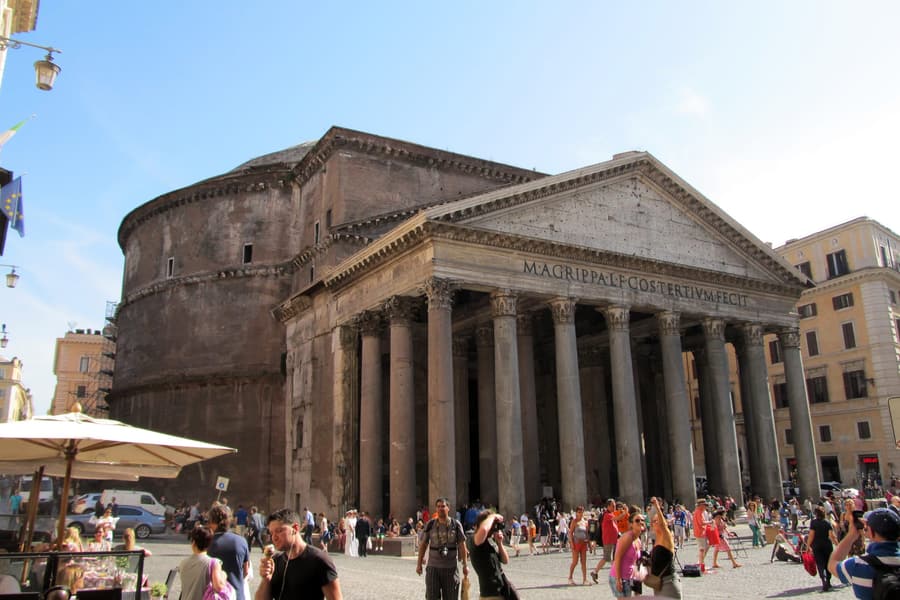 UNESCO Italy Sixty World Heritage sites — the largest tally of any country
 -
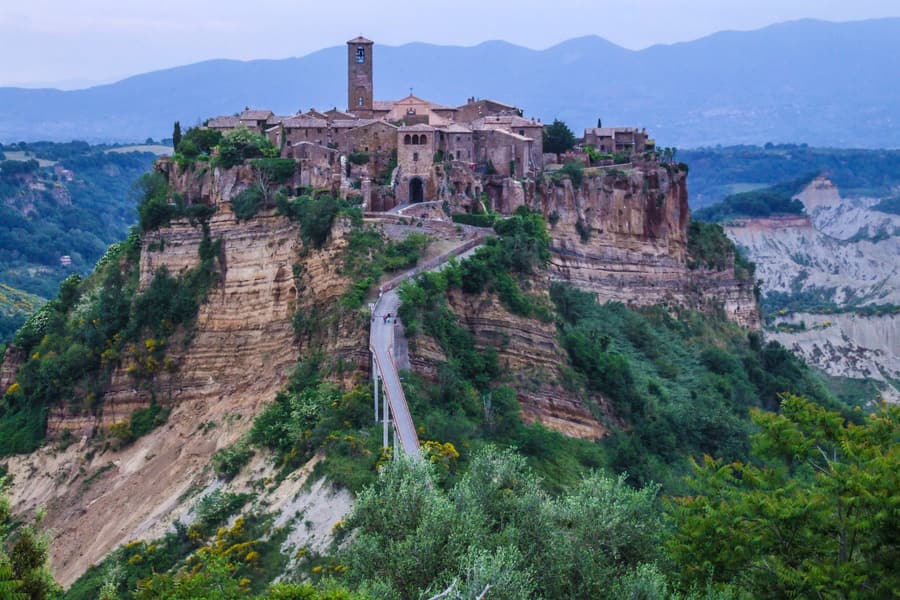 Borghi & villages The hill towns that carry I Borghi più belli d'Italia and the Orange Flag
 - Nature & national parks 25 national parks, from alpine glaciers to volcanic islands
- Thermal baths & wellness Volcanic Italy's other output — hot water, since the Romans
-
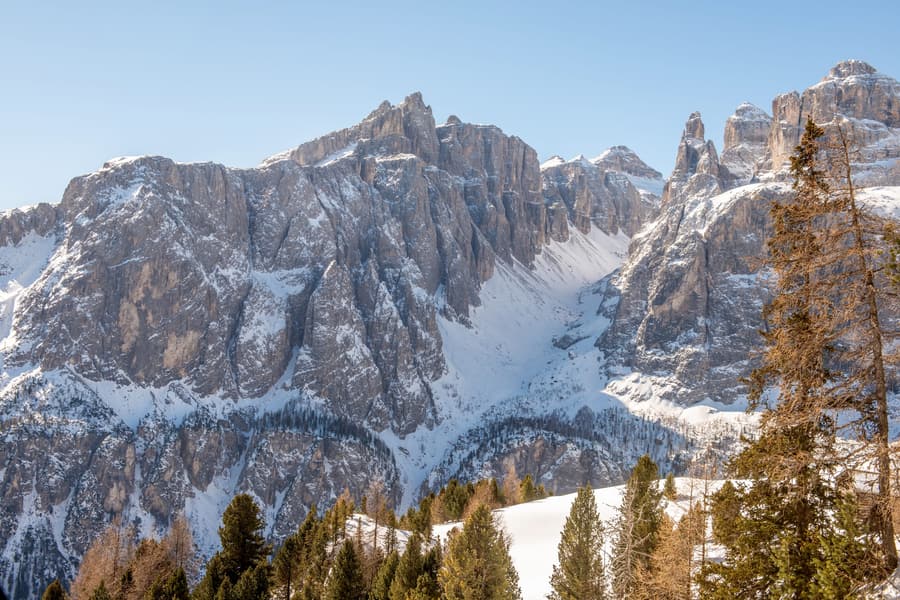 Sport & the outdoors Dolomiti Superski, the Giro's climbs and Garda's windsurfing
 - Shopping & markets Milan's Quadrilatero, Florence's leather and the weekly market habit
- Events & festivals The Palio, Carnevale, the Biennale and an opera season in a Roman arena
-
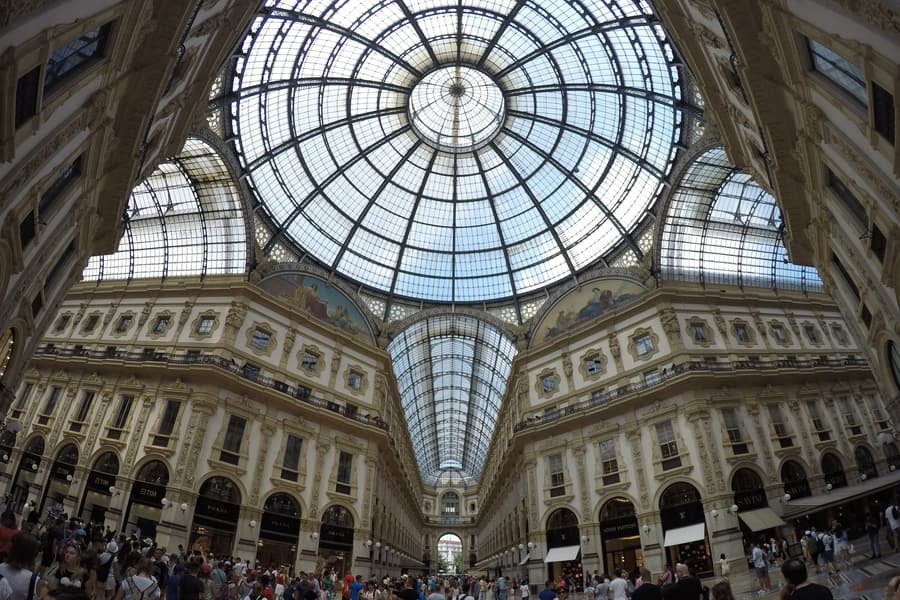 Luxury Italy Portofino, the Costa Smeralda, Capri and the great lake villas