Siena lost its war with Florence in 1555 and never recovered economically, which is why it still looks like a fourteenth-century city: a brick-red Gothic hill town of three ridges meeting at the Campo, with almost no Renaissance and almost no modern building inside the walls. The whole historic centre is UNESCO-listed. It is also still organised into seventeen contrade — neighbourhood districts with their own flags, churches, museums and centuries-old rivalries — which is what the Palio, run bareback around the Campo twice each summer, is actually about.
For the Campo, which is the finest medieval square in Italy; for the striped cathedral and the Piccolomini Library inside it; and because Siena is the right base for the Val d'Orcia, Chianti and the Brunello and Vino Nobile country — all within 45 minutes.
Things to do
- Piazza del Campo — Nine segments of brick fanning towards the Palazzo Pubblico, built where three ridges meet. Sit on it; everyone does.
- Torre del Mangia — 400 steps up the 88 m tower for the view over the roofs to the Crete Senesi. Entry is capped and timed.
- Siena Cathedral — Black-and-white striped marble inside and out, a Nicola Pisano pulpit, Pinturicchio's Piccolomini Library, and an inlaid floor uncovered only a few weeks a year.
- The Gate of Heaven — A guided walk through the roof spaces and along the cathedral's exterior galleries, looking down into the nave.
- Palazzo Pubblico's Sala della Pace — Lorenzetti's Allegory of Good and Bad Government, 1338 — the first great secular fresco cycle in Europe.
- Santa Maria della Scala — A thousand-year-old pilgrim hospital opposite the cathedral, now a museum of itself, on four subterranean levels.
- A contrada museum — Each of the seventeen districts keeps its own museum of Palio banners. Visits are by arrangement and are the way to understand the city.
Where to base yourself
The Siena neighbourhoods worth knowing before you book.
- Coming soon Terzo di Città The cathedral ridge — the Duomo, the Ospedale di Santa Maria della Scala and the Pinacoteca. Quietest of the three at night.
- Coming soon Terzo di San Martino South-east of the Campo, running down towards Porta Romana. Residential, good trattorie, easy parking outside the gate.
- Coming soon Terzo di Camollia North, towards the Fortezza and Porta Camollia — the main shopping streets, the university, and the liveliest evenings.
- Coming soon Around the Campo The shell itself: the most atmospheric place to sleep and the noisiest, especially in Palio season.
- Coming soon Fortezza Medicea The Medici fortress on the northern edge, now a park and the public enoteca — sunset views over the whole city.
- Coming soon Outside the walls Agriturismi in the Crete Senesi start ten minutes out and cost half as much, if you have a car.
3 days in Siena
- Day 1 The Campo and the Palazzo Pubblico
Campo first thing, then the Museo Civico for the Lorenzetti frescoes and up the Torre del Mangia. Lunch off the square. Afternoon in Santa Maria della Scala. Aperitivo at the Fortezza enoteca, dinner in San Martino.
- Day 2 The cathedral
Duomo, Piccolomini Library, Baptistery and Crypt on the OPA SI Pass — a full morning. The Gate of Heaven roof walk if slots are free. Afternoon at the Pinacoteca, then walk the walls out to Porta Romana.
- Day 3 Into the Val d'Orcia
A car day: Montalcino for Brunello, Pienza for pecorino and the Renaissance grid, Bagno Vignoni's thermal square, and the cypress roads between them.
Day trips
Worth the train or the drive from Siena.
-
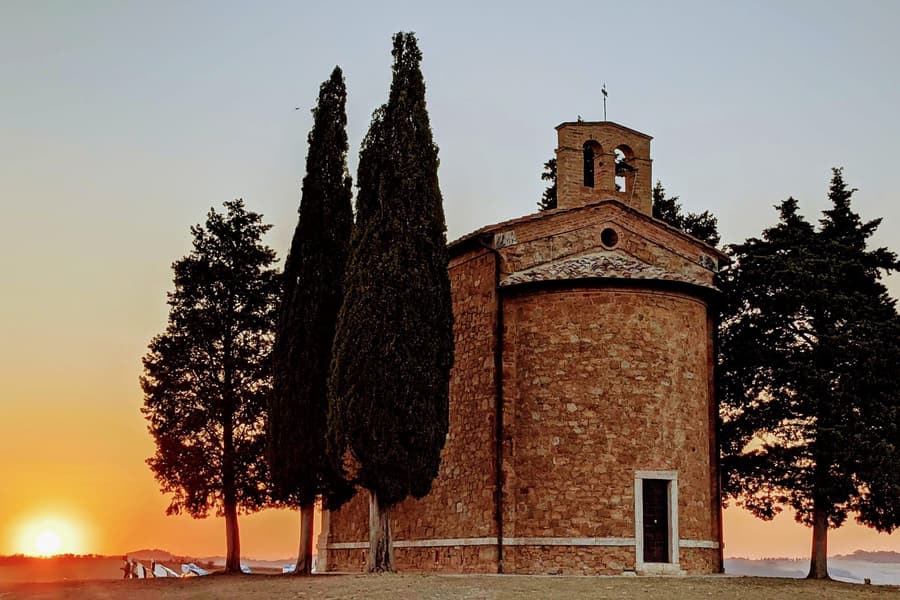 Val d'Orcia The UNESCO landscape south of the city — the Tuscany of every photograph.
 -
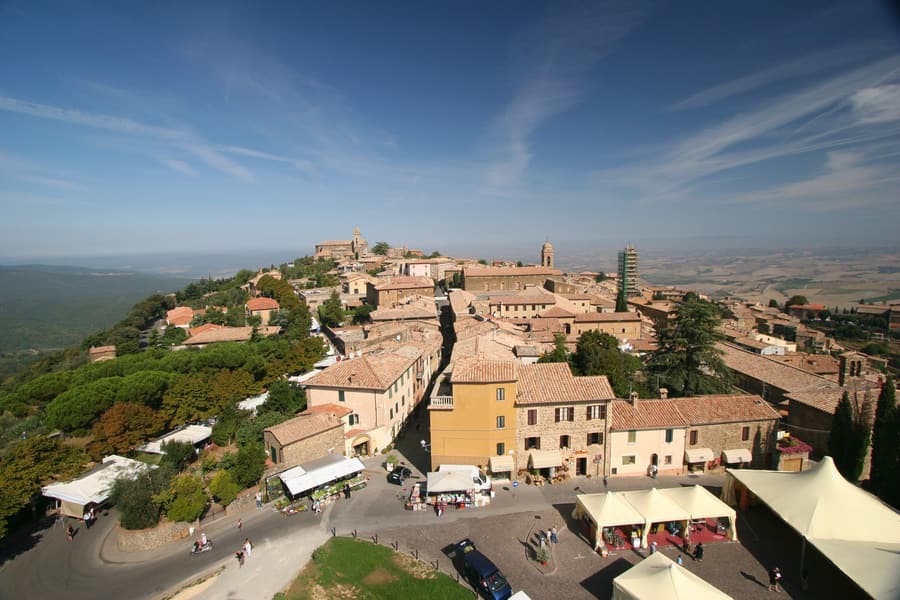 Montalcino A fortress town above the Brunello vineyards, 40 minutes.
 -
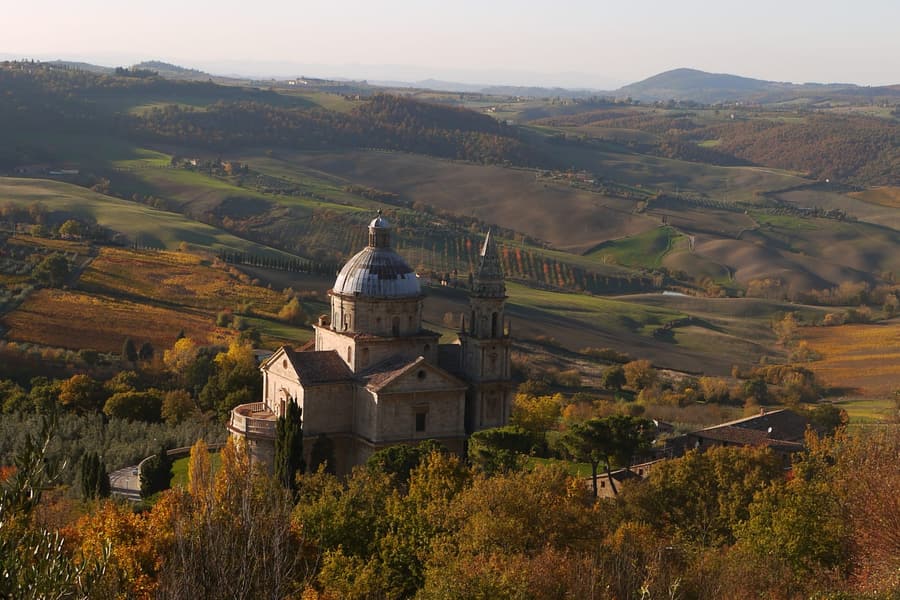 Montepulciano Renaissance palaces and Vino Nobile cellars on a ridge, an hour south-east.
 - Pienza The first planned Renaissance town, and the pecorino capital.
-
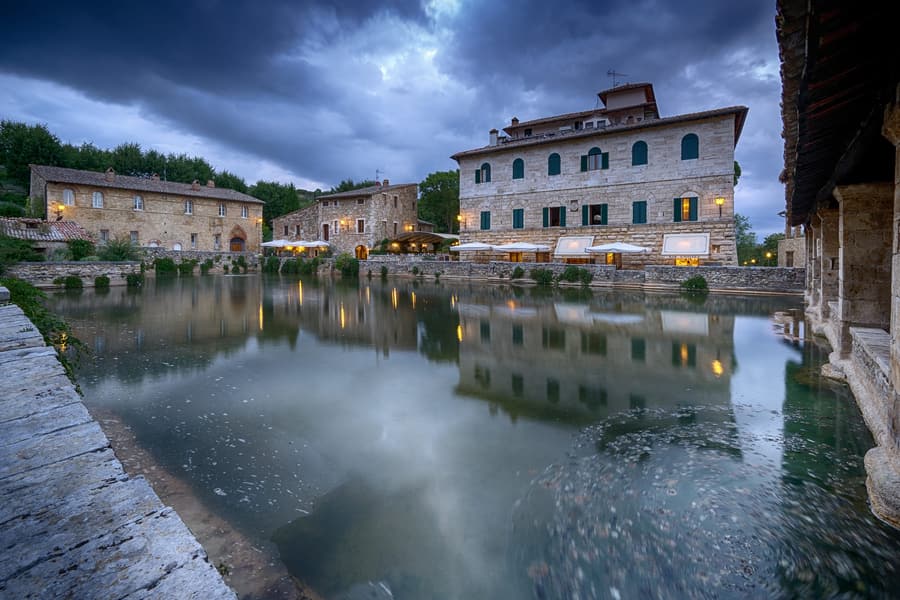 Bagno Vignoni A village whose main square is a steaming thermal pool.
 -
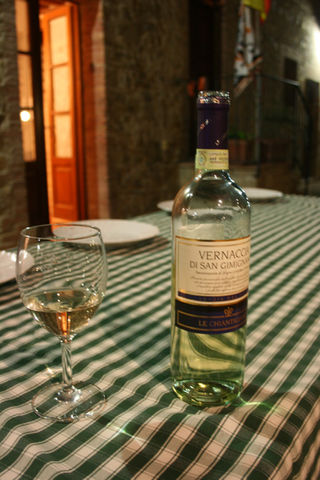 San Gimignano Fourteen medieval towers, 45 minutes north-west.
 - Chianti Wine Road The SR222 back towards Florence through the Chianti Classico estates.
Practical
- Best time to go
- April–June and September–October. The Palio is on 2 July and 16 August: extraordinary, free to stand in the centre of the Campo, and the city is unbookable for days either side. July and August are hot; winter is cold, quiet and cheap, and the cathedral's inlaid marble floor is uncovered for a period each autumn — worth checking the dates, as it is visible for only a few weeks a year.
- Getting there
- No airport and no useful train — the line is slow and indirect. The right way in is the SITA/Autolinee Toscane rapid coach from Florence, about 75 minutes, hourly. Florence (FLR) and Pisa (PSA) are the airports. Driving is fine as far as the walls; the centre is closed to traffic, so use one of the ring car parks with escalators up into town.
- Getting around
- Entirely on foot, and it is steeper than it looks — three ridges means every route crosses a valley. A set of public escalators climbs from the car parks and the Fortezza. Nothing inside the walls is more than 20 minutes from the Campo.
- Eat & drink
- Sienese cooking is medieval and frugal: pici (thick hand-rolled pasta) with cacio e pepe, aglione or wild boar ragù; ribollita; crostini neri. The sweets are the local signature — panforte, ricciarelli and cavallucci, all sold from the same handful of old shops. The wine is Chianti Colli Senesi in town, with Brunello di Montalcino and Vino Nobile di Montepulciano within 40 minutes.
- Know before you go
- During the Palio and its trial runs the Campo fills and closes hours in advance, and there is no shade and no way out of the centre once packed. The cathedral needs the OPA SI Pass to see the Piccolomini Library, the Baptistery, the Crypt and the Gate of Heaven roof walk. Restaurants immediately on the Campo charge for the square.
More of Tuscany
-
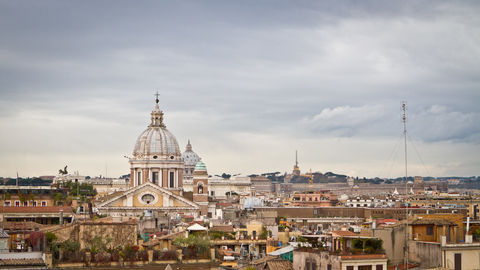 Florence The Renaissance in one walkable square mile
 -
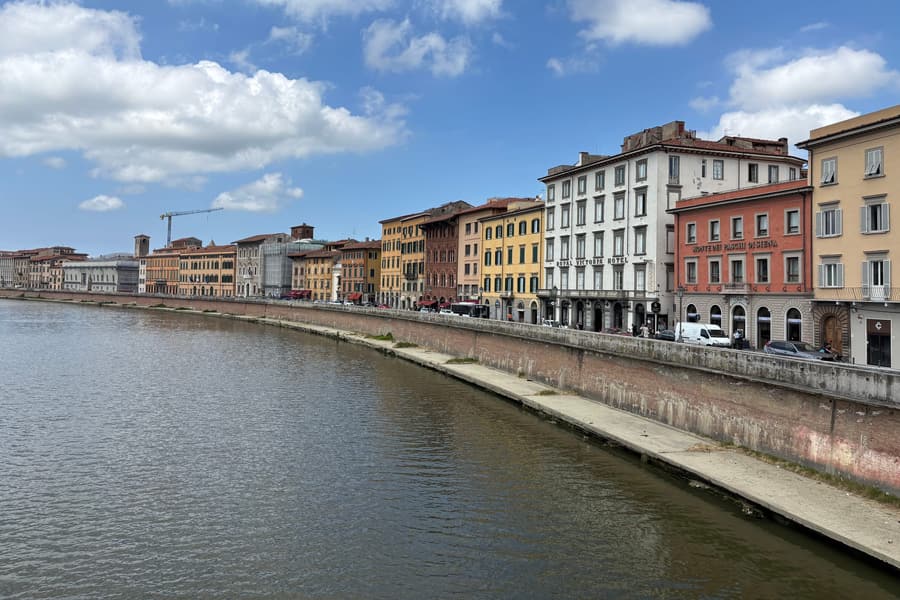 Pisa The Field of Miracles, and a real city behind it
 -
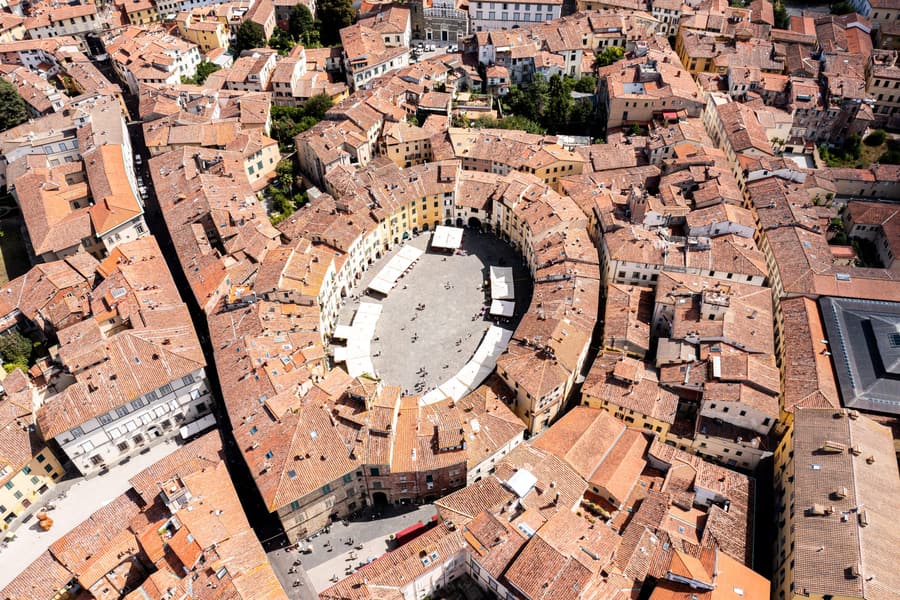 Lucca Renaissance walls wide enough to cycle round the whole town
 - San Gimignano Fourteen surviving medieval tower-houses on a Tuscan ridge
- Pienza The first planned Renaissance town, in the middle of the Val d'Orcia